2027 Surgical Tech Degree Completion Rates by Format: Online, Hybrid, and Campus Programs Compared

Co-Founder and Chief Data Scientist
Choosing between online, hybrid, and campus programs to complete a surgical tech degree presents a critical challenge for many students. Each format offers distinct advantages while posing unique obstacles related to time management, hands-on experience, and access to clinical training. Prospective students often wrestle with balancing personal responsibilities against the rigor and support structures of their chosen pathway.
Completion rates vary across these formats, influenced by factors such as student engagement, instructional quality, and program design. Understanding these differences is vital for making an informed decision that aligns with career goals and workforce demands. This article compares online, hybrid, and campus surgical tech program completion rates, examines key influences on student success, and helps identify the format most likely to support degree attainment.
Key Things to Know About Surgical Tech Degree Completion Rates by Format
- Online surgical tech programs show a 12% lower completion rate than campus options due to limited hands-on practice, impacting students' clinical readiness and delaying credential attainment.
- Hybrid formats blend online theory with on-site labs, improving completion rates by 8% over fully online, but require substantial time management skills to handle dual scheduling.
- Campus-based programs maintain the highest completion rates, reflecting real-time instructor feedback and peer support critical for mastering complex surgical procedures and ensuring workforce entry.
- Key Things to Know About Surgical Tech Degree Completion Rates by Format Key Things to Know About Surgical Tech Degree Completion Rates by Format
- How Do Completion Rates Compare Across Online, Hybrid, and Campus Surgical Tech Programs? Completion Rate Comparison
- What Factors Have the Greatest Impact on Surgical Tech Degree Completion? Degree Completion Factors
- Which Surgical Tech Degree Format Is Hardest to Complete? Completion Difficulty
- How Does Each Surgical Tech Learning Format Affect Student Success? How Does Each Surgical Tech Learning Format Affect Student Success?
- How Does Enrollment Status Affect Surgical Tech Completion Rates? How Does Enrollment Status Affect Surgical Tech Completion Rates?
- Can Transfer Credits Improve Surgical Tech Degree Completion? Transfer Credits
- What Student Support Services Improve Surgical Tech Completion Rates? Student Support Services
- How Do Surgical Tech Completion Rates Affect Career Outcomes? Impact on Career Outcomes
- How Should Students Choose the Best Surgical Tech Learning Format? Choosing the Best Format
- What Are the Long-Term Pros and Cons of Each Surgical Tech Learning Format? Learning Format Pros & Cons
How Do Completion Rates Compare Across Online, Hybrid, and Campus Surgical Tech Programs?
Completion rates across online, hybrid, and campus surgical tech programs often reflect the profiles and circumstances of enrolled students more than the intrinsic quality of the programs themselves. Differences in these rates serve as indirect indicators of student persistence and adaptability rather than direct measures of institutional effectiveness. For example, a working adult juggling family responsibilities may struggle to complete a fully campus-based program despite its structured support, while another student thrives under the same conditions.
Variations in completion rates commonly arise from how students balance work, study intensity, and personal obligations across formats. Online programs tend to attract learners seeking flexibility, yet this format can challenge engagement and persistence in a hands-on field, contributing to lower completion rates. Hybrid options often offer a compromise, combining essential face-to-face skill-building with some schedule adaptability, which influences comparative graduation success hybrid vs campus surgical tech programs report. Ultimately, completion depends as much on individual circumstances-like time management and motivation-as on format.
Prospective students should weigh completion rate comparisons alongside their personal learning styles, available study hours, and commitments outside school. Those with strict schedules might lean toward online pathways, possibly exploring an online healthcare administration degree or similar flexible programs, while others may find campus or hybrid experiences better suited to mastering practical skills and completing requirements. Matching format to one's lifestyle and goals increases the likelihood of persistence and successful degree completion without assuming any format as universally best.
What Factors Have the Greatest Impact on Surgical Tech Degree Completion?
Successfully completing a surgical tech degree requires more than personal motivation; it depends on a complex mix of academic support, financial resources, and program structure. Many students fail to graduate not due to lack of willpower but because of barriers that reduce their capacity to stay engaged and meet practical requirements. For example, a working parent enrolled in a fully online program without access to clinical practicums may struggle to gain necessary hands-on experience, causing delays or dropout despite strong intent. The following factors consistently influence surgical tech degree completion rates across different learning formats.
- Access to Quality Clinical Practicums: Direct exposure to clinical settings is essential for mastering hands-on skills critical to surgical tech roles. Campus-based programs typically provide more immediate and structured practicums, which are linked to as much as a 15% higher graduation rate compared to online-only formats, according to the Association of Surgical Technologists. Students should seek programs that guarantee sufficient in-person clinical hours to build competence and confidence.
- Program Flexibility and Scheduling: Hybrid models that combine online theory with scheduled labs offer greater adaptability for students juggling employment or family responsibilities. This flexibility reduces dropout caused by conflicting commitments, a trend noted in the U.S. Department of Education's latest Postsecondary Education report. Prospective students can improve completion odds by selecting programs with predictable schedules and options for in-person components.
- Financial Stability and Aid Availability: Economic hardship remains a leading cause of delayed degree completion or withdrawal in health technical fields. The Lumina Foundation's 2024 analysis highlights that students lacking institutional financial aid or personal resources face significantly lower persistence rates. Early financial planning and accessing scholarships or grants tailored to surgical tech programs can mitigate these risks.
- Effective Academic Support Services: Tutoring, mentoring, and career counseling greatly enhance retention, especially in hybrid and online formats where isolation is more common. Active engagement with these resources helps students resolve academic challenges promptly and maintain motivation. Students should proactively utilize these services to navigate the rigors of their program.
- Student Engagement and Community Connection: Feeling connected to peers and instructors fosters accountability and emotional support, both critical for sustained effort. Programs emphasizing cohort-based learning or community-building activities see higher completion success. Enrolling students benefit from seeking environments that encourage collaborative learning and peer networking.
- Realistic Expectations and Time Management Skills: Understanding the time-intensive nature of surgical tech education, including clinical hours and study demands, prepares students for the commitment required. Those with strong organizational skills and realistic planning for balancing school, work, and personal life navigate the program's demands more effectively. Early development of these skills can be a decisive factor in persistence.
- Choice of Learning Format Aligned with Lifestyle: While fully online programs offer convenience, they pose challenges in replicating critical hands-on experiences and maintaining student motivation. Hybrid or campus-based formats may better suit students who require structured environments and direct access to clinical training. Students should assess how each format's demands and supports correspond to their personal circumstances and learning preferences.
Students considering surgical tech education may also find related options helpful, such as medical billing and coding programs, which often provide alternative pathways within the healthcare field.
Which Surgical Tech Degree Format Is Hardest to Complete?
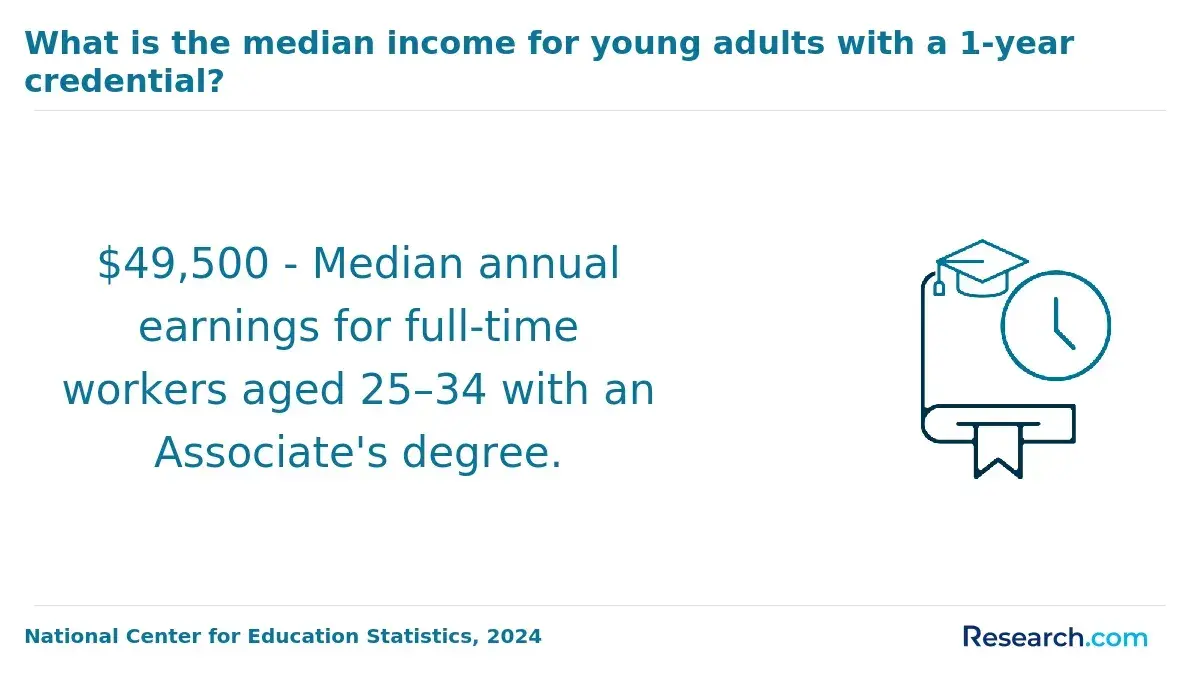
Completion rates for surgical tech degree programs vary notably by format, reflecting different demands and support levels. Data from the National Center for Education Statistics in 2024 show that fully online formats often yield persistence rates 15-20% lower than campus-based programs. The absence of consistent hands-on clinical opportunities and in-person peer or instructor engagement places significant pressure on students' self-discipline and motivation, increasing dropout risk. Hybrid programs, combining online coursework with required in-person clinical sessions, tend to occupy a middle ground, offering hands-on experience while retaining some schedule flexibility, which generally translates into higher completion rates than fully online but still slightly below campus-based options.
Traditional campus-based surgical tech programs typically report the highest completion rates due to immersive environments, structured schedules, and immediate access to faculty and clinical resources. This format facilitates real-time feedback and peer support essential for mastering practical competencies. However, campus attendance demands can create significant challenges for students balancing work or family commitments, which may affect individual completion outcomes despite the overall higher rates. Selection of the format should therefore consider personal circumstances against the practical realities each environment imposes on consistent progress and skill acquisition.
A surgical tech graduate recalled initially choosing an online program for convenience while managing a full-time job and childcare. Early on, they struggled with the lack of in-person clinical practice and felt isolated, which severely tested their motivation. Halfway through, they transferred into a hybrid program to access hands-on sessions and direct instructor support. This shift improved their confidence and engagement, ultimately helping them graduate on time. Their experience illustrates how format choice can create hidden hurdles beyond just scheduling, influencing both persistence and preparedness for the field's practical demands.
How Does Each Surgical Tech Learning Format Affect Student Success?
Student success in surgical tech programs hinges less on the format itself and more on how well that format fits a student's learning style, time constraints, and personal commitments. Degree completion rates vary significantly because factors like motivation, access to support, and hands-on experience play distinct roles in each learning environment. For example, a student balancing childcare may thrive in a hybrid setting that offers flexible online content paired with essential face-to-face labs. The following points highlight key ways that online, hybrid, and campus formats impact success outcomes in surgical tech education.
- Direct Engagement and Accountability: Campus-based programs generally provide structured schedules and immediate instructor interaction, fostering stronger accountability. Students who benefit from real-time feedback and routine are more likely to stay on track, resulting in higher completion rates reported by the National Center for Education Statistics in 2024.
- Balancing Flexibility with Hands-On Training: Hybrid formats offer a compromise by combining online coursework with periodic in-person labs. This model supports learners needing some schedule freedom while ensuring critical practical skills and peer connections that enhance persistence.
- Self-Motivation and Time-Management Skills: Fully online students must exhibit high self-discipline to overcome challenges like isolation and limited immediate support. Those lacking these skills face greater risk of falling behind or dropping out despite advances in virtual tutoring tools.
- Access to On-Site Resources: Campus students benefit from direct access to academic advisors, simulation labs, and study groups. These resources contribute to problem-solving and motivation, essential factors that hybrids access less frequently and online learners often lack.
- Community and Peer Interaction: Regular face-to-face interaction strengthens social support networks, which research shows improve resilience and academic persistence. Hybrid learners gain partial access to these benefits, while fully online students might experience isolation unless programs actively foster virtual engagement.
- Technology Proficiency and Infrastructure: Successful online participation depends on both reliable technology and comfort navigating digital platforms. Students unaccustomed to tech may encounter barriers that complicate learning and delay progress, whereas hybrid and campus options mitigate this through in-person assistance.
- Program Completion Disparities by Format: The National Student Clearinghouse Research Center data from 2024 indicate that campus-based surgical tech students graduate at higher rates than their online counterparts, with hybrid programs showing intermediate outcomes. This suggests format choice should be strategic, considering personal circumstances rather than convenience alone.
How Does Enrollment Status Affect Surgical Tech Completion Rates?
Enrollment status is one of the most critical factors influencing surgical tech degree completion rates, but its effect depends heavily on a student's personal circumstances rather than course load alone. Full-time versus part-time surgical tech student success rates differ significantly, reflecting variations in time commitment, support access, and external obligations. Understanding how enrollment status shapes educational outcomes helps prospective students select a pace that aligns with their life responsibilities and academic strengths. Below are the primary ways enrollment status impacts completion outcomes.
- Intensity of Academic Engagement: Full-time students typically engage more deeply with coursework and clinical practice due to structured scheduling and greater immersion. This constant involvement leads to higher persistence and completion rates, especially for students who can dedicate extensive daily hours to study.
- Balancing External Responsibilities: Part-time students frequently juggle work, family, and financial obligations that compete with study time. This dynamic increases time to completion and dropout risk but is often essential for adult learners needing income support during their education.
- Access to Institutional Resources: Full-time enrollment usually provides better access to faculty, tutoring, and peer networks, especially in campus and hybrid formats. Part-time students may miss out on timely interactions, which can hinder academic progress unless programs specifically accommodate flexible schedules.
- Flexibility of Learning Formats: Online and hybrid programs often attract more part-time students because of their adaptability. While this flexibility improves accessibility, online part-time students may face lower completion rates due to reduced immediate accountability and interaction compared to full-time campus peers.
- Time Management Skills: Regardless of enrollment status, sustained motivation and strong organizational skills are crucial. Part-time students in well-structured hybrid programs sometimes outperform fully online counterparts by leveraging scheduled in-person sessions to maintain discipline and connection.
- Support Systems and Advising: Institutions offering robust advising and peer support can improve graduation rates among part-time students. These services help mitigate challenges that come from extended program durations and less frequent campus presence.
- Completion Rate Data: According to recent findings from the National Center for Education Statistics, full-time students in surgical tech programs complete their degrees at rates approximately 20-30% higher than part-time students, though this gap narrows in hybrid formats that blend engagement with flexibility.
A real-world example illustrates these dynamics: a working parent attending part-time online may struggle more with completion compared to a full-time campus student who can engage daily but might be unable to afford a full-time schedule. In weighing these options, prospective students must consider the best online MHA programs and surgical tech offerings that align with their capacity to balance study and life demands, optimizing the impact of enrollment status on surgical tech graduation rates.
Can Transfer Credits Improve Surgical Tech Degree Completion?
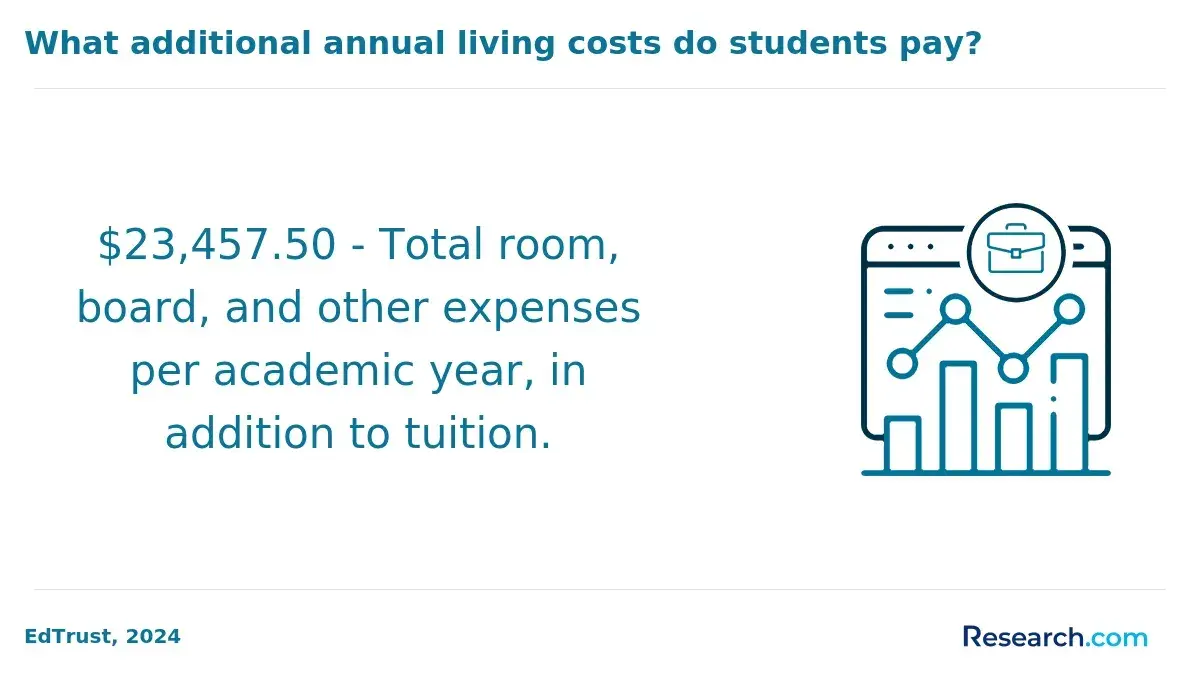
Transfer credits can offer a meaningful advantage for many students aiming to complete a surgical tech degree by reducing redundant coursework and allowing them to progress faster. For example, a student entering a campus-based program with 30 transferable credits from previous college studies might avoid repeating foundational courses, cutting down their time-to-degree by a semester or more. According to a 2024 report from the National Center for Education Statistics, students with transfer credits are about 25% more likely to finish within four years than those without, underscoring how prior learning can accelerate completion in well-structured programs.
However, the extent of this benefit varies considerably by program format and institutional policies. Online and hybrid programs have increasingly accepted transfer credits, leading to improvements in graduation timelines-around 18% for online students and 20% for hybrid learners, based on recent Education Data Initiative findings. Yet, credit applicability often hinges on how previous coursework aligns with clinical training requirements, which are pivotal in surgical tech programs. In some cases, credits may not count toward essential hands-on hours, limiting the true acceleration potential.
Students with military training, professional certifications, or earlier college experience may find transfer credits especially valuable, but these advantages are not guaranteed. A military veteran, for instance, might receive credit for medical coursework but still need to complete a full quota of clinical hours, which can temper how much quicker they finish. Thus, transfer credits don't automatically shorten the path to graduation; they must be evaluated within the context of each program's curriculum and competency demands.
Prospective surgical tech students should take a proactive approach by obtaining an official transfer credit evaluation from their institution. This process clarifies which credits apply and how many remain toward degree completion. Comparing those remaining credits against their anticipated course load can help estimate how much time-if any-will be saved. While transfer credits often contribute positively to completion rates, they represent just one factor among many, including advising quality, program rigor, and personal circumstances, that influence a student's ultimate success in finishing their surgical tech degree.
What Student Support Services Improve Surgical Tech Completion Rates?
Completion rates for surgical tech degrees are strongly influenced by the quality and accessibility of student support services. These services vary across online, hybrid, and campus formats but share a common impact on persistence and graduation outcomes. According to a 2024 National Student Clearinghouse report, online learners who actively engage with advising support can achieve completion rates nearly equal to those in traditional settings. Below are the critical support services linked to higher success in these programs.
- Personalized academic advising: Tailored advising helps students maneuver through complex course sequences and clinical placements that often delay progress. Both in-person and virtual advising can close critical gaps when advisors are responsive and students maintain consistent contact.
- Proactive tutoring and skills labs: Hands-on practice is vital in surgical tech education. Access to simulation centers and peer study groups on campus bolsters skill mastery, while hybrid programs that schedule lab sessions add essential applied learning to online theory.
- Accessible mental health services: The rigor of health sciences demands robust counseling and stress management options. Programs offering telehealth or on-site services help sustain student motivation and prevent burnout across all delivery methods.
- Integrated virtual advising platforms: For online and hybrid students, seamless access to academic support through digital portals encourages timely problem-solving and reduces withdrawal rates, assuming students proactively use these tools.
- Peer mentorship networks: Connecting students with experienced peers creates social encouragement and practical insight into program challenges, which can be particularly valuable when physical interaction is limited.
- Flexible scheduling and resource access: Accommodating varied student availability through recorded sessions, extended hours, or online materials supports those balancing work, family, or clinical rotations without sacrificing learning quality.
- Early intervention programs: Identifying at-risk students through performance monitoring and outreach can provide targeted assistance before difficulties compound, improving completion likelihood.
An online surgical tech graduate recalled doubting her ability to finish after struggling with clinical assignments early on while managing a full-time job. The program's virtual advising platform became her lifeline, offering timely suggestions on managing clinical hours and coursework. She credits frequent check-ins with academic advisors and access to peer discussion boards for keeping her engaged when stress threatened to derail her progress. This tailored support made completing her degree feasible despite initial hesitation and external pressures.
How Do Surgical Tech Completion Rates Affect Career Outcomes?
Completion rates in surgical tech degree programs strongly influence key career outcomes, including employment prospects, salary growth, and advancement potential. Choosing between online, hybrid, and campus formats involves weighing flexibility against the likelihood of program completion, which ultimately shapes professional trajectories. Data from authoritative sources highlights the real impact that successfully finishing a surgical tech program has on long-term success. Here are several primary ways completion affects career outcomes:
- Immediate employability and hiring competitiveness: Graduating from a surgical tech program significantly improves job placement chances. Campus programs typically drive higher completion rates due to hands-on clinical experience and direct faculty interaction, which build practical skills employers seek. Students who persist to graduation often face less competition for entry-level positions, especially in hospitals and outpatient surgical centers.
- Salary progression and wage premium growth: Completers frequently earn more over time compared to those who do not finish their degree. According to the National Center for Education Statistics, individuals with completed degrees report a measurable increase in median earnings five years after graduation. This wage premium arises because employers value verified credentials and demonstrated commitment to the field.
- Eligibility for certifications and advanced opportunities: Completion unlocks access to specialized credentials and roles requiring formal qualifications. Hybrid formats may offer flexible scheduling while maintaining clinical skills, allowing graduates to pursue certifications that lead to higher pay or supervisory roles. Graduates who do not complete their program risk stagnating in entry-level or support positions.
- Long-term career stability and upward mobility: Persisting through degree completion correlates with steadier career advancement and promotion potential. Campus graduates often experience faster promotions due to stronger practical foundations, whereas online-only program completers must actively seek extra training to bridge experiential gaps. Career success in surgical tech demands both credentials and skills.
- Graduate education and professional specialization pathways: Completing the degree is a prerequisite for advanced academic pursuits in healthcare fields. Surgical tech students aiming for further study, such as in nursing or allied health, benefit from degree completion, which increases admission likelihood and readiness. For those interested in diversified roles, understanding options like 5 year speech pathology programs may also inform long-term planning.
How Should Students Choose the Best Surgical Tech Learning Format?
Choosing the best format for a surgical tech degree requires evaluating personal circumstances alongside data on degree completion and employability. Recent findings from 2024 highlight that students balancing work or family often succeed better in flexible programs, but technical skills demand hands-on practice that fully online formats may lack. A working single parent, for example, might thrive in a hybrid program offering both virtual coursework and scheduled clinical sessions, blending convenience with essential skill development. Below are key factors to consider when selecting a surgical tech learning format.
- Time Management Capacity: Consistent scheduling is crucial, especially for fully online formats where students must self-motivate without daily in-person accountability. If you struggle with deadlines or distractions, campus or hybrid models with structured routines might support persistence better.
- Hands-On Experience Needs: Surgical tech programs require practical skills best learned through clinical exposure. Campus settings provide immersive environments, while hybrids offer a middle ground. Purely online routes risk skill gaps unless supplemented by local facilities.
- Work and Family Obligations: Students with demanding jobs or caregiving roles often benefit from online flexibility, enabling study during off-hours. However, they must realistically assess if this flexibility outweighs the challenges of reduced peer interaction and limited live mentoring.
- Access to Clinical Sites: Geographic proximity to hospitals or clinics is vital for hybrid and campus formats. Some remote learners might find online options more viable but should verify local clinical partnerships to ensure practical training availability.
- Support Services and Peer Interaction: Higher completion rates correlate with programs offering academic support and community engagement. Campus programs naturally foster peer collaboration, while hybrids depend on well-structured virtual platforms to maintain connection.
- Long-Term Career Goals: Consider if the format aligns with employer expectations and accreditation standards in your region. Some employers prefer candidates trained with substantial in-person clinical hours, influencing hiring prospects.
- Learning Style Preferences: Reflect on whether you thrive in interactive, face-to-face settings or prefer independent study. Matching your learning style to the program format enhances retention and success.
Students weighing these factors are better positioned to choose a program calibrated for success. Data from the National Center for Education Statistics in 2024 shows that hybrid programs often outperform fully online ones in surgical tech degree completion, especially when schools offer robust student support. Those unsure about which format suits them can explore what medical degrees can I get online to understand broader trends in healthcare education delivery.
What Are the Long-Term Pros and Cons of Each Surgical Tech Learning Format?
Long-term outcomes for surgical tech degree completion vary significantly across online, hybrid, and campus formats due to differences in practical training, student engagement, and employer perceptions. Campus programs consistently demonstrate higher completion and job placement rates owing to immersive clinical experiences. Online options offer flexibility but may challenge timely completion and skill mastery. Hybrid programs balance both approaches, blending remote coursework with essential hands-on practice. Consider these factors before choosing the best fit for your goals and lifestyle:
- Completion rates and retention consistency: Campus programs feature higher completion rates because of structured schedules and direct faculty support, helping students overcome academic hurdles faster. Online students often face higher dropout risks without immediate access to mentors, while hybrid learners show competitive completion by combining flexibility with in-person labs.
- Hands-on clinical skill development: Mastery of tactile skills in operating rooms favors campus and hybrid formats, where students receive real-time feedback, unlike online programs relying on simulations that may fall short in replicating complex procedures.
- Employer recognition and preferences: Healthcare employers often prioritize graduates with verified in-person clinical exposure found in campus or hybrid training, potentially giving these students an advantage during initial hiring stages.
- Flexibility for non-traditional students: Online programs best support students balancing work or family by offering asynchronous learning, but this can extend program duration and impact promptness of graduation.
- Peer support and professional networking: Campus environments foster stronger peer connections and mentoring opportunities crucial for long-term career growth; hybrid models offer moderate networking through combined settings, while online formats may limit this social learning aspect.
- Adaptability to evolving healthcare technologies: Hybrid and campus students benefit from direct interaction with updated surgical equipment, providing a readiness advantage compared to solely virtual learning environments.
- Real-world scenario-balancing work and training: For example, a working parent might choose a hybrid program to attend clinicals locally while completing theory courses online, enabling completion without sacrificing job responsibilities or family time.
References
- Surgical Technology Career Paths: Where Can You Grow? - Surgical Teck https://surgicalteck.com/surgical-technology-career-paths-where-can-you-grow/
- Surgical Tech Program Length: How Long Does It Take - Medical Prep https://medicalprep.org/surgical-tech-program-length/
- Addressing The Surgical Tech Shortage: A Better Staffing Solution - Partners https://partners.medcerts.com/blog/addressing-the-surgical-tech-shortage-a-better-staffing-solution
- Surgical Technology - Program Overview https://www.clcillinois.edu/programs/biodv/surgical-technology
- Online Surgical Tech Certification Program- 60% Off Training https://deals.preppy.org/online-surgical-tech-program
- Surgical Technologist - Explore Healthcare Careers - Mayo Clinic College of Medicine & Science https://college.mayo.edu/academics/explore-health-care-careers/careers-a-z/surgical-technologist/
- Surgical Technology Sequencing for Student Success - ARC/STSA https://arcstsa.org/surgical-technology-sequencing-for-student-success/
- A Day in the Life: My Journey as a Surgical Tech Student! https://www.lemon8-app.com/@therealashawilliams/7413275666965348869
- Surgical Technology Program Online | Hybrid Surgical Tech Training in California https://www.ach.edu/programs/surgical-technology-program-online/
- Is Surgical Technology a Good Career? Discover the Benefits, Opportunities, and Growth - CBD College https://www.cbd.edu/blog/surgical-technology/is-surgical-technology-a-good-career-discover-the-benefits-opportunities-and-growth/
Other Things You Should Know About Surgical Tech
Programs with rigorous clinical components tend to present greater challenges in timely completion, especially for online students who must coordinate in-person practicums independently. Hybrid and campus formats often provide more structured access to supervised clinical hours, which helps reduce delays or dropouts related to securing and completing these experiences. Prospective students should prioritize programs with integrated clinical scheduling support if minimizing logistical barriers is crucial to completing on time.
Employers in surgical technology frequently prioritize graduates from campus or hybrid programs due to perceived stronger practical training and direct instructor oversight. This perception can incentivize students to persist in these formats despite higher demands, while online-only programs might face skepticism, potentially affecting motivation and completion persistence. Students intent on entering competitive job markets may benefit from choosing formats signaling robust practical experience to employers.
Online students must exercise greater autonomy and discipline given fewer synchronous sessions, which can lead to procrastination or difficulties balancing study with life responsibilities, increasing dropout risk. Campus and hybrid formats impose more fixed schedules and in-person commitments that can foster consistent study habits but reduce flexibility. For those struggling with self-directed learning, hybrid or campus options might improve completion likelihood by providing structured pacing and immediate peer/instructor engagement.
Longer programs, often associated with campus formats due to comprehensive hands-on training sequences, can extend time to completion but may result in stronger practical readiness. Conversely, some online programs offer accelerated pacing but risk sacrificing depth or clinical engagement, which can hurt long-term success. Choosing a slightly longer hybrid or campus path can be advantageous if it ensures better retention, thorough skills development, and ultimately, smoother career entry, outweighing the appeal of shorter, fully online formats.