2027 Surgical Tech Student Debt Report: Borrowing, Monthly Payments, and Repayment Risk

Co-Founder and Chief Data Scientist
Programs for surgical tech certification often span one to two years, tightly integrating clinical internships that influence both cost and borrowing needs. Licensing requirements and accreditation standards vary by state and institution, affecting program duration and fees in ways distinct from many other health professions. As workforce demand fluctuates regionally, entry-level salaries can vary, shaping repayment capacity after graduation.
A 2024 report by the Bureau of Labor Statistics highlights modest wage growth alongside increasing enrollment, suggesting persistent pressure on new graduates to manage debt amid evolving employment landscapes. The age distribution of surgical tech students indicates expanding access for non-traditional learners, reflecting workforce shifts and educational flexibility.
Key Things to Know About Surgical Tech Student Debt
- Average surgical tech student debt is rising modestly, reflecting increased costs that lengthen repayment timelines and impact financial planning for those entering mid-career transitions.
- Employers increasingly value clinical experience over debt-free candidates, pressuring graduates to balance borrowing with gaining practical hours to enhance job market competitiveness.
- Delayed repayment among surgical tech graduates correlates with enrollment in income-driven plans, highlighting a tradeoff between manageable monthly costs and total interest accrued, influencing long-term financial health.
- Key Things to Know About Surgical Tech Student Debt Key Things to Know About Surgical Tech Student Debt
- How Much Student Loan Debt Do Surgical Tech Graduates Typically Have at Graduation? Average Studen Loan Debt
- What Factors Have the Biggest Impact on Surgical Tech Student Loan Debt? Student Debt Key Factors
- What Is the Average Monthly Student Loan Payment for Surgical Tech Graduates? Average Monthly Payment
- How Do Repayment Rates Compare Between Public and Private Institutions? Public vs. Private Institution Repayment Rates
- Do Online Surgical Tech Graduates Have Different Repayment Outcomes Than Campus-Based Students? Online vs. On-Campus Student Loan Repayment
- Which Industries Provide the Best Financial Return Relative to Borrowing Costs? Which Industries Provide the Best Financial Return Relative to Borrowing Costs?
- Does Student Debt Affect Which Jobs Surgical Tech Graduates Accept? Does Student Debt Affect Which Jobs Surgical Tech Graduates Accept?
- What Factors Increase Student Loan Repayment Risk for Surgical Tech Graduates? Loan Repayment Risk Factors
- How Can Surgical Tech Students Reduce Student Loan Debt While Earning Their Degree? Tips to Reduce Student Debt
- How Should Prospective Students Evaluate Borrowing Risk Before Enrolling? Evaluating Student Debt Risk
How Much Student Loan Debt Do Surgical Tech Graduates Typically Have at Graduation?
Recent data from sources such as the College Scorecard and the National Center for Education Statistics indicate that the average student loan debt for surgical tech programs generally falls between $10,000 and $30,000 at graduation. This range reflects the relatively shorter duration of these programs, often spanning one to two years, which typically results in lower debt levels compared to extended allied health or nursing degrees. However, the total borrowing is influenced by factors including program intensity and the balance of federal versus private funding, with many students utilizing federal loans that provide flexible repayment structures. Understanding the average student loan debt for surgical tech programs provides essential context for evaluating the financial commitments these graduates face as they transition into healthcare roles.
Variability in debt levels is closely tied to institutional and enrollment differences. Students attending private institutions or out-of-state programs encounter higher tuition costs, directly increasing borrowing demands, while public in-state options tend to offer more affordable pathways. Additionally, differences in scholarship availability and grant aid can mitigate debt but often vary widely between schools and regions. Enrollment patterns also contribute to this variation; part-time students may accumulate costs over longer periods, altering the debt profile compared to full-time peers. These distinctions emphasize the importance of assessing the interplay between tuition price, program length, and financial aid when projecting borrowing outcomes for surgical tech students.
The debt burden carried by surgical tech graduates plays a significant role in shaping their post-graduation financial stability and career choices. While median starting salaries in the mid-$40,000 range usually allow manageable loan repayments, the debt-to-income ratio remains a critical measure of repayment risk. Federal income-driven repayment plans can alleviate immediate financial pressure, yet high debt levels may still influence job selection and long-term economic positioning. Prospective students are encouraged to weigh these repayment dynamics carefully alongside program quality and accreditation, rather than focusing solely on cost. For those seeking advanced healthcare degrees, exploring pathways such as BSN to DNP programs may offer alternative career strategies, shifting borrowing and income trajectories.
What Factors Have the Biggest Impact on Surgical Tech Student Loan Debt?
Student loan debt levels for surgical tech students arise from a complex interplay of institutional pricing, program structure, and individual circumstances rather than any singular element. Borrowing is influenced not only by tuition but also by how students finance their education through aid, enrollment patterns, and living cost realities. This multifactor framework helps explain why debt burdens vary widely, reflecting systemic affordability issues and personal financial behaviors within surgical tech educational pathways. Understanding these drivers is essential to grasp the long-term implications of loan obligations and their impact on graduates.
- Program Format and Length: The choice between shorter certificate or diploma programs and longer associate degree tracks significantly alters loan amounts. Longer programs typically entail more tuition and ancillary costs by incorporating general education courses, increasing total borrowing needs. This factor interlocks with enrollment decisions, as extended time in school compounds living expenses and loan accumulation, intensifying debt.
- Institution Type and Tuition Pricing: Public versus private technical schools present sizeable disparities in cost structures, with private career colleges generally charging higher tuition and fees. These pricing variances drive loan demand differently, as private institutions often have fewer grant opportunities and cater to accelerated, intensive formats that limit part-time enrollment, thereby influencing debt formation.
- Financial Aid Availability and Loan Reliance: Access to grants and scholarships directly reduces borrowing, but surgical tech students frequently rely on unsubsidized federal and private loans due to limited aid. Approximately 65% of surgical tech students depend on federal loans, borrowing on average over $20,000, underscoring the critical role aid scarcity plays in ballooning student debt levels. This dynamic also interacts with student financial literacy and borrowing choices.
- Geographic and Living Expense Factors: Programs located in urban or high-cost-of-living areas elevate total educational costs beyond tuition through increased housing, transportation, and daily expenses. These indirect costs often require additional loans, especially for full-time students, compounding overall debt loads. Geographic pricing patterns also align with institutional type prevalence, further shaping borrowing outcomes.
- Enrollment Status and Completion Timeline: Part-time students may seemingly borrow less per term but often extend program duration, amplifying cumulative costs and living expenses. This drawn-out borrowing horizon can increase loan balances and complicate repayment, especially where financial aid is limited or less accessible to part-time enrollees.
In parallel with these factors impacting surgical tech student loan debt, learners must consider how financial behaviors and program choices influence long-term debt sustainability. Those weighing enrollment options may also benefit from exploring related credentials, such as medical billing and coding certification, to understand complementary pathways and their financial implications within healthcare education systems.
What Is the Average Monthly Student Loan Payment for Surgical Tech Graduates?
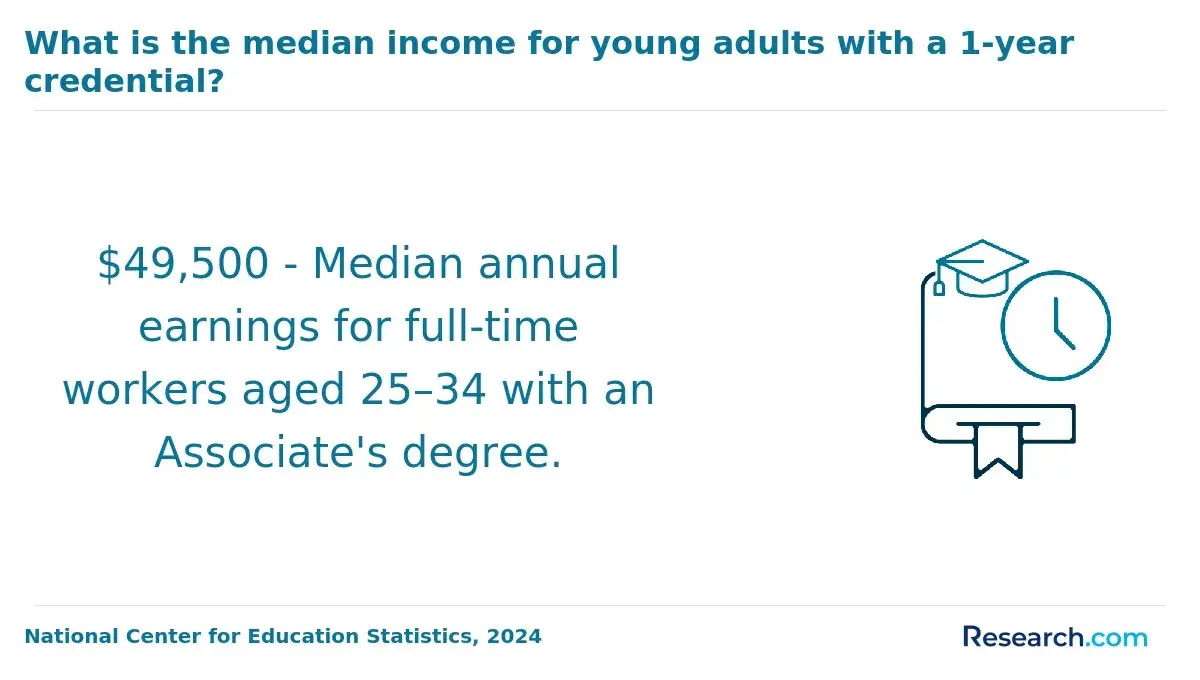
Recent data from the U.S. Department of Education's College Scorecard and Federal Reserve reports in 2024 show that surgical tech graduates generally face monthly student loan payments ranging from roughly $200 to $350. This reflects typical borrowing amounts of $10,000 to $30,000 associated with one- to two-year programs. The variation in monthly payment size corresponds with differences in loan balances and repayment timelines, which usually stretch from 10 to 15 years. Despite the manageable monthly costs relative to salaries that start between $45,000 and $55,000, these payments still represent a notable portion of gross income, often around 5% to 8%, highlighting the importance of understanding loan servicing dynamics.
The wide spread in monthly payments results from several financial factors, including the choice between federal loans with income-driven repayment plans and standard repayment schedules. Income-driven options can lower monthly payments but may extend the repayment period and increase overall interest paid. Interest rates varying between 4% and 7% also impact how much borrowers pay monthly. Additionally, even modest fluctuations in surgical tech starting salaries can meaningfully affect affordability, as debt payments consume a larger share of income for those earning near the lower end of the scale. These complexities underline the need for borrowers to carefully evaluate loan terms and repayment strategies rather than focusing solely on surface-level payment estimates.
One surgical tech graduate recounted feeling caught in a prolonged admissions process that left her uncertain about when to finalize enrollment. With rolling admissions and limited program seats, she hesitated to commit without clarity on financial aid options, delaying her application despite eagerness to start. This uncertainty impacted her loan planning, as she wasn't able to fully assess potential borrowing until the process progressed, illustrating how timing and information gaps during admission can influence both educational and financial decision-making for prospective students.
How Do Repayment Rates Compare Between Public and Private Institutions?
Recent data from the U.S. Department of Education's College Scorecard reveals that graduates of public institutions in surgical tech programs demonstrate notably higher student loan repayment rates within three years compared to their counterparts from private colleges. Specifically, median repayment rates hover around 47% for public school graduates, while private school graduates tend to repay closer to 39% in the same timeframe. Federal Reserve analyses from 2024 further indicate that those from public institutions face lower risks of delinquency and default within five years of repayment, suggesting better financial outcomes post-graduation for these students.
These repayment differences largely stem from disparities in institutional costs, borrowing levels, and labor market integration. Public colleges typically charge lower tuition, leading to smaller loan balances and more manageable monthly payments, while private institutions often carry higher price tags that amplify debt burdens. Additionally, public programs frequently maintain stronger connections to local healthcare sectors, contributing to higher graduation rates and steadier income streams for their graduates. This alignment not only supports timely loan repayment but also reflects institutional structures prioritizing regional workforce demands, unlike some private programs where tuition premiums may not translate to equivalent employment or earning advantages.
The implications extend beyond immediate repayment performance-students from private surgical tech programs often encounter greater long-term financial stress due to elevated debt levels that can constrain economic mobility and delay wealth accumulation. Consequently, repayment outcomes serve as a crucial metric in assessing program value and institutional accountability, signaling the importance of balancing educational costs with realistic earning potential and repayment capacity. Prospective surgical tech students should weigh these factors carefully when choosing between public and private options, as the interplay of borrowing, income, and institutional support directly influences both financial stability after graduation and career sustainability within the healthcare field.
Do Online Surgical Tech Graduates Have Different Repayment Outcomes Than Campus-Based Students?
Repayment rates among surgical tech graduates show notable differences between those from public and private institutions, with private school alumni generally demonstrating higher rates of on-time payments and principal reduction within a three-year window. According to data from the Department of Education's College Scorecard in 2024, approximately 62% of graduates from private institutions meet these repayment milestones compared to 55% from public universities. This gap reflects more than just nominal performance; it underscores variations in income trajectories and borrowing behaviors shaped by institutional characteristics, influencing how effectively graduates manage debt service obligations. These repayment patterns play a crucial role in assessing the long-term viability of surgical tech graduate loan repayment comparisons across sector lines.
The divergence in repayment outcomes often roots itself in structural factors such as average tuition costs, debt burdens, and workforce earnings. Private institutions typically charge higher tuition, leading students to incur greater loan balances, yet their smaller class sizes and stronger employer networks frequently translate into faster job placement and higher initial wages, which can facilitate quicker repayment. Public institutions commonly enroll a broader demographic with more diverse financial backgrounds, and while they may offer more affordable tuition, graduates might confront uneven employment markets and lower starting salaries that complicate timely repayment. The interplay between borrowing levels and post-graduation income, alongside institutional prestige and available financial aid, shapes these dynamics significantly for surgical tech programs, guiding students as they weigh the relative value of program delivery modalities and institutional types.
Such differences in repayment performance emphasize the broader financial stress and mobility risks borne by surgical tech graduates and factor heavily into perceptions of program value and institutional accountability. Prospective students should consider how variations in debt-to-income ratios influence long-term financial resilience and whether repayment progress aligns with employment realities in their region or specialty. Careful evaluation beyond public versus private divides ensures informed decision-making amid evolving workforce demands, and those interested in allied health professions might also explore related pathways, such as pursuing a nutritionist degree online, where repayment and employability factors similarly warrant close scrutiny.
Which Industries Provide the Best Financial Return Relative to Borrowing Costs?
Financial returns for surgical tech graduates vary substantially across healthcare sectors, shaped by both earning potential and debt levels incurred during training. Rather than focusing solely on salary, assessing return on investment (ROI) requires weighing income growth potential against typical student loan burdens and repayment feasibility. Industry-specific hiring trends, wage progression, and benefit structures further influence how quickly and sustainably graduates can manage debt relative to their compensation.
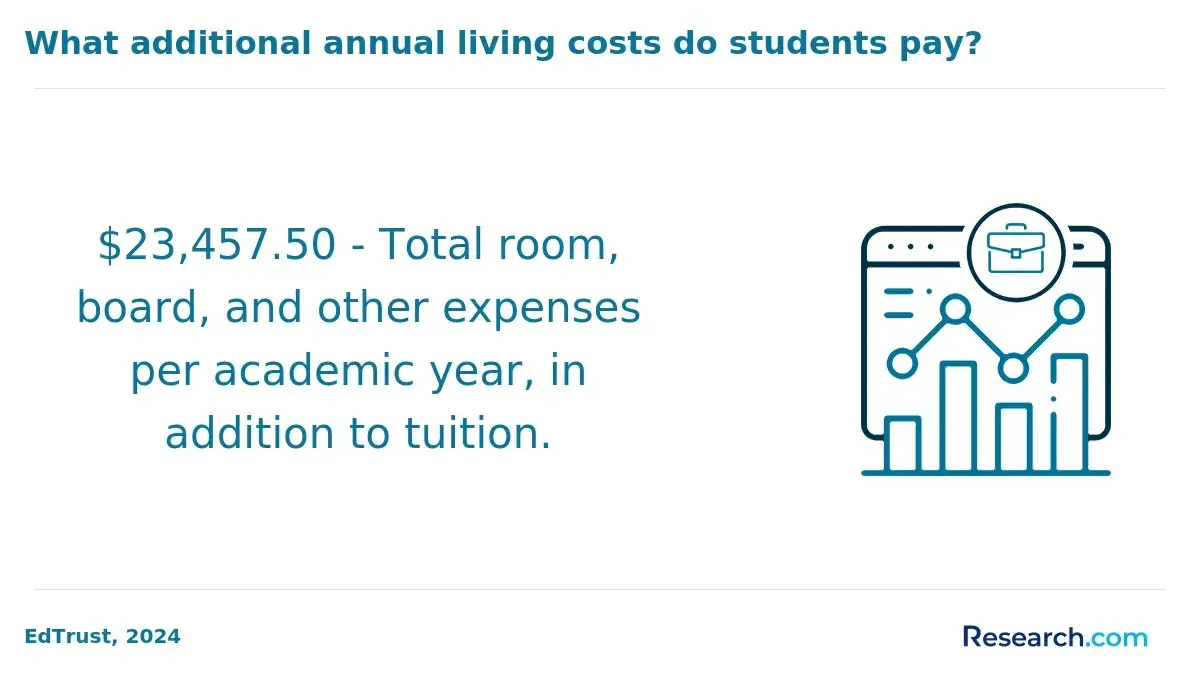
- Hospital-Based Care: This industry typically offers the strongest financial return due to comparatively higher median wages, often between $49,000 and $55,000 annually as noted by 2024 labor statistics, and stable employment demand. Hospitals also tend to provide union representation or comprehensive benefits packages, which not only enhance total compensation but improve long-term financial security, making loan repayment more manageable over time.
- Ambulatory Surgical Centers and Outpatient Clinics: While entry-level wages in these settings usually lag behind hospital rates, growing patient volumes drive steady hiring. However, slower wage growth and smaller employment networks can extend repayment periods and amplify loan stress, especially where regional demand is weak or rural.
- Specialty Surgical Practices: These settings occasionally offer premium pay tied to specialized procedures, enabling faster income gains for experienced surgical techs. Nevertheless, access is more competitive and may require additional certifications, so initial borrowing sometimes outweighs early earnings, delaying positive ROI.
- Government and Military Health Services: Employment in federal or military hospitals often provides stable wages along with loan forgiveness programs and benefits that can substantially offset educational debt. These avenues are attractive for graduates prioritizing debt relief but may involve rigid service commitments impacting career flexibility.
- Long-Term Care and Rehabilitation Facilities: These sectors typically offer lower salaries with limited wage progression, resulting in tighter debt-to-income dynamics. Graduates employed here may face prolonged repayment timelines, making this a less financially advantageous path relative to borrowing levels.
Does Student Debt Affect Which Jobs Surgical Tech Graduates Accept?
Student debt levels significantly shape the job acceptance decisions of surgical tech graduates, often pushing them toward roles that ensure immediate financial viability rather than preferred professional settings. According to data from the National Center for Education Statistics in 2024, 57% of surgical tech graduates with loans acknowledge that repayment concerns influenced their initial job choices. This pressure commonly leads graduates to prioritize positions offering higher starting salaries or additional paid hours, such as overtime or night shifts, especially in larger hospitals or urban centers where pay scales are more competitive. Consequently, these financial obligations can overshadow other considerations like workplace culture, career specialization, or work-life balance, as the necessity to meet monthly loan repayments imposes a tangible constraint on employment options.
Beyond salary-driven decisions, debt burdens contribute to broader behavioral and structural effects within the surgical tech labor market. Graduates with heavier debt loads frequently limit their geographic mobility to regions with stronger wage offers or lower unemployment, even if this means relocating away from familiar support systems. In contrast, those with lighter debt or no loans may pursue lower-paid positions in ambulatory surgery centers or rural facilities valuing work-life balance and professional development. The need to manage debt servicing also discourages some from investing in costly certifications or advanced training early on, delaying potential career advancement. Employers in underserved areas often face difficulties recruiting surgical techs, as debt-driven graduates gravitate toward better-compensated urban roles, exacerbating workforce shortages in less competitive markets.
One surgical tech graduate recalled hesitating during the rolling admissions period, uncertain whether to commit early due to looming financial uncertainties. "They kept telling me spots were filling fast, but I needed more time to sort my loan options," she explained. Eventually, when a place opened up at a program offering more robust financial counseling, she jumped at it, relieved to have some guidance on managing future debt alongside her training schedule. This strategic delay, though risky, reflected a common tension among applicants balancing admissions timelines with financial clarity and assurance.
What Factors Increase Student Loan Repayment Risk for Surgical Tech Graduates?
Student loan repayment risk for surgical tech graduates results from a complex interplay of financial, academic, and labor market factors rather than a single influence. The challenge of managing debt depends not only on the total amount borrowed but also on the stability and scale of post-graduation income streams. Understanding repayment risk involves analyzing how these factors interconnect, especially amid regional employment differences and program completion realities. This nuanced view helps explain why some surgical tech borrowers face heightened repayment strain compared to peers.
- High Borrowing Relative to Income: Surgical tech programs often require substantial loans upfront, but median starting salaries are relatively modest-around $48,000 according to the 2024 Occupational Employment Statistics. This gap shrinks discretionary income, limiting the borrower's capacity to meet monthly payments, particularly when combined with accrued interest and rising loan balances.
- Employment Stability and Regional Labor Markets: The variability of healthcare demand across regions directly impacts job security and wage levels for surgical techs. Graduates in oversaturated or lower-paying markets are more vulnerable to income volatility, which undermines consistent repayment ability. These labor market dynamics amplify risk, especially where local healthcare employers face budget constraints.
- Program Completion Rates and Credentialing: Incomplete training or lacking certification reduces eligibility for higher-paying roles. Borrowers who leave programs prematurely often hold debt without corresponding earnings power, significantly increasing default probabilities and financial distress.
- Limited Use of Flexible Repayment Options: Awareness and utilization of income-driven repayment plans and loan forgiveness programs remain uneven. Failure to engage with these options can cause debt to balloon rapidly, exacerbating repayment difficulties.
Data from the National Student Loan Data System (2024) indicates that approximately 18% of surgical tech borrowers begin repayment in distress within two years, underscoring the practical significance of these intersecting risk factors. Prospective and current students should consider how these variables might affect their long-term financial stability, especially when comparing programs and borrowing choices, as influenced by demographic factors and program format impacting surgical tech loan repayment risk.
For those weighing educational pathways, understanding which school is better SNHU vs WGU can be part of broader strategic decision-making involving program costs, labor market outcomes, and repayment implications.
How Can Surgical Tech Students Reduce Student Loan Debt While Earning Their Degree?
Reducing student loan debt while earning a surgical tech degree demands deliberate, ongoing planning and an understanding of how academic choices and financial resources interconnect. Debt reduction hinges on a combination of financial awareness, academic efficiency, and strategic use of institutional and external support. Students who integrate these factors early and consistently can lower their borrowing levels and enhance affordability throughout their educational pathway.
- Choose Accredited, Lower-Cost Programs - Selecting programs with lower tuition or hybrid formats can drastically cut overall expenses by reducing living costs and allowing flexibility to continue working. Accredited programs ensure recognized credentials that favor employment prospects, making this a prudent balance between cost and career viability.
- Engage in Healthcare Work-Study or Part-Time Employment - Earning income through work-study or part-time roles in clinical settings not only offsets borrowing but builds relevant experience. Despite the time management challenges, this practical approach helps manage monthly loan payments and improves job readiness.
- Seek Targeted Scholarships, Grants, and Employer Aid - Proactively pursuing financial aid specifically aimed at surgical tech student loan debt reduction can significantly reduce borrowing needs. With 42% of health sciences students receiving grant aid, these resources provide crucial non-repayable funding that directly lowers debt burdens.
- Opt for Shorter Program Lengths - Programs with shorter durations limit accumulated tuition and living expenses while accelerating workforce entry. This strategy reduces exposure to loan interest accrual and the risk of delayed repayment, aligning well with practical financial planning.
- Prioritize Schools with Strong Clinical Placement Networks - Institutions offering robust clinical connections improve employment outcomes, facilitating steady income streams needed to manage loan repayment. This selection impacts both debt sustainability and long-term financial stability post-graduation.
Students navigating surgical tech student loan debt reduction strategies should also consider cross-disciplinary insights on degree affordability, such as those found in research on online forensic psychology masters, which demonstrate the growing availability of flexible, cost-effective program models. Deploying these multifaceted strategies allows for meaningful debt management while maintaining focus on degree completion and career goals.
How Should Prospective Students Evaluate Borrowing Risk Before Enrolling?
Evaluating borrowing risk before enrolling in a surgical tech program is critical for understanding the long-term financial impact of the education investment. Borrowing risk fundamentally balances total anticipated debt against projected post-graduation earnings and realistic repayment ability. Prospective students need to adopt a comprehensive framework that weighs institutional costs, expected salary trajectories, and repayment conditions to ensure manageable debt levels.
- Institutional Cost Transparency: Assess tuition and fees alongside ancillary expenses such as supplies and certifications. Hidden or underestimated costs can inflate debt beyond sustainable levels, impacting repayment feasibility.
- Projected Earnings vs. Debt Load: Analyze starting salaries-typically around $49,000 annually according to 2024 U.S. Department of Education data-relative to median student debt near $17,000. This ratio informs whether future income can realistically service loans without undue hardship.
- Completion and Employment Rates: Prioritize programs with high graduation and job placement rates since delays or unemployment sharply increase default risk and financial strain.
- Loan Type and Repayment Flexibility: Federal student loans often provide income-driven repayment plans, mitigating monthly burdens, unlike private loans which commonly lack such options.
- Local Labor Market Conditions: Evaluate demand for surgical techs in the targeted geographic area, since employment opportunities and wage levels vary regionally, directly influencing financial outcomes.
- Personal Financial Resilience: Consider savings, emergency funds, and alternate income sources that can buffer repayment challenges if earnings stagnate or delays occur.
- Long-Term Career Stability: Investigate industry trends and employer expectations, recognizing that consistent employment is key to managing debt over the typical 10-year repayment horizon.
A 2024 AMBA Workforce Analysis found 15% of surgical tech graduates experience difficulty meeting loan payments within two years post-completion, underscoring the necessity for realistic, data-informed borrowing decisions. Prospective students who evaluate these factors systematically reduce financial risk and enhance their ability to sustain loan repayment while pursuing a surgical tech career.
References
- Loan Repayment Programs for Health Careers | Bureau of Health Workforce https://bhw.hrsa.gov/funding/apply-loan-repayment
- Student Loan Repayment Programs Attract & Retain Healthcare Talent https://hcrnetwork.com/employer-student-loan-repayment-guide/
- Funding Surgical Tech Education: Grants and Loans - CNI College https://cnicollege.edu/blog/student-services/pay-surgical-tech-programs-federal-financial-aid/
- Student Loan Forgiveness for Healthcare Workers https://www.studentloanplanner.com/student-loan-forgiveness-healthcare-workers/
- Student Loan Repayment Assistance Benefits for Healthcare Workers | KeyBank https://doctors.key.com/employers/student-loan-repayment-assistance-benefits-for-healthcare-workers/
- Does College Pay Off? A Comprehensive Return On Investment Analysis - FREOPP https://freopp.org/whitepapers/does-college-pay-off-a-comprehensive-return-on-investment-analysis/
- How to form a student loan repayment strategy | Urology Times https://www.urologytimes.com/view/how-form-student-loan-repayment-strategy
- Surgical Technology - Understanding Costs & Financial Aid Options - Cincinnati State https://www.cincinnatistate.edu/surgical-technology-degree-understanding-costs-and-how-to-make-it-affordable/
- The Top 2 Strategies For Paying Off Student Loan Debt | Greenbush Financial Group https://www.greenbushfinancial.com/all-blogs/top-2-strategies-paying-off-student-loan-debt
- Does Debt Affect Career Choice? | HESA https://higheredstrategy.com/does-debt-affect-career-choice/
Other Things You Should Know About Surgical Tech
The intensity and duration of surgical tech programs often affect borrowing needs and repayment pacing. Programs with unpaid clinical hours or limited support services can extend completion time, increasing borrowing costs without corresponding income. Students should consider programs that balance hands-on training with clear, timely completion pathways to minimize debt accumulation and reduce repayment strain after graduation.
Employer repayment assistance can significantly ease monthly payments but varies widely in availability and terms. Graduates facing high debt might prioritize jobs offering clear loan repayment benefits even if initial pay is lower, as this can improve financial stability long-term. However, weighing repayment aid against job demand, location, and career advancement opportunities is crucial for sustainable decisions.
New surgical tech professionals often encounter unpredictable hours and high physical demands, which can limit capacity for side work or additional income to manage loan payments. Those with heavy workloads and lower starting salaries may face increased repayment stress, elevating default risk. It's important to realistically assess workload expectations and salary prospects when estimating viable monthly payment plans.
Prestigious programs might boost employability and initial salary prospects, potentially accelerating loan repayment, but typically come with higher costs increasing overall debt. Conversely, lower-cost programs reduce immediate borrowing but may result in longer job searches or lower starting wages. For students with limited financial flexibility, choosing affordable programs with solid employer connections often represents a safer long-term strategy.