2027 Surgical Tech Job Market Report: Open Roles, Salary Bands, and Hiring Momentum

Co-Founder and Chief Data Scientist
The surgical tech labor market is shaped by evolving clinical protocols and accelerating technological integration, impacting hiring patterns and compensation structures. Open roles and salary bands reflect shifting employer priorities, such as proficiency in advanced minimally invasive equipment and stricter credentialing criteria mandated by regulatory bodies. Geographic concentration of surgical centers and demographic shifts within the workforce also influence recruitment intensity and wage differentiation.
According to the 2024 Bureau of Labor Statistics projections, employment growth in surgical technologies is driven more by surgical technique complexity than sheer volume, signaling nuanced talent demands. Understanding these dynamics clarifies how workforce adaptations affect open roles and hiring momentum in surgical tech. The prevailing age distribution among surgical tech students suggests a gradual infusion of mid-career entrants, indicating evolving educational accessibility and workforce diversification within the field.
Key Things to Know About Surgical Tech Job Market
- Open roles for surgical techs remain concentrated in urban hospitals, creating regional demand disparities that affect relocation choices and may limit options for those tied to rural areas.
- Recent 2024 wage analyses reveal modest salary growth tempered by increasing employer preference for multi-competency hires, highlighting a tradeoff between specialization depth versus marketability.
- Hiring momentum peaks seasonally with budget cycles, implying that timing program completion strategically can reduce underemployment risk and influence total education cost recovery.
- Key Things to Know About Surgical Tech Job Market Key Things to Know About Surgical Tech Job Market
- How Strong Is Demand for Surgical Tech Graduates in Today's Job Market? Demand for Graduates
- Which Surgical Tech Careers Have the Most Open Job Opportunities? In-Demand Careers
- What Salary Bands Are Employers Offering Across Surgical Tech Careers? Offered Salary Bands
- Which Industries Are Hiring the Most Surgical Tech Graduates? Top-Hiring Industries
- How Does Hiring Demand Vary by State, Region, and City? Hiring Demand by Location
- What Skills Are Employers Prioritizing in Surgical Tech Job Postings? In-Demand Skills
- Which Certifications Increase Employability and Salary Potential? High-Value Certifications
- How Do Remote and Hybrid Opportunities Affect the Surgical Tech Job Market? How Do Remote and Hybrid Opportunities Affect the Surgical Tech Job Market?
- Which Surgical Tech Careers Show the Strongest Long-Term Hiring Momentum? Strongest Careers
- How Can Students Use Job Market Data to Make Better Career Decisions? How Can Students Use Job Market Data to Make Better Career Decisions?
How Strong Is Demand for Surgical Tech Graduates in Today's Job Market?
Employment projections for surgical tech graduates remain robust, with the U.S. Bureau of Labor Statistics (BLS 2024) indicating a growth rate surpassing the average across all occupations through the next decade. LinkedIn workforce reports from early 2024 reinforce this trend, revealing an approximate 8% increase in open surgical tech positions compared to the prior year. This rising demand correlates with healthcare organizations' prioritization of candidates proficient in electronic health records and modern surgical equipment, reflecting a labor market that increasingly values technological adaptability alongside core clinical skills.
Key factors driving surgical tech job demand in the US include the aging population's growing need for complex surgical interventions and continual medical technology advancements enabling more specialized procedures. Geographic disparities are notable-while urban centers with dense hospital networks display concentrated hiring activity, rural areas often present fewer openings but less competition, shaping distinctly regional employment dynamics. Additionally, employers are elevating credentialing standards, favoring certified graduates who combine practical experience with versatility in emerging surgical tools, which intensifies pressure on new entrants to meet rising qualification thresholds.
Long-term job stability for surgical tech graduates hinges on continuous skill development, given the evolving nature of surgical environments and potential automation risks. Understanding these labor market signals is critical for candidates deciding whether to pursue or advance in surgical tech programs, especially since salary variations and career opportunities are closely tied to specialization and location. Prospective professionals should weigh these demand factors alongside broader healthcare trends, such as the expanding role of allied health workers and evolving clinical requirements, while also exploring related fields or advanced training options, including some online pharmacy programs, which may offer complementary pathways or career flexibility.
Which Surgical Tech Careers Have the Most Open Job Opportunities?
Open job opportunities within surgical tech careers reflect complex shifts in healthcare delivery, evolving technology, and workforce shortages rather than merely increasing total job counts. Industries expanding procedure volumes or integrating specialized surgical technologies are driving highest demand, while employer preferences emphasize certification and adaptable skill sets.
Understanding the nuanced distribution of workforce openings helps prospective surgical tech professionals align their training with sectors showing the most in-demand surgical tech specialties with open roles. Labor market data underscores a notable 12% projected growth rate for these roles through 2032, reflecting both demographic pressures and changes in care settings.
- Orthopedic Surgical Tech: The orthopedic surgery sector consistently leads in open roles due to high procedure volumes such as joint replacements and arthroscopic interventions, driven by aging populations and increased elective surgeries. Employers prioritize techs skilled in instrumentation specific to orthopedic devices and those experienced in both hospital and outpatient settings.
- Cardiovascular Surgical Tech: Advances in minimally invasive and robotic cardiac procedures fuel growth in cardiovascular surgery tech employment. Specialized knowledge of vascular and cardiac instruments is critical, and roles often command premium compensation reflecting skill scarcity and procedural complexity.
- Trauma and Emergency Surgical Tech: Regions with high concentrations of trauma centers see sustained demand for techs capable of rapid response across diverse surgical emergencies. Employer hiring favors adaptability, broad-spectrum competencies, and experience in urgent care environments due to unpredictable case profiles and critical time sensitivity.
- Ambulatory Surgical Center (ASC) Tech: The rise of ASCs focusing on elective and specialized outpatient procedures, including ophthalmic and laparoscopic surgeries, expands openings for surgical techs certified or trained for outpatient care environments. Workflow efficiency, certification, and cross-specialty skill sets align with employer needs here.
- General Surgery Tech: Due to the broad procedural range and ongoing need across both inpatient and outpatient settings, general surgery tech roles remain plentiful. Employers seek techs with versatile skills who can support multiple surgical teams and quickly adapt to different surgical modalities.
Within this landscape, many employers specifically seek surgical tech professionals who combine technical proficiency with certifications tied to high-demand specialties. Positioning oneself with relevant credentials or cross-training can therefore be decisive. For those exploring broader healthcare career pathways, considering a healthcare administration degree may complement clinical experience with leadership and operational insight, enhancing long-term career resilience and advancement in increasingly complex healthcare systems.
What Salary Bands Are Employers Offering Across Surgical Tech Careers?
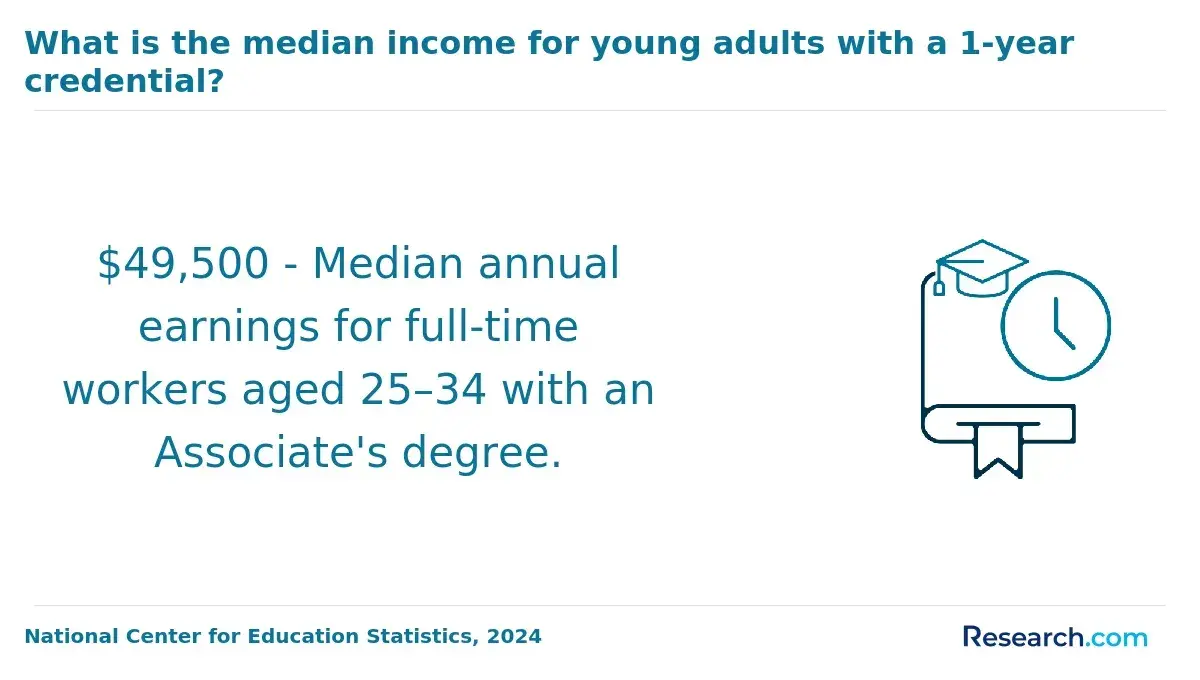
Current compensation for surgical techs varies significantly across experience levels, reflecting distinct labor market dynamics and role expectations. Entry-level surgical techs generally earn between $45,000 and $55,000 annually, based on 2024 data from the U.S. Bureau of Labor Statistics and LinkedIn Salary Insights, mostly in community hospitals or outpatient settings where foundational skills suffice. Mid-level professionals, often with two to five years of experience and specialized certifications, see wages rise to the $55,000 to $70,000 range, as employers value both technical proficiency and adaptive communication in complex environments. At the senior or lead level, salaries can reach $85,000 to $95,000, particularly in metropolitan or specialty hospitals where additional responsibilities like mentoring, supply management, and perioperative leadership justify premium pay.
Salary variation hinges on multiple intersecting factors including specialization depth, geographic location, and institutional scale. Specialized skill sets in diverse surgical disciplines command higher compensation due to demand for versatility and reduced training costs. Geographic disparities also arise, with states like California and New York offering elevated wages reflecting higher costs of living and competitive labor markets, unlike many rural areas. Furthermore, larger hospitals or unionized facilities typically provide more robust pay structures compared to smaller or less organized employers. These elements collectively shape the wage landscape, meaning surgical techs who diversify their skills and seek employment in high-demand regions improve their earning potential considerably.
A surgical tech graduate recalled the challenge of navigating program admissions while considering salary prospects. Though eager to begin training, they hesitated at first due to uncertain placement timing and hoped for guidance on how starting pay would match rising living costs in their state. After months of waiting through rolling admissions, they eventually secured a spot close to home with an entry salary aligned with the expected range. The experience underscored how strategic patience and early market research helped them avoid hasty decisions that might have derailed their financial goals during training.
Which Industries Are Hiring the Most Surgical Tech Graduates?
Demand for surgical tech graduates is currently highest in sectors undergoing significant operational shifts, such as digital integration, service delivery expansion, and skill shortages driven by workforce demographics. These industries are not only increasing hiring volume but also redefining role expectations, emphasizing adaptability to evolving surgical technologies and procedural standards. Understanding which sectors lead recruitment offers critical insight into where practical expertise and specialized competencies are most urgently needed.
- Hospitals: Representing the largest employer segment, hospitals continue to absorb the majority of surgical tech graduates, driven by a broad spectrum of inpatient surgeries and complex cases requiring coordinated perioperative support. Increasing adoption of minimally invasive techniques and robotic-assisted surgeries demands surgical techs proficient in advanced instrumentation and sterile processing protocols, aligning with hospital priorities to reduce procedure times and improve patient safety.
- Outpatient and Ambulatory Surgical Centers (ASCs): Growth in outpatient procedures and same-day surgeries is shifting demand toward ASCs, which offer more predictable scheduling and focused procedural types. Employers here prioritize surgical techs skilled in fast turnaround, efficient setup, and multidisciplinary teamwork, reflecting the centers' emphasis on cost containment and throughput efficiency amidst rising surgical volumes.
- Physician Offices and Specialty Clinics: These settings increasingly require surgical techs to support minor surgeries and specialized interventions, often involving narrower procedural scopes but heightened emphasis on patient-centered workflows. Competencies in patient preparation, instrument sterilization, and tailored surgical assistance are critical as these clinics expand their procedural offerings to reduce hospital referrals.
- Government and Military Medical Facilities: Leveraging surgical tech talent to meet unique operational demands, these sectors often focus on trauma care, emergency preparedness, and research-driven surgical innovations. Employers prioritize versatility and readiness for high-stakes environments, expecting surgical techs to adapt quickly to diverse case types and evolving medical protocols.
Data from the U.S. Bureau of Labor Statistics in 2024 confirms that hospitals account for roughly 60% of new surgical tech positions, highlighting the concentration of demand where acute care services predominate. However, the rising share-about 20%-of opportunities in outpatient and ambulatory settings reflects broader healthcare trends favoring ambulatory care, procedural efficiency, and patient convenience. Navigating these dynamic hiring patterns requires graduates to align their skill development with industry-specific needs while considering work environment trade-offs.
How Does Hiring Demand Vary by State, Region, and City?
Hiring demand for surgical techs varies considerably across states and regions due to differences in healthcare infrastructure, population dynamics, and economic conditions. According to 2024 labor market data from the U.S. Bureau of Labor Statistics and workforce analytics platforms, states with expansive and diversified healthcare systems such as California, Texas, Florida, and New York demonstrate stronger demand, driven by dense hospital networks and specialized medical centers. Regional population growth and aging demographics intensify openings particularly in the South and West, where expanding outpatient surgery centers respond to chronic health needs.
In contrast, some Midwestern and Northeastern states show more stable or slower hiring growth, reflecting mature healthcare markets with less rapid expansion. These patterns underscore how industry clustering, healthcare specialization, and regional economic vitality influence surgical tech job demand, pointing to top regions for surgical tech job openings and growth as critical considerations for graduates aligning their job search strategy.
At the city level, recruitment intensity reflects the concentration of specialized surgical centers, teaching hospitals, and large urban medical complexes. Metropolitan areas such as Houston, Los Angeles, and Miami often offer elevated salaries to offset higher living costs and attract talent capable of managing complex surgical cases. The density of employers in these urban centers drives competition among hiring facilities and shapes more demanding credential expectations. Additionally, local workforce pipelines, cost-of-living factors, and healthcare infrastructure sophistication create nuanced differences in employment opportunities and work conditions.
Conversely, more suburban and rural areas, while presenting fewer openings, may offer more predictable schedules and less intense competition but generally lower pay and slower professional development. Surgical tech graduates must weigh these tradeoffs alongside practical considerations, including training alignment or exploring options like online PharmD programs, to best position themselves amid these varied labor market dynamics.
What Skills Are Employers Prioritizing in Surgical Tech Job Postings?
Employer demands for surgical tech candidates are shifting in response to rapid technological advancements, increased automation in surgical environments, and the growing complexity of interdisciplinary collaboration within healthcare teams. The required skill set is no longer limited to fundamental surgical procedures but reflects a broader integration of advanced technologies and soft skills that impact patient outcomes and operational efficiency. This dynamic landscape requires surgical techs to continuously adapt and broaden their competencies to meet evolving clinical and institutional expectations.
- Complex Instrumentation Management: Proficiency with sophisticated surgical instruments, including robotic and laparoscopic equipment, is increasingly prioritized as many procedures incorporate technology-driven tools. Mastery in this area not only reduces intraoperative errors but also increases a candidate's value given the rising prevalence of minimally invasive surgeries.
- Infection Control Expertise: Strong understanding of sterile processing and infection prevention protocols remains foundational, particularly given heightened regulatory scrutiny and patient safety imperatives. Employers emphasize this skill as lapses can lead to costly complications and regulatory penalties, making it a consistent baseline requirement across all settings.
- Adaptive Problem-Solving: Surgical environments demand rapid critical thinking to manage unexpected scenarios or equipment issues. This soft skill supports improved patient safety and workflow continuity, signaling to employers a candidate's readiness to operate effectively under pressure and changing conditions.
- Effective Interdisciplinary Communication: The ability to collaborate seamlessly with surgeons, nurses, anesthesiologists, and other staff is essential for smooth surgical procedures and positive patient outcomes. Clinical teams increasingly recognize that communication proficiency minimizes errors and enhances coordination in fast-paced operating rooms.
- Commitment to Continuous Learning: With surgical technologies evolving quickly, employers seek candidates who actively pursue professional development and certification renewals. This skill reflects adaptability and a proactive stance toward maintaining cutting-edge clinical capabilities amidst ongoing healthcare innovation.
- Technical Precision in Sterile Techniques: Beyond infection control, flawless execution of sterile techniques ensures integrity in surgical settings and directly relates to complication rates. Employers prioritize this skill to safeguard patient safety and meet institutional quality standards.
- Technological Fluency: Familiarity with digital surgical systems and electronic health records is increasingly demanded as procedural documentation and equipment interfaces become more integrated with IT platforms. Candidates demonstrating this fluency often experience better onboarding and greater operational efficiency.
In a 2024 survey by the Association of Surgical Technologists, 78% of job postings emphasized the need for experience with complex surgical instruments, underscoring how technological competence has become a critical differentiator in hiring decisions. This trend reflects broader shifts toward advanced, technology-centered surgical care models where adaptability and interdisciplinary skills are no longer optional but expected core qualifications.
Which Certifications Increase Employability and Salary Potential?
Certifications in the surgical tech field function as critical signals of specialized skills, technical competence, and readiness for demanding clinical environments. They serve as strategic assets beyond formal education, helping candidates differentiate themselves amid growing competition. Employers rely on these credentials to gauge practical expertise, compliance with industry standards, and alignment with evolving healthcare technologies, making certifications key drivers of both hiring decisions and compensation.
- Certified Surgical Technologist (CST): This credential remains the primary benchmark for surgical tech employment, universally recognized by healthcare facilities as proof of foundational proficiency and professional reliability. Holding the CST often leads to higher interview rates and is frequently a minimum hiring requirement, directly impacting employability and establishing a baseline salary premium.
- Tech in Surgery-Certified (TS-C): Designed for practitioners with advanced perioperative skills, the TS-C addresses demand for expertise in complex surgical procedures and high-acuity settings. Employers view this certification as indicative of heightened technical versatility, which can translate into measurable salary increases, especially within metropolitan hospital systems facing skill shortages.
- Sterile Processing Certification: This qualification reflects competency in infection control and the management of sterile environments, critical in minimizing surgical site infections. Candidates with this credential often gain access to multidisciplinary OR teams and operational leadership roles, broadening career paths and strengthening their market position.
- Perioperative Nursing Basics Certification: By reinforcing knowledge in perioperative patient care fundamentals, this credential enhances a surgical tech's ability to collaborate effectively across clinical teams. It meets a niche but growing employer preference for versatile staff who contribute to patient safety and workflow efficiency, thereby bolstering employability and wage potential.
According to a 2024 report from the U.S. Bureau of Labor Statistics, surgical techs with recognized certifications show approximately a 10-15% salary advantage over non-certified peers, with advanced certifications sometimes yielding even larger income gains.
One surgical tech graduate vividly recalls the uncertainty of applying during a rolling admissions cycle. Early in the process, they hesitated to pursue additional certifications, unsure if it would delay entry into the workforce. After receiving initial offers conditional on CST completion, they expedited certification preparation to meet employer expectations. This decision proved pivotal, as the credential not only facilitated job placement but also created leverage for negotiating compensation, highlighting how timing and credential strategy intertwine in actual hiring scenarios.
How Do Remote and Hybrid Opportunities Affect the Surgical Tech Job Market?
The surgical tech job market continues to be heavily weighted toward in-person work due to the hands-on demands of the role, yet remote and hybrid surgical tech job opportunities are gradually influencing hiring dynamics. Data from 2024 labor market analyses indicate that approximately 10-15% of surgical tech postings now feature some degree of remote or hybrid flexibility, primarily in functions like training, management, and documentation. Employers increasingly prioritize candidates with digital literacy and experience using telehealth platforms and electronic health record (EHR) systems, reflecting a shift in workforce skill expectations. This emerging trend is reflected in hiring patterns where larger hospitals and outpatient centers with substantial budgets lead adoption of hybrid roles, while smaller clinics maintain strict on-site requirements, underscoring the uneven but growing integration of flexible work models in surgical tech careers.
Beyond hiring, these hybrid work models impact geographic mobility and talent sourcing by enabling employers to widen candidate pools beyond traditional local catchments, which in turn heightens competition for surgical tech professionals with combined clinical and IT competencies. Salary dynamics also shift, with hybrid roles often commanding pay comparable to or slightly higher than fully onsite positions, reflecting market recognition of flexibility and tech skill premiums.
Employers now emphasize collaboration and digital communication capabilities as essential for sustaining productivity in hybrid arrangements. Over time, such trends suggest a gradual restructuring of the surgical tech labor market, where evolving expectations and technology integration reshape career trajectories and necessitate ongoing skill development. For further insights into salary and career considerations linked to healthcare roles with hybrid potential, prospective techs can consult resources detailing health information management salary entry-level.
Which Surgical Tech Careers Show the Strongest Long-Term Hiring Momentum?
Long-term hiring momentum in surgical tech careers stems largely from structural transformations in healthcare delivery and technology adoption rather than short-term fluctuations. This momentum reflects enduring economic and clinical trends that continuously shape workforce demand. The ongoing shift toward outpatient procedures, coupled with the rise of minimally invasive and robotic-assisted surgeries, underpins sustained growth in specialized surgical technologist roles. These industry dynamics create lasting needs for advanced technical skills and adaptable professionals, making certain surgical tech careers notably resilient over time.
- Cardiovascular Surgical Technologist: This specialization benefits from the steady increase in cardiovascular procedures driven by aging populations and chronic disease prevalence. The complexity of cardiovascular instrumentation and the critical need for sterile, precise environments mean demand remains strong as hospitals and specialty clinics invest in advanced care capabilities.
- Orthopedic Surgical Technologist: Orthopedic surgery sees robust growth propelled by innovations in joint replacement and arthroscopy, often performed in outpatient settings. The role's long-term stability is reinforced by expanding elective surgeries and the continuous need for skilled technologists proficient in evolving orthopedic tools and implant systems.
- Neurosurgical Technologist: Neurosurgery requires meticulous work with high-tech equipment in high-pressure scenarios, keeping demand consistent. As surgical techniques advance and precision medicine becomes more prevalent, long-term hiring momentum in this niche reflects both technological progress and the specialized skill barriers limiting qualified practitioners.
- Robotic Surgery Technologist: Increasing adoption of robotic-assisted surgeries across multiple specialties drives need for surgical techs familiar with these systems. The specialized training requirements and integration of new technologies secure enduring employer preference for technologists capable of operating and troubleshooting robotic platforms.
- Certified Surgical Technologist (CST): Holding formal certification signals verified competency and adaptability, which many employers increasingly require. CST status thus remains a critical credential supporting sustained hiring momentum, especially for roles in high-acuity and high-demand environments.
Employment of surgical technologists is projected to grow 12% from 2022 to 2032 according to the U.S. Bureau of Labor Statistics (2024), outpacing average growth across occupations. This growth is strongest in surgical tech careers tied to specialized procedures and advanced technical competencies. Job seekers evaluating top surgical tech roles with sustained hiring growth across healthcare sectors should weigh employer preference for continuous skill upgrading and technology adaptability.
Careful alignment of training with these labor market realities helps balance educational investment against viable long-term career outcomes. For those interested in further professional development, exploring related fields through online marriage and family therapy masters programs can offer expanded interdisciplinary competencies that support broader healthcare roles beyond surgical tech positions.
How Can Students Use Job Market Data to Make Better Career Decisions?
Students can leverage current labor market data from sources like government labor reports, hiring platforms, and salary databases from 2024 onward to evaluate hiring trends, compensation ranges, and growth opportunities within the surgical tech field. These data points help illuminate which regions and healthcare settings show sustained demand and how employer preferences for certifications or specialties may influence job prospects. By assessing wage distributions alongside vacancy rates, students can form realistic expectations of income potential relative to experience and location. This evidence-based approach provides a clearer understanding of occupational stability and emerging shifts that may affect the viability of a surgical tech career over time.
Interpreting this data requires balancing short-term market fluctuations with long-term strategic goals, including geographic flexibility and skill alignment with industry needs. Relying too heavily on transient trends risks overlooking fundamental factors such as credential requirements, contract versus permanent roles, and competitive applicant pools. Integrating labor market insights with personal interests and career plans enables more nuanced decisions that consider job security, potential for advancement, and the realities of healthcare workforce dynamics. Students benefit from using market data as a decision-support tool rather than a sole determinant, ensuring education investments align with sustainable career pathways in surgical tech.
References
- Surgical Technologist Salary Guide for 2026 https://www.cbd.edu/blog/surgical-technology/surgical-technologist-salary-guide-2026/
- How To Choose a Surgical Technology Program That Prepares You for the Operating Room https://www.berks.edu/how-to-choose-a-surgical-technology-program/
- Surgical Tech Certification: Overview and FAQ https://credenzahealth.com/career-advice/surgical-tech-certification-overview-and-faq
- Where Do Certified Surgical Technologists Make the Most Money? | Vivian Community Hub https://www.vivian.com/community/allied-health/where-do-certified-surgical-technologists-make-the-most-money/
- Five Key Takeaways from Aya Ideas 2025 https://www.ayahealthcare.com/healthcare-jobs/allied/surgical-services/or-tech-surgical-tech/
- The Transformative Impact of Remote Work: How Online Jobs are Empowering Workers in Emerging Markets https://nextbillion.net/transformative-impact-remote-work-online-jobs-empowering-workers-emerging-markets/
- Career Progression Guide for Surgical Technologists: What to Expect https://www.incrediblehealth.com/tech/career-progression-guide-for-surgical-technologists-what-to-expect/
- Surgical Technologist Career Guide: Education, Salary, and Job Outlook - MedPro Healthcare Staffing https://medprostaffing.com/allied-healthcare/surgical-technologist-career-guide/
- Certified Surgical Tech Jobs | Favorite Healthcare Staffing https://www.favoritestaffing.com/careers/allied-health/surgical-tech
- Surgical Technologist - Explore Healthcare Careers - Mayo Clinic College of Medicine & Science https://college.mayo.edu/academics/explore-health-care-careers/careers-a-z/surgical-technologist/
Other Things You Should Know About Surgical Tech
Choosing between entering the workforce right after basic surgical tech certification or investing time in specialized training depends largely on your career priorities and financial situation. Immediate employment means faster income but often limits access to higher-paying roles that require advanced skills or certifications. Prioritizing specialized training early on can position you for roles with greater responsibility and compensation, but it may delay your earning potential and adds upfront educational costs. Evaluate your capacity for short-term investment against your long-term career goals to make the most informed choice.
Salary bands for surgical techs with comparable experience can vary widely due to differences in employer size, location, case complexity, and union presence. This means that taking a job purely based on base salary may overlook factors like overtime opportunities, shift differentials, or benefits that significantly affect total compensation. Candidates should investigate the full compensation package and workload expectations rather than focusing solely on headline salary figures to avoid surprises and optimize financial outcomes.
Open surgical tech roles within high-volume or specialty surgical centers often require handling more complex cases and longer hours, which can lead to increased job stress and burnout risk. While these positions might offer higher pay or faster skill development, the tradeoff includes potentially less predictable schedules and higher mental and physical demands. When choosing between multiple openings, prioritize those aligned with your capacity for workload intensity and desired lifestyle to maintain sustainable work-life balance.
New surgical techs face a strategic choice between starting in generalist roles that offer broader experience versus pursuing niche specialties that may have sporadic demand but higher pay. Generalist roles often provide steadier hiring momentum and a wider pool of employers, which helps newer professionals build a reliable foundation. However, if you can access training in growing specialty areas and tolerate potential hiring fluctuations, this path may yield better long-term financial rewards. For most early-career surgical techs, gaining broad experience first is advisable before committing to a specialty.