2027 Surgical Tech Degree Outlook Through 2030: Enrollment, Salary, and Hiring Projections

Co-Founder and Chief Data Scientist
Deciding whether to pursue or continue a surgical tech degree requires weighing complex factors beyond surface-level job growth projections. For instance, while the Bureau of Labor Statistics predicts a 7% increase in surgical tech employment through 2030, enrollment figures at accredited programs rose by 12% between 2022 and 2024, signaling intensifying competition among graduates.
Meanwhile, regional hiring demand and evolving certification requirements are reshaping employer expectations, making some geographic markets and specialties more favorable than others. This analysis explores enrollment trends, salary movements, hiring outlooks, industry demands, geographic variation, and evolving workforce dynamics through 2030 to support informed educational and career choices.
Key Things to Know About the Surgical Tech Degree Outlook Through 2030
- Enrollments in surgical tech programs rose 12% between 2021 and 2024, signaling heightened interest but also intensifying competition for clinical placement capacity, which may delay graduation and workforce entry timing.
- Employer surveys indicate a skills mismatch, with 43% preferring candidates experienced in robotic-assisted surgeries, highlighting a growing demand for specialized training beyond core competencies.
- Regional hiring growth is uneven, with faster job creation in metropolitan areas; this geographic disparity requires graduates to consider relocation costs or expect limited local opportunities post-2030.
- Key Things to Know About the Surgical Tech Degree Outlook Through 2030 Key Things to Know About the Surgical Tech Degree Outlook Through 2030
- How is Surgical Tech Degree Enrollment Expected to Change Through 2030? Enrollment Trends Through 2030
- How Many Surgical Tech Graduates Will Enter the Workforce by 2030? Graduate Workforce Entry Projections
- What Are the Hiring Projections for Surgical Tech Graduates Through 2030? Hiring Projections Through 2030
- Which Surgical Tech Careers Will Experience the Most Job Growth? Fastest-Growing Career Paths
- What Is the Salary Outlook for Surgical Tech Graduates Through 2030? Salary Outlook Through 2030
- Which Industries Will Hire the Most Surgical Tech Graduates by 2030? Top Hiring Industries
- Where Will Demand for Surgical Tech Graduates Be Strongest? Strongest Geographic Demand
- Which Surgical Tech Specializations Will Be Most in Demand by 2030? Which Surgical Tech Specializations Will Be Most in Demand by 2030?
- How Will AI and Technology Affect Surgical Tech Careers Through 2030? How Will AI and Technology Affect Surgical Tech Careers Through 2030?
- Is a Surgical Tech Degree Worth Pursuing Based on 2030 Projections? Degree Value Through 2030
How is Surgical Tech Degree Enrollment Expected to Change Through 2030?
Enrollment patterns for surgical tech degree programs through 2030 will increasingly reflect the tension between rising labor demand and institutional capacity constraints. While many employers emphasize certified technologists with strong clinical acumen, limited availability of clinical placement opportunities creates bottlenecks in program expansion, especially at community colleges that serve as entry points for many students.
This dynamic means prospective students may face heightened competition for admission and the need to weigh accelerated or hybrid learning tracks that accommodate working adults. Regions where demographic shifts and healthcare infrastructure growth align will see stronger enrollment growth, but programs that fail to adapt risk stagnation or oversaturation in graduate supply.
Regional variations in projected growth patterns for surgical tech program enrollment highlight disparities in access and workforce pipeline sustainability. Areas with aging populations and expanding surgical services typically generate steadier student intake, while regions with constrained educational resources may experience program contraction despite local employer needs. The industry's evolving skill expectations also encourage some programs to offer specialized certifications, which can attract applicants but raise the bar for entry, impacting diversity and volume.
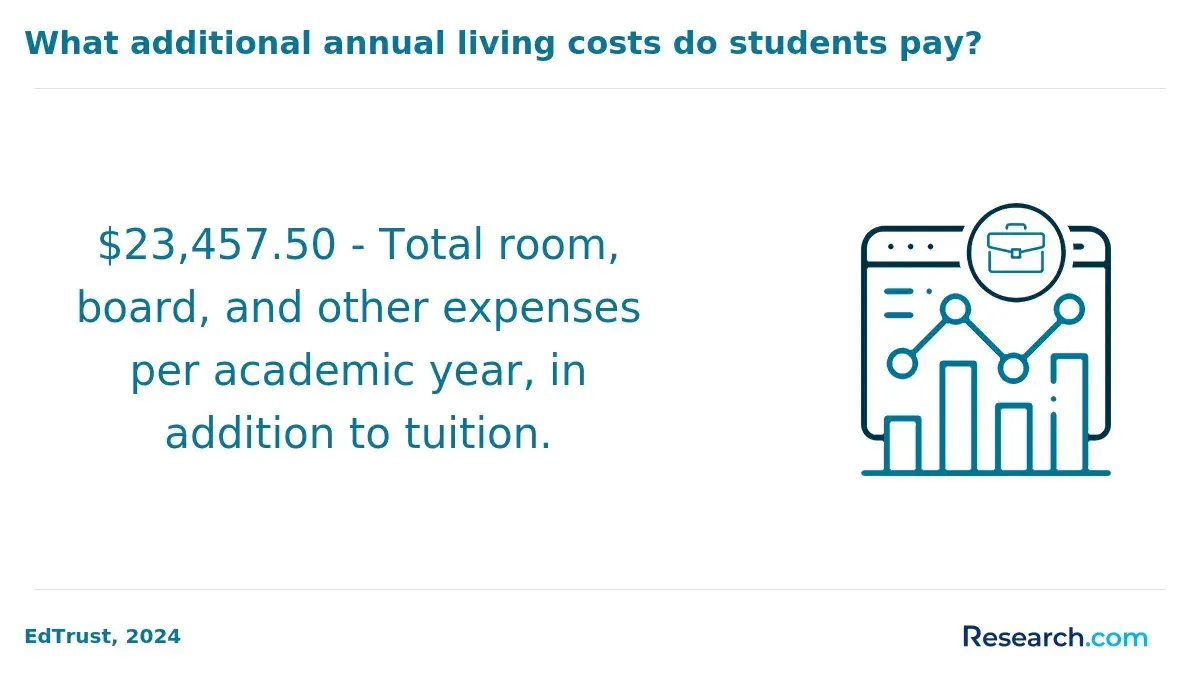
Prospective students evaluating options should consider that rising tuition pressures and limited program availability could affect affordability and completion timelines, making flexible modalities like online or hybrid formats increasingly relevant to maintain enrollment momentum. For detailed options including nontraditional pathways, reviewing resources such as RN to BSN programs with no clinicals can provide insight into evolving health education models.
How Many Surgical Tech Graduates Will Enter the Workforce by 2030?
The number of surgical tech graduates alone does not directly translate to workforce availability due to several practical factors that shape actual employment. While annual completion rates have risen steadily, driven by demographic shifts and increased healthcare demand, many graduates delay entering surgical tech roles to gain clinical experience or complete further certification requirements.
Attrition in programs, geographic concentration of jobs in urban hospitals, and alternative career pathways all influence the supply side in ways graduation statistics cannot capture. Moreover, the approximately 10% projected employment growth for surgical technologists through 2032 signals robust demand, but this must be tempered by regional hiring disparities and varying employer expectations that affect new hire absorption rates.
Projections estimate roughly 20,000 new surgical tech graduates per year will align with demand, leading to a cumulative workforce entry of about 180,000 to 200,000 by 2030 if current trends persist. However, these figures gloss over complexities such as graduates opting for related fields, geographic mismatch where rural areas experience persistent shortages despite overall supply growth, and extended timelines for workforce integration due to required internships or on-the-job training.
Additionally, some students pursue advanced healthcare credentials after surgical tech certification, delaying or redirecting their labor market participation. Such dynamics highlight how workforce entry depends not just on enrollment and degree conferral, but on credential levels, clinical placement opportunities, and evolving employer needs.
A recent surgical tech graduate shared how their entry into the workforce felt less straightforward than anticipated. Despite strong program outcomes, they faced intense competition for hospital positions in their metropolitan area, with many openings preferring candidates with additional clinical hours or specialized certifications.
They opted to extend their internship period beyond the minimum, recognizing that the sheer volume of incoming graduates was increasing year-over-year - a trend that made early job security less certain. Strategic patience and continued skill development became critical decisions as the graduate navigated a tight hiring environment shaped by both rising graduate numbers and uneven regional demand moving toward 2030.
What Are the Hiring Projections for Surgical Tech Graduates Through 2030?
Employer demand for surgical tech graduates through 2030 is generally solid but uneven, reflecting complex regional and institutional factors rather than uniform expansion. While national projections from the U.S. Bureau of Labor Statistics anticipate an 11% growth-equivalent to roughly 14,000 new roles-this outlook masks variability in hiring conditions influenced by outpatient surgery centers' rise and evolving minimally invasive techniques, which can both increase and reduce staffing needs. A candidate graduating in a major metropolitan area with high-volume hospitals is likely to encounter more opportunities compared to those in rural or underfunded regions where staffing growth may be limited or slower.
Importantly, job growth rates do not translate directly into guaranteed entry-level openings. Replacement demand driven by retirements and turnover often exceeds growth-generated positions, meaning credentialed graduates with clinical experience and certification stand a clearer chance of securing roles than those without.
Employers increasingly emphasize proficiency with advanced instrumentation and familiarity with perioperative protocols, placing additional pressure on new graduates to align their training with evolving technology and operational standards. Consequently, students should weigh program quality and hands-on experience carefully, as these factors critically shape their market readiness and long-term career mobility.
Geographic disparities and industry innovation mean surgical tech graduates face a patchwork labor market rather than a straightforward hiring surge. A graduate relying solely on broad national employment growth without considering local healthcare infrastructure and policy fluctuations risks overstating their employment prospects.
For example, rising outpatient centers might demand fewer on-site surgical techs per procedure, while urban hospitals often maintain or expand such staffing due to complex caseloads. This dynamic calls for nuanced program selection and ongoing credential maintenance to navigate both stable and shifting workforce environments through 2030.
Which Surgical Tech Careers Will Experience the Most Job Growth?
Growth in surgical tech careers through 2030 will concentrate in outpatient surgical centers and specialized hospital units rather than broad hospital settings. Regions showing robust surgical tech job growth projections by region tend to emphasize ambulatory surgical centers, driven by an aging population requiring more frequent procedures like joint replacements and cardiac surgeries.
While orthopedic, cardiovascular, and neurological specialties show the fastest expanding roles, these positions often demand advanced certification and familiarity with robotic-assisted technologies, creating a practical tradeoff between specialized education and broader employability. For example, a candidate investing in tailored training may access higher-paying roles but face narrower geographic or institutional demand depending on local healthcare infrastructure.
The rise of minimally invasive techniques and expanded outpatient care settings highlight how technological and demographic shifts jointly reshape surgical tech hiring needs. These changes intensify demand for techs skilled not only in standard operating room protocols but also in cutting-edge equipment, aligning with employers' priorities emphasizing patient safety and procedural innovation.
However, slower or uneven growth across regions means students and professionals should carefully evaluate how surgical tech job growth projections by region align with their career goals and willingness to pursue continuing education. Considering these factors alongside workforce data can help weigh the stability and salary potential inherent in surgical tech specialties versus more general roles. Those uncertain about specialization might explore pathways like online LPN programs to supplement clinical experience and maintain versatility across healthcare settings.
What Is the Salary Outlook for Surgical Tech Graduates Through 2030?
Salary projections for surgical tech graduates through 2030 must be considered alongside inflation trends, shifting labor demands, growing credential expectations, and potential changes in the surgical field itself. Real wage growth may be tempered by these factors despite steady job growth in healthcare. Variability in geographic location, facility type, and specialization will further complicate earnings trajectories. Understanding how these intersect helps clarify which graduates can expect meaningful salary increases and which may face more stagnant compensation.
The following points highlight key influences on surgical tech salaries moving forward.
- Employment Growth Rate: The Bureau of Labor Statistics projects about 7% growth for surgical technologists through 2030, roughly matching average occupational expansion. This moderate increase supports steady demand but limits rapid wage inflation across the board.
- Geographic Wage Disparities: Urban and regional centers with higher healthcare investment tend to offer salaries 20-30% above national medians, whereas rural areas typically have lower pay. Location continues to be a primary determinant of total compensation.
- Certification and Specialization: Obtaining advanced certifications or specializing in high-demand areas such as orthopedic or cardiovascular surgery improves earning potential and job security, especially in competitive markets.
- Experience and Role Advancement: Salary growth over five to ten years can increase 20-30%, particularly when transitioning into supervisory or management roles within surgical teams.
- Institution Type and Size: Larger hospitals and specialized surgery centers typically offer higher salaries compared to smaller clinics due to complexity of cases and budget scale.
- Inflation and Cost of Living Adjustments: Nominal wages may rise modestly to keep pace with inflation, but real earnings gains are less certain without significant demand shocks or credential-driven premium.
- Technological and Industry Changes: Adoption of new surgical technologies may shift required skills, with technologists proficient in emerging equipment potentially securing salary advantages.
A recent surgical tech graduate accepted a position in a mid-sized regional hospital after extensive negotiation. Initially offered a starting salary near $42,000, closer to the local median, she factored in a higher cost of living and lack of premium pay for certifications at that facility. Although apprehensive about the modest entry wage, she viewed gaining experience and obtaining specialty certification as critical steps for future raises. This pragmatic choice reflects many new graduates' balancing act between immediate compensation and longer-term career payoff within variable regional markets.
Which Industries Will Hire the Most Surgical Tech Graduates by 2030?
By 2030, employment prospects for surgical tech graduates will be shaped by significant shifts across healthcare industries, driven by workforce replacement needs, technological innovation, and evolving service demand. Hospitals will continue to dominate hiring due to complex surgical volumes, yet the growth is uneven, favoring larger urban and specialty hospitals over smaller rural ones.
Regional demand reflects these disparities, influencing where graduates might focus their training and job search. Ambulatory surgical centers (ASCs) and specialty clinics also present expanding opportunities, although with tradeoffs in salary and work environment. These patterns highlight the importance of aligning training with certifications, sterile technique proficiency, and familiarity with minimally invasive technology to remain competitive.
The following sectors represent the top healthcare industries hiring surgical tech graduates through 2030.
- Large Urban Hospitals: Hospitals in metropolitan areas maintain high surgical volumes and invest in advanced equipment, creating roles that often require strong technological aptitude and multidisciplinary teamwork. Entry-level to advanced surgical tech positions are accessible but highly competitive and may demand certifications and EHR proficiency.
- Specialty Hospitals: Facilities focusing on cardiac, orthopedic, or neurological surgeries show moderate hiring growth. These environments value specialized surgical techs with experience in niche procedures, providing opportunities to develop focused expertise that can enhance long-term career prospects.
- Ambulatory Surgical Centers: Rapid expansion in outpatient surgeries drives demand for surgical techs skilled in managing quick patient turnover and adapting within streamlined teams. Salary growth here is generally slower, requiring graduates to weigh volume of opportunities against income potential.
- Orthopedic and Ophthalmology Clinics: Smaller specialty clinics emphasize outpatient care with moderate job openings. Surgical techs in these settings can gain specialized hands-on experience, though total hiring volume is limited compared to hospitals.
- Plastic Surgery Practices: Growth in elective procedures increases need for surgical techs familiar with cosmetic techniques and patient-focused care, offering roles that blend technical skill with client interaction.
Strategic decisions about surgical tech training should consider these regional variations in demand and employer expectations. Graduates aligning their skills with certification requirements, sterile technique mastery, and emerging technologies stand to improve employability across these sectors. Prospective students evaluating allied health pathways might also explore related programs featuring advanced credentials such as the fastest PMHNP programs, which reflect evolving interdisciplinary roles in healthcare delivery.
Where Will Demand for Surgical Tech Graduates Be Strongest?
Employment opportunities for surgical tech graduates will be heavily influenced by regional demographic shifts and healthcare infrastructure investments rather than merely broad national growth trends. For example, states like Florida, Texas, and California, with expanding elderly populations and aggressive healthcare sector expansion, are likely to see concentrated demand, particularly in general hospitals and outpatient surgical centers where procedure volumes remain high. However, these areas also tend to have elevated living costs and competitive applicant pools, which may reduce net benefits for some graduates despite higher job availability.
Smaller metro regions in the Southeast and Southwest present a contrasting labor market dynamic, offering promising growth fueled by new healthcare facility developments and increased public funding for medical services. Though salaries in these markets may lag behind larger urban centers, the balance of lower living expenses and less saturated recruitment landscapes could provide more feasible entry points for recent graduates.
Specialization in robotic-assisted surgeries or outpatient procedural work in bariatrics or ophthalmology may further differentiate candidates, especially as healthcare systems integrate technologically advanced and telehealth-enabled perioperative care models that require specific training beyond standard surgical tech certification.
Prospective surgical techs should weigh these geographic and sectoral nuances carefully; rural and underserved areas, while often overlooked, may offer quicker employment despite offering lower wages and limited advancement pathways. Meanwhile, urban centers demand stronger credentials and adaptability to complex surgical environments but come with more significant opportunities for role diversity and career longevity. Data from the U.S. Bureau of Labor Statistics in 2024 underscore that over 60% of surgical tech jobs remain hospital-based, reflecting how employer type continues to shape both job volume and experience expectations across different labor markets through 2030.
Which Surgical Tech Specializations Will Be Most in Demand by 2030?
Employment projections through 2030 reveal distinct variances in demand across surgical tech specializations, shaped by demographic shifts and evolving procedural complexity. Cardiovascular, orthopedic, and neuro surgical tech roles emerge as clear frontrunners, influenced by aging populations and advancing medical technologies. Students selecting a path must weigh growth potential against required technical proficiencies and adaptability, considering how specialization affects employability and career flexibility.
For instance, a student debating cardiovascular versus robotic surgical tech might factor in the steady prevalence of cardiac disease alongside the evolving but less mature robotics subfield. The following specializations are projected to exhibit the strongest hiring activity based on data from the U.S. Bureau of Labor Statistics and Lightcast, reflecting both clinical demand and emerging industry integration.
- Cardiovascular Surgical Tech: Increasing heart disease cases and broader adoption of minimally invasive cardiac procedures drive heightened demand. This specialization benefits from procedural complexity requiring mastery of both traditional sterile techniques and newer catheter-based technologies, appealing to employers valuing combined skills.
- Orthopedic Surgical Tech: Growth is fueled by expanding joint replacement surgeries and trauma repairs in diverse age groups. Skill development often includes familiarity with implant systems and intraoperative imaging support, making credentialed techs more competitive.
- Neuro Surgical Tech: Rising neurological disorder surgeries alongside advanced imaging and navigation tools create need for techs with high technical acuity and specialization. This field demands continuous learning and collaboration with neurosurgeons using cutting-edge equipment.
- General Surgical Tech: Sustained demand in hospitals and outpatient centers maintains steady growth. This broader role requires versatility across multiple procedures, suitable for those seeking wider employment options but with less specialized wage premiums.
- Plastic and Reconstructive Surgery Tech: Elective and cosmetic surgery trends underpin moderate growth, where aesthetic procedure familiarity and patient care sensitivities enhance value to providers.
- Robotic Surgery Tech: The increasing penetration of robotics across surgical disciplines opens emerging opportunities. Techs adept with robotic system interfaces and troubleshooting are well-positioned but face a narrower job market during technology adoption phases.
How Will AI and Technology Affect Surgical Tech Careers Through 2030?
Technological advancements are poised more to augment than to automate surgical tech responsibilities entirely, reshaping the profession by integrating AI and robotics into routine workflows. Entry-level tasks involving manual instrument handling may increasingly incorporate automated support, while demand will grow for surgical techs who combine clinical skills with digital fluency to manage complex equipment and troubleshoot system errors.
Those who fail to adapt risk stagnating in roles focused on repetitive duties, whereas specialists in robotics-assisted surgery or minimally invasive procedures may command higher wages and more stable employment prospects. The impact will vary regionally, reflecting disparities in hospital tech adoption and corresponding shifts in salary and hiring priorities within the broader surgical tech job growth in the United States.
Through 2030, educational programs incorporating applied projects on digital health platforms and AI fundamentals will offer greater practical value for both new students and current degree holders. Evaluating curricula based on hands-on experience with emerging technologies and continuing education opportunities is crucial, especially given the heightened emphasis employers place on technical competence alongside traditional surgical assistance.
Prospective professionals should weigh these factors carefully against cost and time commitments, much like decisions faced by those exploring 1 year nurse practitioner programs online, where accelerated credentials must translate to real-world readiness. This strategic approach aligns with workforce trends in technological skills shaping surgical tech careers by 2030, ensuring long-term employability within an increasingly automated environment.
Is a Surgical Tech Degree Worth Pursuing Based on 2030 Projections?
Employment projections through 2030 suggest a measured but positive future for surgical tech degree holders, with job growth around 7%, slightly outperforming average occupational growth according to the U.S. Bureau of Labor Statistics. However, this outlook does not guarantee uniform opportunity; demand is uneven across urban and suburban hospital settings, and geographic constraints may limit job availability.
Individuals considering this field should weigh the relatively quick entry route offered by certificate or associate degree programs against the potential ceiling on salary progression and the evolving nature of surgical technologies, which may alter role requirements over time. The decision to pursue this credential should reflect not only current market demand but also long-term career flexibility and the likelihood employers will value formal credentials coupled with clinical experience.
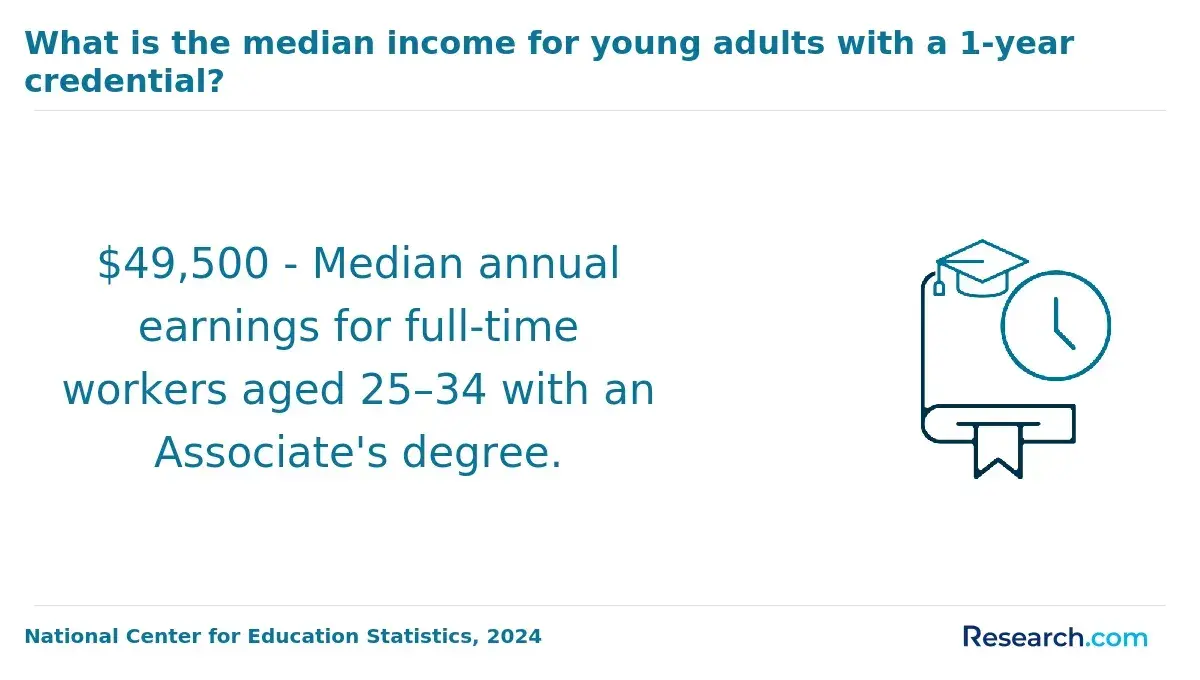
A prospective student pursuing a surgical tech degree must also consider the steady but potentially saturated program enrollment trends and the cost-benefit equation of financing education with modest debt. Salaries near $50,000 per year offer a respectable starting point, yet upward mobility may necessitate further education or specialization in related healthcare roles.
For many, especially those weighing options like the easiest SLP grad schools to get into, the surgical tech degree provides a practical path for expedited workforce entry, though the future job outlook for surgical tech degree holders in the United States will require ongoing assessment of labor market shifts, credential demands, and technological impacts on surgical procedures.
References
- What Does a Surgical Tech Make? Salary Guide - Medical Prep https://medicalprep.org/what-does-a-surgical-tech-make-salary-guide/
- Career Advancement Options https://www.parkland.edu/Main/Academics/Departments/Health-Professions/Areas-of-Study/Surgical-Technology/Career-Growth-Advancement/Career-Advancement-Options
- Surgical Technologist Career: Job Outlook & Salary Insights https://www.ach.edu/blog/surgical-technician-job-outlook/
- Surgical Tech Salary by State: Top Paying States & Guide 2026 https://surgicalteck.com/surgical-tech-salary-by-state/
- 5% job growth through 2034 makes surgical tech one of healthcare’s hottest careers – CSTSetup https://cstsetup.com/surgical-tech-jobs-growing-faster-than-average/
- Surgical Technologist Jobs Outlook and Career Insights https://www.cbd.edu/blog/surgical-technology/surgical-technologist-jobs-outlook-career-insights/
- AI Skills for Life and Work: Labour market and skills projections https://www.gov.uk/government/publications/ai-skills-for-life-and-work-labour-market-and-skills-projections/ai-skills-for-life-and-work-labour-market-and-skills-projections
- How AI Will Change Jobs by 2030 https://pub.towardsai.net/how-ai-will-change-jobs-by-2030-46ef4d04306f
- Surgical Technology Program - Nursing & Allied Health | MGCCC https://mgccc.edu/programs/schools/nursing-health-professions/health-professions/surgical-technology/
- Degrees & Certificates https://rtc.edu/academics/areas-of-study/hhs/surgical-technologist.php
Other Things You Should Know About Surgical Tech
Shorter programs may seem appealing for quick entry into the workforce, but they often provide fewer clinical hours, which can limit hands-on experience vital for employer readiness. Programs with more extensive clinical training typically yield graduates who adapt faster to real operating room demands. Prioritizing a program that balances comprehensive practical exposure with manageable length improves both initial job performance and long-term career flexibility.
Yes, salary variations correlate strongly with geographic location and employer type; urban hospitals and specialty surgical centers usually offer higher pay than rural or outpatient sites. For students prioritizing earning potential, targeting employment in metropolitan areas or high-acuity facilities post-graduation can be crucial, though competition is also more intense. Conversely, lower-cost living areas with fewer employers may yield reduced wages but better work-life balance, making this a key tradeoff to consider.
Employers increasingly prioritize certified surgical techs, sometimes requiring certification for job eligibility. Certification often correlates with higher starting salaries and better career mobility, but it entails upfront time and financial investment. Prospective students should evaluate whether their program prepares them specifically for recognized certification exams, as this significantly affects employability and long-term advancement opportunities.
Regions with a high concentration of graduates may experience saturated job markets, intensifying hiring competition and potentially prolonging job search durations. Students need to research local employer demand versus graduate output to avoid markets where entry-level positions are scarce. Prioritizing programs that maintain strong clinical partnerships and job placement services, or considering relocation, can mitigate these risks and improve employment outcomes.