2027 What Jobs Can You Get With a Geosciences Bachelor's Degree?

Co-Founder and Chief Data Scientist
Deciding which career path to pursue with a geosciences bachelor's degree can be challenging, especially amid a rapidly changing job market. Many graduates aim to work in environmental consulting, energy exploration, or natural hazard assessment but remain uncertain about the specific roles available and their long-term prospects.
According to the U. S. Bureau of Labor Statistics, employment in geoscience-related fields is projected to grow 5% from 2022 to 2032, emphasizing the importance of understanding where opportunities lie. This article explores the diverse job options open to geosciences graduates and provides insights to guide informed career decisions.
Key Benefits of the Jobs You Can Get With a Geosciences Bachelor's Degree
- A bachelor's degree in Geosciences opens diverse career paths in energy, environmental consulting, government, and academia, reflecting strong industry versatility.
- Geosciences professionals often earn competitive salaries, with median wages exceeding $90,000 annually and solid prospects for advancement.
- Graduates benefit from long-term growth through continual skill development, enabling transitions into specialized roles or graduate study in related scientific fields.
What Entry-Level Jobs Can I Get With a Geosciences Bachelor's Degree?
A bachelor's degree in Geosciences opens doors to various entry-level roles where graduates can apply their foundational knowledge of earth systems and environmental processes in practical settings. National employment data indicates that about 60% of graduates with a Geosciences bachelor's degree secure relevant positions within the first year, reflecting strong initial job prospects.
For those searching for entry level geosciences jobs near me, opportunities exist in several technical and analytical positions that align well with the skills gained during their studies.
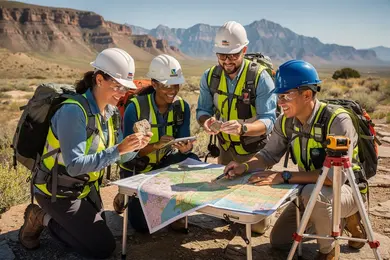
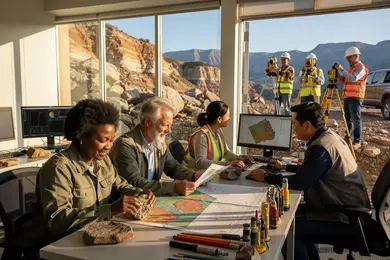
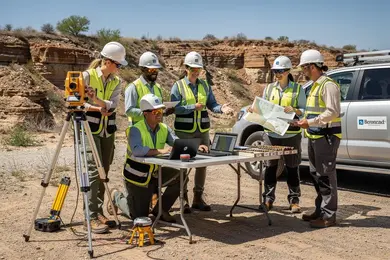
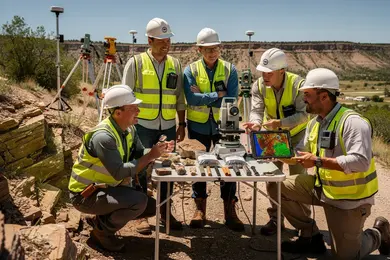
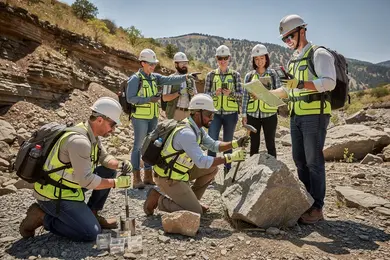
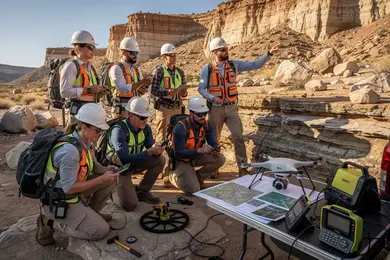
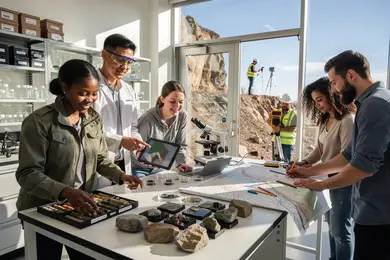
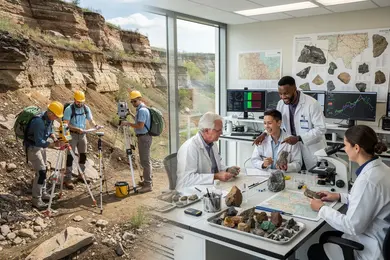
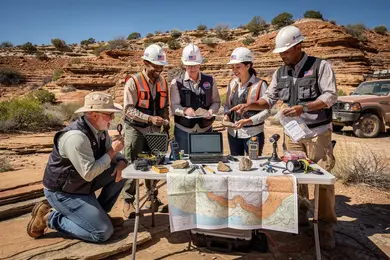
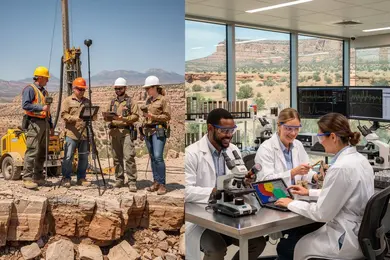
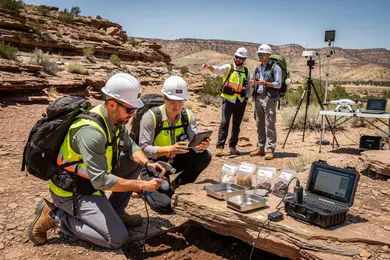
- Geological Technician: Geological technicians support geologists by gathering, analyzing, and interpreting geological data. They typically sample soil and rock, operate field equipment, and prepare detailed reports. The Geosciences bachelor's degree equips graduates with essential technical skills and knowledge of earth materials required for this role.
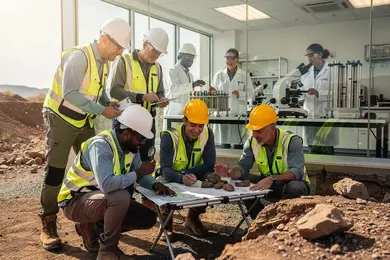
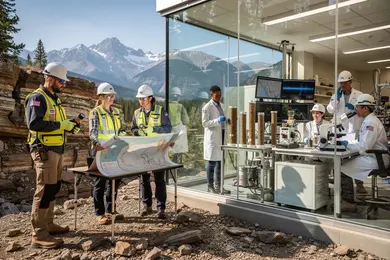
- Environmental Scientist: Entry-level environmental scientists assess the impacts of human activities on ecosystems, conduct site evaluations, and assist in creating remediation plans. This role benefits from a strong scientific foundation in pollution, ecosystems, and data analysis provided by the degree.
- Hydrogeologist Assistant: Working under hydrogeologists, assistants analyze groundwater data, perform field tests, and support water resource management projects. Competence in hydrology and geological mapping gained through the Geosciences program is critical for this position.
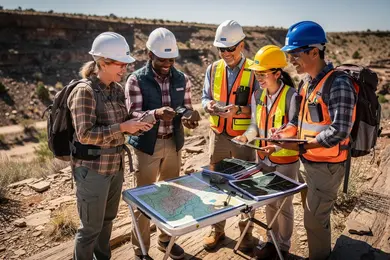
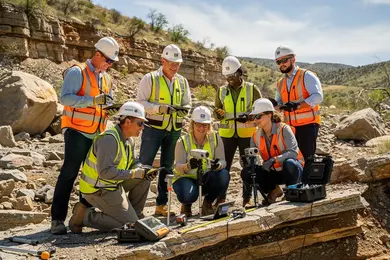
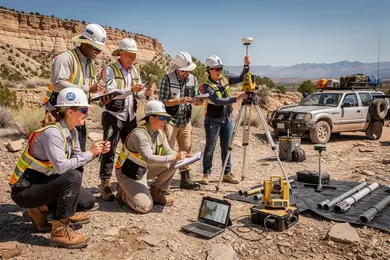
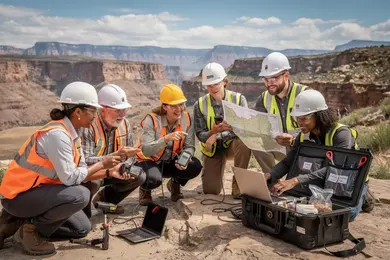
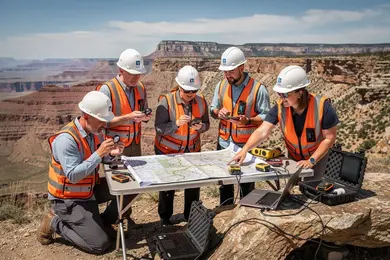
- Field Geologist: Field geologists conduct onsite measurements and identify rocks and minerals while mapping geological features. The hands-on experience included in the Geosciences bachelor's degree prepares graduates to carry out these responsibilities effectively and safely.
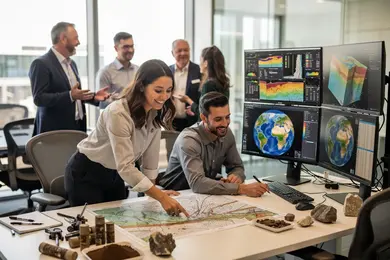
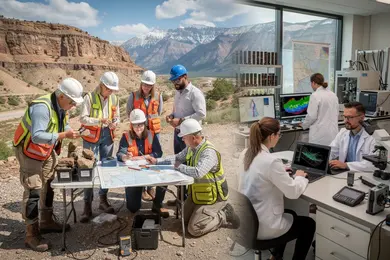
- Geospatial Analyst: These analysts use Geographic Information Systems (GIS) technology to interpret spatial data. The degree's focus on spatial analysis and earth observation techniques provides the technical expertise necessary for this field.
Students interested in expanding their qualifications might explore a variety of online msw programs that complement their understanding of environmental and social sciences, enhancing career versatility.
The Geosciences bachelor's degree offers some of the best entry level careers with a geosciences degree by preparing graduates for these specialized and impactful roles across earth and environmental sciences.
What Industries Hire Geosciences Bachelor's Degree Graduates?
A bachelor's degree in geosciences opens doors to multiple industries, offering versatile skills that adapt to varied technical roles. Demand for graduates depends significantly on their specialization and expertise, as well as the current requirements of industries hiring geosciences graduates in the United States. Recent workforce data shows that sectors linked to natural resources, environmental management, and engineering consistently require scientific bachelor's degree holders for critical technical positions.
Several key sectors frequently employ geosciences bachelor's degree holders, providing diverse roles that utilize their knowledge of earth systems, data interpretation, and problem-solving abilities.
- Energy Industry: This industry-including oil, gas, and renewable energy-depends on geoscientists for exploring resources, managing reserves, and conducting environmental impact studies. Graduates often engage in seismic data analysis, reservoir evaluation, or planning projects focused on sustainable energy development.
- Environmental Consulting: Environmental consulting firms hire geosciences graduates to assess environmental risks, analyze pollution sources, and conduct detailed site investigations. Their expertise in soil, water, and atmospheric sciences is vital for regulatory compliance and remediation efforts.
- Government Agencies: Federal, state, and local governments employ geosciences degree holders for managing natural resources, conducting geological surveys, hazard evaluation, and land-use planning. Agencies such as the U.S. Geological Survey are prominent employers in this field.
- Engineering and Construction: Professionals with a geosciences background assist in evaluating ground conditions, supporting infrastructure development, and performing geotechnical assessments essential for safe construction and sustainable project outcomes.
- Mining and Minerals: Mining companies rely on geoscientists for mineral exploration, extraction planning, and environmental monitoring. Their knowledge supports locating deposits and optimizing mining operations efficiently.
For students exploring top sectors employing geosciences bachelor's degree holders, understanding these industries can help align career choices with market demand. Those researching the highest paying degrees will find that geosciences remains a competitive field with diverse opportunities across these key sectors.
Can You Get Jobs Outside Your Major With a Geosciences Bachelor's Degree?
Graduates holding a geosciences bachelor's degree often find career paths that extend beyond their specific area of study due to their broad skill set and shifting labor market needs. Research indicates that nearly 40% of college graduates work in roles unrelated to their major, highlighting notable career flexibility.
- Transferable Skills: A geosciences degree cultivates critical thinking, data interpretation, and analytical problem-solving abilities. These competencies are applicable across various sectors, opening doors in roles that demand strong quantitative and scientific reasoning.
- Employer Preferences: Companies frequently seek adaptable candidates with robust scientific foundations. Possessing a geosciences background suggests proficiency in handling technical challenges and learning rapidly, making graduates attractive for positions outside direct geosciences applications.
- Experience And Training: Acquiring internships, practical experience, or supplementary education can significantly broaden career prospects. Short courses or certifications in areas such as project management or data analytics often complement the original degree and ease transitions into diverse fields.
These elements collectively demonstrate that a geosciences bachelor's degree serves as a versatile platform, enabling graduates to explore numerous career opportunities beyond traditional geosciences roles.
What Remote Jobs Can I Get With a Geosciences Bachelor's Degree?
Remote work has become increasingly prevalent, with around 60% of employers in STEM fields offering flexible work options. A bachelor's degree in geosciences equips graduates with the technical knowledge and digital skills that are well suited for these evolving remote opportunities.
- Environmental Consultant: Provides guidance on environmental compliance and impact through data analysis and reporting. This role benefits from strong communication and collaboration skills, as much of the work involves virtual meetings and coordinating with clients remotely.
- GIS Analyst: Handles spatial data using Geographic Information Systems, a technology that naturally supports remote work by enabling analysts to process and interpret data online while working with geographically dispersed teams.
- Data Scientist for Earth Sciences: Employs computational techniques to analyze large datasets. Candidates use programming and visualization tools and must excel at managing their time independently within remote, distributed groups.
- Technical Writer: Develops scientific documentation such as reports and proposals based on geoscience research. This position demands clear, adaptable writing and remote coordination with multiple experts to ensure accuracy.
- Remote Field Technician Coordinator: Manages schedules and workflows for field technicians from a distance, relying on organizational expertise and digital communication platforms to maintain project efficiency.
A graduate of a Geosciences bachelor's degree program shared her experience navigating remote roles: "Initially, working entirely online felt isolating, especially when coordinating with field teams. However, mastering digital tools and establishing regular check-ins helped me stay connected and effective. The self-discipline I developed during my studies was crucial for managing tasks without direct supervision. It's rewarding to contribute to projects that impact environmental decisions, even from a home office."
Can I Switch Careers With a Geosciences Bachelor's Degree?
Many professionals who hold a Geosciences bachelor's degree use it as a versatile foundation to explore new career paths, benefiting from a broad set of transferable skills. Recent data shows that around 40% of STEM graduates, including those in geosciences, shift into different fields within five years of finishing their studies. This adaptability aligns with evolving workforce demands, allowing graduates to pursue various roles beyond traditional geoscience careers. The degree's flexibility supports individuals ready to embrace changing job markets and develop new professional identities. For those considering career flexibility for geosciences graduates, understanding industry trends can open unexpected opportunities.
A geosciences degree fosters essential abilities such as communication, problem-solving, adaptability, and strong analytical thinking, all crucial for navigating career shifts. Success in switching careers often depends on enhancing these skills through practical experience like internships, self-directed learning, or on-the-job training. These efforts showcase initiative and versatility to employers, helping graduates stand out in competitive environments. Projects that build teamwork and leadership further ease the transition. For example, some graduates supplement their degree by pursuing fields like a cyber security masters to diversify their skill set and career options.
What Are the Highest-Paying Jobs With a Geosciences Bachelor's Degree?
Earning potential for those with a geosciences bachelor's degree varies widely depending on the industry, level of experience, and specific area of expertise. This degree often opens doors to more lucrative positions as professionals develop practical skills and gain field experience. Generally, individuals holding a bachelor's in geosciences earn more than those with only a high school diploma or associate degree, reflecting the demand for their technical knowledge and analytical abilities.
- Petroleum Geologist: These specialists analyze underground formations to identify oil and gas deposits, using geological surveys and modeling tools extensively. A geosciences degree is vital for grasping the complex earth processes involved, with salaries rising alongside experience and project leadership in this high-profit sector.
- Environmental Consultant: Professionals in this role evaluate environmental data and regulations, advising organizations on compliance and impact reduction. Their work includes site assessments and remediation planning, with growth linked to managing larger projects and gaining more experience in earth system sciences.
- Hydrogeologist: Focused on groundwater resources and contamination, hydrogeologists support water management and environmental protection initiatives. A background in geosciences is essential for understanding hydrological cycles, and earnings tend to grow as they take on broader responsibilities or lead studies.
- Mining Geologist: Responsible for guiding mineral extraction by assessing deposits and optimizing mining operations, mining geologists rely on their geosciences training to interpret geological data. Compensation is influenced by the intensity of fieldwork and the scale of mining projects.
- Geophysicist (Entry Level): Entry-level geophysicists apply physics to examine the earth's structure, contributing to exploration and research efforts. While advanced degrees are common for senior roles, bachelor's graduates can begin with varying starting salaries that improve as they develop specialized technical skills.
What Career Growth Opportunities Are Available With a Geosciences Bachelor's Degree?
A geosciences bachelor's degree offers a solid foundation for long-term career development and advancement across a range of professional roles. Graduates often progress into positions with higher responsibility, managing complex projects or leading research and fieldwork teams. Over time, they can develop specialized expertise in fields such as petroleum geology, environmental consulting, hydrology, or geophysics, enhancing their value as experts. With experience, many expand into leadership roles or cross-functional positions that blend geosciences knowledge with skills in areas like GIS technology, data science, or policy advising, broadening their career impact and opportunities.
When asked about career growth opportunities, a professional with a Geosciences bachelor's degree reflected on the challenges of transitioning from technical roles to leadership positions: "It wasn't just about deepening my scientific expertise but learning how to communicate complex ideas clearly and manage diverse teams effectively." He described moments of uncertainty when taking on project management duties for the first time, saying, "There was a steep learning curve balancing the science with budgets and schedules, but those experiences were vital in shaping my career path." His story highlights how career advancement often involves continual personal development well beyond academic training.
What Jobs Require Certifications After a Geosciences Bachelor's Degree?
Some jobs available to geosciences bachelor's degree graduates require or strongly prefer additional certifications based on industry standards and job responsibilities. These certifications help validate specialized skills, ensuring candidates meet professional benchmarks and improving eligibility for key positions. Holding these credentials can be essential for roles where professional licensing and certification for geosciences graduates are prioritized.
- Professional Geologist: This role involves conducting geological surveys, environmental assessments, and resource evaluations. Many U.S. states require licensure as a Professional Geologist, achieved by passing the Fundamentals of Geology (FG) exam and the Practice of Geology (PG) exam. Such certifications ensure adherence to legal and safety standards.
- Environmental Consultant: Working in environmental consulting often demands certifications like the Certified Environmental Professional (CEP) or OSHA safety credentials. These certifications underscore expertise in environmental regulations and risk management, which are critical for advising on compliance and remediation.
- Hydrogeologist: Specializing in groundwater and water resource management, hydrogeologists usually pursue certifications through the American Institute of Hydrology (AIH) or state-level Professional Geologist licensure with a hydrogeology focus. These validate skills in water quality analysis and resource protection.
- Geotechnical Engineer Technician: Although often requiring an engineering degree, geosciences graduates can enter this field with credentials such as the Certified Engineering Technician (CET) or by passing the Fundamentals of Engineering (FE) exam. These certifications support roles involving soil analysis and foundation testing.
- Remote Sensing Specialist: This position involves analyzing satellite or aerial imagery to interpret earth's surface processes. Certifications like the Geographic Information Systems Professional (GISP) or Remote Sensing Professional credential demonstrate proficiency in spatial data and technology application.
Obtaining these certifications is a key step for those focusing on certifications required for geosciences careers in the United States. For students interested in expanding their qualifications even further, exploring related programs such as a hotel and restaurant management degree online can broaden interdisciplinary opportunities within environmental and natural resource management fields.
What Jobs Require a Master's After a Geosciences Bachelor's Degree?
While a bachelor's degree in geosciences opens many career opportunities, certain specialized roles require a master's degree for advanced technical knowledge, subject specialization, or professional licensure. National education data indicates that nearly 30% of geosciences-related jobs in research and development fields demand graduate-level education, reflecting the evolving complexity of these professions. Students exploring master's degree requirements for geosciences careers should understand how advanced education enhances both expertise and employability.
- Hydrogeologist: These experts focus on groundwater movement and quality, often addressing water resource management and contamination challenges. A master's degree is typically necessary to master hydrology concepts, environmental regulations, and modeling techniques crucial for effective decision-making.
- Environmental Consultant: While entry-level roles may be available with a bachelor's, many environmental consulting positions require a master's degree to provide expertise in pollution control, risk assessment, and remediation approaches. This ensures compliance with increasingly complex environmental laws that impact industry and public health.
- Geophysicist: Applying physics principles to investigate Earth's structure, geophysicists rely on advanced technology and data analysis tools. Graduate education is vital for honing these specialized skills and contributing to innovative research and resource exploration.
- Petroleum Geologist: Professionals in this role focus on locating and extracting oil and gas resources. A master's degree offers advanced training in sedimentology, basin analysis, and geochemical methods essential in a highly competitive energy sector.
- Academia and Research Scientist: Conducting independent studies, publishing scientific papers, and securing research funding commonly require at least a master's degree, especially in geosciences disciplines demanding specialized knowledge.
For students considering how to fulfill these educational requirements without excessive cost, seeking the cheapest online college options can be a practical step toward advancing their careers after completing a geosciences bachelor's degree.
What Is the Job Outlook for Geosciences Careers?
The employment outlook for geosciences careers is moderately positive, with the U.S. Bureau of Labor Statistics projecting about 6% growth over the next ten years, aligning closely with the average across all occupations. This steady expansion reflects ongoing needs for professionals who evaluate natural resources and manage environmental concerns. However, job availability can fluctuate significantly depending on the sector, with industries like energy, environmental consulting, and government agencies often seeking experts to address challenges such as climate change and resource management. In contrast, economic slowdowns or changes in commodity markets can limit opportunities in some areas. Skillsets remain a key factor, influencing how well graduates can access these roles.
Long-term prospects in geosciences are increasingly shaped by advancements in technology and shifting industry priorities. Growing emphasis on renewable energy and sustainable practices creates fresh demand for expertise, while tools like GIS, remote sensing, and data analytics become essential for success. Additionally, changing environmental regulations and broader sustainability efforts require adaptability from workers to meet new standards and expectations. Those who continuously develop technical skills and stay informed about emerging trends will likely find more diverse and resilient career paths within the field.
What Graduates Say About the Jobs You Can Get With a Geosciences Bachelor's Degree
- Ellie: "I chose a geosciences major because I've always been passionate about understanding Earth's processes and wanted a career that combined outdoor work with scientific research. Navigating the job market with a geosciences bachelor's degree was challenging at first, but internships and fieldwork experience really made a difference. Today, I'm proud that my degree has opened doors to roles in environmental consulting and resource management, allowing me to make a tangible impact on sustainability efforts."
- Quentin: "Reflecting on my decision to study geosciences, I appreciate how this degree equipped me with analytical skills and a strong foundation in earth systems that are highly valued across sectors. Finding my footing in energy and mining industries required persistence, but the broad applicability of my knowledge gave me an edge. My geosciences background continues to enhance my professional growth, enabling me to contribute to innovative solutions in natural resource exploration."
- Jace: "From a practical standpoint, I was drawn to geosciences for its blend of technology and fieldwork, preparing me for versatile career paths. Early on, securing employment involved leaning into industry connections and certifications aligned with my degree. Pursuing a geosciences bachelor's has been instrumental in developing expertise in environmental risk assessment, which I now apply daily as a consultant, making my work both rewarding and impactful."
Other Things You Should Know About Geosciences Degrees
Jobs in geosciences typically require strong analytical and problem-solving skills to interpret complex data from the earth's processes. Proficiency in computer software for mapping and modeling, such as GIS and remote sensing tools, is also essential. Additionally, good communication skills help professionals explain technical findings clearly to stakeholders or non-expert audiences.
No. Most entry-level geoscience jobs do not require a license. A state Professional Geologist license is usually needed for higher-responsibility roles in environmental consulting or public work, and it typically requires about five years of supervised experience plus an exam approved by the state board.
In 2027, enhancing a geosciences bachelor's degree career can involve certifications like Geographic Information Systems (GIS) certification, Professional Geologist (PG) license, or specialized training in remote sensing. These credentials can improve job prospects and demonstrate specialized skills to employers.
In 2027, high-demand jobs for geosciences bachelor's degree graduates include roles like environmental consultant, petroleum geologist, and GIS specialist. These positions require understanding of earth processes, geospatial technology, and sustainable practices to address complex environmental challenges.
References
- Geology & GeoSciences jobs https://www.careermine.com/jobs/geology-and-geosciences/
- Earth sciences:Industry Outlook https://gwulaw.vault.com/industries/earth-sciences/industry-outlook
- Certifications https://www.grow-geocareers.com/certifications
- Top 10 Highest Paying Geology Jobs 2025 (Inc Salaries) | Nexford University https://www.nexford.edu/insights/highest-paying-geology-jobs
- Jobs in Geoscience - find new career opportunities https://www.nature.com/naturecareers/jobs/earth-science/
- Earth and Space Sciences https://www.wcupa.edu/sciences-mathematics/earthSpaceSciences/degree.aspx
- Geology Jobs: 300+ jobs for Geologists & Earth Sciences https://www.gogeogo.com/en/job-category/geology-jobs
- What can I do with a geology degree? https://learn.rumie.org/jR/bytes/what-can-i-do-with-a-geology-degree/
- Geoscience Employment Sees Slight Decline in January 2025 https://www.americangeosciences.org/news/press-releases/geoscience-employment-january-2025/
- High-Earning Careers in Geology | Rangefront Geological https://rangefront.com/blog/high-earning-jobs-geology/