2027 Associate to Bachelor's in Geosciences: Transfer Pathways Explained

Co-Founder and Chief Data Scientist
The geosciences industry faces a critical challenge in aligning workforce skills with evolving environmental and technological demands. Many employers require candidates to hold a bachelor's degree to engage in advanced research, fieldwork, or specialized data analysis. This requirement creates a significant hurdle for those initially pursuing an associate degree, as transferring credits and meeting curriculum benchmarks can be complex and inconsistent across institutions.
Data indicates that only about 42% of students transferring from associate to bachelor's programs in geosciences successfully complete their bachelor's within six years, highlighting obstacles related to credit articulation and program compatibility. Navigating these barriers is essential for students aiming to advance in this competitive field. This article explores the pathways available for transferring from an associate to a bachelor's degree in geosciences, offering insights to help prospective students overcome common challenges and make informed decisions about their academic progression.
Key Points About Transferring from an Associate to Bachelor's in Geosciences
- Transfer pathways offer flexible scheduling and online options, enabling working professionals to pursue a bachelor's in geosciences without disrupting their careers.
- Many programs provide accelerated coursework by recognizing associate-level credits, allowing students to earn a bachelor's degree faster.
- Students often benefit from significantly lower tuition costs by completing initial credits at community colleges before transferring to four-year institutions.
Why should you consider an associate to bachelor's in geosciences transfer pathway?
The transfer pathway from an associate to a bachelor's degree in Geosciences offers a strategic blend of affordability and academic readiness, making it an increasingly popular option. Studies show that bachelor's degree holders in this field have a 20% higher employment rate compared to those with only an associate degree, underscoring the long-term value of advanced education. Key benefits include:
- Enhanced Career Opportunities: A bachelor's degree opens doors to more specialized roles, including leadership and research positions that typically require advanced training and critical thinking skills.
- Broader Scientific Knowledge: Bachelor's programs expand on foundational skills learned at the associate level by incorporating advanced concepts in earth system science, geochemistry, and geophysics, enriching students' expertise.
- Employer Preference: With 61% of geoscientist jobs requiring a bachelor's degree or higher, students gain a competitive advantage in the job market by pursuing further education.
- Cost and Time Efficiency: The benefits of associate to bachelor's in Geosciences transfer pathway include reduced overall tuition and time spent acquiring credentials, making it an affordable route to a bachelor's degree.
For students considering further grad studies, exploring the cheapest SLP master's programs can also provide guidance on affordable higher education options beyond the bachelor's level.
What are the academic requirements to transfer from an associate to bachelor's in geosciences?
While specific transfer requirements vary by institution, successful admission into a bachelor's in Geosciences program from an associate degree generally depends on demonstrated academic consistency and completion of foundational coursework. Below are several core criteria that typically guide the transfer process.
- GPA Requirements: A minimum cumulative GPA, often between 2.5 and 3.0 on a 4.0 scale, is usually required. Maintaining this GPA signals readiness for upper-level geosciences coursework and academic rigor.
- Prerequisite Courses: Completion of essential classes in geology, chemistry, physics, and mathematics-especially calculus and statistics-is vital. These prerequisites build the scientific framework needed for advanced study in the field.
- Credit Hours: Transfer students typically must have earned at least 60 semester credits, approximating two years of full-time study. These credits should include general education and science electives aligned with geosciences curriculum standards.
- Grade Minimums: Programs often require a minimum grade of C or higher in key courses related to geosciences, such as physical geology and earth systems. This ensures students have mastered core concepts essential to the major.
- Articulation Agreements: Many universities offer or recommend articulation agreements with community colleges that specify transferable courses. These agreements streamline the transfer process and clarify degree requirements.
Students seeking to meet transfer requirements for geosciences bachelor's programs should carefully select associate degrees with strong STEM components and regularly consult academic advisors to align coursework effectively.
Those interested in exploring affordable pathways may find value in researching options like a cheap online psychology degree, which can sometimes share transferable STEM prerequisites or provide flexible credit accumulation opportunities. Understanding these associate to bachelor degree transfer criteria in geosciences enhances the likelihood of a smooth and successful transition.
What documents do you need for a geosciences transfer application?
Preparing all required documents early is vital to ensure a smooth credit evaluation when moving from an associate to a bachelor's degree in Geosciences. Below are key materials transfer applicants generally need to gather and submit:
- Academic Transcripts: Official transcripts from your community college or previous institution are essential. They detail completed courses and grades, which help the bachelor's program assess which credits can transfer.
- High School Records: Some programs request high school transcripts, especially if your postsecondary coursework is minimal or prerequisites remain unmet. These records help verify foundational academic background.
- Resume or CV: While portfolios are uncommon in Geosciences, a resume highlighting technical skills, field study experience, or laboratory work strengthens your application by showcasing relevant expertise.
- Recommendation Letters: Endorsements from instructors or professionals familiar with your academic or research abilities can support your transfer candidacy and reflect your commitment to the field.
- Personal Statement: A brief narrative explaining your motivation for pursuing Geosciences and your transfer goals offers insight into your academic focus and passion for the subject.
A student who followed the associate to bachelor's path in Geosciences shared how gathering these documents felt overwhelming at first. "I didn't realize how detailed the transcript evaluations had to be until I saw missing course codes delayed my transfer approval," he recalled.
Navigating multiple offices to secure letters and confirming all materials met submission criteria required patience. Still, he noted that organizing everything well in advance reduced stress and helped him stay on track through the complex transfer process.
Can prior work experience in geosciences count toward your bachelor's credits?
Many geosciences bachelor's programs recognize professional experience to help students avoid retaking foundational courses they have mastered through work. A 2021 study by the Council for Adult and Experiential Learning reported that Credit for Prior Learning (CPL) can reduce degree completion time by up to 50%, providing significant advantages. The following categories commonly support credit transfer:
- Documented Work History: Verified employment in relevant geosciences roles demonstrates practical knowledge that schools may credit toward degree requirements, especially under California transfer policies for geosciences bachelor's degree programs.
- Professional Certifications: Licenses and certifications confirm expertise in specialized areas, enabling students to bypass introductory coursework in those subjects.
- Portfolio Review: Presenting detailed projects and applied skills allows academic evaluators to assess competencies directly related to geosciences training and education.
- Challenge Exams: Testing out of certain classes through exams or assessments lets students prove proficiency gained outside academia without additional coursework.
Students planning to transfer from an associate degree should consult advisors regarding specific documentation and institutional requirements. Those interested in exploring related pathways might also consider programs like the best online MFT programs as examples of accelerated degree options in other fields.
How much can you save if you take a geosciences transfer pathway?
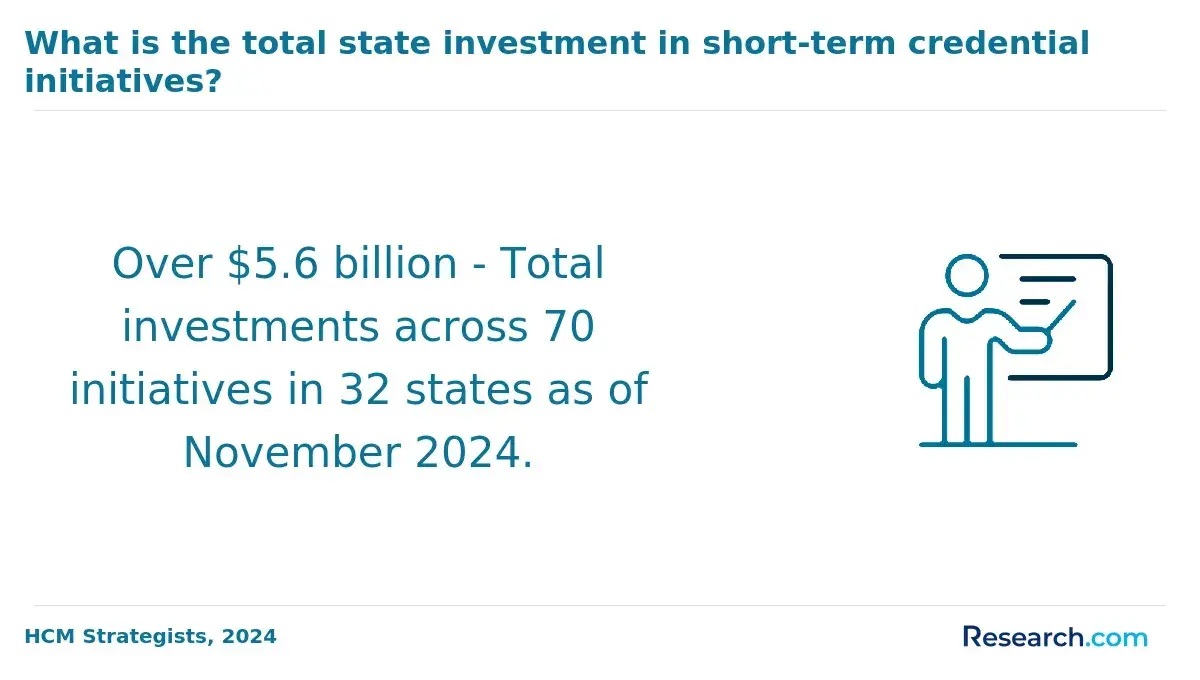
Opting to transfer from a community college associate degree to a bachelor's program in geosciences is an effective way to cut educational expenses without sacrificing quality. Tuition at two-year schools can be about 60% less per credit hour than at public universities, resulting in significant initial savings.
Beyond tuition, lower institutional fees and campus-related costs commonly found at community colleges further reduce total spending and help minimize student loan debt. This approach typically leads to 40% lower overall costs compared to starting at a four-year institution, making it a financially prudent choice for students aiming to earn a bachelor's in geosciences.
When asked about his experience with the transfer pathway, a student who followed this route shared, "Managing the transition wasn't always smooth-I had to be very organized with my credits and advisors. It felt intimidating at times, but knowing I was saving thousands made it worthwhile. I was also relieved by smaller class sizes and more personalized attention during those first two years. The financial relief really lifted a weight off my shoulders and allowed me to focus more on my studies."
Are there scholarships available for students transferring to a bachelor's in geosciences?
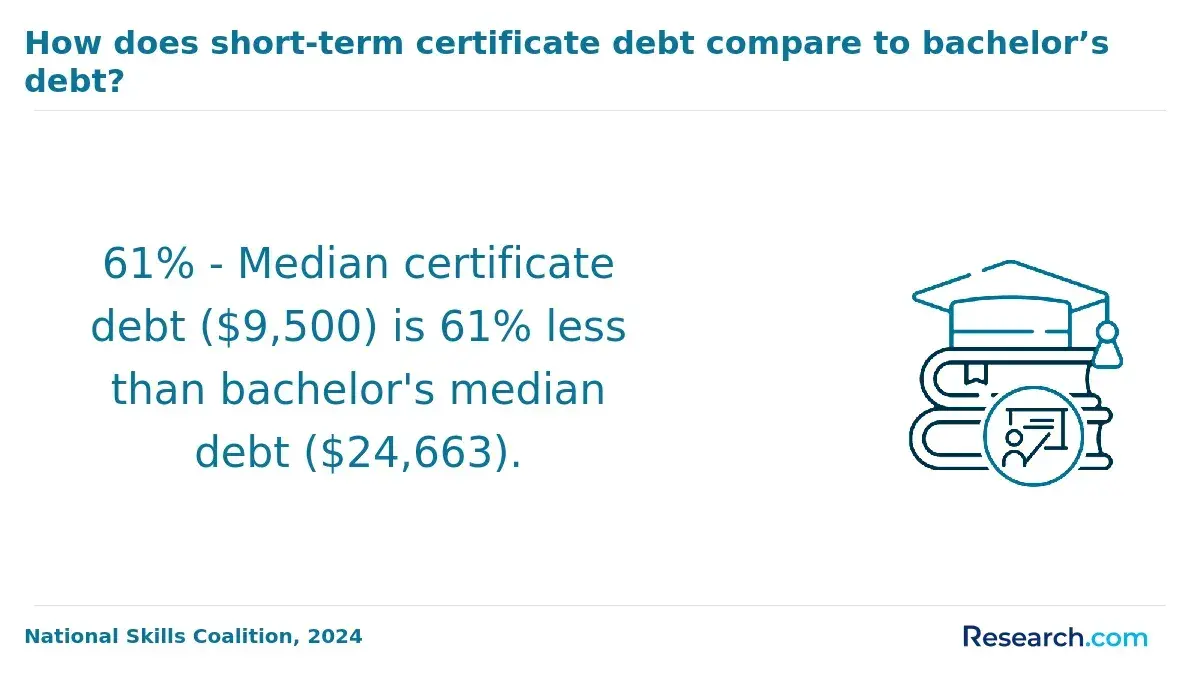
Numerous universities and professional organizations provide targeted financial support to encourage students transitioning from an associate degree to a bachelor's in geosciences. Nearly 45% of transfer scholarships in STEM fields, including geosciences, offer awards between $1,000 and $5,000 annually. Below are some key scholarship categories commonly available:
- Institutional Transfer Scholarships: Offered by many colleges to retain students within their geosciences programs, these scholarships often require completion of 30 to 60 college credits and a strong academic record. Applicants may need to submit personal statements or recommendation letters highlighting their dedication to geosciences.
- State-Funded Grants: Designed for residents pursuing STEM degrees, these grants usually consider financial need and enrollment status. Since geosciences fall under STEM, transfer students can qualify for partial tuition assistance, provided they meet residency and program criteria.
- Professional Society Scholarships: Specialized awards from geoscience organizations focus on academic excellence, research interest, or advancing diversity within the field. These scholarships frequently welcome transfer students and encourage community involvement in earth science topics.
Are geosciences transfer pathways eligible for employer tuition reimbursement?
Many professionals pursuing degrees in geosciences can significantly reduce their tuition expenses by taking advantage of employer-sponsored education benefits designed for degree advancement. Approximately 50% of U.S. employers offer some type of tuition reimbursement program, often with average annual tax-free limits near $5,250.
Below are key factors students transferring from an associate to a bachelor's in geosciences should consider when exploring these benefits.
- Annual Benefit Caps: Most companies limit tuition reimbursement to a specific dollar amount each year, commonly between $5,000 and $10,000. These caps usually align with IRS guidelines allowing tax-free educational assistance up to certain thresholds.
- Minimum Grade Requirements: To maintain eligibility, students are often required to earn a minimum GPA, typically around 2.5 to 3.0. This ensures satisfactory academic progress is being made throughout the program.
- Employment Tenure: Many employers require completing a probationary period, generally six months to one year, before you qualify for tuition assistance. This period allows employers to confirm your commitment and performance.
- Post-Graduation Commitment: Some programs mandate a work commitment after graduation, requiring you to remain with the company for a designated time. This helps employers retain trained talent and supports your career development in geosciences fields.
Degree completion programs aimed at transfer students are frequently covered by these tuition reimbursement plans, highlighting how employers recognize and support the specific needs of individuals advancing from an associate to a bachelor's in geosciences.
How will accreditation standards affect your geosciences degree transfer?
Accreditation serves as a critical quality guarantee, ensuring that an associate degree in geosciences meets the academic standards necessary for successful bachelor's degree completion. According to the Council for Higher Education Accreditation, over 90% of four-year institutions require transferred courses to come from regionally accredited schools, highlighting the impact of regional accreditation on geosciences transfer pathways.
Institutional accreditation evaluates the entire college or university, confirming overall educational quality and compliance with regional or national requirements. Programmatic accreditation, on the other hand, focuses specifically on the geosciences program to ensure its curriculum aligns with industry expectations and academic rigor.
Students should verify both institutional and programmatic accreditation early in their transfer planning to protect their investment and avoid potential credit loss.
Maintaining enrollment within accredited pathways preserves credit mobility and safeguards the long-term value of a geosciences degree. Additionally, programmatic accreditation often aligns with professional licensing requirements, which is essential for graduates pursuing certification or employment in geosciences-related fields.
For students interested in related fields, exploring options like a forensic psychology degree may also benefit from understanding accreditation standards for geosciences degree transfer in 2024.
What careers are available to graduates after completing a bachelor's in geosciences?
Advancing from an associate degree to a bachelor's in geosciences significantly expands career options, positioning graduates for roles requiring greater expertise and leadership. The U.S. Bureau of Labor Statistics projects an 8% growth in geoscientist employment from 2022 to 2032, highlighting strong demand for professionals with advanced training.
Here are some key career paths where a bachelor's degree is crucial:
- Environmental Consultant: These specialists assess environmental impacts and develop compliance strategies for businesses and government agencies. A bachelor's degree equips graduates with essential scientific knowledge and analytical skills necessary for navigating complex regulations.
- Geologist: Geologists study Earth materials and processes to locate resources or analyze natural hazards. Bachelor-level education provides the theoretical foundation and technical competencies needed for fieldwork and data interpretation.
- Hydrogeologist: Focused on groundwater resources, hydrogeologists develop sustainable water management plans. A bachelor's degree is required to understand hydrological systems and apply scientific techniques for resource assessment and contamination analysis.
- Geospatial Analyst: These professionals utilize geographic information systems (GIS) for mapping and spatial data analysis. Advanced coursework in geosciences at the bachelor's level fosters proficiency in technical software and spatial reasoning essential to the role.
What are the most common pitfalls to avoid in a geosciences transfer?
While the path from an associate to a bachelor's degree in Geosciences is generally streamlined, administrative oversights can cause unnecessary delays or significant credit loss. Studies show students lose up to 30% of their credits during transfer due to differences in course equivalencies and accreditation.
Below are key pitfalls to avoid for a smoother transition.
- Credit Loss: Failure to evaluate transfer credits thoroughly can result in losing a substantial portion of previously earned coursework, forcing students to retake classes and extend their degree timeline.
- Prerequisite Misalignment: Not completing essential courses such as calculus or chemistry before transferring can delay program progression since these foundational subjects are critical in geosciences bachelor's curricula.
- Inadequate Advising: Without specialized guidance from advisors familiar with transfer agreements and geosciences requirements, students risk enrolling in courses that don't count toward their major, wasting time and resources.
- Major Changes: Switching to geosciences after starting another degree often causes additional credit loss and prolongs graduation; prospective students should assess their commitment before changing majors.
Addressing these common mistakes during transfer pathways in the USA in 2024 is crucial for maintaining academic momentum. Prospective transfer students are encouraged to explore options for the quickest cheapest masters degree that can complement their geosciences undergraduate foundation and optimize academic investment.
What Graduates Say About Transferring from an Associate to Bachelor's in Geosciences
- Ellie: "Choosing to transfer from an associate degree to a bachelor's in geosciences was a pivotal decision for me because it offered a clear path to deepening my expertise while keeping costs manageable. The affordable transfer pathways allowed me to avoid overwhelming debt without sacrificing quality education. Now, I feel empowered to contribute to environmental projects that really make a difference."
- Quentin: "Reflecting on my journey, the biggest draw to completing my bachelor's in geosciences after my associate degree was the smooth credit transfer process. It made the transition seamless and saved me valuable time. Investing in this transfer pathway was well worth it, as it opened doors to career opportunities I hadn't imagined before."
- Jace: "From a professional standpoint, pursuing an associate to bachelor's transfer pathway in geosciences gave me the specialized knowledge and credentials necessary for advanced roles in the field. The structured program and support services ensured I remained on track, balancing work and study efficiently. The impact on my career trajectory has been profound, providing both growth and confidence."
Other Things You Should Know About Geosciences Degrees
While continuity of research projects is possible, it is not guaranteed as it largely depends on the alignment of research opportunities and facilities at the four-year institution. Students are encouraged to discuss possibilities with academic advisors upon transfer to assess available opportunities and resources.
Most bachelor's programs in Geosciences offer dedicated academic advising for transfer students. Advisors review completed courses to create personalized degree plans, ensuring transferred credits align well with program requirements. This support helps avoid unnecessary class repetition and expedites graduation.
Many Geosciences bachelor's programs include lab and fieldwork components crucial for hands-on experience. Transfer students must verify if their previous courses meet these requirements or if additional participation is necessary. Some institutions may require supplemental field sessions or labs to satisfy program standards.
Students transferring with an associate degree in Geosciences generally complete their bachelor's in two to three years. The exact duration depends on the number of accepted transfer credits and the program's credit requirements. Planning with academic advisors can help ensure timely graduation.
References
- Geosciences, Transfer Pathway, AS https://catalog.jcjc.edu/preview_program.php
- Earth Science/Geology Transfer Pathway https://admission.universityofcalifornia.edu/admission-requirements/transfer-requirements/uc-transfer-programs/transfer-pathways/earth-science-geology.html
- 3072+ Earth Sciences and Geology scholarships 2026-27 [Updated] https://www.wemakescholars.com/earth-sciences-and-geology-scholarships-for-international-students-to-study-abroad
- Geology https://catalog.morgancc.edu/associate-of-science-degree-program-transfer-or-dwd/associate-of-science/geology
- Curriculum Accreditation Needed: Commentary https://www.aapg.org/news-and-media/details/explorer/articleid/672/curriculum-accreditation-needed-
- Associate in Science-Transfer to Biological Sciences, Environmental/Resource Sciences, Chemistry, Geology, and Earth Science (Concentration: Geology) https://catalog.highline.edu/preview_program.php
- Considering Further Education? Employer Tuition Reimbursement Could Be the Answer! https://www.cambridgehealth.edu/careers/career-change/considering-further-education-employer-tuition-reimbursement-could-be-the-answer/
- Touro University Worldwide | Tuition Reimbursement | Tax Benefits https://www.tuw.edu/admissions/tuition/tax-break/
- Scholarships - SEG https://seg.org/programs/student-programs/scholarships/
- 5 Reason to Go from Associates Degree to Bachelor's | Tiffin University https://go.tiffin.edu/blog/5-reasons-to-go-for-it-turning-your-associate-degree-into-a-bachelors-degree/