2027 Best Career Paths After a Geosciences Bachelor's Degree

Co-Founder and Chief Data Scientist
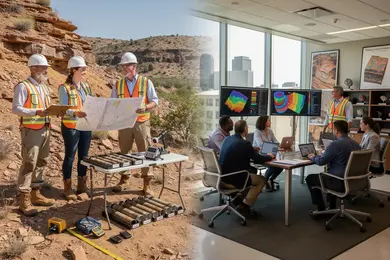
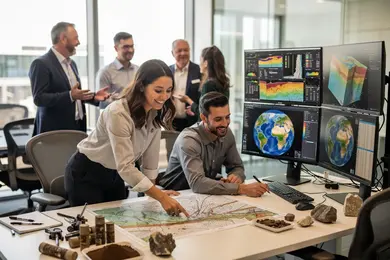
Deciding on a career path after earning a Geosciences bachelor's degree can be daunting amid the vast opportunities and shifting industry demands. Recent graduates often face uncertainty about which roles align best with their skills and long-term goals, especially as the energy, environmental, and mining sectors evolve rapidly. Employment projections indicate that geoscience-related jobs are expected to grow by 5% nationally by 2030, emphasizing the need for strategic career planning. Understanding the diverse options, from exploration to environmental consulting, is crucial for navigating the job market. This article explores the best career paths to help graduates make informed decisions with confidence.
Key Things to Know About the Best Career Paths After a Geosciences Bachelor's Degree
- Common entry-level roles for geosciences graduates include environmental technician, geological field assistant, and data analyst, with over 40% of graduates starting in resource exploration sectors.
- Matching your geosciences specialization, such as hydrology or mineralogy, to industry demands enhances job prospects and professional development opportunities.
- Long-term career progression often depends on gaining advanced certifications, industry experience, and adapting to emerging fields like renewable energy and climate science.
What Are the Top Career Paths by Industry for Geosciences Graduates?
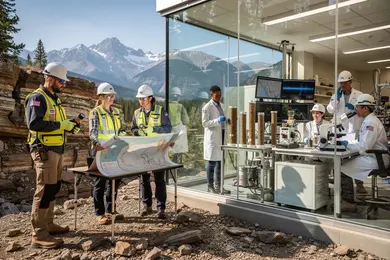
Graduates with a bachelor's degree in geosciences find opportunities across several industries that prioritize understanding Earth's systems and natural resources. Employment in geoscience-related fields is expected to grow by 5% over the next decade, reflecting ongoing demand for skilled professionals. Below are some of the top industry jobs for geosciences degree holders that illustrate the diversity of career paths available.
- Energy Sector: This industry employs many geosciences graduates as petroleum geologists and exploration geoscientists. They analyze subsurface formations to locate and extract resources such as oil, gas, and minerals, playing a crucial role in energy production and management.
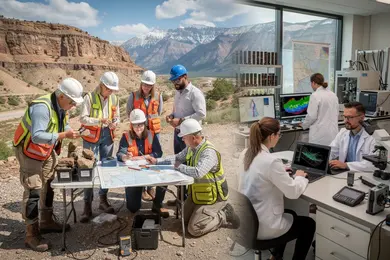
- Environmental Consulting: Roles like environmental geologists and hydrogeologists focus on site assessments, pollution analysis, and remediation planning. Their expertise helps companies comply with regulations and address rising environmental concerns, making these positions vital in sustainable development.
- Government Agencies: Organizations such as the US Geological Survey and the Environmental Protection Agency hire geosciences graduates for research on natural hazards, water resource management, and land use monitoring. These positions blend scientific research with public policy and natural resource oversight.
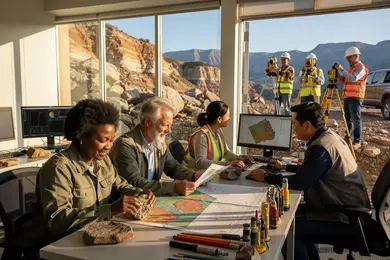
- Mining Industry: Economic and mine geologists evaluate mineral deposits and support mine planning and safety. Their work ensures efficient resource extraction and operational safety in mining ventures, contributing to economic development.
- Academic and Research: Graduates who pursue research or teaching help advance the understanding of Earth processes, climate, and geological history. Often collaborating with private and government institutions, these professionals contribute to significant scientific studies and education.
For students exploring advanced educational options related to geosciences, finding the cheapest online PhD programs can be a strategic next step for career advancement.
What Are the Future-Proof Careers After a Geosciences Bachelor's Degree?
Future-proof careers in geosciences focus on long-term stability and the ability to adapt amid technological advances and economic shifts. Employment in environmental science and geoscience occupations is projected to grow 8% from 2022 to 2032, reflecting strong demand despite increasing automation. This growth highlights the importance of versatility in sustaining a meaningful career in the evolving job market.
Several career paths offer promising opportunities for geosciences graduates seeking high growth potential and resilience against change:
- Environmental Consultancy: Environmental consultants assess the impact of industrial projects, develop sustainable land and water use plans, and help governments and corporations meet environmental regulations. This field balances scientific expertise with practical problem-solving, supported by technologies like Geographic Information Systems (GIS) and remote sensing.
- Natural Resource Management: Managing Earth's natural resources demands continuous innovation in sustainable extraction and conservation. Professionals in this sector contribute to responsible energy and mineral development while addressing environmental and social concerns.
- Climate Change Mitigation: Specialists work on projects involving climate modeling, risk assessment, and adaptation strategies. The increasing urgency of climate resilience ensures steady demand for experts who can analyze complex data and inform policy decisions.
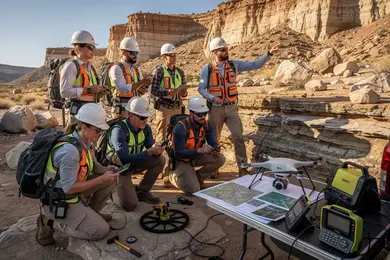
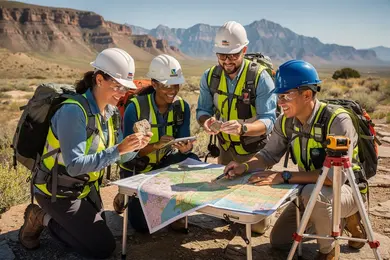
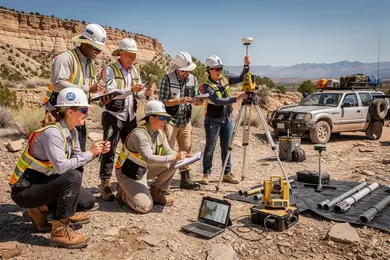
- Geospatial Technology: Leveraging software and remote sensing, geoscientists in this area create detailed environmental maps and models. This technology-driven role supports urban planning, disaster management, and environmental monitoring.
- Environmental Research and Policy: Graduates can pursue roles shaping environmental regulations and sustainability initiatives. Combining scientific insight with policy advocacy allows for impactful contributions to long-term ecological health.
For those exploring related educational options, many online colleges for engineering also offer programs that complement geosciences skills, which can enhance career competitiveness in these future-proof areas.
What Are the Highest-Paying Careers After a Geosciences Bachelor's Degree?
Graduates with a bachelor's degree in geosciences can pursue several lucrative career paths, often earning salaries well above the national average due to the technical expertise and critical decision-making their roles demand. For instance, petroleum geoscientists earn a median annual salary exceeding $130,000, reflecting the high value placed on their skills in the energy sector. These opportunities are concentrated in industries where specialized knowledge and industry scale drive compensation upward.
Some of the most financially rewarding careers for geosciences graduates include:
- Petroleum Geologist: Earning between $80,000 and $140,000 annually, these professionals locate and evaluate oil and gas reserves. Their advanced technical skills and the profitability of the energy industry contribute to their high earning potential.
- Geophysicist: With salaries ranging from $75,000 to $135,000 per year, geophysicists analyze Earth's physical properties to assist in exploration and environmental studies, requiring strong data interpretation abilities and specialized tools.
- Environmental Consultant: These consultants make $60,000 to $110,000 annually advising organizations on environmental regulations and sustainability practices, a role that has grown more important amid tightening environmental policies.
- Hydrogeologist: Earning $65,000 to $115,000 yearly, hydrogeologists study groundwater systems to manage water quality and availability, especially in areas facing water scarcity or pollution issues.
- Mining Geologist: With salaries between $70,000 and $120,000 per year, mining geologists identify mineral resources and guide extraction processes in an industry vital to global supply chains.
When asked about his career path, a professional who earned a geosciences bachelor's degree reflected on the challenge of gaining relevant experience while still in school. He shared that securing internships was "crucial but competitive," requiring persistence and networking. He noted that "the transition from academic knowledge to real-world problem-solving was intense but rewarding," and emphasized that building specialized skills early helped him land a high-paying job. He described the process as "a combination of technical learning, adaptability, and seizing opportunities within niche sectors."
What Are the Entry-Level Jobs for Geosciences Bachelor's Degree Graduates?
Graduates with a bachelor's degree in geosciences often begin their careers in entry-level roles that build essential skills and industry insights. These positions serve as stepping stones for long-term career advancement, supported by a 6% growth projection in geoscience-related employment from 2022 to 2032. Entry-level geosciences jobs in the United States are in steady demand, reflecting ongoing needs in earth science fields.
Key entry-level positions for those holding a geosciences bachelor's degree include:
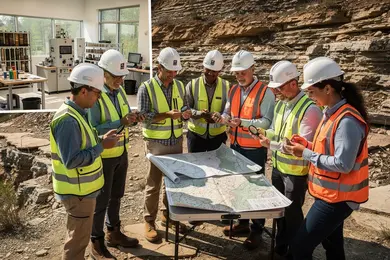
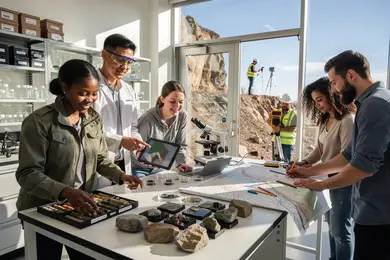
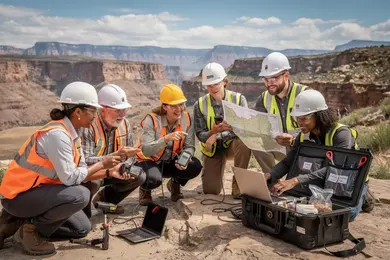
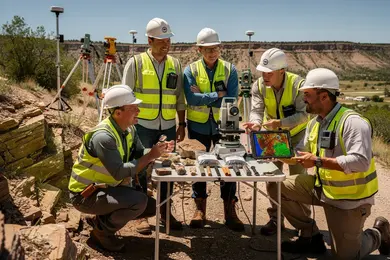
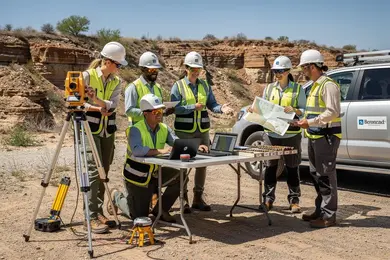
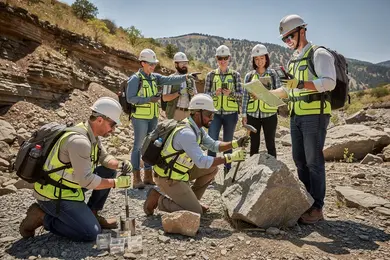
- Geological Technician: This role involves collecting and analyzing soil, rock, and water samples to support environmental evaluations and resource exploration. It often opens pathways to roles in field geology or environmental consulting.
- Environmental Scientist Assistant: Graduates assist in assessing environmental impacts, monitoring pollution, and helping with regulatory compliance, gaining experience that leads to positions in environmental agencies or private consulting.
- Hydrologic Technician: Focused on gathering and examining water quality data, this role supports water resource management and can transition into specialized hydrology careers.
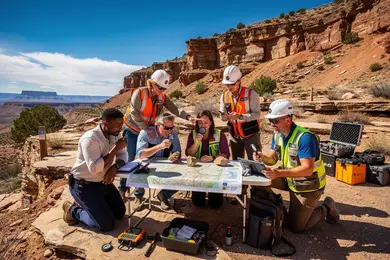
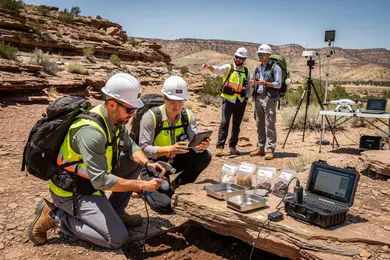
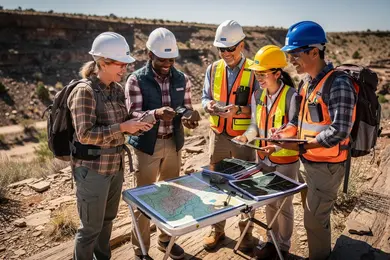
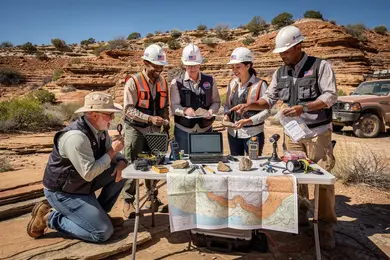
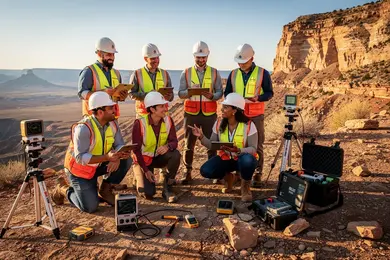
- Field Assistant or Field Technician: Responsibilities include on-site data collection and equipment upkeep across various geological environments, providing practical experience for advanced research or technical roles.
Annual salaries in these entry-level roles typically range from $40,000 to $55,000, varying by sector and location. For those seeking accelerated educational options, pursuing an associate degree in 6 months online can also be a strategic step toward entering the geosciences workforce.
What Career Paths Align With Your Skills After a Geosciences Bachelor's Degree?
A bachelor's degree in geosciences sharpens a broad range of transferable skills that employers across many sectors seek. The U.S. Bureau of Labor Statistics projects an 8% increase in demand for professionals with strong analytical and problem-solving abilities through 2030, highlighting the value of these competencies. These skills open diverse career avenues beyond traditional scientific roles.
Key strengths developed through a geosciences program include:
- Analytical Thinking: Graduates gain expertise in interpreting complex datasets and detecting patterns, which is essential for careers in environmental consulting, resource management, and data analytics.
- Effective Communication: The ability to clearly present scientific information both verbally and in writing prepares graduates for roles in science communication, education, and policy development.
- Leadership and Collaboration: Experience with fieldwork and managing projects equips students for leadership roles in environmental regulation, corporate sustainability, and team coordination.
- Problem Solving: Tackling geological challenges enhances readiness for positions in disaster response, risk assessment, and urban planning.
When asked about career alignment, a graduate reflected on the adaptability required early on. She shared that entering varied work environments-from field projects under unpredictable weather to high-pressure regulatory meetings-demanded flexibility and continuous learning. "Navigating those challenges built my confidence and helped me discover where my skills truly fit," she explained. Her journey through complex problem-solving and communication across diverse teams illustrated how geosciences graduates can find rewarding paths that evolve with their strengths.

What Jobs Require an Advanced Degree After a Geosciences Bachelor's Degree?
Many specialized careers connected to geosciences demand education beyond a bachelor's degree to handle complex scientific challenges and independent research effectively. Approximately 30% of geoscientist roles require a master's degree or higher, highlighting the value of advanced training for professional success. Graduate programs provide the deep expertise and analytical skills essential for these advanced positions.
The following roles typically necessitate a master's or doctoral degree:
- Research Scientist: Involves conducting in-depth investigations into earth systems, climate dynamics, and resource management. These positions usually operate within universities, government agencies, or private research centers, requiring advanced knowledge to design and execute sophisticated studies.
- University Professor or Academic Researcher: Requires a PhD to teach at the collegiate level and lead original research in geosciences. This role focuses on advancing scientific understanding and educating future experts through tenure-track positions.
- Environmental Consultant (Advanced Roles): Entails specialized evaluations of geological hazards and environmental impacts, demanding enhanced research experience and technical know-how to address complex contamination and ecosystem issues.
- Petroleum Geologist: Works on exploring and modeling subsurface oil and gas reserves, where advanced degrees equip professionals with skills for handling intricate reservoir analysis and extraction techniques.
- Hydrogeologist: Focuses on groundwater quality and flow, with graduate education providing quantitative methods for regulatory compliance and environmental modeling.
Graduate education also develops proficiency in GIS, geostatistics, and computational modeling, which are vital tools in these careers. Beyond technical aptitude, advanced programs cultivate capabilities in research methodology and scientific communication, preparing professionals to lead significant projects and influence policy and industry decisions.
What Careers Require Certifications or Licensure After a Geosciences Bachelor's Degree?
Many careers connected to a bachelor's degree in geosciences require additional certification or licensure to meet professional standards and regulatory requirements. These credentials are essential for positions where public safety, environmental accountability, and technical expertise are critical. According to the National Association of State Boards of Geology, over 30 states mandate licensure for geologists working in areas involving public protection and environmental compliance.
The following certifications and licenses are commonly needed for specialized roles in geosciences:
- Professional Geologist (PG): This state-issued license permits geologists to independently practice geology. PGs are legally authorized to prepare and approve environmental reports, remediation plans, and natural hazard assessments submitted to regulatory bodies.
- Professional Engineer (PE): Required for engineering geology and geotechnical engineering roles, this licensure certifies an individual's ability to design and supervise projects involving soil, rock, and groundwater, which are vital for infrastructure and construction safety.
- Certified Environmental Professional (CEP): This certification recognizes expertise in environmental regulations and site assessments, enhancing credibility for consultants and government professionals focused on sustainability and regulatory compliance.
Securing these certifications ensures that geoscience professionals uphold ethical and technical standards, safeguarding public health while advancing responsible environmental stewardship.
What Are the Alternative Career Paths for Bachelor's in Geosciences Graduates?
A bachelor's degree in geosciences opens doors beyond conventional roles like environmental consulting or mineral exploration. Nearly 40% of graduates find themselves in careers that diverge from their primary field, reflecting the degree's versatile nature. This adaptability is supported by transferable skills such as critical thinking, data analysis, and a strong grasp of earth systems.
Here are some alternative career opportunities for bachelor's in geosciences graduates that offer flexible job options with a geosciences bachelor's degree:
- Data Science and GIS: Graduates leverage their expertise in spatial data analysis and environmental modeling in fields like urban planning, disaster management, and technology development. These roles capitalize on their ability to interpret complex datasets to inform decision-making processes.
- Science Communication: Many use their knowledge to become scientific writers, educators, or public outreach specialists. Their skills enable them to translate technical information into accessible content, contributing to public understanding on critical issues like climate change and sustainability.
- Environmental Policy and Advocacy: Geosciences alumni often work with government agencies, nonprofits, or think tanks to develop and promote policies related to natural resource management and climate resilience. Their background supports evidence-based strategies in environmental legislation.
- Business and Finance: Some enter investment firms or energy companies, where their understanding of geological risk and natural resource markets helps guide environmental consulting and strategic evaluations. These roles highlight the analytical versatility of their training.
Students interested in broadening their career prospects might also explore programs such as a project management degree online, which complements geosciences expertise with advanced organizational and leadership skills.
What Remote and Flexible Career Options Are Available With a Geosciences Bachelor's Degree?
Remote and flexible career options for geosciences graduates are increasingly viable due to technological advancements and evolving work trends. A 2023 Gallup report found that 56% of U.S. workers enjoy some level of remote work flexibility, a shift extending even to fields traditionally dependent on fieldwork. This trend opens new opportunities for those with a geosciences bachelor's degree.
Several roles within this field adapt well to remote or flexible schedules, allowing graduates to leverage their expertise without the need for constant on-site presence. Examples include:
- Environmental Data Analyst: These analysts can work remotely by interpreting large datasets on soil, water, or air quality. Their role includes preparing detailed reports and advising organizations on sustainability and compliance strategies, often through specialized software tools.
- GIS Specialist: Geospatial Information Systems specialists use software to collect and analyze geographic data. Since much of this work is computer-based, it naturally supports flexible or remote arrangements, aiding urban planning, resource management, and disaster response remotely.
- Remote Geoscience Consultant: Consultants provide expert advice on resource exploration, risk assessment, and environmental impact from any location. Their tasks include interpreting geological data, drafting technical documents, and participating in virtual meetings with clients.
- Science Writer and Communicator: Those skilled in writing and geosciences can produce educational content and reports on flexible schedules. This career path often suits contract or freelance work, blending scientific knowledge with strong communication skills.
These flexible career paths for geosciences graduates are supported by digital tools and growing employer acceptance of remote work. Those interested in advancing their capabilities might explore easy licenses and certifications to get that enhance remote job prospects.
How Do You Choose the Best Career Path After a Geosciences Bachelor's Degree?
About 61% of college graduates feel more satisfied with their careers when their work aligns with their values and interests, highlighting the need for thoughtful career evaluation after earning a geosciences degree. Considering key factors early on improves both job fulfillment and professional success. Below are essential points to guide your decision-making process.
- Personal Interests: Identify which aspects of geosciences excite you most, whether it's conducting field research, analyzing data, or laboratory work. This clarity helps focus on paths that maintain your enthusiasm and motivation.
- Long-Term Goals: Determine whether you prefer a steady, predictable career trajectory or one that offers frequent challenges and variety. Aligning your ambitions with your career approach shapes overall satisfaction.
- Market Demand: Investigate sectors with sustained or growing needs for geosciences expertise. Trends from the U.S. Bureau of Labor Statistics suggest strong prospects in environmental and earth sciences, guiding you toward relevant opportunities.
- Preferred Work Environment: Decide if you thrive in outdoor or travel-intensive roles versus office or lab settings. Also, consider whether collaborative teamwork or independent work suits your style best to ensure a good fit.
What Graduates Say About the Best Career Paths After a Geosciences Bachelor's Degree
- Ellie: "Choosing a geosciences bachelor's degree was driven by my passion for understanding Earth's processes and desire to contribute to environmental solutions. I found that careers in environmental consulting and natural resource management offer a perfect blend of fieldwork and analysis, which keeps my work dynamic and impactful. The degree has truly opened doors to various roles that focus on sustainability and conservation, allowing me to make a difference."
- Quentin: "After completing my geosciences bachelor's degree, I embarked on a remote career in geological data analysis, which has been both challenging and rewarding. I was drawn to this path because it combines cutting-edge technology with scientific research, providing flexibility without sacrificing my professional growth. This degree equipped me with strong analytical skills essential for interpreting complex data from anywhere in the world."
- Jace: "My journey with a geosciences bachelor's degree led me to an unexpected yet fulfilling alternative career in science communication and policy advising. The breadth of knowledge I gained enabled me to translate complex geoscientific concepts into accessible information for decision-makers and the public. It's been a distinct privilege to influence environmental policies while staying close to the core science that first inspired me."
Other Things You Should Know About Geosciences Degrees
In 2027, geosciences graduates can explore careers in environmental consulting, renewable energy, and climate science. These fields are expanding due to the increasing demand for sustainable practices and climate change solutions. Skills in data analysis, remote sensing, and geographic information systems (GIS) are particularly valuable.
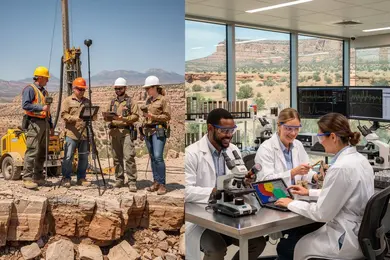
Fieldwork experience is highly valued in geosciences careers because it provides practical understanding of geological formations, sampling techniques, and environmental conditions. Many employers prefer candidates who have participated in field projects during their studies, as this experience demonstrates hands-on skills and adaptability in real-world settings. Additionally, fieldwork often helps build teamwork and problem-solving abilities that are useful in professional environments.
Internships are crucial for gaining practical experience and networking within the geosciences community. They provide exposure to industry practices, improve technical skills, and often lead to job opportunities after graduation. Students who complete internships typically have a competitive advantage compared to those without relevant work experience.
Continuous learning is important due to the evolving nature of technology and scientific methods in geosciences. Professionals often engage in workshops, certifications, and short courses to stay updated on new techniques such as advanced modeling software or environmental regulations. Lifelong education supports career advancement and the ability to adapt to changes within the field.
References
- Top 10 Highest Paying Geology Jobs 2025 (Inc Salaries) | Nexford University https://www.nexford.edu/insights/highest-paying-geology-jobs
- 20+ Geoscience Careers & How Much Geoscientists Make https://career360.snhu.edu/videos/20-geoscience-careers-how-much-geoscientists-make/
- What can I do with a geology degree? https://learn.rumie.org/jR/bytes/what-can-i-do-with-a-geology-degree/
- 8. Recruiting, Retaining, and Promoting Success of Undergraduate Students with Emphasis on Students Underrepresented in the Geosciences https://www.americangeosciences.org/change/sections/recruitment/
- Choosing Your Degree https://www.geolsoc.org.uk/Geology-Career-Pathways/University/Choosing%20your%20degree.html
- Geoscience Careers https://education.americangeosciences.org/resources/geoscience-careers/
- What Does the Future Demand Look Like for Applied Geoscientists? https://www.aegweb.org/index.php
- What Jobs Can I Get with a Geoscience Degree? https://thinkonward.com/resources/content-hub/what-jobs-can-i-get-with-a-geoscience-degree
- High-Earning Careers in Geology | Rangefront Geological https://rangefront.com/blog/high-earning-jobs-geology/
- Career in Geology: Explore Diverse Opportunities Available https://www.mindler.com/blog/exploring-non-traditional-career-paths-in-geology/