2027 Community College to Geosciences Bachelor's Degree Transfer Guide

Co-Founder and Chief Data Scientist
Many community college students aiming to transfer into a geosciences bachelor's degree face challenges navigating articulation agreements and prerequisite requirements. This often leads to extended time to degree completion or loss of credits. Recent data shows that only 12% of community college students intending to pursue STEM bachelor's degrees successfully transfer and graduate within six years, highlighting the complexity of such transitions. This article explores effective strategies and key considerations for community college students to streamline their transfer path into geosciences programs, ensuring they maximize credit acceptance and meet academic expectations efficiently.
Key Benefits of Community College to Geosciences Bachelor's Degree Transfer
- Community college offers improved academic accessibility by providing smaller class sizes and personalized advising, easing transitions to demanding geosciences bachelor's programs.
- Transferring reduces overall educational costs by allowing students to complete foundational coursework at lower tuition rates before enrolling in the more expensive upper-division geosciences courses.
- Established articulation agreements between many community colleges and universities create smoother degree completion pathways, minimizing credit loss and accelerating time to geosciences bachelor's degree graduation.
Who Should Consider Transferring to a Geosciences Bachelor's Degree?
Transferring to a geosciences bachelor's degree program offers a valuable pathway for many community college students aiming to enhance their education and career prospects. With approximately 38% of community college students transferring to four-year institutions, understanding the best transfer pathways for geosciences bachelor's programs is essential for those seeking to navigate this transition successfully. The following groups often benefit most from such transfers:
- Advanced Opportunities: Students interested in Earth science careers such as environmental consulting, natural resource management, or geological research gain access to specialized coursework and hands-on experience that a four-year geosciences degree provides.
- Associate Degree Holders: Individuals who have completed or nearly completed associate degrees in related areas like environmental science, physical science, or engineering find transferring a strategic option to build on their foundation with a bachelor's in geosciences.
- Changing Academic Focus: Students shifting from general science or other disciplines to geosciences are drawn by its diverse applications and expanding job market, positioning themselves competitively in STEM fields.
- Passionate Learners: Those motivated by interests in Earth processes, climate change, or sustainability often choose transfer routes to pursue a comprehensive education and research opportunities offered in four-year programs.
- Graduate Preparation: Students seeking to qualify for graduate study or professional certifications frequently require a bachelor's degree in geosciences or a related field to meet academic prerequisites.
Community college students interested in geosciences bachelor's degree transfer should also explore options among accredited online colleges that accept fafsa to find flexible and affordable pathways that align with their academic and financial needs.
What Are the Transfer Requirements for a Geosciences Bachelor's Degree?
Successfully transferring to a bachelor's degree program in geosciences from a community college requires meeting specific academic and administrative criteria. Nationally, nearly 40% of community college students transfer to four-year institutions, emphasizing the importance of understanding transfer eligibility criteria for geosciences bachelor's degree programs. Preparation in advance helps streamline the admissions process and improves your chances of acceptance.
Common transfer requirements often include the following:
- Minimum GPA: Most programs expect a competitive grade point average that showcases your academic strengths, particularly in science and math courses essential to geosciences.
- Completed Coursework: Foundational classes such as introductory geology, chemistry, physics, and mathematics must be completed with solid grades to meet credit transfer policies for community college to geosciences programs.
- Official Transcripts: You need to submit official transcripts from all colleges attended to verify your academic record and completed courses.
- Application Materials: Applications typically include transfer forms, personal statements explaining your interest in geosciences, and sometimes letters of recommendation.
- Additional Requirements: Some programs may require advising sessions, portfolios, or standardized test scores as part of their enrollment criteria.
Careful attention to these requirements not only ensures eligibility but also demonstrates your commitment and readiness for advanced study. For students interested in further education beyond a bachelor's, exploring affordable masters programs in related fields can be a strategic next step in their academic journey.
2026 Update: Fieldwork and Lab Readiness for Geosciences Transfers
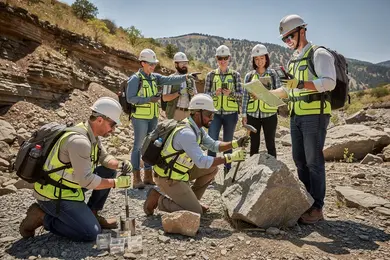
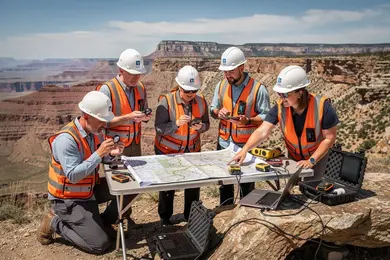
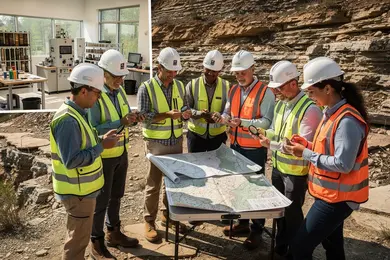
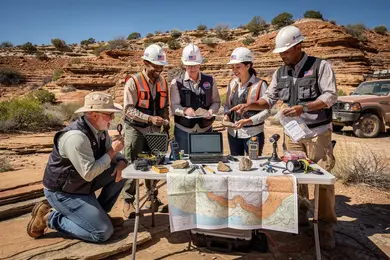
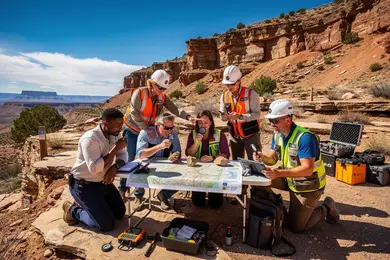
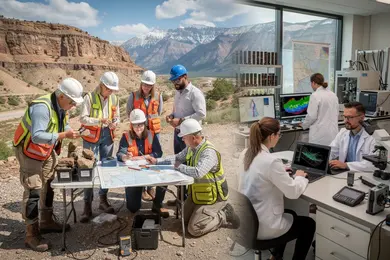
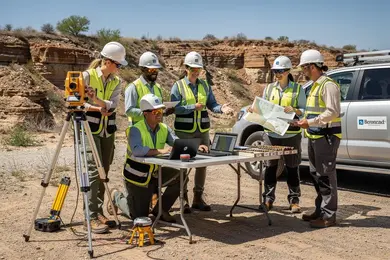
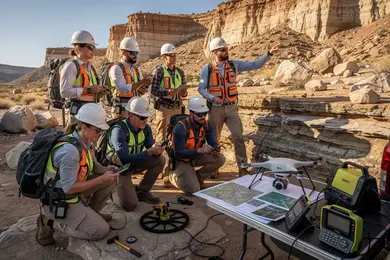
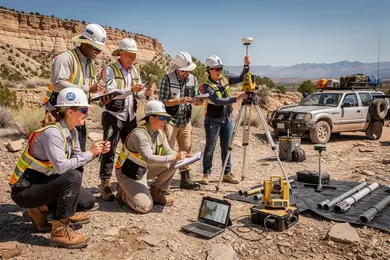
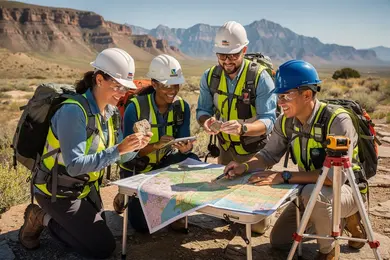
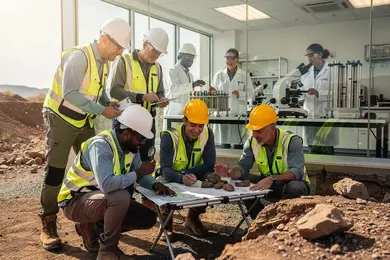
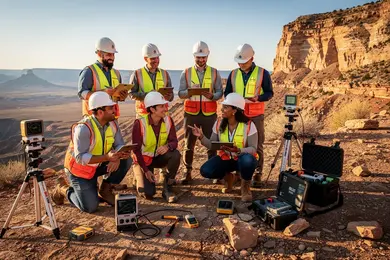
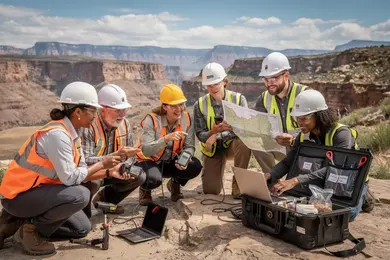
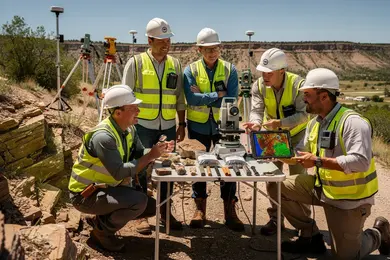
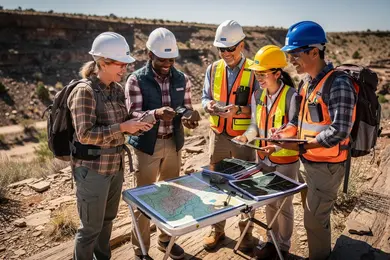
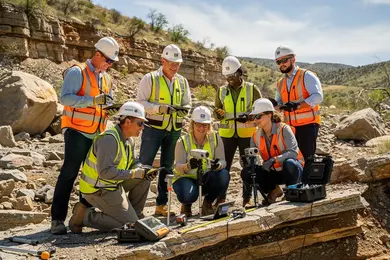
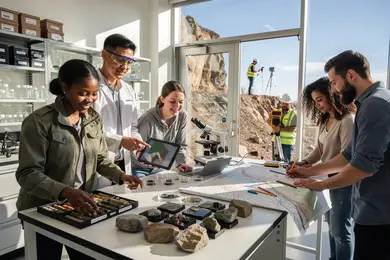
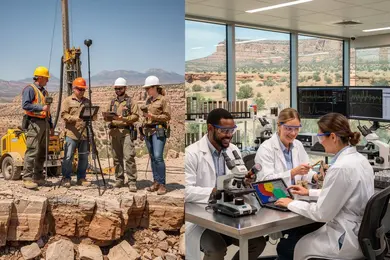
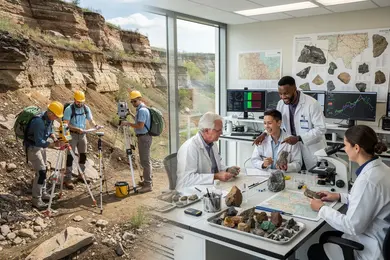
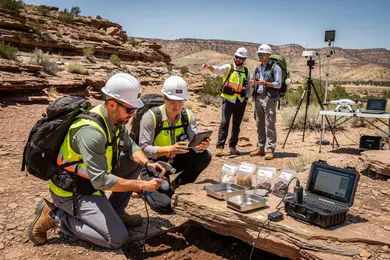
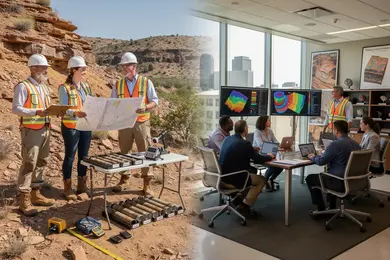
This 2026 update adds guidance on the hands-on preparation transfer students should review before entering an upper-division geosciences program, especially where field, lab, mapping, or software-based work begins early.
- Whether the university expects prior experience with field notebooks, rock and mineral identification, or basic geologic mapping
- Any required field trips, weekend labs, summer field courses, or travel-based components that may affect your schedule
- Access to GIS, remote sensing, data analysis, or modeling tools used in upper-level geosciences courses
- Safety requirements, outdoor gear expectations, transportation needs, and physical demands for field-based coursework
- Whether community college lab courses meet the university’s hands-on laboratory standards
- Opportunities to join faculty projects, local surveys, environmental monitoring, or campus research groups after transfer
Checking these expectations early helps students avoid surprises after transfer and choose a program that fits their academic goals, schedule, and comfort with field-based learning.
Can I Transfer All My Community College Credits to a Geosciences Bachelor's Degree?
Students planning to transfer community college credits to a geosciences bachelor's program often wonder how many of their credits will be accepted. While a substantial portion of credits can usually be transferred, full acceptance is rare and depends largely on how well the completed courses correspond with the receiving program's curriculum. Institutional policies and the specific requirements of geosciences degrees also play a key role in credit evaluation. Data from the National Student Clearinghouse Research Center shows about 65% of community college students successfully transfer some credits toward a bachelor's degree, though acceptance rates vary significantly by field and institution.
Several key factors influence the transferability of credits into geosciences programs. Courses that closely match the content and academic rigor of the university's geosciences offerings are more likely to be approved. Credits from regionally accredited community colleges have a better chance of transfer recognition compared to those from non-accredited sources. Additionally, general education courses in subjects like math, chemistry, and physics often transfer more easily than specialized or unrelated coursework. Each university conducts a thorough transcript evaluation to compare course descriptions and ensure requirements are met before awarding transfer credits.
A graduate who transferred from community college to complete their geosciences bachelor's degree shared that "it was surprising how many of my credits needed to be reviewed in detail." He explained that "some classes I thought would transfer fully ended up counting only as electives." The process involved submitting syllabi and having multiple meetings with academic advisors to clarify course content. He recalled feeling anxious about the uncertainty but found that early communication with the program helped him plan effectively and avoid delays in graduation.
What Classes Should I Take at Community College for a Geosciences Bachelor's Degree?
Choosing appropriate classes early at community college can significantly improve the chances of a smooth transfer and on-time completion of a geosciences bachelor's degree. Research shows that students who complete key foundational courses before transferring have a 20% greater likelihood of graduating within four years. Below are essential focus areas for course selection when pursuing community college geology course recommendations.
- General Education: These courses fulfill transfer prerequisites and ensure a well-rounded academic foundation. Completing them early can streamline the transfer process and reduce excess credits after transfer.
- Foundational Sciences: Core classes like introductory geology or earth science provide critical knowledge needed for upper-division geosciences coursework. They lay the groundwork for understanding more complex topics in the major.
- Mathematics: Courses such as calculus or statistics are vital for mastering quantitative and analytical methods in geoscientific research and problem-solving.
- Physical Sciences: Chemistry and physics classes support essential concepts used throughout geosciences studies, helping students build interdisciplinary connections.
- Relevant Electives: Electives like environmental science or computer science often transfer well and enhance skills useful in geosciences fields, including data analysis and environmental modeling.
Planning your curriculum with these areas in mind aligns well with best core classes for geosciences transfer and strengthens your academic profile. For additional educational options, students interested can explore the cheapest online edd programs as alternative pathways in related fields.
What Should I Do Before Transferring to a Geosciences Bachelor's Degree?
Preparing adequately before transferring to a geosciences bachelor's program can greatly enhance the chances of academic achievement and smooth integration into the new curriculum. Studies indicate that students who engage in thorough preparation experience about a 20% higher retention rate in their initial year at four-year universities. Taking intentional actions ensures that students meet program expectations and admission standards effectively.
Essential steps to consider include:
- Assess Coursework Confirm that your completed classes align well with the geosciences curriculum. Identify any missing prerequisites or topics to address before transferring.
- Consult Advisors Schedule regular meetings with academic counselors familiar with geosciences pathways to clarify degree requirements and transfer policies.
- Organize Documents Gather and prepare transcripts, recommendation letters, and personal statements early to avoid last-minute delays or issues during application.
- Understand Program Demands Research expectations related to earth science fundamentals, math skills, and laboratory or fieldwork components that may be part of the curriculum.
- Create a Transition Plan Develop a realistic schedule balancing coursework, research, and potential fieldwork, ensuring you can manage the program's unique challenges.
When I spoke with a student currently enrolled in a geosciences bachelor's degree program who transferred from community college, she described her experience as both challenging and rewarding. She mentioned that adapting to the faster pace and depth of coursework required careful time management and an openness to seek out campus resources. "It wasn't easy to figure out how my previous credits fit into the program at first," she said, "but meeting with transfer counselors really helped me understand what to focus on." Reflecting back, she emphasized how early preparation made her transition less stressful and enabled her to engage more confidently with research projects and field activities that are essential to geosciences studies.
When Should I Apply for Transfer to a Geosciences Bachelor's Degree?
Timing your transfer application for a geosciences bachelor's program plays a vital role in ensuring a seamless academic transition and timely completion of your degree. Nearly 60% of community college students transfer after earning 30 or more semester credits, demonstrating the need to apply when you are academically prepared. Consider these important timing factors to enhance your chances of successful admission:
- Academic Readiness: Submit your application once foundational courses are complete, typically by the end of your sophomore year, so you're prepared for advanced geosciences coursework.
- Application Cycles: Most universities have designated transfer application periods, often aligned with fall and spring semesters; planning in advance helps you meet these deadlines.
- Prerequisite Completion: Finish required general education and introductory geosciences courses before applying to present a strong academic record that supports your transfer request.
- Document Preparation: Send transcripts, recommendation letters, and other application materials early to allow sufficient processing time and avoid administrative delays.
- Advising Consultation: Seek guidance from academic advisors who can offer personalized advice based on transfer policies and program availability, helping you choose the ideal application timeframe.
Applying prematurely may leave gaps in necessary preparation, while waiting too long risks missing key enrollment opportunities. Being strategic about when you apply can significantly improve your pathway to success in a geosciences bachelor's degree program.
Is It Cheaper to Transfer to a Geosciences Bachelor's Degree From Community College?
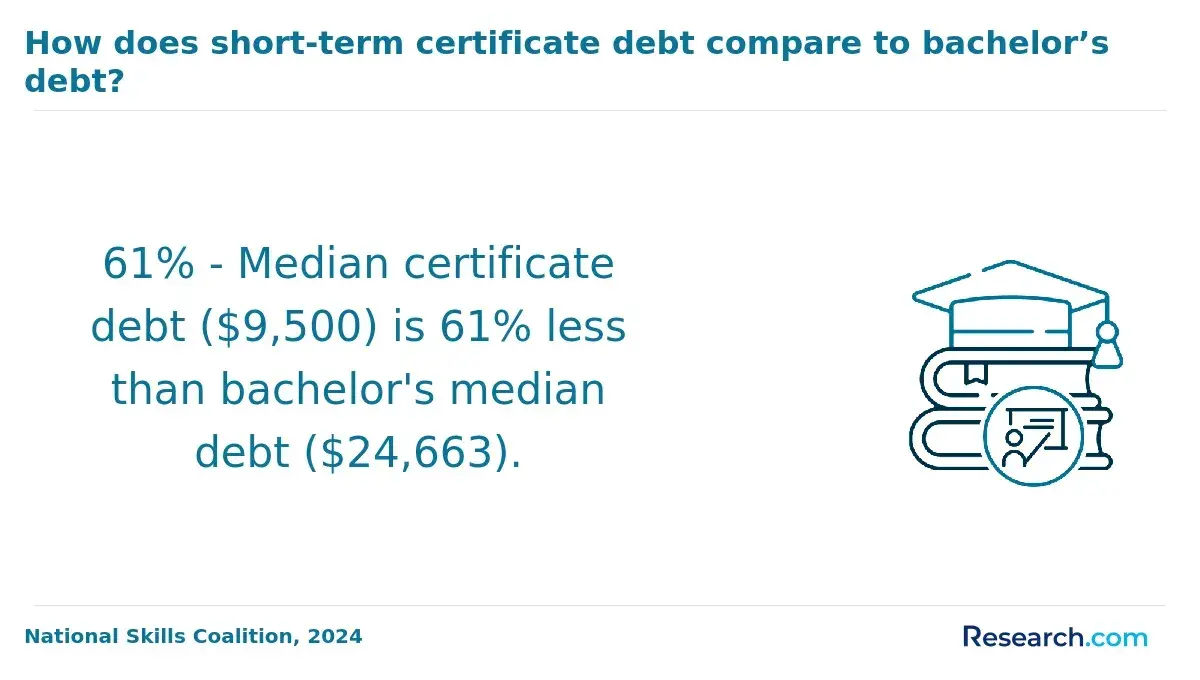
Starting a bachelor's degree in Geosciences at a community college is often seen as an effective way to cut overall educational costs. National data shows community college tuition rates are typically about one-third those of four-year institutions, making them an attractive starting point. This cost advantage can make a significant difference in managing college expenses over the course of a degree program.
Several key reasons explain why transferring from a community college to finish a Geosciences bachelor's degree usually results in lower total costs:
- Lower Tuition Rates: Community colleges charge less per credit hour than universities, so students pay significantly less during their initial years of study, easing financial burdens early on.
- Reduced Overall Degree Expenses: Completing general education and introductory courses at a community college limits the amount of time and tuition paid at more expensive four-year schools.
- Housing and Commuting Savings: Many community college students live at home or within commuting distance, which reduces or eliminates costly housing and meal plan expenses common at universities.
- Cost Increase Post-Transfer: Although tuition typically rises after transferring to a university, the foundation built at a community college means students have already gained considerable savings on early coursework.
These financial benefits make beginning a Geosciences degree at a community college a practical approach for students intent on managing their education costs. By maximizing savings during the foundational years, students are better positioned to complete their degree without excessive debt or financial strain.
What Financial Aid Is Available for Geosciences Bachelor's Degree Transfer Students?
Transfer students pursuing a geosciences bachelor's degree have access to multiple financial aid options designed to ease education costs. Research shows that over 70% of transfer students receive some form of financial aid, demonstrating broad support availability. Below are common types of funding that community college students transferring to geosciences degrees can explore.
- Need-Based Assistance: This aid assesses a student's financial situation to determine eligibility. Federal programs such as the Pell Grant provide funds that do not require repayment, helping students with demonstrated financial need cover tuition and fees.
- State and Federal Grants: Many states offer special grant programs tailored for transfer students entering STEM fields like geosciences. These grants supplement federal aid and ease the transition from community college to four-year institutions.
- Institutional Aid: Colleges often reserve funds specifically to support transfer students in geosciences, providing grants or tuition discounts to reduce costs. These resources are valuable for students balancing academic demands and finances.
- Federal Work-Study: This program enables eligible students to work part-time on campus, earning money to fund expenses while gaining practical experience. It is especially beneficial for those needing flexible employment alongside their studies.
- Financial Aid Counseling: Transfer students can benefit from meeting with aid offices to explore loans and other funding options best suited to their needs. Although loans require repayment, they can help manage immediate education costs.
Community college students looking for additional guidance on advancing their education may also consider exploring online msw programs as part of their academic planning.
Are There Scholarships for Transfer Students in Geosciences Bachelor's Degree Programs?
Transfer students aiming to complete a geosciences bachelor's degree often find scholarship opportunities to help alleviate financial burdens. Studies indicate that nearly 60% of transfer students secure scholarships or other financial support, underscoring the availability of targeted aid for this group. Below are common types of scholarships accessible to transfer students in geosciences programs.
- Merit-Based Awards: These scholarships reward academic excellence and strong performance in previous coursework. They often recognize a student's potential for success in rigorous geosciences programs.
- Need-Based Scholarships: Focused on students with verified financial need, these awards aim to make education more affordable and accessible for transfer students continuing their geosciences education.
- Transfer-Specific Scholarships: Designed to support students transitioning from community colleges to four-year universities, these scholarships acknowledge the unique challenges and commitments transfer students face.
- Institutional and External Scholarships: Many universities offer scholarships to boost transfer enrollment in STEM areas including geosciences, while professional geological societies and environmental organizations provide external funding. This includes funds from private foundations promoting diversity and expertise in the geosciences workforce.
Because scholarships vary widely in eligibility and award amounts, transfer students should explore funding options both at their prospective institutions and through outside resources. Utilizing financial aid options for geosciences transfer students is essential for minimizing debt and advancing their education. Additionally, students interested in various fields might compare opportunities at specialized programs such as online graphic design schools, highlighting the broad range of educational paths available after community college.
What Problems Do Students Face When Transferring to a Geosciences Bachelor's Degree?
Transferring from a community college to a geosciences bachelor's program offers an efficient way to advance education but often involves several challenges that can hinder progress. Research shows that retention rates for transfer students in STEM disciplines, including geosciences, may be up to 15% lower compared to native students. These obstacles span academic, administrative, and adjustment domains. Below are common difficulties students encounter:
- Credit Transfer Variability: Transfer policies vary widely, and not all completed courses may be accepted toward degree requirements. This can lead to lost credits and extended time to graduation.
- Academic Transition: Community college courses might not fully prepare students for the rigor of university-level geosciences content, especially in foundational subjects like geology, chemistry, and physics, which demand stronger analytical skills.
- Administrative Hurdles: Students must manage complex paperwork such as transcript submission and meet specific prerequisites. Delays or errors in this process can slow enrollment or access to key courses.
- Course Mismatch: Prior coursework may not align well with the target program's curriculum or focus areas, requiring students to retake classes or take additional courses to fulfill degree standards.
What Graduates Say About Community College to Geosciences Bachelor's Degree Transfer
- Ellie: "Transferring to a geosciences bachelor's degree program from my community college was driven by my fascination with Earth's processes and a desire for a hands-on science career. I was pleasantly surprised by how affordable the transfer process was compared to starting fresh, which made continuing my education less stressful financially. Now, it's incredibly rewarding to apply what I learned directly in environmental consulting, and I'm confident this path set me up for success."
- Quentin: "After two years at community college, I realized that geology was my true passion, and transferring to a geosciences program was the natural next step. The costs were manageable, especially since I had already completed many core courses, saving both time and money. This experience challenged me academically and broadened my professional network, paving the way for my current role in mineral exploration."
- Jace: "Choosing to transfer into a geosciences bachelor's degree from community college was fueled by the program's strong reputation and career prospects in earth sciences. From a financial perspective, the transition was surprisingly cost-effective, which allowed me to focus more on learning than on debt. Professionally, the degree has been invaluable, equipping me with skills that have opened doors in geotechnical engineering."
Other Things You Should Know About Geosciences Degrees
Community college students aiming to transfer to a geosciences bachelor's degree program should focus on foundational courses like Physical Geology, Environmental Science, and Calculus. Completing lab work and courses in Chemistry and Physics is advantageous, as these prerequisites ensure a smooth transition to upper-level coursework in the geosciences field.
The typical GPA requirement for transferring from community college to a geosciences bachelor's degree program is 2.5 or higher, depending on the institution. Applicants should check specific requirements for each college as they can vary widely.
Yes, students must complete courses like Calculus I and II with a minimum grade of C at community college prior to transferring to a geosciences bachelor's degree program in 2027. These courses ensure proficiency in quantitative analysis necessary for geosciences studies.
References
- Transfer Guide https://coursetransfer.northcarolina.edu/guide/2024-2025/979
- How Does Transferring From Community College Work? https://mycollegeguide.org/how-does-transferring-from-community-college-work/
- 419 Bachelor Degree Earth Sciences Scholarships available https://www.hotcoursesabroad.com/study/international-scholarships/all/postgraduate/earth-sciences/cid/124/b2/scholarship11.html
- Any advice for someone who plans to transfer from a community college to a university? https://higher.education.narkive.com/UqAfBUyM/any-advice-for-someone-who-plans-to-transfer-from-a-community-college-to-a-university
- Earth Science/Geology Transfer Pathway https://admission.universityofcalifornia.edu/admission-requirements/transfer-requirements/uc-transfer-programs/transfer-pathways/earth-science-geology.html
- Transfer Credit from Community Colleges https://www.umgc.edu/transfers-and-credits/credit-from-colleges/community-college
- GSSP Financial Aid - The Gow School https://www.gow.org/summer-programs/gssp-admissions/gssp-financial-aid
- Financial Aid for Geology | Encyclopedia.com https://www.encyclopedia.com/education/news-and-education-magazines/financial-aid-geology-0
- Geoscience/Earth Science Transfer Pathway https://catalog.monroeccc.edu/preview_program.php
- The Benefits of Empowering Community College Geoscience Faculty - Eos https://eos.org/opinions/the-benefits-of-empowering-community-college-geoscience-faculty