2027 Cheapest Online MBA Programs That Are Worth It

Co-Founder and Chief Data Scientist
The cheapest online MBA is not automatically the best value. A low tuition program only pays off if it is accredited, respected by employers, flexible enough to finish while working, and aligned with the role you want next. For professionals comparing online MBA options in 2027, the real question is not simply “Which program costs the least?” It is “Which affordable program gives me a credible business degree without taking on unnecessary debt?”
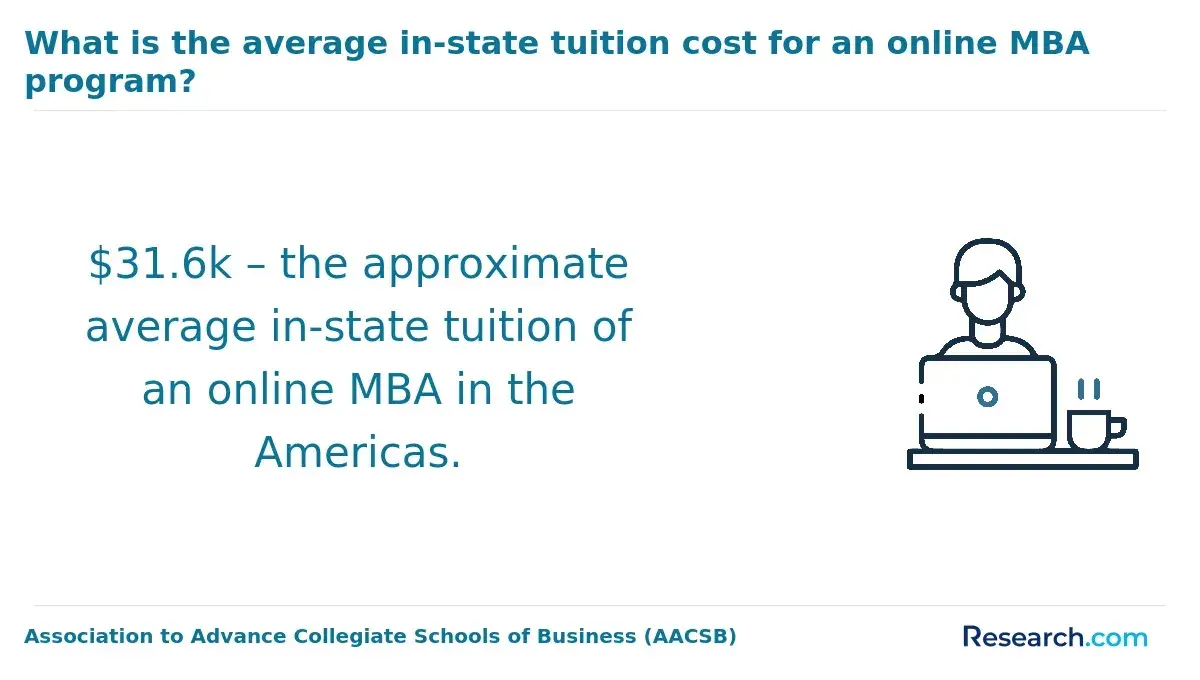
Online MBA tuition can vary sharply. According to the U.S. Department of Education, the average cost of an online MBA program can range from $20,000 to over $100,000, which makes price a major factor for working adults, career changers, and managers seeking advancement. This guide explains which low-cost online MBA options are worth considering, how AACSB accreditation and GMAT waivers affect value, what to know about executive MBA formats, and how to judge return on investment before enrolling.
Key Benefits of Getting Into the Cheapest Online MBA Programs That Are Worth It
- Career opportunities: Graduates can pursue leadership roles in business, finance, marketing, and management. This degree equips professionals with strategic thinking and management skills that employers actively seek.
- Median salary: Many graduates earn a median salary of over $100,000, depending on industry and experience. Earning potential is higher in fields such as finance, consulting, or executive management.
- Flexibility of online learning: Completing an MBA online allows you to maintain full-time employment while advancing your education. Online programs also accommodate different time zones and personal schedules, providing a more manageable work-life balance.
What are the cheapest online MBA programs that are worth it?
The cheapest online MBA programs worth considering are typically offered by accredited public universities with transparent tuition, flexible course delivery, and practical business coursework. A program is “worth it” when it combines low cost with credible accreditation, relevant concentrations, accessible faculty, and career support that matches your goals.
Some of the most affordable and reputable online MBA programs in 2025 include:
- Georgia Southwestern State University – Tuition: $7,000 – A low-cost option with a strong ROI for mid-level managers who want leadership and management training without a high tuition burden.
- University of Louisiana at Monroe – Tuition: $8,400 – A flexible online program designed for working professionals who need to balance graduate study with career responsibilities.
- University of Florida (Online MBA) – Tuition: $12,500 – A highly ranked program with a robust alumni network and global recognition.
- Valdosta State University – Tuition: $9,200 – A practical option for students interested in leadership development, strategic management, and applied business decision-making.
- Western Carolina University – Tuition: $9,500 – A program that combines business theory with applied learning and career support services. For more options, review the most affordable MBA programs.
When comparing these programs, do not stop at tuition. Check whether the listed price includes fees, whether tuition differs by residency, how many credits are required, and whether courses are offered often enough to let you graduate on your preferred timeline. A slightly more expensive program may be the better value if it has stronger employer recognition, better student support, or a concentration directly tied to your target role.
For working professionals, flexibility is also part of affordability. Asynchronous courses, part-time enrollment, and multiple start dates can help you keep earning while completing the degree. That income preservation can matter as much as the sticker price.
Which AACSB-accredited MBA programs online are the most affordable?
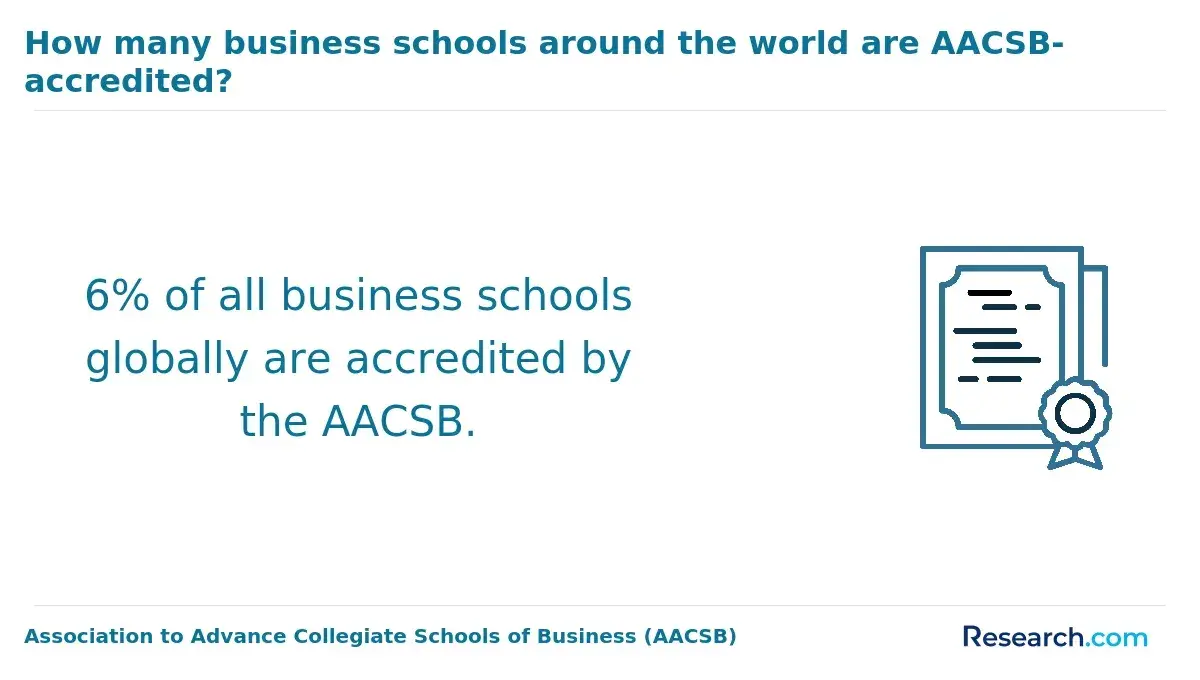
The most affordable AACSB-accredited online MBA programs are usually found at public universities and regional institutions that keep tuition lower while meeting rigorous business-school standards. AACSB accreditation is widely recognized in business education and can be especially useful if you want stronger academic credibility, may pursue doctoral study later, or work for employers that screen for accredited graduate business degrees.
AACSB accreditation does not automatically mean a program is the right fit, but it does signal that the business school has met external standards for faculty qualifications, curriculum quality, continuous improvement, and student learning. To compare affordable options, review this list of AACSB accredited MBA programs online.
Students should weigh three issues when choosing an affordable AACSB online MBA:
- Total cost, not advertised tuition: Confirm technology fees, course fees, graduation fees, and whether books or software are included.
- Program fit: Look for concentrations or electives in finance, marketing, entrepreneurship, analytics, healthcare, or another area that supports your career plan.
- Career relevance: Review employer connections, alumni access, capstone projects, and whether the curriculum uses current business cases and applied assignments.
Scholarships, assistantships, employer tuition assistance, and payment plans can make an AACSB-accredited program more affordable. If your employer offers reimbursement, ask whether the school’s accreditation type affects eligibility before you apply.
What are the cheapest executive MBA online programs?
The cheapest executive MBA online programs are designed for experienced professionals who want senior leadership training without leaving the workforce or paying premium tuition at a highly selective residential program. An EMBA is usually a better fit for managers, directors, entrepreneurs, and specialists with substantial work experience than for recent graduates or early-career applicants.
Affordable EMBA programs often emphasize strategic management, executive decision-making, finance for leaders, organizational change, global business, and leadership communication. To compare available options, see these executive MBA online programs.
Before choosing a low-cost online EMBA, confirm that the format matches your schedule and experience level. Some programs use synchronous sessions, weekend intensives, leadership residencies, or cohort-based projects. These features can add value, but they may also require more fixed meeting times than a standard online MBA.
A cost-effective EMBA is most worthwhile when you can apply the coursework immediately in your current role. Capstone projects, leadership labs, consulting-style assignments, and peer discussions with other experienced professionals can make the degree more practical than a general MBA for students already in management.
Online MBA programs without GMAT requirements are worth considering when they are accredited, selective in other ways, and clear about how they evaluate applicants. A GMAT waiver should not mean weaker academic standards. Strong no-GMAT programs often assess candidates through undergraduate performance, professional experience, recommendations, resumes, essays, interviews, or prior graduate coursework.
No-GMAT options can be especially useful for working professionals who have already demonstrated business ability and do not want to delay enrollment for test preparation. To review affordable options, see this guide to MBA no GMAT online.
When evaluating a no-GMAT online MBA, look closely at the admission criteria. Programs that waive the test based on years of experience, GPA, professional certifications, or managerial responsibility may still maintain a strong student profile. Programs with no clear admissions standards deserve more scrutiny.
Students should also compare support services and course rigor. The best no-GMAT online MBAs still include quantitative coursework, business analytics, accounting, finance, strategy, and applied projects. If you have been away from math-heavy courses for several years, ask whether the school offers prerequisite modules, tutoring, or academic support before the first term begins.
To evaluate whether a cheap online MBA is worth it, compare total cost against credibility, completion feasibility, and career value. A low tuition program can be a smart investment, but only if you are likely to finish, employers recognize the degree, and the curriculum supports your next career move.
Use the following factors before applying:
- Accreditation: Confirm regional or AACSB accreditation. Accreditation affects employer perception, transfer credit, financial aid eligibility, and academic credibility.
- Total program cost: Add tuition, fees, books, software, travel requirements, and any residency costs. The lowest tuition figure may not reflect the full price.
- Curriculum relevance: Make sure the required courses and electives connect to your goals, whether that means leadership, finance, marketing, analytics, operations, healthcare, or entrepreneurship.
- Alumni outcomes: Review employment data, salary reports, promotion outcomes, and alumni career paths when available. Be cautious if a school makes broad ROI claims without evidence.
- Flexibility: Check whether the program allows part-time study, asynchronous coursework, multiple start dates, and manageable course loads for full-time workers.
- Student support: Look for advising, tutoring, library access, technical support, writing help, and faculty availability. These services can affect completion.
- Career services: Resume help, interview coaching, alumni networking, employer events, and career advising can increase the practical value of the degree.
A common mistake is choosing only by price. Another is assuming that a famous university name always produces the best ROI. The right choice depends on your target role, current experience, employer expectations, and how much debt you would need to take on.
Affordable online MBA programs commonly offer specializations in finance, marketing, entrepreneurship, human resources, supply chain management, and healthcare management. Some programs also let students customize electives rather than declaring a formal concentration.
The best specialization depends on the career outcome you want. Finance can support roles in corporate finance, banking, budgeting, and investment-related functions. Marketing may fit students interested in brand strategy, digital marketing, consumer behavior, or sales leadership. Human resources can support advancement into talent management, compensation, training, or organizational development. Supply chain management is useful for students focused on logistics, procurement, operations, and global distribution. Healthcare management can help professionals who want leadership roles in hospitals, clinics, insurance organizations, or health-related businesses.
Before choosing a specialization, review the actual course list rather than relying on the concentration title. Two programs may both offer “business analytics,” for example, but one may focus on managerial dashboards while another includes more technical data coursework. Also check whether the specialization includes a capstone, consulting project, simulation, or applied assignment that can become part of your professional portfolio.
If you are unsure which path to choose, a general MBA may be safer than a narrow concentration. A specialized MBA is most useful when you already know the industry or function you want to pursue.
A cheap online MBA can often be completed in 12 to 18 months by full-time students, while part-time students may take 24-36 months. The timeline depends on credit requirements, course availability, transfer policies, prerequisites, and how many classes you can realistically handle each term.
Accelerated programs can be attractive because they may shorten the time before you see a return on investment. However, faster is not always better. Taking too many courses while working full time can reduce learning quality, increase stress, and raise the risk of stopping out. A slower part-time path may be the better financial decision if it allows you to keep your job, avoid burnout, and use employer tuition assistance over multiple terms.
Before enrolling, ask these timing questions:
- Are courses offered every term or only once per year? Limited course availability can delay graduation.
- Is the program lockstep or self-paced? Cohort models provide structure, while flexible models may allow faster or slower completion.
- Are prerequisites required? Students without recent coursework in accounting, economics, statistics, or finance may need foundation courses.
- Can you pause enrollment if work or family demands change? Leave policies matter for working adults.
A realistic completion plan is part of evaluating affordability. The best timeline is the one you can finish without unnecessary debt, lost income, or academic strain.
Financing options for affordable online MBA programs include federal loans, private loans, employer tuition reimbursement, scholarships, grants, and school payment plans. The right mix depends on your eligibility, employer benefits, cash flow, and tolerance for debt.
Start with funding that does not need to be repaid. Ask the university about merit-based scholarships, need-based aid, graduate business scholarships, and awards for groups such as women, veterans, or underrepresented minorities. Then check whether your employer offers tuition reimbursement or sponsorship. Some employers require you to stay with the company for a set period after receiving assistance, so review the policy carefully.
Federal loans may offer lower interest rates and more flexible repayment options than some private loans. Private loans can fill gaps, but they may have different credit requirements, interest rates, and borrower protections. Payment plans can help spread tuition across a term or academic year, which may reduce the amount you need to borrow.
Before committing, calculate the total amount you expect to pay and borrow. Compare that figure with your likely career benefit, not just your hoped-for salary increase. A conservative financing plan is usually better than assuming the MBA will immediately produce a large raise.
Online MBA programs support career growth through business skill development, applied projects, career services, networking, and alumni access. Even affordable programs can be valuable if they help students translate coursework into promotions, leadership responsibilities, career changes, or stronger business performance.
Common career support services include resume review, interview coaching, virtual career fairs, mentorship programs, job boards, and access to alumni networks. Some programs also include internships, consulting projects, employer-sponsored projects, or capstone experiences that let students demonstrate results.
Employers are generally most interested in whether the MBA is accredited, whether the school is credible, and whether the graduate can apply business skills in real settings. For that reason, students should use the program actively rather than treating the degree as a credential alone. Build relationships with faculty, participate in group projects, attend employer events, and document measurable work from your courses.
An affordable online MBA can support advancement, but it does not guarantee a promotion or salary increase. The outcome depends on your prior experience, industry, location, employer, networking effort, and how well the program aligns with your career target.
Are there opportunities for networking in the cheapest online MBA programs?
Yes. The cheapest online MBA programs can still offer meaningful networking opportunities, but students usually need to be more intentional than they would be in a full-time residential program. Online networking works best when the program includes structured interaction rather than leaving students to connect on their own.
- Cohort-based learning: Many programs group students into cohorts, allowing classmates to move through courses together and build professional relationships over time.
- Virtual career fairs and webinars: Schools may host online events where students can meet recruiters, alumni, faculty, and industry professionals.
- Industry-focused discussion groups: Online platforms can help students connect around fields such as finance, marketing, entrepreneurship, healthcare, or operations.
- Group projects: Team assignments can become useful networking opportunities when students treat them professionally and stay in contact after the course ends.
- Alumni networks: Alumni can provide mentoring, job leads, informational interviews, and insight into specific companies or industries.
To get value from online MBA networking, participate early and consistently. Introduce yourself in discussion boards, attend optional events, request informational interviews, and connect with classmates whose experience complements your own. A low-cost program may not have the same built-in prestige as a high-priced MBA, but a strong network can still develop when students engage actively and the school provides structured opportunities.
- BLS. (2025, August 28). Management Occupations. bls.gov.
- Estelami, H. & Mao, Z. (n.d.). An Exploratory Study Of The Determinants Of Tuition For Online MBA Programs. files.eric.ed.gov.
- McCartney, A. (2024, August 19). Cost of an online MBA | OnlineMBA.com. Online MBA Programs | Find the Best Schools and Degrees. onlinemba.com.
- OnlineEducation. (2024, February 22). MBA Programs: AACSB vs. ACBSP vs. IACBE Accreditation. onlineeducation.com.
- Zeeshan. (2025, January 31). MBA Salary Projections 2025: How Much Will You Earn. MBA & Beyond. mbaandbeyond.com.