2027 Art History Degree Completion Rates by Format: Online, Hybrid, and Campus Programs Compared

Co-Founder and Chief Data Scientist
A prospective student deciding between completing an art history degree online, in a hybrid format, or through a traditional campus program faces complex tradeoffs. Online programs offer flexibility for balancing work or family obligations but may lack direct engagement with faculty and peers. Campus programs provide immersive environments and networking opportunities but require significant time and commuting commitments. Hybrid models promise a middle ground but vary widely in structure and support.
Completion rates differ across these formats, reflecting how various challenges and resources impact student persistence. Factors such as motivation, access to academic support, and learning style play key roles in determining outcomes. This article compares completion rates for online, hybrid, and campus art history programs, explores the factors influencing student success, and offers insights on choosing the format most aligned with individual educational and career goals.
Key Things to Know About Art History Degree Completion Rates by Format
- Campus format shows a 12% higher completion rate than online as immersive, hands-on access to artifacts and peer collaboration better supports mastering visual analysis and critical theory.
- Hybrid programs blend the flexibility of online learning with essential in-person seminars, mitigating attrition by maintaining key mentorship and networking opportunities crucial for advanced research projects.
- A 2024 study indicates online learners in art history face 18% greater delays due to reduced access to archives, emphasizing the need for strategic planning to meet career-aligned deadlines.
- Key Things to Know About Art History Degree Completion Rates by Format Key Things to Know About Art History Degree Completion Rates by Format
- How Do Completion Rates Compare Across Online, Hybrid, and Campus Art History Programs? Completion Rate Comparison
- What Factors Have the Greatest Impact on Art History Degree Completion? Degree Completion Factors
- Which Art History Degree Format Is Hardest to Complete? Completion Difficulty
- How Does Each Art History Learning Format Affect Student Success? How Does Each Art History Learning Format Affect Student Success?
- How Does Enrollment Status Affect Art History Completion Rates? How Does Enrollment Status Affect Art History Completion Rates?
- Can Transfer Credits Improve Art History Degree Completion? Transfer Credits
- What Student Support Services Improve Art History Completion Rates? Student Support Services
- How Do Art History Completion Rates Affect Career Outcomes? Impact on Career Outcomes
- How Should Students Choose the Best Art History Learning Format? Choosing the Best Format
- What Are the Long-Term Pros and Cons of Each Art History Learning Format? Learning Format Pros & Cons
How Do Completion Rates Compare Across Online, Hybrid, and Campus Art History Programs?
Completion rates should be seen as reflections of student outcomes shaped by the demographics and circumstances unique to each program format rather than as outright measures of program quality. For example, campus-based art history degree completion rates often benefit from students who can dedicate full-time effort and participate in structured environments, fostering persistence. This distinction highlights why art history degree completion rates by format often differ: they capture how well different student populations manage their educational paths, influenced by external factors beyond institutional control.
Variations between online, hybrid, and campus completion rates commonly stem from differences in student responsibilities, enrollment patterns, and available supports. Online students frequently juggle work or family duties, resulting in part-time enrollment and a need for flexible scheduling, which can affect completion momentum. Hybrid programs attempt to balance this flexibility with some face-to-face support, often producing moderate results between purely online and campus options. Ultimately, individual motivation and access to academic resources matter as much as format choice in shaping outcomes.
Prospective students can use comparisons of comparing graduation rates for online hybrid and campus art history programs as one data point among many when planning their studies. Aligning completion trends with personal learning preferences, time constraints, and career ambitions is critical. For instance, someone needing maximum schedule flexibility might explore hybrid or fully online formats, but should proactively engage support services to boost persistence. Research into programs like those offering an associate degree online illustrates how leveraging tailored resources can help overcome completion challenges regardless of delivery mode.
What Factors Have the Greatest Impact on Art History Degree Completion?
Completing an art history degree hinges on more than just drive or interest; it requires a blend of personal, academic, and program-related elements working in tandem. Motivation alone cannot fully counterbalance challenges like inadequate support or poor academic preparation, especially in a field demanding critical analysis and extensive reading. Recognizing this interplay helps students make informed choices about the right program format and necessary strategies for persistence and success. Below are key factors that most strongly affect art history degree completion.
- Academic preparedness and foundational skills: Students with strong writing, research, and critical thinking abilities are better positioned to meet the rigorous demands of art history curricula. Those lacking these skills often struggle with coursework and fall behind, increasing dropout likelihood. Strengthening these areas through preparatory classes or tutoring can significantly improve persistence.
- Access to timely academic support: Structured advising, tutoring, and faculty interaction play a decisive role in helping students navigate complex material and maintain momentum. Campus programs often offer richer spontaneous access to mentors, boosting graduation rates by about 15% compared to fully online formats when controlled for other factors. Students should proactively seek such resources regardless of delivery mode.
- Student engagement and program structure: Online learners frequently face self-regulation challenges that reduce completion rates by roughly 10% relative to hybrid or campus students, according to a 2024 Educational Policy Institute study. Programs incorporating cohort models and paced schedules foster accountability and social integration, which research shows reinforces persistence.
- Socioeconomic and life circumstances: Non-traditional students balancing work, family, or geographic constraints often opt for online formats due to flexibility. While this supports continuing education, it introduces competing demands that can increase attrition risk. Awareness of these pressures and access to financial aid or mental health services are critical, especially for online learners.
- Structured support systems beyond academics: Comprehensive services, including career counseling and mental health resources, contribute to sustained engagement and retention. The Lumina Foundation's 2024 report highlights the strong correlation between availability of such support and degree completion, particularly for students enrolled online who may lack physical campus access.
- Alignment of program format with personal learning preferences: Students fare better when the chosen format matches their self-discipline, social needs, and schedule constraints. Well-designed hybrid programs offering both flexibility and regular in-person support can narrow gaps in outcomes by blending advantages of online and campus learning.
- Financial planning and affordability considerations: Economic strain can lead students to interrupt or abandon studies. Exploring options like the cheapest online accounting degree programs in related fields may offer insight into funding and cost-effective pathways that reduce dropout risk across disciplines.
Which Art History Degree Format Is Hardest to Complete?
Completion rates for art history degrees notably differ by delivery method, with fully online programs showing the lowest success. Data from the National Center for Education Statistics in 2024 places online bachelor's degree graduation rates around 30-40%, well below campus-based programs which often surpass 60%. Hybrid formats, combining in-person with remote learning, tend to fall between these extremes, averaging near 50%. These trends highlight how the balance of institutional support and student self-management impacts persistence. Campus environments provide richer academic immersion and peer engagement, fostering motivation, while online learners face increased challenges juggling coursework with external obligations and limited access to experiential learning tools vital in art history.
Hybrid programs improve outcomes by integrating face-to-face interaction, reducing isolation and increasing accountability, yet still require considerable self-discipline like fully online routes. The discipline's reliance on hands-on experiences such as gallery visits and collaborative critique groups further complicates purely online completion, as these immersive elements help sustain interest and comprehension. Thus, students must weigh whether the flexibility of online formats offsets the difficulties in maintaining connection and engagement. Understanding these dynamics is crucial to realistically assessing which format aligns best with one's personal circumstances and capacity for independent study.
One graduate recalled choosing a hybrid art history degree after struggling with the structure of a fully online program while working full time. Though hesitant at first about commuting twice a week, the direct interaction with faculty and classmates quickly proved vital in staying motivated. "There was an urgency in those in-person sessions that kept me accountable," they noted, contrasting it with the isolation they'd felt trying to complete assignments remotely. This balance allowed them to manage work commitments while benefiting from critical discussions and museum visits, ultimately helping them finish their degree on schedule. Their experience underscores how hybrid learning, while demanding, can provide the necessary support absent in fully online studies.
How Does Each Art History Learning Format Affect Student Success?
Student success in an art history degree hinges less on the delivery method alone and more on how well the chosen format fits an individual's study habits, schedule flexibility, and external obligations. For example, a working professional balancing family demands might thrive in an online setting due to its adaptability, whereas someone who benefits from in-person discussions and structured environments may find campus-based programs more conducive to completion. A hybrid format can serve as a middle ground but still requires self-motivation and time management. Understanding these dynamics is essential to estimating persistence and degree completion. Below are key factors to consider regarding how each learning format shapes academic outcomes.
- Access to Immediate Academic Support: On-campus students often gain faster, more direct access to faculty and tutoring resources, which strengthens comprehension and motivation. Online learners, unless institutions actively provide robust virtual advising, may miss timely help, increasing the risk of disengagement.
- Quality of Peer Interaction: Campus settings encourage spontaneous and sustained peer collaboration, which can enhance understanding and accountability. Hybrid models allow some face-to-face engagement, improving connection compared to fully online programs, where students frequently report feelings of isolation affecting persistence.
- Flexibility Versus Structure: Online formats excel in adaptability for students juggling work or family but demand strong self-discipline. Without routine and external deadlines found in campus or hybrid courses, online learners may struggle to maintain steady progress, impacting completion rates shown in recent 2024 data by the National Student Clearinghouse Research Center.
- Immersive Learning Opportunities: Physical access to museums, archives, and live lectures available on campus enriches the educational experience, fostering deeper engagement and practical skills. Online programs risk limiting these experiences unless supplemented with high-quality virtual content and local resources.
- Student Satisfaction and Institutional Commitment: Hybrid students report higher satisfaction and stronger institutional ties than fully online counterparts, which correlates with increased persistence. This suggests a balanced format supports motivation by blending community presence with flexible access.
- Self-Regulation and Learning Environment: Online learners must independently manage distractions and curate a productive study setting. Those lacking this skill set may find it more difficult to complete their degree compared to those in structured campus environments where dedicated study spaces and reduced distractions are inherent.
- Impact of Demographics and Responsibilities: Non-traditional students, such as adults returning to education, often benefit from online or hybrid formats due to scheduling needs, but this group also faces higher attrition without strong institutional support networks, as identified in 2024 NCES studies.
How Does Enrollment Status Affect Art History Completion Rates?
Enrollment status remains one of the most critical determinants of degree completion rates in art history programs, yet its impact varies inherently with a student's life context and obligations rather than simply the number of courses taken each term. Choosing between full-time and part-time enrollment influences not only academic pacing but also engagement with institutional support and peer networks. This variability means there is no universally superior option; instead, students must consider their individual capacity and external commitments to find a sustainable path. Below are key factors showing how enrollment status shapes completion trends in art history degrees.
- Institutional Engagement and Resource Access: Full-time students often benefit from more consistent access to campus resources, faculty interaction, and structured support services, boosting their likelihood of graduation. Part-time students balancing work or family often have limited availability to tap into these benefits, influencing slower completion rates.
- Academic Momentum and Pacing: Maintaining steady momentum is easier for full-timers who progress through courses continuously; part-time learners risk losing focus over extended timelines. Students who find themselves prone to distraction or interrupted schedules should weigh this when selecting enrollment status.
- Flexibility Versus Structure Needs: Online and hybrid programs offer flexibility particularly beneficial for part-time students juggling competing demands, but lack of physical presence can reduce motivation. Understanding whether one thrives better in flexible or highly structured environments helps determine ideal enrollment pace.
- Impact of External Obligations: Full-time enrollment suits those with fewer outside responsibilities, while part-time status accommodates work and family obligations but requires strong self-discipline to prevent extended time-to-degree and potential attrition.
- Completion Rate Disparities: Data from the National Center for Education Statistics in 2024 reveal that full-time students in art history programs graduate at rates approximately 25% higher than part-time peers overall, underscoring the tangible advantage of full-time study where feasible.
- Role of Enhanced Digital Support: Some online part-time students gain completion advantages through evolving digital supports and learning tools, but these are not uniformly available or equally effective for all learners.
- Career Transition and Timing: Timely completion is especially critical for entering related fields, and full-time study generally facilitates smoother transitions. Yet, part-time enrollment may align better with immediate financial or personal realities, aligning education with broader life planning.
Students considering program format and enrollment should integrate these factors with their own circumstances. For those exploring alternatives that balance flexibility with actionable credentials, exploring certificate programs may provide supplemental options aligned with career goals.
Can Transfer Credits Improve Art History Degree Completion?
Transfer credits often offer a tangible advantage for students pursuing an art history degree by reducing redundancy and shortening the time needed to graduate. Students who bring previously earned college credits, military education, or professional training into their program have the potential to bypass foundational courses, focusing instead on advanced or specialized subjects. This can accelerate degree completion, with recent data from the National Student Clearinghouse Research Center (2024) indicating that students with transferable credits graduate approximately 20% faster and increase their graduation rates by around 15% compared to those starting without credits.
However, the benefit of transfer credits is not uniform. Its impact depends heavily on how many of those credits apply toward degree requirements, the institution's transfer policies, and the format-online, hybrid, or campus-of the program. For instance, a student transferring from a community college to a campus-based art history program might find clearer articulation agreements, facilitating smoother credit recognition. Conversely, online programs sometimes apply more stringent criteria, which can limit the number of credits accepted and slow overall progress.
Consider a student who previously completed several liberal arts courses and wants to enroll in a hybrid art history degree. If the school thoroughly evaluates and accepts most of those credits, this student will face fewer credit requirements and can potentially finish faster while balancing work or family obligations. On the other hand, if transfer evaluations are limited or partial, the expected acceleration might not materialize, forcing the student to spend extra time retaking courses.
Prospective students should request an official transfer credit evaluation and compare how many credits remain against their planned course load each term. Reviewing degree requirements carefully before enrollment is essential, as is understanding how their learning format might influence credit acceptance. Transfer credits improve degree completion odds for many but are one piece of a larger puzzle that includes academic preparedness, program structure, and institutional support. Wise use of transfer credits can yield measurable time and cost savings, but students must critically assess these variables to set realistic expectations for finishing their art history degree.
What Student Support Services Improve Art History Completion Rates?
Completion rates for art history degrees vary notably by program format, largely due to how student support services are structured and delivered. The National Center for Education Statistics (2024) highlights that tailored interventions-spanning academic advising, tutoring, and mental health resources-correlate strongly with persistence and graduation outcomes. These supports must address the unique challenges presented in online, hybrid, and campus environments, influencing how effectively students navigate their programs. Key services linked to improved degree completion follow.
- Personalized Academic Advising: Frequent, proactive advising sessions help clarify course requirements and align academic paths with career aspirations, increasing student commitment. Campus students often benefit from face-to-face interaction, while online learners depend on easily accessible virtual advisors to mitigate isolation risks.
- Accessible Tutoring and Supplemental Instruction: In art history, mastering critical reading and analytical writing is crucial. On-campus and hybrid students generally access peer tutoring centers or faculty office hours, whereas online students require prompt, synchronous virtual tutoring to engage effectively.
- Integrated Mental Health Support: Stress and isolation disproportionately affect online students juggling multiple demands. Programs embedding counseling services see higher retention, emphasizing mental well-being as essential alongside academic support.
- Responsive Digital Advising Platforms: Fully online programs need robust communication tools enabling timely advisor contact. Delay or difficulty in reaching advisors correlates with increased dropout rates among distance learners.
- Structured Progression Planning: Creating tailored degree maps with clear milestones helps students anticipate challenges and stay on track, especially in hybrid models where scheduling can become complex.
- Peer Engagement Opportunities: Access to study groups or discussion forums fosters deeper connection and accountability-key factors enhancing persistence across all formats.
- Flexible Resource Availability: Ensuring support services operate beyond traditional hours accommodates non-traditional students balancing work and family commitments.
One online art history graduate recalled frequently hesitating when assignments or degree planning felt overwhelming due to delayed advisor responses. Ultimately, the turning point came when the institution upgraded its digital advising platform, allowing quicker chats and scheduled video meetings. This timely access helped the student adjust course selections based on career goals and maintain motivation, illustrating how service responsiveness directly impacts online completion success.
How Do Art History Completion Rates Affect Career Outcomes?
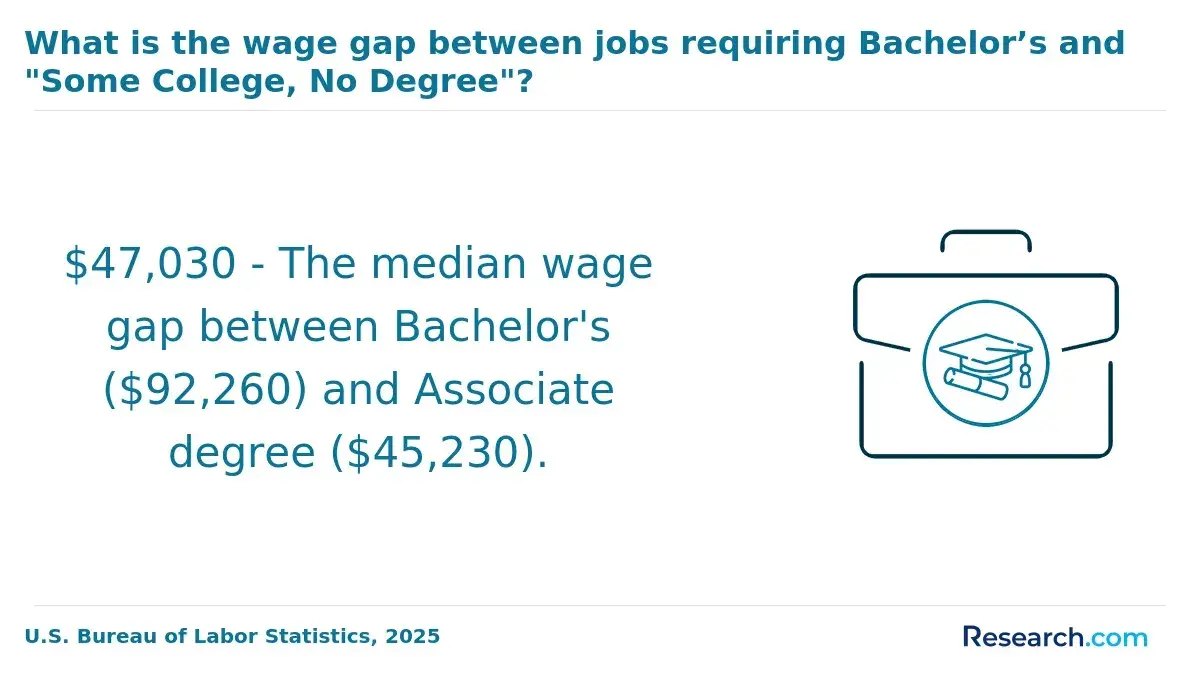
Completion rates for art history degrees play a crucial role in shaping career prospects, and the impact varies depending on whether students attend campus, hybrid, or online programs. Campus formats generally report higher completion rates, which correlates with better access to career support and experiential learning. However, the growth of hybrid and online formats offers valuable flexibility for many students balancing personal responsibilities, even if completion rates are lower overall. Here are key ways finishing an art history degree influences career outcomes, supported by 2024 data linking bachelor's degree attainment to higher employment rates and earnings.
- Access to competitive cultural sector roles often requires degree completion: Graduates finishing campus programs tend to benefit from networking and faculty mentoring, critical for entering museums, galleries, or academic positions. Persistence through graduation gives an edge in these experiential, relationship-driven fields, especially for students able to leverage on-site opportunities.
- Improved earnings and promotion opportunities tied to degree completion: Research shows that bachelor's degree holders generally earn more and have higher promotion rates than those without degrees. Completing an art history program signals discipline and subject expertise, which employers value increasingly, including in emerging roles that accept online credentials if programs are accredited and rigorous.
- Eligibility for graduate studies and specialization hinges on degree completion: Many advanced art history careers demand a master's or doctoral degree. Finishing the undergraduate degree is the gateway, and students who graduate are more likely to pursue and succeed in graduate programs, opening additional career trajectories.
- Balancing flexibility with self-motivation is critical for online and hybrid students: While these programs increase access, they demand strong time management to overcome lower completion rates. Students who persist in these formats can realize similar long-term benefits, but must compensate for fewer structured supports.
Students should weigh these factors carefully when choosing formats, understanding how art history degree completion rates and career success intersect with their personal situations. For guidance on hybrid and online pathways in related fields, students might explore online SLP programs to compare flexible academic models.
How Should Students Choose the Best Art History Learning Format?
Choosing the best art history degree format for student success depends on more than preference-it requires evaluating how each format aligns with one's responsibilities, motivation, and career goals. Recent 2024 data from the National Center for Education Statistics reveal that degree completion rates vary significantly by learning format, influenced by factors like work commitments and student demographics. For example, a full-time student with a demanding job may find hybrid or online programs more sustainable, but they must consider self-discipline and available institutional support. The factors below clarify what prospective students should weigh when choosing between online, hybrid, and campus art history programs.
- Self-Management and Motivation: Online programs demand strong self-discipline since students engage with material independently. Without this, attrition rates tend to increase. Campus formats provide structure and direct engagement, which help maintain motivation. Assess your ability to stay organized without regular in-person accountability.
- Availability for Campus Interaction: Students who benefit from face-to-face learning and networking often perform better in campus or hybrid formats. These options offer immersive access to faculty, peers, and resources, which can boost persistence and mastery.
- Work and Family Commitments: Many students juggle external obligations. Hybrid and online programs provide flexibility, but balancing these demands with coursework requires realistic scheduling and prioritization strategies.
- Career-Related Opportunities: Those aiming for museum careers, academia, or related fields should prioritize formats that offer experiential learning and robust advising. Such supports improve employability and degree completion, regardless of format.
- Institutional Support Services: Mentorship, career counseling, and time management resources strongly influence success. Verify how each program supports students, as this can offset challenges common in less structured formats.
- Learning Environment Compatibility: Consider if you thrive in social, interactive settings or prefer solitary study. Your aptitude for the preferred learning environment impacts long-term retention and educational outcomes.
- Long-Term Career Alignment: Think about how the program's format affects your professional network and skill development. For instance, some may leverage hybrid formats while balancing part-time work in fields like forensic science careers, demonstrating the importance of flexible yet engaging study options.
What Are the Long-Term Pros and Cons of Each Art History Learning Format?
Completion rates and career outcomes for art history degrees vary significantly across campus, online, and hybrid formats. According to 2024 data from the National Center for Education Statistics, campus programs generally lead in completion rates due to their structured environments and direct access to physical resources. Online and hybrid formats, while flexible, present distinct challenges and benefits that affect long-term success differently. Here are key considerations for prospective students:
- Completion rate disparities: Campus programs typically have higher graduation rates, benefitting students who thrive in immersive settings, while online students may face hurdles due to less social engagement and self-discipline demands. Hybrid models often strike a balance, showing moderate completion outcomes.
- Access to experiential resources: On-campus students gain direct access to museums, galleries, and face-to-face mentorship essential for curatorial and archival careers. Online learners rely on digital simulations but may miss hands-on experiences, impacting certain career paths.
- Flexibility versus structure: Online formats offer unmatched scheduling flexibility for working adults or caregivers, yet require strong self-motivation. Hybrid programs blend this flexibility with periodic in-person interactions, though coordination demands can delay completion.
- Networking opportunities: Campus environments foster in-person connections and professional networks valuable for traditional art history roles, whereas online programs cultivate digital networks suited for emerging art tech professions.
- Career adaptability: Hybrid graduates often develop versatility to work in both physical and digital art settings, appealing to employers valuing adaptable skills. Campus graduates excel in roles needing deep immersion; online graduates gravitate toward digital humanities and online education.
References
- The Art Institute https://www.theartinstitute.co.uk/us/en/course
- Arts and Design Alumni Employment and Perspectives on Their Work and⦠https://snaaparts.org/findings/reports/arts-and-design-alumni-employment-and-perspectives-on-their-work-and-careers
- | Knowledge Lust https://knowledgelust.com/how-to-teach-yourself-art-history-a-9-step-roadmap/
- Transfer Credit https://meca.edu/academics/transfer-credit/
- Best Online Art History Courses and Programs | edX https://www.edx.org/learn/art-history
- Surviving College Art History and Its Exams - A Scholarly Skater Art History https://ascholarlyskater.com/2019/03/29/how-to-prepare-for-art-history-exams/
- 5 Tips to Help Your Students Meaningfully Engage With Art History https://theartofeducation.edu/2017/10/5-tips-help-students-meaningfully-engage-art-history/
- Why the heck we need art history in schools https://culturalcloseups.com/why-the-heck-we-need-art-history-in-schools/
- The Art History Generalist: Challenges, Strategies and the Future of Teaching Art History https://arthistoryteachingresources.org/2020/05/the-art-history-generalist-challenges-strategies-and-the-future-of-teaching-art-history/
- Best Art History Books: A Personal Guide to Getting Started https://www.zenmuseum.com/en/finder/page/best-books-for-learning-art-history/
Other Things You Should Know About Art History
Art history often requires access to museums, archives, and physical art collections, which can create challenges for fully online students. Those in campus or hybrid programs typically benefit from direct exposure that enriches understanding and motivation, which correlates with higher completion rates. Online learners may face slower progress if virtual substitutes for hands-on learning feel inadequate, making hybrid formats a pragmatic choice for balancing flexibility with necessary practical engagement.
Online programs frequently offer asynchronous coursework that allows flexible pacing, but this can lead to procrastination without the structured schedule of campus classes. While autonomy suits some students, others struggle to maintain consistent effort, resulting in lower completion rates. Campus programs enforce regular deadlines and class meetings, which, despite less flexibility, support steady progress and may improve retention among students who prefer routine and peer interaction.
In art history, employer perception still often favors traditional campus degrees due to the perceived rigor and networking opportunities associated with in-person study. Although online and hybrid degrees are gaining acceptance, students aiming for competitive positions in museums or academia may benefit from the deeper connections and experiential learning found on campus. Prioritizing a campus or hybrid program with substantial face-to-face exposure can thus enhance long-term career prospects alongside degree completion.
Strong social interaction in campus and hybrid settings helps maintain motivation and accountability, which are critical for completing demanding art history studies. However, online formats offer unmatched flexibility that suits students balancing work or family commitments. Students must weigh whether the flexible schedule justifies the potential isolation risk and lower completion probability, or if a hybrid model strikes a better balance by providing social support alongside adaptable learning.