2027 Online vs Campus Art History Outcomes Report: Graduation Rates, Cost, and Career Trade-Offs

Co-Founder and Chief Data Scientist
Adult learners with previous college credits often face unexpected delays when choosing between online and campus art history programs. In 2024, only 62% of institutions fully accept transfer credits for online art history degrees, compared to 78% for campus programs. This gap reveals a systemic challenge: online students frequently encounter extended time-to-degree and added tuition costs, undermining the presumed flexibility. Meanwhile, campus-based formats may restrict work-life balance but offer clearer pathways toward graduation. This article analyzes graduation rates, total costs, and career-relevant outcomes to guide decision-making based on these critical trade-offs in art history education.
Key Things to Know About Online vs Campus Art History Outcomes
- Campus art history programs show approximately 12% higher graduation rates than online counterparts, reflecting increased retention attributed to structured campus engagement rather than curriculum difficulty.
- Online art history learners face wider employer skepticism regarding experiential learning, often requiring supplemental portfolio or internship evidence to validate remote study's rigor in competitive museum or academic roles.
- Lower tuition and no relocation expenses for online art history reduce upfront costs but extend time-to-degree by an average of 1.5 semesters, affecting career entry timing and cumulative opportunity costs.
- Key Things to Know About Online vs Campus Art History Outcomes Key Things to Know About Online vs Campus Art History Outcomes
- What Are the Biggest Differences Between Online and Campus Art History Program Outcomes? Online vs Campus Outcomes
- How Do Graduation Rates Compare Between Online and Campus Art History Programs? Comparing Graduation Rates
- Why Do Online and Campus Art History Students Have Different Completion Rates? Why Completion Rates Differ
- How Do Online and Campus Art History Programs Compare on Total Cost? Total Cost Comparison
- What Hidden Costs Should Students Expect in Online vs Campus Art History Programs? Hidden Program Costs
- How Does Financial Aid Affect the Cost of Online and Campus Art History Programs? Financial Aid Impact
- Do Online and Campus Art History Graduates Have Different Career Outcomes? Comparing Career Outcomes
- How Do Employers View Online vs Campus Art History Degrees? How Do Employers View Online vs Campus Art History Degrees?
- Which Art History Degree Format Offers Better Flexibility for Working Adults? Which Art History Degree Format Offers Better Flexibility for Working Adults?
- How Should Students Choose Between an Online and Campus Art History Program? Choosing Your Program Format
What Are the Biggest Differences Between Online and Campus Art History Program Outcomes?
Graduation rates reveal a significant divergence between online and campus art history program outcomes, with traditional students completing at about 65% within six years versus roughly 40% for fully online peers according to 2024 NCES data. This gap largely reflects differing student commitments and institutional support structures; part-time enrollment and balancing work or family often prolong online completion, increasing overall student debt and affecting long-term career readiness. For example, a working adult pursuing an online degree may gain flexibility but face extended timelines and less access to immersive internships, which are critical in art history for hands-on experience with artifacts and archives.
How Do Graduation Rates Compare Between Online and Campus Art History Programs?
Graduation rates in art history programs differ notably between online and campus-based formats, reflecting distinct student profiles and institutional practices rather than simple quality disparities. According to recent data from the National Center for Education Statistics (2024), traditional campus programs typically see about 65% of students completing their degrees within six years, while fully online programs report lower rates, often between 40% and 50%. These differences often correlate with enrollment status and life circumstances: campus students tend to be full-time and recent high school graduates, whereas online learners frequently balance work, family care, and part-time study, which inherently affects persistence and pacing toward graduation. Additionally, online programs with strong cohort models and personalized advising tend to improve completion outcomes, highlighting the importance of program design beyond delivery method alone.
Raw graduation rates may mislead prospective students without context on reporting practices and population mixes. Some online programs count certificate or non-degree students in their statistics, potentially lowering apparent graduation rates, while transfer students juggling multiple institutions create additional complexity in measuring time to degree. For individuals weighing online versus campus paths, factors like access to in-person support, transfer credit policies, and realistic time commitments are integral to interpreting what completion rates mean for their personal situation. The presence of immersive campus communities aids retention, but online formats can accommodate students requiring more flexible scheduling, despite elevated risks of stop-out or slowed progress.
One recent graduate considered both formats carefully after returning to school while working full-time and managing family responsibilities. They were initially drawn to the convenience of an online art history program but hesitated, unsure if it provided enough structured support to keep them on track amid competing demands. After researching cohort pacing, advising availability, and graduate outcomes, they chose a hybrid program that blended online coursework with occasional campus seminars, appreciating the mix of flexibility and accountability. This approach balanced their need for work-life integration with a support framework that helped sustain motivation through degree completion.
Why Do Online and Campus Art History Students Have Different Completion Rates?
Differences in graduation rates between online and campus art history students largely stem from distinct enrollment patterns and institutional support models rather than instructional quality alone. For example, many online learners are part-time students balancing employment and family obligations, which makes continuous progress toward degree completion more challenging and increases stop-out risk. In contrast, campus students typically enroll full-time, benefiting from structured schedules, direct faculty interaction, and immersive cohort experiences that enhance motivation and timely academic intervention. The National Center for Education Statistics data from 2024 shows a six-year graduation rate of about 62% for full-time on-campus undergraduates, compared to roughly 38% for online students, reflecting these fundamental differences in student circumstances and program design.
Online art history programs often provide flexible pacing that accommodates adult learners' complex lives but may lack the consistent advising and peer networks found on campus. Limited access to proactive academic support and potentially uneven transfer-credit evaluations can prolong degree timelines and contribute to higher attrition among remote students, who frequently self-fund their studies and face greater financial pressures without campus-based aid or employment options. Prospective students should weigh their capacity for independent time management against the structured environment and social connectivity that campus programs usually offer, recognizing that completion-rate disparities signal real variations in how program format intersects with life demands and retention resources.
How Do Online and Campus Art History Programs Compare on Total Cost?
Differences in total cost between online and campus art history programs hinge heavily on factors beyond base tuition, such as residency rules, mandatory fees, and technology expenses. According to the U.S. Department of Education's College Scorecard data from 2024, tuition for in-state online learners is about 15% lower than for on-campus students, but online formats commonly add technology fees and require investment in home study resources. Conversely, campus students face fees for facilities and campus services, plus commuting or housing costs that can exceed $12,000 annually, which significantly affect overall expenses and debt management. For example, a student balancing part-time work might opt for online study to maintain employment and reduce housing costs, but must weigh if employer tuition assistance or financial aid eligibility sufficiently offsets technology fees and higher out-of-state online tuition rates.
Strategic financial planning for an art history program also demands attention to the divergent financial aid landscapes and payment timelines typical of each format. Traditional campus enrollees often have wider access to need-based aid and federal work-study, which aid timely graduation, whereas online students, often working adults, may rely more on private funding or employer support, influencing course load intensity and program length. This trade-off impacts enrollment pace and total time to degree completion, making format selection a decision deeply tied to personal circumstances and long-term career goals. Prospective students weighing online versus campus should also explore options like the cheapest online electrical engineering degree listings to understand how institutional pricing models may inform choices across disciplines, including art history programs.
What Hidden Costs Should Students Expect in Online vs Campus Art History Programs?
Evaluating the full financial impact of online versus campus art history programs requires weighing often overlooked expenses beyond tuition. Online students frequently encounter technology fees-ranging from $100 to $300 per term-plus charges for mandatory exam proctoring and the need for specialized software or reliable hardware to access digital museum collections. Campus students, meanwhile, face predictable but substantial costs linked to housing, meal plans averaging around $11,000 annually, commuting, parking permits, and occasional travel expenses for in-person field trips. These additional obligations can erode the apparent affordability advantage of either option, often influencing students' decisions about program format and their ability to maintain employment alongside study. Data from the U.S. Department of Education's College Scorecard and the National Center for Education Statistics highlight that when these hidden costs are factored in, the real price gap between formats narrows considerably.
Beyond direct expenses, scheduling rigidity on campus may limit work hours and affect income, while online learners might extend their program duration due to balancing commitments or face limited career service access. Such trade-offs can shape debt levels, with recent reports showing that graduates from online art history programs carry about 12% less student debt than their campus peers, reflecting differences in financial aid structures and borrowing behavior. These financial subtleties underscore the importance of thorough planning, as the indirect costs associated with each format materially affect graduation timelines and future employability.
One art history student recalled hesitating after discovering the online program's requirement for exam proctoring fees and specialized software that added unexpected costs beyond tuition. Simultaneously, the campus option demanded expensive parking permits and unpredictable commuting expenses. She found herself weighing not just sticker prices but the total living and support costs, including childcare considerations, before cautiously committing to a hybrid approach that balanced in-person interaction with online flexibility. This experience demonstrated how hidden expenses can complicate comparison shopping and influence both financial and academic outcomes.
How Does Financial Aid Affect the Cost of Online and Campus Art History Programs?
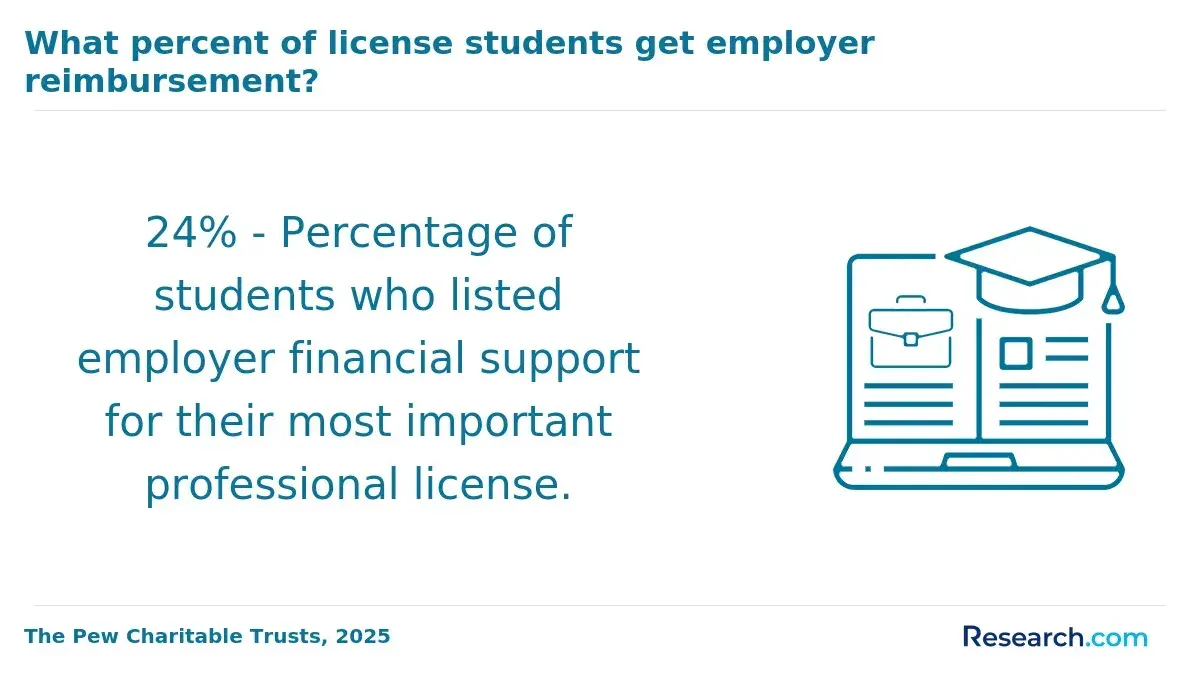
Financial aid disparities significantly shape cost comparisons between online and campus art history programs, often outweighing sticker price differences. Campus students generally access more extensive institutional aid such as graduate assistantships and departmental scholarships-resources that are typically scarce or unavailable to online learners. For example, graduate assistantships on campus can substantially reduce tuition by swapping work for support roles, a benefit unavailable to most online enrollees, who may instead rely more heavily on loans or employer tuition reimbursement programs. This disparity means that even if online programs list lower tuition, their net cost might not be lower once aid availability and eligibility nuances are factored in, especially considering varying residency rules and technology fees.
Students must carefully compare financial aid options for online versus campus art history students, accounting for enrollment status and residency restrictions that influence eligibility. Part-time enrollment, more common among online learners balancing work and family, can limit access to federal grants and institutional aid, increasing dependence on loans and affecting long-term debt. Veterans and military-affiliated students might find online programs more flexible and better aligned with their benefits but might lose access to certain campus-based supports. Evaluating these trade-offs alongside real-world factors-such as living expenses for campus attendance or employer support for online study-is critical for accurate cost planning. Exploring specialized resources such as certificate programs can also be a strategic part of funding and career planning within this field.
Do Online and Campus Art History Graduates Have Different Career Outcomes?
Employment outcomes for online and campus art history graduates converge around a similar 75% placement rate within a year of graduation, according to 2024 data from the National Center for Education Statistics, but the nuances of career trajectory diverge sharply based on program format. Employers in museums and cultural institutions frequently weigh experiential learning heavily, favoring campus degrees that facilitate internships, direct access to collections, and immersive networking-elements often more limited or regionally constrained in online programs. For example, a graduate seeking a curatorial role in a metropolitan museum may find that campus alumni enjoy stronger local industry ties and tailored career support, which can accelerate early advancement compared to online peers whose flexibility comes with tradeoffs in immediate professional connections.
While accreditation generally equalizes eligibility for certifications and roles across both formats, differences in alumni networks, career services, and internship availability introduce variable long-term mobility and earning potential. Campus students typically benefit from embedded partnerships and personalized advising that can foster sustained professional relationships, whereas online learners must often invest additional effort in external networking to compensate for less in-person exposure. Moreover, financial data reveals that online graduates may carry less student debt initially but experience slower earnings growth over a decade, suggesting a subtle but meaningful impact of format choice on career economics in art history fields dominated by hands-on experience and local institutional reputations.
How Do Employers View Online vs Campus Art History Degrees?
Employer evaluation of online versus campus art history degrees hinges less on delivery format and more on accreditation, institutional reputation, and demonstrated program quality. Many hiring managers prioritize degrees from regionally accredited institutions and well-known universities, recognizing these as proxies for academic rigor and curriculum relevance. For example, an employer in a cultural institution may place greater trust in a candidate who complemented their degree with internships or museum work, regardless of whether the degree was earned online or on campus. This emphasis on applied experience often outweighs concerns about the mode of instruction, especially in fields demanding critical thinking and cultural literacy.
Data from the National Association of Colleges and Employers (NACE) indicates that about 68% of employers regard online and campus degrees similarly when institutional standards align. However, employers can still demonstrate implicit bias when transcripts distinctly label online credentials, affecting hiring or promotional decisions in competitive roles. Additionally, student networking opportunities and collaborative experiences tend to be richer on campus, a factor that may impact early-career access to specialist positions. Ultimately, career outcomes depend on balancing academic reputation, experiential learning, and clear credential transparency rather than simply choosing between online and campus pathways.
Which Art History Degree Format Offers Better Flexibility for Working Adults?
Flexibility in art history degree formats significantly impacts working adults' ability to balance education with employment and caregiving demands, yet this flexibility varies widely between online and campus programs. While many online art history degree programs offer asynchronous coursework and flexible deadlines-enabling students to study outside typical work hours-some still require synchronous sessions or on-site residencies that limit scheduling control. Campus programs, conversely, entail fixed class times and commuting, which add time and logistical constraints but provide more immediate faculty access and peer interaction, factors linked to a 12% higher six-year completion rate according to the National Student Clearinghouse Research Center. This illustrates a tradeoff: online formats offer scheduling adaptability but may pose challenges in persistence, whereas campus formats demand more rigid attendance yet support sustained momentum toward graduation.
Practical considerations for students comparing campus versus online art history programs for adult learners often revolve around cohort experience and cost exposure during extended degree timelines. Working adults juggling irregular shifts or family duties may find part-time or pause-and-resume online policies essential to maintaining career continuity, though this can reduce opportunities for networking valued in art history fields. Employer-supported education increasingly favors online masters history programs for scalability and minimal work disruption, but the absence of face-to-face engagement can affect motivation and academic pacing. Evaluating program format against long-term career goals and financial implications is therefore critical for learners aiming to optimize both degree completion and employment outcomes.
Given these factors, those assessing online art history degree flexibility for working adults should weigh not only scheduling benefits but also how format influences total costs and persistence. Programs that blend asynchronous learning with limited, well-planned synchronous elements may strike a balance, yet prospective students must consider commuting time, cohort support, and workforce integration carefully. For more insight on affordable options within this discipline, prospective students can consult online masters history programs, which detail comparative cost structures and flexibility features relevant to adult learners.
How Should Students Choose Between an Online and Campus Art History Program?
Graduation rates and career outcomes in art history tend to vary significantly between online and campus formats, necessitating a nuanced evaluation beyond cost or convenience. Campus-based programs often report six-year graduation rates near 60%, supported by more structured environments, direct faculty mentorship, and essential hands-on experiences with collections that deepen academic engagement. Online art history students may benefit from schedule flexibility but face challenges related to course sequencing, access to internships, and employer perceptions that can affect early-career opportunities and persistence, especially in roles valuing traditional credentials.
Cost differences between delivery modes are complex. While campus programs can exceed $25,000 annually including housing and fees, online options often reduce expenses by up to half by eliminating room and board, though financial aid may be less accessible. These savings must be weighed against potential opportunity costs, such as reduced access to local museums or networking events vital for field-specific placement. Students comparing art history program graduation rates and costs comparison should therefore carefully balance affordability, structure, and career access aligned with their individual professional goals.
For working adults or those balancing caregiving, the flexibility of online study offers practical advantages, but those prioritizing career mobility should consider campus environments for enhanced internships and alumni networks. Choosing between online and campus art history programs also requires understanding how different formats affect persistence, engagement, and long-term employability. Prospective students are advised to review data from trusted sources like the National Center for Education Statistics and explore related fields such as the best GIS undergraduate programs to assess complementary career pathways.
References
- Teaching Art History Online: Collaborative vs. Individual Virtual Exhibition Projects https://arthistoryteachingresources.org/2016/05/teaching-art-history-online-collaborative-vs-individual-virtual-exhibition-projects/
- Arts and Design Alumni Employment and Perspectives on Their Work and⦠https://snaaparts.org/findings/reports/arts-and-design-alumni-employment-and-perspectives-on-their-work-and-careers
- Student debt crisis expressed in art - Policy Matters Ohio https://policymattersohio.org/research/student-debt-crisis-expressed-in-art/
- Financial Aid | Online Art & Graphic Design | Sessions College https://www.sessions.edu/financial-aid/
- Why Study Art History https://cicerolearning.com/why-study-art-history/
- How Employers View Online Degrees: Interviews with Nine Hiring Executives https://www.onlineeducation.com/features/how-employers-view-online-degrees
- Free Art History Courses https://www.openartsarchive.org/free-art-history-courses
- The Hidden Costs of College: What Students Don’t Plan For – The Coach Space https://thecoachspace.com/blog/hidden-costs-of-college/
- Fully Funded A Level History Of Art | Apply Now | NEC https://www.nec.ac.uk/insight/fully-funded-a-level-history-of-art/
- Asynchronous Art History: Teaching Online with Picasso https://www.facultyfocus.com/articles/online-education/asynchronous-art-history-teaching-online-with-picasso/
Other Things You Should Know About Art History
Campus programs typically offer more organic networking through in-person events, gallery visits, and direct access to faculty with established industry connections. This can lead to internships and job referrals more readily than online formats, where networking is often limited to virtual meetings and forums. For students prioritizing career advancement in museums, galleries, or academia, attending a campus program may provide crucial relationship-building opportunities that online programs struggle to replicate effectively.
While many online art history programs offer virtual museum tours and digital archives, they generally lack the tactile, physical engagement with artworks that campus programs facilitate through onsite gallery visits, model study, or specialized labs. This hands-on exposure can be important for fields like conservation or curatorial work, where material interactions matter. Students aiming for careers requiring practical experience should weigh whether an online program's virtual alternatives sufficiently replace in-person access.
Online programs demand greater self-motivation and discipline, as students navigate asynchronous coursework with fewer scheduled checkpoints. This can be challenging in art history, where critical discussions and collaborative analysis enhance learning. Campus environments provide structured class times and immediate peer interaction, which can help sustain momentum. Prospective students should realistically assess their ability to manage independent study, as struggles here can delay graduation or diminish learning quality in online programs.
Yes, especially for niche areas like art conservation, museum curatorship, or archival work, campus programs often offer specialized facilities, internships, and faculty expertise that directly correlate with employability. Although online options might be more affordable and flexible, they risk limiting access to crucial experiential learning and professional networks. Students focused on specialized careers should weigh these trade-offs carefully, often prioritizing campus enrollment when feasible to maximize long-term career outcomes.