2027 Art History Student Debt Report: Borrowing, Monthly Payments, and Repayment Risk

Co-Founder and Chief Data Scientist
Art history programs often feature extended course lengths and rigorous research expectations, shaping unique borrowing patterns among students. Unlike many fields with direct licensing paths or clear workforce entry points, art history graduates face variable salary prospects and diverse career trajectories, influencing repayment outcomes and financial risk. Internship and fieldwork components sometimes add unanticipated costs, complicating financial planning.
According to a 2024 report from the National Center for Education Statistics, arts-related disciplines report a higher-than-average proportion of students balancing part-time work and study, affecting monthly payment capacities. The prevalent age distribution of borrowers suggests evolving educational accessibility and shifts in workforce demands within art history.
Key Things to Know About Art History Student Debt
- Average monthly payments on art history student loans tend to be modest but extended over longer periods, increasing total interest costs and potentially limiting financial flexibility years after graduation.
- Employers in arts-related sectors often prioritize practical experience over academic credentials, heightening the risk that art history graduates face underemployment despite significant debt burdens.
- Rising tuition and slower wage growth create a timing mismatch, where delayed repayment intensifies debt stress, especially for those entering adjunct or freelance roles common among art history graduates.
- Key Things to Know About Art History Student Debt Key Things to Know About Art History Student Debt
- How Much Student Loan Debt Do Art History Graduates Typically Have at Graduation? Average Studen Loan Debt
- What Factors Have the Biggest Impact on Art History Student Loan Debt? Student Debt Key Factors
- What Is the Average Monthly Student Loan Payment for Art History Graduates? Average Monthly Payment
- How Do Repayment Rates Compare Between Public and Private Institutions? Public vs. Private Institution Repayment Rates
- Do Online Art History Graduates Have Different Repayment Outcomes Than Campus-Based Students? Online vs. On-Campus Student Loan Repayment
- Which Industries Provide the Best Financial Return Relative to Borrowing Costs? Which Industries Provide the Best Financial Return Relative to Borrowing Costs?
- Does Student Debt Affect Which Jobs Art History Graduates Accept? Does Student Debt Affect Which Jobs Art History Graduates Accept?
- What Factors Increase Student Loan Repayment Risk for Art History Graduates? Loan Repayment Risk Factors
- How Can Art History Students Reduce Student Loan Debt While Earning Their Degree? Tips to Reduce Student Debt
- How Should Prospective Students Evaluate Borrowing Risk Before Enrolling? Evaluating Student Debt Risk
How Much Student Loan Debt Do Art History Graduates Typically Have at Graduation?
Recent data from 2024 indicates that student loan debt for art history graduates typically ranges from $30,000 to $40,000 at graduation. This figure is somewhat lower than the national average for bachelor's degree recipients, which often surpasses $40,000. Variability in accumulated debt among art history degree recipients is influenced by multiple factors, including the mix of institutional types attended and geographic considerations. The presence of financial aid and scholarships further shifts borrowing needs, keeping many students' debt levels moderate compared to peers in higher-cost disciplines.
The variation in typical student borrowing amounts for art history degree recipients largely stems from differences in tuition between public universities and private colleges, as well as in-state versus out-of-state enrollment. Public institutions generally offer more affordable tuition, though this advantage can diminish if students extend their studies due to internships or part-time enrollment, common in this major due to museum work or unpaid research opportunities. Additionally, uneven access to grants and scholarships, along with cost-of-living disparities in university locations, play significant roles in shaping overall debt loads. These interwoven factors produce a borrowing landscape where some graduates emerge with relatively low debt, while others carry heavier financial obligations.
For many graduates, carrying this level of debt presents notable challenges in early career stages, given median starting salaries in the $35,000 to $45,000 range. Repayment stress frequently necessitates income-driven repayment plans or other federal options to maintain financial stability. Understanding how debt burdens interact with these early earnings is vital for students making informed decisions about borrowing and post-graduation plans. Those exploring advanced degrees or alternative pathways might consider the impact of their debt when reviewing options including the easiest EdD programs, which track different financial and time commitments essential to long-term career planning.
What Factors Have the Biggest Impact on Art History Student Loan Debt?
Student loan debt levels among art history students result from multiple intertwined factors rather than any single cause. Borrowing is shaped by institutional pricing structures, program design, the availability of financial aid, and individual student choices about enrollment and living arrangements. These dynamics collectively influence the average student loan debt for art history graduates, creating a wide variance in debt burdens across institutions and student populations.
- Institutional Pricing and Type: The type of institution attended plays a central role in debt accumulation. Private nonprofit colleges, with average undergraduate tuition nearing $40,000 annually according to National Center for Education Statistics (NCES) 2024 data, impose significantly higher costs than public four-year institutions, where tuition averages about $11,500. This steep cost disparity compels students at private institutions to borrow more, often magnifying debt levels when combined with limited financial aid in humanities programs.
- Program Length and Enrollment Patterns: Art history students frequently extend their studies through dual degrees, minors, or advanced research projects. This elongation of program length increases tuition and living expense exposure, disproportionately increasing loan amounts. Prolonged enrollment also interacts with aid availability, often diminishing the cumulative impact of grants over time and encouraging greater borrowing.
- Financial Aid Distribution and Scholarship Access: Humanities majors, including art history students, tend to receive fewer targeted scholarships and grant dollars compared to STEM fields. The resulting elevated reliance on loans reflects structural disparities in financial aid allocation, which intensifies the debt burden for art history students who cannot offset high tuition and expenses with adequate non-loan support.
- Regional Cost of Living and Housing Expenses: The geographic location of a student's school affects total borrowing, as urban or high-cost regions drive up living expenses alongside tuition. In certain metropolitan areas, rent and daily costs may approach or surpass tuition fees, compelling students to include substantial living expense loans in their debt calculations.
- Post-Graduation Employment and Income Realities: Median starting salaries for art history graduates-reported around $40,000 annually by the Bureau of Labor Statistics (2024)-often do not scale proportionally with the debt levels they face. This misalignment influences borrowing decisions, as students weigh potential repayment risks against immediate funding needs, frequently leading to higher initial borrowing that complicates long-term financial stability.
Understanding these factors is vital for navigating borrowing decisions and anticipating repayment challenges. Prospective and current students should evaluate how institutional choices, program structures, and living conditions converge to impact their expected debt load and future financial flexibility. For those considering extended study pathways or schools in costly regions, proactive financial planning becomes especially critical to manage the cumulative debt effects effectively.
For students exploring alternatives outside traditional humanities disciplines, comparing costs and funding models with other programs can provide valuable perspective. For example, exploring options like an executive online MBA highlights how program format and financial aid frameworks may alter borrowing patterns dramatically.
What Is the Average Monthly Student Loan Payment for Art History Graduates?
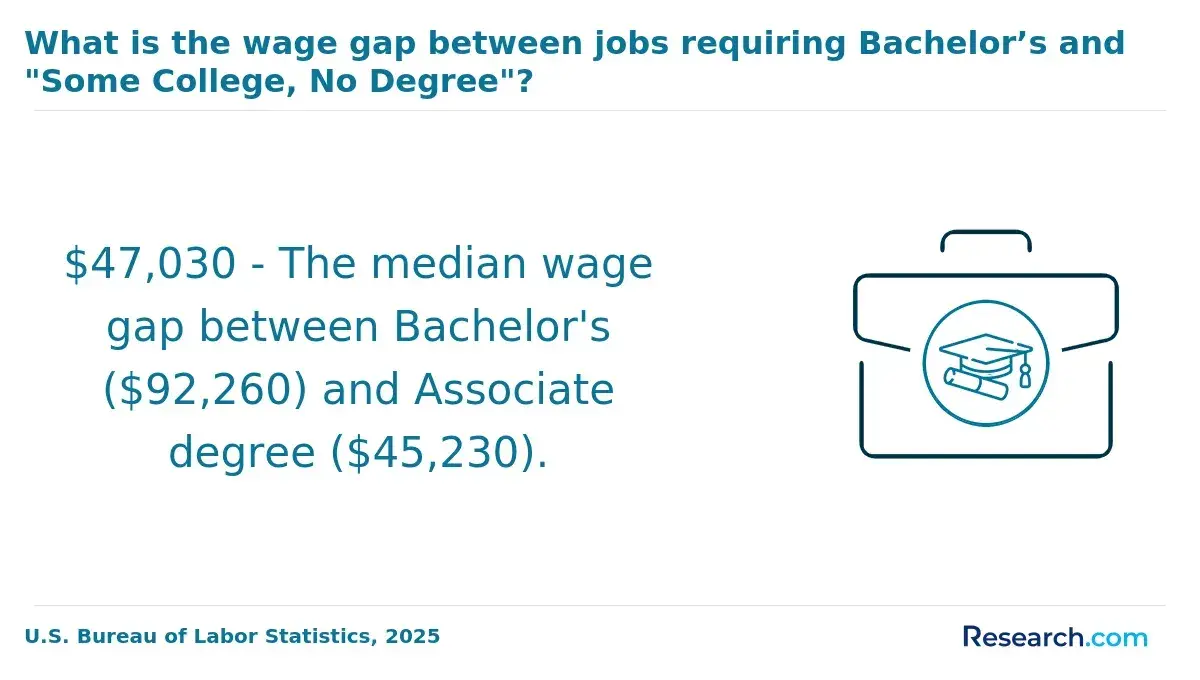
Monthly student loan payments for art history graduates generally fall between $250 and $400, based on recent data from the U.S. Department of Education and Federal Reserve reports in 2024. This payment range stems from combined factors including typical debt levels of $25,000 to $40,000 at graduation, varying interest rates, and selected repayment strategies.
While the standard 10-year amortization plans tend to push payments toward the higher end of this spectrum, income-driven repayment options can significantly lower monthly obligations. However, these longer-term plans often result in extended repayment periods and increased interest costs, underscoring a tension between manageable budgets and total financial outlays over time.
Differences in monthly payment amounts largely hinge on the chosen repayment framework and graduate earnings, which vary substantially in art history-related professions. Those repaying under standard schedules face relatively steady payments but may struggle as starting salaries in museums, galleries, or educational roles tend to be modest, impacting debt-to-income ratios.
In contrast, income-based plans adjust payments to current earnings, often reducing monthly figures but extending debt tenure and total interest paid. Additionally, total borrowing amounts and accrued interest variability further complicate the repayment picture, making individual financial behavior and employment situation critical in shaping these payment outcomes.
One graduate recalled applying to graduate programs during rolling admissions, initially delaying submission to improve portfolio materials but growing anxious as deadlines approached. The uncertainty of admission timing affected financial preparations, including plans for loan repayment, prompting a last-minute rush to finalize applications. This experience highlighted how timing and strategic decision-making during the enrollment process can influence both educational access and early financial planning for debt management.
How Do Repayment Rates Compare Between Public and Private Institutions?
Graduates of public universities with art history degrees generally exhibit stronger loan repayment rates within the first several years after entering repayment compared to their counterparts from private institutions. According to 2024 data from the U.S. Department of Education's College Scorecard, about 55% of public institution art history alumni reduce their student debt within three years of repayment, while private nonprofit graduates repay at a notably lower rate, closer to 48%. This divergence highlights differences in how borrowers manage loan obligations shortly after college, reflecting underlying financial pressures and institutional contexts unique to each sector.
Key factors shaping this gap include the relative affordability of tuition and fees at public schools, which often translates into lower average borrowing. These reduced debt burdens typically mean smaller monthly payments, easing the strain on graduates as they enter the workforce. Conversely, private institutions, despite sometimes offering more generous financial aid packages, tend to have higher sticker prices, increasing the likelihood of larger loan balances and more substantial repayment demands. Post-graduation income potential and job placement networks also contribute; graduates from public schools may benefit from broader employment opportunities or stronger support systems that better align with loan repayment capabilities, while private school graduates might encounter less predictable earnings trajectories.
These repayment dynamics carry broader consequences for financial stability and career flexibility. Higher monthly obligations linked to elevated debt can prolong repayment periods and exacerbate financial stress, potentially limiting graduates' ability to invest in further education or other wealth-building activities. In turn, consistent repayment rates serve as an indicator of the economic viability of an art history program's degree outcome, influencing how prospective students weigh institutional value against long-term fiscal responsibility. Understanding these nuanced repayment patterns is essential for students assessing the tradeoffs inherent in choosing between public and private education paths.
Do Online Art History Graduates Have Different Repayment Outcomes Than Campus-Based Students?
Recent data from authoritative sources like the National Center for Education Statistics and the U.S. Department of Education reveal notable disparities in student loan repayment rates between graduates of public and private universities in art history programs. Public institution graduates show roughly a 58% consistent repayment rate within five years, while private institution peers average near 47%.
These differences reflect complex interactions beyond mere institutional designation, including variations in monthly student loan payments for online vs campus art history students, where modality further influences debt management outcomes. Such data underscore how repayment performance in the arts is multifactorial, related as much to financial structures as to educational delivery models.
The key drivers behind these repayment gaps include tuition cost disparities, borrowing amounts, and post-graduation income potential. Public universities typically offer lower tuition, translating into smaller loan balances and decreased monthly repayment burdens. Conversely, private institution graduates often incur higher average debt-about 20% more according to recent analyses-compounded by limited access to robust employer networks and on-site career resources that traditionally bolster income stability.
These factors contribute to repayment stress and longer payoff timelines, particularly where art history's generally lower earnings capacity magnifies debt-to-income challenges. Understanding these structural influences is critical for prospective students assessing the cost-benefit metrics of a campus-based education versus online study.
These repayment dynamics have broader implications for financial mobility and how stakeholders perceive program value and institutional accountability. Graduates facing prolonged repayment timelines may experience compounded financial strain, which can affect life choices from housing to further education.
Consequently, repayment outcomes increasingly function as indicators of higher education effectiveness, especially in fields like art history where the balance of debt and income potential is delicate. For students considering an online construction management bachelor's degree, or related programs, a clear-eyed evaluation of repayment risks alongside educational format is indispensable.
Which Industries Provide the Best Financial Return Relative to Borrowing Costs?
Financial return from art history degrees varies considerably depending on the industry graduates enter, with the interplay between borrowing levels and income growth shaping overall repayment outcomes. Rather than focusing solely on starting salaries, effective return on investment (ROI) requires assessing typical career progression speeds, hiring demand, and how salary trajectories align with student debt burdens. Graduates who navigate into sectors where earnings accelerate more rapidly or demand remains strong can better manage loan repayment despite borrowing amounts frequently ranging from $25,000 to $40,000.
- Technology-Adjacent Roles: Positions such as digital content creation and UX/UI design often offer higher starting salaries between $50,000 and $70,000, boosting loan repayment capacity early in careers. These sectors also tend to have faster career advancement, with ongoing demand for professionals who combine art history knowledge with technical skills, reducing default risk by an estimated 30-40% compared to traditional roles.
- Marketing and Communications: Fields integrating art history with branding, cultural consulting, or design provide average salaries around 20-25% higher than pure academic or museum work. The relatively steady hiring demand and opportunities for mid-career salary increases can alleviate debt pressure, particularly for graduates leveraging interdisciplinary expertise.
- Museum and Gallery Management: While closely aligned with the degree, these roles typically offer modest salaries and slower wage growth, which may stretch repayment timelines. However, this sector often appeals to those pursuing advanced credentials and benefits from public or private funding that can indirectly ease financial pressures.
- Higher Education and Research: Academic pathways generally require additional study and credentialing, often extending loan repayment periods. Despite moderate initial salaries, loan forgiveness programs tied to public service can improve net financial outcomes for graduates committed to this track.
- Nonprofit Arts Organizations: Salaries here are frequently limited but stable, with some programs enabling debt reduction through eligibility for service-based loan forgiveness. Employment in this sector depends heavily on public and philanthropic funding cycles, influencing job security and income growth.
Does Student Debt Affect Which Jobs Art History Graduates Accept?
Student loan repayment obligations heavily influence the types of positions art history graduates pursue immediately after graduation. With over half of recent graduates carrying an average debt burden of around $32,000 according to the National Center for Education Statistics, many prioritize roles offering reliable, higher incomes to meet monthly payment schedules. This often results in favoring administrative or stable commercial sector jobs rather than entry-level roles in museums, galleries, or academia, where salaries tend to be lower and inconsistent.
Given that some internships and early-career positions in art history are unpaid or offer minimal pay, those with significant debt frequently need to bypass these opportunities in favor of financial steadiness, shaping their early employability landscape more than personal interest might suggest.
The impact of debt on employment choices extends beyond initial salary considerations, affecting career mobility and long-term professional development strategies. Graduates with heavier loan loads are more likely to avoid geographic relocations or graduate studies that could delay income generation, constraining their ability to tap into specialized art history niches.
Conversely, those with lower debt or alternative funding options may take greater risks by accepting unpaid internships or pursuing advanced degrees that could increase future earning potential but offer little immediate financial security. These dynamics highlight how debt levels segment graduates into different labor market behaviors, creating a divide between those forced toward financially stable but less career-aligned jobs and others capable of investing time in field-specific roles with uncertain payoffs.
An art history graduate recalled applying to several graduate programs during a rolling admissions cycle while juggling part-time work and mounting loan payments. The uncertainty around acceptance timing made it difficult to commit financially or professionally to unpaid internships often crucial in their desired field. Eventually, budget constraints pushed them to accept a full-time administrative job at a regional museum, postponing graduate study plans indefinitely. The graduate described this period as a "balancing act between hope and financial reality," underscoring how loan pressures influenced not only job acceptance but also longer-term educational decisions during a critical early career phase.
What Factors Increase Student Loan Repayment Risk for Art History Graduates?
Student loan repayment risk for art history graduates stems from a complex interplay of factors involving debt levels, variable earnings, and labor market uncertainties. This risk is not solely a function of how much students borrow but also how stable and sufficient their income is after graduation to meet monthly repayment obligations. The practical realities of lower starting salaries combined with precarious employment arrangements magnify repayment challenges, especially where debt-to-income ratios are unfavorable.
- Low Median Starting Salaries: Art history graduates frequently earn less than peers in fields with more direct career pathways, limiting their capacity to manage monthly student loan repayment challenges. Data from the U.S. Department of Education shows nearly 45% of graduates in humanities disciplines earn below the national median income within five years, which constrains disposable income necessary to cover rising debt service.
- Employment Instability and Part-Time Roles: Many art history degree holders enter sectors characterized by seasonal, adjunct, or freelance roles, such as museum internships or art consulting. This inconsistent employment disrupts steady cash flow, increasing the likelihood of missed payments or loan deferral, which can escalate accrued interest and overall repayment burden.
- High Debt-to-Income Ratios: Despite modest tuition costs relative to some professional programs, the return on educational investment in art history tends to be comparatively low. This results in elevated debt-to-income ratios where monthly payments strain limited budgets, creating conditions ripe for default risk or long-term financial strain.
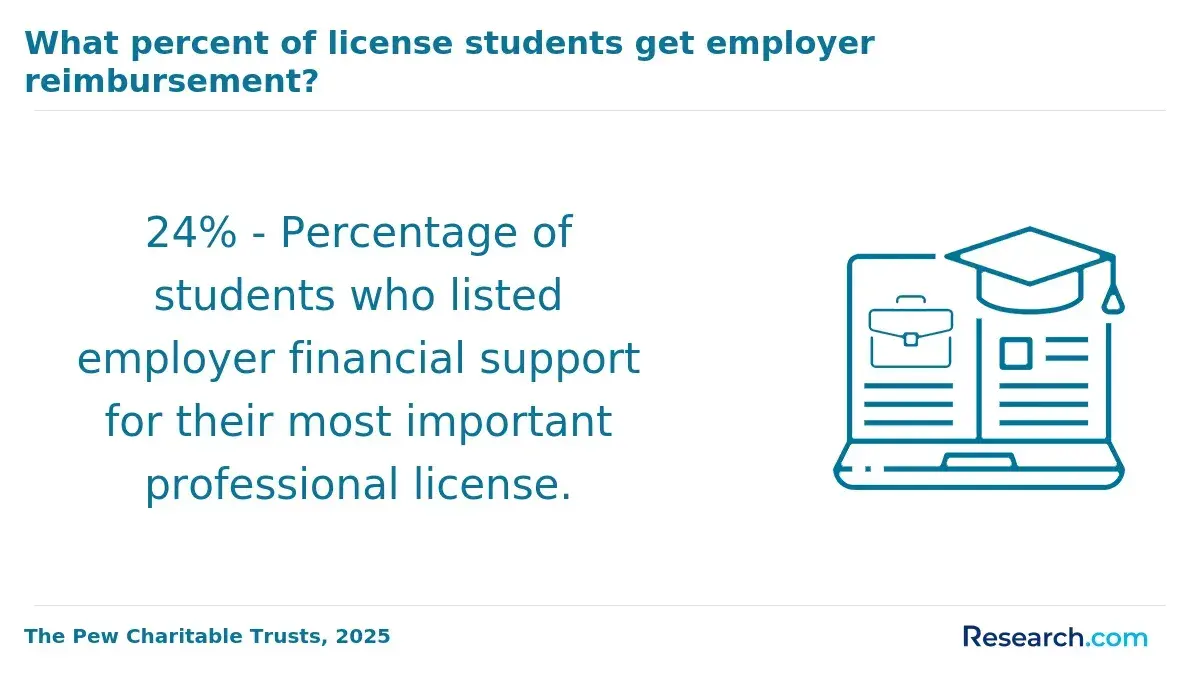
- Limited Employer-Sponsored Loan Benefits: Unlike graduates in some fields, art history alumni often lack access to employer programs that assist with student loan repayment. This absence removes a potential buffer against accumulating balances and heightens exposure to repayment stress, especially under fluctuating economic conditions.
- Financial Literacy Gaps for Art Students: Specialized knowledge around managing student debt, selecting optimal loan plans, or navigating repayment strategies is often lacking among arts graduates. Without targeted financial planning resources, the risk of suboptimal repayment decisions and prolonged debt burdens increases.
The convergence of these factors explains why art history graduates face disproportionate repayment challenges compared to many other fields. Prospective students evaluating program costs and career outlooks should also compare debt risks with fields exhibiting more predictable employment and income, such as through exploration of an architecture online degree program. Awareness of these interconnected elements can aid borrowers in planning realistic repayment approaches aligned with job market dynamics.
How Can Art History Students Reduce Student Loan Debt While Earning Their Degree?
Reducing student loan debt while earning an art history degree requires proactive planning and strategic decision-making throughout the academic journey. Debt reduction stems from a combination of financial awareness, academic efficiency, and the smart use of institutional resources tailored for art history students. Analyzing borrowing behavior alongside educational pathways reveals how students can meaningfully limit their total loan obligations while maintaining steady progress toward their degree.
- Pursue Relevant Paid Internships or Campus Employment: Engaging in part-time jobs or internships aligned with art history provides both practical experience and supplementary income that directly lowers reliance on loans. Data from the National Center for Education Statistics (2024) highlights that such employment can reduce borrowing by up to 20%, signaling the tangible financial impact of work-study opportunities in humanities fields.
- Actively Seek Scholarships and Grants: Discipline-specific scholarships for humanities and arts significantly reduce debt burden since they do not require repayment. The Office of Federal Student Aid reports that recipients of targeted grants borrow 15% less than peers without such aid, demonstrating the importance of applying consistently for specialized funding throughout the course of study.
- Utilize Cost-Effective Educational Pathways: Starting at public universities or community colleges to complete general education credits can substantially decrease tuition expenses. Careful credit planning not only controls costs but also helps students avoid prolonging their studies, which often lead to increased borrowing without proportional gains in employability.
- Plan Course Loads to Graduate On Time: Completing degrees within the expected timeframe mitigates additional semesters of tuition and living costs. Overextending enrollment can sharply increase debt levels without enhancing program outcomes, emphasizing the value of academic advising focused on timely progression.
- Align Borrowing with Realistic Income Expectations: Median starting salaries for art history graduates typically fall below those in STEM fields, so keeping loan amounts manageable reduces repayment stress. Federal income-driven repayment plans offer flexible post-graduation options, but minimizing upfront borrowing remains essential for long-term financial stability.
- Leverage Institutional Resources for Financial Counseling: Many colleges provide specialized advising that helps humanities students optimize aid packages and debt management strategies. Utilizing these resources allows for more deliberate borrowing decisions tailored to career trajectories in art history.
- Research Alternative Delivery Formats: Exploring animal science degrees online illustrates the growing availability of hybrid or online courses that can reduce living expenses and tuition fees. Art history students might similarly benefit from flexible enrollment options to lower overall costs.
The effective strategies to lower student loan debt for art history students hinge on integrating financial planning with academic decisions, promoting realistic borrowing aligned with labor market outcomes. Understanding how art history students can minimize borrowing and repayments involves leveraging scholarships, timely degree completion, and practical work experiences that collectively mitigate long-term debt risks without compromising educational quality.
How Should Prospective Students Evaluate Borrowing Risk Before Enrolling?
Evaluating borrowing risk before enrolling in an art history degree program is critical for understanding the long-term financial impact of educational debt. This assessment requires balancing the total anticipated loan amounts against realistic earnings prospects after graduation. Since median starting salaries in humanities tend to be lower, a clear analysis of repayment capacity relative to borrowing is essential to avoid unsustainable debt burdens.
- Total Debt Load and Cost: Reviewing the full cost of attendance, including tuition, fees, and living expenses, provides a baseline for expected borrowing and helps predict the repayment timeline.
- Projected Post-Graduation Income: Analyzing employment rates and median salaries for art history-related careers such as museum work or academia informs expected income and monthly payment feasibility.
- Debt-to-Income Ratio: Calculating this metric offers insight into the share of earnings likely consumed by loan payments, highlighting potential financial stress points.
- Loan Repayment Terms and Monthly Payments: Understanding amortization schedules and expected monthly payments, often averaging around $300 for humanities graduates, ensures realistic budgeting over the repayment period.
- Institutional Graduation and Employment Outcomes: Institutions with better completion rates and higher employment in relevant fields improve the odds of successful debt repayment.
- Availability of Non-Debt Funding: Scholarships, grants, and work-study reduce loan dependency and lower financial risk.
- Long-Term Career Flexibility and Growth: Considering how an art history degree aligns with evolving job markets helps anticipate income trajectory and repayment capacity over time.
References
- Differences Between Federal and Private Student Loans | McCarthy Law PLC https://mccarthylawyer.com/2023/09/26/7-key-differences-between-federal-and-private-student-loans/
- Assessing Education Risk https://www.theactuarymagazine.org/assessing-education-risk/
- Does College Pay Off? A Comprehensive Return On Investment Analysis - FREOPP https://freopp.org/whitepapers/does-college-pay-off-a-comprehensive-return-on-investment-analysis/
- Key Figures on Cost, Student Debt, & ROI at Public Universities - APLU https://www.aplu.org/our-work/4-policy-and-advocacy/publicuvalues/key-figures-on-cost-student-debt-amp-roi-of-public-universities/
- Average Student Loan Debt [2025]: by Year, Age & More https://educationdata.org/average-student-loan-debt
- Student Loan Debt by Major https://www.collegehelpguide.com/financial-aid/student-loan-debt-by-major/
- Borrowers Discuss the Challenges of Student Loan Repayment https://www.pew.org/en/research-and-analysis/reports/2020/05/borrowers-discuss-the-challenges-of-student-loan-repayment
- My Student Loan Truth: Brandon Hurshman and Melissa Arroyo's Art Institute Story | Blog — Project on Predatory Student Lending https://www.ppsl.org/news/news/blog/my-student-loan-truth-brandon-hurshman-and-melissa-arroyo-blog
- Is Rising Student Debt Harming the U.S. Economy? | Council on Foreign Relations https://www.cfr.org/backgrounders/us-student-loan-debt-trends-economic-impact
- Arts Bachelorâs Graduates with $10,000+ in Student Loans are Less⦠https://snaaparts.org/findings/databriefs/arts-bachelors-graduates-with-10-000-in-student-loans-are-less-likely-to-work-as-artists-2
Other Things You Should Know About Art History
Graduate programs often require additional borrowing, but the return on that investment in art history is less direct compared to fields with clearer career pathways. Students should carefully weigh whether the advanced degree opens access to specialized or higher-paying roles, such as museum curatorship or academia, which can justify the cost. Without a strategic plan for post-graduate employment aligned with repayment capacity, additional debt from graduate studies can elevate long-term financial risk disproportionately.
Hands-on experiences like internships, fieldwork, and study abroad can enhance employability but often come with extra costs that lead to higher borrowing. Prioritizing paid or credit-bearing experiences that fit within affordable budgeting is generally preferable to incurring excessive debt for prestige or resume-building. Students must critically assess if these experiences have clear, measurable impacts on career outcomes and repayment ability before financing them through loans.
Graduates planning to enter lower-paying roles with variable income should prioritize manageable monthly payments over rapid payoff to avoid financial strain. However, if employment is secured in stable institutional roles, accelerating repayment can reduce interest costs and long-term burden. Art history students should design repayment strategies that reflect their realistic earning prospects and career trajectories rather than adopting a one-size-fits-all approach.
Part-time enrollment typically spreads out expenses and delays debt accrual but can prolong the degree completion timeline, potentially increasing total interest paid. Full-time enrollment shortens time to degree but may require larger upfront borrowing and higher monthly payments immediately after graduation. Students with established careers or financial support may benefit from full-time study to reduce cumulative borrowing, while others should consider part-time paths to balance current income with manageable debt levels.