2027 Top Industries Hiring Art History Graduates: Demand, Pay, and Growth Trends

Co-Founder and Chief Data Scientist
Imagine a recent art history graduate facing a crowded job market with diverse options but little clarity on where to focus efforts. Determining which industries actively hire art history graduates-and understand how demand varies by sector-can make a critical difference. Knowledge of salary ranges and career growth potential further informs choices, helping graduates prioritize pathways that reward their skills and offer long-term stability.
This article examines the industries employing the most art history graduates, highlighting differences in compensation and growth trends. It also explores shifting employer expectations and the evolving nature of work in these fields. By aligning skills with market realities, students and recent graduates can better position themselves for rewarding careers in art history-related professions.
Key Things to Know About the Top Industries Hiring Art History Graduates
- Museum and cultural heritage sectors employ over 45% of art history graduates, indicating high competition but stable demand, necessitating targeted skills in curation and conservation for sustained employability.
- Corporate art advisory and auction houses report 12% annual salary growth post-2023, reflecting expanding commercial valuation of art expertise and enhanced career trajectories beyond academia.
- Digital art platforms have increased art history-related job openings by 30% since 2022, signaling a shift toward tech integration and requiring adaptation to interdisciplinary roles blending art and digital media.
- Key Things to Know About the Top Industries Hiring Art History Graduates Key Things to Know
- Which Industries Hire the Most Art History Graduates? Top Industries
- Which Industries Offer the Highest Salaries for Art History Graduates? Highest Salaries
- Which Industries Have the Fastest Growth for Art History Careers? Growth Trends
- Which Employers Commonly Recruit Art History Graduates? Top Employers
- Which Skills Are Most In Demand Across Art History Industries? In-Demand Skills
- How Do Career Paths Differ Across Industries for Art History Graduates? Career Paths
- How Do Industry Trends Affect Future Opportunities for Art History Graduates? Industry Trends
- How Can Students Prepare for High-Demand Art History Industries? Career Preparation
- How Do Different Art History Degree Programs Prepare Students for Industry Careers? Degree Career Prep
- Which Industry Is the Best Fit for Your Art History Career Goals? Best Fit Industry
Which Industries Hire the Most Art History Graduates?
Art history graduates navigate a job market deeply intertwined with cultural and educational institutions, where demand for their specialized skills fluctuates according to broader economic trends and evolving institutional priorities. The discipline's analytical rigor and research proficiency position graduates well for roles requiring detailed knowledge of art provenance, conservation, and public engagement.
According to data from the U.S. Bureau of Labor Statistics and the National Endowment for the Arts in 2024, nearly 60% of art history-related employment is concentrated in a handful of sectors that balance tradition with innovation in hiring. Below are key industries known for consistently recruiting art history graduates.
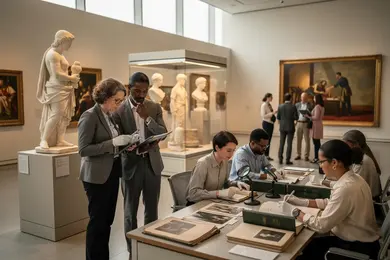
- Museum and Gallery Sector: This industry remains the predominant employer, requiring expertise for curatorial duties, collections care, exhibition planning, and educational programs. Museums prioritize candidates with deep knowledge of art historical contexts paired with skills in preservation and audience engagement. Given their reliance on public funding and private donations, hiring here can fluctuate but often rebounds strongly in major cultural hubs.
- Higher Education Institutions: Colleges and universities employ many graduates as lecturers, researchers, and program administrators in art history and humanities departments. Expanding online and interdisciplinary offerings have sustained demand despite budget pressures, offering graduates stable roles tied to both teaching and ongoing scholarship.
- Art Market and Auction Houses: This sector capitalizes on graduates' abilities to authenticate artworks, assess provenance, and conduct valuations. A globalized art market presents lucrative opportunities, especially for professionals adept in research and negotiation, although careers here may depend heavily on economic cycles and the health of luxury markets.
- Heritage and Conservation Organizations: Agencies such as historical societies and government bodies require art historians to advise on artifact preservation, support restoration efforts, and promote cultural tourism. While somewhat niche, this sector offers meaningful work closely linked to public history and community engagement, often with stable funding streams.
- Publishing and Media: Though smaller in scale, this industry attracts graduates to roles in art criticism, journalism, and educational content development. These positions rely on the ability to communicate complex art historical ideas to broader audiences and can complement other career paths through freelance or part-time opportunities.
For example, an art history graduate working in a metropolitan museum might alternate between conducting provenance research, designing educational workshops, and assisting in digital archiving to enhance accessibility. This diversity illustrates why many choose museum careers-they offer robust, varied responsibilities that blend scholarship with practical stewardship. Understanding such tradeoffs is critical for students weighing short-term job availability against long-term career development.
For those exploring options beyond traditional institutions, programs like accelerated MSW programs provide an alternative route by building complementary skills applicable in nonprofit arts organizations and community cultural initiatives.
Which Industries Offer the Highest Salaries for Art History Graduates?
Salary disparities across industries for art history graduates arise largely from differences in commercial value, funding structures, and the degree to which specialized expertise intersects with business or technology. Industries blending art historical knowledge with market-driven roles or emerging tech applications typically offer more lucrative opportunities.
On the other hand, fields rooted primarily in academic or nonprofit contexts often provide lower initial compensation and slower growth. Understanding these dynamics helps prospective students prioritize the highest paying industries for art history graduates that align with both their skills and financial goals. Here are some sectors that generally lead in salary potential.
- Luxury Goods and Auction Houses: These industries capitalize on art history expertise to serve clients in high-value markets, including collectors and investors. Roles such as art consultants, auction specialists, and provenance researchers leverage both art knowledge and commercial acumen, with median salaries ranging from $75,000 to $95,000 annually according to the 2024 Art Market Monitor report. Earning potential correlates strongly with client networks and sales performance in this sector.
- Technology and Digital Heritage: Companies focused on digital archiving, virtual reality museum experiences, and art-centered AI are emerging as well-paid employers. Arts graduates who combine curatorial or research skillsets with tech literacy find starting salaries beginning around $70,000, as highlighted by the 2024 Cultural Tech Workforce Survey. These positions offer pathways for growth as digital transformation reshapes how cultural content is preserved and experienced.
- Museum and Gallery Management: Although traditionally offering median median annual salaries near $62,000 according to U.S. Bureau of Labor Statistics data, leadership roles within museums can reach higher pay tiers depending on institutional size and donor support. Expertise in fundraising, exhibition curation, and administration affects compensation, but growth can be incremental compared to commercial sectors.
- Academic Institutions: Despite slower salary growth and starting averages of about $55,000 in tenure-track art history positions reported by the American Association of University Professors, academia sustains many professionals' careers. The tradeoff involves job security and intellectual fulfillment versus earning potential; competition remains intense for higher-paying tenured roles.
Students aiming to maximize earnings while maintaining passion for art history should weigh these industry profiles carefully. Often, blending foundational coursework with skills in business or digital technology enhances prospects. For those considering flexible pathways, exploring a business degree online can provide complementary knowledge to boost competitiveness in more financially rewarding roles.
Which Industries Have the Fastest Growth for Art History Careers?
Identifying industries with the most rapid growth is crucial when assessing career longevity and salary potential for art history graduates. Choosing sectors that are expanding ensures better job availability and opportunities to apply interdisciplinary skills.
Demand for art history expertise increasingly intertwines with technological, cultural, and economic shifts, making it vital to understand which fields offer sustainable prospects beyond traditional roles. The following industries demonstrate notable expansion and evolving opportunities for art historians.
- Museum and Heritage Institutions: This sector is growing through increased investments in digital exhibitions and interactive public programs. Demand rises for professionals who can combine deep historical knowledge with skills in digital archiving and multimedia communication. Expanding efforts to enhance visitor engagement and preserve cultural assets contribute to steady job growth, projected at around 10% through 2032 according to the U.S. Bureau of Labor Statistics.
- Art Market and Galleries: The globalization of art sales and the surge of online platforms have transformed this industry, creating demand for graduates versed in provenance research and art appraisal. Understanding historical context and authenticity is vital for navigating an increasingly complex market where digital marketing and commerce intersect with traditional art valuation.
- Art Conservation and Preservation: Heightened societal focus on protecting artifacts from environmental damage and aging has pushed growth in specialized conservation roles. These jobs require targeted training and offer niche but expanding opportunities as institutions prioritize long-term preservation in the face of climate challenges and increased public interest.
Which Employers Commonly Recruit Art History Graduates?
Recognizing which employers most often seek art history graduates helps students tailor their coursework, internships, and job search strategies to realistic labor market conditions. Job availability can fluctuate based on an individual's specialization within art history, geographic region, and evolving industry demands.
A graduate focusing on contemporary art might have different prospects than one specializing in Renaissance art, and metropolitan areas with a high concentration of museums or cultural institutions generally present more opportunities. Below are key employer types that consistently hire art history graduates according to recent data from the U.S. Bureau of Labor Statistics and educational research conducted in 2024.
- Museums and Galleries: These remain the principal employers, valuing art history expertise for curatorial, archival, and educational roles. Their demand stems from the need to maintain exhibitions, preserve artifacts, and engage the public through programming, making these settings ideal for graduates with strong visual analysis and historical knowledge.
- Higher Education Institutions: Universities and colleges often employ art history graduates as lecturers, researchers, or administrative staff in arts or cultural departments. These roles emphasize scholarship and pedagogy, appealing to those interested in academic careers or specialized research within art history subfields.
- Auction Houses and Art Markets: Growing sectors offer roles in provenance research and valuation, crucial for transactions involving private collectors and investment firms. These positions usually provide competitive compensation, attracting graduates skilled in art authentication and market trends.
- Cultural and Nonprofit Organizations: Foundations, historical societies, and government agencies recruit graduates for collection management, exhibition development, and public outreach. These organizations often focus on cultural preservation and community engagement, with job openings influenced by local funding and policy shifts.
Which Skills Are Most In Demand Across Art History Industries?
The most valuable career skills for art history graduates often transcend specific job titles or sectors, forming a foundation that supports adaptability and enduring relevance. Across museums, academia, cultural organizations, and emerging digital platforms, employers look for professionals who can combine deep disciplinary knowledge with versatile, practical skills.
This blend equips graduates to navigate evolving job markets where employer expectations in art history careers emphasize both critical thinking and technological fluency. Understanding these consistently in-demand skills provides clearer insight into the real tradeoffs and opportunities many students face as they plan their career paths.
Below are the core competencies that reflect current industry needs and enhance employability across diverse art history fields.
- Critical Analysis and Research: Employers value the ability to interpret artworks and historical contexts rigorously, a skill cultivated through coursework and independent study. This competency underpins roles in archives, curatorial work, and education where evaluating and synthesizing varied sources is fundamental to decision-making and scholarship.
- Digital Literacy and Technologies: Mastery of digital tools such as Adobe Creative Suite, database management, and emerging VR/AR content platforms is increasingly essential. Practical exposure during internships or project-based courses helps graduates engage wider audiences and supports career flexibility as exhibitions and archives shift online.
- Communication Skills: Proficiency in articulating complex ideas both in writing and orally meets the growing demand for grant writing, public programming, and social media outreach. Developing these skills enhances graduates' ability to influence stakeholders and reach diverse audiences effectively.
- Project Management and Organization: Coordinating exhibitions, budgeting, and team collaboration require sharp organizational abilities. Gaining experience through real-world projects prepares graduates for leadership roles and multitasking demands common across sectors.
- Adaptability and Interdisciplinary Knowledge: As the art world interfaces with global cultural trends and multiple disciplines, flexibility and cross-disciplinary insight are prized. Awareness of contemporary art practices and cultural diversity, emphasized by associations such as the Association of Art Museum Directors, opens pathways in nontraditional and emerging career arenas.
- Research-Based Problem Solving: Employers increasingly seek graduates who apply methodical approaches to novel challenges, such as digital archiving or artifact conservation. Skills honed through rigorous inquiry empower graduates to innovate while maintaining scholarly integrity.
- Networking and Professional Engagement: Active participation in professional associations and collaborative projects helps build relationships that lead to opportunities. Exposure to peer and mentor networks supports ongoing career development and adaptability within competitive job markets.
Recent data from the U.S. Bureau of Labor Statistics highlights that over 70% of art history-related job postings specify advanced research and digital skills as key applicant requirements, illustrating employer expectations in art history careers consistently emphasizing these areas. For those considering further specialization or career shifts, exploring options such as PsyD programs online might complement art history foundations with applied psychological expertise, broadening employment potential beyond traditional paths.

How Do Career Paths Differ Across Industries for Art History Graduates?
Choosing an industry after earning an art history degree shapes career development as much as the degree itself. Different sectors prioritize varied skill sets, experience types, and professional aims, leading to distinct advancement trajectories and job demands. For example, someone aiming for stable academic employment should prepare for years of doctoral work and competitive tenure challenges, while those drawn to the private sector might benefit from combining art expertise with business savvy.
Recognizing how these environments differ is crucial for aligning career paths with personal goals. Below are key ways career progress diverges by industry for art history graduates.
- Advancement Pace:The cultural sector typically offers slower but steady progression from entry-level roles like curatorial assistant to senior curator positions, often requiring further education or networking. In contrast, the private sector can enable faster elevation to high-paying appraiser or consultant roles, driven by market demands and digital innovation.
- Salary Range:Salaries in museums and heritage organizations often remain modest, commonly between $50,000 and $70,000 annually, while academia shows a wider spectrum, with tenured professors earning upwards of $90,000. Private sector roles frequently outpace both, with top consultants reaching six figures, though these require hybrid skills.
- Job Stability:Academic positions, particularly tenure-track roles, provide long-term security after extensive qualification periods, but adjunct or non-tenure jobs show high turnover. Conversely, cultural institutions tend to offer moderate stability, while the private sector can be more volatile, dependent on economic cycles and art market trends.
- Required Skill Sets:Museum careers emphasize specialized art historical knowledge and curatorial skills, whereas academia demands research productivity and grant acquisition. The private sector favors expertise in art valuation combined with business literacy and digital competencies, highlighting the value of interdisciplinary skills.
- Professional Mobility:Data from the National Center for Education Statistics indicates limited growth in academic art history roles, pushing many adjuncts to shift industries or roles frequently. Cultural institutions grow modestly but steadily, while private marketplaces expand dynamically, attracting professionals who adapt quickly to evolving digital and global contexts.
- Daily Responsibilities:Work in galleries and museums often centers on collection management, exhibitions, and public education. Academic roles focus on teaching and research, while private sector roles involve appraisal, sales, and client consulting, integrating market analysis and negotiation.
- Long-Term Development:Graduates seeking leadership in cultural institutions should plan on continual specialization and networking, scholars must prioritize publication and grant acquisition for tenure, and private sector professionals benefit from combining art history with entrepreneurial skills for sustained growth.
How Do Industry Trends Affect Future Opportunities for Art History Graduates?
Industry trends exert a powerful influence over the range and nature of career opportunities available to art history graduates, shaping not only job availability but the skills employers prioritize. Shifts in funding, technological advancements, and evolving cultural values dictate how art history expertise is applied across sectors. Consequently, understanding these trends can help graduates target roles with sustainable demand rather than transient openings.
A 2024 report from the U.S. Bureau of Labor Statistics projects steady growth in museum curatorship and cultural management, reflecting increased public and governmental investment in heritage and the arts. Key industry trends include the following.
- Expansion of Digital Roles: The surge in digital archiving and virtual exhibitions is creating new responsibilities that blend art history with technology. Employers seek individuals who can manage online collections and create immersive experiences, making digital literacy an essential complement to traditional knowledge.
- Focus on Cultural Sustainability: Growing attention to preserving diverse cultural heritages is boosting demand in nonprofit and governmental agencies. Graduates informed about ethical stewardship and community engagement tend to find broader opportunities in conservation and cultural resource management.
- Salary Divergence by Sector: While specialized areas like art conservation often offer higher pay, many entry-level positions in smaller institutions provide modest salaries. This disparity encourages flexibility and continuous skill development to navigate the varied job market effectively.
- Global and Multicultural Engagement: Increased appreciation for international and multicultural perspectives opens pathways outside traditional museum roles, including cultural diplomacy and global auction houses. Graduates combining art history with language skills or business acumen position themselves advantageously for these emerging roles.
How Can Students Prepare for High-Demand Art History Industries?
Students preparing for jobs in art history industries must take a multi-faceted approach that balances academic knowledge with hands-on experience. Recent data from the National Endowment for the Humanities shows that internships and applied learning in museums, galleries, and cultural institutions increase graduate employability by over 30%.
Understanding the varied skills needed for art history careers also means acknowledging that demand is shifting toward digital competencies and interdisciplinary knowledge. Effective preparation involves targeted strategies that align with evolving industry needs and individual career aspirations. Below are key actions students should prioritize to enhance their competitiveness.
- Specialized Internships: Gaining practical experience through internships at museums, auction houses, or heritage organizations offers direct exposure to curation, conservation, and exhibition management. These placements enable students to apply theoretical knowledge and build professional networks crucial for entering high-demand sectors.
- Research Method Proficiency: Mastering research tools like archival databases and art historical software differentiates candidates by improving their ability to contribute to provenance research, cataloguing, and academic publications. Embedding this skill early in coursework enhances readiness for roles requiring detailed investigation.
- Communication Skills Development: Strong writing and marketing abilities are essential for grant proposals, educational programming, and institutional promotion. Students should seek opportunities to develop these skills through coursework, student organizations, or volunteer roles to meet employer expectations.
- Interdisciplinary Coursework: Supplementing an art history degree with classes in digital humanities, business, or cultural management broadens career options and salary potential in fields like cultural tourism and art law. This strategic diversification prepares graduates for a broader job market.
- Language Acquisition: Proficiency in widely spoken languages, especially European or Asian, enhances employability in global roles involving international exhibitions and provenance research. Pursuing language studies alongside art history increases access to competitive positions.
- Active Networking: Engagement with organizations such as the College Art Association or International Council of Museums connects students to industry leaders and job openings, fostering long-term career growth.
- Continuous Professional Learning: Participating in workshops, certification programs, and conferences focused on conservation technologies and museum education ensures graduates stay current with industry trends and technological advances.
Recognizing that preparation approaches vary by career goals, students should combine these strategies with proactive planning to maximize outcomes. For those wondering what jobs can you get with an environmental science degree, the lesson is clear: integrating academic study with practical experience is vital across disciplines, including art history.
How Do Different Art History Degree Programs Prepare Students for Industry Careers?
Choosing between art history degree programs requires more than comparing course titles or faculty reputations. Programs vary significantly in how they prepare students for diverse industries, from cultural institutions to commercial art markets. The 2024 National Center for Education Statistics reports that integrating internships, interdisciplinary coursework, and digital skills correlates strongly with higher career readiness rates among graduates.
Below are critical factors prospective students should consider to align their education with real-world demands in art history degree career preparation.
- Internship Opportunities: Programs that embed internships within museums, galleries, or nonprofits provide hands-on experience, essential for applying theoretical knowledge in professional settings. Evaluate how effectively a program connects students to industry partners to build practical skills and professional networks.
- Digital Competency Training: Art history programs differ in teaching digital cataloging, data analysis, and digital humanities techniques. These skills are increasingly vital in a tech-driven art market and conservation field, enhancing employability and adaptability.
- Interdisciplinary Curriculum: Coursework that incorporates law, business, or information science better equips graduates for varied careers like art law or auction house roles. Assess how flexibly the program integrates relevant disciplines to expand career pathways.
- Museum and Provenance Studies: Specialized training in areas like provenance research and archival management prepares students specifically for heritage institutions and curation, sectors where demand is growing steadily.
- Networking and Professional Development: Programs that facilitate partnerships with galleries and nonprofits foster essential project management and networking skills, critical for career mobility and growth.
- Balance of Theory and Practice: Graduates best prepared to navigate industries combine strong critical thinking and research proficiency with applied experience. Consider whether a program balances these elements to support diverse employment sectors.
- Flexibility for Career Goals: No single program suits every career path; students should evaluate how well a program's structure and resources match their specific goals and willingness to pursue supplementary opportunities like the 6 month certificate programs that pay well.
Recognizing these factors helps prospective students choose art history degree programs that offer realistic preparation for the labor market realities highlighted in workforce analyses and industry research in 2024. The diversity of skills gained from art history programs is a decisive element in achieving long-term career success.
Which Industry Is the Best Fit for Your Art History Career Goals?
The "best" industry for an art history graduate hinges on individual priorities rather than a universal ranking. Factors such as preferred work environment, specialization, earning goals, lifestyle preferences, and desired impact shape this decision. For example, one student might pursue museum curation to engage deeply with preservation and education, valuing mission-driven work despite moderate salaries.
Another, equally qualified, might target auction houses aiming for higher earning potential and dynamic networking in art sales. This divergence highlights how personal career objectives determine the ideal sector more than standardized measures of prestige or pay. To choose wisely, students should analyze employer expectations, industry growth projections, required skill sets, internships, and long-term career paths while honestly assessing their strengths and interests.
Data from the U.S. Bureau of Labor Statistics and the Art Market Research Institute in 2024 show that job stability and salary potential vary widely between museums, education, and auction markets. The most effective career strategies align one's goals with these realities, rather than simply chasing the highest pay or fastest growth. Successful art history professionals emerge from thoughtful alignment of ambition and opportunity across diverse sectors.
References:
- Art History Degree Jobs - Art guides https://art-guides.com/art-history-degree-jobs/
- Art.com - Buy Wall Art, Canvas Art, Prints, Framed Artwork,... https://www.art.com/
- Best Careers for Art Majors in 2026: High-Paying Jobs for Creative Graduates https://bestjobsearchapps.com/articles/en/best-careers-for-art-majors-in-2026-highpaying-jobs-for-creative-graduates
- Careers in Art History - For Art History https://forarthistory.org.uk/careers-in-art-history/
- Careers for Art History Majors: 15 Jobs That Use Your Degree | Extern https://www.extern.com/post/careers-for-art-history-majors-guide
- What Can You Do With an Art History Degree? https://willamette.edu/academics/college/art-history/career-options
- Degree: Graduate jobs with a history of art degree https://www.graduate-jobs.com/degree/history-of-art
- The 30 Best Art Careers Around (With Average Salaries) https://www.careeraddict.com/best-art-careers
- 9 Jobs You Can Get With an Art History Degree (and the Skills You Can Take to Any Role) | The Muse https://www.themuse.com/advice/art-history-major-degree-jobs
- Working in the Art World: A List of the 50 Highest-Paying Jobs - New York Art Life https://nyartlife.com/working-in-the-art-world-a-list-of-the-50-highest-paying-jobs/
Other Things You Should Know About Art History
Choosing a narrow specialty such as museum curation or conservation offers deeper expertise but may limit job opportunities due to fewer positions and higher competition. Conversely, a broader skill set that includes research, digital archiving, or education expands potential roles but might require additional training to compete effectively. Graduates should prioritize flexibility if they value diverse career paths, but specialization can be advantageous when targeting stable, niche roles within well-funded institutions.
Initial salaries in many art history fields tend to be modest, with slower wage growth compared to STEM or business sectors. Significant pay increases usually correlate with obtaining advanced degrees or gaining experience in highly competitive markets like major museums or academic settings. Graduates should plan for longer timelines to financial stability and consider supplemental skills-such as grant writing or digital marketing-that enhance employability and salary potential.
Workload intensity significantly differs: museum roles often involve managing exhibitions and public engagement under tight deadlines, leading to seasonal spikes in stress, whereas academia demands continuous research output and grant acquisition, which can create sustained pressure. Graduates should assess their tolerance for fluctuating deadlines versus consistent output demands, as this influences burnout risk and overall career satisfaction. Awareness of industry-specific workload patterns is crucial for long-term planning.
Investing time in internships, networking within local art communities, and gaining digital competencies enhances marketability without extending academic programs unnecessarily. Prioritizing programs that integrate practical experience with theoretical knowledge increases readiness for diverse roles. Graduates should focus on building portfolios and professional connections early, as this proactive approach typically yields stronger employment outcomes than solely pursuing higher education credentials.