2027 Art History Job Market Report: Open Roles, Salary Bands, and Hiring Momentum

Co-Founder and Chief Data Scientist
The labor market for art history reflects complex shifts driven by evolving employer priorities and changing skill demands. Recent investment cycles and technological adoption, such as digital curation and AI-assisted cataloging, are reshaping typical job functions and proficiencies sought in candidates. Credential expectations increasingly emphasize interdisciplinary expertise, intertwining art historical knowledge with digital literacy. Geographic concentration of roles in academic and cultural hubs further influences hiring patterns, while workforce demographics reveal a rising cohort of early-career professionals balancing specialized training with practical adaptability. Open roles, salary bands, and hiring momentum serve as indicators of these broader dynamics, illustrating how the field negotiates preservation and innovation simultaneously.
This article examines these indicators not as isolated employment metrics but as reflections of the art history profession's evolving landscape. Understanding labor market nuances clarifies why art history hiring diverges from generalized trends in the humanities. The wage progression and job availability signal where talent bottlenecks occur and which competencies become essential amid changing institutional mandates and audience engagement strategies. The age distribution of students, increasingly diverse in background and entering at varied life stages, suggests impending shifts in workforce composition and raises questions about accessibility and the future orientation of scholarly and curatorial roles.
Key Things to Know About Art History Job Market
- Open roles in art history heavily favor specialized museum and archival positions, limiting broader employment options and requiring targeted skills, which narrows job market entry for generalist graduates.
- A 2024 survey shows stagnant salary growth despite increasing hiring, signaling employer budget constraints that emphasize grant and donor funding reliance, affecting compensation negotiations realistically.
- Hiring momentum peaks align with academic and grant cycles, adding timing pressure that influences candidates' program lengths and internship strategies to optimize market readiness.
- Key Things to Know About Art History Job Market Key Things to Know About Art History Job Market
- How Strong Is Demand for Art History Graduates in Today's Job Market? Demand for Graduates
- Which Art History Careers Have the Most Open Job Opportunities? In-Demand Careers
- What Salary Bands Are Employers Offering Across Art History Careers? Offered Salary Bands
- Which Industries Are Hiring the Most Art History Graduates? Top-Hiring Industries
- How Does Hiring Demand Vary by State, Region, and City? Hiring Demand by Location
- What Skills Are Employers Prioritizing in Art History Job Postings? In-Demand Skills
- Which Certifications Increase Employability and Salary Potential? High-Value Certifications
- How Do Remote and Hybrid Opportunities Affect the Art History Job Market? How Do Remote and Hybrid Opportunities Affect the Art History Job Market?
- Which Art History Careers Show the Strongest Long-Term Hiring Momentum? Strongest Careers
- How Can Students Use Job Market Data to Make Better Career Decisions? How Can Students Use Job Market Data to Make Better Career Decisions?
How Strong Is Demand for Art History Graduates in Today's Job Market?
Demand for art history graduates remains modest and highly segmented, with the U.S. Bureau of Labor Statistics in 2024 signaling only slow growth in traditional positions like curators and archivists. These roles are both limited in number and competitive, reflecting a stable yet constricted job market where increases barely outpace general labor trends. Recent insights from the LinkedIn Workforce Report illustrate that employers favor candidates who enhance their art history foundation with skills in digital curation, data management, or public engagement, broadening access to roles beyond classical museum settings. Consequently, the job market demand for art history graduates is more pronounced in hybrid fields that blend disciplinary knowledge with technical or marketing competencies.
Technological advancements and digitization efforts within museums and cultural institutions are key drivers shifting job qualifications and opportunities. Employers increasingly expect familiarity with relevant software and flexible interdisciplinary capabilities, reshaping how art history career opportunities in the United States are structured and accessed. These changes create openings for tech-savvy graduates, yet those focused solely on theoretical expertise may encounter barriers to employment and salary growth. This evolving landscape underscores a pivot away from purely academic portfolios toward applied skills responding to digitization, evolving audience engagement, and institutional resource needs.
Long-term prospects suggest a steady but selective hiring environment where adaptability and complementary skills dictate marketability. Entry-level salaries tend to lag behind STEM and business fields, varying significantly by sector, with nonprofit roles offering modest stipends and private institutions providing comparatively higher wages. Prospective students should consider how practical experience and networking can augment their core knowledge to navigate a constrained marketplace. For those evaluating majors with financial returns alongside passion, exploring fun majors in college that pay well may offer additional perspective on balancing interest and employability.
Which Art History Careers Have the Most Open Job Opportunities?
Job opportunities within art history careers are unevenly distributed, influenced by factors such as sector growth, evolving employer expectations, and technology adoption. These shifts reflect broader labor market dynamics rather than isolated demand spikes, highlighting the importance of adaptable skills aligned with institutional priorities. As public and private cultural organizations expand their offerings, there is a notable shortage of professionals who combine deep subject expertise with digital fluency and community engagement capacities. Understanding which roles are growing helps prospective graduates and early-career job seekers navigate a competitive landscape marked by shifting demands and specialized skills needs.
- Museum Curators: Museums remain the primary employers for art history graduates, with curatorial roles growing faster than average according to recent Bureau of Labor Statistics projections. The demand is driven by expanding collections, increased public visitation, and a broader emphasis on diverse cultural narratives. Employers seek candidates who can combine scholarly rigor with skills in collection management, exhibition planning, and audience engagement, often requiring familiarity with digital archiving tools and multimedia interpretation.
- Conservators and Preservation Specialists: The rise in funding for heritage conservation alongside public interest in preserving cultural assets sustains demand for conservators. These roles require expertise in materials science and restoration techniques alongside art historical knowledge. Government agencies and nonprofits are prominent employers, reflecting the specialized qualifications needed and the competitive nature of openings in this segment.
- Art Appraisers: Increasing activity in the art market, including auction houses and private sales, fuels demand for qualified appraisers. These professionals must possess robust authentication skills and a strong understanding of market trends. The need to verify provenance and value artworks for legal, insurance, and investment purposes underpins steady growth for these positions.
- Art Educators: Universities and private institutions are hiring more adjunct and part-time instructors in response to challenges securing tenure-track positions. This shift necessitates versatility, as educators often balance teaching with research or curatorial work. Interdisciplinary approaches blending art history with digital humanities or cultural studies are increasingly favored in academic hiring criteria.
- Digital Archivists and Exhibition Specialists: As museums and galleries accelerate their shift to online platforms, professionals skilled in digital archiving and virtual exhibit design see rising opportunities. These roles blend technical proficiency with art historical expertise, supporting increased accessibility and engagement beyond physical venues. Institutions prioritize candidates who can leverage technology to broaden audience reach and preserve digital collections.
- Cultural Heritage Researchers: Positions in government and nonprofit sectors targeting archival research and cultural documentation are growing but remain competitive. These roles often require advanced degrees and specialized experience to address complex questions of cultural preservation within legal and ethical frameworks. Their expansion mirrors broader societal emphasis on safeguarding diverse cultural legacies.
The art history job market trends United States data indicates a sector simultaneously expanding in public engagement and evolving through technology integration, producing a nuanced environment where skills shortages in specialized fields coexist with structural shifts in academic employment. For those weighing further qualifications, exploring options such as a masters in game design may offer alternative paths that intersect with digital cultural content and interactive media, broadening long-term employability in hybrid art history and technology careers.
What Salary Bands Are Employers Offering Across Art History Careers?
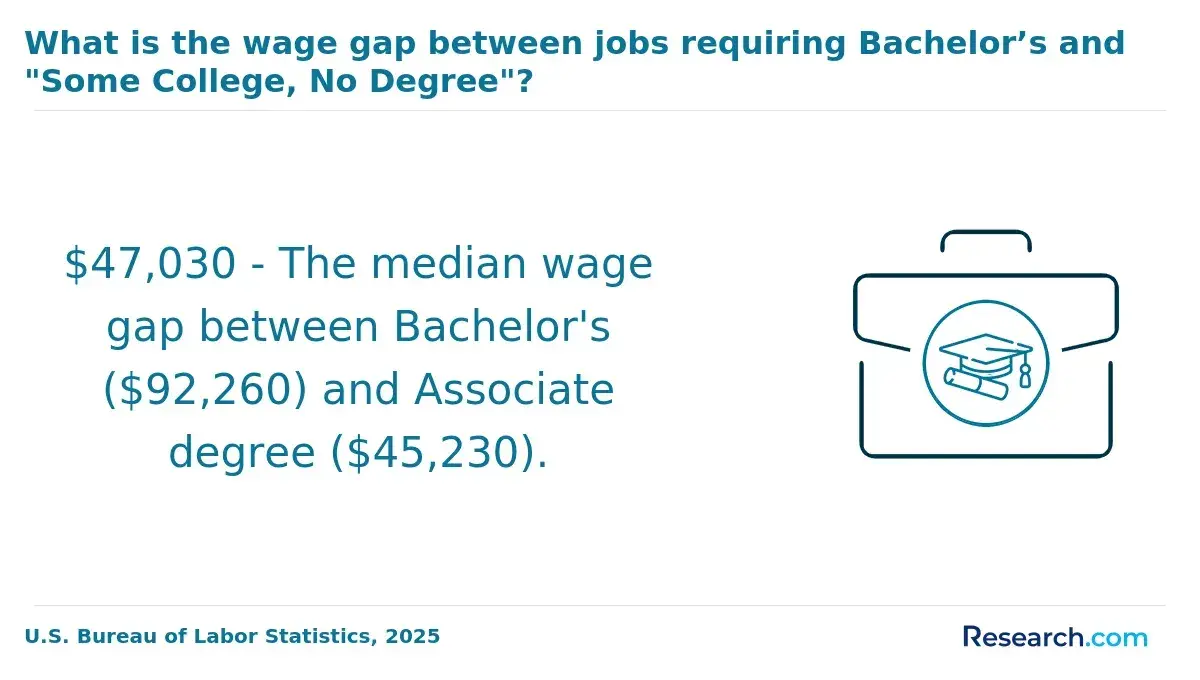
Salary ranges in art history careers generally reflect a clear progression aligned with experience and specialization, with entry-level roles offering approximately $35,000 to $50,000 based on 2024 labor market data from sources like the U.S. Bureau of Labor Statistics and LinkedIn Salary Insights. Mid-career positions, often involving increased responsibility such as managing collections or leading research projects, typically command salaries between $50,000 and $75,000. Senior roles, which usually require advanced degrees and substantial leadership or research credentials, can exceed $110,000, particularly within well-funded institutions or large metropolitan markets. These figures illustrate that compensation in art history tends to remain modest compared to other fields, underscoring a labor market where supply often outpaces demand for specialized cultural expertise.
Variations in pay across the sector largely stem from factors like the depth of specialization, distinct institutional missions, geographic location, and employer scale. Positions linked to prominent museums or major universities frequently offer higher salaries due to greater funding and competitive recruiting, while smaller regional or nonprofit organizations often impose tighter salary ceilings. Additionally, niche expertise in areas such as digital curation, art appraisal, or consulting can disrupt typical patterns, sometimes producing irregular but potentially elevated income streams. Geographic disparities reflect cost-of-living impacts and regional economic health, with urban centers typically delivering stronger compensation but also fiercer competition. Ultimately, wage differences mirror broader labor market dynamics where skill scarcity, institutional priorities, and funding structures shape remuneration patterns rather than straightforward experience alone.
One art history graduate recalled navigating a prolonged rolling admissions cycle, initially hesitant to commit due to uncertain response times and the financial implications of overlapping application fees. They meticulously timed their decision to coincide with receiving multiple offers, which reduced the risk of premature enrollment in a program with less favorable placement outcomes. This approach highlighted the tradeoff between securing a spot early and ensuring access to the best possible educational and professional pathways, illustrating how strategic timing and patience can impact longer-term career and salary prospects in a tightly contested field.
Which Industries Are Hiring the Most Art History Graduates?
Demand for art history graduates is particularly strong in sectors experiencing digital integration, workforce growth, or skill deficits where specialized knowledge is critical. These industries are leveraging art historical expertise to navigate evolving technological landscapes, support institutional expansion, and fulfill complex roles that combine traditional scholarship with modern competencies. Hiring patterns thus reflect not just isolated recruitment efforts but broader shifts in how cultural knowledge meshes with innovation and operational needs.
- Cultural Heritage and Museums: This sector leads in employing art history graduates due to sustained investments in museum expansion and public arts initiatives. Employers prioritize skills in curatorial practices, collection management, and the ability to engage diverse audiences, blending scholarly rigor with community outreach. Nearly 40% of recent job openings in art history are concentrated here, underscoring its central role as a primary labor market.
- Auction Houses and Art Dealing: Growth in urban art markets and digital assets like NFTs drives demand for professionals adept at provenance research and cataloguing. Increasingly, art historians with familiarity in digital media and client advisory capacities are sought to navigate the complexities of valuation and authenticity in this evolving commercial environment.
- Academic Institutions: Universities and colleges continue to expand interdisciplinary arts curricula, creating openings for educators and researchers who can link historical knowledge with contemporary cultural discourse. Candidates skilled in teaching and research that incorporate digital archives or cross-disciplinary methods are particularly valued.
- Government and Cultural Policy Agencies: Public sector employers engaged in cultural preservation and management require art history graduates who understand regulatory frameworks and heritage conservation techniques. These roles often emphasize policy development and stewardship of historical sites, demanding both scholarly insight and applied administrative competence.
- Publishing and Media: Organizations producing art criticism, historical analysis, and editorial content look for art historians adept in communicating complex ideas to broader audiences. Digital literacy and content management skills increasingly complement traditional expertise in these roles, reflecting shifts toward multimedia storytelling and online platforms.
Salaries in these sectors tend to range from moderate to competitive, with museum and auction roles typically offering median incomes between $55,000 and $70,000. Government and academic positions may offer slightly lower base pay but often include enhanced benefits. Across the board, professionals combining deep art historical knowledge with digital competencies are positioned to access the most opportunities as institutions transform their engagement with art and audiences.
How Does Hiring Demand Vary by State, Region, and City?
Hiring demand for art history graduates differs significantly by state and broader regions, shaped by economic factors and the concentration of cultural institutions. Coastal states such as New York, California, and Massachusetts remain dominant due to their dense ecosystems of museums, galleries, and universities, which drive a higher volume of job openings. According to recent labor market data from the U.S. Bureau of Labor Statistics and regional economic reports, the Northeast and West Coast demonstrate stronger salary bands and a more competitive nonprofit sector, with wages often exceeding the national average by 10-20%. In contrast, Midwestern and Southern states present a more constrained hiring environment with slower growth but occasional multi-disciplinary roles that blend curatorial work with education or administration, reflecting local funding limitations and workforce needs. These variations illustrate how regional economic structures and institutional presence crucially influence art history job openings by region and salary trends for art history jobs in major cities.
At the city level, urban centers such as New York City, Boston, Los Angeles, and Chicago exhibit a robust concentration of employers spanning academia, museums, and conservation, fostering steady hiring with a mix of full-time and contract opportunities tied to exhibitions and research projects. Mid-sized cities with strong university programs or regional museums, like Seattle and Houston, offer more limited but still viable employment prospects, often balancing lower salaries with a reduced cost of living. The interplay of industry clusters, local infrastructure, and available talent pipelines explains how some metropolitan areas can sustain a more dynamic job market despite higher living expenses. For early-career professionals, understanding these localized dynamics and investing in complementary skills-such as digital archiving or public programming-can enhance marketability in less saturated markets, a practical alternative for those weighing geographic choices. Those interested in extended educational pathways might also consider programs like a construction management degree online to diversify skills in related fields.
What Skills Are Employers Prioritizing in Art History Job Postings?
Employer demands in art history job postings reflect ongoing shifts driven by technological progress, the integration of interdisciplinary approaches, and evolving institutional priorities. The role is no longer confined to traditional scholarship but increasingly intersects with digital tools, public engagement, and collaborative project management. These changes underscore that the skills sought are dynamic, responding to broader transformations in how art historical knowledge is produced, preserved, and communicated across diverse platforms.
- Advanced Research Methodologies: Beyond conventional archival work, employers expect candidates to engage with interdisciplinary analysis that situates artworks within complex cultural and social contexts. This skill is crucial as institutions seek professionals who can generate nuanced interpretations that resonate across academic and public spheres.
- Digital Humanities Proficiency: With over 70% of art history roles requiring familiarity with digital archiving software, database management, and GIS mapping, technological competence now differentiates candidates. Mastery of these tools extends the ability to preserve, analyze, and present visual data, aligning with the sector's digitization trends and enhancing long-term employability.
- Communication Expertise: Translating complex art historical narratives into accessible content is vital, especially for public-facing positions. Employers prioritize candidates who can curate exhibitions, develop educational programs, and publish across media, reflecting the need for engagement beyond scholarly circles and contributing directly to institutional outreach and funding potential.
- Project Management Skills: Grant writing, coordinating exhibitions, and managing cross-departmental collaborations are increasingly part of the role. This skill set signals that practical organizational capabilities are as critical as intellectual ones, influencing both hiring decisions and compensation frameworks in an environment where resource acquisition shapes professional trajectories.
- Cultural Competency and Contemporary Awareness: Understanding current debates around interpretation and cultural context has gained prominence. Employers value candidates who demonstrate sensitivity to diverse perspectives, positioning their work as relevant in conversations about representation, equity, and decolonization within art historical practice.
Which Certifications Increase Employability and Salary Potential?
In the art history field, certifications function as critical signals that validate specialized skills and practical competencies beyond academic degrees. They act as targeted endorsements of industry-ready expertise, helping employers discern candidates who possess both foundational knowledge and applicable proficiencies. Strategically chosen credentials can therefore elevate a candidate's marketability by addressing skill gaps prioritized by hiring institutions, which often value hands-on capabilities alongside scholarly understanding.
- Certificates in Museum Studies and Cultural Heritage Management: These certifications are highly regarded because they confirm proficiency in preservation techniques, exhibition design, and public programming. Institutions frequently seek professionals who can navigate the operational and curatorial demands of museums and cultural sites, making these credentials powerful indicators of both practical skill and organizational fit. A 2024 report from the American Alliance of Museums highlights that holders of such certificates often see starting salary increases up to 15%, reflecting the premium placed on these competencies.
- Digital Archives Specialist (DAS) Credential: With ongoing digitization of collections, this certification demonstrates technical knowledge in digital curation, metadata standards, and archival software tools. Employers, especially academic and research organizations, prioritize this credential as it bridges art history with critical technological trends, translating to a reported 10-12% salary premium according to recent workforce studies.
- Art Appraisal and Provenance Research Certificates: These credentials address a niche yet vital expertise in art market dynamics, authentication processes, and valuation. Galleries, auction houses, and investment firms regard these certifications as markers of trustworthiness and specialized skill, supporting higher salary ranges typically 8-13% above peers without such qualifications.
For early-career professionals juggling limited resources and time, these certifications serve as practical supplements, evidencing readiness across diverse professional functions. They enhance competitiveness in an environment where employers increasingly seek versatile candidates who contribute directly to mission-driven goals such as sustainable conservation or community engagement.
One recent art history graduate recalls encountering significant uncertainty during the rolling application process for these certifications. After completing a related master's program, they hesitated to immediately pursue a museum studies certificate, concerned about balancing workload and finances. The delay meant missing an early application cycle, introducing stress and doubts about timing. However, persistent monitoring of admissions windows and seeking advice from alumni enabled a last-minute submission, which was ultimately accepted. This experience underscored how navigating certification pathways requires strategic planning and flexibility, as well as readiness to capitalize once decision windows open.
How Do Remote and Hybrid Opportunities Affect the Art History Job Market?
Remote and hybrid opportunities are actively reshaping hiring dynamics within the art history job market, with employers in museums, academic institutions, and cultural organizations increasingly adopting flexible work models. According to recent industry hiring data, this shift expands the geographic scope of recruitment, allowing a broader pool of candidates to compete for roles without relocation barriers, an important trend linked to remote and hybrid work impact on art history careers. While remote positions often carry mid-range salary bands reflecting their more limited specialist demands, hybrid roles tend to preserve more traditional compensation levels by requiring in-person collaboration, creating a tiered salary structure tied directly to work model flexibility.
The broader implications of these changes include greater geographic mobility for job seekers and a move toward salary normalization across regions, which intensifies competition in the art history job market trends with remote opportunities. Employers now place stronger emphasis on digital communication, virtual collaboration skills, and versatile portfolios that demonstrate both classical expertise and technological proficiency. This evolving landscape signals a long-term transformation of labor market structure, where sustaining employability depends on adaptability to hybrid workflows and digital integration. Prospective students and professionals with concerns about balancing traditional pathways with these demands may find useful insights by exploring low GPA colleges that support flexible educational trajectories.
Which Art History Careers Show the Strongest Long-Term Hiring Momentum?
Long-term hiring momentum in art history careers reflects enduring structural shifts rather than short-term job fluctuations. This momentum is shaped by economic and technological forces that sustain demand over time, such as increased investment in cultural preservation and the integration of digital technologies into museum and archival work. Understanding these drivers is critical for evaluating which career paths will maintain stability amid evolving employer expectations.
- Museum Curators and Conservators with Tech-Savvy Skills: The growing emphasis on preserving cultural heritage through advanced conservation methods drives hiring. Technological adoption in specimen preservation, 3D imaging, and digital cataloging ensures long-term demand as institutions modernize and expand public access.
- Digital Art Curators and Multimedia Exhibit Designers: As museums digitize collections and create interactive virtual experiences, demand rises for professionals combining art historical knowledge with digital media expertise. The ongoing digital transformation in exhibit design markedly supports job growth in this niche.
- Archivists Focusing on Digital Preservation: The shift towards digital records requires archivists skilled in managing, securing, and curating vast digital assets. Increasingly stringent data standards and growing digital collections create sustainable employment opportunities.
- Art Educators Incorporating New Media and Digital Humanities: Academic roles integrating traditional art history with emerging digital tools address educational demands and research innovation, though these positions remain competitive and often require advanced qualifications.
According to a 2024 U.S. Bureau of Labor Statistics report, combined roles such as museum curators, archivists, and conservators are projected to grow 7% through 2032, exceeding average occupational growth. This statistic underscores the momentum in careers where art history intersects with technology and preservation. Those assessing long-term hiring trends for art history professionals should weigh such informed labor market forecasting against the practical realities of skill acquisition and credential requirements.
For prospective students considering educational pathways aligned with these trends, it is prudent to evaluate program outcomes grounded in both specialized knowledge and digital competency. Exploring options through sources like best online colleges for forensic science can illuminate varied program models, fostering informed choices about the blend of skills necessary to meet evolving employer demands.
How Can Students Use Job Market Data to Make Better Career Decisions?
Students examining labor market data from recent reports and salary databases can gain a clearer picture of demand, compensation, and growth areas within art history careers. These sources highlight variability in hiring trends across institutions, such as public museums versus private galleries, and geographic differences influencing job availability. Salary bands paired with vacancy information reveal the tradeoffs between entry-level roles with modest pay and senior positions commanding higher salaries but fewer openings. Such data enable students to identify sectors with upward hiring momentum and consider how emerging employer preferences-for example, digital archival or social media skills-shape candidate competitiveness in 2024 and beyond.
Interpreting job market data effectively requires balancing quantitative indicators with individual career objectives and geographic mobility. Stability offered by public institution roles may appeal to some, while others might prioritize faster advancement in private settings despite volatility. Overreliance on short-term demand spikes risks misaligned expectations; thus, students should integrate data insights with personal interests and skill development plans to navigate complex labor dynamics strategically. This approach fosters realistic assessment of compensation trajectories, skill relevance, and long-term employability within art history's nuanced job landscape.
References
- Careers in Art History - For Art History https://forarthistory.org.uk/careers-in-art-history/
- The Art Institute https://www.theartinstitute.co.uk/us/en/blog-art-history-graduates-1
- Careers in the Field of Art History https://www.wlu.edu/art-and-art-history-department/art-history/careers-in-the-field-of-art-history
- Digital art and the job market (r)evolution https://rozprawyspoleczne.edu.pl/Digital-art-and-the-job-market-r-evolution,187871,0,2.html
- Remote & Hybrid Jobs | Culture Jobs https://culturejobs.org/vacancies/remote-hybrid/
- The Transformative Impact of Remote Work: How Online Jobs are Empowering Workers in Emerging Markets https://nextbillion.net/transformative-impact-remote-work-online-jobs-empowering-workers-emerging-markets/
- What Can You Do With an Art History Degree? https://willamette.edu/academics/college/art-history/career-options
- Artist Certifications: Best Credentials to Advance Your Career | Teal https://www.tealhq.com/career-paths/artist-certifications
- 15 Useful Skills You Learn As An Art History Major https://www.businessinsider.com/art-history-major-skills-2014-2
- Careers for Art History Majors: 15 Jobs That Use Your Degree | Extern https://www.extern.com/post/careers-for-art-history-majors-guide
Other Things You Should Know About Art History
Choosing between specialized and broad roles in art history hinges on long-term career flexibility versus immediate expertise. Specialized roles, like those focusing on a particular period or medium, often come with tighter hiring pools and may limit adaptability if the market shifts. Broad roles, such as museum education or general curation, offer more openings but may demand wider skill sets and less depth. Early-career professionals should prioritize gaining foundational experiences that build transferable skills before narrowing focus, to avoid being boxed into niches that could stagnate growth.
Academic museums often provide job stability and prestige but usually offer lower compensation compared to private sector roles in auction houses or galleries. These academic roles may demand heavier workloads in research and publication alongside curation, which can constrain time for external projects. Private sector jobs typically prioritize sales and client relationships, rewarding commercial acumen over academic credentials. Candidates must weigh values like salary and job security against workload intensity and personal career goals, as transitioning between these sectors later can be challenging due to differing expectations.
Salary ranges in art history vary widely by location, but nominal pay alone doesn't tell the full story. A position offering a lower salary in a city with affordable living costs may actually provide better net outcomes than a higher-paying role in an expensive urban center. Candidates should integrate cost-of-living data with salary offers to assess true compensation value. This is especially critical for early-career hires who commonly accept entry-level wages that-even when higher-may not offset high housing and commuting expenses in major art markets.
Hiring momentum in art history careers often experiences seasonal and economic volatility, influenced by funding cycles and institutional priorities. A slowdown in openings doesn't necessarily indicate long-term market contraction but may reflect short-term budget adjustments or changes in leadership. Job seekers should monitor momentum trends over multiple quarters and focus on roles with consistent or growing demand rather than reacting to spikes or dips. Prioritizing organizations with stable funding and clear strategic plans can mitigate risks tied to momentum fluctuations.