2027 Art History Degree Completion Time Report: How Long Students Actually Take to Graduate

Co-Founder and Chief Data Scientist
Length of time to complete an art history degree often diverges from published program timelines due to complex academic and personal factors. Transfer credits, course availability, and fluctuating enrollment patterns frequently extend progression beyond the standard four years. Data from the National Student Clearinghouse Research Center in 2024 shows a nationwide increase in part-time enrollment, reflecting economic and work-life balance pressures that disproportionately affect humanities majors.
Additionally, the need for specialized research, internships, or study abroad can alter student trajectories. This report examines how these elements shape actual completion times in art history, offering realistic insights for those planning educational and career strategies in this field.
Key Things To Know About Art History Degree Completion Time
- More realistic salary and career-path planning: Art History completion time can vary based on research thesis work, study abroad, museum internships, or language requirements (often needed for specialized research) — knowing the realistic timeline helps students project when they'll actually enter the workforce or grad school, since career direction and salary often depend heavily on which practical experience or specialization students pursue.
- Smarter scheduling around research, travel, and internship opportunities: Because Art History programs often involve research-intensive coursework, study abroad experiences tied to specific collections or sites, and museum/gallery internships with limited seasonal availability, completion time data helps students and advisors plan course loads around these often fixed-timing opportunities, avoiding scheduling conflicts that could add extra semesters.
- Clearer career outcome tradeoffs: Comparing completion time against job placement rates and starting salaries across common paths (museum curation, gallery management, auction houses, arts education, grad school for conservation/curatorial work) can reveal whether students who take extra time for internships or advanced language study land stronger outcomes — helping future students weigh a faster degree against building the specialized credentials many art history careers require.
- What Is the Average Graduation Time for Art History Students? Average Graduation Timeline
- What Factors Have the Biggest Impact on Graduation Speed? Graduation Timeline Factors
- How Does Full-Time Versus Part-Time Enrollment Affect Graduation Timelines? Full-Time vs. Part-Time Graduation Timeline
- Do Online Art History Students Graduate Faster Than Campus-Based Students? Online vs. On-Campus Graduation Time
- How Many Months or Years Can Transfer Credits Save? Transfer Credits
- Do Accelerated Art History Programs Significantly Reduce Completion Time? Accelerated Program Timeline
- Which Art History Program Requirements Most Often Extend Graduation Timelines? Factors Extending Graduation Timeline
- Does Taking Longer to Graduate Increase the Cost of a Art History Degree? Impact on Program Cost
- Does Graduating Faster Improve Career Prospects? Impact on Career Prospects
- Which Scheduling Mistakes Commonly Delay Graduation? Mistakes to Avoid
What Is the Average Graduation Time for Art History Students?
Graduation timelines for art history students in the United States typically extend beyond the classic four-year degree, hovering between four and six years depending on enrollment status and academic pathway. Full-time students on a traditional track often finish within four to five years, reflecting commonly structured course loads and steady progress through core requirements.
Conversely, students who attend part-time, including many working adults or those balancing additional commitments, frequently see their completion times stretch towards or past six years. This variability underscores the significance of how students engage with their program, as the typical degree completion timeline for art history majors is shaped by more than just credit hours-it also reflects real-world constraints and student choices.
Several factors drive the range in graduation times for art history students, including program design and individual circumstances. Double majors, minors, or extended research and internship requirements add to academic load and can delay degree completion. Transfer students often face additional hurdles negotiating credit equivalency, which can lengthen their path.
Variations in course availability, campus versus online formats, and the necessity of hands-on experiences in museums or archives contribute further to this complexity. These dynamics highlight the important interactions between institutional policies and student progression, illustrating why a uniform timeframe is elusive despite standard degree requirements.
Understanding the nuanced graduation timelines carries practical implications for academic planning and career readiness. Extended study periods may influence financial investment and delay workforce entry, yet they often coincide with valuable experiential learning that employers in the art, museum, and education sectors prioritize alongside formal credentials. For those navigating these timelines, consulting resources on the best majors can help align educational choices with realistic expectations and long-term goals within the evolving job market.
What Factors Have the Biggest Impact on Graduation Speed?
Graduation speed in an art history master's degree program duration is influenced by a complex interplay of academic structure, enrollment decisions, and external factors. No single element determines how quickly a student finishes; rather, the combination of program format, credit policies, and personal circumstances shapes each timeline. Understanding these factors enables students to make informed choices about course load, transfer options, and program pacing to better align with their goals and obligations.
- Enrollment Intensity and Load: Full-time enrollment accelerates degree completion by allowing a more consistent progression through required courses and prerequisites. Part-time students, often balancing work or family, typically extend their timelines, a pattern supported by data from the National Center for Education Statistics showing only about 35% of part-time students complete within six years versus 60% of full-time enrollees. This factor is critical in programs where sequential course requirements and thesis deadlines demand continuous engagement.
- Transfer Credits and Institutional Policies: Students entering with prior college credits can significantly reduce time to degree if those credits apply directly toward core requirements. Transfer-friendly institutions facilitate this by accepting general education and elective credits, minimizing redundant coursework. However, rigid curriculum designs or limited acceptance of transfer credits can negate this advantage, effectively delaying graduation by forcing students to repeat foundational classes.
- Curricular Design and Course Scheduling: Art history programs often require language proficiency, lectures, and thesis research that must follow specific sequences. Flexible scheduling options, such as summer courses or online formats, enable students to accelerate degree milestones effectively. Conversely, programs with strict prerequisite chains or restricted course offerings create bottlenecks, particularly when key classes are unavailable every term, prolonging completion times.
- Financial Constraints and Work Commitments: Nearly half of humanities students, including those in art history, report financial hardship as a major reason for extended studies according to the 2024 College Board Annual Survey on Student Finances. Many reduce their course loads or take breaks to manage expenses, prioritizing immediate income over rapid completion. This dynamic often interacts with enrollment intensity, significantly slowing progress when students struggle to balance education and livelihood.
- Advising and Academic Support Systems: Effective academic advising and access to tutoring play a subtle yet vital role by helping students navigate complex degree requirements and avoid unnecessary retakes. Poor planning or limited support increases the risk of stalled progress due to confusion over prerequisite sequencing or thesis preparation. Strong institutional support correlates with smoother paths to graduation, especially in demanding humanities disciplines.
In practice, these factors intertwine to explain why observed completion times vary widely even within the same art history master's degree program duration. Students who carefully plan enrollment intensity, leverage transfer credits, and engage with flexible curricula while managing external financial and academic support realities can graduate more quickly. For those facing rigid course sequences and significant external demands, timelines naturally extend. Prospective students can enhance their decision-making by examining such dynamics and considering alternatives like accelerated or part-time tracks tailored to their individual circumstances.
For students exploring related options and the comparative ease of different academic paths, reviewing the easiest associates degree programs can offer insight into workload balance and completion time tradeoffs at other educational levels.
How Does Full-Time Versus Part-Time Enrollment Affect Graduation Timelines?
Graduation timelines for art history degrees diverge significantly depending on whether students enroll full-time or part-time, with full-time students typically completing their degrees in approximately four years. This accelerated pace is largely due to a heavier semester course load, usually 12 to 15 credits, which maintains steady academic progress.
By contrast, part-time students often extend their study duration to six years or more, as documented in recent statistics from the National Center for Education Statistics. This extended timeline reflects the challenges posed by lighter credit loads and intermittent enrollment, which cumulatively slow degree completion compared to the more continuous full-time cohort.
The distinct pacing observed across enrollment statuses results from a complex interplay of academic and personal factors. Full-time students benefit from consistent course availability and structured program sequences that facilitate timely progression through prerequisites and major requirements.
Conversely, part-time students frequently face fragmented course schedules and limited access to required classes, compounded by external commitments such as employment, caregiving, or other life responsibilities. These constraints force part-time learners to spread coursework over multiple terms, often encountering occasional breaks in enrollment that further prolong the path to graduation.
Choosing between full-time and part-time enrollment carries enduring implications beyond simply how long it takes to graduate. Full-time study enables a more intensive academic experience that aligns with employer expectations for prompt degree completion, often smoothing the transition into related professions.
Part-time enrollment offers necessary flexibility for many nontraditional students but can increase total costs and complicate financial aid options due to the extended timeframe. Understanding these tradeoffs is essential for students balancing academic ambitions with real-world demands, as the enrollment decision fundamentally shapes both their educational trajectory and workforce integration timeline.
Do Online Art History Students Graduate Faster Than Campus-Based Students?
While online art history students might be expected to graduate faster due to greater scheduling flexibility, actual completion times show a more nuanced picture. Data from 2024 by the National Center for Education Statistics indicates online learners average about 4.3 years to graduate, slightly less than the 4.5 years observed for campus-based students. However, this difference is modest and shaped by varied factors including individual circumstances and institutional policies. The assumption that online programs inherently speed up timelines overlooks the complexity of balancing academic demands with outside responsibilities common among online students.
Graduation speed in both online and traditional formats often hinges on course pacing options, the availability of accelerated tracks, and how students manage their workloads alongside employment or family commitments. Online programs generally offer greater self-paced learning and more flexible enrollment, which can benefit working adults or transfer students aiming to expedite degree completion.
Conversely, campus-based programs may integrate structured timelines, on-site academic support, and sometimes mandatory internships or practicum experiences that can extend time to degree but also enhance professional readiness. The pressure to juggle multiple responsibilities often offsets the flexibility advantage for many online students, explaining why their graduation rate within five years is only slightly higher than that of on-campus peers, according to the 2024 National Student Clearinghouse Research Center.
Choosing between online and on-campus art history education therefore impacts more than just graduation speed. It influences how students develop time management skills and engage with academic culture, which can have long-term effects on both learning depth and career entry timing. Prospective students should weigh how modality aligns with their personal discipline, employment commitments, and professional goals instead of assuming faster completion through online study alone.
One graduate recalls applying during a rolling admissions period and hesitating to commit immediately due to uncertainties about transferring previous credits and how quickly she could complete prerequisite courses. She prioritized programs that offered flexible start dates but found herself delaying enrollment by several months while clarifying timelines and verifying course equivalencies. This wait introduced stress around maintaining motivation but ultimately allowed her to strategize course sequencing effectively, highlighting how institutional policies and personal readiness profoundly influence graduation timing beyond format choice.
How Many Months or Years Can Transfer Credits Save?
Transfer credits can shorten the time to complete an art history degree by several months to more than a year, depending largely on the volume and relevance of accepted coursework. Recent data from accredited educational research organizations in 2024 show that students often save between one to two academic years by applying previously earned credits toward degree requirements.
However, these savings vary widely based on how well prior credits align with the receiving institution's curriculum, particularly since a typical bachelor's degree in art history requires around 120 semester credits, and transferred credits usually cover general education or non-specialized humanities courses rather than core art history classes. The impact on graduation timelines, therefore, depends on both the quantity and specificity of those credits.
Key factors influencing how transfer credits affect degree length include institutional policies on maximum transferable credits, accreditation compatibility between schools, and course equivalency evaluations. Many colleges enforce residency requirements that mandate completing a minimum number of credits on campus or through their program, limiting how much external coursework can accelerate graduation.
Additionally, transfer credit applicability depends heavily on academic alignment; credits from unrelated or general subjects may reduce overall credit load but not shorten the duration significantly if key art history sequences remain. This complexity explains why outcomes for students vary substantially and why understanding the specific policies of a targeted institution is essential when estimating how transfer credits impact the average time saved with transfer credits in art history programs.
Beyond raw timeline reductions, transfer credits affect academic planning and financial costs, requiring students to strategically sequence remaining courses to preserve curricular integrity and subject mastery critical for employers seeking deep expertise in curation, education, and research roles. This tradeoff may lead some students to extend their studies slightly to maintain comprehensive coverage rather than rushing degree completion. For those balancing work and study, programs such as accelerated online MFT programs illustrate the growing emphasis on flexible degree pathways that reduce time but also require careful management of transfer credits and course sequencing to optimize educational value.
Do Accelerated Art History Programs Significantly Reduce Completion Time?
Accelerated art history programs are structured to condense the traditional four-year degree path into two or three years by increasing the number of credits taken each term or by shortening semester durations. These programs seek to streamline coursework sequences and reduce gap periods between classes, ideally enabling students to complete foundational and advanced requirements in a continuous, intensive progression. However, the unique demands of art history-such as critical interpretation, original research, and extensive writing-mean that compressing the timeline requires careful curriculum design rather than simply increasing course loads.
The actual reduction in completion time depends heavily on factors like the pacing intensity, the feasibility of taking full credit loads every term, and whether prerequisites or experiential components like internships and capstone projects remain fixed. Even if the program allows a heavier credit load, students often encounter bottlenecks due to sequential course requirements and limited availability of required seminars. The time saved is further limited if practical experiences or research projects cannot be accelerated without compromising the program's educational depth, which many institutions preserve to maintain academic standards.
Students must also weigh the trade-offs involved in accelerated formats, including less scheduling flexibility and heightened workload demands that can strain those balancing employment or personal responsibilities. While faster completion can appeal to some, the increased pressure to absorb complex theoretical content and produce original scholarship within shortened time frames can diminish the overall learning experience and mastery. Consequently, accelerated art history degrees only meaningfully shorten timelines when institutions thoughtfully recalibrate pacing and support structures, rather than simply compressing standard curricula.
One graduate of an accelerated art history program recalls navigating the uncertainty of rolling admissions, where delaying an application decision could mean missing limited spots or a critical term start date. Faced with incomplete internship prerequisites and varying course availability, they hesitated before ultimately applying to retain flexibility. The extended wait for a response introduced stress, underscoring how strategic timing in admissions and preparation, not just program design, plays a crucial role in whether accelerated options genuinely decrease degree duration.
Which Art History Program Requirements Most Often Extend Graduation Timelines?
Graduation timelines in art history degree programs are frequently prolonged not just by the total credit load but by specific, embedded curricular demands. These requirements aim to ensure academic rigor and professional relevance, yet they often impose scheduling constraints and sequencing challenges that slow student progress. Understanding these structural elements helps clarify why students often spend more than the nominal four years to finish their studies.
- Thesis or Capstone Projects: Designed as a demonstration of original research and critical analysis, theses require deep engagement with archival materials and complex visual interpretation. Because this work is highly individualized and dependent on faculty availability, students often face unpredictable timelines, with sources indicating that around 40% of students undertaking theses extend their study by at least one semester.
- Foreign Language Proficiency: Many programs require competency in languages such as French, German, or Italian to access primary texts and scholarly discourse. Language acquisition involves steady, incremental mastery and rarely aligns neatly with credit hour completion, creating the potential for multiple semesters of added coursework especially for those without prior experience.
- Internships and Practicum Components: Practical experience, often valued by employers, can conflict with full-time study schedules when internships are unpaid or part-time. Approximately 25% of recent graduates report internship commitments exceeding one semester, which can reduce credit load and thereby extend time to degree.
- Interdisciplinary Electives and Digital Humanities Training: Incorporating courses in methodology, theory, or emerging digital tools often requires students to balance unfamiliar content alongside core requirements. The variable availability and sequencing of these electives can introduce additional semesters, particularly for transfer or working students.
- Comprehensive Examinations: Required in several programs to assess broad mastery, these exams demand focused preparation periods that interrupt regular course progression. Scheduling and retake policies for exams can cause delays in fulfilling graduation criteria.
The cumulative effect of these factors reshapes typical degree length, frequently extending it beyond four years. This extension reflects the depth and breadth of training expected but also underscores the importance of strategic academic planning and real-world timing considerations for students navigating the complex institutional frameworks of art history education.
Does Taking Longer to Graduate Increase the Cost of a Art History Degree?
The cost impact of extended art history degree completion often arises from how tuition and fees are structured across institutions. Many programs charge tuition based on credit hours or per semester, so taking longer directly increases total tuition paid. Beyond tuition, students incur additional expenses such as housing, course materials, and possibly higher fees tied to extended enrollment periods.
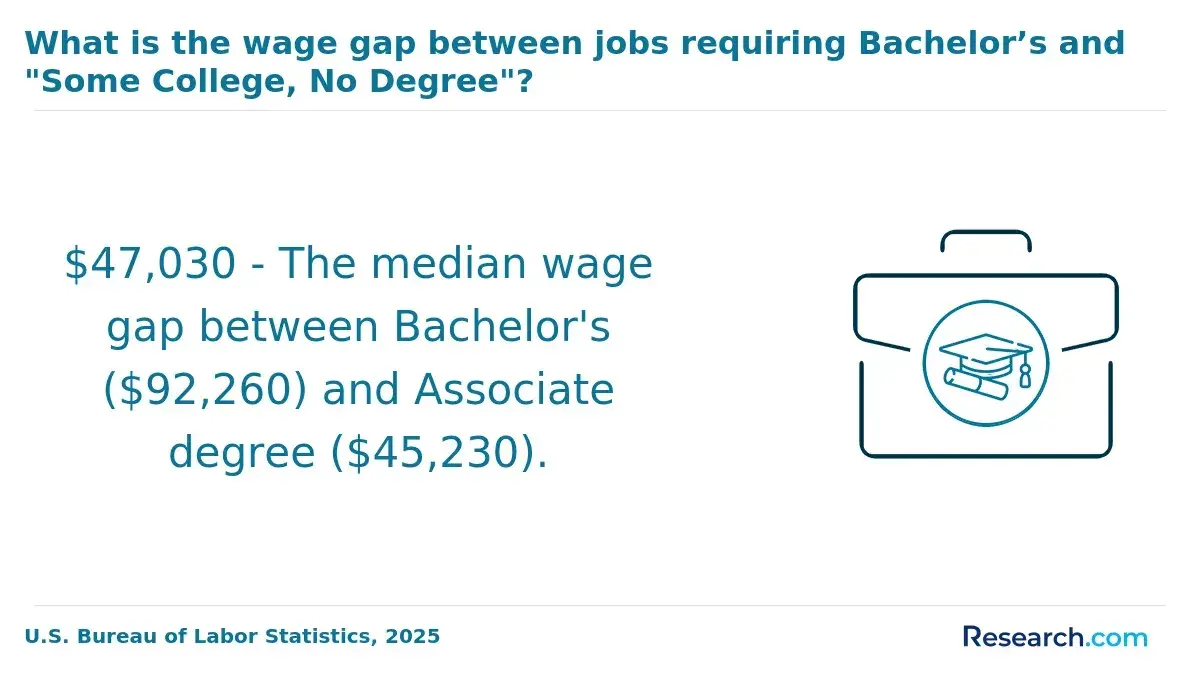
Financial aid eligibility frequently depends on on-time graduation expectations, meaning delayed students might lose crucial scholarships or grants over time. The increased out-of-pocket payment burden is compounded by lost income potential, as postponing graduation delays entry into the workforce where those with degrees typically earn significantly more annually than non-graduates.
However, the relationship between graduation timing and total cost can vary based on program and individual circumstances. Some institutions offer flat-rate tuition or part-time enrollment pricing that reduces incremental expense from extended pacing. Employer tuition assistance or flexible scheduling policies can further mitigate cost increases. Enrollment decisions, particularly course load intensity, influence how quickly credit requirements accumulate, indirectly shaping overall costs.
Students weighing extended timelines in art history should consider these financial structures carefully alongside long-term salary prospects and evolving market demands. For those exploring alternative or comparable fields where cost-efficiency is a priority, analyzing affordable options like what is the cheapest data science course in the US? may provide useful context for opportunity cost evaluation.
Does Graduating Faster Improve Career Prospects?
Graduating faster with an art history degree can enable earlier entry into the workforce, potentially reducing educational costs and accelerating initial job search efforts. However, employers generally do not assess candidates based on graduation speed alone; instead, they evaluate the overall readiness and suitability of applicants. The impact of faster completion on career opportunities depends largely on how well the graduate can demonstrate relevant skills, experiences, and knowledge developed during their studies.
The advantages of early degree completion for art history graduates hinge on critical factors such as the depth of internship experience, the robustness of one's portfolio, mastery of specialized skills, and established professional networks within the field. Timely graduation that sacrifices practical exposure and research involvement may undermine hiring competitiveness, as employers in museums, galleries, and academic circles prioritize demonstrated expertise and real-world experience. Students who balance efficient degree progress with meaningful hands-on learning tend to be viewed more favorably by hiring managers.
Trade-offs between finishing quickly and engaging deeply with the art history discipline influence long-term career trajectories. Prolonged degree timelines often support greater specialization, networking, and participation in critical projects or study abroad, which are highly valued within the labor market. Prospective students and education planners should weigh these factors carefully to align graduation pace with career goals rather than assuming faster completion inherently improves prospects. For those exploring accelerated educational options, programs such as a one year MPA highlight how some fields manage swift degrees, yet art history's particular demands require a more nuanced approach to timing and experience.
Which Scheduling Mistakes Commonly Delay Graduation?
Delays in graduation from art history programs frequently arise not from academic difficulty alone but from avoidable scheduling and enrollment mistakes that disrupt timely progression. These missteps affect students across all program levels and formats, as art history curricula often require strict sequencing of foundational and advanced courses. Recognizing these common errors can equip students and planners to maintain consistent momentum and avoid extended degree timelines.
- Misjudging Prerequisite Chains: Art history programs typically enforce prerequisite sequences that limit when upper-level courses are available. Missing or postponing foundational classes can create bottlenecks, forcing students to wait semesters before progressing. Early awareness and careful planning of these chains can prevent unnecessary delays.
- Erratic Enrollment Patterns: Repeated course drops or withdrawals disrupt academic continuity and can shift a student's enrollment intensity. According to a 2024 report by the National Student Clearinghouse Research Center, about 30% of humanities students delay graduation by two or more semesters due to fluctuating enrollment.
- Limited Course Offering Schedules: Specialized art history topics or methodology classes often only run once a year or alternate semesters. If not anticipated in advance, students risk missing opportunities for key credits, extending degree completion.
- Poor Elective Alignment: Choosing electives unrelated to core requirements can accumulate excess credits that do not advance degree progress efficiently. Mapping electives strategically is critical to meet credit and curriculum demands without surplus.
- Ignoring Institutional Policies: Delays also stem from transfer credit misalignments or neglecting academic advising resources. Failure to navigate curricular differences or use planning services impedes seamless progression through required courses.
References:
- A Descriptive Summary of Bachelor's Degree Recipients 1 Year Later, With an Analysis of Time to Degree https://nces.ed.gov/pubs2003/2003165.pdf
- AA Transfer Art History - Foothill College https://foothill.edu/onlinelearning/students/aa_courses/aa_transfer_art_history.html
- Art History - Universities of Wisconsin Online https://online.wisconsin.edu/degrees-programs/uw-milwaukee-art-history-ba/
- Art History and Visual Culture (BA) | St. Charles / St. Louis, MO https://www.lindenwood.edu/arts-and-humanities/art-history-ai-and-visual-culture/art-history-and-visual-culture-ba/
- Art History Courses & Degrees https://www.open.edu.au/study-online/art-design/art-history
- Art History Transfer Tips https://admissions.uiowa.edu/academics/art-history/transfer-tips
- Picture an Online Degree at Your Own Pace https://www.snhu.edu/about-us/newsroom/education/picture-an-online-degree-at-your-own-pace
- The effect of online learning in modern history education - ScienceDirect https://www.sciencedirect.com/science/article/pii/S2405844022012531
Other Things You Should Know About Art History
Art history programs often require rigorous research papers or thesis projects that demand substantial time investment beyond regular coursework. Students underestimating this component may face delays, especially if their research topics require extensive access to archives, museums, or primary sources. Prioritizing early planning and advisor communication can mitigate timeline risks and ensure steady progress through complex academic requirements.
Internships and museum placements are valuable but can extend completion time as they require additional scheduling outside academic terms. While these experiences enhance employability, students must balance them strategically with academic deadlines to avoid prolonging their studies unnecessarily. Choosing internships that align closely with academic requirements or offering credit can optimize both resume building and timely graduation.
Most art history bachelor’s degrees require 120 semester credits, usually finished in four years of full-time study. Students who enter with transfer credits, take summer classes, or overload courses can finish sooner, while reduced course loads often extend the timeline.
Part-time study options for art history students in 2027 vary, but many programs offer flexible schedules allowing students to take fewer credits per semester. The average time to complete a degree part-time is six to eight years compared to four years full-time.