2027 How to Choose an Online Digital Photography Degree as a Creative Professional

Co-Founder and Chief Data Scientist
Choosing an online digital photography degree is really a decision about time, money, creative growth, and career direction. The field is competitive: the U. S. Bureau of Labor Statistics reported a May 2024 median pay of $42,520 for photographers, which means portfolio quality and business skills often matter as much as the credential. This guide is for working creatives, career changers, freelancers, and aspiring visual professionals who want to compare degree options, avoid weak programs, estimate costs, and choose a path that supports real career goals.
Key Things You Should Know
- An online digital photography degree is usually best for creatives who want structured training, portfolio development, critique, general education, and a recognized credential; a certificate is usually better for targeted skills such as lighting, editing, or business basics.
- Cost varies widely by institution, but College Board's 2024 pricing data shows average published tuition and fees of $11,610 for in-state public four-year colleges and $43,350 for private nonprofit four-year colleges in 2024-25, before aid and photography equipment costs.
- Career outcomes depend heavily on portfolio, niche, location, and client development; BLS 2024-2034 projections show photographer employment growing about as fast as average, so students should choose programs with strong career support, modern software training, and real portfolio critique.
What is an online digital photography degree and how does it differ from certificates?
An online digital photography degree is a college credential that teaches photography as both a creative discipline and a professional practice. Programs may be offered as associate, bachelor's, or master's degrees and typically combine image-making, lighting, editing, visual storytelling, art history, business practices, and portfolio development.
The main difference between a degree and a certificate is scope. A degree is broader, takes longer, and may include general education or research-based work. A certificate is shorter and usually focuses on a narrower skill set. If you want to work as a freelance photographer, content creator, photo editor, studio assistant, or visual media specialist, either path can help, but they serve different needs.
The table below compares the most common credential choices so you can match the format to your goal instead of assuming the longest program is automatically the best one.
| Credential | Typical focus | Best fit | Main limitation |
| Certificate | Specific technical skills such as Lightroom, Photoshop, lighting, or portrait work | Working creatives who need a fast skill upgrade | May not carry the same academic weight as a degree |
| Associate degree | Foundational photography, editing, design, and general education | Students seeking lower-cost entry into college-level creative training | May not be enough for roles preferring a bachelor's degree |
| Bachelor's degree | Advanced photography practice, visual theory, portfolio, business, and electives | Students who want a full academic credential and broader career flexibility | Higher time and cost commitment |
| Master's degree | Advanced creative practice, research, teaching preparation, or professional specialization | Experienced photographers, educators, or artists seeking advanced work | Usually requires a strong portfolio and clear professional purpose |
A degree makes the most sense if you want a structured path, faculty feedback, access to critique, transferability, and a credential that may support teaching, media, or creative leadership roles. A certificate may be smarter if you already have a degree, need one marketable skill, or want to test the field before committing to a full program.
If you are comparing hands-on online fields more broadly and wondering can you become an architect online, the same principle applies: online study can deliver theory, design thinking, software, and critique, but you still need to check whether the field requires in-person studios, supervised experience, or licensing steps.
How do online digital photography programs compare to campus-based degrees for creatives?
Online digital photography programs can work very well for creatives because much of the work already happens digitally: shooting assignments, editing image files, building portfolios, presenting work online, and receiving critique through learning platforms. The trade-off is that students must be more self-directed and may need to supply their own camera, lighting, storage, and software environment.
Campus-based programs may offer immediate studio access, darkrooms, lighting labs, printing facilities, and face-to-face critique. Online programs may offer more scheduling control, which is especially valuable for freelance photographers, wedding shooters, marketing professionals, and creators who work irregular hours.
The comparison below shows where each format tends to be stronger. Use it to decide based on your learning style, not just convenience.
| Factor | Online degree | Campus-based degree | Decision point |
| Schedule | Often asynchronous or low-residency | Usually fixed class and studio times | Online is stronger for working professionals |
| Studio access | Student may need personal or rented equipment | School may provide labs, studios, printers, and lighting spaces | Campus is stronger if you need shared facilities |
| Critique | Video, discussion boards, recorded feedback, portfolio reviews | Live studio critique and peer interaction | Choose the format that gives you honest, frequent feedback |
| Networking | National or remote peer network | Local arts, media, and campus network | Campus may help more if your target market is local |
| Career flexibility | Can fit around freelance assignments | May require relocation or reduced work hours | Online may lower opportunity cost |
Online is usually better if you are already shooting, working, parenting, freelancing, or building a client base. Campus may be better if you need intensive studio access, prefer in-person critique, or want a residential art-school experience. Hybrid and low-residency programs can be a strong middle ground because they combine online coursework with short in-person workshops or portfolio reviews.
What accreditation should an online digital photography degree have in the United States?
Accreditation is one of the most important checks before enrolling. In the United States, you should first confirm that the institution is accredited by an accreditor recognized by the U.S. Department of Education or the Council for Higher Education Accreditation. Institutional accreditation affects credit transfer, eligibility for federal financial aid, employer recognition, and graduate school options.
Photography itself is not licensed like nursing or teaching, so there is usually no single required programmatic accreditation for digital photography. However, some art and design schools may also hold specialized accreditation from the National Association of Schools of Art and Design. That can be a positive signal for studio quality and curriculum review, but it is not a universal requirement for photography careers.
Before you apply, verify accreditation directly rather than relying only on marketing language. A school that says it is "approved," "authorized," or "recognized" may not mean the same thing as accredited.
Use this checklist when reviewing a program's legitimacy and transfer value:
- Confirm institutional accreditation through an official accreditor database, not only the school's homepage.
- Ask whether online students receive the same transcript and degree title as campus students.
- Check whether credits transfer to other accredited colleges, especially if you may pursue a bachelor's or master's later.
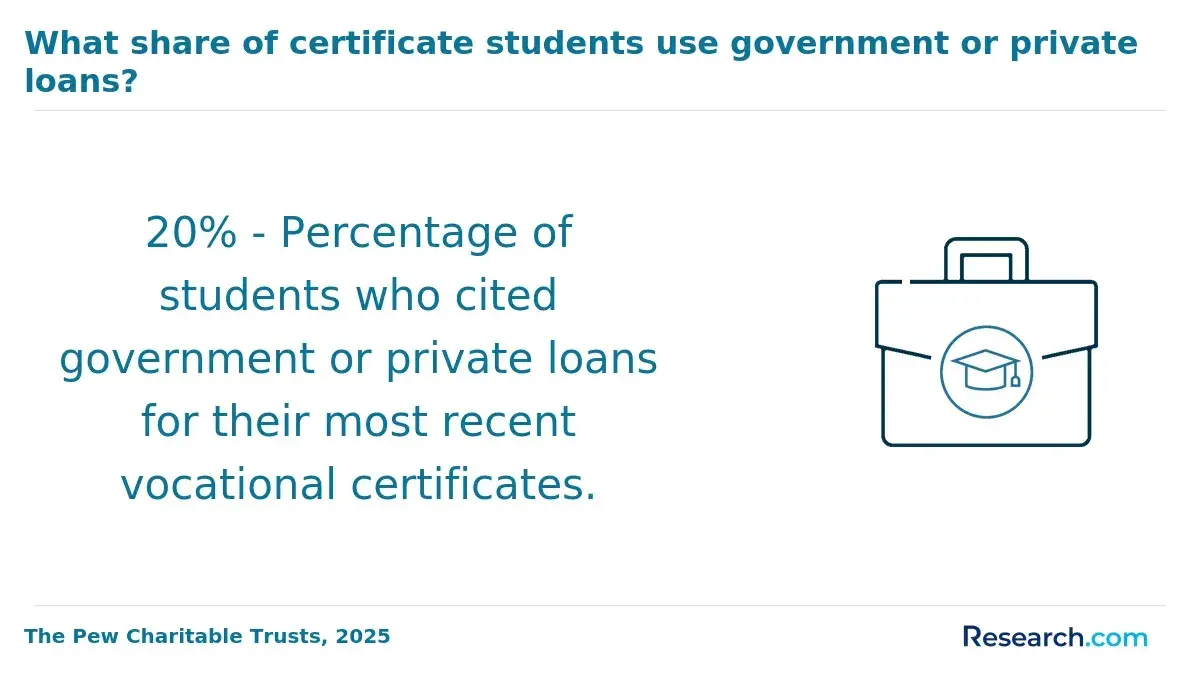
- Review whether the program qualifies for federal financial aid if you plan to use grants or federal loans.
- Look for clear faculty credentials, portfolio expectations, course descriptions, and student support services.
A major red flag is a school that pressures you to enroll quickly but will not clearly identify its accreditor, total cost, refund policy, or transfer rules. Photography is portfolio-driven, but accreditation still matters because it protects your academic options and can affect the practical value of your investment.
What admissions requirements do online digital photography bachelor's and master's programs have?
Admissions requirements vary by level. Bachelor's programs usually focus on academic readiness and creative potential, while master's programs usually expect a stronger portfolio, prior coursework or professional experience, and a clearer artistic direction.
Most online bachelor's programs in digital photography or related visual arts fields ask for a high school diploma or equivalent, transcripts, an application, and sometimes a short statement of purpose. Some programs require a portfolio, while others allow beginners and introduce portfolio work after enrollment.
Master's programs are more selective because they are designed for advanced creative practice. Applicants often need a bachelor's degree, a portfolio, a resume, letters of recommendation, and an artist statement or professional goals essay. Some programs prefer applicants with prior coursework in art, design, media, or photography, but professional experience can sometimes help.
The table below summarizes common admissions expectations by degree level so you can prepare the right materials before contacting schools.
| Program level | Common requirements | Portfolio expectation | Best preparation strategy |
| Associate degree | High school diploma or GED, transcripts, placement steps if required | Often not required | Prepare basic camera samples and be ready for foundational coursework |
| Bachelor's degree | Transcripts, application, personal statement, possible portfolio | Varies by school | Show range: portraits, documentary, product, landscape, or conceptual work |
| Master's degree | Bachelor's degree, portfolio, statement, resume, recommendations | Usually required and important | Build a cohesive body of work with an identifiable visual point of view |
Applicants should also ask about transfer credits. If you have prior college coursework, military education, professional certifications, or an associate degree, transfer evaluation can shorten your timeline and reduce cost. Do not assume credits will transfer automatically; policies vary by school, course age, grade, accreditation, and program fit.
What core courses and technical skills are taught in online digital photography degrees?
Online digital photography degrees teach more than camera operation. Strong programs help students understand how to make technically controlled, visually compelling, ethically responsible images for real audiences and clients.
Core coursework usually combines photography technique, digital editing, visual communication, art history, business, and portfolio development. Because the market now expects photographers to deliver polished digital assets quickly, software fluency is often as important as capture technique.
Here are the skill areas worth looking for in the curriculum because they connect directly to professional work:
- Camera control, exposure, lenses, depth of field, composition, and image sequencing.
- Natural light, studio lighting, flash, color temperature, and product or portrait setups.
- Digital workflow using RAW processing, file management, color correction, retouching, and export standards.
- Adobe Lightroom, Photoshop, Capture One, or comparable professional editing tools.
- Visual storytelling for editorial, documentary, commercial, social media, and brand uses.
- Portfolio development, critique, artist statements, client presentation, and professional self-promotion.
- Business practices including pricing, contracts, copyright basics, releases, licensing, invoicing, and client communication.
- Ethical and legal issues such as consent, image manipulation, representation, and intellectual property.
Current programs should also address AI-assisted editing and generative image tools. This does not mean a photography student should outsource creativity to AI; it means graduates need to understand disclosure, copyright uncertainty, retouching ethics, workflow automation, and how employers distinguish original photography from synthetic imagery.
A weak curriculum focuses only on camera settings and basic editing. A stronger curriculum asks students to produce complete projects, explain creative choices, revise based on critique, and build a portfolio for a specific market such as weddings, editorial, e-commerce, nonprofit storytelling, sports, events, or fine art.
How long do online digital photography programs take and what do they cost?
Program length depends on degree level, transfer credits, course load, and whether the program is accelerated, part time, or competency-based. A certificate may take a few months, while a bachelor's degree normally requires about four years of full-time study if you enter without transfer credits.
Cost is harder to compare because tuition is only one part of the budget. College Board's 2024 data reported average published tuition and fees of $11,610 for in-state public four-year institutions and $43,350 for private nonprofit four-year institutions in 2024-25. That range matters because an online photography degree may be housed at a public university, private nonprofit college, for-profit institution, or specialized art school, and net price after aid can be very different from sticker price.
The table below outlines common time and cost factors. It is not a price quote; it shows what to compare so you can estimate total investment more accurately.
| Program type | Typical full-time timeline | Cost factors to compare | Best fit |
| Certificate | Several months to one year | Tuition, software, camera gear, continuing education fees | Fast skill development or career testing |
| Associate degree | About two years | Per-credit tuition, transfer options, equipment, general fees | Lower-cost foundation or bachelor's transfer path |
| Bachelor's degree | About four years without transfer credit | Tuition, technology fees, portfolio courses, equipment, electives | Full credential, broader career flexibility, graduate school preparation |
| Master's degree | One to three years depending on format | Graduate tuition, residencies, thesis or exhibition costs, advanced software | Advanced creative practice, teaching preparation, or specialization |
When comparing programs, ask for the total cost of attendance, not just tuition. Photography students may need a camera body, lenses, lighting kit, tripod, storage drives, calibrated monitor, cloud storage, editing software, printing costs, and possible travel for shoots or residencies.
If affordability is your top concern, compare accredited photography colleges online by net price, transfer policy, equipment expectations, and graduation support rather than choosing only the lowest advertised tuition.
How can working professionals balance an online digital photography degree with a creative career?
Working creatives often choose online study because their schedules are not predictable. A wedding photographer may work weekends, a content creator may shoot around brand deadlines, and a marketing professional may need coursework that fits after client work. The key is to choose a program structure that supports your actual life, not an ideal schedule you cannot maintain.
Many online programs use asynchronous courses, which allow students to watch lectures, upload assignments, and participate in discussions within weekly deadlines. Others require live critiques, scheduled studio demonstrations, or short residencies. Neither format is automatically better; the right choice depends on how much structure you need.
Use these steps to keep school from damaging your creative work or client relationships:
- Map your busiest creative seasons before choosing a course load.
- Ask admissions advisors how often live attendance is required and whether sessions are recorded.
- Start part time if your income depends on unpredictable shoots or project deadlines.
- Build course assignments around your professional niche whenever allowed, such as portraits, product images, events, or documentary work.
- Protect one weekly editing and critique block so schoolwork does not become rushed portfolio filler.
- Keep a separate budget for equipment upgrades so unexpected gear costs do not interrupt enrollment.
Flexible calendars can also matter. If you need to begin quickly or avoid waiting for a traditional semester, compare online colleges with flexible start dates, but still verify accreditation, refund rules, course pacing, and whether photography courses are available every term.
A common mistake is taking too many courses because online learning looks convenient. Photography assignments require planning, shooting, editing, revision, critique, and resubmission. If you are employed full time or freelancing heavily, a slower pace may produce stronger portfolio work and reduce the risk of dropping courses.
What digital photography careers can you pursue with an online degree?
An online digital photography degree can support several creative career paths, but the degree alone is rarely enough. Employers and clients usually want to see a portfolio that matches the work they need: consistent lighting, reliable editing, storytelling ability, deadline discipline, and professional communication.
Some graduates pursue traditional photography roles, while others use photography as part of a broader visual media career. This distinction matters because many stable roles combine photography with editing, design, social media, e-commerce, video, or content strategy.
The table below shows common career directions and how the degree can support each path.
| Career path | Typical responsibilities | How the degree helps | Portfolio focus |
| Portrait or event photographer | Photograph people, events, weddings, families, schools, or corporate sessions | Lighting, client direction, editing workflow, business practices | Consistent people-focused work with polished delivery |
| Commercial or product photographer | Create images for brands, advertising, catalogs, e-commerce, and campaigns | Studio lighting, color control, composition, file standards | Product sets, lifestyle campaigns, clean retouching |
| Photo editor or retoucher | Select, correct, retouch, organize, and prepare images for publication or clients | Digital workflow, color management, critique, image ethics | Before-and-after edits and consistent visual standards |
| Visual content specialist | Create photo assets for marketing, websites, social media, and campaigns | Storytelling, branding, design awareness, production planning | Multi-platform content sets and campaign examples |
| Fine art photographer | Create conceptual or exhibition-based bodies of work | Art history, critique, artist statements, portfolio sequencing | Cohesive projects with clear themes and exhibition readiness |
Career changers should compare photography with other paths based on daily work, not only interest. For example, someone exploring creative work alongside healthcare or forensic support roles might read about how to become an autopsy technician to see how education requirements, work environments, and job expectations differ from freelance visual careers.
Photography may be a strong fit if you enjoy independent work, visual problem-solving, editing detail, client service, and constant portfolio improvement. It may be a weaker fit if you want predictable hours, a guaranteed employer-based path, or work that does not require self-promotion.
What is the salary outlook and job demand for digital photographers and related roles?
Salary and demand for digital photography careers vary widely because many photographers are self-employed, project-based, or located in markets with different client budgets. A degree can improve technical and professional readiness, but it does not guarantee income. Portfolio strength, specialization, marketing ability, and business discipline often determine earnings.
The BLS reported a May 2024 median annual wage of $42,520 for photographers. That figure is useful as a baseline, but it includes many types of employment and does not fully capture freelance income volatility, unpaid business development time, equipment costs, or high-earning specialists.
The table below provides a practical salary context for photography and adjacent creative roles using recent BLS occupational data. Use it to compare direction, not to assume a fixed outcome.
| Role | Recent U.S. salary context | What affects earnings |
| Photographer | BLS May 2024 median annual wage: $42,520 | Niche, location, client base, portfolio quality, employment versus freelance work |
| Graphic designer | BLS May 2024 median annual wage: $61,300 | Design software skills, brand experience, industry, agency or in-house setting |
| Film and video editor or camera operator | BLS May 2024 median annual wage: $67,830 | Video production skills, market size, union or nonunion work, editing specialization |
| Art director | BLS May 2024 median annual wage: $106,500 | Leadership experience, campaign portfolio, industry, management responsibility |
Demand is shaped by two competing forces. Businesses, media teams, and creators need constant visual content, but smartphones, stock libraries, AI-assisted tools, and low-cost freelancers increase competition for basic image work. This is why students should look for programs that teach specialization, client strategy, editing workflow, and business practices instead of treating photography as only an artistic skill.
The strongest salary strategy is to build a portfolio for a defined buyer. A commercial product photographer, real estate photographer, wedding photographer, editorial shooter, and museum-focused fine art photographer all need different images, pricing models, and networks.
How do you evaluate and choose a reputable online digital photography program?
Choosing a reputable online digital photography program requires more than reading a ranking or comparing tuition. The best program is the one that matches your career goal, learning style, budget, equipment access, and desired portfolio outcome.
Start with accreditation and curriculum, then evaluate the student experience. A program can be affordable and still be a poor fit if it has limited critique, outdated software, unclear equipment requirements, weak faculty access, or no career support.
Use this evaluation process before applying or enrolling:
- Define your target outcome, such as freelance portrait work, commercial photography, photo editing, visual content, graduate study, or teaching preparation.
- Confirm institutional accreditation and, when relevant, specialized art and design accreditation.
- Compare the actual curriculum against your goal, especially lighting, editing, portfolio, business, and critique courses.
- Ask how online critiques work, how often faculty provide feedback, and whether students receive live portfolio reviews.
- Request a full cost estimate that includes tuition, fees, software, camera gear, printing, residencies, and graduation expenses.
- Review faculty portfolios and professional backgrounds to see whether their experience aligns with your niche.
- Ask about career services for creative students, including portfolio review, internships, alumni networks, client development, and exhibition opportunities.
- Check transfer credit policies, course availability, withdrawal rules, and whether online students have equal access to support services.
Watch for red flags. These do not always mean a program is bad, but they should trigger more questions before you commit.
- The school will not clearly disclose accreditation, total program cost, or refund policies.
- The curriculum lists photography courses but provides little detail about assignments, critique, or portfolio outcomes.
- Admissions representatives focus heavily on urgency, discounts, or "limited seats" instead of fit and requirements.
- The program promises specific jobs, income, or client success after graduation.
- Equipment requirements are vague, unrealistic, or disclosed only after enrollment.
- Student work samples look outdated, inconsistent, or unrelated to your goals.
A smart final step is to speak with a current student or recent graduate. Ask what feedback is really like, how demanding the workload is, whether faculty are accessible, and whether the program helped them produce stronger work. In a visual field, the quality of critique and portfolio development is often the difference between a credential and a career asset.
Other Things You Should Know About Digital Photography
Some courses may allow smartphone work for composition, storytelling, or social media assignments, but degree programs usually require manual camera control for advanced lighting, exposure, RAW workflow, and professional output. Check the syllabus before assuming a phone is enough.
It should. A strong program includes critique, revisions, portfolio sequencing, and final presentation. If a program does not clearly explain how students produce and review portfolio work, ask for examples of student outcomes before enrolling.
A strong program should require RAW capture for shooting assignments and TIFF or high-quality JPEG for final submissions. It should also teach color management, metadata standards, and Adobe Lightroom or Photoshop workflows, because these tools are commonly used in professional digital photography courses.
References
- College Certificate vs Online Photography School | Cameraderie https://cameraderie.org/threads/college-certificate-vs-online-photography-school.56322/
- What's the Outlook for Photographer Jobs? | All Art Schools https://www.allartschools.com/photography/outlook-photography-jobs/
- Which fields can I work in post pursuing an online photography course? https://www.careers360.com/question-can-you-name-some-popular-digital-photography-experts-across-the-globe
- How Online Professional Photography Course may Help You Become Successful https://www.globaledulink.co.uk/how-taking-a-professional-photography-course-online-may-help-you-become-successful/
- Top 5 reasons to study a photography degree online https://www.falmouth.ac.uk/news/top-5-reasons-study-photography-degree-online
- Should you Study Photography at College or are There Better Options Now? https://digital-photography-school.com/should-you-study-photography-at-college-or-are-there-better-options-now/
- Best Online Photography Degrees https://www.onlineu.com/degrees/photography
- Admission requirements master Photography & Society https://www.kabk.nl/en/programmes/master/master-photography-society/admission-requirements
- Photography Jobs Outlook 2026: Is Studying Photography Still a Good Career Investment? https://www.baph.co.uk/blog/photography-jobs-outlook-2026--is-studying-photography-still-a-good-career-investment-
- Begin Your Digital Photography Course Today | Photography School https://www.australianphotographyschool.com.au/blog/mastering-digital-photography-a-comprehensive-guide/