2027 Online Digital Photography Degrees That Help Build Photography Business Skills

Co-Founder and Chief Data Scientist
Choosing an online digital photography degree is really a business decision: you need creative training, but you also need pricing, branding, client management, and marketing skills. The U. S. Bureau of Labor Statistics reported a median photographer wage of about $43,000 in its May 2024 wage data, which shows why niche, portfolio quality, and business strategy matter. This guide is for aspiring photographers, career changers, freelancers, and working creatives comparing online programs, costs, admissions, career paths, and return-on-investment factors before enrolling.
Key Things You Should Know
- Online digital photography degrees are most useful when they combine image-making, editing, critique, portfolio development, copyright, marketing, and small-business operations rather than focusing only on camera technique.
- For cost planning, the College Board's 2024 pricing data lists average published tuition and fees at $11,610 for in-state public four-year colleges and $43,350 for private nonprofit four-year colleges, before aid.
- The U.S. Bureau of Labor Statistics' 2024 outlook projected photographer employment to grow 4% from 2022 to 2032, so graduates should prepare for competitive work where business skills, specialization, and client acquisition strongly affect earnings.
What is an online digital photography degree and how can it support a photography business?
An online digital photography degree is a college program that teaches students to create, edit, present, and sell photographic work using digital tools. Depending on the school, it may be offered as an associate degree, bachelor's degree, Bachelor of Fine Arts, or occasionally as part of a broader visual arts, media arts, or graphic communication program.
The strongest programs do more than teach exposure, lighting, and composition. They help students build a business-ready portfolio, understand client expectations, price creative labor, protect intellectual property, and use digital marketing channels to find paid work. This matters because many photographers work as freelancers, studio owners, contractors, or hybrid creatives who must manage both the art and the business.
For a photography business, degree coursework can support four practical outcomes: a polished portfolio, a repeatable production workflow, a clearer niche, and a more professional client experience. A student who wants to photograph weddings, products, portraits, real estate, sports, or editorial assignments should look for assignments that simulate real client briefs rather than only fine-art exercises.
This type of degree is a good fit for students who want structured critique, faculty feedback, peer review, and a credential that may help with creative-industry jobs. It may not be the best fit for someone who already has strong technical skills, a proven client base, and only needs a short course in pricing, SEO, or studio lighting. In that case, a certificate, mentorship, or business accelerator may be more cost-effective.
Current technology trends make the business side even more important. AI-assisted editing, automated culling, generative image tools, and social commerce have lowered some production barriers, but they have not eliminated the need for original direction, client trust, legal awareness, and a recognizable visual style. Students should choose programs that discuss these changes directly instead of treating photography as only a traditional studio discipline.
How do online digital photography programs compare with campus-based options for aspiring professionals?
Online and campus-based photography programs can both lead to strong portfolios, but they create different learning environments. The better choice depends on your schedule, access to equipment, need for in-person studio work, and comfort with remote critique.
The comparison below shows how the two formats usually differ for aspiring professional photographers. Use it to identify which learning model supports your business goals rather than assuming one format is automatically better.
| Decision factor | Online digital photography degree | Campus-based photography degree | Best fit |
| Schedule | Often asynchronous or hybrid, which can help students work, freelance, or care for family while enrolled. | Often follows set studio, lab, and critique times. | Online is often stronger for working adults and freelancers. |
| Studio access | Students may need to use personal gear, rent local studio space, or build a home setup. | Students may have easier access to lighting labs, darkrooms, printers, and production studios. | Campus may be stronger for students who need equipment-intensive training. |
| Critique and feedback | Usually delivered through discussion boards, video reviews, annotated uploads, and virtual meetings. | Often happens in live studio critiques with immediate peer and instructor discussion. | Either can work if feedback is frequent, specific, and portfolio-focused. |
| Networking | May depend on online communities, internships, local clients, and faculty connections. | Can include campus exhibitions, visiting artists, and local creative networks. | Campus may help students who want a built-in creative community. |
| Business practice | Can be highly practical if students apply assignments to real clients in their own market. | Can be practical if the school connects students with exhibitions, agencies, studios, or local employers. | Choose the program with stronger portfolio outcomes and professional practice assignments. |
Online learning can be especially practical for students who are already building a side business because assignments can be tied to real-world shoots, local clients, and personal branding. Similar patterns appear in other digital creative fields, where students compare flexible programs such as game design online options to balance software training, project work, and career goals.
The main risk with an online photography degree is underestimating the self-directed work required. Students need a reliable camera system, editing software, file storage, internet access, and enough discipline to shoot consistently without the physical structure of a campus studio.
Which accredited schools offer reputable online digital photography degrees focused on business skills?
Several accredited U.S. institutions offer online or substantially online photography-related degrees that can support business skill development. Availability, tuition, course names, and online formats can change, so students should verify current catalog details, accreditation status, transfer policies, and state authorization before applying.
The schools below are examples to research, not a ranking. The most reputable choice for you is the one that matches your intended niche, budget, portfolio needs, and level of faculty feedback.
| School | Example online photography-related program | Accreditation context | Business-skill relevance |
| Southern New Hampshire University | Online BA in Digital Photography | Institutionally accredited by NECHE | Known for flexible online delivery and coursework that can support portfolio, media communication, and professional presentation. |
| Arizona State University | Online digital photography or photography-focused art study through ASU Online offerings, depending on current catalog availability | Institutionally accredited by the Higher Learning Commission | Useful for students who want a large public university environment with digital creative coursework and general education breadth. |
| Academy of Art University | Online photography degrees at undergraduate and graduate levels | Institutionally accredited by WSCUC | Often emphasizes portfolio development, professional practice, studio production, and commercial creative preparation. |
| Rocky Mountain College of Art + Design | Online BFA in Photography, subject to current catalog offerings | Institutionally accredited by the Higher Learning Commission | May appeal to students seeking a studio-art framework with critique, visual storytelling, and portfolio development. |
| Sessions College | Online digital photography and visual design programs, including degree and certificate pathways depending on catalog | Accredited by DEAC, a U.S. Department of Education-recognized accreditor | Can fit students seeking applied online creative training with shorter credential options as well as degree pathways. |
When comparing schools, do not stop at the program name. A "digital photography" degree can be fine-art oriented, commercial, documentary, media-production focused, or design-adjacent. Request sample syllabi if you cannot tell whether the curriculum includes contracts, client communication, branding, pricing, digital asset management, copyright, or entrepreneurship.
A common mistake is choosing the most visually appealing program website without confirming accreditation. Institutional accreditation affects transfer credit, federal financial aid eligibility, employer recognition, and graduate-school options. Programmatic art accreditation can be valuable, but institutional accreditation is the baseline most students should confirm first.
What core courses and concentrations in online digital photography degrees build business and entrepreneurship skills?
Business-ready photography programs usually combine technical courses, creative critique, and professional practice. The goal is not just to make better images; it is to help students package those images into services, products, and client experiences that can generate income.
The course areas below are especially important for students who plan to freelance, open a studio, or work in commercial visual content. Look for multiple courses or assignments in these areas, not just one short module.
- Digital camera technique, exposure, lighting, color, and composition for consistent professional-quality image capture.
- Digital workflow, retouching, file management, color correction, and output for web, print, and client delivery.
- Studio lighting, location lighting, portraiture, product photography, event photography, editorial photography, or other niche-specific production courses.
- Portfolio development and critique courses that require students to define a target audience, revise work, and present a coherent visual identity.
- Marketing, branding, social media strategy, search visibility, and client acquisition for creative businesses.
- Entrepreneurship, contracts, copyright, licensing, pricing, budgeting, invoicing, and client communication.
- Capstone, internship, practicum, or senior exhibition experiences that produce portfolio assets and business-facing deliverables.
Concentrations vary by institution, but commercial photography, portrait photography, visual communication, media arts, and fine-art photography are common directions. Students considering graduate-level creative study later may also compare an online MFA if they want advanced critique, teaching preparation, or a deeper studio-art credential after the bachelor's degree.
Students focused on entrepreneurship should ask whether assignments include estimates, client briefs, usage rights, licensing terms, delivery timelines, and revision policies. These details are where many new photographers lose money, even when their images are strong.
What admission requirements and portfolio expectations do online digital photography degree programs typically have?
Admission requirements for online digital photography degrees vary by level and selectivity. Many bachelor's programs are accessible to first-year students with a high school diploma or GED, while BFA programs and selective art schools may review a portfolio before admission or before advancement into upper-level studio courses.
Applicants should prepare for the following common requirements because missing one can delay admission, transfer evaluation, or financial aid processing.
- Completed online application and any required application fee or fee waiver.
- Official high school transcripts, GED documentation, or college transcripts for transfer applicants.
- Minimum GPA requirements, which vary by institution and may be more flexible for adult learners or transfer students.
- Portfolio submission for some BFA, art-school, or upper-division programs.
- Statement of purpose, artist statement, or short essay explaining creative interests and career goals.
- Proof of English proficiency for applicants whose prior education was not in English.
- Technology readiness, including access to a digital camera, editing software, storage, and stable internet.
A portfolio does not always need to look professionally polished at entry, especially for nonselective or beginner-friendly programs. However, it should show curiosity, visual awareness, effort, and the ability to experiment. Admissions reviewers may value coherent image selection more than expensive equipment.
For transfer students, the biggest issue is not only whether credits transfer, but how they apply. General education credits may transfer easily, while studio courses may need faculty review because schools want to ensure students have met specific technique, critique, and portfolio outcomes.
One practical step is to request a preliminary transfer-credit review before committing. Ask whether transferred courses reduce total tuition, shorten time to graduation, or simply count as electives. This distinction can significantly affect the real cost of the degree.
How long do online digital photography degrees take, and what do they cost in tuition and fees?
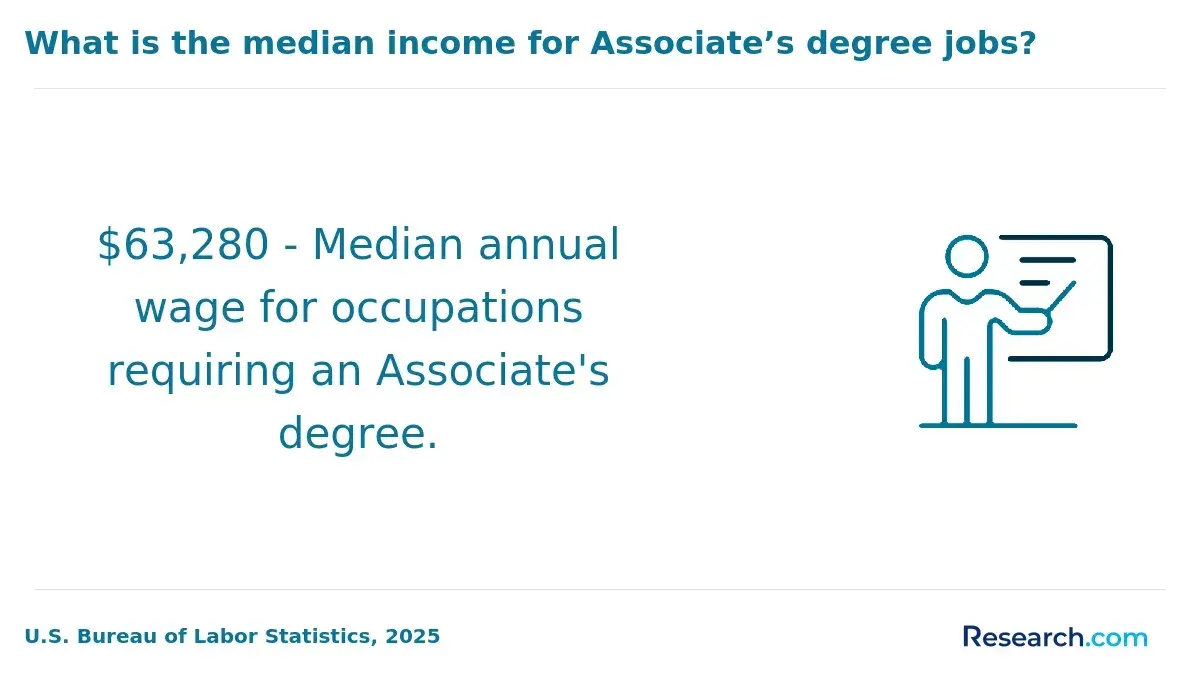
Program length depends on degree level, transfer credits, enrollment intensity, and whether the program follows traditional semesters or accelerated online terms. A full bachelor's degree usually requires about 120 credits, while associate degrees are commonly around 60 credits and certificates can be shorter.
For cost context, the College Board's 2024 Trends in College Pricing data shows how much published tuition can vary before grants and scholarships. These figures are national averages, so they should be used as a planning baseline rather than a quote from any specific online photography program.
- Public four-year in-state tuition and fees: $11,610 on average for the academic year reported in 2024.
- Public four-year out-of-state tuition and fees: $30,780 on average for the academic year reported in 2024.
- Private nonprofit four-year tuition and fees: $43,350 on average for the academic year reported in 2024.
The table below summarizes common timeline and cost considerations. It is meant to help students estimate total investment, not to replace a school's official tuition and fee schedule.
| Credential type | Typical time to finish | Best for | Cost considerations |
| Certificate | Several months to about 1 year | Students who need targeted skills in editing, lighting, business, or portfolio development. | Lower total cost, but may not carry the same employer or transfer value as a degree. |
| Associate degree | About 2 years full time | Students seeking entry-level training or a lower-cost path before transferring. | Can reduce bachelor's cost if credits transfer cleanly into a four-year program. |
| Bachelor's degree | About 4 years full time, less with transfer credit | Students who want a broader credential, stronger portfolio sequence, and more general education. | Higher total cost, but may offer broader career flexibility in media, marketing, and creative production. |
| BFA | About 4 years full time | Students who want intensive studio, critique, and portfolio training. | May require more studio-specific courses, equipment, software, and portfolio time. |
Students comparing accelerated formats should be realistic about workload. Some fields have clearly defined fast-track options, such as certain architecture degree online pathways, but photography programs still require time for shooting, critique, revision, and portfolio development. Compressing the schedule can save time, but it may reduce the space needed to build a strong body of work.
To reduce cost, ask each school about transfer credits, prior learning assessment, military benefits, employer tuition assistance, scholarship eligibility, subscription software discounts, and whether students can use existing camera equipment. Also compare total program cost, not only per-credit tuition, because fees, gear, printing, portfolio hosting, storage, and travel for optional residencies can add up.
What photography and creative-industry careers can graduates pursue with an online digital photography degree?
Graduates of online digital photography programs can pursue self-employment, studio work, media roles, marketing jobs, and hybrid creative positions. The degree is most valuable when paired with a strong portfolio, business skills, and a clear niche.
The career paths below show common options and how photography business skills apply. Actual requirements vary by employer, client market, region, and portfolio strength.
| Career path | Typical responsibilities | Business skills that matter |
| Portrait or wedding photographer | Photograph individuals, families, couples, ceremonies, and events; edit galleries; deliver print or digital packages. | Pricing, scheduling, client communication, contracts, upselling, referrals, and brand reputation. |
| Commercial or product photographer | Create images for advertising, e-commerce, catalogs, food brands, and product launches. | Usage licensing, estimates, production planning, client briefs, retouching workflow, and repeat account management. |
| Real estate or architectural photographer | Photograph properties, interiors, exteriors, rentals, and commercial spaces. | Fast turnaround, local SEO, broker relationships, package pricing, drone rules, and image delivery systems. |
| Photo editor or digital imaging specialist | Select, retouch, color-correct, organize, and prepare images for publication or client delivery. | Workflow efficiency, metadata, quality control, software expertise, and communication with creative teams. |
| Content creator or visual brand specialist | Produce photo and short-form visual content for brands, agencies, nonprofits, or personal channels. | Audience strategy, analytics, campaign planning, platform adaptation, and brand consistency. |
| Studio owner or freelance creative entrepreneur | Manage clients, shoots, assistants, vendors, marketing, finances, and long-term business growth. | Bookkeeping, pricing, contracts, lead generation, customer experience, and strategic specialization. |
Photography is also increasingly connected to other applied degree fields because visual content supports marketing, education, science communication, and e-commerce. If you are comparing photography with non-arts online bachelor's options, reviewing how an animal science bachelor degree online guide breaks down cost and career fit can help you evaluate whether a specialized degree aligns with your long-term goals.
Students who want stable employment may prefer roles in marketing departments, universities, hospitals, retailers, museums, or media organizations. Students who want creative control may prefer freelancing or studio ownership, but they should be prepared for inconsistent income, self-employment taxes, insurance, client acquisition, and administrative work.
What are typical salary ranges and earning potential for graduates running or working in photography businesses?
Photography income varies widely because many professionals are self-employed, work project-to-project, or combine photography with editing, design, video, teaching, or marketing. A degree can support skill development, but it does not guarantee a specific income level.
The U.S. Bureau of Labor Statistics' May 2024 wage data placed the median annual wage for photographers at about $43,000. For readers, the key interpretation is that the middle of the labor market is modest compared with some other bachelor's-level fields, so business model, niche, location, and client base are central to earning potential.
The table below provides a practical way to think about earning potential by work model. It avoids treating salary as automatic because photography compensation depends heavily on market positioning and volume of paid work.
| Work model | Typical earning pattern | What can raise earning potential | Major limitation |
| Entry-level assistant or junior studio role | Often hourly, part-time, or lower-salary work while building experience. | Reliability, lighting skills, editing speed, and strong references. | May offer less creative control and limited income growth without specialization. |
| Staff photographer | More predictable pay through an employer, usually with assigned work. | Technical versatility, deadline management, video ability, and content-management skills. | Fewer staff roles exist than freelance opportunities in many local markets. |
| Freelance photographer | Income can fluctuate by season, client demand, pricing, and repeat bookings. | Niche expertise, strong sales process, referrals, local SEO, and premium packages. | Requires business administration, taxes, marketing, and financial reserves. |
| Commercial specialist or studio owner | Can exceed general market averages when serving higher-budget clients consistently. | Licensing knowledge, production management, agency relationships, and scalable workflows. | Higher overhead, client acquisition costs, and competition from established providers. |
Students evaluating ROI should compare expected debt with realistic early-career income, not only peak income stories from successful photographers. If the program's total cost is high, look for evidence of strong career support, portfolio outcomes, alumni examples, internship access, and business training that directly supports revenue generation.
What is the job outlook for digital photographers and small photography business owners in the United States?
The job outlook for photographers is stable but competitive. The U.S. Bureau of Labor Statistics' 2024 Occupational Outlook Handbook projected photographer employment to grow 4% from 2022 to 2032, which is roughly in line with the average for all occupations. For students, this means the field is not disappearing, but simply earning a degree is not enough to stand out.
Several trends are reshaping opportunities for digital photographers and small photography business owners in the United States. These trends affect how students should choose coursework, build portfolios, and position their services.
- AI-assisted editing is speeding up culling, retouching, masking, and image organization, so photographers need judgment, direction, ethics, and client communication in addition to software skills.
- E-commerce, local business marketing, real estate, and social media continue to create demand for fresh visual content, especially for photographers who can deliver consistent brand-ready images quickly.
- Clients increasingly expect hybrid services, including short-form video, behind-the-scenes content, basic design assets, and platform-ready files.
- Competition remains high because entry-level equipment and editing tools are more accessible, making business differentiation and client experience more important.
- Copyright, model releases, drone rules, and AI image disclosure practices are becoming more important for professional credibility and risk management.
Small photography business owners should think beyond "getting more followers." A healthier strategy is to define a profitable niche, build a repeatable client process, maintain a clear pricing structure, and track the cost of time, editing, software, gear, insurance, and marketing.
Students who want resilience should build adjacent skills while enrolled. Video editing, digital asset management, basic web publishing, search optimization, email marketing, and analytics can make a photographer more useful to employers and more capable as a business owner.
How can students evaluate and choose a high-quality, accredited online digital photography program?
Choosing a high-quality online digital photography program requires more than comparing tuition and looking at sample student images. The right program should fit your creative goals, budget, learning style, and business plan.
Use the following steps before enrolling. They are designed to help you avoid common mistakes and compare programs on outcomes that matter.
- Confirm institutional accreditation through the school's accreditor and federal recognition status, especially if you plan to use financial aid or transfer credits later.
- Review the curriculum for both creative depth and business training, including copyright, contracts, pricing, marketing, portfolio development, and client communication.
- Ask how online critique works, how often instructors provide feedback, and whether critiques are live, recorded, written, or peer-based.
- Request a current list of required equipment, software, printing, cloud storage, and optional residency or travel expenses.
- Compare total program cost after transfer credits, scholarships, employer assistance, military benefits, and estimated fees.
- Look for portfolio outcomes that match your intended niche, such as portrait, commercial, product, real estate, editorial, documentary, or fine-art photography.
- Ask about career support, internships, alumni networks, business mentorship, exhibition opportunities, and help with freelance readiness.
- Check state authorization and online student support services if you live outside the school's home state.
Red flags include vague curriculum descriptions, no clear faculty feedback process, unclear accreditation, pressure to enroll quickly, missing total-cost estimates, or a portfolio sequence that does not require revision. Another warning sign is a program that talks about creativity but never addresses contracts, licensing, client management, or pricing.
Students comparing creative degrees with other online pathways should use the same cost-and-fit discipline used in applied professional programs.
The best choice is usually the program that helps you graduate with a targeted portfolio, a practical business plan, manageable debt, and enough technical confidence to serve real clients. If a lower-cost certificate can accomplish your immediate goal, that may be smarter than a full degree. If you want broader creative-industry mobility, a bachelor's program may be worth the longer timeline.
Other Things You Should Know About Digital Photography
Most programs require 12 to 18 credits in business-focused courses such as entrepreneurship, pricing, marketing, contracts, and client relations. Some also include 3-credit classes in bookkeeping or small-business management, giving students practical training for running a freelance photography business.
Sometimes, especially for composition, storytelling, social content, or experimental work. However, degree programs that teach lighting, exposure, and professional production usually expect students to use a camera system that allows manual control and higher-quality files.
Some programs discuss aerial imaging, but drone training is not universal. Students interested in paid drone work should also learn FAA requirements, safety rules, insurance issues, and local restrictions before offering services.
References
- Top 5 reasons to study a photography degree online https://www.falmouth.ac.uk/news/top-5-reasons-study-photography-degree-online
- How to Choose the Right Photography Program https://nossi.edu/how-to-choose-the-right-photography-program/
- What Can You Do With a Photography Degree? https://pnca.willamette.edu/academics/bfa/photography/career-options
- Photography Course Toronto: Online Training vs In-Person School Comparison https://www.canadianphotographyschool.ca/blog/photography-course-toronto-online-vs-inperson-comparison/
- The State of Photography as a Career - NANPA https://nanpa.org/2018/11/12/the-state-of-photography-as-a-career/
- College Certificate vs Online Photography School | Cameraderie https://cameraderie.org/threads/college-certificate-vs-online-photography-school.56322/
- How Much Does it Cost to Learn Photography? https://blog.nobledesktop.com/learn/photography/photography-cost-to-learn
- The Photography Industry: Where We Are And Where It's Headed https://www.ocus.com/resources/the-photography-industry-where-we-are-and-where-its-headed
- What careers can you do with a Photography degree? | University for the Creative Arts https://www.uca.ac.uk/blogs/careers-with-a-photography-degree/
- Which fields can I work in post pursuing an online photography course? https://www.careers360.com/question-can-you-name-some-popular-digital-photography-experts-across-the-globe