2027 Online Digital Photography Degrees With Strong Professional Writing Training

Co-Founder and Chief Data Scientist
Choosing an online digital photography degree is harder when your goal is not just taking strong images, but also writing captions, essays, stories, grants, brand copy, or visual content strategies. The U. S. Bureau of Labor Statistics reported a $42,520 median annual wage for photographers in May 2024, while writing-adjacent creative roles often show different earning paths. This guide is for students, career changers, freelancers, and visual storytellers who want a degree that builds both camera skills and professional communication. You will learn how programs compare, what they cost, and how to judge career fit.
Key Things You Should Know
- Few online photography degrees are formally labeled "writing-focused," so students should look for accredited programs that combine digital imaging, portfolio development, visual storytelling, art history, business communication, and writing-intensive general education.
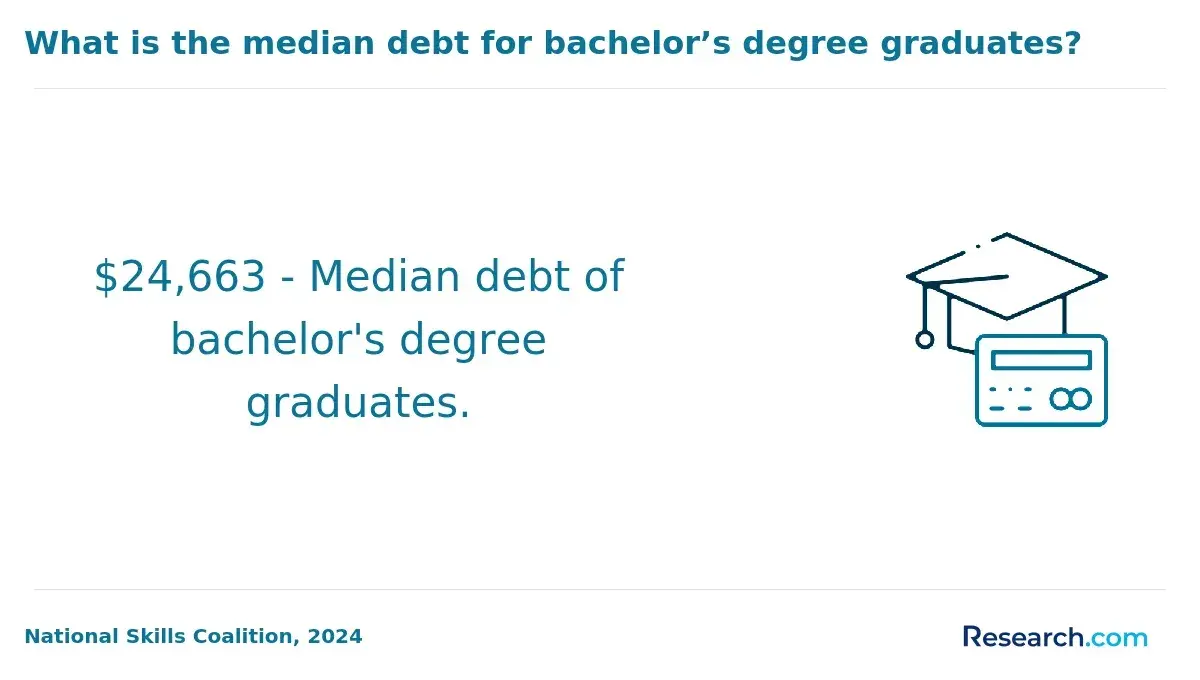
- Typical bachelor's completion time is about four years full time, but transfer credits, associate pathways, and prior learning credit can shorten the timeline; College Board's 2024 data places average published tuition and fees at $11,610 for in-state public four-year students and $43,350 for private nonprofit four-year students.
- Career outcomes vary widely: BLS May 2024 data lists photographers at a $42,520 median annual wage, while related communication roles such as writers and authors show a $72,270 median, making writing skills useful for broadening options beyond client shoots alone.
What is an online digital photography degree with strong professional writing training?
An online digital photography degree with strong professional writing training is a college program that teaches image-making and image communication together. Students usually study camera operation, lighting, digital editing, color, visual composition, history of photography, portfolio development, and professional practices. The writing component may appear through composition, art criticism, visual culture essays, artist statements, grant writing, journalism, marketing copy, content strategy, or capstone documentation.
The key phrase is with strong professional writing training. Most programs will not use that exact label, so students need to inspect the curriculum instead of relying on the degree title. A strong match usually gives repeated opportunities to explain creative choices, write for audiences, prepare captions or proposals, and present work in professional language.
This degree fits students who want to become photographers, multimedia content creators, editorial assistants, brand storytellers, photo editors, social media producers, or freelancers who must pitch and explain their work. It may not be the best option for students who want a writing-only career, a heavily technical computer science path, or a fine-art studio experience that depends on in-person darkroom access.
Students who discover that their main interest is layout, branding systems, typography, and visual identity may want to compare photography curricula with an accredited online graphic design degree, because graphic design programs usually place more emphasis on commercial design production than camera-based visual storytelling.
How do online digital photography degrees compare with campus-based programs for writers?
Online and campus-based photography programs can both support writers, but they create different learning conditions. The better choice depends on whether you need flexibility, studio access, peer critique, networking, or a structured campus routine.
The table below compares the main decision points for students who want both photography and writing development. Use it to decide which format better matches your schedule, learning style, and portfolio needs.
| Comparison point | Online digital photography degree | Campus-based photography program | Best fit |
| Schedule | Often asynchronous or hybrid, useful for working adults and freelancers | Fixed studio, critique, and lecture times | Online for flexibility; campus for structure |
| Writing practice | Usually strong in discussion boards, written critiques, artist statements, and digital submissions | Often combines oral critiques with essays, research papers, and exhibition statements | Either can work if writing is embedded across courses |
| Studio access | Students may need their own camera, computer, software, lighting, and local shooting locations | May include school studios, lighting labs, printers, darkrooms, or equipment checkout | Campus for students who need specialized facilities |
| Networking | Built through online critique groups, faculty feedback, internships, and local projects | Built through campus events, exhibitions, visiting artists, and peer cohorts | Campus for local art-scene immersion; online for geographically flexible networking |
| Portfolio development | Often designed around digital portfolios, websites, and remote critique | May include physical exhibitions and in-person portfolio reviews | Online for web-first careers; campus for gallery-centered goals |
Online study makes sense if you need to work while enrolled, already own basic equipment, or want to build a web-based portfolio. Campus study may be stronger if you need hands-on access to studios, advanced printing, or a local creative community. The biggest mistake is assuming online automatically means easier; strong programs still require frequent shooting, editing, writing, revision, and critique participation.
Which U.S. schools offer accredited online digital photography degrees with writing focus?
Several U.S. institutions offer online photography-related degrees through regionally accredited colleges or universities. However, "writing focus" is usually found in the course mix rather than the program name, so students should verify current catalog requirements before applying.
The table below identifies examples of accredited U.S. schools to research. It is not a ranking; it is a starting point for comparing online availability, accreditation, and writing-support signals.
| School | Example online photography degree | Institutional accreditation | Writing-related features to check |
| Southern New Hampshire University | BA in Digital Photography | New England Commission of Higher Education | Composition, storytelling, business communication, portfolio writing, and career documents |
| Arizona State University Online | BFA in Art with digital photography concentration or photography-focused pathway | Higher Learning Commission | Writing-intensive general studies, art history analysis, visual culture, and capstone communication |
| Academy of Art University | BFA in Photography through online learning options | WASC Senior College and University Commission | Concept statements, critique writing, professional presentation, and creative development courses |
| Savannah College of Art and Design | Online photography degree options through SCADnow | Southern Association of Colleges and Schools Commission on Colleges | Art history, criticism, professional practice, portfolio presentation, and written project framing |
| Rocky Mountain College of Art + Design | Online BFA in Photography | Higher Learning Commission | Writing, humanities, critique, artist statements, and professional portfolio documentation |
Before treating any program as a final choice, confirm that the specific degree is still available online, that photography courses are offered in the term you need, and that distance learners receive the same writing center, library, faculty feedback, and career services access as campus students.
What admission requirements apply to online digital photography degrees that emphasize writing?
Admission requirements vary by school and degree level, but online undergraduate photography programs usually evaluate academic readiness more than professional experience. Portfolio requirements are common at art schools and less common at broad-access universities.
Applicants should prepare the following materials early because missing one item can delay enrollment, transfer-credit review, or financial aid processing.
- High school diploma, GED, or prior college transcript: Bachelor's programs require proof of secondary completion, while transfer applicants must submit official college transcripts.
- Application form and fee: Some schools waive fees during admissions events, but students should not choose a program based only on a temporary waiver.
- Portfolio or sample images: Art-focused programs may ask for 10 to 20 images, while other online programs may admit beginners and build portfolio courses into the curriculum.
- Writing sample or personal statement: A short essay can show whether you can describe visual ideas clearly, which matters in programs that use written critique and artist statements.
- Technology readiness: Students may need a digital camera, editing-capable computer, storage, internet access, and software such as Adobe Creative Cloud or approved alternatives.
- English placement or composition requirement: Schools may use prior coursework, placement rules, or transfer credits to determine whether you start in college composition.
Students with weaker academic records should ask whether the school offers conditional admission, tutoring, writing labs, or first-year success courses. Students with substantial photo experience should ask whether portfolio review, prior learning assessment, or transfer credit can reduce time and cost.
What core courses and writing-intensive classes are included in these photography programs?
A strong online digital photography curriculum should teach both production and explanation. In practical terms, that means students do not only submit images; they also explain purpose, audience, technique, ethical choices, and professional context.
The following course areas are especially important when comparing programs because they signal whether the degree supports both visual craft and professional writing.
- Digital photography foundations: Camera controls, exposure, lenses, file formats, and composition.
- Lighting and studio methods: Natural light, artificial light, portrait lighting, product photography, and controlled shoots.
- Digital editing and workflow: Lightroom, Photoshop, color correction, retouching, asset management, and output preparation.
- History of photography and visual culture: Research-based writing about movements, photographers, representation, and social context.
- Photo critique and visual analysis: Written and verbal feedback that builds the ability to defend creative decisions.
- Professional writing or business communication: Client emails, proposals, estimates, captions, artist statements, press materials, and project summaries.
- Media ethics and copyright: Consent, releases, image manipulation, attribution, generative AI concerns, and responsible storytelling.
- Portfolio or capstone: A polished body of work supported by written context, audience strategy, and career presentation.
Students who want commercial content roles should also look for electives in marketing, social media, journalism, web design, or entrepreneurship. If your goal is less about photography as an art form and more about campaign performance, brand messaging, and content distribution, a cheapest online marketing degree comparison can help you weigh a marketing-first path against a photography-first degree.
How long do online digital photography degrees take and what do they cost?
Most online bachelor's degrees in digital photography require about 120 credits and take roughly four years of full-time study. Associate degrees may take about two years, while completion programs can be shorter for students who transfer substantial credits.
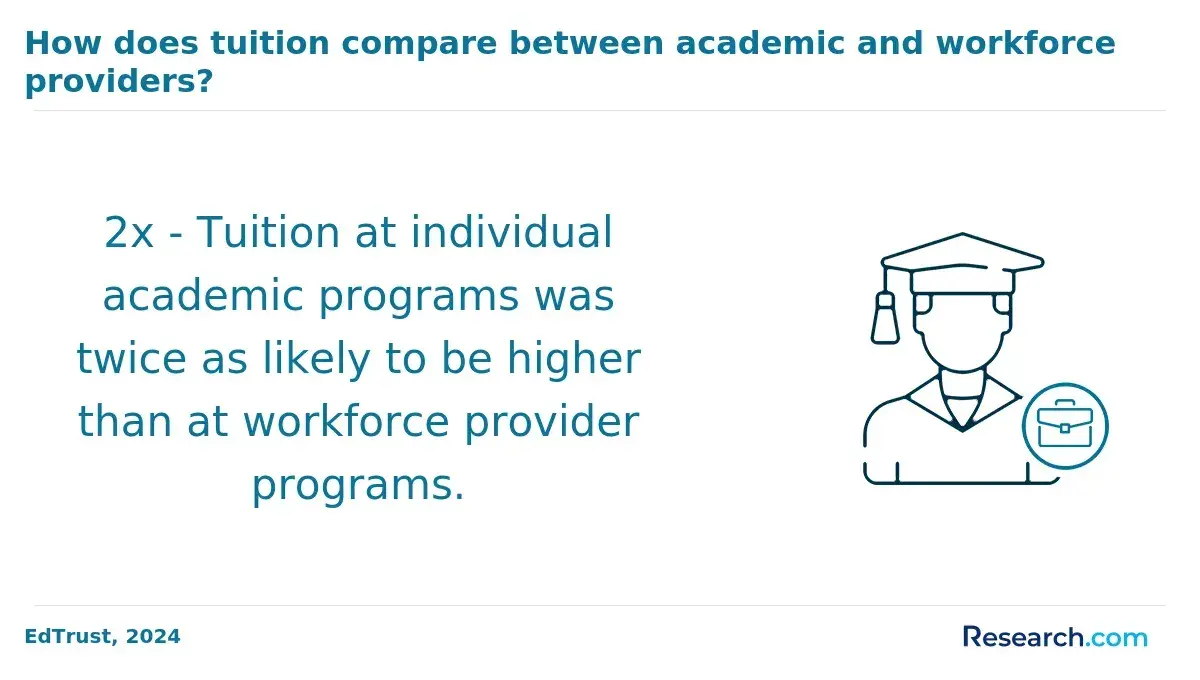
Cost depends on institution type, transfer policy, fees, equipment, software, and whether tuition is charged per credit or per term. College Board's 2024 Trends in College Pricing and Student Aid reported average published tuition and fees of $11,610 for in-state students at public four-year institutions and $43,350 at private nonprofit four-year institutions for the 2024-25 academic year; online photography students should use those figures as broad benchmarks, not program-specific quotes.
The table below summarizes common timeline and cost factors. It helps distinguish the sticker price from the total amount you may actually need to budget.
| Factor | What to expect | Why it matters |
| Bachelor's degree length | Often about 120 credits | Full-time students may finish in about four years; part-time students take longer |
| Transfer credits | Policies vary by school | Accepted credits can reduce tuition and time to completion |
| Tuition model | Per-credit, flat-rate, or term-based pricing | Flat-rate pricing can favor full-time students, while per-credit pricing may suit part-time learners |
| Equipment | Camera, lenses, storage, computer, calibration tools, lighting, or printer access may be required | Photography programs can have meaningful costs beyond tuition |
| Software | Subscription or school-provided access varies | Students should ask whether editing software is included in fees |
| Financial aid | Federal aid generally requires eligible enrollment at an accredited institution | Accreditation affects aid access and credit transfer options |
To control cost, compare the total program price rather than just tuition. Ask admissions staff for a written estimate that includes technology fees, course fees, software, books, equipment, graduation fees, and any required campus visits.
What careers combine digital photography skills with professional writing competencies?
Digital photography and professional writing combine well in careers where images need context, captions, campaigns, stories, metadata, proposals, or audience strategy. This combination is especially useful for freelancers, because independent photographers often write their own pitches, contracts, website copy, grant applications, and client communications.
The table below shows career paths where photography and writing reinforce each other. These are not guaranteed outcomes from a degree; they are roles where the skill combination can be relevant.
| Career path | How photography is used | How writing is used | Typical employers or clients |
| Editorial photographer | Produces images for magazines, news, features, and digital publications | Writes captions, pitches, story notes, and background summaries | Media companies, publishers, agencies, freelance clients |
| Content creator or brand storyteller | Creates visual assets for campaigns, websites, and social platforms | Writes posts, scripts, captions, content briefs, and campaign copy | Brands, nonprofits, agencies, small businesses |
| Photo editor or visual producer | Selects, edits, sequences, and evaluates images | Writes captions, metadata, licensing notes, and editorial guidance | Publishers, newsrooms, archives, marketing teams |
| Commercial photographer | Creates product, portrait, event, food, fashion, or real estate images | Writes proposals, estimates, usage terms, client emails, and website copy | Businesses, agencies, entrepreneurs, direct clients |
| Arts administrator or gallery assistant | Documents exhibitions, artists, collections, and events | Writes wall text, press releases, grant content, and artist bios | Museums, galleries, universities, cultural nonprofits |
This degree is most useful when paired with a portfolio that proves both abilities. A student should graduate with a website that includes image galleries, project statements, a resume, sample captions, a short bio, and at least one longer written piece such as a photo essay, campaign case study, or exhibition proposal.
What salary ranges and earning potential exist for photography professionals who also write?
Salary potential depends on role, location, employment type, portfolio quality, client base, industry, and whether a person works as an employee or freelancer. Photography income can be uneven, so writing skills may help by opening related roles in content, communications, editing, and marketing.
The table below uses BLS May 2024 median annual wage data for U.S. occupations that can overlap with photography and writing. Medians are not starting salaries and do not predict individual earnings, but they are useful for comparing broad labor-market categories.
| Occupation | May 2024 median annual wage | How it connects to photography and writing |
| Photographers | $42,520 | Core image-making role; writing can support captions, proposals, and client acquisition |
| Writers and authors | $72,270 | Relevant to photo essays, branded storytelling, scripts, articles, and editorial content |
| Editors | $75,260 | Useful for photo editing, content sequencing, publishing workflows, and quality control |
| Public relations specialists | $69,780 | Connects to media kits, campaign imagery, press materials, and brand communication |
| Graphic designers | $61,300 | Relevant when photography is used in layouts, campaigns, digital assets, and brand systems |
The main salary lesson is that photography alone is not the only possible outcome. Students who build writing, editing, marketing, and production skills may be able to compete for hybrid roles, though employers will still judge candidates by portfolio quality, communication ability, reliability, and industry experience.
What is the job outlook for digital photographers with strong writing and content skills?
The job outlook for digital photographers with writing and content skills is mixed but not discouraging. BLS projections using the 2024 employment base show photographer employment growing about as fast as average over the 2024-34 period, but competition remains strong because many people can enter the field through freelance work, short courses, or self-directed portfolios.
The strongest opportunity is often in hybrid work. Employers and clients increasingly need people who can create images, organize digital assets, write captions, understand copyright, publish across platforms, and adapt content for multiple audiences. AI image tools also affect the market: they can speed concepting and editing, but they increase the value of photographers who can document real events, manage ethical consent, direct shoots, and explain visual decisions clearly.
Students who want to work near automated imaging, computational creativity, or content technology may benefit from understanding adjacent technical education options, including AI degrees online. That does not mean every photographer needs an AI degree, but it does mean visual professionals should understand how AI changes workflows, disclosure expectations, and client conversations.
To improve employability, students should avoid waiting until graduation to build proof of skill. A practical path is to complete small client-style projects each term, publish polished writing with each portfolio piece, and track measurable results such as audience engagement, publication credits, sales conversions, or exhibition outcomes when available.
How can students choose a reputable online digital photography program with robust writing support?
Choosing a reputable online digital photography program requires more than finding attractive sample images on a school website. The best fit is the program that matches your career goal, budget, learning style, equipment access, and need for writing support.
Use the following steps before enrolling. They are designed to help you avoid common mistakes that can lead to weak portfolios, excess debt, or limited transfer options.
- Verify institutional accreditation: Check the accreditor listed by the school and confirm that the institution is recognized for federal aid purposes.
- Read the full curriculum: Look for repeated writing practice, not just one required composition course in the first year.
- Ask for online student outcomes: Request information on retention, graduation, internship support, portfolio review, and career services for distance learners.
- Calculate total cost: Include tuition, fees, equipment, software, storage, printing, transfer-credit limits, and time away from paid work.
- Review faculty and critique model: Strong programs provide substantive feedback on both images and written explanations.
- Inspect portfolio expectations: Make sure the final portfolio aligns with your target path, whether editorial, commercial, fine art, nonprofit, or content marketing.
- Confirm support services: Online students should have access to writing centers, library databases, accessibility services, advising, tutoring, and career coaching.
- Ask about internships or local alternatives: If the school is not near you, ask how it supports field experience in your area.
Common red flags include vague tuition pages, pressure to enroll immediately, unclear accreditation language, no published curriculum, limited faculty access, no writing center for online students, or promises about income after graduation. Veterans and military-connected students should also compare benefit certification, transfer policies, and advising quality; resources such as the guide to the best online electrical engineering degree programs for veterans can help identify support questions that apply across online degree fields.
The smartest choice is usually not the most famous or the cheapest program by sticker price. It is the accredited program that helps you graduate with low unnecessary debt, a credible portfolio, strong written communication samples, and a realistic plan for the type of creative work you want to pursue.
Other Things You Should Know About Digital Photography
Most online digital photography degrees with writing training require 6 to 9 semester credits in composition, visual communication, or media writing. Common course names include English Composition I and II, photojournalism writing, and artist statement development, plus a capstone that includes critique papers and captions.
Good programs usually address copyright, licensing, model releases, privacy, and ethical image use. Students who plan to freelance should still learn contract basics and may need legal guidance for complex commercial work.
In 2027, online digital photography degree programs generally do not require students to start with an expensive camera. Many programs suggest starting with a DSLR or mirrorless camera, but some course elements may allow for the use of smartphone cameras initially. Investing in quality equipment is typically advised as students advance in their studies.
References
- What is a Photographer? - Career Insights | Teal https://www.tealhq.com/career-paths/photographer
- Is Photography a Good Career in 2026? Scope, Jobs & Salary Guide https://www.hamstech.com/hamstech-blog/is-photography-good-career-in-2026
- How Much Do Photographers Make | Full Frame Insurance https://www.fullframeinsurance.com/blog/how-much-do-photographers-make
- Photography Jobs Outlook 2026: Is Studying Photography Still a Good Career Investment? https://www.baph.co.uk/blog/photography-jobs-outlook-2026--is-studying-photography-still-a-good-career-investment-
- Digital Photography https://www.learndirect.com/course/digital-photography
- Imagining a Career in Creative & Media Arts https://www.futuresforall.org/post/imagining-a-career-in-creative-media-arts
- How Photography Skills will Boost your Career - Learn Photography Canada https://learnphotographycanada.com/photography-careers/
- What Can You Do With a Photography Degree? https://pnca.willamette.edu/academics/bfa/photography/career-options
- Professional Photography in 1 year - Photography Programs & Courses https://speos-photo.com/en/1-year-photography-programs/professional/
- Professional Photography - College for Arts and Technology https://collegeforartsandtech.com/programs/professional-photography/