2027 How to Compare Online Digital Photography Degrees by Career Alignment

Co-Founder and Chief Data Scientist
Choosing an online photography program is really a career decision: the right degree should build the portfolio, software skills, and business habits needed for the work you want. The U.S. Bureau of Labor Statistics reports a May 2024 median annual wage of $42,520 for photographers and projects 4% employment growth from 2024 to 2034, so competition and specialization matter.
This guide is for prospective students comparing programs, costs, formats, and outcomes so they can choose a degree that fits a realistic creative career path.
Key Things You Should Know
- Compare programs by career track first: commercial photography, portrait and wedding work, photojournalism, fine art, product and e-commerce imaging, social media content, or imaging support for design and marketing.
- Use current labor-market context carefully. The BLS reports a May 2024 median annual wage of $42,520 for photographers, but income varies widely by location, client base, portfolio quality, and freelance business strength.
- Check accreditation, total cost, critique quality, software access, portfolio requirements, internship support, and alumni outcomes before enrolling; tuition alone does not show whether a program is a good career investment.
What is an online digital photography degree and how does it prepare you for today's careers?
An online digital photography degree is a college program that teaches image capture, lighting, editing, visual storytelling, portfolio development, and professional production workflows through a distance-learning format. Depending on the school, the credential may be called photography, digital photography, photographic arts, visual arts with a photography concentration, or media arts with imaging coursework.
Students usually learn through recorded demonstrations, live critiques, photo assignments, editing labs, discussion boards, portfolio reviews, and capstone projects. A strong digital photography degree online should prepare students not only to take technically strong photographs, but also to plan shoots, communicate with clients, price creative work, meet deadlines, use editing software responsibly, and present a coherent body of work.
The most useful degree level depends on how much career preparation you need and how far you want to advance. This table summarizes the common options and the career alignment each one tends to support.
| Credential | Typical focus | Best fit | Career alignment |
| Certificate | Camera basics, lighting, editing, and portfolio samples | Beginners, hobbyists, or working adults testing the field | Entry-level freelance projects, assistant roles, or skill upgrades |
| Associate degree | Technical photography, digital editing, general education, and introductory business skills | Students seeking faster workforce entry or transfer preparation | Studio assistant, portrait photographer, product imaging assistant, or transfer to a bachelor's program |
| Bachelor's degree | Advanced visual communication, portfolio development, art history, concept development, and professional practice | Students seeking a broad creative career foundation | Commercial photography, editorial work, e-commerce imaging, fine-art practice, or media production roles |
| Master's degree | Advanced creative research, teaching preparation, critical theory, and exhibition-ready portfolio development | Experienced artists or educators | College teaching, fine-art practice, advanced studio leadership, or interdisciplinary visual work |
A photography degree is most useful when it produces a portfolio that matches employer or client expectations. If a program emphasizes theory but offers little feedback on real photo assignments, it may be less helpful for career entry than a lower-cost program with stronger critique, internship, and portfolio support.
How can you compare online digital photography degrees by specialization and career focus areas?
The best way to compare online digital photography degrees is to start with the type of work you want to do after graduation. A program built for fine-art photography may not be the best fit for e-commerce product imaging, and a commercial program may not provide enough visual theory for students planning graduate study or gallery-based work.
Use specialization as a filter before you compare tuition, rankings, or course convenience. The career focus should shape the assignments you complete, the software you learn, and the portfolio pieces you graduate with.
| Career focus area | What the program should emphasize | Portfolio evidence to look for | Best-fit student |
| Commercial and advertising photography | Studio lighting, product photography, client briefs, retouching, and production planning | Product shots, lifestyle campaigns, brand-oriented visual sets, and lighting diagrams | Students who want agency, brand, or freelance client work |
| Portrait, wedding, and event photography | People posing, natural and artificial light, workflow speed, editing consistency, and client service | Portrait series, event galleries, color-consistent deliverables, and client-ready packages | Students interested in small-business or freelance practice |
| Photojournalism and documentary | Ethics, captioning, visual reporting, field assignments, and narrative sequencing | Documentary essays, news-style captions, and issue-based visual stories | Students drawn to editorial, nonprofit, or community storytelling |
| Fine-art photography | Concept development, critique, art history, exhibition practice, and artist statements | Cohesive bodies of work, exhibition mockups, and written project statements | Students planning gallery work, residencies, or graduate visual arts study |
| Digital content and social media imaging | Fast production workflows, short-form visual campaigns, branding, analytics awareness, and cross-platform content | Campaign sets, vertical imagery, platform-ready assets, and brand style consistency | Students aiming for creator, marketing, or content production roles |
If your long-term goal is advanced studio practice, college teaching, or a more interdisciplinary creative career, compare undergraduate photography programs with possible graduate options such as an online MFA visual arts. That does not mean every photographer needs a master's degree; it means your bachelor's program should leave you with the academic and portfolio foundation required if graduate study becomes part of your plan.
Before choosing a specialization, review actual student work when available. Admissions pages can sound similar, but student portfolios reveal whether the program's assignments are producing the kind of visual outcomes you want to show clients, employers, or graduate admissions committees.
What accreditation should online digital photography programs have, and why does it matter for careers?
Accreditation is a quality-control signal that matters for transfer credit, federal financial aid eligibility, graduate school options, and employer trust. For most students, the first requirement is institutional accreditation from an accreditor recognized by the U.S. Department of Education or the Council for Higher Education Accreditation.
Some art and design programs may also hold specialized accreditation, such as accreditation connected to art and design education. Specialized accreditation is not always required for photography careers, but it can indicate that the curriculum, faculty credentials, facilities, and student work have been reviewed against discipline-specific standards.
When you check accreditation, focus on what it affects in practical terms. A school can advertise an appealing online photography program, but weak or unclear accreditation can limit your options later.
- Confirm institutional accreditation on the school's official accreditation page and through recognized accreditation databases, not only through marketing copy.
- Ask whether credits transfer to public universities, bachelor's completion programs, or graduate visual arts programs if you may continue your education.
- Check whether the program is eligible for federal student aid if you plan to use grants, loans, or work-study.
- Look for any program-specific art, design, or photography accreditation, but do not assume lack of specialized accreditation automatically makes a program low quality.
- Be cautious with schools that use vague language such as "internationally recognized" without naming a recognized accreditor.
Accreditation does not guarantee a job, a high income, or a strong portfolio. It simply reduces avoidable risk by helping you choose a legitimate academic program whose credits and credential are more likely to be accepted by other institutions and employers.
How do online and campus digital photography degrees differ in learning experience and career outcomes?
Online and campus photography degrees can both support career preparation, but they differ in how students access equipment, receive critique, build networks, and complete hands-on assignments. The best format depends on your schedule, location, learning style, and access to a camera, lighting, editing software, and suitable shooting environments.
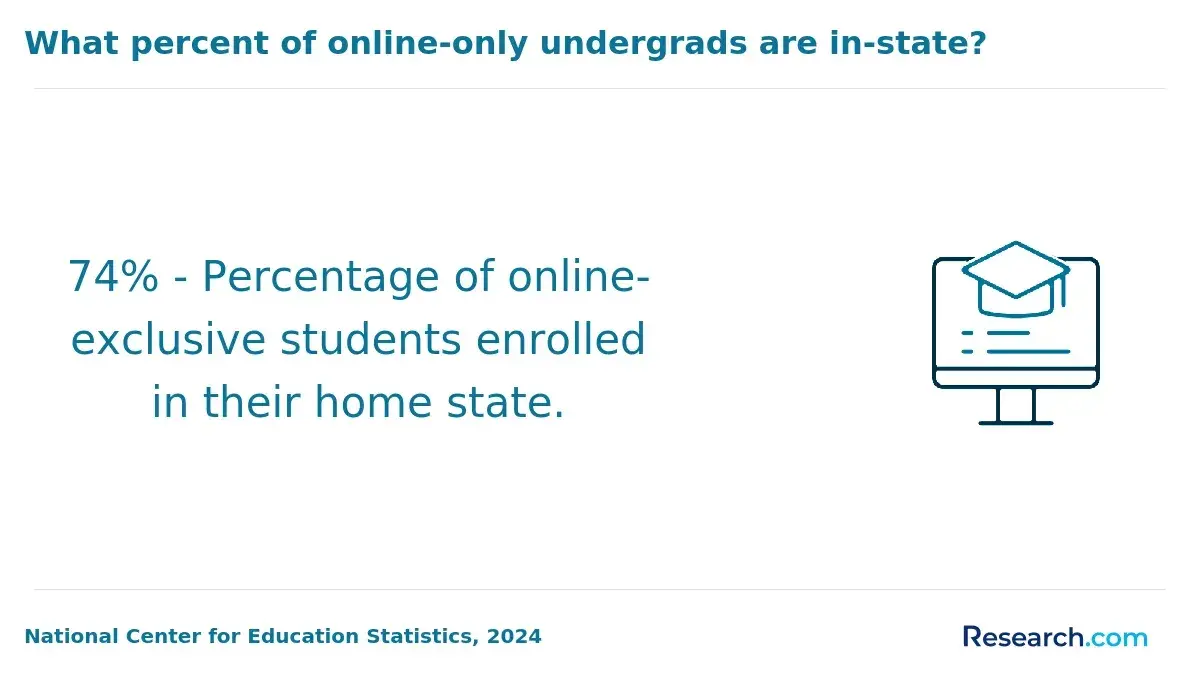
Online learning has become a normal part of U.S. higher education, not a fringe option. NCES distance education data published in 2024 shows that online coursework is now common across undergraduate education, which means employers are generally more focused on portfolio quality and skill evidence than on whether every course was completed in person.
| Comparison point | Online degree | Campus degree | Decision takeaway |
| Flexibility | Often better for working adults, parents, military students, and students outside major art-school markets | More fixed schedule with studio, lab, and critique times | Choose online if schedule control is essential |
| Equipment access | Students may need their own camera, lighting, tripod, storage, and editing setup | May provide campus studios, lighting kits, printers, and checkout equipment | Choose campus if you need extensive shared gear access |
| Critique experience | Delivered through video calls, recorded feedback, peer boards, and digital markups | Often includes live studio critique and informal faculty interaction | Choose the format with the strongest feedback system, not just the most convenient schedule |
| Networking | May rely on virtual events, local internships, online communities, and faculty introductions | Often includes campus exhibitions, local creative networks, and in-person visiting artists | Online students should be intentional about building local and digital networks |
| Portfolio outcome | Can be strong if assignments are rigorous and feedback is specific | Can be strong if studio access and critique are used well | Career outcomes depend more on portfolio relevance than format alone |
Online programs make sense for students who can self-direct shoots, meet deadlines, and build a local network. Campus programs may be better for students who need structured studio access, frequent in-person critique, or close proximity to creative employers and galleries.
What core courses and software skills should a strong online digital photography curriculum include?
A strong online digital photography curriculum should combine technical camera training, visual thinking, editing workflow, portfolio development, and professional practice. If a program focuses only on camera settings or only on art theory, it may leave graduates underprepared for the mixed creative, technical, and business demands of photography work.
Review the course catalog and sample syllabi before applying. The table below shows the curriculum areas that usually matter most for career alignment.
| Curriculum area | What students should learn | Why it matters for careers |
| Camera and exposure control | Manual exposure, lens choice, depth of field, motion, file formats, and image quality | Employers and clients expect technical consistency, not only creative ideas |
| Lighting | Natural light, studio strobes, continuous light, modifiers, metering, and lighting setups | Lighting skill separates casual photographers from professionals in portrait, product, and commercial work |
| Digital editing and workflow | RAW processing, color correction, retouching, file organization, backup systems, and export settings | Efficient workflow affects quality, turnaround time, and client satisfaction |
| Visual storytelling | Sequencing, composition, concept development, narrative, and audience awareness | Strong images need purpose, especially in editorial, documentary, and brand work |
| Business and professional practice | Contracts, licensing, pricing, client communication, copyright basics, and invoicing | Many photographers freelance, so business literacy affects sustainability |
| Portfolio and capstone | Cohesive project development, critique, revision, presentation, and artist or project statements | The portfolio is often the primary hiring and client-selection tool |
Software expectations vary by school, but most students should expect to work with industry-standard editing and asset-management tools. Ask whether the program includes software licenses or whether you must pay separately.
- Adobe Lightroom or Lightroom Classic for image organization, RAW processing, batch editing, and export workflows.
- Adobe Photoshop for compositing, advanced retouching, masking, color work, and image correction.
- Capture One or comparable tethering software for studio, commercial, and product photography workflows when relevant.
- Digital asset management practices for naming files, backing up work, organizing archives, and delivering client-ready galleries.
- Basic video, motion, or social media production tools if the program targets content creation or multimedia roles.
Current technology trends make workflow even more important. AI-assisted masking, noise reduction, generative fill, and automated tagging can speed up production, but photographers still need judgment, ethics, and original image-making skills to avoid generic or misleading work.
What admission requirements and portfolio expectations do online digital photography programs typically have?
Admission requirements depend on degree level and school selectivity. Some online photography programs are open to beginners, while others expect a portfolio that shows technical control, visual curiosity, and readiness for critique.
Most undergraduate programs ask for standard academic materials, and more selective art programs may add a portfolio review. Prepare early because a rushed portfolio can weaken an otherwise strong application.
- High school diploma, GED, or equivalent credential for undergraduate admission.
- Official transcripts from high school and any colleges previously attended.
- Completed application form and application fee, unless the school offers a waiver.
- Portfolio of photographs or visual work, especially for BFA or selective art programs.
- Personal statement explaining creative interests, career goals, and why the program fits.
- Letters of recommendation for some bachelor's, graduate, or selective programs.
- Proof of English proficiency for applicants whose prior education was not completed in English, if required by the school.
Portfolio expectations are usually less about having expensive equipment and more about showing potential. Admissions reviewers often want to see whether you can observe carefully, compose intentionally, revise your work, and explain your creative choices.
To build a stronger application portfolio, follow a focused process rather than uploading every image you like.
- Select images that show range, but make sure the overall portfolio still feels coherent.
- Include work that demonstrates lighting, composition, editing control, and storytelling instead of relying only on interesting subjects.
- Remove repetitive images; one strong photograph is better than five similar versions.
- Write short, clear captions or project notes when the application allows them.
- Ask a teacher, working photographer, or admissions advisor for feedback before submitting.
A common mistake is assuming an online program will be easier to enter and complete. Online photography students still need time for shoots, editing, critiques, equipment setup, and revisions, so admissions readiness should include schedule readiness.
How long do online digital photography degrees take, and what total costs should you compare?
Program length depends on the credential, transfer credits, course load, and whether the program runs on traditional semesters or accelerated terms. A certificate may take a few months to a year, an associate degree usually takes about two years of full-time study, and a bachelor's degree commonly takes four years for first-time students or less for students with transfer credit.
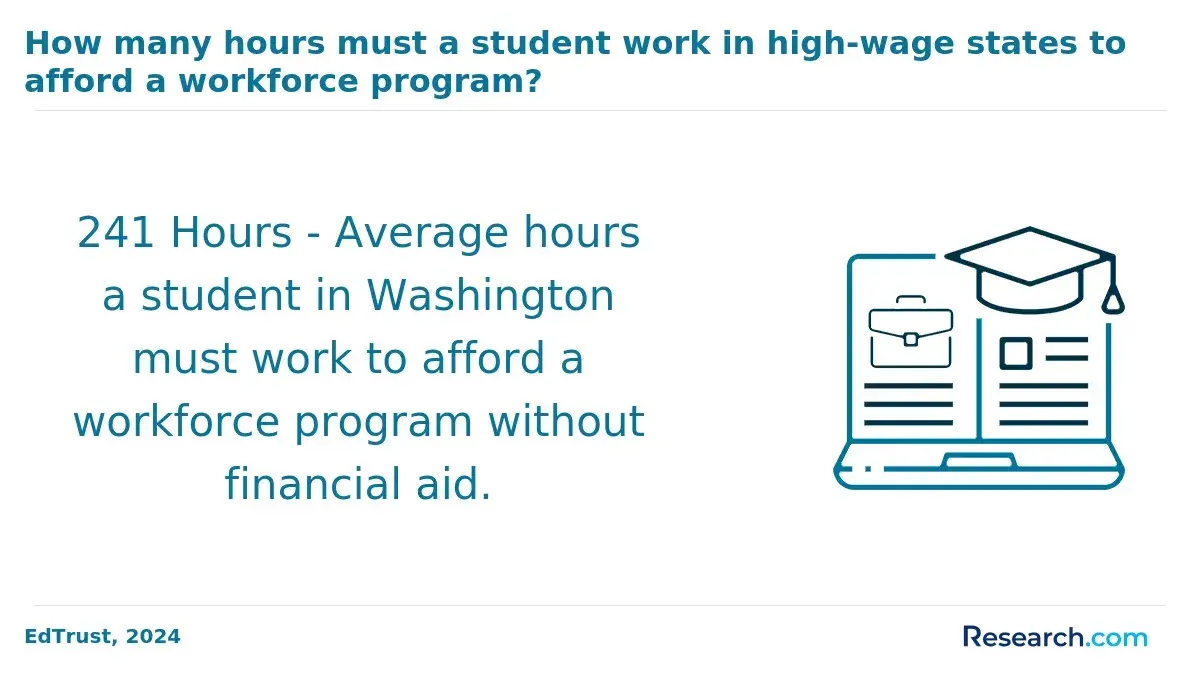
Cost comparison should include more than tuition. College Board's 2024 pricing data lists average published tuition and fees of $11,610 for in-state students at public four-year institutions, $30,780 for out-of-state students at public four-year institutions, and $43,350 at private nonprofit four-year institutions for the 2024-25 academic year. Online students may avoid housing or commuting costs, but they may face equipment, software, technology, and printing expenses.
When comparing total cost, build a realistic budget that includes direct school charges and photography-specific expenses. These are the main categories to review with each admissions or financial aid office.
- Tuition per credit and the total number of credits required for graduation.
- Mandatory online, technology, portfolio, lab, or graduation fees.
- Camera body, lenses, tripod, lighting, memory cards, storage drives, calibration tools, and backup systems.
- Software subscriptions for editing, retouching, file management, and possible video production.
- Printing, framing, exhibition, website, domain, portfolio review, or professional presentation costs.
- Transfer credit policies that can reduce time to completion if prior coursework applies.
- Financial aid eligibility, scholarships, employer tuition support, payment plans, and loan borrowing limits.
If you are comparing photography with other online majors, remember that cost structures differ by discipline. For example, students researching animal science degrees online may need to evaluate lab or fieldwork requirements, while photography students should pay closer attention to gear, software, and portfolio production costs.
Accelerated programs can be worthwhile if you already have credits, a flexible schedule, and a clear career goal. They may be a poor fit if compressed terms leave too little time for shooting, feedback, revision, and portfolio development.
What digital photography careers can these degrees lead to, and what do those roles involve?
Digital photography degrees can lead to freelance, studio, media, marketing, e-commerce, nonprofit, and fine-art pathways. The degree itself is rarely the only hiring factor; employers and clients usually evaluate portfolio relevance, editing quality, reliability, communication, and ability to deliver usable images on deadline.
The table below connects common career directions with day-to-day responsibilities. Use it to decide whether a program's coursework and portfolio requirements match the work you actually want to do.
| Career path | Typical responsibilities | Helpful preparation |
| Commercial photographer | Creates images for products, brands, campaigns, catalogs, and advertising assets | Studio lighting, product styling, client briefs, retouching, licensing, and production planning |
| Portrait or wedding photographer | Photographs individuals, families, couples, events, and client milestones | People skills, posing, lighting, fast editing, contracts, customer service, and small-business operations |
| Photojournalist or documentary photographer | Covers events, communities, news, social issues, or long-form visual stories | Ethics, captioning, visual reporting, fieldwork, editing restraint, and publication standards |
| E-commerce or product imaging specialist | Produces consistent product photos for online retail, marketplaces, and brand catalogs | Repeatable lighting setups, color accuracy, tethered capture, file naming, and high-volume workflow |
| Digital content creator | Produces photography and visual assets for social media, websites, campaigns, and personal brands | Brand storytelling, platform formats, basic video, editing speed, analytics awareness, and audience fit |
| Fine-art photographer | Develops concept-driven bodies of work for exhibitions, grants, residencies, or print sales | Art history, critique, artist statements, printing, sequencing, and exhibition preparation |
| Photo editor or imaging technician | Selects, edits, retouches, archives, and prepares image files for publication or delivery | Digital asset management, retouching, color correction, metadata, and editorial judgment |
Some students discover that their best path is adjacent to photography rather than traditional client photography. Creative people who want to combine visual practice with counseling or human services may explore fields such as art therapy certification, while students who prefer strategy may move toward creative direction, brand content, or visual communications.
To prepare for career entry, do not wait until graduation to build proof of skill. Start with small assignments, local collaborations, campus publications, nonprofit work, internships, assistant roles, or self-directed portfolio projects that mirror the career track you want.
What are typical salaries and job outlook for graduates with online digital photography degrees?
Photography earnings vary more than many degree fields because many professionals freelance, combine multiple income streams, or work project to project. Salary data is useful as a baseline, but it should not be treated as a promise of what a degree will produce.
The U.S. Bureau of Labor Statistics provides the most consistent national labor-market benchmarks. The figures below use May 2024 wage data and 2024 to 2034 employment projections where available, but actual outcomes depend on region, industry, portfolio quality, business development, and experience.
| Occupation category | Relevant photography connection | May 2024 median annual wage | 2024 to 2034 outlook |
| Photographers | Direct match for portrait, commercial, event, news, and freelance photography roles | $42,520 | 4% projected employment growth |
| Film and video editors and camera operators | Related path for students combining photography, video, and digital media production | $70,980 | 3% projected employment growth |
| Graphic designers | Adjacent path for photographers who add layout, branding, and visual communication skills | $61,300 | 1% projected employment growth |
| Art directors | Advanced path for experienced creatives managing visual concepts and teams | $111,040 | 3% projected employment growth |
These numbers show why career alignment matters. A student aiming for freelance portrait photography needs strong client acquisition and business skills, while a student targeting media production may benefit from video, editing, and motion content coursework. The same photography degree can lead to different economic outcomes depending on how intentionally the student builds a marketable portfolio.
AI and automation are also changing expectations. Basic editing tasks are becoming faster, but employers and clients still need photographers who can direct shoots, solve lighting problems, manage people, make ethical choices, and create original visual concepts. Programs that teach both creative judgment and modern workflow tools are better aligned with current hiring needs.
How can you evaluate the quality and career support of an online digital photography program?
Program quality is not determined by the word "online," the school's brand name, or tuition alone. The best programs provide rigorous assignments, responsive critique, relevant software training, career support, and a path to a portfolio that matches your intended market.
Before enrolling, ask specific questions that reveal whether the program can support your goals. Vague assurances are less useful than clear evidence.
- Review student portfolios, senior projects, virtual exhibitions, or capstone examples to judge the level of work the program helps students produce.
- Ask how often students receive faculty critique, whether critiques are live or asynchronous, and how detailed the feedback typically is.
- Confirm faculty experience in the photography areas that interest you, such as commercial, documentary, fine art, product, or editorial work.
- Check whether the school provides internship guidance, freelance business preparation, portfolio reviews, alumni panels, or employer connections.
- Ask what equipment and software are required, what is included in tuition, and what students must buy separately.
- Compare graduation requirements with your career goal to make sure the capstone or portfolio sequence supports your intended specialization.
- Review transfer credit, leave-of-absence, and course availability policies so you understand how delays could affect cost and completion time.
Watch for red flags that can make a program less valuable than it appears. These issues do not always mean you should reject a school immediately, but they should prompt deeper questions.
- No clear accreditation information or confusing claims about recognition.
- Little evidence of student work, faculty critique, or portfolio outcomes.
- Course descriptions that are too broad to show what skills you will actually build.
- Heavy emphasis on enrollment speed with little discussion of workload, equipment, or career fit.
- No transparent cost breakdown for fees, software, gear, printing, or portfolio expenses.
- Career claims that sound guaranteed or unusually specific without explaining the source and limitations of the data.
The smartest final comparison is a simple fit test: will this program help you create the portfolio, network, workflow, and professional habits required for the photography work you want? If the answer is unclear after reviewing the curriculum and speaking with the school, keep comparing options.
Other Things You Should Know About Digital Photography
A strong program should teach Adobe Lightroom and Photoshop, plus RAW processing, color management, and delivery formats such as JPEG, TIFF, and layered PSD files. For editorial or commercial careers, look for coursework that also covers metadata, batch editing, and print-ready export settings.
Sometimes, especially if the images show strong composition, storytelling, and editing judgment. However, degree programs usually expect students to learn dedicated camera controls, RAW workflow, lighting, and file management.
Yes. Photographers should understand image ownership, licensing, permissions, model releases, property releases, and usage rights. Requirements can vary by project, client, and state law, so professional guidance may be needed for commercial work.
It depends on the program, employer, or client. AI-assisted editing may be acceptable when disclosed and used ethically, but portfolios should clearly show your own image-making ability, visual judgment, and original work.
References
- Focus: Is taking a photography course worth it, or is self-taught better? https://focus.picfair.com/articles/is-taking-a-photography-course-worth-it-or-is-self-taught-better
- Photography https://icieducation.ie/courses/design/photography/
- The Importance of Photography Education in Today’s Digital World https://ziipfoundation.org/the-importance-of-photography-education-in-todays-digital-world/
- Learn Photography Online: Top Digital Courses https://proedu.com/blogs/photography-fundamentals/can-i-learn-photography-online-discover-effective-digital-courses
- Learn Photography: Resources, Career Advice & Programs https://www.sessions.edu/digital-photography/
- Online Photography Degrees https://mycollegeguide.org/online-photography-degrees/
- Photography School, Degree, and Career Guide | All Art Schools https://www.allartschools.com/photography/
- Photography Degree https://universitycompare.com/guides/subject/photography-degree
- What Can You Do With A Photography Degree? - What Career Live https://www.whatcareerlive.co.uk/what-can-you-do-with-a-photography-degree/
- What is a Photographer? - Career Insights | Teal https://www.tealhq.com/career-paths/photographer