2027 Online Digital Photography Degrees With the Best Support for Transfer Students

Co-Founder and Chief Data Scientist
Choosing an online digital photography degree is harder when you already have college credits and do not want to lose time or money. The U.S. Bureau of Labor Statistics projects photographer employment to grow 4% from 2024 to 2034, which makes portfolio quality, technical fluency, and transfer efficiency especially important.
This guide is for students comparing accredited online photography programs, transfer policies, costs, timelines, and career outcomes. You will learn how to spot strong transfer support, compare schools, and choose a program that fits your creative and financial goals.
Key Things You Should Know
- Transfer-friendly online digital photography degrees usually accept general education, elective, and some studio credits, but most schools still require a minimum number of credits completed in residence before graduation.
- The BLS reported a May 2024 median annual wage of $42,520 for photographers, so students should evaluate degree cost against portfolio development, client-building opportunities, and career goals rather than assuming a degree alone raises earnings.
- The strongest programs combine institutional accreditation, clear transfer evaluation, portfolio-based courses, digital editing, lighting, visual storytelling, business training, and access to faculty feedback in an online format.
What makes an online digital photography degree a strong option for transfer students?
An online digital photography degree teaches students how to create, edit, organize, publish, and sell photographic work using digital cameras, studio lighting, post-production software, and visual storytelling methods. For transfer students, the strongest option is not simply the program with the lowest tuition. It is the program that applies prior credits efficiently, protects financial aid eligibility, and still gives enough advanced coursework to build a competitive portfolio.
Transfer students often arrive with community college credits, prior art courses, military training, AP or CLEP credit, or an unfinished associate degree. A supportive online program helps them understand which credits apply to general education, electives, and major requirements before they enroll. This matters because unused transfer credits can extend the timeline and increase total cost.
Online digital photography can be a strong fit when the student already has basic camera skills, works part time or full time, lives far from a campus art program, or needs asynchronous coursework. It may be less ideal for students who need daily access to campus studios, darkrooms, specialized lighting labs, or face-to-face critique culture. Many online programs expect students to provide or access their own camera equipment, editing software, and shooting locations.
Strong transfer support usually includes several practical features that reduce uncertainty before enrollment:
- A preliminary transfer credit review before the student commits to the program.
- Published maximum transfer credit limits and residency requirements.
- Clear distinctions between general education, elective, and major-studio transfer credits.
- Advisors who understand art, design, and media production pathways.
- Portfolio review options for students with prior photography or design coursework.
- Degree maps showing how remaining credits fit into full-time or part-time schedules.
The best choice depends on the student's goal. A student who wants commercial freelance work may prioritize business and portfolio courses. A student who wants creative direction, graduate study, or teaching later may benefit from a broader bachelor's degree with art history, theory, and critique. A student who already has a strong portfolio may only need a degree completion pathway that fills credential gaps efficiently.
How do online digital photography degrees compare with campus-based programs for flexibility and quality?
Online and campus-based photography degrees can both be high quality, but they deliver learning differently. The main trade-off is flexibility versus access to physical studio infrastructure. Online programs usually work best for self-directed students who can plan shoots, manage files, meet critique deadlines, and troubleshoot equipment independently.
Quality should be judged by accreditation, faculty experience, critique depth, portfolio outcomes, course sequencing, and student support-not by delivery format alone. Students comparing creative online programs may also find useful parallels in fields such as online master's in instructional design, where the value of the degree often depends on applied projects, feedback, and portfolio-ready work.
The table below compares the major decision points for transfer students choosing between online and campus-based photography study. It is meant to clarify fit rather than declare one format universally better.
| Factor | Online digital photography degree | Campus-based photography degree | Best fit |
| Schedule flexibility | Often asynchronous or low-residency, with project deadlines instead of daily class meetings. | Fixed class, studio, and critique schedules. | Online is stronger for working adults and students with family responsibilities. |
| Transfer credit planning | May offer centralized online advising and degree completion maps. | May require department-level review for studio and art credits. | Either can work if the school provides a written credit evaluation early. |
| Studio access | Students usually rely on personal gear, home setups, rented studios, or local spaces. | Students may use lighting labs, print rooms, galleries, and equipment cages. | Campus is stronger for students who need specialized facilities. |
| Critique experience | Uses discussion boards, video reviews, recorded critiques, and digital submissions. | Uses live group critiques and in-person studio feedback. | Online works for disciplined students; campus may suit students who learn best through live interaction. |
| Portfolio development | Can be highly practical if assignments connect to real locations, clients, or personal projects. | May offer more controlled studio experimentation and exhibition opportunities. | Choose the format that gives you the strongest final portfolio for your target market. |
Online quality has improved because photography is now deeply digital. File management, Lightroom and Photoshop workflows, online portfolio publishing, image licensing, social media presentation, and client communication can all be taught effectively at a distance. However, students should avoid programs that rely mostly on prerecorded lectures without serious critique, revision, and faculty interaction.
Which accredited schools offer online digital photography degrees friendly to transfer credits?
Several accredited U.S. institutions offer online photography or digital photography degrees and publish transfer pathways or credit evaluation processes. The schools below are not ranked by outcome data; instead, they represent practical options to investigate because they combine online availability, recognized institutional accreditation, and transfer-student infrastructure.
Program names, formats, and transfer maximums can change, so students should confirm details directly with each institution before applying. The table focuses on decision factors that matter most for transfer students.
| School | Online photography-related degree option | Institutional accreditation | Transfer-student strengths | Best for |
| Southern New Hampshire University | Online BA in Digital Photography | New England Commission of Higher Education | Known for adult learner advising, online degree maps, and accepting substantial transfer credit toward bachelor's programs when applicable. | Students seeking a flexible, career-oriented digital photography bachelor's degree. |
| Arizona State University Online | Online art or digital photography pathway, depending on current catalog availability | Higher Learning Commission | Large transfer ecosystem, transfer tools, and established online student support. | Students who want a major university environment and broad art-school resources. |
| Academy of Art University | Online photography degrees at undergraduate and graduate levels | WASC Senior College and University Commission | Portfolio-centered creative education and online art-school delivery. | Students prioritizing commercial, fine art, or studio photography training. |
| Savannah College of Art and Design | Online creative arts study with photography-related options subject to current catalog offerings | Southern Association of Colleges and Schools Commission on Colleges | Strong creative-industry reputation, portfolio emphasis, and transfer review procedures. | Students seeking a design-school environment with advanced critique culture. |
| Rocky Mountain College of Art + Design | Online photography or art and design pathways subject to current catalog offerings | Higher Learning Commission | Art-focused advising and online creative coursework options. | Students comparing small art-school formats with online flexibility. |
The safest way to compare schools is to request a written degree audit from each one. A school that accepts many credits in theory may still apply fewer credits to the major. Conversely, a school with a lower transfer maximum may be better if it applies prior coursework directly to remaining degree requirements.
Transfer students should also check whether the school participates in federal financial aid, whether the program is fully online or includes optional residencies, and whether upper-division photography courses are offered frequently enough to avoid graduation delays.
What admission and transfer credit policies should digital photography students expect online?
Online digital photography programs usually follow general undergraduate admission rules, but art and design departments may add portfolio, equipment, or software expectations. Transfer students should prepare for both institutional admission and academic credit evaluation.
Most bachelor's programs ask for official transcripts from every college attended. Some may also request a high school transcript, GED record, personal statement, resume, or portfolio, especially if the student wants advanced standing in studio courses. Graduate photography programs are more likely to require a portfolio, artist statement, recommendation letters, and evidence of prior creative work.
The most common transfer policies fall into a few categories. Understanding these early helps students avoid enrolling in a program that accepts credits but does not apply them usefully.
- General education transfer: English composition, humanities, social science, math, and science credits are often the easiest to transfer if earned at an accredited institution with passing grades.
- Major course transfer: Photography, studio art, design, and media courses may require syllabus review, portfolio evidence, or department approval.
- Elective credit: Courses that do not match a requirement may still count toward total credits, but they may not shorten time to graduation as much as expected.
- Residency requirement: Most schools require students to complete a minimum number of credits through the degree-granting institution.
- Credit age limits: Some programs may question older technology or software courses if the content no longer reflects current workflows.
- Prior learning credit: Military training, professional certifications, CLEP, AP, or portfolio-based assessment may be considered, but policies vary widely.
Before applying, transfer students should collect official transcripts, course descriptions, syllabi for photography or design classes, and a small portfolio of prior work. This gives advisors and faculty more evidence when deciding whether a past course matches an upper-level requirement.
A common mistake is asking only, "How many credits will you accept?" The better question is, "How many of my credits will apply to this specific degree plan, and which required courses will remain?" That distinction can change the cost and timeline significantly.
What core courses and technical skills are taught in online digital photography programs?
Online digital photography degrees usually combine visual art foundations, camera technique, editing software, digital asset management, critique, and professional practice. The goal is not only to teach students how to take better images, but also how to produce a coherent body of work for clients, employers, galleries, publications, or independent creative practice.
Technology is reshaping this field. Generative AI, automated selection tools, image enhancement software, metadata workflows, and content authenticity concerns are increasingly relevant to photographers. Students interested in the technical side of visual automation may also compare broader online AI degree programs, especially if they want to combine photography with computational imaging, creative technology, or media innovation.
The table below summarizes common course areas and the practical skills students should expect to build. Exact course titles vary by school.
| Course area | What students learn | Why it matters for transfer students |
| Digital camera technique | Exposure, aperture, shutter speed, ISO, lens choice, composition, and RAW capture. | Prior introductory coursework may transfer, allowing students to move into advanced projects sooner. |
| Lighting | Natural light, studio lighting, flash, modifiers, product lighting, portrait setups, and location lighting. | Online students should confirm whether they need to purchase or rent lighting equipment. |
| Post-production | Color correction, retouching, compositing, file formats, non-destructive editing, and output preparation. | Older software courses may not transfer cleanly if they do not match current tools. |
| Visual storytelling | Sequencing, documentary methods, editorial narratives, concept development, and image series. | Helps students turn scattered prior work into a cohesive portfolio. |
| Art history and visual culture | Historical movements, contemporary photography, ethics, representation, and criticism. | Community college art history courses often help satisfy degree requirements. |
| Professional practice | Client communication, contracts, pricing strategy, licensing, marketing, and portfolio presentation. | Especially valuable for students planning freelance or small business work. |
| Capstone or portfolio | A final body of work reviewed by faculty, peers, or industry professionals. | Transfer students should ensure they will still have enough upper-level coursework to build a strong final portfolio. |
Students should read course descriptions carefully for evidence of hands-on assignments. A strong online photography course should require original image production, faculty critique, revision, and reflection. A weak one may focus too heavily on software tutorials without building artistic judgment or market-ready work.
How long do online digital photography degrees take and what do they cost?
The timeline depends on degree level, transfer credit, enrollment intensity, and course availability. A student entering with an associate degree or many transferable general education credits may finish a bachelor's faster than a first-time student, but only if the credits apply directly to the degree plan.
Cost should be evaluated as total cost of completion, not just tuition per credit. In photography, students may also need a camera body, lenses, storage drives, calibration tools, lighting equipment, printing services, portfolio hosting, and editing software subscriptions.
The table below gives a practical comparison of common online photography degree routes. Use it to estimate which path matches your starting point.
| Degree path | Typical credit structure | Transfer impact | Cost considerations | Best fit |
| Associate degree in photography or digital media | Often about two years of full-time study. | Can prepare students to transfer into a bachelor's program if credits are accepted. | Community colleges may lower total cost, especially for general education. | Students starting fresh or testing the field before a bachelor's degree. |
| Bachelor's degree in digital photography | Commonly 120 semester credits or the institutional equivalent. | Large transfer awards can shorten completion time, but upper-level major credits may still be required. | Tuition, software, equipment, and portfolio production all affect ROI. | Students seeking a full undergraduate credential and structured portfolio development. |
| Degree completion pathway | Remaining credits vary after transcript review. | Most valuable when prior credits satisfy general education and lower-division requirements. | Can be cost-effective if the school applies credits efficiently. | Students with unfinished college credits or an associate degree. |
| Graduate photography or MFA pathway | Usually designed for students with a bachelor's degree and portfolio. | Prior graduate credit may be limited and reviewed case by case. | Higher tuition may be justified only for teaching, fine art, advanced critique, or creative leadership goals. | Students pursuing advanced artistic practice, college teaching, or high-level creative development. |
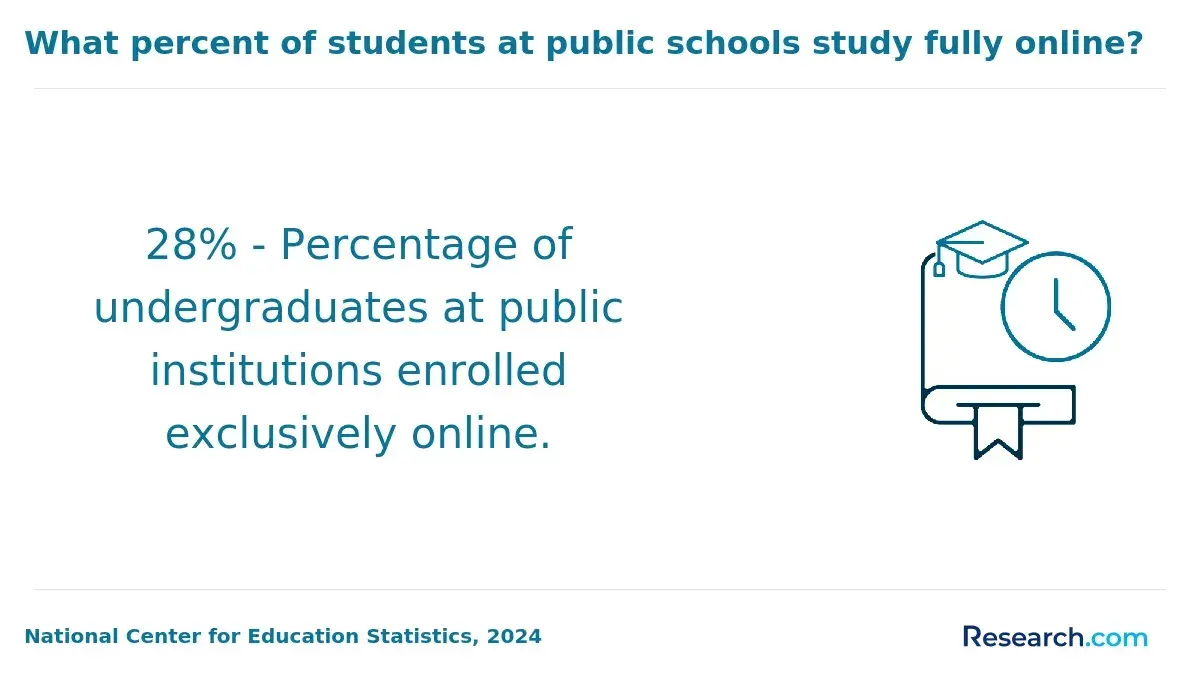
For context, the National Center for Education Statistics reported in its 2024 education data that average published tuition and fees at public four-year institutions were far lower than at private nonprofit four-year institutions. That does not mean public programs are always the best value, but it does mean transfer students should compare net price, scholarships, accepted credits, and remaining time to degree before choosing.
To control costs, take these steps before enrolling:
- Request a written transfer credit evaluation from every school under consideration.
- Ask which credits count toward the major, not just the total degree.
- Calculate remaining tuition based on credits left after transfer.
- Estimate equipment, software, printing, storage, and portfolio hosting expenses.
- Compare part-time and full-time pacing to see how it affects financial aid and graduation timing.
- Ask whether the program offers institutional scholarships, employer tuition benefits, military benefits, or payment plans.
A lower tuition rate can become expensive if few credits transfer. A higher tuition rate can sometimes be competitive if the school accepts more applicable credits and provides stronger career support. The best financial decision is the one that minimizes total completion cost while preserving the quality of the final portfolio.
What careers can graduates of online digital photography programs pursue?
Graduates of online digital photography programs can pursue freelance, staff, agency, media, nonprofit, education, and creative entrepreneurship roles. The degree is usually most valuable when paired with a strong portfolio, reliable client communication, editing fluency, and business skills.
Some students use a bachelor's degree as a foundation for graduate creative study. Those considering advanced studio practice, college teaching, or fine-art development may want to compare best online MFA programs after building a strong undergraduate portfolio.
The table below shows common career directions and how a digital photography degree can support each one. Job titles vary by employer and industry.
| Career path | Typical responsibilities | How the degree helps | Additional preparation |
| Portrait or wedding photographer | Photograph people, events, families, graduates, and weddings; edit galleries; manage client delivery. | Builds lighting, posing, editing, and business fundamentals. | Client management, contracts, insurance, and local marketing. |
| Commercial or product photographer | Create images for brands, e-commerce, advertising, catalogs, and campaigns. | Develops controlled lighting, composition, retouching, and production planning. | Studio experience, product styling, and agency contacts. |
| Photojournalist or documentary photographer | Cover news, social issues, communities, events, and long-form visual stories. | Strengthens ethics, storytelling, sequencing, and editing judgment. | Journalism skills, captions, publication standards, and safety awareness. |
| Real estate or architectural photographer | Photograph interiors, exteriors, properties, hospitality spaces, and developments. | Supports composition, lens choice, lighting balance, and editing precision. | Drone rules, real estate networks, and fast turnaround workflows. |
| Digital content creator | Produce visual assets for websites, social media, campaigns, newsletters, and brand channels. | Combines photography with editing, storytelling, and platform-aware presentation. | Video, analytics, copywriting, and content strategy. |
| Photo editor or digital asset specialist | Select, organize, retouch, tag, archive, and prepare images for publication or brand use. | Builds visual judgment, file management, metadata, and editing skills. | Digital asset management systems and copyright knowledge. |
| Creative entrepreneur | Run a photography business, sell prints, license images, teach workshops, or offer niche services. | Provides portfolio structure and professional practice foundations. | Business planning, accounting, pricing, customer acquisition, and legal basics. |
Students should not assume that a photography degree leads to one fixed career. Many professionals combine income streams such as events, portraits, content creation, teaching, licensing, editing, and brand work. This makes business training and adaptability especially important.
What salary ranges and earning potential exist for digital photography professionals?
Photography income varies widely because many professionals are self-employed, contract-based, seasonal, or part time. The most useful benchmark is the BLS median wage for photographers: $42,520 in May 2024. For students, that figure should be treated as a labor-market reference point, not a guaranteed outcome.
Earning potential depends on specialization, location, client base, business skills, portfolio quality, editing speed, licensing strategy, and whether the photographer works independently or for an employer. Commercial, brand, product, and high-volume event niches may offer different earning patterns than fine art or documentary work.
The table below uses BLS 2024 wage categories to show how photography-related roles can differ. These figures describe occupations, not degree outcomes.
| Occupation | May 2024 median annual wage | How to interpret the figure |
| Photographers | $42,520 | A baseline for staff and self-employed photography work, with wide variation by niche and market. |
| Graphic designers | $61,300 | Relevant for photographers who add layout, branding, and visual design skills. |
| Film and video editors | $70,980 | Relevant for photographers who expand into hybrid photo-video content production. |
| Art directors | $111,040 | A longer-term leadership path that usually requires substantial experience and a strong creative portfolio. |
Transfer students should use salary data to test return on investment. If the remaining degree cost is modest and the program helps build a stronger portfolio, the investment may be reasonable. If the program is expensive and does not improve portfolio quality, professional network, or career direction, a certificate, targeted workshop, or business training may be a better short-term choice.
For freelance-focused students, the key financial question is not only salary. It is whether the program helps you learn pricing, contracts, client acquisition, licensing, invoicing, taxes, and repeatable production workflows. Those business skills often determine whether technical photography ability becomes sustainable income.
How is the job outlook for digital photographers and related creative roles?
The job outlook for photographers is steady but competitive. The BLS projects photographer employment to grow 4% from 2024 to 2034, about as fast as the average for all occupations. That suggests opportunities will exist, but students should expect competition from freelancers, social media creators, AI-assisted image tools, and low-cost stock imagery.
Several current trends affect students deciding whether to pursue an online digital photography degree. Employers and clients increasingly expect photographers to handle both still imagery and short-form video, manage digital files professionally, understand content platforms, and deliver polished work quickly. AI tools can speed up culling, retouching, background generation, and image enhancement, but they also raise questions about authenticity, copyright, disclosure, and ethical editing.
Photography remains portfolio-driven. A degree can help, especially for structured training and credibility, but hiring and client decisions often depend on the quality and relevance of work samples. A student interested in real estate should not rely on a fine-art portfolio alone. A student interested in editorial work should show narrative sequencing, caption accuracy, and ethical judgment. A student interested in commercial work should show clean lighting, brand awareness, and production consistency.
Related creative roles may provide more stable employment than independent photography alone. Digital content teams, marketing departments, e-commerce companies, universities, media organizations, museums, nonprofits, and agencies often need people who can create and manage visual assets. Students who combine photography with video, design, web publishing, or digital asset management may have broader options.
The practical takeaway is that the degree should be part of a career strategy, not the whole strategy. Students should graduate with a portfolio, a website, a professional network, a clear niche, and evidence that they can complete real projects under deadlines.
How can transfer students evaluate and choose a reputable online digital photography program?
Transfer students should evaluate online digital photography programs through four lenses: accreditation, credit transfer, portfolio quality, and total cost. A program that looks attractive in marketing materials may not be the best choice if it delays graduation, lacks critique, or does not match the student's career goal.
The same evaluation mindset applies across hands-on online majors. For example, students reviewing online animal science programs also need to verify practical requirements, accreditation, costs, and whether online delivery supports the skills required in the field.
Use the following steps before committing to a school. They are designed to prevent the most common transfer-student mistakes.
- Verify institutional accreditation through the school and the U.S. Department of Education's recognized accreditor information.
- Ask whether programmatic art or design accreditation applies, but remember that institutional accreditation is usually the most important baseline for credit transfer and financial aid.
- Request a written transfer credit evaluation that shows exactly which requirements are satisfied.
- Ask how many credits must be completed through the institution before graduation.
- Review the full curriculum and identify how many courses require original photo production, critique, revision, and portfolio development.
- Confirm equipment, software, printing, and portfolio hosting requirements before calculating affordability.
- Ask to see examples of student work, capstone expectations, or portfolio outcomes when available.
- Check whether faculty have current professional photography, media, or art experience.
- Ask how online critiques work and how often students receive individualized feedback.
- Compare career services, internship options, alumni support, and business training.
Several red flags should prompt caution. Be wary of schools that will not provide a written transfer evaluation, make vague claims about guaranteed careers, lack clear accreditation information, offer little faculty feedback, or hide equipment costs until after enrollment. Also be cautious if the curriculum has many general media courses but few advanced photography assignments.
The best program for a transfer student is usually the one that applies prior credits cleanly, offers rigorous creative feedback, fits the student's schedule, and leaves enough budget for gear, software, and portfolio production. If two schools appear similar, choose the one that gives clearer answers in writing before enrollment.
Other Things You Should Know About Digital Photography
Not always. Many programs publish minimum camera requirements, often expecting a digital camera with manual controls and RAW capability. Before buying gear, ask the school which camera bodies, lenses, lighting tools, and software are required for the first year.
Most programs require official transcripts from every college attended, a course-by-course credit evaluation from a recognized agency if credits came from outside the United States, and syllabi or portfolios for studio courses. Review usually takes 2 to 4 weeks after all documents are submitted.
In 2027, many online digital photography programs emphasize support for transfer students, providing resources like credit evaluations, dedicated advisors, and flexible course options. Students should verify transfer policies and available support services with each institution to ensure an efficient transition.
It can be. Even when the degree is digital, film photography can strengthen exposure discipline, composition, patience, and understanding of photographic history. However, students focused on commercial digital work should prioritize current editing, lighting, and delivery workflows.
References
- Photography School, Degree, and Career Guide | All Art Schools https://www.allartschools.com/photography/
- How to Choose the Right Photography Program https://nossi.edu/how-to-choose-the-right-photography-program/
- The Importance of Understanding Transfer Credit Policies https://www.sophia.org/blog/higher-education/understanding-transfer-credit-policies/
- Digital Photographer Career Guide - Sessions College https://www.sessions.edu/career-center/photographer/
- Online Photography Courses | All Levels | OCAD https://artcoursework.com/photography/
- Digital Photography Program https://coned.georgebrown.ca/courses-and-programs/digital-photography-program
- How Much Does it Cost to Learn Photography? https://blog.nobledesktop.com/learn/photography/photography-cost-to-learn
- What Can You Do With a Photography Degree? https://pnca.willamette.edu/academics/bfa/photography/career-options
- Computer graphic arts - digital photography https://www.starkstate.edu/academics/explore-all-programs/digital-photography-major/
- Should you Study Photography at College or are There Better Options Now? https://digital-photography-school.com/should-you-study-photography-at-college-or-are-there-better-options-now/