2027 Online Digital Photography Degrees That Help Build Career-Ready Photography Skills

Co-Founder and Chief Data Scientist
Choosing an online digital photography degree means weighing creative training against cost, time, and career payoff. The U.S. Bureau of Labor Statistics projects photographer employment to grow 4% through 2033, with about 13,700 openings each year, so skilled image-makers still have opportunities despite strong competition.
This guide is for aspiring photographers, career changers, working adults, and military-connected learners who want a practical path. You will learn how programs work, what they cost, which credentials matter, and how to choose a degree that supports real career goals.
Key Things You Should Know
- Online digital photography degrees are best for students who need flexible scheduling but still want structured training in camera systems, lighting, editing, visual storytelling, portfolio development, and business practices.
- National college-cost benchmarks from the College Board's 2024 pricing report show published tuition and fees averaging $4,050 at public two-year colleges, $11,610 for in-state public four-year colleges, and $43,350 at private nonprofit four-year colleges, so school type and transfer credits can change total cost significantly.
- The BLS projects 4% employment growth for photographers through 2033, but outcomes vary widely because many photography careers depend on portfolio quality, niche, client development, location, and freelance business skills.
What are online digital photography degrees?
Online digital photography degrees are college programs that teach students how to create, edit, manage, and present photographs using modern digital tools. They usually combine technical training, visual arts coursework, critiques, portfolio development, and professional business preparation. Unlike a short photography certificate, a degree also includes general education and broader design, communication, or art-history study.
These programs can be a good fit if you want structured feedback, a credential for creative or media roles, and a portfolio that can support freelance, studio, editorial, commercial, or content-production work. They may be less useful if your goal is a casual hobby, if you already have a strong client base, or if a short course in one skill such as lighting or retouching would meet your needs faster.
The most common degree levels differ in depth, time commitment, and career focus. The table below summarizes how each option is typically used so you can match the credential to your goals rather than choosing by title alone.
| Degree level | Typical focus | Best fit | Important trade-off |
| Associate degree | Camera technique, editing, basic studio practice, visual communication, and entry-level portfolio work | Students seeking lower-cost training, transfer options, or entry-level creative work | May not go as deep into advanced concept development, business strategy, or specialized production |
| Bachelor's degree | Advanced photography, digital workflow, lighting, art direction, media theory, professional portfolio, and business foundations | Students aiming for broader creative roles, graduate study, or competitive portfolio-based employment | Usually costs more and takes longer than an associate degree or certificate |
| Certificate or nondegree program | Focused training in a specific skill such as Lightroom, portrait lighting, drone photography, or product photography | Learners who need targeted upskilling without a full degree | May not carry the same transfer value, financial aid access, or academic breadth as a degree |
| Master's degree or MFA | Advanced artistic practice, research, critique, teaching preparation, exhibition work, and professional specialization | Experienced photographers pursuing teaching, fine art, leadership, or advanced creative practice | Usually requires a strong portfolio and a clear reason for graduate-level study |
Military-connected students should also look closely at credit for prior learning, transfer policies, Yellow Ribbon participation, and support services. A specialized guide to a photography degree online for veterans can help those learners compare benefits and school-fit factors more directly.
Which accreditation matters for photography programs?
For most students, institutional accreditation matters more than programmatic accreditation. Institutional accreditation means a recognized accreditor has reviewed the college's academic quality, governance, student support, and financial practices. It also affects federal financial aid eligibility and transfer-credit acceptance.
Programmatic accreditation can add value in some art and design fields, but it is not usually a legal requirement for becoming a photographer. Some visual arts programs may be associated with specialized arts accreditation, but students should not assume that a program is automatically better just because it uses impressive language in its marketing.
Use accreditation as a screening tool before you compare price, curriculum, or rankings. These checks help reduce the risk of enrolling in a program that limits transfer options or does not qualify for federal aid.
- Confirm the college is institutionally accredited by an agency recognized by the U.S. Department of Education or the Council for Higher Education Accreditation.
- Ask whether credits transfer to public universities or graduate programs you might consider later.
- Check whether the program appears on the college's official catalog, not only on an advertisement or lead-generation page.
- Review student-work examples, faculty credentials, internship access, and career-support services because accreditation alone does not prove portfolio quality.
- Be cautious if a school pressures you to enroll quickly, avoids written cost details, or cannot clearly explain credit transfer and refund policies.
A practical rule is to treat accreditation as the minimum requirement, not the final decision. A properly accredited program can still be a poor fit if it lacks portfolio critique, modern editing workflows, or career preparation for your intended niche.
How do online and campus photography programs compare?
Online and campus photography programs can cover similar creative foundations, but they deliver learning differently. The right choice depends on your schedule, location, equipment access, learning style, and need for in-person studio facilities.
The comparison below focuses on practical differences that affect student experience and career preparation. It can help you decide whether convenience or hands-on campus access matters more for your situation.
| Factor | Online digital photography degree | Campus photography degree | Best choice when |
| Schedule | Often asynchronous or hybrid, with project deadlines and virtual critiques | Set class times, studio sessions, and in-person critiques | Online works better for working adults, caregivers, and students far from campus |
| Studio access | May require students to use personal equipment, local rentals, or at-home setups | Usually offers lighting studios, print labs, darkrooms, and shared equipment | Campus works better if you need frequent access to specialized facilities |
| Feedback | Delivered through video, discussion boards, annotated files, and live critique sessions | Delivered in classrooms, labs, studios, and exhibitions | Online works if the program provides detailed critique rather than automated grading |
| Networking | Depends on virtual events, alumni groups, internships, and local initiative | Often easier through campus exhibitions, faculty connections, and local creative communities | Campus may help students who rely heavily on in-person community building |
| Cost and commuting | Can reduce relocation and commuting costs, though equipment costs still apply | May add housing, transportation, parking, and campus fees | Online may be more efficient if you already have a workable camera and computer setup |
Online study is strongest when the school has rigorous critique, clear assignment expectations, responsive faculty, and a strong digital platform for image review. Campus study is strongest when you want regular studio access, printmaking facilities, in-person collaboration, or a highly immersive art-school environment.
A common mistake is assuming online photography is easier. Good online programs still require planned shoots, lighting practice, editing time, peer critique, revision, and portfolio presentation. Before enrolling, ask how critiques work, what equipment is required, and whether you can complete assignments in your local environment.
What courses are in a digital photography degree?
Digital photography curricula typically combine creative practice, technical production, visual analysis, and business preparation. The strongest programs do not only teach students how to operate a camera; they teach students how to produce images that solve visual problems for clients, publications, brands, galleries, or personal artistic projects.
Course names vary by school, but most programs include several recurring areas. These categories matter because they show whether the program is balanced or overly narrow.
- Camera and exposure fundamentals, including aperture, shutter speed, ISO, lenses, composition, and digital capture workflow.
- Lighting courses covering natural light, studio lighting, flash, modifiers, product setups, portrait lighting, and location lighting.
- Digital editing and asset management using tools such as Adobe Lightroom, Photoshop, Capture One, or equivalent professional software.
- Visual storytelling courses in documentary, editorial, portrait, fashion, commercial, sports, product, or fine-art photography.
- Color management, printing, file preparation, metadata, archiving, and delivery standards for professional work.
- Art history, media studies, ethics, copyright, visual culture, and critique-based courses that build context and judgment.
- Professional practice courses covering pricing, contracts, client communication, marketing, branding, grants, and portfolio presentation.
Current technology is also changing what students need to learn. AI-assisted editing, generative-image tools, automated culling, content credentials, and rights-management concerns are now part of professional conversations. A photography student does not need to become a computer scientist, but understanding how AI affects visual media can be useful; students interested in deeper technical pathways may also compare creative imaging with a bachelor applied artificial intelligence path.
When reviewing a curriculum, look for a required capstone or final portfolio. A polished portfolio is often more important than a transcript in photography hiring because employers and clients need evidence of style, consistency, technical control, and project follow-through.
What admissions requirements do online photography programs have?
Admissions requirements depend on degree level and school selectivity. Open-access community colleges may require only a high school diploma or equivalent, while bachelor's and graduate programs may ask for transcripts, essays, portfolios, recommendations, and minimum GPA standards.
Online programs may also check whether students can meet technical requirements. Because photography coursework involves large image files and editing software, a reliable computer, internet connection, external storage, and compatible camera system may be necessary even when the program is fully online.
The table below shows common admissions expectations by degree level. Use it to prepare early and avoid delays caused by missing materials.
| Program type | Common requirements | Portfolio expectation | Decision tip |
| Certificate | Application, proof of education, and sometimes basic computer or camera skills | Often not required for beginner certificates | Best when you need one marketable skill quickly |
| Associate degree | High school diploma or equivalent, placement information, and transcripts | Usually not required or only used for advising | Useful for lower-cost exploration or transfer planning |
| Bachelor's degree | High school or transfer transcripts, application essay, GPA review, and sometimes a portfolio | May be required for art-school admission or upper-division placement | Compare transfer policies carefully if you already have credits |
| MFA or master's degree | Bachelor's degree, artist statement, recommendations, resume, transcripts, and portfolio | Usually central to admission | Apply only when you have a clear artistic or professional reason for graduate study |
To strengthen an application, build a small but focused portfolio instead of submitting unrelated images. Admissions reviewers usually prefer a clear point of view, consistent editing, and evidence of growth over a large collection of random photos.
Applicants should also ask practical questions before applying. How many credits transfer? Are there camera or software requirements? Are critiques live or asynchronous? Does the school offer career services for creative fields? Are internships available to online students? Clear answers can prevent costly surprises later.
How long does an online photography degree take?
An online photography degree can take a few months for a short certificate, about two years for a full-time associate degree, about four years for a full-time bachelor's degree, and two to three years for many graduate programs. The exact timeline depends on transfer credits, course load, start dates, portfolio reviews, and whether the program uses semester, quarter, or accelerated terms.
The table below gives a planning estimate. It is not a guarantee, but it helps you compare the time investment across program types.
| Credential | Typical full-time timeline | Part-time timeline | Best for |
| Certificate | Several months to one year | One year or longer | Targeted skill development or career refreshers |
| Associate degree | About two years | Three years or longer | Lower-cost entry, transfer preparation, or foundational training |
| Bachelor's degree | About four years | Five to six years or longer | Comprehensive creative, technical, and professional preparation |
| MFA or master's degree | Two to three years | Three years or longer | Advanced practice, teaching preparation, or fine-art specialization |
Accelerated programs can be attractive, but they are not automatically better. Photography assignments take time because students must plan shoots, capture images, edit files, receive critique, revise work, and produce portfolio-ready projects. A compressed schedule may work for motivated students with flexible time, but it can be difficult for students working full time.
If graduate study is part of your long-term plan, compare program intensity, thesis requirements, and affordability before committing. Students exploring advanced studio or visual arts pathways can review MFA online programs to understand how graduate formats and costs vary.
How much do online digital photography degrees cost?
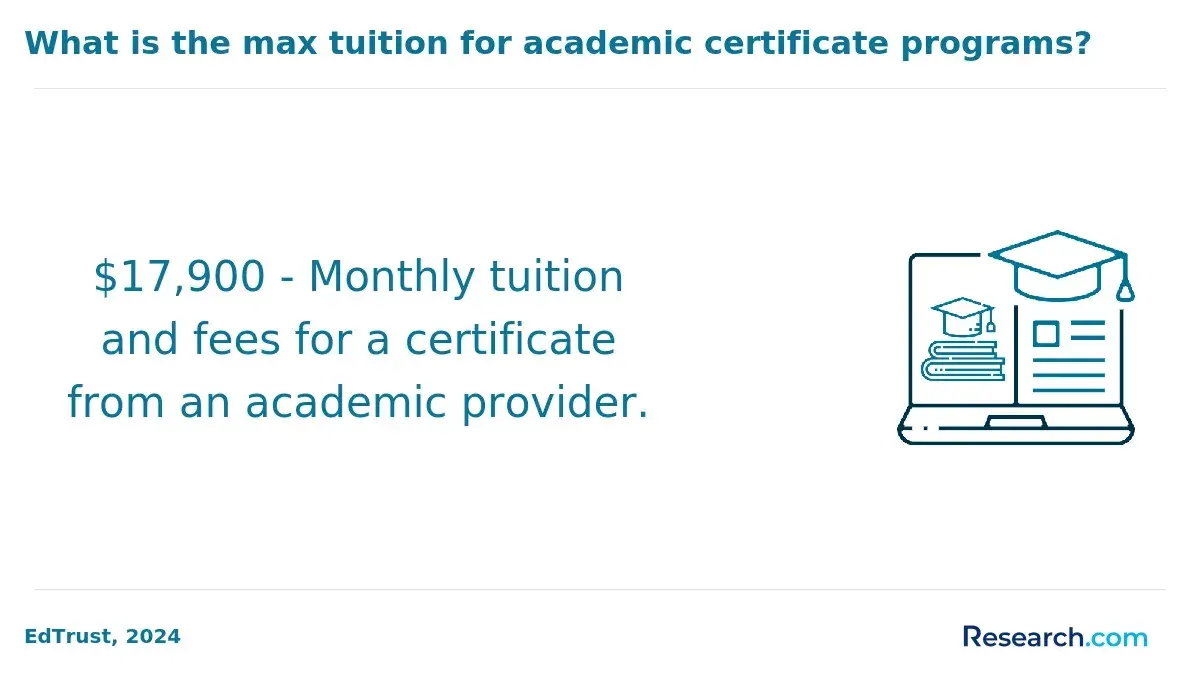
The cost of an online digital photography degree depends on tuition, fees, transfer credits, equipment, software, printing, and time away from paid work. National pricing benchmarks can help you estimate the scale of the investment before comparing individual schools.
The College Board's 2024 college-pricing data provides useful U.S. benchmarks for published tuition and fees. These figures are not photography-specific, but they show why school type and residency status can strongly affect affordability.
| Institution type | Average published tuition and fees | What it means for photography students |
| Public two-year college | $4,050 | Often the lower-cost route for general education, foundational photography, and transfer planning |
| Public four-year college, in-state | $11,610 | Can be cost-effective for bachelor's students who qualify for in-state tuition |
| Private nonprofit four-year college | $43,350 | May offer specialized arts training, but students should compare net price, aid, and outcomes carefully |
Tuition is only part of the total cost. Photography students often face program-specific expenses that can change the real price of attendance.
- Camera body, lenses, tripod, lighting equipment, memory cards, calibration tools, and external storage.
- Computer hardware capable of handling large RAW files and editing software.
- Software subscriptions, cloud storage, website hosting, portfolio printing, and exhibition or submission fees.
- Optional travel for location shoots, internships, residencies, campus intensives, or portfolio reviews.
- Course fees for labs, printing, equipment rental, studio access, or proctored assessments.
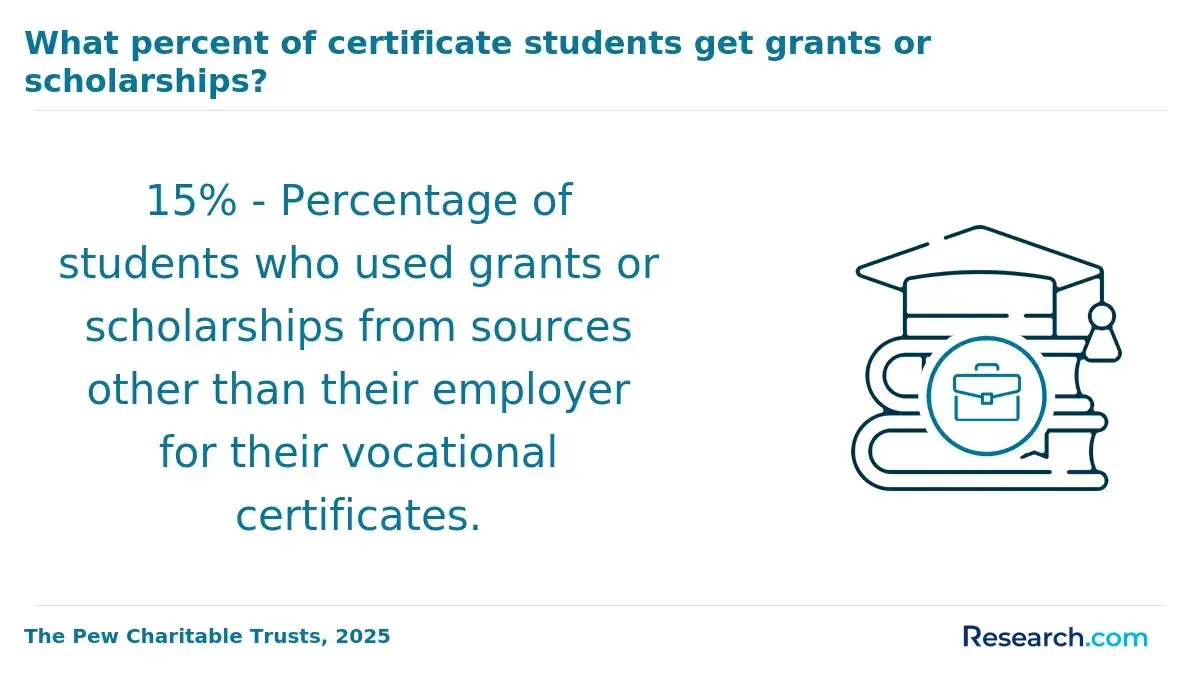
To reduce costs, start by calculating net price rather than sticker price. Then ask about transfer credits, credit for prior learning, employer tuition assistance, veterans benefits, scholarships, equipment lending, and whether older but capable camera gear is acceptable. Avoid choosing the cheapest program automatically if it lacks portfolio critique or career support, because weak preparation can reduce the value of even a low-cost credential.
What careers can a digital photography degree lead to?
A digital photography degree can support several creative and media career paths, but the degree alone is rarely the deciding factor. Employers and clients usually evaluate portfolios, reliability, editing skill, communication, niche experience, and the ability to deliver images that meet a specific purpose.
The table below outlines common career directions and the kind of work each involves. Use it to identify which program features matter most for your target path.
| Career path | Typical responsibilities | Helpful program features |
| Portrait or wedding photographer | Photograph individuals, families, couples, events, and ceremonies; manage clients, editing, delivery, and sales | Lighting, posing, client communication, business courses, contracts, and workflow management |
| Commercial or product photographer | Create images for advertising, e-commerce, catalogs, packaging, and brand campaigns | Studio lighting, product styling, tethered capture, retouching, and commercial portfolio projects |
| Photojournalist or documentary photographer | Produce images for news, long-form stories, nonprofits, publications, or social-documentary projects | Ethics, captioning, visual storytelling, media law, field assignments, and editorial critique |
| Digital content producer | Create photo and short-form visual assets for websites, social media, campaigns, and organizations | Photography, video basics, editing software, branding, analytics awareness, and content planning |
| Fine-art photographer | Develop bodies of work for exhibitions, grants, residencies, publications, and collectors | Concept development, critique, art history, printing, exhibition practice, and artist statements |
| Photo editor or retoucher | Select, edit, color-correct, composite, archive, and prepare images for publication or client delivery | Advanced Photoshop, color management, metadata, file standards, and visual judgment |
Career preparation should begin before graduation. Students who wait until the final semester to build a portfolio, website, or client network often lose valuable time. A practical preparation sequence is to choose a niche, complete portfolio projects in that niche, request critique from faculty and working professionals, publish a clean website, and build relationships through internships, assistantships, local creative groups, or freelance projects.
Photography also overlaps with industries such as sports, journalism, marketing, tourism, real estate, retail, and entertainment. If you are comparing creative media careers with data-heavy roles, reviewing a guide to sports analyst salary can show how compensation research differs across fields and why job title, industry, and skill mix matter.
What salaries do photography graduates earn?
Photography salaries vary widely because many professionals are self-employed, work part-time, combine photography with video or design, or earn income through client work rather than a standard salary. Degree level can help with training and credibility, but salary outcomes depend heavily on portfolio strength, business development, market, specialization, and experience.
The BLS Occupational Outlook Handbook, updated in 2024, reports a median annual wage of $40,170 for photographers based on May 2023 wage data. This median is useful as a labor-market benchmark, but it should not be treated as a promise for new graduates because freelance earnings and local demand can differ substantially.
The table below shows how salary context changes by work setting and role focus. It is meant to help you think about income drivers rather than predict a specific personal outcome.
| Work setting | Income pattern | What affects earning potential |
| Freelance or self-employed photography | Project-based and often variable | Client pipeline, pricing, repeat business, niche, referrals, licensing, and operating costs |
| Staff photographer | More predictable wages or salary | Employer type, location, experience, multimedia skills, and publication or brand needs |
| Commercial and product photography | Can be project-based, retainer-based, or staff-based | Studio skill, lighting complexity, postproduction ability, business clients, and usage rights |
| Photo editing or retouching | Hourly, salary, or contract-based | Software expertise, speed, consistency, color accuracy, and industry specialization |
To evaluate return on investment, compare expected debt with realistic early-career income, not only with national medians. Ask schools for graduate outcomes, internship access, alumni examples, and portfolio standards. Be cautious if a program implies that the degree alone will lead to high earnings, because photography remains a portfolio-driven and relationship-driven field.
Do photographers need certifications or licenses?
Most photographers in the U.S. do not need a state license simply to take photographs for clients. However, business licenses, sales-tax registration, drone certification, permits, insurance, and contracts may be necessary depending on what you photograph, where you work, and how you operate.
Certifications are usually optional, but they can help signal specialized competence. For example, software credentials may support retouching or digital-production roles, while drone work requires separate compliance if images are captured commercially with an unmanned aircraft system.
Students should review requirements by activity rather than assuming one universal rule applies. The list below covers common credentials and compliance areas to investigate before accepting paid work.
- Business registration, local permits, sales-tax obligations, and insurance requirements for freelance or studio operations.
- FAA remote pilot certification if you operate a drone commercially for aerial photography or video in the U.S.
- Location permits for parks, government buildings, museums, campuses, private venues, or commercial shoots.
- Model releases, property releases, copyright registration, licensing terms, and contract language for client and publication work.
- Optional software, editing, or professional-association credentials that may support credibility in specialized markets.
The smartest approach is to match credentials to your niche. A wedding photographer may need strong contracts and insurance more than formal certification, while an aerial real estate photographer must understand drone rules. A retoucher may benefit more from software mastery and a polished before-and-after portfolio than from a broad photography credential.
Other Things You Should Know About Digital Photography
Yes. Strong online programs require project-based assignments, critiques, revisions, and a final portfolio. You can strengthen your portfolio by choosing a niche early, photographing real subjects or products, and replacing weaker images as your technical control improves.
Requirements vary by school, but many programs expect a digital camera with manual controls, interchangeable lenses or suitable fixed-lens capability, a computer for editing, storage drives, and editing software. Always request the official equipment list before enrolling.
Yes. Many online digital photography degrees end with a capstone that requires 12 to 20 final images, an artist statement, and a portfolio review by faculty. Schools often require passing all major studio courses before enrollment in the capstone and may set a minimum 2.0 GPA.
Look for portfolio reviews, internship access, alumni examples, business coursework, faculty with current industry experience, career coaching for creative freelancers, and opportunities to publish, exhibit, or complete client-style projects.
References
- College Certificate vs Online Photography School | Cameraderie https://cameraderie.org/threads/college-certificate-vs-online-photography-school.56322/
- Online Course v College: Best Value for Money for Photographers? https://www.iphotography.com/blog/online-course-college-degree/
- What Can You Do With a Photography Degree? https://pnca.willamette.edu/academics/bfa/photography/career-options
- Photography Course Toronto: Online Training vs In-Person School Comparison https://www.canadianphotographyschool.ca/blog/photography-course-toronto-online-vs-inperson-comparison/
- Online Photography Courses | 5 Star Courses Worldwide | The School of Photography https://www.theschoolofphotography.com/online-photography-courses
- How Much Does it Cost to Learn Photography? https://blog.nobledesktop.com/learn/photography/photography-cost-to-learn
- Photography BA(Hons) (Online) https://www.falmouth.ac.uk/study/online/undergraduate/photography
- Online Photography Degree | Associate Degree (AOS) https://www.sessions.edu/online-degrees/digital-photography/
- Do You Need Certification To Be A Professional Photographer? https://sandracoanstudios.com/do-you-need-certification-to-be-a-professional-photographer/
- How to Become a Professional Photographer | BizInsure https://www.bizinsure.com/becoming-certified-photographer/