
2027 Supply Chain Management Degree vs. Certificate: Which Should You Choose?

Co-Founder and Chief Data Scientist
Today's students and professionals face important decisions when choosing between earning a degree or a certificate in supply chain management. Both options can significantly advance a career, yet they differ in time commitment, depth of knowledge, and cost. Degrees often provide a broader, deeper education, while certificates focus on specific skills and quicker entry into the workforce.
Supply chain management degrees typically require two to four years, covering comprehensive topics like logistics, procurement, and strategy. Certificates usually take a few months and target professionals seeking quick upskilling or a career pivot. With the global supply chain market expected to reach trillions, choosing the right path depends on your career goals and lifestyle demands.
Key Points About Supply Chain Management Degree vs. Certificate Programs
- Degree programs offer comprehensive education, boosting long-term salary potential by up to 20% compared to certificate holders in supply chain roles.
- Certificates focus on specific skills and faster completion, ideal for professionals seeking immediate upskilling or career shifts.
- Degrees typically provide broader career growth opportunities, while certificates enhance practical expertise but may limit advancement to senior positions.
What Are the Differences Between Supply Chain Management Degree and Certificate Programs?
Both supply chain management degrees and certificate programs can open doors to rewarding careers, but they vary in significant ways. Knowing these differences allows students to select the educational path that aligns best with their personal goals and time constraints.
Here are key distinctions between supply chain management degrees and certificates:
- Career Advancement: Degrees often provide a more comprehensive foundation, positioning graduates for higher-level roles and greater long-term growth. Certificates typically offer targeted skills for immediate career boosts or skill updating, ideal for professionals seeking quick qualification.
- Depth of Learning: Degree programs cover broader concepts and theories, including strategic and operational aspects of supply chain management. Certificates focus on specific tools or topics, suiting learners who want focused expertise without broader academic commitments.
- Time Commitment: Earning a degree requires a longer dedication due to more coursework and depth, fitting those who can invest significant time. Certificates are shorter, making them attractive for working professionals needing flexibility and faster completion.
- Cost and Resources: Degrees generally involve higher investment but provide extensive resources and networking opportunities. Certificates are more affordable and practical for individuals seeking cost-effective skill development.
How Long Does It Take to Complete a Supply Chain Management Degree vs. a Certificate Program?
Completion time is a critical consideration for students deciding between a supply chain management degree vs. certificate. Knowing the typical duration and flexibility of each option helps learners choose the best path for their career and life circumstances.
- Typical Duration: A supply chain management degree program duration generally takes about four years for a bachelor's degree and around two years for an associate degree. In contrast, supply chain management certificate completion time ranges from a few weeks to about a year, depending on the program intensity and format.
- Flexibility: Degree programs usually require full-time study to finish faster, while part-time enrollment extends the timeline. Certificates offer notable flexibility, often available in self-paced, part-time, or intensive formats, allowing completion in as little as two to six months for professional certifications, or up to a year for more comprehensive university certificates.
- Factors Affecting Timeline: Several factors influence the time to complete either option, including prior academic credits, relevant professional experience, and program format. Online or hybrid certificates may allow accelerated pacing, while transfer credits can shorten degree completion times.
Ultimately, those prioritizing speed may prefer certificates, which are designed for quicker completion and flexibility. For more insight on short-term professional options, consider reviewing this list of best 6 month certificate programs that pay well.
Can You Complete a Supply Chain Management Degree or Certificate Entirely Online?
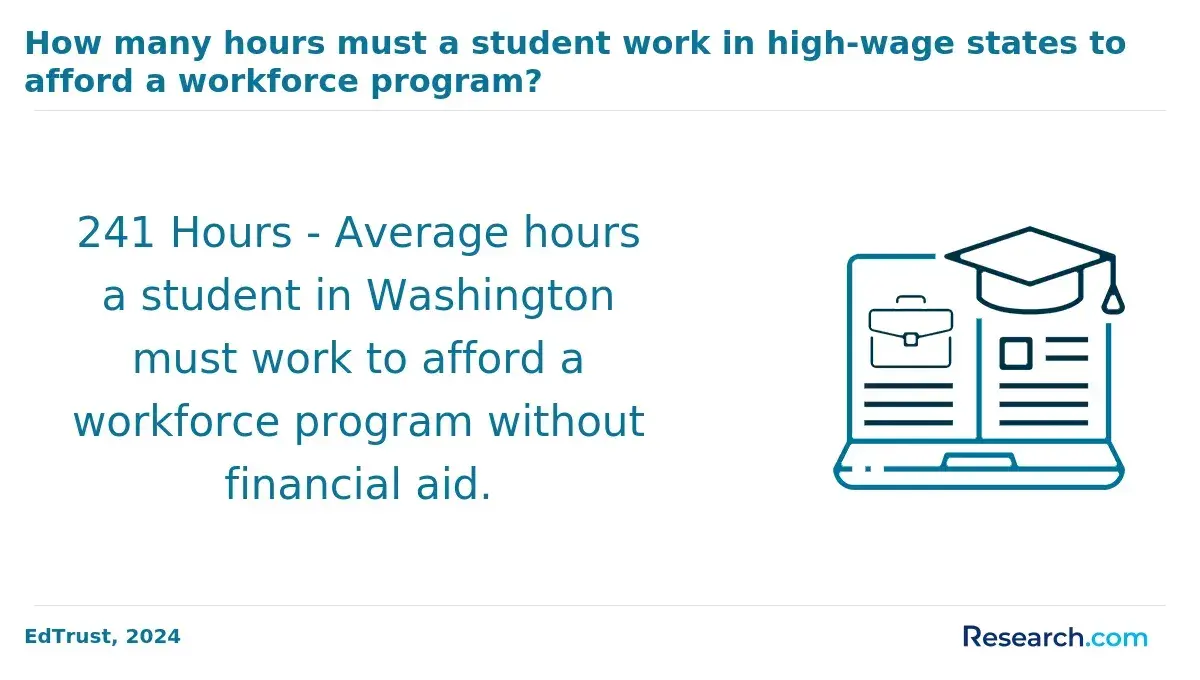
Online education continues to expand, providing more flexible options for students pursuing supply chain management degrees and certificates. Many universities such as Oregon State University, Arizona State University, Purdue Global, and Western Governors University offer fully online supply chain management degree programs that can be completed asynchronously, typically requiring 120-180 credit hours. While degrees are widely available fully online, certificates in supply chain management are less common but growing, with some programs offering a fully online supply chain management certificate option.
However, a few premier programs like the University of Tennessee's online Master's include hybrid elements such as a mandatory in-person immersion. Prospective students should also explore pathways like the easiest associate's degree to get if considering foundational credentials.
Choosing the right program depends on career goals and learning preferences. Many online degrees emphasize practical skills with case studies and software simulations rather than in-person labs. WGU reports 61% of its graduates finish within 19 months, with a significant salary increase afterward, highlighting employer acceptance of online credentials.
Hands-on training, internships, or licensure requirements may influence whether a hybrid format is needed. Those balancing full-time work often favor fully asynchronous programs for flexibility, while early-career professionals might benefit from programs offering networking and in-person interactions to enhance professional development.
Admission requirements are key factors that influence who can enroll in supply chain management programs and how quickly students can begin their education. Understanding these requirements clarifies which option-degree or certificate-best aligns with your academic background and career aspirations. Below is a comparison of supply chain management degree admission requirements versus certificate program prerequisites.
Admission Requirements for Supply Chain Management Degree Programs
- Educational Background: Applicants must have at least a high school diploma or equivalent to enter undergraduate programs, while master's programs require a bachelor's degree from an accredited institution.
- GPA Minimum: Undergraduate degrees typically expect a GPA between 2.0 and 3.0 minimum, whereas master's programs often require a GPA of 2.7 to 3.0 or higher.
- Standardized Tests: Some master's degrees require GMAT or GRE scores; however, these may be waived for candidates with significant work experience or a strong undergraduate GPA.
- Work Experience: Master's programs usually favor applicants with two or more years of professional experience in supply chain or related fields.
- Prerequisite Courses: Completion of specific courses such as algebra or statistics may be necessary prior to admission.
- Application Materials: Required documents include official transcripts, a resume, personal statements detailing professional goals, and letters of recommendation.
- English Proficiency: International students must demonstrate English proficiency through standardized testing.
Admission Requirements for Supply Chain Management Certificate Programs
- Educational Background: Most certificates require a high school diploma or GED, although some accept applicants based solely on relevant work experience.
- GPA Minimum: GPA thresholds are generally low or unspecified, making certificate programs more accessible.
- Work Experience: Professional experience may be preferred but is rarely required for admission.
- Application Materials: Applicants usually submit a completed application and a resume; letters of recommendation and personal statements are typically unnecessary.
- English Proficiency: Proof of English proficiency may be required for international students, though standards are generally less stringent than for degree programs.
These distinctions highlight how supply chain management degree admission requirements emphasize academic rigor, while supply chain management certificate program prerequisites provide more accessible pathways for rapid skill-building. For students exploring advanced degree paths, researching options such as cheap PhD programs can also be beneficial.
Knowing the credit requirements for supply chain management programs helps students effectively plan their academic schedules and set realistic timelines for completion. Comparing the credit expectations of degree and certificate programs clarifies the commitment each option demands.
Here's a breakdown of the typical credit loads for both pathways:
- Degree program: Generally requires around 120 credit hours, covering general education, business fundamentals, and in-depth supply chain management courses, typically spanning four years.
- Certificate program: Usually involves 12 to 18 credit hours focused specifically on supply chain topics, designed to be completed in a few months to a year, ideal for working professionals or those seeking targeted skills.
Students should consider how each program’s credit requirements align with their career goals, prior experience, and available time. Understanding the differences between a full degree and a certificate in supply chain management enables learners to select the path that best balances comprehensive knowledge with focused, time-efficient skill development, equipping them for success in the field.
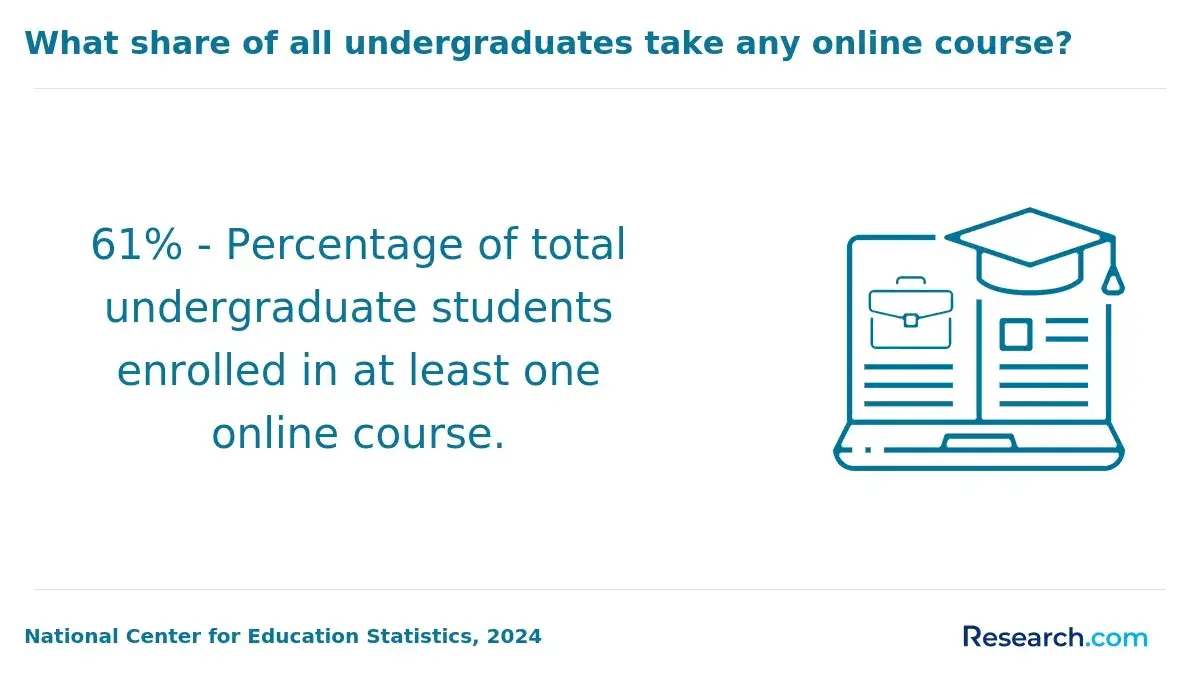
Tuition costs are a crucial consideration when deciding between pursuing a supply chain management degree or a certificate, as they directly affect affordability and return on investment. Understanding the difference in average tuition can help students and professionals plan their education expenses wisely. Below is a comparison of the average tuition ranges for each option.
Average Tuition for Supply Chain Management Degree Programs
- Tuition Range: Undergraduate degrees generally cost between $10,222 and $27,044 per year at public institutions, with private and out-of-state rates typically higher. Total four-year bachelor's degree costs range from $23,120 to $41,001 at affordable universities.
- Comprehensive Program Costs: Some online bachelor's programs charge around $31,640 to $39,360 for full completion, depending on credit requirements.
- Graduate Degree Costs: Master's supply chain management degrees often charge about $36,000 for a 30-credit program, generally with no tuition difference for residency status.
- Additional Fees: Tuition estimates exclude expenses for housing, books, and meal plans, which should be accounted for separately.
- Influencing Factors: Costs vary widely based on school type (public vs. private), residency, delivery mode (online or on-campus), and length of the program. Understanding the average tuition for a supply chain management degree helps tailor financial planning for your educational goals.
Average Tuition for Supply Chain Management Certificate Programs
- Tuition Range: These certificate programs typically require 12-15 credits and cost between $11,580 and $14,475 at many institutions.
- Comprehensive Program Costs: Some advanced business certificate programs charge around $14,400 for a 12-credit curriculum, with tuition priced near $1,200 per credit.
- Program Length: Certificates are usually completed in less than a year, lowering overall expenses compared to degree programs.
- Additional Fees: Like degree programs, certificates do not include indirect costs such as books and housing in tuition figures.
- Influencing Factors: Tuition varies by school reputation, program specialization, and delivery format. Comparing the supply chain management certificate program cost can highlight opportunities for quicker, more affordable credentialing.
For those weighing education options, exploring quick degrees with high pay can provide additional insight into efficient paths toward career advancement.
Yes, certificate credits in supply chain management can sometimes be transferred toward a degree, but this largely depends on the institution's policies. Transfers generally require that courses come from accredited programs and closely align with the degree curriculum. Institutions differ in their acceptance criteria, with some requiring a minimum grade and others limiting transfer credits to certain course types or percentages of the degree. Accreditation, course relevance, and approval from the degree program are key factors shaping whether credits will be accepted.
Key considerations include limits on how many credits can transfer, which might be capped at a small number of courses or a percentage of total degree credits. Additionally, most schools expect a minimum grade-commonly a "B" or a 2.75 GPA-for credits to qualify. Because policies vary widely, it's essential to confirm credit transferability with the target institution before enrolling in a certificate program. Planning ahead ensures that the certificate will contribute meaningfully to your educational goals.
Supply chain management certificate programs are not accredited in the same manner as degree programs. Degrees, like bachelor's or master's, usually receive accreditation from regional or national higher education agencies recognized by the U.S. Department of Education or the Council for Higher Education Accreditation. This accreditation confirms that the institution and its degree programs meet specific academic standards.
In contrast, certificate programs typically gain recognition from industry organizations such as the Association for Supply Chain Management (ASCM), Institute for Supply Management (ISM), or the Council of Supply Chain Management Professionals (CSCMP). These professional bodies validate that certificate curricula align with current industry needs and prepare students for certification exams, but this is different from formal institutional accreditation.
Accreditation plays a crucial role in maintaining educational quality, facilitating credit transfer, and enhancing employer acceptance. Degree accreditation can influence eligibility for federal financial aid and the ability to transfer credits between institutions, while certificates affiliated with universities may offer some credit transfer options. Employer recognition is another important factor, with certifications like APICS CSCP potentially increasing salary prospects.
When assessing supply chain management programs, students should check for regional or national accreditation for degrees and reputable industry recognition for certificates. It is advisable to verify program accreditation through acknowledged accrediting organizations before enrolling to ensure the credential's value and relevance.
Both supply chain management degrees and certificates open doors to various career opportunities, but they often prepare graduates for different levels and types of positions. Understanding the career pathways associated with each type of credential can help you make an informed choice.
Below is a comparison of potential jobs earned through each credential, highlighting typical roles and responsibilities.
Jobs You Can Get with a Supply Chain Management Degree
- Supply chain analyst: Analyzes data to improve supply chain efficiency across operations, often working within corporate offices or consulting firms.
- Logistics manager: Oversees transportation and distribution activities, ensuring timely delivery of goods, typically within manufacturing or retail companies.
- Procurement specialist: Manages purchasing processes and vendor relationships to optimize costs and supply reliability, usually in large organizations.
- Operations planner: Coordinates production schedules and resource allocation to meet demand forecasts, often employed by distribution centers or manufacturers.
- Supply chain consultant: Advises businesses on strategic improvements in their supply chain operations, working either independently or for consulting agencies.
Jobs You Can Get with a Supply Chain Management Certificate
- Logistics coordinator: Supports the organization and tracking of shipments and inventory, commonly in warehousing or transportation firms.
- Inventory clerk: Maintains accurate stock records and assists with inventory audits, typically in retail or distribution environments.
- Materials handler: Moves and stores raw materials or finished goods, often working within warehouses or manufacturing plants.
- Purchasing assistant: Provides administrative support for procurement teams, helping manage orders and supplier communications.
- Supply chain analyst: For certificate holders with prior experience, performs data analysis to identify process improvements in supply chain workflows.
Salary potential often varies significantly between supply chain management certificate holders and those with a degree. Understanding these differences can help prospective students make informed decisions about their education and career paths.
Here is a side-by-side comparison of the average starting salaries and key factors influencing pay for graduates from each program type.
- Typical Salary Range for Certificate Holders: The supply chain management certificate starting salary typically falls between $66,000 and $85,000 per year, depending on the certificate type, geographic area, and specific job function.
- Typical Salary Range for Degree Holders: The average salary for supply chain management degree holders usually ranges from $85,000 to $108,000 annually, with a median starting salary near $94,100.
- Influencing Industry Factors: Sectors such as manufacturing, technology, and pharmaceuticals commonly offer higher starting salaries for both certificate and degree holders.
- Location and Experience Impact: Urban and coastal regions tend to provide better pay, and prior internships or relevant work experience can greatly boost salary offers regardless of credential type.
- Certification Benefits: For degree graduates, earning additional certifications like APICS can increase starting salaries by 11% or more, enhancing both pay and career advancement prospects.
- Career Outlook: While degrees generally lead to higher initial compensation and broader opportunities, certificates present a faster, practical entry into the supply chain field with solid starting pay. The strong industry demand supports positive growth for both routes.
Prospective students seeking the best online school for trade skills will find options suited to each educational path, allowing tailored career development based on individual goals.
Here's What Graduates of Supply Chain Management Programs Say About Their Degree or Certificate
- Cade: "Choosing the supply chain management certificate program was perfect for my fast-paced schedule. The focused curriculum allowed me to quickly build essential skills without the lengthy commitment or high costs associated with degree programs. For anyone weighing options, the certificate offers immediate career benefits at a fraction of the cost, and it definitely boosted my confidence in the job market."
- Mohamed: " Pursuing the supply chain management degree gave me a deep, comprehensive understanding that the certificate alone couldn't provide. Although the degree took longer and was more expensive, the broader learning experience and networking opportunities made a significant impact on my career progression. If you're looking for long-term growth and can invest the time and money, a degree is a wise choice. "
- Axel: "Having completed both the supply chain management certificate and degree programs, I now see the distinct advantages of each. The certificate helped me get a solid foundation quickly and affordably, while the degree expanded my expertise and opened higher-level opportunities. Balancing cost, time, and career goals is crucial, and personally, combining both was the best strategy for comprehensive knowledge and professional growth. "
Other Things You Should Know About Supply Chain Management Degrees
Many certificates are stackable only if the credits come from a regionally accredited college. In that case, 12 to 18 semester credits may transfer into an associate’s or bachelor’s program, but the receiving school sets the final transfer policy and may reject older or non-matching courses.
Certifications like Certified Supply Chain Professional (CSCP) and Certified in Logistics, Transportation and Distribution (CLTD) can complement a supply chain management degree or certificate. They enhance specialized knowledge and skills, providing a competitive edge in the job market in 2027.
- Obtaining the Proper Supply Chain Certifications https://www.coursera.org/articles/supply-chain-certification
- Can I transfer credits from other logistics and supply chain management courses towards this diploma? https://www.lsib.co.uk/2022/answers.aspx
- Career Opportunities After Graduation with a SCM Degree https://www.baker.edu/about/get-to-know-us/blog/career-opportunities-with-a-scm-degree/
- Top 10: Supply Chain Accreditations | Supply Chain Magazine https://supplychaindigital.com/supplier-relationship-management-srm/top-10-supply-chain-accreditations
- Supply Chain Management Graduate Certificate Online - Penn State World Campus https://www.worldcampus.psu.edu/degrees-and-certificates/penn-state-online-supply-chain-management-graduate-certificate
- Guide to Graduate Certificate Programs in Supply Chain Management and Logistics - SupplyChainGuide.org https://www.supplychainguide.org/degrees/supply-chain-management-certificates/
- Supply Chain Management Certificate | Vaughn College https://www.vaughn.edu/degrees-programs/certificates-and-programs/supply-chain-management-certificate/
- Unlock Your Potential in the Supply Chain Industry https://scmedu.org/meeting-the-requirements-for-a-degree-in-supply-chain-management/


