2027 How to Compare Supply Chain Management Degree Programs Effectively

Co-Founder and Chief Data Scientist
Many prospective students struggle to differentiate between supply chain management degree programs that vary widely in curriculum focus, industry connections, and flexibility. Choosing the wrong program can lead to limited job prospects or mismatched skills. The U. S. Bureau of Labor Statistics projects a 22% growth in supply chain management jobs from 2020 to 2030, highlighting rising demand for qualified professionals. This article will explore key factors for comparing supply chain management programs, including accreditation, course content, internships, and cost, helping readers identify options that align effectively with their career goals and personal circumstances.
Key Benefits of Comparing Supply Chain Management Degree Programs Effectively
- Accreditation ensures program credibility; look for recognition by bodies like AACSB or APICS, as 75% of employers prefer graduates from accredited supply chain management programs.
- Evaluate curriculum alignment with career goals, focusing on specializations such as logistics, procurement, or analytics that match industry demand.
- Consider total cost against potential salary growth; supply chain analysts earn a median of $77,000 annually, making ROI a critical factor in decision-making.
What Types of Accreditation Should a Supply Chain Management Degree Program Have?
Accreditation is a vital measure for comparing the quality, credibility, and long-term value of supply chain management degree programs. Students who graduate from accredited institutions are approximately 15% more likely to secure relevant employment within a year, reflecting employer trust and industry recognition. To better assess programs, it helps to understand the main types of accreditation involved in supply chain education.
- Regional Accreditation: This is the primary institutional accreditation in the U.S., confirming that a college or university meets comprehensive academic standards. It ensures credit transferability, eligibility for federal financial aid, and broad employer recognition, which are crucial for both new and experienced professionals.
- Programmatic Accreditation: Specialized accreditation for supply chain or business programs, often granted by agencies like the Accreditation Council for Business Schools and Programs (ACBSP) or the Association to Advance Collegiate Schools of Business (AACSB). It guarantees that the curriculum aligns with current industry standards, enhancing the program's relevance and graduate employability.
- Industry Certifications: Alignment with professional organizations such as APICS or ISM offers additional validation. These partnerships prepare students for certification exams and support licensure readiness, key for advancing careers in supply chain management and international supply chain management accreditation agencies recognition.
Students evaluating these accreditation types might also explore options for career changes or working professionals; many choose flexible programs like BCBA masters programs online to fit their schedules while maintaining high educational standards.
What Specializations Are Offered in Supply Chain Management Degree Programs?
Specializations in supply chain management degree programs help prospective students compare options based on how well they align with career goals and academic focus. Industry data shows that areas such as supply chain analytics are growing rapidly, reflecting an increasing demand for expertise in data-driven decision-making. Below are some common specializations offered within these programs.
- Logistics and Transportation Management: Focuses on the movement and storage of goods. Students develop skills in route planning, fleet management, and cost optimization, preparing for roles in distribution and freight coordination.
- Supply Chain Analytics: Emphasizes data analysis and forecasting. Learners gain expertise in statistical tools and software, supporting careers in demand planning and performance analysis.
- Procurement and Sourcing: Concentrates on supplier relationships and contract negotiation. Graduates often pursue careers in purchasing, vendor management, and strategic sourcing.
- Operations and Production Planning: Centers on manufacturing processes and inventory control, equipping students for roles in production scheduling and quality management.
The top supply chain management degree specializations often align with fast-changing industry needs, making it essential for students to select paths that enhance their job market competitiveness. For individuals considering their educational options alongside other fields, exploring related programs such as an accelerated psychology bachelors degree online can also offer flexible scheduling and focused expertise for diverse career goals.
How Can You Compare Courses Across Supply Chain Management Degree Programs?
Comparing courses across supply chain management degree programs is vital for prospective students to assess program rigor, skill development, and how well the curriculum aligns with their career goals. Students in programs with comprehensive curriculums show 15% higher course completion rates, reflecting stronger engagement and outcomes. To properly evaluate these programs, consider the following practical strategies.
- Reviewing Syllabi Details: Examining syllabi reveals the depth and breadth of topics covered, helping to assess academic rigor and curriculum completeness.
- Checking Course Prerequisites: Understanding required background knowledge indicates the program's workload and progression, ensuring alignment with your experience and readiness.
- Comparing Learning Outcomes: Look at the specific skills and competencies students will gain to determine if they match current industry demands and your personal career objectives.
- Assessing Practical Components: Identify opportunities for hands-on experience such as projects, internships, or case studies that enhance real-world application of concepts.
- Evaluating Faculty Expertise: Consider instructors' backgrounds to gauge the quality of instruction and network benefits available through the program.
Evaluating supply chain management program accreditation standards is also important to ensure the credentials hold value in the job market. For students weighing options that balance quality and flexibility, exploring accredited marriage and family therapy programs online may provide insights into navigating program selection with affordability and online accessibility in mind.
Flexible scheduling plays a key role for students deciding between supply chain management degree programs, as it directly affects their ability to balance education with personal and professional responsibilities. Various scheduling formats cater to different lifestyles and learning preferences, making it easier to find a program that fits individual needs. Some common options include:
- Traditional Daytime: These full-time programs run on a fixed weekday schedule, ideal for students who can commit to regular campus attendance and prefer structured learning environments.
- Evening and Weekend: Designed for working professionals, these classes offer instruction outside standard business hours, allowing students to maintain employment while pursuing their degree.
- Fully Online: Offering asynchronous learning, these programs let students access materials and complete coursework anytime, providing maximum flexibility for those managing busy schedules or remote locations.
- Hybrid Models: Combining in-person sessions with online coursework, these formats provide flexibility while still offering some face-to-face interaction and networking opportunities.
- Accelerated Tracks: For students seeking to finish faster, these intensive options enable a quicker path to graduation by compressing coursework into shorter timeframes.
Choosing a scheduling style aligned with personal circumstances often improves students' engagement, retention, and overall success in supply chain management studies.
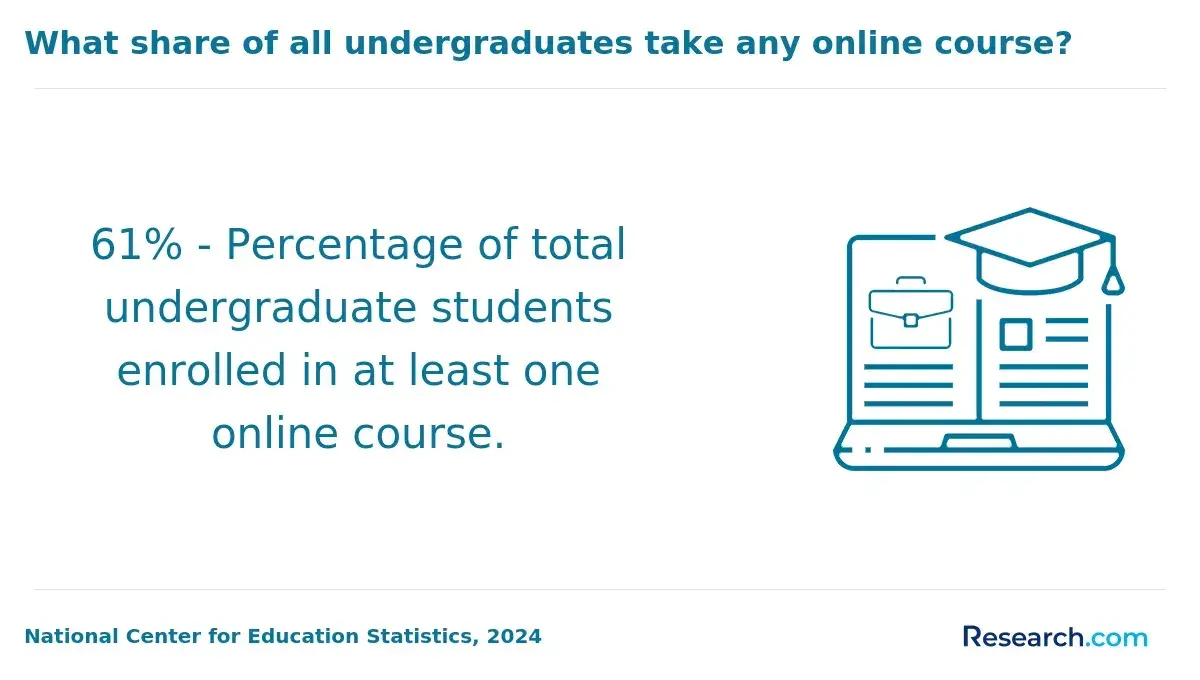
Choosing the delivery format for supply chain management degree programs is vital, as it influences flexibility, engagement, and career outcomes. Recent data reveals that about 37% of U.S. college students are enrolled solely in online courses, highlighting the shift toward remote education. Below is a breakdown of the benefits and drawbacks of online versus campus-based learning.
Online Supply Chain Management Degrees
- Flexibility: Students can tailor their study schedules around work and personal life, which is ideal for those managing multiple responsibilities.
- Accessibility: Programs are accessible regardless of geographic location, benefiting learners outside metropolitan areas or with mobility constraints.
- Networking Limitations: Interaction with peers and faculty is less direct, potentially reducing chances for immediate feedback and professional connections.
- Self-Discipline Requirements: Success relies heavily on individual motivation and time management without the routine of a campus environment.
Campus-Based Supply Chain Management Degrees
- In-Person Networking: Face-to-face interactions foster stronger relationships through group work and events, which are valuable for building career networks.
- Structured Learning: Formal schedules and on-site resources support higher engagement and hands-on experiences.
- Cost and Commute: Attending campus can involve expenses related to commuting or relocating, limiting flexibility for working students.
- Environment: Immersion in a college setting encourages participation but may be less accommodating to non-traditional students.
When discussing these aspects with a graduate who completed an online supply chain management degree, he noted struggling initially to assess programs without visiting campuses. "It felt overwhelming to judge quality through websites and virtual info sessions alone," he explained. Balancing a full-time job with coursework was demanding, but the ability to learn at his own pace was essential. He also shared how reaching out to alumni online helped him form connections that eased the transition into the professional world. Reflecting on his choices, he advised prospective students to weigh personal learning styles and life circumstances carefully, saying, "No format is perfect, but knowing what matters most to you makes all the difference."
GPA requirements are a key factor when comparing supply chain management degree programs because they reveal how programs assess academic readiness and candidate potential. Considering these differences can help applicants identify options that match their backgrounds and career goals. Below are some key aspects to consider regarding GPA expectations:
- Minimum Thresholds: Many programs enforce a baseline GPA, typically around 3.0 on a 4.0 scale, to ensure candidates have demonstrated consistent academic performance. This provides a clear standard but may exclude some otherwise qualified applicants.
- Holistic Review: Some programs adopt a flexible approach by evaluating candidates beyond GPA, including professional experience, recommendation letters, and personal statements. This benefits working professionals with relevant industry backgrounds who might not meet strict GPA cutoffs.
- Program Level Differences: Undergraduate supply chain management degrees often have more uniform GPA requirements, while graduate options, especially executive or part-time programs, may accept lower GPAs if applicants show strong work history and leadership skills.
- Format and Enrollment Variations: Programs delivered online or part-time sometimes adjust GPA standards to accommodate nontraditional students balancing education with job responsibilities, reflecting a broader definition of candidate potential.
By examining these factors alongside other admissions elements, prospective students can better evaluate how each program's GPA policies align with their unique profile and professional objectives.
Comparing tuition is essential when selecting supply chain management degree programs because the overall cost impacts both immediate finances and long-term debt. According to the National Center for Education Statistics, graduate students carried an average debt exceeding $66,000 in 2021. The following points highlight key factors to evaluate when comparing program costs.
- Total Program Cost: Look beyond the price per credit and add mandatory fees, textbooks, and other expenses to understand the full financial commitment required to complete the degree.
- Cost Per Credit: Assess the cost for each credit hour, since programs vary in credit requirements and billing structures, which can significantly affect total tuition.
- Mandatory Fees: Account for additional charges like technology or facility fees that are often mandatory but not included in published tuition rates.
- Financial Aid Options: Explore availability of scholarships, grants, and work-study opportunities that can lower out-of-pocket costs and make high sticker prices more manageable.
- Employer Tuition Benefits: If currently employed, check whether your organization offers tuition reimbursement or other incentives, as these can substantially offset expenses.
- Return on Investment: Evaluate how the program's cost aligns with expected career outcomes, salary growth, and advancement opportunities to ensure value over time.
When I asked a graduate who completed a supply chain management degree about her experience comparing tuition, she reflected on the complexity involved. "At first, I focused mainly on the per-credit rate, but soon realized hidden fees and required materials added up quickly." She described juggling research on financial aid packages and employer contributions as a challenging puzzle: "Determining which scholarships applied to certain fees and how my company's tuition support worked took patience...and several calls." Despite the hurdles, she said, "Thorough comparison helped me avoid surprises and choose a program that fit both my budget and career goals." Her story underscores the importance of detailed cost analysis to navigate the financial landscape of supply chain management degrees effectively.
Licensure alignment is crucial for students entering regulated fields or changing careers, as about 29% of U.S. jobs require professional certification or licensure. To evaluate how supply chain management degrees support these credentials, consider the following factors:
- Curriculum Alignment: Programs should offer coursework that meets the standards set by recognized organizations like AACSB or ACBSP, ensuring relevance to industry expectations and certification requirements.
- Accreditation Standards: Verify institutional accreditation since this validates the program's quality and impacts eligibility for professional certifications such as the Certified Supply Chain Professional (CSCP) exam.
- State-Specific Requirements: Some states impose distinct regulations, especially for logistics roles tied to transportation, so students must confirm their program addresses these regional differences.
- Supervised Experience: Programs that incorporate internships or practicum provide hands-on training essential for building skills and meeting certification eligibility criteria.
- Exam Eligibility: Completion of specific coursework and documented real-world experience often dictate qualification for industry exams, which can vary significantly between programs.
Career placement rates are a crucial factor when evaluating supply chain management degree programs because they reflect how effectively a program prepares graduates for employment. Research indicates that programs with strong career support and industry connections often achieve placement rates over 85% within six months of graduation. Consider these aspects to better assess a program's success in helping students secure jobs.
- Employer Partnerships: Programs with established connections to industry leaders can facilitate direct recruitment and provide students with access to exclusive job opportunities. These partnerships often translate into higher placement rates due to the demand for graduates with relevant skills.
- Internship Pipelines: Comprehensive internship programs offer hands-on experience and frequently serve as a pathway to full-time roles. Evaluating how a degree integrates internships can reveal the practical preparation it provides for employment.
- Alumni Outcomes: A strong and active alumni network supports mentorship and job referrals, enhancing employment prospects for new graduates. Reviewing graduate employment data or outcome reports helps gauge the program's impact on career success.
- Program Support Services: Quality career services including resume workshops, interview preparation, and job fairs are essential. These resources boost job readiness and contribute significantly to successful placement rates.
Students searching for the top supply chain management degrees for employment success should also consider academic content alongside these practical elements. Programs that blend fundamental knowledge with strong career placement mechanisms offer the best pathway to professional advancement. For those interested in exploring the best degrees to make money, supply chain management remains a compelling choice given its growing industry demand and competitive salaries.
Salary outcomes are a vital comparison metric for prospective students considering supply chain management degree programs, as they indicate the potential return on educational investment. The average salary for supply chain management program alumni in the U.S. typically ranges from $55,000 to $75,000 annually. Here are key factors influencing these salary differences:
- Role Variation: Entry-level positions like logistics coordinators generally start near the lower end of the salary range, while supply chain analysts and procurement managers often command salaries closer to $70,000 or above.
- Industry Impact: Graduates working in manufacturing or technology sectors tend to earn higher wages compared to those in retail or government positions, reflecting industry-specific demand and complexity.
- Geographic Differences: Location significantly affects earnings; metropolitan areas such as New York or San Francisco with higher living costs usually offer greater compensation than smaller cities or rural regions.
- Experience Level: Salaries increase substantially with job tenure, with mid-career professionals frequently earning between $90,000 and $120,000 annually as they take on advanced responsibilities.
For students balancing career ambitions and educational commitment, exploring options such as 1 year master's programs can provide a faster path to entering the workforce and starting salary growth. Understanding how much do supply chain management degree graduates earn by region and role helps align program choice with financial and professional goals.
What Graduates Say About Comparing Supply Chain Management Degree Programs Effectively
- Cade: "Before enrolling in the supply chain management degree program, I was juggling various job offers unsure which path to commit to. Cost was a big consideration since the average tuition was quite competitive compared to other business fields. Completing the program significantly boosted my confidence and opened doors to roles in logistics that I hadn't previously considered. "
- Mohamed: "Choosing a supply chain management degree wasn't easy initially; I evaluated the return on investment carefully given the average cost of attendance. The decision was largely driven by affordable tuition fees and the program's promise of practical skills that employers value. Reflecting on my career growth, this degree has been pivotal in advancing to management positions within global distribution."
- Axel: "I approached the supply chain management degree very professionally, weighing the cost against potential career gains. Knowing that the average cost was reasonable convinced me it was a worthwhile investment. After completing the program, I've noticed a remarkable improvement in my strategic thinking and operational capabilities, which has accelerated my career progression considerably. "
Other Things You Should Know About Supply Chain Management Degrees
Faculty expertise is crucial for selecting a supply chain management program in 2027. Experienced faculty bring industry insights and up-to-date knowledge, enhance learning experiences, and often influence networking and internship opportunities, which are vital for career advancement in a rapidly evolving field.
Check whether the curriculum prepares students for APICS certifications such as CSCP or CPIM and whether the program aligns with CSCMP competencies. Ask if required courses cover forecasting, inventory control, logistics, and procurement, and confirm whether graduates have recent certification pass-rate data from 2027.
Technology is a critical component of modern supply chain management education. Programs that provide access to industry-standard software, simulation tools, and data analytics platforms give students hands-on learning experiences aligned with current workplace demands. Checking the availability of these resources can be a decisive factor in program comparison.
- What Can You Do With a Supply Chain Management Degree? 9 Careers to Consider https://www.rasmussen.edu/degrees/business/blog/what-can-you-do-with-supply-chain-management-degree/
- Modern Logistics and Supply Chain Management https://www.lazarski.pl/en/offer-education/recruitment/graduate-studies/modern-logistics-and-managing-supply-chain-bachelors-degree
- Find Supply Chain Management and Logistics Degree Programs - SupplyChainGuide.org https://www.supplychainguide.org/degrees/
- Online vs. On-Campus: Choosing the Right Format for Your Supply Chain Degree https://www.ucumberlands.edu/blog/online-vs-on-campus-choose-your-supply-chain-degree-format
- Pathways to SCMP Designation | Supply Chain Canada https://www.supplychaincanada.com/education-and-training/pathways-to-scmp-designation
- Online Vs. Campus Supply Chain Courses: Which is right for you? https://henryharvin.ae/blog/online-vs-campus-supply-chain-courses-which-is-right-for-you/
- How to Become a Supply Chain Manager https://www.allbusinessschools.com/specialties/how-to-become-a-supply-chain-manager/
- How does e-learning in supply chain management differ from traditional on-campus programs? https://m.umu.com/ask/a11122301573853798181