2027 Part-Time vs. Full-Time Supply Chain Management Degree Programs

Co-Founder and Chief Data Scientist
Choosing between part-time and full-time supply chain management degree programs can be challenging, especially for students juggling work, finances, and academic goals. Nearly 40% of supply chain management students opt for flexible learning options to balance these demands, highlighting a growing trend toward adaptability in education.
This article will clarify key differences between part-time and full-time supply chain management programs, helping prospective students determine which study format best aligns with their career objectives and personal circumstances.
Key Benefits of Part-Time vs. Full-Time Supply Chain Management Degree Programs
- Part-time programs allow students to maintain employment, fostering practical experience alongside academic progress, which is critical as 72% of supply chain professionals value concurrent work-study integration.
- Flexible scheduling in part-time studies supports better work-life balance, reducing burnout risks common among full-time students in intensive supply chain management courses.
- Spreading tuition over a longer period helps manage financial commitments effectively, enabling students to avoid significant debt while advancing their careers in supply chain management.
How Are Part-Time Supply Chain Management Programs Structured Compared to Full-Time Programs?
Choosing between part-time and full-time supply chain management degree programs involves understanding key differences in structure that impact scheduling, pacing, and overall academic experience.
These differences can shape how students balance coursework with personal and professional commitments, influencing their success and satisfaction.
Part-Time Program
- Course Load: Students typically take one or two courses per semester, allowing a slower, manageable pace.
- Weekly Time Commitment: Around 8 to 12 hours per week is common, supporting balance with work or family.
- Scheduling Flexibility: Evening, weekend, or online classes are often available to accommodate non-traditional schedules.
- Learning Format: Many programs use modular or cohort-based learning to support stepwise progression.
- Industry Integration: Employer partnerships frequently tailor coursework to meet practical job requirements.
Full-Time Program
- Course Load: Typically involves four to five courses each semester, promoting full immersion.
- Weekly Time Commitment: Demands about 30 to 40 hours of study and class time weekly.
- Scheduling Structure: Usually daytime, in-person classes following a traditional academic calendar.
- Campus Engagement: Students gain frequent access to campus resources and networking opportunities.
- Program Intensity: Curricula are designed for continuous, back-to-back learning experiences.
For students interested in shorter or flexible credentials, exploring 6 month certificate programs that pay well online can provide alternative pathways to upskilling.
How Long Does It Take to Earn a Part-Time vs Full-Time Supply Chain Management Degree?
Understanding the duration of supply chain management degree programs is essential for students planning their academic and career timelines. The length of study impacts career entry, financial planning, and balancing personal commitments.
Typically, full-time students complete a bachelor's degree in supply chain management in about four years, taking 12 to 15 credit hours each semester. Part-time students often take 6 to 9 credit hours per semester, which extends their program completion to 5 or 6 years.
Here are more facts:
- Full-time duration: Usually four years, accommodating heavier course loads each semester for faster completion.
- Part-time duration: Typically 5 to 6 years, offering flexibility but requiring extended commitment.
- Transfer credits: Can shorten study time by recognizing prior college work or certifications, beneficial for both part-time and full-time students.
- Accelerated options: Some institutions provide fast-track full-time degrees in three years, while part-time students may use evening or online courses to maintain pace without excessive delay.
For those considering further education in flexible formats, exploring easy online master's programs may offer additional pathways after completing undergraduate studies.
Are Admission Requirements Different for Part-Time vs Full-Time Supply Chain Management Programs?
Admission requirements for part-time and full-time supply chain management degree programs often overlap but differ in emphasis, reflecting the varied needs of students pursuing these formats. Each caters to a distinct profile and availability, which influences the entry expectations.
- GPA Expectations: Full-time programs usually require a minimum GPA of around 3.0 on a 4.0 scale, emphasizing academic preparedness for intensive study. Part-time programs tend to be more flexible with GPA standards, accommodating working professionals with relevant experience.
- Prerequisite Coursework: Both program types demand foundational coursework in business, mathematics, or economics. However, part-time supply chain management degrees may offer options to complete prerequisites concurrently or allow extended timelines.
- Professional Experience: Part-time programs often prioritize or require measurable work experience in supply chain or related industries, recognizing it as a critical asset. In contrast, full-time programs may place less weight on experience, focusing on academic potential.
- Standardized Tests: Full-time formats frequently request GRE or GMAT scores, although this is becoming less common. Part-time applicants can sometimes waive these scores if they demonstrate strong professional backgrounds or hold advanced degrees.
- Supporting Documents: Both formats require letters of recommendation and personal statements. Applicants for part-time formats benefit from highlighting practical expertise, whereas full-time candidates emphasize scholastic aptitude.
Prospective students evaluating admission criteria for part-time supply chain management degrees or exploring full-time supply chain management program entry requirements should consider how their experience and schedule align with these distinctions.
For those looking for accelerated options, consulting resources on the shortest online masters degree may provide valuable insights into program duration and flexibility.
Tuition costs differ notably between part-time and full-time supply chain management programs, shaping how students plan their finances. Full-time students usually pay a fixed rate per semester or year, covering a standard credit load, while part-time learners pay per credit hour, causing variations in total costs depending on course load and duration.
- Per-credit tuition rates: Part-time programs often charge by credit hour, which can lead to higher expenses per credit but more flexible payment options. Full-time tuition is typically a lump sum for a set number of credits, which might reduce the per-credit price.
- Overall program cost: Because full-time students complete degrees faster, they may pay less cumulatively. Part-time students extend their studies, increasing total tuition and fees over time.
- Financial aid implications: Full-time students usually qualify for more extensive scholarships and federal aid compared to part-time peers, who might have limited funding opportunities.
- Additional fees: Technology, materials, and service fees apply in both formats but are often prorated for part-time enrollment, easing the financial burden slightly.
- Enrollment intensity: The pace at which students take courses directly impacts total costs, with full-time enrollment leading to quicker completion and potentially less accumulated debt.
I spoke with a graduate of a part-time supply chain management program who reflected on her financial journey. She emphasized the balancing act between managing work, family, and tuition payments paid per credit.
"It was challenging at times, especially when unexpected fees appeared, but paying incrementally helped me avoid large upfront costs," she shared. Her extended timeline meant higher overall spending, but it allowed her to stay employed and access steady income.
"Looking back, the flexibility was worth the cost because it made completing the degree possible without giving up my job," she concluded, highlighting the trade-offs inherent in part-time study budgeting.
Part-time supply chain management degree programs offer significantly more online and hybrid course options than full-time programs, which generally emphasize in-person learning. Here's an overview of how these two formats differ in balancing online, hybrid, and campus-based instruction:
- Program design flexibility: Part-time programs are tailored for working adults, often featuring asynchronous online classes and weekend or evening hybrid sessions, allowing students to balance study and employment efficiently.
- Institutional policies: Universities typically promote flexible learning pathways for part-time students, encouraging remote participation through technology to accommodate diverse schedules.
- Student demographics: Full-time programs attract younger, traditional students who can commit to daytime, face-to-face coursework, resulting in fewer online options.
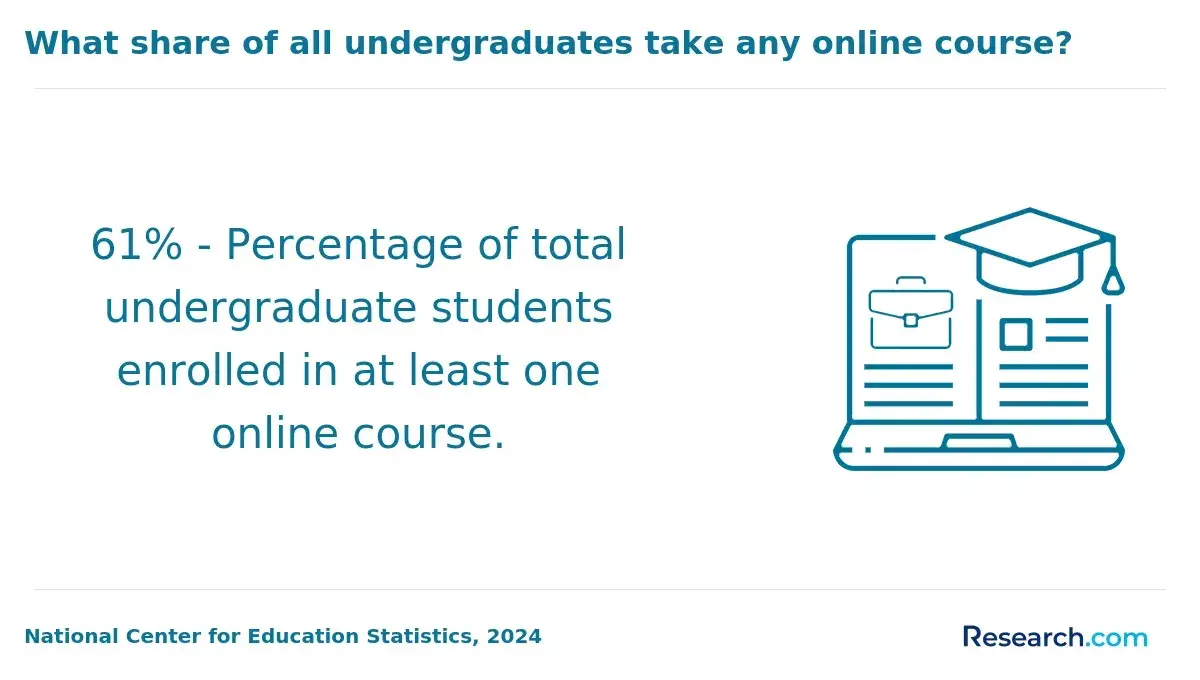
- Course delivery trends: Data shows over 60% of part-time graduate students choose online or hybrid courses, versus less than 30% among full-time peers in business fields, including supply chain management.
Most institutions offering supply chain management degrees permit students to transition between part-time and full-time enrollment, though the process is subject to distinct school policies.
Generally, students must have satisfactory academic standing and obtain approval from advisors or the registrar. Requests to switch are usually required within set timeframes to prevent penalties.
Students must also weigh factors like eligibility for financial aid since aid packages often differ between enrollment statuses, and course availability could be limited for part-time pathways. Additionally, switching may affect how quickly a student completes their degree.
Typical requirements include maintaining a minimum GPA and securing advising consent to ensure steady progress toward the degree. Tuition costs may vary between part-time and full-time options, and financial aid adjustments are common after changing status.
Course scheduling constraints especially impact part-time learners, potentially extending their graduation timeline beyond that of full-time peers. Personal responsibilities and professional commitments also play crucial roles in deciding whether to switch.
I spoke with a graduate who began in a part-time supply chain management program but later moved to full-time enrollment. He described feeling overwhelmed initially, balancing work and studies, but found that switching to full-time "helped me concentrate fully on coursework and finish faster."
The administrative steps required clear communication with advisors and timely filing of paperwork, which he found manageable despite the tight deadlines. Reflecting back, he said the change was "a challenging but rewarding adjustment that aligned well with my career goals."
Delivery format significantly shapes the learning experience in supply chain management degree delivery formats, with flexibility varying widely between part-time and full-time study. Choosing among online, hybrid, and campus options influences how students balance their academic and personal commitments.
- Scheduling flexibility: Online delivery offers the greatest scheduling flexibility, ideal for part-time learners balancing work and study. Full-time students may prefer hybrid or campus formats for more structured schedules.
- Workload management: Part-time students benefit from lighter, asynchronous workloads in online programs. Full-time campus learners can handle intensive courses with immediate faculty access, while hybrid formats require balancing both online and in-person tasks.
- Accessibility and resources: Online programs eliminate geographic barriers, expanding access for part-time students nationally. Campus programs provide hands-on labs and networking, favoring full-time learners, whereas hybrid formats offer a combination but may increase travel demands.
- Learning pace: Asynchronous online courses allow part-time students to progress at their own pace, often leading to longer completion times. Full-time students in campus or hybrid settings move faster due to fixed semesters and cohort structures, a pattern seen in online vs. campus supply chain programs.
- Student support structures: Campus settings give full-time students immediate access to advising and tutoring. Online programs increasingly offer virtual support crucial for part-time learners, while hybrid formats require more initiative from students to access mixed resources.
For those seeking flexible options, exploring accredited online colleges for adults with free application can provide practical pathways to advance education without disrupting work-life balance.
Employers do not universally prefer full-time supply chain management degrees over part-time ones; rather, their perceptions depend on several key factors. Full-time programs are often seen as more rigorous because of their intensive coursework and continuous academic focus. This perception associates full-time study with greater mastery of complex supply chain concepts.
On the other hand, part-time degrees highlight a student's time management skills and ability to balance professional responsibilities with education. These qualities, along with relevant work experience, can make part-time graduates equally attractive.
Industry-specific hiring trends also influence how full-time and part-time degrees are valued. Sectors like manufacturing or logistics often prioritize candidates with direct professional experience, which part-time students typically accumulate while studying. The hands-on knowledge frequently resonates with employers, demonstrating effective career readiness alongside academic achievement.
According to a 2022 CSCMP report, many hiring managers value relevant industry experience as much as the degree format itself. Those considering their education options may find resources such as the most affordable online colleges for working adults helpful in balancing cost and format while advancing their careers in supply chain management.
Return on investment (ROI) is vital when deciding between part-time and full-time supply chain management degree programs. It involves evaluating tuition fees, program length, lost earnings during study, and salary growth potential post-graduation.
Full-time programs usually demand higher upfront tuition, ranging from $30,000 to $60,000, but their shorter duration, 1 to 2 years, allows graduates to advance more quickly. This often leads to faster salary increases and career progression within a couple of years.
Here are more key facts:
- Total program cost: Full-time study tends to require a larger immediate financial outlay, while part-time programs spread expenses over several years, easing financial pressure.
- Opportunity cost: Part-time students often maintain their salaries during enrollment, reducing income loss, whereas full-time students may sacrifice earnings temporarily.
- Salary potential: Full-time graduates generally see salary boosts of 20-30% within two years, benefiting from swift workforce entry.
- Career advancement: Full-time programs may enable quicker promotions due to concentrated skill development, while part-time routes might delay such opportunities.
- Long-term benefits: Although full-time study offers faster ROI, part-time learning balances work and education, which can be advantageous depending on personal circumstances.
Selecting the ideal study format for a supply chain management degree is vital to harmonize academic ambitions, career plans, and life responsibilities. Making an informed choice helps ensure a manageable workload and progress toward your objectives.
- Time availability: Full-time programs demand substantial weekly hours and typically finish in 1-2 years. Part-time schedules stretch coursework over 3-4 years, accommodating those with limited daily study time.
- Financial resources: Although full-time enrollment often means higher semester fees, faster completion can lower overall costs. Part-time study allows continued employment but may increase total tuition and living expenses.
- Career goals: Intensive full-time study suits individuals targeting swift promotions or career switches. Part-time options benefit professionals balancing job duties while advancing knowledge.
- Learning style and flexibility: Part-time programs frequently offer evening, weekend, or online classes, adapting to diverse needs. Evaluate your ability to juggle academic requirements with personal and work commitments.
What Graduates Say About Their Part-Time vs. Full-Time Supply Chain Management Degree
- Wayne: "Pursuing a full-time supply chain management degree was an intense but rewarding experience. The immersive curriculum helped me develop advanced skills that directly boosted my confidence and employability. Considering the average cost was quite high, I found the investment worthwhile for the career growth I achieved. "
- Sue: "Balancing work and my part-time supply chain management studies was challenging but fulfilling. The flexible schedule allowed me to gain new industry knowledge without sacrificing my income, and the reasonable cost made it accessible. This degree truly opened doors for me in logistics, enhancing my career prospects significantly. "
- Killian: "Reflecting on my journey through a full-time supply chain management program, I appreciate how the structured environment accelerated my learning. Although the tuition fees were a considerable commitment, the comprehensive education and networking opportunities justified the expense and propelled my career forward. "
Other Things You Should Know About Supply Chain Management Degrees
Yes, part-time supply chain management students generally have access to the same career services as full-time students, including resume reviews, interview preparation, and networking events. However, part-time students might find fewer opportunities to participate in on-campus recruiting fairs or full-time internships due to scheduling conflicts. Many schools offer virtual career support, which helps bridge this gap for part-time learners balancing work and study.
In 2027, scholarships and financial aid are accessible to both part-time and full-time supply chain management students. However, availability and amounts may vary based on the institution. Part-time students might have more limited options compared to full-time students, but many schools offer tailored financial support for varying enrollment statuses.
Yes, many AACSB-accredited supply chain management programs require the same capstone or strategic sourcing project for both formats, usually in the final term. Full-time students often finish in one semester, while part-time students may spread the same 3- to 6-credit requirement across multiple terms.
- Master of Supply Chain Management (MSCM): Application guide | John Molson School of Business - Concordia University https://www.concordia.ca/jmsb/programs/graduate/master-supply-chain-management/admissions/application-guide.html
- Supply Chain Management - Global https://www.conestogac.on.ca/fulltime/supply-chain-management-global
- Part-time master (Erhvervskandidat) | CBS - Copenhagen Business School https://www.cbs.dk/en/study/graduate/supply-chain-management/part-time-master-erhvervskandidat
- Is an MBA Worth It for Supply Chain Managers in 2025 https://www.scmdojo.com/is-an-mba-worth-it-for-supply-chain-managers-in-2025/
- Master’s Degree vs Job Market: How to Decide After College - Education Briefs | Think Academy US https://www.thethinkacademy.com/blog/edubriefs-masters-degree-vs-job-market-how-to-decide-after-college/
- Tuition fees | Master of Science (MSc) – Operations and Supply Chain Management https://www.hec.ca/en/programs/masters/master-operations-supply-chain-management/tuition-fees/index.html
- WU (Vienna University of Economics and Business) https://www.wu.ac.at/en/programs/masters-programs/supply-chain-management/frequently-asked-questions
- MS in Supply Chain Management Requirements - Pitt Business https://www.business.pitt.edu/ms-supply-chain-management/ms-in-supply-chain-management-requirements/
- Tips for Working Professionals in Supply Chain Master’s Programs https://exploreblog.ashland.edu/tips-for-working-professionals-in-supply-chain-masters-programs
- Online Vs. Campus Supply Chain Courses: Which is right for you? https://henryharvin.ae/blog/online-vs-campus-supply-chain-courses-which-is-right-for-you/