2027 How to Become an Elementary School Teacher in Minnesota: Requirements & Certification

Co-Founder and Chief Data Scientist
Becoming an elementary school teacher in Minnesota requires more than earning an education degree. You must complete an approved teacher preparation pathway, gain supervised classroom experience, pass required Minnesota Teacher Licensure Examinations (MTLE), clear a background check, and apply through the Minnesota Professional Educator Licensing and Standards Board (PELSB). The process can feel confusing because Minnesota uses a tiered licensing system and because online, alternative, transfer, and specialization pathways do not all work the same way.
This guide is for prospective elementary educators, career changers, education majors, paraprofessionals, and working adults comparing Minnesota teacher preparation options. It explains the requirements, timelines, costs, online program rules, alternative certification routes, scholarships, job market conditions, and practical questions to ask before choosing a program.
Quick answer: How do you become an elementary school teacher in Minnesota?
To become an elementary school teacher in Minnesota, you generally need a bachelor’s degree, completion of a state-approved teacher preparation program, supervised field experience, student teaching, passing scores on the required MTLE exams, a background check, and an approved license application through PELSB. Candidates in Minnesota must complete a state-approved teacher preparation program that includes a minimum of 60 hours of field experience and a student teaching component. Minnesota also requires passing scores on the Minnesota Teacher Licensure Examinations.
| Step | What you need to do | Why it matters |
| 1. Earn a bachelor’s degree | Complete an elementary education degree or a closely related degree with an approved teacher preparation program. | Minnesota requires formal preparation before full classroom licensure. |
| 2. Complete fieldwork and student teaching | Finish required field experience and student teaching under supervision. | Schools and PELSB need evidence that you can apply teaching methods in real classrooms. |
| 3. Pass required exams | Take and pass the MTLE exams required for elementary education licensure. | Exams verify basic skills, pedagogy, and content knowledge. |
| 4. Submit your licensure application | Apply through the Minnesota licensing system with transcripts, test scores, and supporting documentation. | You cannot serve as a licensed public school teacher without state approval. |
| 5. Renew and keep learning | Complete required professional development and renewal requirements. | Minnesota teachers must stay current with instructional standards, student safety requirements, and professional practice. |
Key things to know before starting
- The average time to complete the licensure process for an elementary school teacher in Minnesota is approximately 18 months. This includes obtaining a bachelor’s degree, completing a teacher preparation program, and passing required exams.
- In the 2022-2023 academic year, Minnesota issued over 3,500 new elementary teaching licenses, showing continued need for qualified elementary educators.
- The application fee for an initial teaching license in Minnesota is $57, while the renewal fee is $35. Exam fees may add another $50 to $150 depending on which tests are required.
- To maintain licensure, teachers must complete 125 clock hours of professional development every five years.
- Minnesota uses a tiered licensure structure, beginning with Tier 1 for educators with limited preparation or experience and progressing to Tier 3 for fully licensed teachers.
- There are more than 30,000 licensed elementary teachers in Minnesota, so new candidates should choose programs that provide strong clinical experience, licensure advising, and job placement support.
The safest way to plan your route is to work backward from licensure. Before enrolling, confirm that the program is approved for Minnesota elementary education licensure, includes the required clinical components, and prepares you for the MTLE exams.
- What education do elementary teachers need in Minnesota?
- How does the Minnesota licensure application and renewal process work?
- Traditional vs. alternative teacher certification in Minnesota: which path fits you?
- How long does it take to become an elementary school teacher in Minnesota?
- Can online education programs lead to Minnesota teacher licensure?
- Online vs. on-campus elementary education programs in Minnesota
- How much do elementary education programs in Minnesota cost?
- Scholarships and grants for future Minnesota elementary teachers
- How to choose the right Minnesota elementary education program
- What special education qualifications may be required?
- Where can teachers find mental health and well-being support?
- What elementary education specializations are available?
- Should you earn an advanced degree later?
- How can speech and language support improve classroom outcomes?
- Can elementary teachers move into preschool teaching?
- What classroom challenges should Minnesota elementary teachers expect?
- What is the most cost-effective route to Minnesota teacher licensure?
- Which added certifications can strengthen your teaching profile?
- What career paths are available for Minnesota elementary teachers?
- What other teaching opportunities can elementary teachers pursue?
- What is the job market for elementary school teachers in Minnesota?
- What professional development and mentorship options can help you advance?
What education do elementary teachers need in Minnesota?
Minnesota elementary teachers need a bachelor’s degree and an approved teacher preparation program that leads to elementary education licensure. The degree should include coursework in child development, instructional design, classroom assessment, literacy, math instruction, classroom management, and teaching methods for diverse learners.
- Bachelor’s degree: Most candidates complete a bachelor’s degree in elementary education. A related major may work if it includes, or is followed by, a state-approved teacher preparation program.
- Approved teacher preparation program: The program must meet Minnesota licensure standards. This matters more than the program format; online, hybrid, and campus-based programs can be viable only if they satisfy state requirements.
- Field experience: Candidates must complete a minimum of 60 hours of field experience before or during formal clinical teaching.
- Student teaching: Minnesota mandates a minimum of 12 weeks of student teaching. This supervised experience is where you practice lesson planning, assessment, classroom routines, family communication, and differentiated instruction.
- Licensure exams: After completing the required preparation, candidates must pass the Minnesota Teacher Licensure Examinations. As of 2023, passing rates for these exams are around 80%.
- Background check: Prospective teachers must complete a criminal background check before licensure approval.
- License application: Candidates submit transcripts, test results, student teaching verification, and other required materials through the Minnesota licensure process.
The broader field of teaching careers includes classroom teaching, instructional support, curriculum development, special education, and leadership roles. In Minnesota, elementary teaching demand remains supported by a projected growth rate of 5% through 2030, according to the Minnesota Department of Employment and Economic Development.
Experience also shapes long-term career options. According to a study, the average US teacher's teaching experience ranges from 3 to 20 years, with the chart below showing that many teachers have between 10 and 20 years of experience.
How does the Minnesota licensure application and renewal process work?
The Minnesota licensing process is handled through the Minnesota Professional Educator Licensing and Standards Board. Your application is strongest when every requirement is documented before you submit it: degree completion, approved preparation, student teaching, exam scores, background check, and any supporting forms requested by PELSB.
| Licensure stage | What to prepare | Common issue to avoid |
| Before applying | Confirm your program is approved for Minnesota elementary education licensure. | Assuming any education degree automatically qualifies you for a Minnesota license. |
| Initial application | Submit transcripts, MTLE scores, background check materials, and clinical experience verification. | Applying before test scores or student teaching documentation are complete. |
| Tier placement | Review whether your background supports Tier 1, Tier 3, or another appropriate tier. | Misunderstanding the difference between limited and full licensure pathways. |
| Renewal | Complete professional development and mandatory trainings. | Waiting until the final months of the license cycle to track clock hours. |
Most elementary educators work toward Tier 3 or Tier 4 licensure after completing approved preparation and meeting state requirements. Teachers must complete 125 clock hours of professional development every five years to maintain licensure. Mandatory trainings may include topics such as child safety and cultural competency, depending on current renewal requirements.
Use the PELSB online licensing system to track your records and renewal status. If you are still comparing degree options, flexible routes such as affordable online bachelor’s in education programs may be useful, but only if the program aligns with Minnesota licensure expectations. Candidates researching the broader process can also review how to become a teacher in Minnesota for a wider view of state teaching pathways.
Traditional vs. alternative teacher certification in Minnesota: which path fits you?
Minnesota offers more than one way to prepare for elementary teaching. The best route depends on your current education, whether you already hold a bachelor’s degree, how quickly you need to enter the classroom, and how much support you want during training.
| Pathway | Best for | Typical structure | Main trade-off |
| Traditional teacher preparation | Students starting college or those who want a full undergraduate education program. | Bachelor’s degree in education, pedagogy coursework, fieldwork, student teaching, and MTLE preparation. | Usually more structured but may take longer if you already have a degree. |
| Alternative certification | Career changers or bachelor’s degree holders from non-education fields. | Licensure coursework, supervised teaching, mentoring, and completion of state requirements while transitioning into teaching. | Can be faster, but it often requires strong self-management and careful licensure advising. |
| Post-baccalaureate preparation | People who have a degree but want a more traditional preparation experience. | Education coursework and clinical practice after the first bachelor’s degree. | May add cost, but can provide deeper preparation before full-time teaching. |
Traditional teacher preparation programs
Traditional programs usually lead to a Bachelor of Arts or Bachelor of Science in Education. Candidates complete coursework in pedagogy, child development, literacy instruction, math methods, assessment, classroom management, and inclusive teaching. A supervised student teaching placement is a central requirement. Examples of Minnesota institutions offering traditional pathways include the University of Minnesota and Minnesota State University, Mankato.
Traditional preparation may be the better fit if you want a predictable four-year academic plan, access to campus-based advising, and extensive clinical practice before becoming the teacher of record.
Alternative teacher certification programs
Alternative certification routes are designed for candidates who already have a bachelor’s degree or who are entering teaching from another profession. These programs may allow candidates to begin teaching while completing required coursework and receiving mentoring. Examples mentioned in Minnesota pathways include Teach for America and the Minnesota Teacher Candidate Program.
Alternative certification can make sense if you already have strong academic preparation, can handle a compressed training schedule, and are comfortable learning while working in a school setting. It is less ideal if you need extensive classroom practice before taking on teaching responsibilities.
How long does it take to become an elementary school teacher in Minnesota?
The full timeline depends on your starting point. A first-time college student should usually plan for several years of degree study, clinical practice, testing, and licensure processing. Career changers with a completed bachelor’s degree may move faster if they qualify for an approved alternative or post-baccalaureate pathway.
| Stage | Estimated time | What happens during this stage |
| Bachelor’s degree | 4 years | You complete general education, elementary education coursework, field experiences, and major requirements. |
| Teacher preparation program | 1-2 years | If not embedded in your bachelor’s degree, you complete licensure coursework and clinical requirements separately. |
| Licensure application | 1-2 months | You submit documentation to PELSB and wait for review and processing. |
| Licensure exams | Varies | You prepare for and complete the required MTLE exams. Many candidates reserve several weeks to a few months for study. |
Aspiring elementary school teachers in Minnesota should anticipate a commitment of approximately five to seven years when starting from the beginning of college. The average time to complete the licensure process for an elementary school teacher in Minnesota is approximately 18 months when the degree, preparation program, and exams are considered as part of the licensure sequence described above.
If you may later move or compare licensure rules across states, reviewing Florida teacher preparation programs can help you understand how state-specific teacher licensing requirements differ.
The table below shows that TPP enrollment hasn't changed much in the past few years.
Can online education programs lead to Minnesota teacher licensure?
Yes. Online education programs can be accepted for Minnesota teacher licensure if they are properly accredited, meet Minnesota requirements, and include required fieldwork and student teaching. The key question is not whether a program is online; it is whether the program is approved or accepted for the Minnesota elementary license you want.
- Verify accreditation and state approval: Look for recognized accreditation and confirm whether the program is designed for Minnesota licensure. Minnesota requires a degree from a regionally accredited institution.
- Ask about clinical placements in Minnesota: Online coursework is not enough. You still need field experience and student teaching in an approved setting.
- Confirm MTLE preparation: The program should clearly identify which exams you must take and how coursework prepares you for them.
- Check out-of-state program policies: If the online school is based outside Minnesota, ask whether it has a licensure pathway for Minnesota candidates.
- Get written answers: Before enrolling, request confirmation from the program’s licensure officer that your intended pathway can lead to Minnesota elementary education licensure.
Online programs can be a strong option for working adults, rural students, parents, and career changers. They are a poor choice, however, if the school cannot arrange appropriate student teaching or cannot explain how its curriculum maps to Minnesota requirements.
Online vs. on-campus elementary education programs in Minnesota
Both online and campus-based elementary education programs can prepare candidates for licensure when they meet Minnesota requirements. The right choice depends on your schedule, learning preferences, location, budget, and need for in-person support.
| Factor | Online program | On-campus program |
| Schedule flexibility | Often better for working adults and students with family responsibilities. | Better for students who prefer fixed class times and regular in-person interaction. |
| Access | Useful for students in rural areas or those who cannot commute regularly. | Best for students who live near campus or want face-to-face services. |
| Clinical experience | Must be arranged locally or through school partnerships; ask how placements work. | May offer established partnerships with nearby schools. |
| Networking | Requires more intentional effort through virtual advising, cohorts, and field placements. | Often easier through campus events, faculty relationships, and local school contacts. |
| Technology readiness | Builds comfort with digital platforms and online instructional tools. | May provide more immediate access to classroom labs, campus resources, and peer practice. |
| Licensure risk | Higher if the program is out of state or unclear about Minnesota requirements. | Lower when the campus program is Minnesota-approved, but verification is still necessary. |
Do not choose based only on convenience. A low-cost online program that does not lead to Minnesota licensure can become more expensive than a higher-priced program with clear approval, strong advising, and reliable student teaching placements.
How much do elementary education programs in Minnesota cost?
The cost of becoming an elementary teacher in Minnesota includes more than tuition. You should also account for housing, transportation, books, technology, testing, background checks, and licensure fees. Comparing total cost is more useful than comparing tuition alone.
| Cost category | Amount stated | How to evaluate it |
| Tuition at a four-year nonprofit institution | Approximately $36,556 per year | Ask whether this includes fees and whether education program costs differ from general tuition. |
| Tuition at for-profit colleges | Around $11,047 per year | Confirm accreditation, licensure alignment, student teaching support, and completion outcomes. |
| Room and board | $10,000 to $15,000 annually | Compare living at home, campus housing, commuting, and online study options. |
| Textbooks and course materials | $1,000 to $1,500 per year | Ask whether open educational resources, rentals, or used books can reduce costs. |
| Credentialing fees | $300 to $500 | Budget for application, testing, background check, and related licensing expenses. |
| Initial license application | $57 | Include this in your final licensure budget. |
| Renewal fee | $35 | Plan for renewal costs and professional development requirements over time. |
When comparing programs, ask about transfer credits, scholarships, clinical placement costs, exam preparation, and the cost of retaking courses or exams. If you are considering graduate study for leadership later, resources such as online leadership and organizational change degrees can help you compare how advanced education differs from initial teacher preparation.
Scholarships and grants for future Minnesota elementary teachers
Financial aid can reduce the cost of becoming a teacher, especially for candidates willing to teach in high-need schools, shortage areas, or underserved communities. Always confirm eligibility requirements, service obligations, deadlines, and repayment conditions before accepting an award.
| Funding option | Amount or benefit stated | What to check before applying |
| Minnesota Teacher Candidate Grant | Up to $7,500 per year | Confirm whether your teacher preparation program, subject area, and intended school setting qualify. |
| Federal TEACH Grant | Up to $4,000 per year | Understand the Agreement to Serve and the requirement to teach in a low-income school or high-need field for at least four years after graduation. |
| District-specific scholarships | Varies by district | Ask whether accepting funds requires a teaching commitment after licensure. |
| University-based scholarships | Varies by institution | Contact the education department and financial aid office, not just the general admissions office. |
| Loan forgiveness programs | May reduce qualifying student debt | Review service requirements for Federal Public Service Loan Forgiveness and Minnesota’s Rural Teacher Loan Forgiveness initiative. |
| Private grants | Varies | Look for awards from education foundations, nonprofit organizations, and professional associations. |
Start with the financial aid office at each school you are considering. Then ask the teacher education department whether there are awards specifically for elementary education, special education, literacy, ESL, rural teaching, or high-need district placements.
How to choose the right Minnesota elementary education program
Minnesota has over 1,200 elementary schools, and program choice can affect where you complete student teaching, how prepared you feel in your first classroom, and how smoothly your license application is processed. Use the following criteria before committing to a school.
| Question to ask | Why it matters | Better answer from a program |
| Is this program approved for Minnesota elementary education licensure? | Approval is the foundation of your licensing plan. | The program can clearly document its licensure pathway and connect you with a licensure officer. |
| How are field placements and student teaching arranged? | You need real classroom experience that meets state expectations. | The school has established placement processes and support for finding approved sites. |
| What MTLE support is included? | Passing exams is required for licensure. | The program provides exam advising, content review, and timing guidance. |
| What are the total costs, not just tuition? | Fees, books, testing, and commuting can change affordability. | The school provides a realistic cost estimate and explains financial aid options. |
| Can I transfer credits? | Transfer policies can shorten or lengthen your timeline. | The school reviews transcripts before enrollment and explains which credits apply. |
| What support is available during student teaching? | Clinical teaching is demanding and high-stakes. | You receive regular supervision, feedback, and problem-solving support. |
| Where do graduates teach? | Placement patterns can reveal employer relationships. | The program can describe common school partners and graduate outcomes without guaranteeing employment. |
What special education qualifications may be required in Minnesota?
Special education teaching requires preparation beyond standard elementary licensure. Teachers in this area need training in individualized education programs, adaptive instruction, disability categories, behavior support, assessment accommodations, family collaboration, and legal responsibilities. The work is highly specialized because students may need academic, behavioral, communication, physical, or social-emotional supports.
If you want to work with students with disabilities, review how to become a special education teacher in Minnesota and ask your program whether it offers a special education endorsement, dual licensure option, or pathway into graduate-level preparation.
Where can teachers find mental health and professional well-being support?
Elementary teaching can be deeply rewarding, but it also involves emotional labor, classroom management pressure, parent communication, administrative tasks, and responsibility for students with varied academic and social needs. Minnesota educators may find support through school district employee assistance programs, mentorship, peer support groups, professional development workshops, and counseling resources offered through employers or community providers.
Teachers who want deeper knowledge of student mental health, crisis response, or educator wellness sometimes explore counseling-related training. An online counseling degree is not required for elementary licensure, but it may interest educators considering school support roles or future graduate study in counseling-related fields.
What elementary education specializations are available in Minnesota?
Specializations can help elementary teachers serve specific student populations, strengthen instructional skills, and qualify for additional roles. They are especially useful if you want to work in high-need areas or build expertise beyond general classroom teaching.
| Specialization | What it focuses on | Who should consider it |
| Special education | Instruction and support for students with disabilities and diverse learning needs. | Teachers who want to work in inclusive classrooms, resource settings, or specialized programs. |
| English as a Second Language | Language development and academic support for multilingual learners. | Teachers interested in helping non-native English speakers access grade-level content. |
| Reading and literacy | Phonics, fluency, comprehension, vocabulary, and early reading intervention. | Teachers who want to become stronger literacy instructors or reading specialists. |
| STEM education | Science, technology, engineering, and math instruction through inquiry and problem solving. | Teachers who enjoy hands-on learning, experiments, design thinking, and math enrichment. |
| Early childhood education | Developmentally appropriate instruction for children from birth to age eight. | Teachers who may want to work with preschool, kindergarten, or early primary learners. |
| Culturally responsive teaching | Teaching practices that connect curriculum to students’ backgrounds, identities, and communities. | Teachers committed to inclusive classrooms and equitable participation. |
Most specialization paths require a bachelor’s degree in elementary education or related preparation, followed by added coursework, endorsement requirements, or certification work. You should verify whether a specialization changes your licensure area, adds an endorsement, or simply strengthens your professional practice.
Should you earn an advanced degree for career advancement?
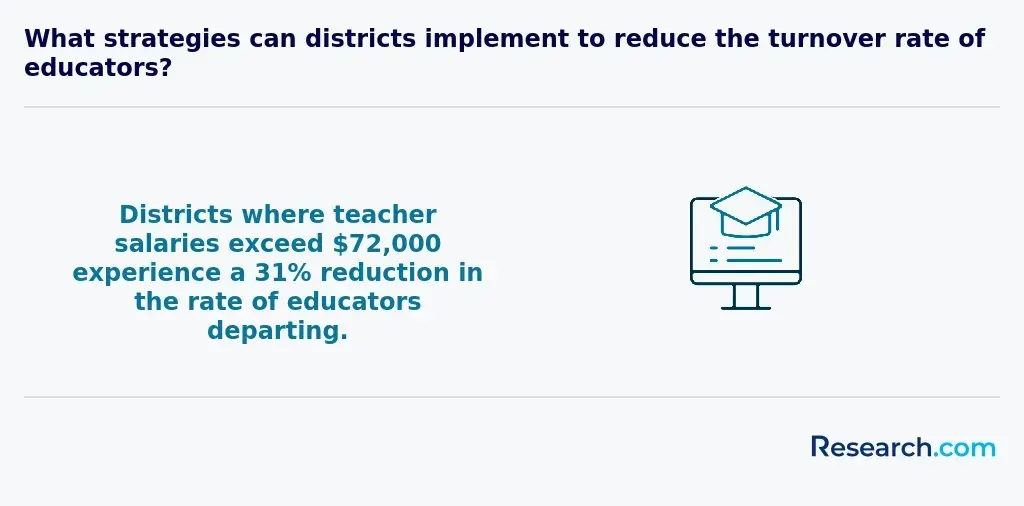
An advanced degree is not the first step to becoming a Minnesota elementary teacher, but it can matter later if you want to move into instructional leadership, curriculum design, administration, research, teacher education, or specialized student support. The decision should be based on your career goal, district salary policies, tuition cost, time commitment, and whether the degree leads to a credential you actually need.
If you are comparing doctoral options, review the EdD vs PhD key differences. An EdD is often more practice-oriented, while a PhD is commonly associated with research-focused careers. Neither should be chosen only for prestige; the better choice is the one aligned with the role you want.
How can speech and language support improve classroom outcomes?
Speech and language support can help elementary teachers identify communication barriers that affect reading, writing, participation, behavior, and peer interaction. Classroom teachers often collaborate with speech-language pathologists to support students with articulation, language processing, fluency, vocabulary, and social communication needs.
Teachers do not need to become speech-language pathologists to use communication-friendly teaching strategies, but understanding the role can improve collaboration. If you are considering a separate clinical career path, see how to be a speech therapist in Minnesota.
Can elementary teachers move into preschool teaching in Minnesota?
Yes, but preschool teaching involves different developmental expectations, instructional methods, and sometimes different credential requirements. Elementary teachers who want to work with younger children should study early childhood development, play-based learning, family engagement, early assessment, and classroom routines designed for preschool learners.
Before switching roles, confirm whether your current license covers the age group and setting you want. If not, review early childhood certification or endorsement options. For a focused overview, see how to become a preschool teacher in Minnesota.
What classroom challenges should Minnesota elementary teachers expect?
Elementary teachers in Minnesota face many of the same challenges seen nationwide: varied reading levels, math gaps, classroom behavior, multilingual learners, technology management, parent communication, attendance concerns, and student mental health needs. New teachers should not assume strong content knowledge alone is enough. Classroom systems matter.
| Challenge | What it can look like | Practical response |
| Diverse academic levels | Students in the same class may read, write, or calculate at very different levels. | Use small groups, formative assessment, scaffolded lessons, and targeted intervention. |
| Behavior management | Disruptions can reduce instructional time and increase teacher stress. | Build routines, teach expectations explicitly, reinforce positive behavior, and seek coaching early. |
| Technology integration | Digital tools can help learning but also create distraction and access issues. | Use technology with a clear instructional purpose, not as a substitute for teaching. |
| Administrative workload | Planning, grading, documentation, communication, and meetings can crowd out reflection time. | Create repeatable systems and collaborate with grade-level teams. |
| Meeting specialized needs | Students may require IEPs, language support, enrichment, or behavior plans. | Work closely with specialists, families, and support staff. |
Some educators also compare public, private, charter, and specialized school settings. If you are curious about private school pathways, review how to become a private school teacher in Minnesota.
What is the most cost-effective route to Minnesota teacher licensure?
The most cost-effective route is the one that leads to licensure without unnecessary credits, repeated coursework, or unsupported clinical placements. A cheaper program is not automatically better if it delays licensure or requires you to pay later for missing requirements.
- Start with approved programs: Do not compare price until you confirm licensure alignment.
- Use transfer credits wisely: Community college and prior college credits may reduce cost if the receiving program accepts them toward degree requirements.
- Ask about embedded licensure: A bachelor’s program with built-in teacher preparation may be more efficient than completing a degree and later adding licensure coursework.
- Compare online and local options: Online coursework may reduce commuting or housing costs, but clinical placement support is essential.
- Budget for exams and licensing: Include MTLE fees, background checks, and application costs before deciding a pathway is affordable.
For a focused cost comparison, review the cheapest way to get a teaching credential in Minnesota and compare those strategies with your transfer credits, schedule, and licensure timeline.
Which added certifications can strengthen your teaching profile?
Additional credentials can help elementary teachers demonstrate focused expertise. Useful areas may include literacy, STEM instruction, ESL, special education, gifted education, behavior support, educational technology, or curriculum leadership. The right choice depends on your school setting and the students you want to serve.
Do not pursue extra certifications randomly. Ask whether the credential is recognized by districts, whether it leads to an endorsement, and whether it improves your classroom effectiveness or career mobility. Teachers interested in subject-specific expertise can compare how specialization works in other teaching areas, such as high school math teacher qualifications in Minnesota.
What career paths are available for Minnesota elementary teachers?
An elementary education background can lead to several school-based and education-adjacent roles. Some require only classroom experience, while others may require additional licensure, graduate study, or specialized credentials.
| Career path | Typical responsibilities | Additional preparation to consider |
| Elementary school teacher | Teach core subjects, manage classroom routines, assess student progress, and communicate with families. | Elementary education licensure and continuing professional development. |
| Kindergarten teacher | Support early literacy, numeracy, social skills, routines, and school readiness. | Early childhood or primary-grade training may be helpful. |
| Special education teacher | Adapt instruction, support IEP goals, collaborate with specialists, and monitor student progress. | Special education licensure or endorsement. |
| ESL teacher | Support multilingual learners with language development and academic content access. | ESL endorsement or related preparation. |
| Reading specialist | Provide literacy intervention, assess reading skills, and coach classroom teachers. | Reading or literacy specialization. |
| Curriculum developer | Create instructional materials, align lessons to standards, and support program improvement. | Curriculum and instruction coursework or graduate study. |
| Curriculum supervisor | Oversee curriculum implementation and instructional quality across classrooms or schools. | Leadership experience and often advanced education. |
| School administrator | Manage school operations, staff, instructional priorities, and student services. | Administrative licensure and graduate-level preparation. |
| School counselor | Support students’ academic, social, emotional, and personal development. | Counseling graduate preparation and appropriate credentialing. |
| Child care director | Lead early childhood programs, supervise staff, and ensure program quality. | Early childhood and leadership training. |
| Professional tutor | Provide targeted academic support to individual students or small groups. | Subject expertise, assessment skills, and intervention strategies. |
If you are interested in child development, early learning, or leadership in youth-serving settings, child development degree details can help you understand how graduate study may support non-classroom or specialized roles.
What other teaching opportunities can elementary teachers pursue in Minnesota?
After gaining elementary classroom experience, some Minnesota teachers move into middle grades, subject-specific instruction, intervention roles, instructional coaching, private school teaching, special education, or early childhood education. A common transition is moving from general elementary teaching into a focused subject area such as mathematics.
If you enjoy math instruction and want to work with older students, review how to become a middle school math teacher in Minnesota. Keep in mind that changing grade bands or subject areas may require additional coursework, exams, or licensure changes.
What is the job market for elementary school teachers in Minnesota?
Minnesota’s elementary teacher labor market is stable, but outcomes vary by district, region, experience, licensure area, and school needs. Candidates with strong clinical experience, literacy preparation, classroom management skills, and additional endorsements may be more competitive.
| Labor market measure | Minnesota data stated |
| Elementary teachers employed in Minnesota | Approximately 23,910 as of the first quarter of 2024 |
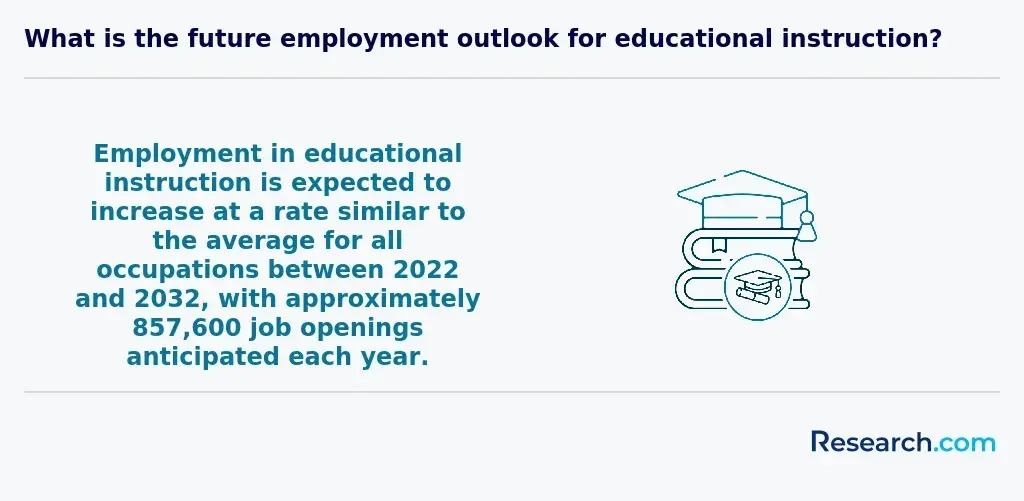
| Projected job growth | Around 3.8% from 2022 to 2032 |
| Mean annual salary | Approximately $69,281.33 |
| 10th percentile salary | $49,346.85 |
| 25th percentile salary | $51,603.00 |
| Median salary | $65,016.28 |
| 75th percentile salary | $82,426.75 |
| 90th percentile salary | $98,106.48 |
Salary also differs by region. The Minneapolis-St. Paul-Bloomington MSA has a median salary of $65,521.08, Seven County Mpls-St. Paul has a median salary of $65,327.40, and Central Minnesota has a median salary of $65,116.21. The leading employment sector is Education and Health Services, which includes public and private educational institutions.
Graduate study is not required for all teaching roles, and it should be chosen carefully. For educators considering creative instruction, arts integration, or a future outside standard elementary teaching, an affordable online master's in fine arts may be relevant only if it supports a specific career goal.
What professional development and mentorship options can help you advance?
Professional development helps Minnesota teachers maintain licensure, improve classroom practice, and prepare for leadership or specialization. Since teachers must complete 125 clock hours of professional development every five years, it is wise to choose clock-hour activities that support both renewal and long-term career goals.
- District mentorship: New-teacher mentoring can help with classroom management, lesson pacing, family communication, and school procedures.
- Grade-level teams: Collaboration with other elementary teachers supports lesson planning, assessment review, and intervention decisions.
- Instructional coaching: Coaching can improve literacy instruction, math methods, differentiation, and student engagement.
- Workshops and conferences: Professional learning events can address technology, equity, behavior, assessment, and subject-specific teaching.
- Specialization training: Added preparation in reading, ESL, special education, STEM, or arts integration can expand your impact.
Teachers interested in integrating creativity into the elementary classroom may find practical ideas by reviewing how to become an art teacher in Minnesota, especially if they are considering arts-focused instruction or a future role in a specialized subject area.
Common mistakes to avoid when pursuing Minnesota elementary licensure
| Mistake | Why it can hurt you | Better approach |
| Choosing a program before checking Minnesota licensure alignment | You may complete credits that do not lead to the license you need. | Ask for written confirmation from the program’s licensure officer. |
| Comparing only tuition | Books, fees, exams, housing, commuting, and delayed completion can change total cost. | Compare full cost of attendance and licensure-related expenses. |
| Assuming every online program works for Minnesota | Some online programs are designed for another state’s requirements. | Confirm Minnesota field placement, student teaching, and exam preparation policies. |
| Waiting too long to prepare for the MTLE | Exam delays can postpone your license application. | Build exam preparation into your final year or licensure program timeline. |
| Ignoring transfer credit policies | You may lose time or money repeating coursework. | Request a transcript evaluation before enrolling. |
| Relying only on rankings or reputation | A well-known school may not be the best fit for your budget, schedule, or placement needs. | Evaluate approval status, advising, clinical support, cost, and graduate outcomes together. |
| Assuming salary outcomes are guaranteed | Pay varies by district, experience, region, and contract terms. | Review district salary schedules and regional labor data before estimating ROI. |
Questions to ask before enrolling in a Minnesota elementary education program
- Is the program approved for Minnesota elementary education licensure?
- Who is the licensure officer, and can I meet with that person before enrolling?
- How many field experience hours are included before student teaching?
- How are student teaching placements selected and supervised?
- Does the program prepare candidates for the required MTLE exams?
- What happens if I do not pass an exam on the first attempt?
- Can my previous college credits transfer into the program?
- What is the total estimated cost, including fees, books, testing, background checks, and licensure?
- Are scholarships, grants, or loan forgiveness options available for teacher candidates?
- Does the program offer specializations such as literacy, ESL, STEM, early childhood, or special education?
- What support is available during the first year after graduation?
Current trends affecting Minnesota elementary teachers
Several trends are shaping elementary education and teacher preparation. Technology is now part of planning, assessment, communication, and instruction, so new teachers need digital classroom management skills as well as traditional pedagogy. Schools also continue to emphasize literacy intervention, inclusive education, cultural responsiveness, student mental health, and support for multilingual learners.
At the same time, teacher candidates are paying closer attention to affordability, online options, transfer pathways, and alternative licensure routes. These options can be helpful, but they also increase the need for careful verification. The most important trend for prospective teachers is credential precision: choose a pathway that clearly leads to the specific Minnesota license and grade level you want.
Key Insights
- To become an elementary school teacher in Minnesota, you need a bachelor’s degree, an approved teacher preparation program, required field experience, student teaching, MTLE exam completion, a background check, and PELSB licensure approval.
- Minnesota requires a minimum of 60 hours of field experience and a student teaching component; the state also mandates a minimum of 12 weeks of student teaching.
- The initial license application fee is $57, the renewal fee is $35, and exam fees can range from $50 to $150 depending on the required tests.
- Teachers must complete 125 clock hours of professional development every five years to maintain licensure.
- Online programs can work for Minnesota licensure, but only if they are properly accredited, include approved clinical placements, and satisfy Minnesota requirements.
- The best program is not always the cheapest or highest ranked. Prioritize licensure approval, student teaching support, MTLE preparation, transfer policies, total cost, and advising quality.
- Specializations such as special education, ESL, reading and literacy, STEM, early childhood education, and culturally responsive teaching can improve classroom effectiveness and career flexibility.
- As of the first quarter of 2024, Minnesota employed approximately 23,910 elementary school teachers, with a mean annual salary of approximately $69,281.33 and projected growth of around 3.8% from 2022 to 2032.
Related Articles for Nearby States
- 2027 How to Become an Elementary School Teacher in Wisconsin: Requirements & Certification
- 2027 How to Become an Elementary School Teacher in Iowa: Requirements & Certification
- 2027 How to Become an Elementary School Teacher in North Dakota
- 2027 How to Become an Elementary School Teacher in South Dakota: Requirements & Certification
- 2027 How to Become an Elementary School Teacher in Nebraska: Requirements & Certification
- 2027 How to Become an Elementary School Teacher in Illinois: Requirements & Certification
- 2027 How to Become an Elementary School Teacher in Missouri: Requirements & Certification
- 2027 How to Become an Elementary School Teacher in Michigan: Requirements & Certification
- 2027 How to Become an Elementary School Teacher in Kansas: Requirements & Certification
- 2027 How to Become an Elementary School Teacher in Indiana: Requirements & Certification
References:
- Minnesota Department of Employment and Economic Development (n.d.). Occupational Employment Statistics. Retrieved from apps.deed.state.mn.us.
- Minnesota Professional Educator Licensing and Standards Board (n.d.). Tier 3 and Tier 4 Renewal Information: Clock Hours and Mandatory Trainings. Retrieved from mn.gov.
- University of Minnesota (n.d.). Become a teacher. Retrieved from ci.umn.edu.
- St. Cloud State University (n.d.). Careers. Retrieved from stcloudstate.edu.
Other Things You Should Know About Becoming a Nurse in Minnesota
Minnesota elementary teaching licenses are renewed through the Professional Educator Licensing and Standards Board, and teachers must complete continuing license renewal requirements during each five-year license cycle. The renewal process includes professional development activities documented for the Board, not a fixed statewide hour total for every teacher.
Aspiring elementary teachers in Minnesota must pass the Minnesota Teacher Licensure Examinations (MTLE), including content-specific and pedagogy tests, by 2027. These exams assess subject knowledge and teaching skills required for certification. Additional assessments may be necessary based on the teaching specialization.