
2027 Cheapest Way to Get a Teaching Credential in Minnesota: Requirements & Certification

Co-Founder and Chief Data Scientist
Becoming a licensed teacher in Minnesota can be affordable, but the cheapest route depends on your current education, the subject and grade level you want to teach, and whether you already hold a degree or teaching license. A high school graduate, a career changer with a bachelor’s degree, a technical professional, an out-of-state teacher, and an internationally trained educator may all follow different pathways—and the lowest-cost option for one person may be the wrong choice for another.
This guide explains the least expensive ways to earn a Minnesota teaching credential, what costs to expect, when online or alternative licensure makes sense, how Minnesota’s tiered licensure system works, and which mistakes can make a “cheap” program more expensive later. It is designed for aspiring teachers who want a practical, budget-conscious plan without choosing a program that fails to meet state requirements.
Quick Answer: What is the cheapest way to get a teaching credential in Minnesota?
The most affordable pathway usually depends on what you already have. If you do not have a degree, starting at a community college and transferring to a lower-cost public or online bachelor’s program can reduce tuition. If you already have a bachelor’s degree, an alternative licensure program may be faster and less expensive than earning another full degree. If you want to teach career and technical education, Minnesota may allow pathways based on an associate degree, industry credentials, or substantial work experience, which can lower the cost further.
- Lowest-cost starting point: community college coursework before transferring to a bachelor’s program.
- Best route for career changers: alternative teacher preparation if you already hold a bachelor’s degree.
- Potentially cheapest specialized route: career and technical education licensure for candidates with qualifying industry experience, certifications, or an associate degree.
- Important cost advantage: Tier 1 licensure does not require exams, which can reduce upfront expenses.
- Costs to budget for: application fees, background checks, fingerprinting, tuition, books, transportation, and any required exams for higher tiers or specific pathways.
- How much does it cost to become a teacher in Minnesota?
- Can an internationally trained educator get a Minnesota teaching license?
- Can I complete a Minnesota teaching credential online?
- Can I teach in Minnesota with an out-of-state credential?
- How does teaching in Minnesota connect to retirement planning?
- What happens if my Minnesota teaching license expires?
- How many credits are usually required for a Minnesota teaching credential?
- How much do Minnesota teachers make?
- What is the job outlook for teachers in Minnesota?
- What does a Minnesota teaching career path look like?
- Why choose online teacher education in Minnesota?
- How can I become a preschool teacher in Minnesota?
- What financial aid can reduce the cost of teacher preparation?
- How can history specialization support a Minnesota teaching career?
- What should I know about teaching in Minnesota private schools?
- How can a low-cost credential affect my future options?
- What should I ask before choosing the cheapest pathway?
- What are the career outcomes and ROI considerations?
- How can policy changes affect low-cost credentials?
- What other education-related credentials are available?
- How can teachers move into school administration?
- What hidden costs should aspiring teachers watch for?
- How can I verify program approval and quality?
- How do I choose the right Minnesota teaching pathway?
- What are the music teacher education requirements in Minnesota?
- Key insights for choosing an affordable Minnesota teaching credential
How much does it cost to become a teacher in Minnesota?
The total cost of becoming a teacher in Minnesota can range widely because tuition is only one part of the expense. Your final cost depends on whether you need a full bachelor’s degree, whether you already have transferable credits, whether exams are required for your licensure tier, and whether your program includes student teaching, supervision, or additional course fees.
A cost-conscious plan should separate mandatory licensure expenses from optional or program-specific costs. The cheapest program is not always the best value if it delays licensure, does not match your intended subject area, or lacks state approval.
| Cost area | Figures cited in this guide | How to reduce the cost |
| Community college coursework | Often around $5,000 per year | Use community college credits for general education requirements before transferring to a four-year program. |
| Public university tuition | Often between $10,000 and $20,000 annually for in-state students | Compare public universities, transfer policies, online options, and total program length. |
| Traditional bachelor’s route | Can range from $10,000 to $30,000 per year for in-state students | Choose in-state tuition, apply for education scholarships, and avoid losing credits during transfer. |
| Alternative licensure | Typically between $4,000 to $10,000 | Use this route if you already hold a bachelor’s degree and meet program entry requirements. |
| Online teaching degree | Some programs cost as little as $5,000 to $15,000 for the entire degree | Confirm state approval and compare fees beyond tuition. |
| Licensure exams, when required | Each test costs between $30 and $50 | Check whether your tier requires exams before paying for test preparation or registration. |
| License application | Approximately $90.65; another cited figure is approximately $91.95 | Budget for the application separately from tuition and program fees. |
| Living expenses | Minnesota’s average cost of living index in 2023 is around 98.5 | Consider online coursework, local placements, shared housing, or lower-cost regions. |
Cost-saving strategies that usually matter most
- Start with the lowest-cost credits that will transfer. Community college coursework can reduce the cost of general education requirements, but only if the credits apply to your target bachelor’s or teacher preparation program.
- Do not pay for exams you do not need yet. Tier 1 licensure has no testing requirement, while other tiers and endorsements may require exams. Confirm your route before spending money on test fees or preparation materials.
- Choose a program based on total cost, not advertised tuition. Books, clinical placement fees, background checks, travel to student teaching sites, technology fees, and delayed graduation can change the real price.
- Ask about scholarships for education majors. Institutional scholarships, grants, and aid for future teachers can lower out-of-pocket costs. Students comparing nearby options may also benefit from reviewing related teacher preparation pathways, including Virginia teacher education programs, to understand how requirements vary by state.
- Use transfer planning early. A cheaper first year can become expensive if credits do not count toward licensure requirements.
Can a foreigner get a Minnesota teaching license?
Yes. Internationally trained educators may pursue a Minnesota teaching license, but they should expect additional documentation steps. The key issue is whether the Minnesota Professional Educator Licensing and Standards Board, commonly referred to as PELSB, recognizes the applicant’s academic preparation, training, and teaching experience as comparable to Minnesota standards.
The process can still be affordable if you plan carefully and avoid paying for duplicate evaluations or unnecessary coursework. Educators comparing state requirements may also want to review neighboring licensure processes, such as teaching requirements Wisconsin, before choosing where to apply.
Steps for internationally trained applicants
- Request a credential evaluation. Your transcripts, degree records, and teacher preparation documents may need to be reviewed by a PELSB-approved evaluation service.
- Collect complete academic records. Gather transcripts, diplomas, training records, course descriptions, and any existing teaching license or certificate from your home country.
- Check English proficiency expectations. Some applicants may need to document English proficiency, especially when teaching in English-language classrooms.
- Identify the correct licensure tier. Depending on your background, you may qualify for a different tier than another international applicant with a similar degree but different classroom experience.
- Look for a Minnesota job offer when required. Some licensure tiers, including Tier 1 or Tier 2 situations, may require employment sponsorship or a job offer from a Minnesota public school.
- Budget for evaluation, application, fingerprinting, and background checks. These costs are separate from any coursework you may later need.
What international applicants should ask before paying for a program
- Will this program accept my foreign degree or transfer credits?
- Does PELSB require a specific evaluation service for my documents?
- Will I need additional coursework before licensure?
- Does the pathway require a Minnesota school district job offer?
- Can the program help with field placements or only coursework?
Can I get my teaching credential online in Minnesota?
Yes, many aspiring teachers can complete substantial portions of teacher preparation online in Minnesota, but online does not mean fully remote. State-approved teacher preparation usually includes fieldwork, student teaching, clinical practice, or supervised classroom experience that must occur in an approved school setting.
An online pathway can be a strong cost-saving option for working adults, rural students, parents, and career changers. The critical requirement is state approval. A low-priced online program that is not recognized for Minnesota licensure can waste time and money.
| Online pathway | Best fit | Cost and licensure caution |
| Online bachelor’s in education | Students who do not already have a bachelor’s degree | Confirm the program includes approved teacher preparation and student teaching for Minnesota. |
| Online post-baccalaureate or alternative licensure | Career changers with an existing bachelor’s degree | May be cheaper than earning a second degree, but admission and employment requirements vary. |
| Online endorsement coursework | Licensed teachers adding a subject or specialization | Usually less expensive than a full degree, but must align with PELSB requirements. |
| Online master’s in teaching | Degree holders who want graduate preparation and licensure options | Compare total tuition, placement support, and whether the degree is required for your goal. |
How to evaluate an online teaching credential program
- Confirm state approval before applying. Do not rely only on marketing language such as “teacher certification track.” Ask whether the program meets Minnesota licensure requirements.
- Ask how student teaching placements work. Some online programs help arrange placements; others expect students to find approved settings.
- Compare total fees. Online students may still pay technology fees, placement fees, background check costs, and materials expenses.
- Review exam and endorsement requirements. Depending on your tier and subject, additional assessments may apply.
- Check whether the program serves your intended grade level. Elementary, secondary, special education, early childhood, and career and technical education routes are not interchangeable.
Students exploring flexible education careers can also compare related online options, such as job prospects for library science graduates, when deciding whether classroom teaching is the right long-term path.
Teacher preparation programs, often called TPPs, provide the coursework, clinical experience, and professional training needed for licensure. The best program for you is the one that meets Minnesota requirements at the lowest total cost while still preparing you for the classroom you want to enter.
Can I teach in Minnesota with an out of state credential?
Yes, teachers licensed in another state may be able to teach in Minnesota, but they must apply through Minnesota’s licensure system. Minnesota uses a tiered licensure structure, and the tier you qualify for depends on your degree, teacher preparation, student teaching, exams, teaching experience, and current license status.
Minnesota licensure tiers for out-of-state teachers
| Tier | Common eligibility profile | Cost-saving point |
| Tier 4 | Applicants with a bachelor’s degree, a state-approved teacher preparation program, a student teaching component of at least 12 weeks, and a minimum of three years of teaching experience in the subject area | Experienced teachers may avoid repeating a full preparation program if documentation is complete. |
| Tier 3 | Applicants with a bachelor’s degree, a comparable teacher preparation program, a valid teaching license from another state, two years of teaching experience, and passing scores on Minnesota’s content and pedagogy exams | Costs may focus on application, documentation, and exams rather than a new degree. |
| Tier 2 | Applicants with a bachelor’s degree and completed teacher preparation who may lack required student teaching or required exams; a Minnesota public school job offer is required | This route may help qualified candidates begin teaching while completing remaining requirements. |
What out-of-state teachers should do first
- Gather your licensure documents. Include your current license, transcripts, student teaching records, preparation program verification, exam scores, and employment history.
- Compare your background to Minnesota’s tier criteria. Applying for the wrong tier can delay approval and increase costs.
- Request a credential review if needed. PELSB or an approved process may evaluate how your preparation compares with Minnesota standards.
- Fill only the true gaps. If you need coursework, consider approved low-cost options, including best value online education degrees that can support teacher preparation goals.
- Ask districts about high-need roles. A job offer can matter for certain tiers, especially Tier 2 situations.
Can I teach in Minnesota with a teaching license from another country?
A foreign teaching license may support your Minnesota application, but it does not automatically authorize you to teach. Minnesota must evaluate your academic preparation, professional training, language readiness when applicable, and any gaps between your background and state expectations.
- Credential evaluation is central. Foreign degrees and teacher training records are reviewed to determine their U.S. and Minnesota equivalency.
- English proficiency may matter. Applicants may need to show they can teach effectively in English-language instructional settings.
- Additional requirements are possible. Depending on the country, program structure, and subject area, Minnesota may require extra coursework, exams, or supervised experience.
International experience can be valuable in Minnesota classrooms, but applicants should build a document checklist before paying for coursework. Missing records are one of the fastest ways to slow the process and increase costs.
How many years do you have to teach in Minnesota to retire?
Retirement eligibility for Minnesota teachers depends on the rules of the Teachers Retirement Association, service credit, age, employment history, and the retirement option selected. Because retirement rules can affect long-term compensation, aspiring teachers should think beyond the cheapest credential and consider whether they plan to remain in Minnesota schools long enough to benefit from the state retirement system.
If affordability is your top concern, retirement planning still matters. A cheaper credential may help you enter the profession sooner, which can allow earlier accumulation of service credit. However, retirement value depends on your full career, not only the cost of licensure.
Questions to ask about retirement before choosing a pathway
- Will this pathway let me begin paid teaching sooner?
- Will my role be covered by the Teachers Retirement Association?
- How does part-time teaching affect service credit?
- Will time spent under a provisional or lower-tier license count the same way as other teaching service?
- How will graduate study, unpaid student teaching, or delayed licensure affect my long-term earnings?
Teachers who later pursue advancement may consider graduate study, including economical online master's in teaching programs, but that decision should be based on career goals, district salary schedules, and total cost.
What happens if my Minnesota teaching credential expires?
If a Minnesota teaching license expires, the educator may lose authorization to teach under that credential. For Tier 3 and Tier 4 licenses, renewal planning is especially important because districts typically require active licensure for continued employment.
Letting a credential lapse can create avoidable costs: late fees, rushed professional development, employment delays, and extra administrative work. The cheapest approach is to track renewal requirements from the first year you receive your license.
How to avoid an expired Minnesota teaching license
- Track the expiration date immediately. Add reminders well before the renewal deadline instead of waiting for district notices.
- Document professional development hours. Renewal often depends on required clock hours or district-reported professional learning records.
- Complete required trainings early. Mandatory training areas can include child safety and instructional practice topics.
- Use the online licensing system. Your File Folder number and License Serial Number help you check your renewal record.
- Verify district reporting. Do not assume external trainings have been added to your official file.
- Renew before the deadline. On-time renewal is usually less disruptive than trying to restore an expired credential.
A practical renewal system can be simple: keep a digital folder with your license, clock hour certificates, district confirmations, training records, and login information. That small habit can prevent a stressful—and potentially expensive—license lapse.
How many units is a Minnesota teaching credential?
Minnesota does not define a teaching credential only by a single number of “units.” The required credits depend on the degree, licensure area, teacher preparation program, and any endorsements. Still, most candidates pursuing a first full teaching license through a bachelor’s route should expect a four-year degree structure.
- Bachelor’s degree pathway: Most candidates complete between 120 and 130 semester credits, including general education, subject-area coursework, pedagogy, and student teaching.
- Associate degree pathway: An associate degree generally requires around 60 to 70 units and may reduce the cost of the first half of college, but it usually does not qualify a candidate by itself for a standard teaching license.
- Career and technical education pathway: Some CTE routes may consider associate-level preparation, technical certifications, and work experience, depending on the teaching field.
How to avoid paying for credits you do not need
- Map your target license first. Elementary education, secondary science, special education, music, and CTE have different academic requirements.
- Get a transfer evaluation in writing. Before enrolling, ask how many credits will apply to your licensure plan.
- Confirm that student teaching is included. A degree without approved clinical experience may not satisfy licensure expectations.
- Compare credit requirements across approved programs. A shorter credit path can lower tuition, but only if it leads to the same valid credential.
How much do teachers in Minnesota make?
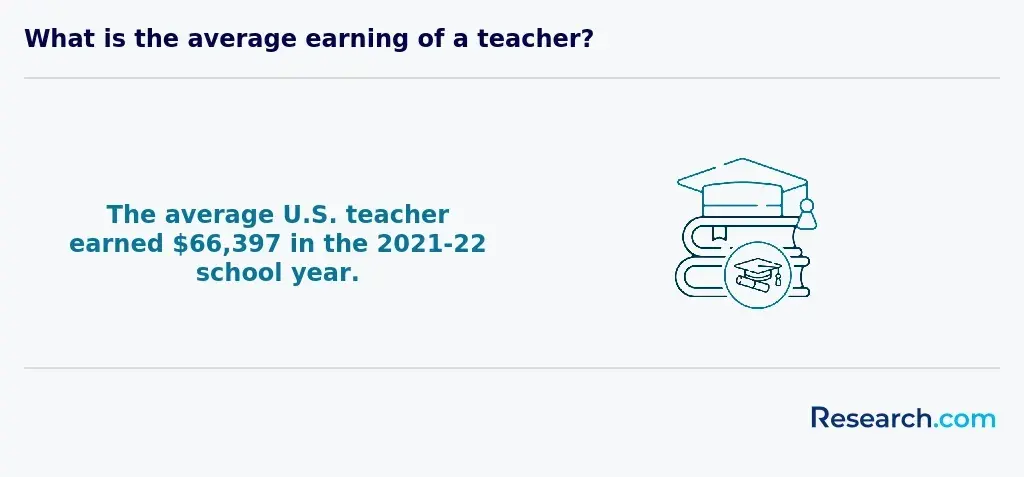
Minnesota teacher salaries vary by district, grade level, subject, education level, contract terms, and years of experience. The salary data cited in this guide includes an average salary of approximately $60,000 per year for Minnesota teachers and a median annual salary of around $65,016 for elementary school teachers in Minnesota.
Those figures should not be treated as a guaranteed starting salary. New teachers may earn less, while experienced teachers with advanced credentials, additional endorsements, or placement in higher-paying districts may earn more.
How salary should influence your credential decision
- Estimate payback time. Compare total credential cost against likely entry-level pay in the district or region where you hope to work.
- Review district salary schedules. Some districts reward graduate credits, advanced degrees, or years of experience differently.
- Consider shortage areas. Endorsements in high-need subjects may improve hiring prospects, but do not assume they guarantee higher pay.
- Factor in unpaid or low-paid clinical time. Student teaching can affect your ability to work while completing a program.
- Think about long-term advancement. Mentoring, department leadership, curriculum roles, and administration can change lifetime earnings.
What is the job outlook of teachers in Minnesota?
The outlook for Minnesota teachers is generally steady, with demand varying by region, subject, school level, and district staffing needs. The employment projection cited in this guide indicates approximately 3.8% growth for elementary education from 2022 to 2032.
Job outlook should shape your credential strategy. A low-cost credential is most valuable when it qualifies you for roles that districts actually need to fill. Before enrolling, research openings in your intended region and subject area.
Ways to improve your employment prospects while keeping costs low
- Choose a licensure area with real openings. Review district job boards before choosing a specialization.
- Gain school-based experience early. Substitute teaching, paraprofessional work, tutoring, and volunteering can strengthen your application.
- Consider endorsements strategically. Additional credentials can broaden opportunities, but only if the added coursework cost is justified.
- Build relationships during field placements. Student teaching can become a hiring pipeline if you perform well and communicate professionally.
- Stay flexible on location. Urban, suburban, and rural districts may have different staffing needs.
What is the career path of a teacher in Minnesota?
A Minnesota teaching career often begins with initial licensure and classroom experience, then expands through additional responsibilities, endorsements, graduate education, mentoring, or leadership. The most affordable credential should still support where you want to go after your first job.
| Career stage | Typical focus | Cost-conscious move |
| Pre-licensure | Complete degree, teacher preparation, exams if required, and background checks | Use transfer credits, approved online courses, and financial aid. |
| Entry-level teacher | Build classroom management, lesson planning, assessment, and family communication skills | Choose districts with strong mentoring and induction support. |
| Experienced classroom teacher | Refine instruction, mentor newer teachers, and lead grade-level or subject teams | Add endorsements only when they expand realistic job options. |
| Teacher leader or specialist | Support curriculum, intervention, instructional coaching, or department leadership | Use employer tuition support if graduate credits are required. |
| Administrator or policy role | Move into school leadership, district leadership, or education advocacy | Compare leadership credentials carefully before enrolling. |
The best early-career plan is not simply “get licensed as cheaply as possible.” It is to become licensed affordably in a subject and grade level where you can get hired, grow, and stay employed long enough for the credential to pay off.
The number of people enrolling in teacher preparation programs is one signal of how well the educator pipeline is functioning. For individual students, however, the more important question is whether a specific program leads to licensure, employment, and manageable debt.
Why choose online education in Minnesota?
Online teacher education can reduce commuting costs, make scheduling easier, and allow working adults to continue earning income while completing coursework. It can be especially useful for rural students, parents, paraprofessionals, substitute teachers, and career changers who cannot relocate for a campus-based program.
However, online programs must still meet Minnesota licensure requirements. A flexible format is helpful only if the program includes approved coursework, supervised field experience, and the correct pathway for your intended license.
Online education may be a good fit if you:
- need to keep working while studying;
- live far from a campus with an approved teacher preparation program;
- already have classroom employment and want a route that fits your schedule;
- want to reduce commuting, housing, or relocation expenses;
- can manage independent learning and online deadlines.
If you are comparing undergraduate options, a bachelor of education online program can be a practical starting point, provided it aligns with Minnesota licensure rules.
How can I become a preschool teacher in Minnesota?
Preschool teaching usually requires preparation in early childhood development, age-appropriate instruction, family engagement, assessment, and supervised experience with young children. The most affordable route depends on whether you want to work in a public school, private preschool, Head Start-type setting, childcare center, or another early learning environment.
Before enrolling, compare program approval, practicum requirements, tuition, and whether the credential matches the type of preschool role you want. For a more focused step-by-step guide, review how to become a preschool teacher in Minnesota.
What financial aid opportunities can help reduce the cost of obtaining a teaching credential in Minnesota?
Financial aid can make a major difference, especially for candidates completing a bachelor’s degree or unpaid student teaching. Look beyond general aid and search specifically for awards tied to education majors, shortage areas, local districts, professional associations, and service commitments.
Financial aid options to investigate
- Institutional scholarships: Colleges and universities may offer awards for teacher education students.
- State and federal grants: Grant eligibility depends on financial need and program type.
- Loan forgiveness programs: Some programs support educators who teach in qualifying schools or shortage areas.
- Employer assistance: Paraprofessionals, substitutes, and district employees should ask whether their employer supports licensure coursework.
- Paid work connected to schools: Tutoring, substitute teaching, and paraprofessional roles can provide income and relevant experience.
Some future educators also build complementary skills through other affordable programs, such as an online creative writing degree, but any additional degree should support a clear teaching or career goal.
How can specialized history education benefit my teaching career in Minnesota?
A history specialization can help teachers build stronger subject knowledge, design more engaging lessons, and qualify for specific social studies or history roles when aligned with Minnesota licensure requirements. It may be especially valuable for candidates who want to teach middle school or high school students rather than pursue general elementary education.
Specialization should be chosen strategically. Extra coursework costs money, so it should connect directly to an endorsement, subject license, or realistic hiring opportunity. For a subject-specific route, review how to become a history teacher in Minnesota.
What are the important considerations for teaching in private schools in Minnesota?
Private schools may have different hiring expectations than public schools. Some private schools prefer or require licensed teachers, while others place more emphasis on subject expertise, religious mission fit, teaching philosophy, or prior experience. This flexibility can create opportunities, but it can also make requirements less predictable.
If you want maximum career mobility, public school licensure is usually the safer credential because it may also be valued by private schools. If your goal is specifically private education, ask each school what credentials it expects before paying for a licensure program.
Questions to ask private schools
- Is a Minnesota teaching license required for this role?
- Does the school require a specific endorsement or subject background?
- Will unlicensed teaching experience help if I later apply for public school licensure?
- Does the school provide mentoring or tuition support?
- How do salary, benefits, retirement, and contract terms compare with public districts?
For more detail, see private school teacher requirements in Minnesota.
What are the music teacher education requirements in Minnesota?
Music teacher preparation is more specialized than many general education pathways. Candidates commonly need coursework in music theory, performance, music education methods, ensemble or applied study, and supervised teaching. Programs may also include auditions, performance assessments, workshops, or field experiences.
Because music education can include additional requirements, candidates should compare program length, ensemble obligations, instrument or voice expectations, and clinical placement support before choosing the cheapest option. For a deeper breakdown, review music teacher education requirements in Minnesota.
What are the career outcomes and ROI for the cheapest teaching credential in Minnesota?
The return on investment of a low-cost teaching credential depends on more than tuition. A credential has strong ROI when it leads to licensure, employment, manageable debt, and room for advancement. It has weak ROI if it is cheap upfront but delays licensure, lacks approval, offers poor placement support, or does not match available jobs.
How to evaluate ROI before enrolling
- Total cost: Include tuition, fees, exams, background checks, fingerprinting, books, technology, travel, and lost income during student teaching.
- Time to paid employment: A lower-cost program that takes much longer may not save money overall.
- Licensure match: Make sure the program qualifies you for the subject and grade band you want.
- Hiring demand: Review real job postings in your target region.
- Salary trajectory: Compare district salary schedules and how they treat additional credits or degrees.
- Advancement options: Consider endorsements, mentoring, leadership, or graduate study only when they support a clear career step.
Specialized credentials can improve job fit in certain subjects. For example, candidates interested in math instruction can review middle school math teacher requirements in Minnesota before deciding whether added coursework is worth the cost.
How will a low-cost teaching credential influence my future career?
A low-cost credential can help you enter the classroom with less debt, which may improve financial flexibility early in your career. It can also make teaching more accessible for career changers, paraprofessionals, rural students, and working adults.
The trade-off is that not all inexpensive options offer the same advising, field placement support, networking, or preparation quality. A low-cost pathway is a smart choice when it is approved, complete, and aligned with your target job. It is risky when it is merely inexpensive.
For candidates who need a flexible route, how to become a teacher in Minnesota can provide additional guidance on online preparation options.
How are recent policy changes affecting the validity of low-cost teaching credentials in Minnesota?
Teacher licensure rules can change as states update standards, address staffing needs, and refine educator preparation expectations. Because of that, an affordable program should be evaluated against current PELSB requirements, not only past student experiences or old admissions materials.
Before enrolling, ask the program to confirm in writing that it is aligned with current Minnesota licensure expectations. Candidates should also review Minnesota teacher certification requirements to understand the state’s tiered credential structure and subject-specific rules.
What other teaching credentials are available in Minnesota?
Minnesota educators can pursue different credentials depending on their career goals. In addition to classroom teaching licenses, related school-based roles may require specialized preparation in areas such as speech-language pathology, special education, administration, or subject endorsements.
For example, educators interested in communication disorders and school-based support roles can explore the SLP license in Minnesota. This is a distinct pathway from classroom teaching and should be evaluated separately for cost, licensure, clinical requirements, and career outcomes.
How can I transition from teaching to school administration in Minnesota?
Teachers who want to move into leadership should first build strong classroom experience, then evaluate administrator preparation requirements, leadership credentials, mentoring opportunities, and district expectations. Administration can increase influence and responsibility, but it may require additional graduate-level preparation or certification.
If you are planning that transition, review principal administrative certification and requirements before investing in a leadership program. The best time to pursue an administrative credential is when it connects to a realistic promotion path, not simply because it appears to offer higher earnings.
Are there hidden costs in pursuing the cheapest teaching credential in Minnesota?
Yes. The cheapest advertised tuition may not reflect the full cost of becoming licensed. Hidden or overlooked costs can include background checks, fingerprinting, exam registration, retesting, transportation to field placements, unpaid student teaching, technology fees, course materials, transcript fees, and extra credits caused by poor transfer planning.
| Common mistake | Why it gets expensive | Better approach |
| Choosing based only on tuition | Fees, travel, materials, and delayed graduation can erase savings. | Ask for a full cost estimate from admission through licensure. |
| Skipping accreditation or approval checks | An unapproved program may not lead to Minnesota licensure. | Confirm PELSB alignment before applying. |
| Assuming all online programs qualify | Some online degrees are not designed for Minnesota licensure. | Ask whether graduates are eligible for the exact license you want. |
| Ignoring transfer credit rules | Lost credits can add semesters and tuition. | Get a written transfer evaluation before enrolling. |
| Underestimating student teaching costs | Clinical placements may reduce your ability to work. | Plan savings, aid, or part-time work before the placement term. |
| Assuming salary outcomes are guaranteed | Pay varies by district, role, experience, and contract. | Review actual district salary schedules and job postings. |
Candidates focused on early childhood or elementary pathways can also compare role-specific requirements, including How to become a kindergarten teacher in Minnesota?.
How can I verify the quality and accreditation of low-cost teaching programs in Minnesota?
Program quality matters because teacher preparation affects licensure eligibility, classroom readiness, and employability. A low-cost program should still provide approved coursework, supervised practice, clear advising, and transparent licensure outcomes.
Quality checklist for affordable teacher preparation programs
- Is the program approved for Minnesota teacher licensure?
- Which license, endorsement, grade level, and subject area does it prepare students for?
- How are field placements and student teaching arranged?
- What percentage of credits will transfer from prior coursework?
- What are the full program costs beyond tuition?
- Does the program provide licensure advising?
- What support is available for exams, job placement, and first-year teaching?
- Are completion timelines realistic for working adults?
Subject-specific pathways may have additional quality markers. For example, candidates comparing history programs can review how to become a high school history teacher in Minnesota to understand how content preparation and licensure expectations fit together.
How to choose the right teaching pathway for you in Minnesota?
The right Minnesota teaching pathway is the one that fits your current education, budget, schedule, target subject, and desired school setting. Use the comparison below to narrow your options before contacting programs.
| Pathway | Best for | Cost information from this guide | Main caution |
| Traditional bachelor’s degree in education | Students starting college or seeking a comprehensive undergraduate route | Tuition can range from $10,000 to $30,000 per year for in-state students | Usually takes longer and can be costly without transfer planning or aid. |
| Community college plus transfer | Students who want to reduce early college costs | Community colleges may cost around $5,000 per year | Credits must transfer into an approved teacher preparation program. |
| Alternative certification | Career changers with a non-education bachelor’s degree | Typically between $4,000 to $10,000 | May require balancing teaching, coursework, and licensure requirements. |
| Online teaching degree or credential program | Working adults, rural students, and students needing flexibility | Some programs cost as little as $5,000 to $15,000 for the entire degree | Must be approved for Minnesota licensure and include required fieldwork. |
| Career and technical education licensure | Professionals with industry experience, technical credentials, or associate-level preparation | Often less expensive than a full bachelor’s route when qualifications apply | Eligibility depends on the specific CTE field and state requirements. |
| Endorsements or specializations | Current or future teachers who want broader job options | Costs can range from $1,000 to $5,000 for additional coursework or certification exams | Only worthwhile if the added credential improves real employment options. |
Decision guide: which path should you choose?
- Choose a traditional bachelor’s program if you are starting from high school, want a full college experience, and need complete teacher preparation from the beginning.
- Choose community college first if you want to lower the cost of general education credits and have a confirmed transfer plan.
- Choose alternative licensure if you already hold a bachelor’s degree and want a faster route into teaching.
- Choose online preparation if flexibility matters and the program is clearly approved for Minnesota licensure.
- Choose CTE licensure if your industry experience or technical credentials align with a Minnesota career and technical education field.
- Add endorsements only when they expand your ability to teach in areas where schools are hiring.
If you want a broad comparison of accessible education pathways, review easiest teaching degree programs, but confirm Minnesota licensure eligibility before making a final decision.
Final questions to ask before enrolling
- Is this program approved for the Minnesota license I want?
- What is the total cost from admission to licensure?
- How many of my prior credits will count?
- Will I need exams, and what will they cost?
- How does the program handle student teaching or field placement?
- Can I work while completing the program?
- What happens if Minnesota licensure rules change while I am enrolled?
- What percentage of graduates complete the program and become licensed?
- Does the program prepare me for public schools, private schools, or both?
- Will this pathway support my long-term goals, such as endorsements, graduate study, or administration?
Related Articles for Nearby States
- 2027 Cheapest Way to Get a Teaching Credential in Wisconsin: Requirements & Certification
- 2027 Cheapest Way to Get a Teaching Credential in Iowa: Requirements & Certification
- 2027 Cheapest Way to Get a Teaching Credential in North Dakota: Requirements & Certification
- 2027 Cheapest Way to Get a Teaching Credential in South Dakota: Requirements & Certification
- 2027 Cheapest Way to Get a Teaching Credential in Nebraska: Requirements & Certification
- 2027 Cheapest Way to Get a Teaching Credential in Illinois: Requirements & Certification
- 2027 Cheapest Way to Get a Teaching Credential in Michigan: Requirements & Certification
- 2027 Cheapest Way to Get a Teaching Credential in Kansas: Requirements & Certification
- 2027 Cheapest Way to Get a Teaching Credential in Indiana: Requirements & Certification
- 2027 Cheapest Way to Get a Teaching Credential in Ohio: Requirements & Certification
Key Insights
- The cheapest route to a Minnesota teaching credential depends on your starting point: first-time college students, career changers, CTE professionals, out-of-state teachers, and international educators face different requirements.
- Community college can reduce costs, but only when credits transfer cleanly into an approved teacher preparation program.
- Alternative licensure is often the best-value route for candidates who already have a bachelor’s degree and meet Minnesota requirements.
- Tier 1 licensure can lower upfront costs because there are no testing requirements for that tier, but candidates should understand renewal limits and long-term progression.
- Budget for more than tuition. Application fees, fingerprinting, background checks, exams, books, technology, transportation, and unpaid student teaching can materially affect total cost.
- Online programs can be affordable and flexible, but they must be approved for Minnesota licensure and include required clinical experience.
- A low-cost credential has strong ROI only if it leads to the correct license, realistic job opportunities, and manageable debt.
- Before enrolling, verify PELSB alignment, transfer credits, placement support, total cost, and the exact license or endorsement the program prepares you to earn.
References:
- Apps.deed.state.mn.us (N.D.). Occupational Employment Statistics. https://apps.deed.state.mn.us/lmi/oes/detailedOccupationData?code=252021&oidgeog=2701000000
- Education.mn.gov (N.D.). Minnesota Educator License Application Instructions and Checklists. https://education.mn.gov/mdeprod/groups/educ/documents/cel/zxzf/mde0/~edisp/mdedev_014232.pdf
- Minnesotatra.org (N.D.). Nearing Retirement. https://minnesotatra.org/nearing-retirement/
- Mn.gov (N.D). License Requirements and Forms. https://mn.gov/pelsb/current-educators/requirements/
Other Things You Should Know About Getting a Teaching Credential in Minnesota
In Minnesota, aspiring teachers must pass the Minnesota Teacher Licensure Examinations (MTLE), which includes the Basic Skills Test, Pedagogy Test, and Content Area Test. These exams ensure candidates meet state standards for educational knowledge and teaching proficiency.
To obtain a teaching credential in Minnesota in 2027, candidates need at least a bachelor's degree and completion of a state-approved teacher preparation program. A master's degree is not required but may enhance career prospects and meet advanced licensure requirements.
The Minnesota Professional Educator Licensing and Standards Board (PELSB) approves and issues teacher licenses in Minnesota. Applicants submit transcripts, exam scores, and program verification through the PELSB licensing system, and the board sets the legal requirements for initial and continuing licensure.


