
2027 How to Become a Private School Teacher in Minnesota: Requirements & Certification

Co-Founder and Chief Data Scientist
If you want to teach in a Minnesota private school, the biggest question is not only “Do I need a license?” It is also “What credentials will make a school trust me with a classroom?” Minnesota private schools generally have more flexibility than public schools when hiring teachers, but that does not mean preparation is optional. Schools still look for subject knowledge, classroom readiness, alignment with their mission, and the ability to support a wide range of learners.
This guide explains how to become a private school teacher in Minnesota, what education and licensure options can strengthen your application, how long the process may take, what costs to plan for, and how to compare private school opportunities. It is designed for recent graduates, career changers, current educators considering private schools, and professionals with subject expertise who want to move into teaching.
Quick Answer: How Do You Become a Private School Teacher in Minnesota?
Private school teachers in Minnesota are not required by state law to hold a Minnesota teaching license, but many schools prefer licensed candidates or applicants with a bachelor’s degree, relevant classroom experience, and strong subject-area knowledge. A practical path is to earn a bachelor’s degree, complete teacher preparation or supervised teaching experience, pass any school-required background checks, and apply to schools whose mission, grade levels, and curriculum match your strengths.
Key Things You Should Know About Becoming a Private School Teacher
- Minnesota private schools are not required to hire state-licensed teachers, but a Minnesota teaching license can make you more competitive and may help you qualify for more roles.
- Most private schools favor candidates with at least a bachelor’s degree in education, a teachable subject, early childhood education, special education, or a related field.
- Hiring standards vary by school. Religious schools, Montessori schools, college-preparatory schools, and specialized academies may look for different credentials.
- Expect fingerprinting, background checks, reference checks, and interviews focused on both teaching ability and fit with the school’s mission.
- Private school teaching can offer smaller communities and more curricular flexibility, but salaries, benefits, job security, and resources differ widely by institution.
- Professional development matters. Training in classroom management, differentiated instruction, special education, technology, and subject-specific pedagogy can strengthen your long-term prospects.
- What are the educational requirements for private school teachers in Minnesota?
- What is the licensure application and renewal process for private school teachers in Minnesota?
- Can I become a private school teacher in Minnesota with just a certificate?
- What is the average cost of private education programs in Minnesota?
- How long does it take to become a private school teacher in Minnesota?
- How much does it cost to become a private school teacher in Minnesota?
- What is the job outlook for private school teachers in Minnesota?
- How much do private school teachers in Minnesota make?
- What career paths are available for private school teachers in Minnesota?
- What are cost-effective ways to earn teaching credentials for private schools in Minnesota?
- How do private schools in Minnesota accommodate students with special needs?
- How does specialized training in special education benefit private school teachers in Minnesota?
- How can creative teaching strategies enhance classroom engagement in Minnesota?
- What are the prerequisites for teaching preschool in Minnesota’s private schools?
- Can I choose an online education degree to become a private school teacher in Minnesota?
- How do private school teachers in Minnesota experience long-term career satisfaction and advancement?
- What challenges do private school teachers in Minnesota face and how can they overcome them?
- How do subject-specific teaching qualifications impact my teaching career in Minnesota?
- Why consider specializing in history in Minnesota private schools?
- Should I pursue advanced teacher certification in Minnesota private schools?
- How can online professional development transform my private school teaching career in Minnesota?
- What other career paths can private school teachers in Minnesota explore?
- What skills are essential for success as a private school teacher in Minnesota?
- How can advanced leadership education enhance my teaching career in Minnesota?
- Key insights for future Minnesota private school teachers
What are the educational requirements for private school teachers in Minnesota?
The safest preparation for a Minnesota private school teaching career is a bachelor’s degree plus classroom experience. Private schools can set their own hiring standards, so one school may require state licensure while another may accept a candidate with strong subject expertise, a certificate, or relevant professional experience. Requirements also vary by grade level and subject.
If you are comparing Minnesota requirements with another state, do not assume they are identical. For example, Tennessee teaching credentials follow a different state process. Always verify the expectations of the specific Minnesota school where you plan to apply.
| Credential or experience | Why it matters for private school hiring | Best fit |
| Bachelor’s degree | Shows academic preparation and is commonly expected by private schools, especially for core subjects. | New teachers, career changers, and candidates seeking full-time classroom roles. |
| Education major or teacher preparation program | Builds skills in lesson planning, assessment, classroom management, and supervised teaching. | Candidates who want stronger classroom readiness and a clearer path to licensure. |
| Subject-area degree | Demonstrates depth in fields such as mathematics, science, language arts, music, history, or the arts. | Secondary-level teachers and private schools with specialized curricula. |
| Minnesota teaching license | Not always required by private schools, but it can increase credibility and expand job options. | Applicants who want maximum flexibility across private and public school roles. |
| Professional development or certificates | Can strengthen your profile in areas such as early childhood, special education, technology, or classroom management. | Working educators, assistants, tutors, and candidates filling skill gaps. |
Core preparation steps
- Earn a bachelor’s degree. A degree in education is useful, but a degree in a teachable subject can also be valuable, especially for middle and high school roles.
- Complete teacher preparation when possible. A structured teacher preparation program gives you supervised practice and helps you learn how to design lessons, assess student progress, and manage a classroom.
- Build practical experience. Tutoring, substitute teaching, camp instruction, coaching, religious education, teaching assistant work, and youth mentoring can help prove that you can work effectively with students.
- Consider graduate study strategically. A master’s degree is not automatically necessary, but it may help if you want to teach a specialized subject, move into leadership, or work at a school that prefers advanced credentials.
- Keep learning after you are hired. Workshops, conferences, online courses, and school-based mentoring can help you stay current and adapt to a private school’s curriculum and culture.
The National Center for Education Statistics reports that most private school teachers work full time, with approximately 80% of private school teachers employed on a full-time basis. That makes preparation important: full-time teachers are usually expected to handle instruction, planning, assessment, parent communication, and school community responsibilities.
What is the licensure application and renewal process for private school teachers in Minnesota?
Minnesota private school teachers do not follow one single state-mandated licensure path in the same way public school teachers do. Private schools may hire unlicensed teachers, but some institutions still prefer or require a Minnesota teaching license, particularly for core academic subjects, specialized roles, or positions that involve state-recognized credentials.
If you want the broadest set of opportunities, review Minnesota licensure through the Professional Educator Licensing and Standards Board and the Minnesota Department of Education. A license may also help if you later decide to move into public school teaching.
| Licensure decision | What it means | When it makes sense |
| Apply to private schools without a state license | You rely on your degree, experience, references, and school-specific fit. | You have strong subject expertise or are applying to a school that does not require licensure. |
| Pursue a Minnesota teaching license | You complete the state process, which may include education documentation, background checks, and assessments. | You want more credibility, more job mobility, or access to schools that prefer licensed teachers. |
| Renew an existing license | Minnesota teaching licenses generally require periodic renewal, usually every five years. | You already hold a license and want to keep it active for long-term flexibility. |
Typical licensure components to plan for
- License type. Minnesota uses different license tiers, including Tier 1, Tier 2, and Tier 3 licenses. Requirements vary by tier.
- Application documentation. Candidates generally submit proof of education and other materials required by the Minnesota Department of Education or licensing authority.
- Background check. Fingerprinting and a background check are common parts of licensure and hiring.
- Assessments. Some candidates may need to complete skills or subject assessments depending on the license route.
- Renewal. Licenses must be renewed periodically, usually every five years, and renewal may involve professional development or continuing education.
Private school applicants should not wait until the final interview to ask about licensure. Ask early whether the school requires a Minnesota license, prefers one, accepts alternative credentials, or provides support for teachers who are working toward licensure.
Can I become a private school teacher in Minnesota with just a certificate?
Possibly, but it depends on the private school, the subject, the grade level, and the certificate. Minnesota private schools have hiring flexibility, so a certificate may be enough for some roles, especially if you also have relevant experience or subject expertise. However, many schools still prefer candidates with a bachelor’s degree, teacher preparation, or a state teaching license.
When a certificate may be enough
- You are applying for an assistant, enrichment, tutoring, preschool, arts, faith-based, or specialized program role.
- The school values professional experience in a field such as music, technology, language instruction, trades, or the arts.
- You have strong references, a teaching portfolio, or prior experience working with children or adolescents.
- The school offers mentoring or internal training for new teachers.
When a certificate may not be enough
- The role is a full-time lead classroom teaching position.
- The school requires a bachelor’s degree or licensed teacher status.
- You want to teach a core academic subject at the secondary level.
- You want long-term mobility between private and public schools.
If you are applying with a certificate rather than a degree or license, prepare a stronger evidence package: sample lesson plans, classroom observation notes, references, tutoring results, a teaching philosophy statement, and examples of how you support different learners.
What is the average cost of private education programs in Minnesota?
There are two different cost questions future private school teachers often confuse. One is the cost of earning teacher preparation credentials. The other is the tuition families pay at Minnesota private schools. Both matter. Teacher preparation affects your personal investment, while private school tuition helps you understand the communities you may serve and the financial pressures families may face.
In 2024, the typical annual tuition for private high schools in Minnesota is reported at around $14,542. Tuition varies substantially by school type, mission, location, and services offered.
| Private school tuition point | Amount stated | Why teachers should understand it |
| Typical annual private high school tuition in Minnesota | $14,542 | Helps teachers understand the financial commitment many families are making. |
| Lower-cost private school examples | $1,490 | Shows that tuition can vary widely across schools. |
| Granite City Baptist Academy | $2,000 | An example of a lower-cost private school option cited in the source material. |
| Solid Rock Christian Academy | $2,850 | Another cited example of a lower-cost private school tuition point. |
| Common mid-range tuition for many religiously affiliated schools | $8,000 to $10,000 | Useful context when discussing family expectations, scholarships, and school resources. |
| Higher tuition levels cited | upwards of $13,000 | May reflect broader programming, facilities, staffing models, or specialized offerings. |
Private school teachers should also be aware that families may pay additional costs beyond tuition, including activity fees, uniforms, supplies, and extracurricular expenses. This can affect parent expectations, scholarship conversations, and student access to school activities.
How long does it take to become a private school teacher in Minnesota?
The timeline depends on your starting point. A candidate who already has a bachelor’s degree, school experience, and strong references may be able to apply immediately. Someone starting after high school may need several years to complete a degree and gain classroom experience. If you are beginning from scratch, the process may take anywhere from two to four years, depending on the path and the schools you target.
| Starting point | Estimated preparation time stated | Most useful next step |
| Already hold a valid teaching certificate | A few months to a year may be involved in obtaining the certificate, depending on prior education and requirements. | Research private schools, prepare application materials, and confirm whether licensure is required. |
| High school diploma only | An associate’s degree typically takes about two years. | Use the associate path to build foundational coursework and classroom exposure. |
| Building classroom experience | Volunteer work, internships, or teaching assistant roles may add an additional year or more. | Choose experience that matches the age group or subject you want to teach. |
| Specialized subject background | Additional training may take a few months to several years, depending on the subject. | Document both professional expertise and your ability to teach it effectively. |
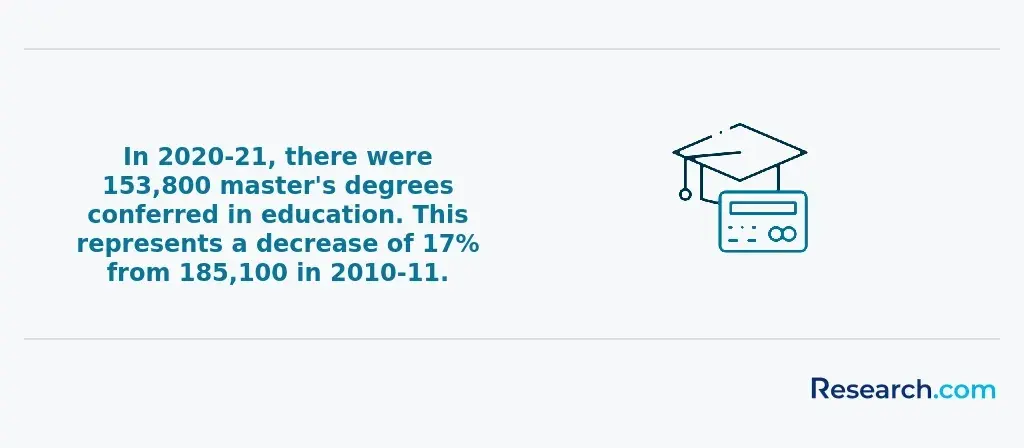
In the 2020-2021 academic year, the number of master's degrees conferred in education declined by 17% compared with the previous decade. There were 153,800 master's degrees awarded in education in 2020-2021, down from 185,100 in 2010-2011. For private school applicants, this does not mean graduate education is unnecessary; it means a master’s degree should be pursued with a clear purpose, such as specialization, leadership, or stronger subject expertise.
How much does it cost to become a private school teacher in Minnesota?
There is no single required fee to become a Minnesota private school teacher because private schools set their own hiring standards. Your actual cost depends on whether you need a bachelor’s degree, teacher preparation, licensure, testing, background checks, or graduate coursework.
| Cost category | Amount stated | Planning note |
| Public university in-state tuition | $10,000 to $15,000 per year | Often a lower-cost route for Minnesota residents pursuing a bachelor’s degree. |
| Public university out-of-state tuition | $20,000 to $30,000 annually | Can significantly increase total preparation costs. |
| Private college tuition | $30,000 to $50,000 per year | Compare aid packages, transfer credit policies, and total debt before enrolling. |
| Educator license processing fee | approximately $90.65 | Includes a background check component as stated in the source material. |
| Minnesota Teacher Licensure Examinations and study materials | $200 to $400 | Total cost depends on the number of tests required. |
| Textbooks and supplies | $500 and $1,000 annually | Plan for materials, software, classroom supplies, and required course resources. |
| Background check | Additional fees may apply | Law enforcement or fingerprinting fees can vary. |
Ways to control your total cost
- Start with lower-cost credits. Community colleges and state universities can reduce the cost of general education or prerequisite coursework.
- Ask about transfer policies before enrolling. A low tuition rate is less helpful if many credits do not transfer.
- Compare online and campus costs. Online programs may reduce commuting and housing expenses, but always review fees and field placement requirements.
- Use employer support when available. Some schools may support professional development after hiring.
- Avoid unnecessary credentials. Choose certifications that align with your target grade level, subject, or school type.
What is the job outlook for private school teachers in Minnesota?
The private school teacher job market in Minnesota is best described as school-specific rather than uniform statewide. Private schools continue to hire teachers for core academic subjects, early childhood programs, faith-based education, arts programs, STEM, and specialized student support. However, openings depend on enrollment, school funding, retirements, program expansion, and local demand.
If you are still exploring careers with a teaching degree, private school teaching is one option among classroom, administrative, curriculum, nonprofit, tutoring, and education technology roles.
How to improve your hiring prospects
- Target schools intentionally. Study each school’s mission, curriculum, religious or philosophical identity, student population, and grade levels before applying.
- Build experience with your target age group. Private schools often value evidence that you can connect with their students immediately.
- Strengthen high-need skills. Training in STEM, special education, literacy, classroom technology, or multilingual instruction can help.
- Compare program formats carefully. If you are considering graduate study, review options such as online vs on-campus programs to decide which format fits your schedule and goals.
- Network before jobs are posted. Attend school events, professional development sessions, education conferences, and local educator gatherings.
A strong private school application should show more than eligibility. It should explain why your teaching style fits the school, how you communicate with families, how you manage a classroom, and how you support the school’s values without sounding generic.
How much do private school teachers in Minnesota make?
Private school teacher pay in Minnesota varies by school, grade level, subject, experience, benefits, and funding model. The salary range cited for private school teachers in Minnesota is between $30,000 and $60,000 annually, though compensation can differ significantly among schools.
The National Center for Education Statistics source cited in the original article also states that 85.7% of current private school teachers earn a base salary of $70,000 or more. Because salary sources may use different samples, definitions, or geographic scopes, applicants should verify pay directly with each school rather than relying on a single figure.
What to ask before accepting an offer
- What is the base salary, and how is it determined?
- Are health insurance, retirement plans, tuition discounts, or professional development funds included?
- How many classes, students, preps, duties, and extracurricular responsibilities are expected?
- Is there a salary scale for advanced degrees, licensure, or years of experience?
- How are raises, contract renewals, and summer expectations handled?
When comparing offers, do not look at salary alone. A lower salary with strong benefits, manageable class sizes, mentorship, and professional development may be more sustainable than a slightly higher salary with heavy extra duties and limited support. If you are building credentials in another field, resources such as top affordable online MFA programs may be relevant for arts, writing, or humanities-focused educators.
What career paths are available for private school teachers in Minnesota?
Private school teaching can lead to several career directions. Some educators remain in the classroom and deepen their subject expertise. Others move into leadership, student support, curriculum development, consulting, educational technology, or related education careers. Teachers interested in research, literacy, information access, and school media may also explore the library science job market.
| Career path | Typical focus | Additional preparation that may help |
| Lead classroom teacher | Instruction, assessment, parent communication, and student development. | Bachelor’s degree, classroom experience, and possibly licensure. |
| Department head | Curriculum coordination, mentoring teachers, and subject-area leadership. | Strong teaching record and leadership training. |
| Principal or administrator | School operations, teacher supervision, family communication, and strategic planning. | Graduate study, leadership experience, and administrative skills. |
| Special education or learning support teacher | Student accommodations, differentiated instruction, and collaboration with families. | Specialized training in learning differences and special education practices. |
| Curriculum developer or education consultant | Lesson design, program evaluation, instructional materials, and teacher training. | Advanced subject knowledge and curriculum design experience. |
| Educational technology role | Digital tools, online learning, learning management systems, and teacher support. | Technology training and experience integrating tools into instruction. |
Career advancement in private schools often depends on reputation, trust, mission fit, and willingness to contribute beyond the classroom. Teachers who mentor colleagues, lead clubs, revise curriculum, communicate well with families, and solve school problems often become strong candidates for leadership roles.
What are cost-effective ways to earn teaching credentials for private schools in Minnesota?
The most affordable route is the one that meets your target schools’ expectations without adding unnecessary credits, exams, or debt. Before enrolling in any program, identify the grade level and subject you want to teach, then review job postings from Minnesota private schools to see which credentials appear most often.
Lower-cost credential strategies
- Use community college credits strategically. Foundational coursework can reduce the cost of a bachelor’s degree if credits transfer cleanly.
- Choose a state university when it fits your goals. Public institutions may offer a more affordable route than private colleges for many students.
- Consider alternative certification if you already have a bachelor’s degree. Career changers may not need to repeat a full undergraduate program.
- Look for accredited online options. Online programs may help you keep working while studying, but field experience and school partnerships still matter.
- Compare total cost, not just tuition. Include fees, books, testing, transportation, childcare, lost wages, and time to completion.
Students trying to minimize expenses can review options for the cheapest teaching credential program in Minnesota. The best low-cost program is not simply the cheapest advertised option; it is the program that is affordable, recognized, practical, and aligned with your intended school setting.
How do private schools in Minnesota accommodate students with special needs?
Private schools in Minnesota may support students with special needs through a mix of school-based accommodations, family collaboration, specialized staff, and coordination with outside professionals. The level of support varies widely, so teachers and families should ask direct questions before assuming that every private school provides the same services.
Common support practices
- Individualized learning plans or support plans. Schools may create written plans that identify learning goals, accommodations, and classroom strategies.
- Specialized services. Some schools offer or coordinate speech therapy, occupational therapy, counseling, academic support, or intervention services.
- Differentiated instruction. Teachers may adjust assignments, pacing, assessment formats, seating, materials, or instructional methods.
- Family collaboration. Regular communication with parents and guardians helps teachers understand student needs and monitor progress.
- Professional consultation. Schools may work with specialists, counselors, tutors, or outside providers to support individual students.
Teachers should clarify what their role will be. In some private schools, the classroom teacher leads most accommodations. In others, a learning specialist, counselor, or support team provides guidance. Either way, teachers need practical skills in observation, documentation, communication, and inclusive instruction.
How does specialized training in special education benefit private school teachers in Minnesota?
Special education training helps private school teachers identify learning barriers, adapt instruction, manage behavior constructively, and collaborate with families and specialists. It is especially useful in schools that enroll students with ADHD, dyslexia, autism, speech and language needs, emotional challenges, or other learning differences.
Teachers who want a formal pathway can review how to become a special education teacher in Minnesota. Even if a private school does not require full special education licensure, targeted training can improve classroom practice and make a teacher more valuable to the school community.
How can creative teaching strategies enhance classroom engagement in Minnesota?
Creative teaching matters in private schools because many institutions emphasize distinctive curricula, project-based learning, faith integration, classical education, arts enrichment, outdoor learning, or interdisciplinary study. Teachers who can design engaging lessons are often better able to connect academic content with student curiosity.
Useful strategies include storytelling, student choice, project-based assignments, discussion-based learning, performances, labs, writing workshops, and cross-curricular projects. Educators who want to strengthen writing-centered instruction may consider an online creative writing degree, especially if they teach English, humanities, media, theater, or enrichment courses.
What are the prerequisites for teaching preschool in Minnesota’s private schools?
Preschool teaching in a private school setting usually requires preparation in early childhood development, age-appropriate classroom management, play-based learning, family communication, safety, and observation-based assessment. Requirements can differ by school and program type, so candidates should review both school expectations and any applicable state guidance.
Future early childhood educators can compare the preschool teacher requirements in Minnesota to determine whether they need a certificate, associate degree, bachelor’s degree, practicum experience, or additional training for the role they want.
Can I choose an online education degree to become a private school teacher in Minnesota?
Yes. An online education degree can be a practical option for Minnesota private school teaching candidates, especially adults balancing work, caregiving, or a career change. A bachelor of education online degree can help you build the academic foundation many private schools expect.
Online degree advantages and cautions
| Factor | Why it helps | What to verify |
| Flexibility | Online coursework can fit around work and family responsibilities. | Whether courses are asynchronous, synchronous, or hybrid. |
| Cost control | Online study may reduce commuting and housing expenses. | Total tuition, fees, books, technology costs, and financial aid. |
| Curriculum | Education programs can cover child development, teaching methods, classroom management, and curriculum planning. | Whether the program matches your target grade level and subject. |
| Field experience | Hands-on practice is important for employability. | Whether the program helps arrange local placements or supervised teaching. |
| Accreditation and recognition | Schools are more likely to trust recognized programs. | Institutional accreditation and any licensure alignment if you plan to pursue a license. |
If affordability is a priority, compare options such as the cheapest online bachelor's degree in education, but do not choose on price alone. Field placement quality, transfer credit acceptance, accreditation, and employer recognition can affect the real value of the degree.
How do private school teachers in Minnesota experience long-term career satisfaction and advancement?
Long-term satisfaction in private school teaching often depends on fit. Teachers tend to do better when they believe in the school’s mission, respect its leadership, can communicate well with families, and have room to grow professionally. Smaller communities and curriculum flexibility can be appealing, but the trade-offs may include lower pay, broader duties, or fewer formal advancement tracks at some schools.
Teachers who want a broader view of career entry and advancement can review how to become a teacher in Minnesota. Even if you plan to work only in private schools, understanding the wider teaching landscape can help you make better decisions about credentials and mobility.
What challenges do private school teachers in Minnesota face and how can they overcome them?
Private school teaching can be rewarding, but it is not automatically easier than public school teaching. Challenges may include limited resources, small staffs, multiple course preparations, high parent expectations, mission-specific responsibilities, and the need to serve students with varied learning needs.
| Common mistake or challenge | Why it creates problems | Better approach |
| Applying without researching the school mission | Private schools often hire for values and philosophy as well as qualifications. | Read the mission, curriculum model, handbook, and community expectations before applying. |
| Assuming licensure does not matter | State licensure may not be required, but many schools still prefer it. | Ask each school directly and consider licensure if you want more options. |
| Choosing a degree program based only on tuition | A cheap program may not provide strong field experience or transfer value. | Compare accreditation, completion time, placement support, and total cost. |
| Ignoring special needs preparation | Private school classrooms still include students with diverse learning needs. | Build skills in differentiation, accommodations, behavior support, and family communication. |
| Underestimating non-teaching duties | Teachers may supervise activities, attend events, advise clubs, or support admissions. | Ask about workload, extra duties, planning time, and evening or weekend expectations. |
| Relying only on rankings or reputation | A well-known school may not be the right workplace for every teacher. | Evaluate leadership, culture, salary, benefits, class size, and mentorship. |
Teachers preparing for elementary settings may find targeted guidance through how to become an elementary school teacher in Minnesota, particularly if they need stronger preparation in literacy, math instruction, and child development.
How do subject-specific teaching qualifications impact my teaching career in Minnesota?
Subject-specific qualifications can make a major difference in private school hiring. A school looking for a choir director, advanced math teacher, Latin instructor, STEM specialist, or history teacher may prioritize deep subject knowledge as much as formal education coursework. Strong subject credentials can also support curriculum design, extracurricular leadership, and interdisciplinary teaching.
For example, candidates interested in arts instruction can review music teaching qualifications in Minnesota. Subject expertise is strongest when paired with evidence that you can teach the material clearly to students at the appropriate developmental level.
Why consider specializing in history in Minnesota private schools?
History can be a valuable specialization in private schools because it supports critical thinking, civic understanding, writing, debate, religious or cultural context, and interdisciplinary learning. Private schools with classical, faith-based, college-preparatory, or humanities-rich curricula may especially value teachers who can connect history with literature, geography, philosophy, economics, and current events.
If you want a focused route, explore how to become a history teacher in Minnesota. A history specialization is most useful when you can show both content depth and strong instructional design.
Should I pursue advanced teacher certification in Minnesota private schools?
Advanced certification is worth considering if it clearly improves your teaching quality, salary potential, leadership prospects, or eligibility for the schools you want. It may not be necessary for every private school role, but it can help you stand out in competitive searches or move into specialized positions.
Before committing time and money, compare the types of teacher certification in Minnesota. Ask whether the credential supports your target role, whether schools recognize it, and whether it can also preserve mobility into public school teaching if your plans change.
How can online professional development transform my private school teaching career in Minnesota?
Online professional development can help private school teachers update their skills without leaving the classroom. Short courses and online programs may cover classroom technology, literacy strategies, special education, assessment, curriculum design, trauma-informed teaching, leadership, or subject-specific methods.
Teachers interested in flexible preparation can review how to become a teacher online in Minnesota. The strongest online professional development has a practical classroom application, not just a completion certificate.
What other career paths can private school teachers in Minnesota explore?
Private school teachers can move into several education-adjacent professions, especially if they pursue additional education or certification. Options include school administration, tutoring business ownership, curriculum writing, instructional coaching, admissions, education consulting, learning support, educational technology, and nonprofit education roles.
Teachers who enjoy language development and student support may explore becoming a speech-language pathologist. That path typically requires specialized preparation, but it can be a strong fit for educators who want to work closely with students who have communication needs.
What skills are essential for success as a private school teacher in Minnesota?
Private school teachers need the same core teaching skills as other educators, but they also need strong mission fit, flexibility, and communication. Because private schools can differ sharply in philosophy and resources, adaptability is especially important.
- Clear communication. Teachers must explain expectations, give useful feedback, communicate with families, and collaborate with colleagues.
- Classroom management. A calm, structured classroom helps students learn and helps teachers maintain credibility.
- Subject knowledge. Private schools may rely heavily on teachers to design or adapt curriculum, especially in specialized courses.
- Adaptability. Teachers may need to adjust instruction for mixed abilities, small classes, combined grade levels, or unique school traditions.
- Empathy and emotional awareness. Students learn better when teachers notice frustration, anxiety, disengagement, and social challenges early.
- Professional judgment. Teachers need to balance family expectations, school mission, student needs, and academic standards.
- Time management. Many private school teachers handle extracurriculars, events, advising, or community responsibilities in addition to classroom teaching.
- Commitment to growth. Effective teachers keep improving through mentoring, observation, reflection, coursework, and professional development.
How can advanced leadership education enhance my teaching career in Minnesota?
Advanced leadership education can help private school teachers move beyond classroom instruction into mentoring, curriculum leadership, department coordination, program design, or administration. Leadership training is especially useful for teachers who want to influence school culture, support other educators, or participate in strategic planning.
Teachers considering senior leadership roles may explore an online doctorate organizational leadership. Before enrolling, ask whether the program aligns with education leadership, whether it fits your schedule, and whether the cost supports your career goals.
Questions to Ask Before Choosing a Minnesota Private School Teaching Path
- Do the schools I want to apply to require a Minnesota teaching license, or is it only preferred?
- Is my degree aligned with the grade level or subject I want to teach?
- Will I need supervised teaching experience to be competitive?
- What background checks, fingerprinting, references, or interviews should I expect?
- How does the school support students with special needs?
- What is the real workload beyond classroom instruction?
- How are salary, benefits, planning time, and professional development handled?
- Does the school’s mission match my values and teaching philosophy?
- Will my chosen credential keep future career options open?
Key Insights
- Minnesota private schools are not required to hire licensed teachers, but licensure can improve credibility, mobility, and competitiveness.
- A bachelor’s degree remains the most reliable foundation for full-time private school teaching roles, especially in core academic subjects.
- Private school hiring is highly school-specific. Always verify requirements with the individual school before investing in a degree, certificate, or licensure route.
- Costs vary widely. Public university tuition, private college tuition, licensing fees, MTLE costs, textbooks, transportation, and background checks can all affect your total investment.
- Salary expectations should be verified school by school. The Minnesota range cited is $30,000 to $60,000 annually, but compensation depends on many factors.
- Special education, early childhood, STEM, arts, history, music, ESL, and leadership training can strengthen your application when aligned with your target role.
- Online education degrees and professional development can be useful, but only if the program is accredited, recognized, practical, and connected to classroom experience.
- The best private school teaching job is not always the one with the strongest reputation. Fit, leadership, workload, benefits, mission, and student support matter just as much.
Related Articles for Nearby States
- 2027 How to Become a Private School Teacher in Wisconsin: Requirements & Certification
- 2027 How to Become a Private School Teacher in Iowa: Requirements & Certification
- 2027 How to Become a Private School Teacher in North Dakota: Requirements & Certification
- 2027 How to Become a Private School Teacher in South Dakota: Requirements & Certification
- 2027 How to Become a Private School Teacher in Nebraska: Requirements & Certification
- 2027 How to Become a Private School Teacher in Illinois: Requirements & Certification
- 2027 How to Become a Private School Teacher in Missouri: Requirements & Certification
- 2027 How to Become a Private School Teacher in Michigan: Requirements & Certification
- 2027 How to Become a Private School Teacher in Kansas: Requirements & Certification
- 2027 How to Become a Private School Teacher in Indiana: Requirements & Certification
References:
- education.mn.gov (N.D.). Minnesota Educator License Application Instructions and Checklists. https://education.mn.gov/mdeprod/groups/educ/documents/cel/zxzf/mde0/~edisp/mdedev_014232.pdf
- mn.gov (16 Aug 2024). Professional Educator Licensing and Standards Board. https://mn.gov/pelsb/aspiring-educators/licensure-faq/
- National Center for Education Statistics. (2023). Private School University Survey. https://nces.ed.gov/surveys/pss/tables/TABLE11fl2122.asp
- privateschoolreview.com (01 Jul 2024). Minnesota Private High Schools By Tuition Cost. https://www.privateschoolreview.com/tuition-stats/minnesota/high
Other Things You Should Know About How to Become a Private School Teacher in Minnesota
Foreign nationals can become private school teachers in Minnesota if they possess a valid work visa and equivalent credentials to Minnesota's teaching requirements. Schools usually evaluate foreign education and experience to ensure alignment with state standards. Opportunities may require additional certification or proficiency in specific languages or subjects.
Private school teachers in Minnesota must undergo criminal background checks, including fingerprinting, managed by the Minnesota Bureau of Criminal Apprehension. These checks ensure the safety of students and staff. Verify specifics with the hiring school as additional checks may be required.
In Minnesota, private school teachers are required to complete at least 125 clock hours of continuing education every five years to maintain active teaching status. This includes attending workshops, conferences, or additional coursework relevant to their teaching assignment.
The Minnesota Department of Education oversees private school compliance through state reporting and nonpublic aid programs, but it does not issue a state teaching license for private school teachers. Private schools set their own hiring standards, while the department monitors required data, student testing participation, and staff qualifications tied to state rules.


