2027 Cheapest Accredited Online Chemistry Degree Programs: Tuition, Fees, and Financial Aid

Co-Founder and Chief Data Scientist
Choosing the cheapest accredited online chemistry degree is harder than comparing tuition rates. Mandatory fees, lab costs, transfer rules, and financial aid can change the real price by thousands. College Board's 2024-2025 data shows average published tuition and fees of $11,610 for in-state public four-year students and $30,780 for out-of-state students, making cost comparison more important than ever.
This guide is for students seeking online chemistry, biochemistry, lab science, or pre-health pathways. You'll learn how to compare accreditation, total program cost, FAFSA eligibility, scholarships, and net price before enrolling.
Key Things You Should Know
- Among widely available accredited online chemistry-focused bachelor's options, the lowest published tuition often starts with public universities such as Florida International University for in-state students at $235.57 per credit.
- The cheapest advertised tuition is not always the cheapest degree. A 120-credit program at $286 per credit is about $34,320 before fees, while lab kits, proctoring, online course fees, books, and residency requirements can materially raise the total cost.
- Net price matters more than sticker price because eligible online students at Title IV institutions can use FAFSA-based aid; the maximum Federal Pell Grant for 2025-2026 is $7,395, and scholarships, employer tuition benefits, and transfer credits can reduce out-of-pocket cost further.
What Are the Cheapest Accredited Online Chemistry Degree Programs?
The cheapest accredited online chemistry degree programs are usually bachelor's programs offered by regionally accredited public universities. Fully online chemistry degrees are less common than online business or psychology degrees because chemistry requires labs, but several schools offer online or mostly online chemistry pathways with remote labs, in-person lab intensives, transfer lab credits, or hybrid lab requirements.
The table below compares affordable accredited online chemistry and chemistry-heavy bachelor's options using published tuition where available. Treat these as starting points: schools can change tuition, fees, lab requirements, and residency rules, so the best value is the program with the lowest verified net price that still fits your academic and career goal.
| Program | Credential | Institutional Accreditation | Published Online Tuition Basis | Estimated Tuition Before Fees | Cost Notes to Verify |
| Florida International University Online Chemistry | BA in Chemistry | SACSCOC | $235.57 per credit in-state; $648.87 per credit out-of-state | About $28,268 in-state or $77,864 out-of-state for 120 credits | Residency status has a major effect; confirm online, distance learning, lab, and university fees. |
| Eastern Oregon University Online Chemistry | BA or BS in Chemistry | NWCCU | About $286 per credit for online undergraduate tuition | About $34,320 for 120 semester credits | Strong value if the flat online rate applies; confirm lab delivery, course sequencing, and required fees. |
| Oregon State University Ecampus Chemistry | BS in Chemistry | NWCCU | About $409 per quarter credit | About $73,620 for 180 quarter credits | Quarter-credit totals look higher because the degree uses 180 quarter credits; compare to 120 semester credits carefully. |
| Kansas State University Online Chemistry | BS in Chemistry | HLC | About $450.20 per credit | About $54,024 for 120 credits | Confirm whether the same rate applies to all online students and whether campus lab attendance is required. |
| Arizona State University Online Chemistry | BA in Chemistry | HLC | Published online undergraduate tuition often varies by program and student category | Usually higher than the lowest public in-state options before aid | May be a better fit for students prioritizing course availability, advising, and a large online platform over the lowest sticker price. |
If you are comparing chemistry with nearby science majors, an accelerated biology degree online may offer more fully online options, but chemistry is usually stronger for students targeting analytical labs, materials science, chemical manufacturing, or graduate chemistry preparation.
For most cost-conscious students, the practical short list should start with three questions: Can I qualify for in-state or flat online tuition? Can I transfer lab science credits? Will the program's chemistry curriculum meet my graduate school, employer, or pre-professional requirements?
How Were the Cheapest Online Chemistry Degree Programs Ranked?
Ranking affordable online chemistry programs requires more than sorting by the lowest per-credit tuition. A program with a low tuition rate can become expensive if it charges high distance-learning fees, requires travel for labs, accepts few transfer credits, or is not eligible for federal financial aid.
This ranking framework prioritizes cost factors that most directly affect what students actually pay:
- Institutional accreditation from a recognized accreditor and eligibility to participate in federal student aid programs.
- Published online tuition per credit, separated by in-state, out-of-state, and flat-rate online pricing when available.
- Estimated tuition for a full bachelor's degree using 120 semester credits or 180 quarter credits, depending on the institution's calendar.
- Mandatory fees, lab requirements, proctoring costs, textbooks, technology costs, and any required campus visits.
- Financial aid access, including FAFSA eligibility, grants, scholarships, employer benefits, and payment plans.
- Transfer-credit flexibility, residency requirements, degree-completion options, and whether prior lab coursework can reduce the number of credits taken at the university.
- Academic value indicators, including chemistry course depth, lab rigor, advising, graduate school preparation, and career relevance.
The most important limitation is that schools do not always publish every fee in a way that is easy to compare. For that reason, students should ask each university for a written cost estimate based on their transfer evaluation, residency status, enrollment pace, and remaining chemistry lab requirements.
How Can You Verify the Accreditation of an Online Chemistry Degree Program?
Accreditation is the first affordability filter because unaccredited or poorly recognized programs may not qualify for federal financial aid, transfer credit, graduate admission, or employer tuition reimbursement. For online chemistry degrees, you should verify both institutional accreditation and, when relevant, program-level recognition.
Use this accreditation checklist before applying or paying an enrollment deposit:
- Confirm that the university is institutionally accredited by an agency recognized by the U.S. Department of Education or the Council for Higher Education Accreditation.
- Use the federal Database of Accredited Postsecondary Institutions and Programs to verify the school name, accreditor, and accreditation status.
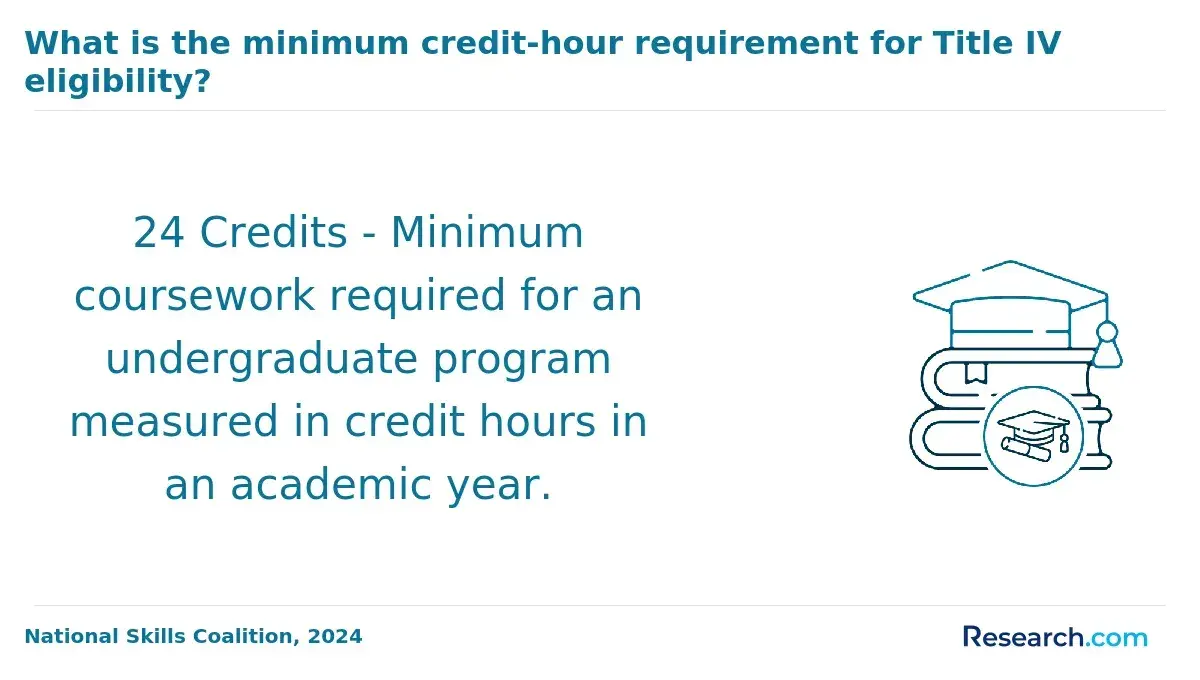
- Check whether the school participates in Title IV federal student aid if you plan to submit the FAFSA.
- Ask whether the online chemistry degree appears on the official transcript the same way as the campus degree.
- For students planning graduate chemistry study, ask whether the curriculum meets prerequisite expectations for organic chemistry, physical chemistry, analytical chemistry, instrumental analysis, and lab work.
- If ACS approval matters for your goal, ask whether the specific online pathway can lead to an ACS-certified degree or whether some requirements must be completed on campus.
A common mistake is assuming that "accredited university" automatically means "the online chemistry program meets every professional or graduate-school requirement." Institutional accreditation is essential, but lab intensity, course titles, and upper-division chemistry coverage still need to match your next step.
An accredited online chemistry degree's real cost includes tuition, mandatory fees, textbooks, lab materials, technology, transfer-credit gaps, and the opportunity cost of study time. Tuition is the instructional charge, mandatory fees are required charges added by the school, total program cost is the full amount before aid, and net price is what remains after grants and scholarships are applied.
The table below shows how different tuition models change the estimated tuition portion of a 120-credit bachelor's degree. It does not include aid or every possible fee, so it should be used as a comparison framework rather than a final bill.
| Published Tuition Scenario | Estimated Tuition for 120 Semester Credits | What It Means for Affordability |
| $235.57 per credit | $28,268 | Often among the lowest options, but usually depends on in-state residency or a specific tuition category. |
| $286 per credit | $34,320 | Can be highly competitive if the same online rate applies regardless of residency. |
| $409 per credit equivalent | $49,080 | May still be a good value if advising, course access, and lab structure improve completion odds. |
| $450.20 per credit | $54,024 | Moderate-cost online public option; transfer credits and aid become important for reducing net price. |
| $600 per credit | $72,000 | May be harder to justify unless aid, employer support, speed, or outcomes offset the higher sticker price. |
Students should also compare tuition and fees against national context. College Board's 2024-2025 tuition and fee averages show that public in-state pricing remains substantially lower than public out-of-state and private nonprofit pricing, which is why residency and online tuition rules can be decisive for chemistry students.
Before choosing a program, request a personalized cost estimate that separates tuition from required fees. A useful estimate should show the remaining credits after transfer evaluation, the cost per term, expected lab expenses, books and supplies, and whether aid will apply to summer or part-time enrollment.
Online chemistry students may encounter several tuition models, and each one rewards a different enrollment strategy. The lowest-cost model depends on whether you study full time, transfer credits, qualify for in-state tuition, and can complete lab sequences without repeating coursework.
These are the tuition models most likely to affect affordability:
- In-state public tuition: Often the lowest sticker price, but it may be available only to state residents and may not apply equally to all online programs.
- Flat online tuition: Charges the same online rate to residents and nonresidents, which can make a public university affordable for out-of-state students.
- Per-credit tuition: Easy to calculate, but students who take fewer credits per term may spend longer in school and pay more recurring fees.
- Flat-rate full-time tuition: Lets students take a credit range for one term price, which can lower cost per credit if they can handle a heavier course load.
- Degree-completion pricing: Best for students entering with an associate degree or many lower-division science credits, because fewer credits remain at the university rate.
- Competency-based or subscription pricing: Less common in chemistry because labs and sequenced science courses are harder to self-pace, but it can reduce cost in general education or related science coursework when accepted for transfer.
The red flag is a tuition model that looks cheap only under ideal conditions. For example, flat-rate tuition saves money only if you can take enough credits and pass them on schedule; otherwise, a slower per-credit pathway with better support may cost less in the long run.
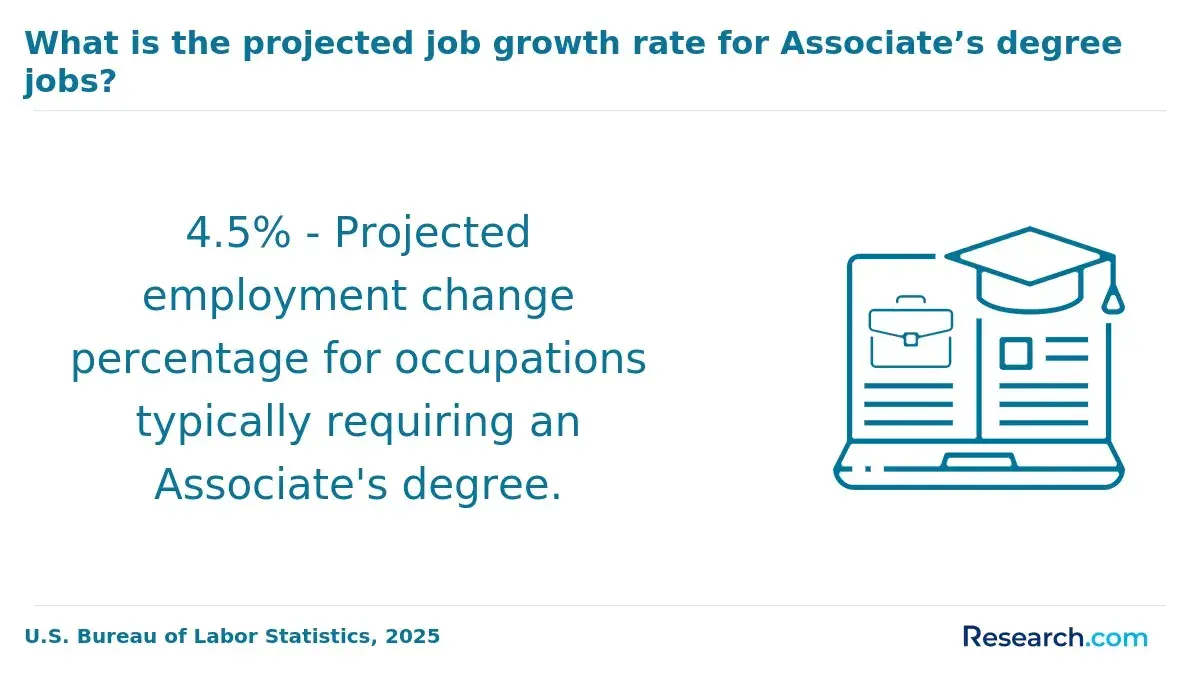
FAFSA-based financial aid can apply to accredited online chemistry degrees when the school participates in federal student aid and the student meets eligibility rules. Online status by itself does not prevent federal aid, but enrollment level, degree-seeking status, satisfactory academic progress, and program eligibility all matter.
The basic FAFSA process works the same for online and campus students:
- Confirm that the university and the specific degree program are eligible for federal student aid.
- Submit the FAFSA for the correct aid year and list every school you are seriously considering.
- Review each financial aid offer separately because grants, scholarships, work-study, and loans can differ by institution.
- Compare the net price after grants and scholarships before considering loans.
- Ask how aid changes if you enroll part time, take summer courses, repeat a lab, or change majors.
- Borrow only what you need after using grants, scholarships, savings, payment plans, and employer benefits.
For 2025-2026, the maximum Federal Pell Grant is $7,395, but the exact award depends on federal eligibility calculations, enrollment intensity, and cost of attendance. That means two students in the same online chemistry program can pay different net prices.
Students comparing chemistry with pharmacy pathways should note that professional doctorate programs have different pricing and aid patterns. The cheapest online pharmacy school comparison can be useful if your long-term goal is PharmD training rather than a chemistry bachelor's degree.
Scholarships and grants reduce net price because they generally do not need to be repaid when eligibility conditions are met. Grants are often based on financial need, while scholarships may be based on need, merit, major, identity, employer connection, military status, location, or career goal.
Online chemistry students should look for funding in several places, not only on the university's scholarship page:
- Federal grants: Pell Grants and other federal aid may be available to eligible undergraduates at participating institutions.
- State grants: Some states support residents attending approved online programs, but residency and school-location rules vary.
- Institutional scholarships: Universities may offer transfer, adult learner, STEM, honors, or departmental scholarships.
- Chemistry and STEM scholarships: Local chemical societies, science foundations, industry groups, and community organizations may support chemistry students.
- Employer tuition assistance: Healthcare, laboratory, pharmaceutical, manufacturing, and environmental employers may help pay for job-related coursework.
- Military and veteran benefits: Eligible students may use GI Bill benefits, tuition assistance, or military-affiliated scholarships.
Always ask whether awards are renewable. A $2,000 scholarship that applies every year can matter more than a one-time award, especially in a sequenced chemistry program where the degree may take several years to complete.
If your cost comparison includes science-adjacent careers in hospitals or clinics, a healthcare administration course may be a lower-lab-cost alternative, but it leads to management and operations roles rather than chemistry lab or research preparation.
Transfer credits can be one of the most powerful ways to reduce the cost of an online chemistry degree because every accepted credit is a course you do not need to retake at university tuition rates. The savings are especially meaningful for general education, calculus, physics, introductory chemistry, and electives.
Before enrolling, take these steps to protect your transfer savings:
- Send official transcripts before committing, not after your first term starts.
- Ask for a degree audit showing exactly which credits apply to chemistry major requirements, general education, electives, and residency requirements.
- Confirm whether online, community college, CLEP, AP, IB, military, or prior-learning credits are accepted.
- Ask whether lower-division chemistry labs will transfer as true lab courses rather than elective science credits.
- Check the maximum transfer limit and the minimum number of credits that must be completed at the university.
- Get written confirmation before retaking any course that appears similar to one you already completed.
Prior learning assessment can help with general education or technical electives, but chemistry major credits are more likely to require formal coursework because of lab safety, instrumentation, and prerequisite sequencing. Competency-based study may still reduce cost if used for transferable non-lab courses before entering the chemistry major.
Students who need a faster clinical workforce pathway instead of a chemistry degree may also compare fasttrack medical options, but nursing and chemistry have different licensure, lab, and career requirements.
How Should Students Compare the Net Price, Quality, and Return on Investment of Online Chemistry Degree Programs?
The best-value online chemistry degree is not automatically the one with the lowest advertised tuition. Value depends on net price, accreditation, transfer fit, lab quality, completion likelihood, and whether the degree supports your next step, such as laboratory work, graduate school, teaching preparation, environmental science, pharmaceuticals, materials science, or pre-health study.
The table below summarizes the main trade-offs students should weigh after they have collected cost estimates from schools.
| Comparison Factor | Why It Matters | Better Decision Rule |
| Sticker tuition | Shows the starting price but excludes aid and many fees. | Use it only as the first screen, not the final decision. |
| Mandatory fees | Can change the true price of online courses and labs. | Ask for a full fee schedule by term and by course type. |
| Net price | Reflects grants and scholarships more accurately than tuition alone. | Compare aid offers after FAFSA and scholarship review. |
| Transfer fit | Accepted credits can reduce both cost and time to graduation. | Choose the school that applies the most credits to degree requirements, not just electives. |
| Lab structure | Chemistry outcomes depend on real lab skill development. | Verify whether remote, local, intensive, or campus labs meet your goals. |
| Career and graduate alignment | A cheaper degree may not be a bargain if it lacks needed prerequisites. | Compare course lists against employer, graduate school, or certification expectations. |
Salary data can help frame ROI, but it should not be treated as a promise. The Bureau of Labor Statistics reported a May 2024 median annual wage of $87,180 for chemists and materials scientists, which suggests that chemistry can support solid long-term earning potential when paired with appropriate skills, experience, location, and job market fit.
Before enrolling, ask admissions, the chemistry department, and financial aid office these questions:
- What is my total remaining cost after transfer credits, including tuition, fees, lab costs, books, and travel?
- Will my online chemistry degree be eligible for federal financial aid for every term I plan to attend?
- Which scholarships are renewable, and what GPA or credit-load requirements must I maintain?
- How many students complete the online chemistry pathway, and how long does it usually take?
- How are lab courses delivered, and will they satisfy graduate school or employer expectations?
- What happens to my cost and timeline if I fail, withdraw from, or repeat a sequenced chemistry course?
If you expect to move into leadership later, an online masters healthcare management pathway may complement a science background, but it should be compared separately because graduate tuition, aid limits, and ROI calculations differ from undergraduate chemistry programs.
Other Things You Should Know About Chemistry Degrees
Online chemistry labs in 2027 often use virtual simulations, video demonstrations, and interactive modules. Some programs might require physical kits for hands-on experiments at home. However, certain complex experiments may still necessitate in-person components to ensure comprehensive understanding and safety.
To enroll in an affordable online chemistry degree in 2027, students typically need a high school diploma or GED and may be required to have completed specific high school coursework in math and science. Some programs might also ask for SAT or ACT scores.
In 2027, several affordable accredited online chemistry degree programs are available, including those from institutions like Oregon State University and the University of Florida. These programs offer comprehensive curricula, flexibility, and financial aid options, allowing students to pursue their chemistry education cost-effectively.
In 2027, financial aid for online chemistry degrees includes federal student loans, grants like the Pell Grant, and scholarships specific to STEM fields. Many schools also offer tuition discounts or payment plans specifically for online students, making these programs more affordable.
- Affordable Accredited Online Colleges https://www.onlineu.com/online-schools/low-tuition
- How College Credit Transfer Really Works: A Practical Guide https://www.straighterline.com/blog/transfer-how-college-credit-transfer-really-works-a-practical-guide
- International Student Credit Transfer: How ECTS, CATs, and Credit Equivalency Work https://openeducat.org/articles/international-student-credit-transfer-guide/
- Federal Grants: Explore Your Online Education Aid Options https://www.oedb.org/federal-grant/
- Chemistry Degree, AS | San Juan College https://www.sanjuancollege.edu/education-training/programs/chemistry-as/
- Financial Aid For Online Colleges https://www.affordablecollegesonline.org/financial-aid/financial-aid-for-online-colleges/