2027 What to Know Before Applying to Walden University Online Programs

Co-Founder and Chief Data Scientist
Applicants considering Walden University's online programs often underestimate the demands of balancing coursework with professional and personal responsibilities. Admission requirements can vary by program and sometimes include prior academic performance, professional experience, and technology readiness. A recent study found that 42% of prospective online students prioritize flexibility but are unaware of the rigorous self-discipline necessary to succeed in remote learning environments, highlighting a gap between expectations and reality.
This article explores admission criteria, application timelines, program expectations, and outcomes at Walden University. It aims to equip prospective students with insights to make informed decisions and better prepare for the challenges of online education specific to this institution.
Key Points About Walden University Online Programs
- Walden University has open admission with minimal prerequisites, prioritizing accessibility but requiring students to self-manage to meet academic demands in an online setting.
- The $34,458 tuition places financial responsibility on students, who should evaluate the long-term return on investment against their career goals and personal finances.
- The student environment focuses on applied skills; prospective enrollees must investigate program rigor and graduation rates to understand the commitment and outcomes involved.
How competitive is the overall admission process at Walden University?
Walden University maintains an open admission policy with a high acceptance rate, admitting a large majority of applicants. This contrasts with many traditional institutions where acceptance rates and applicant pools are more restrictive. For instance, recent trends from the National Center for Education Statistics show that nearly 70% of U.S. four-year institutions saw increased selectivity, while Walden's admission rate has remained steady and accessible.
Admission competitiveness at Walden varies little by program, as most require minimal standardized testing or supplemental criteria. Some specialized fields may ask for professional experience or prerequisite coursework, but these do not significantly limit enrollment. This lack of stringent entry barriers reflects Walden's mission of accessibility rather than selectivity.
By comparison, many online universities enforce rising admission standards with selective application filters, often requiring test scores, competitive GPAs, and thorough applicant vetting. These requirements influence employer perceptions and credential value, particularly in fields with high competition for jobs. Walden's open access can lower entry hurdles but may require students to consider how its credentials are viewed in their chosen industry.
Prospective students should weigh ease of admission against long-term career impact, especially since employers increasingly differentiate between degrees from highly selective versus open-access institutions. Recognizing this distinction helps set realistic expectations about opportunities and challenges post-graduation.
What are the admissions requirements at Walden University?
Walden University applies an open admission framework in many cases, prioritizing a holistic appraisal of each applicant's background rather than rigid standardized test scores. This approach contrasts with the traditional reliance on SAT, ACT, or GMAT results, thereby easing access for non-traditional and working students whose strengths lie in experience and motivation rather than timed exams.
For instance, a working professional balancing career and education can leverage documented professional achievements and a clear statement of purpose to meet Walden University online program entry requirements. This model places significant responsibility on applicants to craft compelling narratives that connect their educational goals with practical outcomes.
Below is an outline of the core document and evaluation components typically required as admission criteria for Walden University distance learning programs.
- Official Transcripts: Applicants must submit transcripts from all prior post-secondary institutions. These verify academic preparedness and degree completion, essential for assessing readiness for graduate-level coursework.
- Proof of Degree Completion: Most programs require evidence of an earned bachelor's degree or equivalent to establish foundational knowledge necessary for advanced study.
- Resume or Curriculum Vitae: A current professional document illustrates career progression, relevant skills, and experience that support academic readiness and program fit.
- Statement of Purpose: This narrative articulates academic and professional goals, providing insight into motivations and alignment with program outcomes. Strong statements influence admissions decisions by clarifying applicant intent.
- Letters of Recommendation: Endorsements from professionals or academics validate an applicant's abilities and potential, offering an external perspective on capability and fit.
- Relevant Professional Experience: Some programs emphasize documented work experience to ensure practical competence complements theoretical learning, particularly in specialized fields.
- Standardized Test Scores (Selective): Although many Walden programs do not require the SAT, ACT, or GMAT, certain degrees, especially at the graduate level, might still request these scores to verify quantitative or verbal skills.
This selection of requirements reflects the growing trend among 50% of colleges nationwide adopting test-optional or test-blind policies to reduce equity gaps tied to standardized testing performance. This shift elevates the importance of assembling a varied application portfolio, emphasizing professional and academic context over raw test metrics. While this expands access, it also means admissions parties weigh qualitative insights more heavily, making a thorough and tailored submission critical.
Applicants should consider how their chosen degree aligns with evolving job markets and employer expectations, especially in sectors highlighted among the top degrees in demand for the future. Thoughtful preparation addressing both eligibility and strategic career positioning will enhance the evaluation outcome under Walden University online program entry requirements.
What online programs are Walden University known for?
Walden University's online offerings have carved a niche by emphasizing fields tied to workforce needs in leadership, healthcare, and social services. For example, a practicing nurse aiming to enhance leadership capabilities might find Walden's Doctor of Nursing Practice straightforward yet aligned with evolving healthcare policies and management.
The best graduate degrees at Walden University online cater to these strategic areas. Below are key programs that reflect this practical orientation.
- Doctor of Education (EdD): Focused on applying research to policy and practice, this program prepares students to lead educational institutions or influence systemic reforms. It emphasizes problem-solving through individualized capstone projects that address issues within the student's own work environment.
- Master of Public Health (MPH): Integrating public health principles with policy analysis, this degree readies students for leadership roles in health systems responding to complex challenges. The curriculum fosters evidence-based decision-making relevant to community health improvements.
- Master of Social Work (MSW): Designed to develop clinical and administrative skills, this program incorporates practical engagement through corporate partnerships, enhancing graduates' employability in social service agencies.
- Doctor of Nursing Practice (DNP): This practice-focused degree transforms experienced nurses into leaders capable of driving healthcare innovations, with a curriculum tailored to real-world clinical challenges.
- Master of Business Administration (MBA) with Leadership Focus: Targeted at professionals seeking to combine business acumen with social impact, this program emphasizes competency-based leadership development suited for diverse organizational contexts.
Online enrollments in healthcare and education administration programs reflect a regional growth of about 8.3%, signaling heightened demand for remote learning in fields that Walden University excels at. This trend matters because it highlights the competitive advantage of scalable, competency-based curricula in addressing workforce shortages. Prospective students should consider these demand dynamics alongside the practical challenges of self-directed online study and varying employer recognition across sectors.
Those exploring opportunities for an online accelerated bachelor's degree or advanced credentials through Walden should critically assess how each program's focus aligns with career goals and employer expectations. The university's individualized capstone model and corporate ties offer practical benefits, yet success depends on matching these programs to one's professional context and discipline-specific realities.
The average cost of attending an online program at Walden University is approximately $34,458, including $12,498 in tuition fees and around $900 for books and supplies. This total reflects the cumulative financial commitment needed beyond just per-credit tuition rates. Many students underestimate the full expense until all components are considered.
Beyond tuition, online students encounter additional mandatory fees such as technology and distance education charges, which can add hundreds of dollars. Hidden costs like proctored exam fees and identity verification also rise as universities invest more in academic integrity and secure testing. Studies show administrative distance fees and instructional technology costs have grown by about 3.5% annually, underscoring these consistent price increases nationwide.
Walden University online program tuition fees differ significantly between undergraduate and graduate courses. Graduate programs typically command higher per-credit rates, whereas undergraduate rates remain lower but still notable. This variability means prospective students must evaluate the total financial implications alongside their academic goals to gauge true cost-effectiveness.
Considering the practical tradeoffs of cost and potential career outcomes is essential. Prospective learners researching Walden University should analyze if the expected salary gains justify these expenses. For reliable guidance on reputable options, see a list of online universities that are accredited.
Walden University's academic calendar uses accelerated 8-week terms instead of traditional semesters. Admissions are open year-round with rolling deadlines, enabling students to start programs flexibly. This schedule demands strong time management from learners balancing coursework with professional and personal demands.
Most students at Walden University face an intensive course load condensed into short terms. The fast pace can hasten credential completion but requires sustained focus and commitment. This environment suits learners prepared for rigorous, concentrated study rather than leisurely progression.
Walden University primarily offers fully asynchronous courses supporting self-paced study. Some programs include cohort models or executive tracks aimed at working professionals seeking leadership skills, although these are less common. A recent trend shows that 28% of US colleges have adopted asynchronous formats to improve flexibility, reflecting growing demand for adaptable schedules.
While accelerated online formats can boost employability by speeding up degree acquisition, they might curtail opportunities for in-depth networking or deep engagement compared to longer programs. Prospective students should assess their ability to manage intensive coursework and consider employer views on accelerated versus traditional credentials.
Walden University reports an average graduation rate based on a total enrollment of 44,223 students. This figure sets a baseline, but it masks the complexity students face in completing their degrees in a timely manner. For example, a part-time working parent may take longer than traditional students due to competing responsibilities.
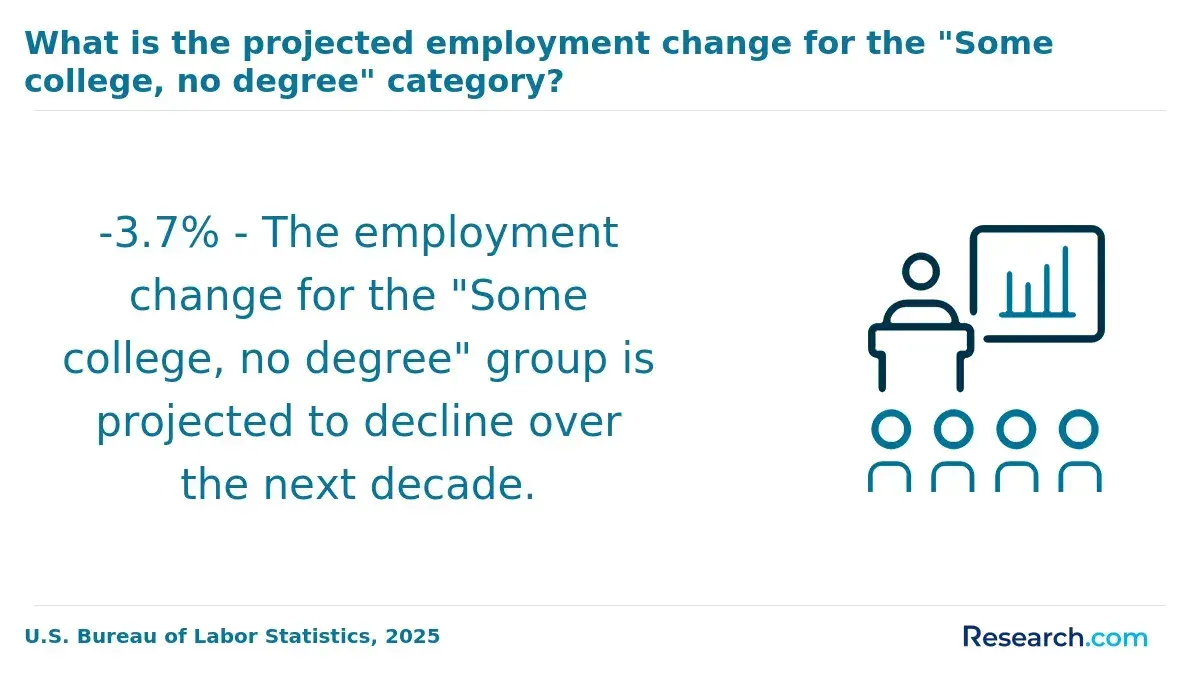
Completion rates vary widely depending on factors such as degree level, student support services, and whether courses are online or on-campus. National data shows about 60% of online undergraduates persist past year one, yet only around 30% finish within six years. This suggests many Walden students experience extended timelines for graduation.
Extended degree completion impacts long-term career benefits and employer perception. Employers often prefer candidates with timely credentials, so delayed graduations might affect job opportunities or salary growth. Prospective students must weigh if their personal circumstances allow flexibility in degree progress without jeopardizing professional momentum.
These realities illustrate why Walden's completion rate should be viewed critically. Prospective students should assess how program demands, time commitment, and external obligations will influence their persistence and success rather than relying solely on institutional graduation statistics.
Walden University's online student culture supports academic focus and practical networking more than social immersion. This suits students prioritizing flexible goal-oriented learning, but it also means a less campus-like vibe overall. The student culture leverages digital tools to foster connection, though meaningful engagement depends heavily on student initiative.
For those seeking a robust, spontaneous community, this model poses challenges, yet its structure aligns well with remote learners balancing busy professional and personal lives. Key factors shaping Walden's online culture include:
- Walden Connect Platform: Serves as the core digital hub integrating coursework with peer interaction. This platform enables collaboration through discussion boards and group projects, helping distant students maintain academic dialogue and networking.
- Virtual Student Organizations: Primarily online, these groups focus on academic and professional interests. Their success depends on proactive participation, making them valuable for motivated students but less impactful for those seeking casual socialization.
- Structured Communication Channels: Virtual town halls, webinars, and social media groups provide formal venues for interaction. These channels emphasize academic progress and professional development, creating a focused rather than casual social atmosphere.
- Integration of Social and Academic Tools: Aligning with research that 58.3% of online learners feel a strong community when social-academic platforms are integrated, Walden's systems strive to foster a sense of belonging mainly through shared academic work.
- Flexibility for Working Professionals: The culture's asynchronous and digital nature supports self-directed learning and networking suited to students balancing career and studies, but limits spontaneous social connection.
- Emphasis on Employability Skills: Networking and collaborative learning focus on building professional relationships and competencies valued by employers, reflecting a culture tuned to tangible career outcomes.
Walden University is a strategic choice for students requiring a blend of affordability, flexibility, and targeted support aligned with professional objectives. For instance, a working parent pursuing a graduate degree while managing variable work hours benefits significantly from self-paced courses and financial aid. Below are key reasons why Walden University appeals to online learners navigating real-world constraints and career aspirations.
- Affordability and Financial Aid: Walden's median alumni salary of $42,810 encourages prospective students to critically assess return on investment. With 90% of students receiving financial aid, the university reduces upfront financial burdens, making higher education more accessible despite diverse economic backgrounds.
- Flexible Asynchronous Learning: The online program flexibility lets students progress at their own pace, accommodating non-traditional schedules and fostering persistence. This design supports degree completion without sacrificing work or personal responsibilities, a vital factor for adult learners balancing multiple roles.
- Dedicated Support Services: Robust online support and career resources address academic challenges and enhance job market readiness. Such tailored services are essential in remote education to maintain engagement and help students translate their degrees into meaningful career outcomes.
- Employability and Market Perception: Recent workforce trends show increasing employer acceptance of online degrees, especially in healthcare, education, and business sectors adapting to hybrid models. A 2024 employment study highlights that companies prioritize skills over degree format, underscoring the importance of aligning programs with relevant industry competencies.
Prospective students should also review program-specific data beyond overall statistics to ensure alignment with career goals. Accessing reliable comparative information, such as online self-paced degrees, can guide informed decision-making about educational investments at Walden University.
Emphasizing program flexibility and support services for Walden University online students enhances goal achievement under complex life circumstances, offering a pragmatic pathway for remote learners aspiring to maintain employment while upgrading skills.
Online students at Walden University depend heavily on tailored digital support systems to navigate academic demands and career transitions effectively. For example, a working professional pursuing an online MBA might rely on virtual tutoring for complex quantitative coursework while accessing career development resources to align job applications with employer expectations.
Below is an overview of critical academic and professional resources designed to support these aims.
- Virtual Tutoring Services: Available on demand, these services provide assistance across multiple subjects without geographic limitations. This flexibility is crucial for maintaining academic progress despite varying schedules or time zones.
- Remote Library System: This offers extensive access to scholarly journals, eBooks, and research databases, supporting graduate-level research competencies. Reliable access to these materials helps students meet rigorous academic standards and produce credible research.
- 24/7 Technical Support: Continuous technical assistance addresses connectivity issues or platform glitches immediately, minimizing disruptions that can delay coursework or participation in synchronous sessions.
- Career Development Resources: Walden hosts virtual job boards curated with employer listings relevant to students' fields, alongside online resume coaching. These resources help students tailor applications to market realities and employer preferences that often prioritize networking skills.
- Mental Health and Wellness Services: Dedicated confidential counseling and wellness workshops acknowledge the stress inherent in remote learning. This support complements academic advising and improves overall student retention.
These comprehensive student support services contribute to a 12.4% increase in retention rates among online cohorts, demonstrating the tangible impact of robust digital resources in sustaining student engagement and success. Prospective learners seeking an online school for military spouses will find these resources critical, especially given the unique challenges faced by remote learners managing both education and service-related responsibilities.
Students navigating online student support services at Walden University should weigh the value of these integrated systems in their decision-making process. The combination of academic, technical, wellness, and career resources not only addresses immediate educational needs but also prepares graduates to meet employer expectations and manage long-term financial and professional outcomes effectively.
Choosing Walden University requires understanding how its open admission policy influences academic rigor and peer dynamics. For instance, a working professional seeking a collaborative learning environment with highly selective peers might find the variability in student preparedness challenging. Another example is a student with limited self-discipline who may struggle with the fully online format demanding independent time management and technical skills.
Remote students prioritize transparent career advancement outcomes, as a 2024 student preference study indicated that 68% rate career pathway clarity as a top factor when picking programs. Below are essential factors to weigh before applying.
- Admission Selectivity: Walden's open admission lowers barriers but also means less academic screening. This affects classroom engagement quality and networking potential, which can matter for fields valuing peer reputation.
- Graduate Debt Load: The median debt of $20,834 is significant. Prospective students must evaluate post-graduation salary prospects carefully to understand if loan repayment is manageable against expected income.
- Employment Outcomes: Different programs have varying recognition and employer demand. Researching employment rates and employer perceptions tied to your exact degree crucially informs ROI and career trajectory.
- Program Delivery Format: The fully online design offers flexibility but requires a high degree of self-motivation and tech readiness. Without these, retention and success rates tend to drop.
- Reputation and Alumni Networks: A heterogeneous student body could weaken the perceived rigor and alumni influence, which play roles in long-term career opportunities and professional credibility.
- Opportunity and Financial Aid: Consider potential employer tuition support or alternative funding avenues against the direct and indirect costs of enrollment to mitigate financial risk.
- Alignment with Career Goals: The program's curriculum and credential market value must closely match your professional aspirations and anticipated industry standards for the credential.
What Graduates Say About Walden University Online Programs
- James: "Before applying to Walden University's online program, I spent considerable time researching the admission requirements and tuition costs to ensure it aligned with my professional goals and budget. The application process was straightforward but thorough, emphasizing self-discipline and technical readiness from the start. Once enrolled, the orientation gave me a realistic perspective on the academic expectations, which helped me manage my time effectively while balancing full-time work. After graduation, I found that my Walden University degree opened doors in my field, especially because employers appreciated the rigor of a well-structured online program."
- Nia: "Choosing Walden University's online program was a pragmatic decision shaped by my need to maintain flexibility while advancing my education. I was initially cautious about remote learning, so I delved deeply into their programs and resources available for online students, particularly focusing on support systems for navigating coursework virtually. The admission process introduced me to the school's standards, and although challenging, it prepared me for the self-motivation required throughout the degree. Entering the workforce, I noticed that my degree from Walden University carried weight, particularly because I could articulate the discipline and adaptability I developed during my studies."
- Aaron: "My experience with Walden University's online degree was shaped by a detailed evaluation of their admissions rigor and program offerings before applying. I considered the technical demands carefully, as I knew remote learning would require a stable setup and strong self-management skills. The initial orientation clarified the level of academic engagement expected, which grounded me in the reality of graduate-level work. Post-graduation, the degree translated into tangible advancements in my career, reflecting not just the credential but the practical knowledge and resourcefulness I developed throughout the program."
Other Things You Should Know About Walden University Degrees
Walden University allows transfer credits, but the acceptance rate for transfer credits can vary significantly depending on the program and course alignment. Prospective students should closely review how their prior credits fit into Walden's curriculum to avoid unexpectedly prolonging their degree timeline. It's advisable to prioritize programs where prior experience can be maximally recognized, as inefficient credit transfer can increase both time and cost burdens.
Applicants need a reliable internet connection and a computer with updated software like Microsoft Office for Walden University's online programs. Specific courses may require additional tools, so it's essential to review program-specific requirements provided by the university before applying.
Walden University provides various financial aid options, including federal student aid, scholarships, and grants. In 2027, students can apply for aid through the Free Application for Federal Student Aid (FAFSA). Specific scholarships are also available based on academic merit and field of study.
Walden uses secure online authentication for student accounts, and some courses require identity verification through proctored assessments or monitored logins. Applicants should use a government-issued ID, create strong login credentials, and follow any verification steps required before the first class begins.
- Your Guide To Flourishing At Walden University https://amberstudent.com/blog/post/walden-university
- Walden University Rankings, Campus Information and Tuition Costs | UniversityHQ https://universityhq.org/best-colleges/walden-university/
- New Data on Completion Rates | HESA https://higheredstrategy.com/new-data-on-completion-rates/
- LibApps Login @ Walden University https://waldenu.libapps.com/libapps/login.php
- Walden University SAT, ACT & GPA Requirements for Admissions https://testbook.com/en-us/college/walden-university-admissions
- Walden University – University Data & Peer Benchmarks https://www.ibexinsights.co/data/walden-university/
- Walden University Admissions Information https://collegeiq.com/colleges/walden-university/admissions