2027 Does University of Miami - Miami Herbert Business School Require GRE, GMAT, or Test Scores for Online Programs?

Co-Founder and Chief Data Scientist
Applicants to online programs at University of Miami - Miami Herbert Business School often face uncertainty about standardized testing requirements. With changing policies nationwide, candidates must determine whether GRE, GMAT, or other test scores are mandatory or optional. Misunderstanding these expectations can delay admission or misalign preparation efforts. The distinction between test-blind and test-optional tracks adds complexity, requiring careful attention to when score reports influence decisions and when other application components carry greater weight.
Recent data shows over 60% of online business programs in the U. S. now adopt test-optional admissions, reflecting a shift toward holistic applicant evaluation. Understanding how University of Miami - Miami Herbert Business School fits within this trend is crucial to navigating waiver opportunities and meeting administrative benchmarks efficiently. This article clarifies the school's testing policies and offers practical guidance to optimize your application strategy.
Key Points About GRE, GMAT, and Test Score Requirements at University of Miami - Miami Herbert Business School
- University of Miami - Miami Herbert Business School requires a GMAT score for many online programs, indicating moderate admission difficulty with SAT ranges around 660-720 verbal and 670-750 math, and ACT scores between 30 and 33 for undergraduates.
- The school offers test waivers in some cases but enforces minimum percentile standards to maintain academic rigor, necessitating validated standardized scores during online program applications.
- Applicants should target competitive score thresholds or pursue waivers strategically, as test scores remain crucial for evaluating academic preparedness and aligning with employer expectations in the job market.
Does University of Miami - Miami Herbert Business School require SAT/ACT scores as part of their undergraduate admissions process?
University of Miami - Miami Herbert Business School sets a benchmark for online undergraduate admissions by considering SAT and ACT scores as part of the application, typically requiring SAT verbal scores between 660 and 720 and math scores between 670 and 750, along with ACT scores from 30 to 33. These ranges are not rigid requirements but signal desired competitiveness for incoming students.
Minimum score expectations may shift depending on the chosen bachelor's program, with more selective tracks potentially emphasizing higher standardized test results. This differentiation matters for applicants seeking less competitive online degrees, who might rely more heavily on GPA and other application elements when test scores fall below average.
Nationally, about 60% of four-year colleges have adopted test-optional admissions policies, reflecting a 2024 education trend that questions standardized testing's fairness and predictive validity. University of Miami - Miami Herbert Business School aligns with this by offering flexibility, but test submission remains strategically advantageous for students targeting robust program outcomes.
For example, a candidate applying to a competitive online business track might submit strong SAT scores to enhance their profile. Conversely, applicants lacking scores should strengthen essays and extracurriculars. Understanding these tradeoffs supports informed decisions when navigating test requirements at University of Miami - Miami Herbert Business School for online undergraduate admission.
Does University of Miami - Miami Herbert Business School require GRE or GMAT scores for online graduate programs?
The University of Miami - Miami Herbert Business School generally does not require GRE or GMAT scores for online graduate programs, reflecting a shift toward more flexible admissions. Applicants with strong professional experience or advanced degrees often receive test waivers, reducing barriers for working professionals looking to advance without recent standardized testing.
Some specific programs or competitive tracks may still encourage submitting GRE or GMAT scores to bolster applications. For example, a finance-focused applicant might choose to provide a strong GMAT score to enhance competitiveness in select specialized master's programs, indicating a tailored approach to admissions requirements across departments.
Compared to many online graduate schools that maintain strict GRE/GMAT requirements, University of Miami - Miami Herbert Business School aligns with a growing trend where 65% of U.S. programs have adopted optional test policies. This flexibility responds to employer demand favoring skills and real-world outcomes over exam performance, influencing admissions to focus more holistically on candidates.
Prospective students assessing GRE and GMAT requirements for University of Miami - Miami Herbert Business School online graduate programs should consider emphasizing professional achievements over test scores. This approach parallels broader admissions shifts and may enhance long-term employability while foregoing costly, time-intensive exam preparation often unnecessary at schools offering easy master's degrees online.
Which online programs at University of Miami - Miami Herbert Business School enforce test-score submission requirements?
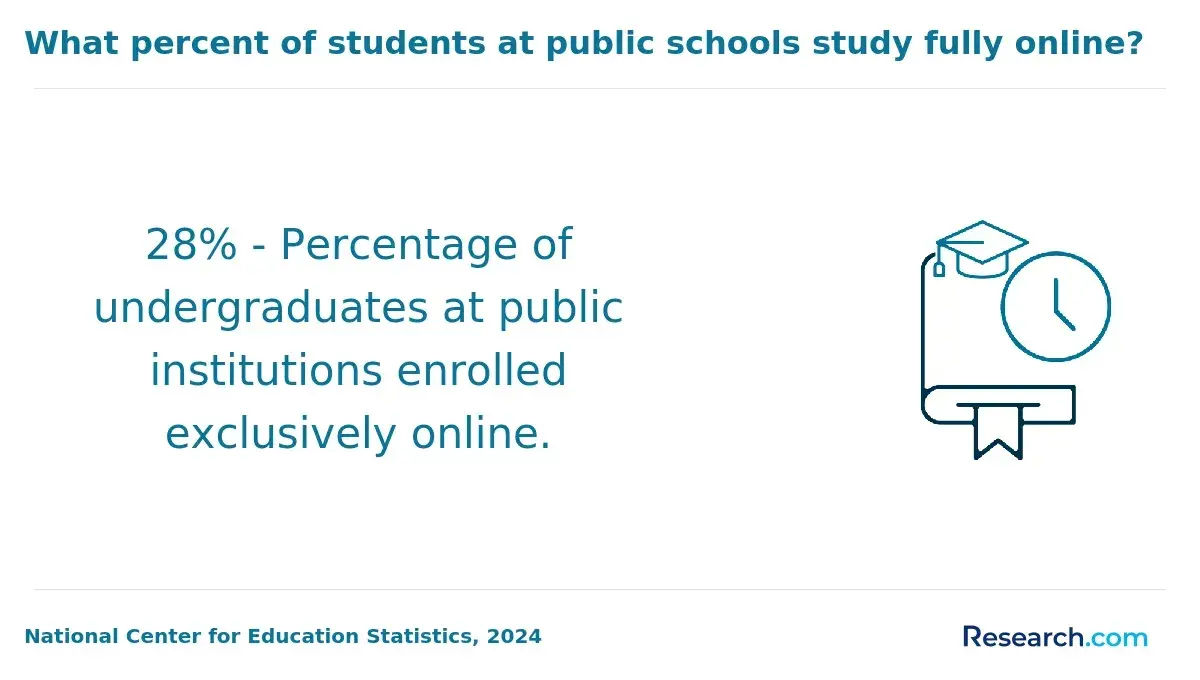
Not all online programs at University of Miami - Miami Herbert Business School treat standardized test requirements equally. Programs with rigorous admissions tend to enforce submission of GRE or GMAT scores to ensure candidates have the critical quantitative and verbal skills necessary for success. This distinction matters in practical terms: for example, applicants to some graduate programs without competitive test scores may struggle with early coursework and face greater risk of attrition, a reality supported by a recent national study showing that standardized test scores below the 50th percent correlate with lower graduation rates. Such findings emphasize why programs aiming for academic and professional excellence uphold these score thresholds to maintain quality and predict future outcomes.
Here are the main online degree programs at University of Miami - Miami Herbert Business School that enforce mandatory test-score submission requirements:
- Online MBA Program:This flagship program requires GMAT or GRE scores typically above the 50th percentile to assess applicants' readiness for advanced business concepts. It also considers professional experience and academic history, balancing test scores with practical knowledge.
- Executive MBA Program:Designed for seasoned professionals, this program expects applicants to submit standardized test scores unless they qualify for a waiver based on extensive work experience or advanced degrees. The testing requirement helps verify analytical aptitude essential for leadership roles.
- Master of Science in Finance:This specialized degree enforces GRE or GMAT submissions to evaluate quantitative skills critical for financial modeling and analysis. Admissions also require strong academic records and relevant professional exposure.
- Master of Science in Business Analytics:This program emphasizes data-driven decision-making and mandates test scores to gauge applicants' capacity for technical rigor. Candidates often need demonstrable quantitative and analytical experience to secure admission.
Unlike undergraduate admissions where University of Miami - Miami Herbert Business School online programs with mandatory GRE or GMAT requirements predominate mostly at the graduate level, the institution often applies test-optional policies for bachelor's degree seekers. Applicants can sometimes obtain test waivers for these online graduate degrees by showing 5+ years of substantial professional experience or holding advanced academic qualifications.
Besides admissions, employers in finance and analytics sectors frequently regard GRE/GMAT scores as proxies for analytical competence. This means submitting strong scores can enhance your career prospects post-graduation. Students evaluating programs at University of Miami should weigh these factors carefully, particularly if they aim to enter competitive industries with robust demand for quantitative skills outlined among the highest paying bachelor degrees.
How does University of Miami - Miami Herbert Business School handle standardized testing policies for online adult learners?
University of Miami - Miami Herbert Business School targets non-traditional applicants by prioritizing holistic admissions over rigid test score requirements. Many online adult learners benefit from relaxed GRE and GMAT policies because the school values professional experience, academic records, and resumes more than standardized scores. This approach reflects a 62% national trend where colleges reduce barriers by waiving test requirements for adult applicants.
Applicants with strong workforce milestones and relevant experience can often receive test waivers. This flexibility suits mid-career individuals balancing employment and studies. However, those in quantitative roles may still submit scores to strengthen competitive standing. The school's stance aligns with workforce demand for practical skills, emphasizing documented competencies beyond test results.
For example, a finance manager with extensive project leadership might bypass tests by demonstrating career achievements. Conversely, a data analyst aiming for specialized roles might submit GRE or GMAT scores to reflect technical aptitude. This dual pathway supports diverse applicants and workforce realities, confirming University of Miami Miami Herbert Business School online adult learner test requirements adapt to individual profiles. Prospective students should also explore inexpensive masters programs as part of evaluating educational costs alongside admissions criteria.
Will transfer students need to submit their test scores upon applying to University of Miami - Miami Herbert Business School?
Transfer students applying to University of Miami - Miami Herbert Business School generally do not need to submit SAT, ACT, GRE, or GMAT scores if they have completed a sufficient number of college credits. The transfer admission process primarily emphasizes college transcripts and cumulative transfer GPAs rather than standardized test scores.
For example, a student with over two years of college coursework seeking to transfer into an online program may have their test scores waived. This aligns with the school's policy of accepting various transfer credits, including CLEP exams, while focusing on demonstrated college-level academic success. High school records and GED completion remain necessary for context but are less critical than past college performance.
Standardized testing requirements often depend on credit thresholds and transfer difficulty. If a student has fewer credits or presents a weaker academic record at the college level, the school may require test scores to better assess readiness. This selective approach avoids a blanket testing mandate but reserves the right to require scores when necessary.
A national study shows more than 60% of US universities now prioritize transfer GPA over test scores, reflecting a shift toward evaluating proven college performance. This trend improves alignment with employer expectations, where ongoing academic achievements carry more weight than high school standardized tests.
How does University of Miami - Miami Herbert Business School evaluate foreign test credentials?
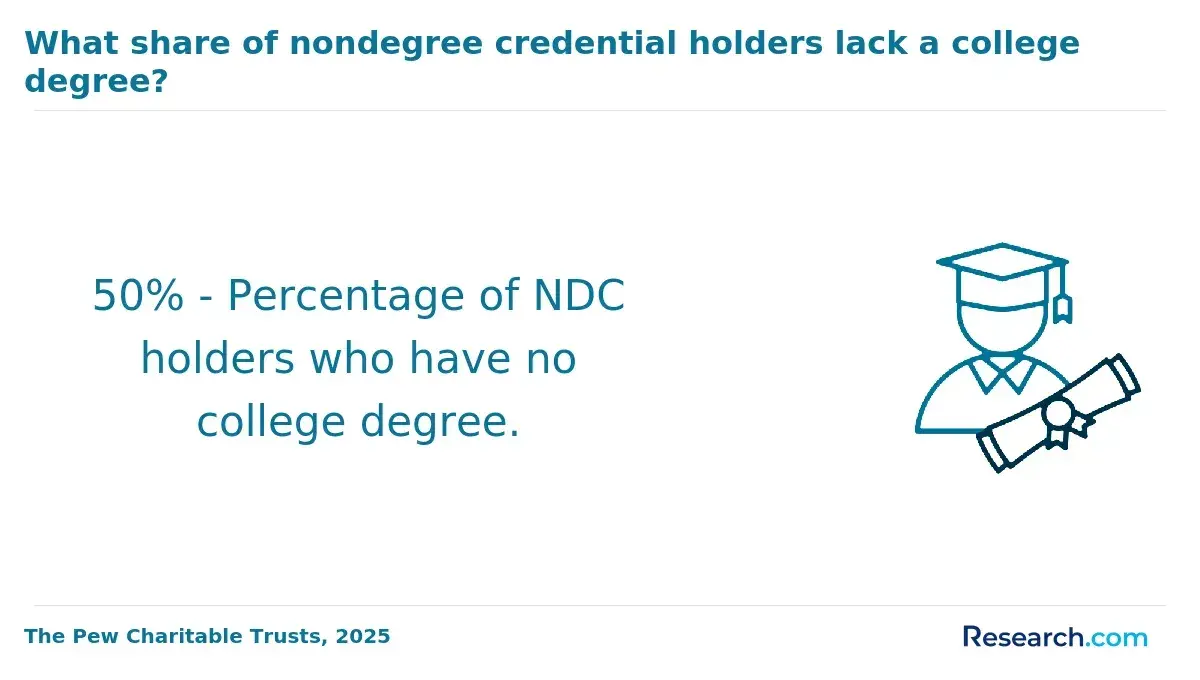
University of Miami - Miami Herbert Business School places significant emphasis on evaluating foreign test credentials through trusted external assessments rather than direct reliance on standardized test scores. This approach acknowledges the wide disparity in testing systems worldwide, where a GRE or GMAT score may not hold uniform validity. For instance, an applicant from a country with less established testing protocols may have their transcripts and academic standing assessed by services like World Education Services (WES) to establish U.S. equivalency. Such thorough credential evaluations help admissions officials better judge the candidate's preparedness beyond raw test numbers.
The following summarizes key points related to how foreign test credentials are evaluated for international applicants:
- Transcript Translation and Evaluation: Academic records must be officially translated into English and evaluated by third-party organizations such as World Education Services to verify authenticity and comparability to U.S. standards. This differs from domestic applicants who typically submit transcripts without external evaluation.
- Flexible Testing Policies: Online programs often allow test score waivers based on professional experience or academic background, reflecting less rigid requirements than traditional programs that demand GRE or GMAT scores upfront.
- Holistic Admissions Approach: Admissions emphasize work history and overall academic performance over standardized test scores, aligning with a shift seen in 57% of business schools that now accept third-party credential evaluations to better serve international candidates.
- Recognition of Global Testing Variance: By relying on credential evaluations instead of strict test thresholds, the school adapts to the reality that many international students come from diverse educational systems, preventing unfair exclusion due to incomparable scores.
One graduate from a University of Miami - Miami Herbert Business School online program shared that the credential evaluation process initially caused some uncertainty. They recalled, "Submitting my transcripts for WES evaluation felt daunting because I wasn't sure if my country's grading system would translate well. When they accepted my professional experience for a test waiver, it relieved pressure and made the whole process feel fairer. It showed the school understood my background beyond just a test score, which was crucial for me as an international student balancing work and study."
What alternative tests does University of Miami - Miami Herbert Business School accept?
University of Miami - Miami Herbert Business School recognizes the limitations of conventional standardized tests and offers alternative exam options that allow applicants to demonstrate their readiness through portfolio validation or substitute scoring paths. For example, an experienced professional with extensive graduate coursework may benefit from presenting scores from specialized assessments or internal diagnostics to supplement or replace traditional GRE and GMAT requirements. With 38% of U.S. universities adopting flexible testing policies to address equitable access and predictive success, these alternatives provide meaningful routes for distance learners to showcase relevant competencies.
Applicants assessing University of Miami - Miami Herbert Business School GRE and GMAT test score waivers for distance learners should consider these pathways. Below are key accepted alternative tests and assessments:
- Executive Assessment (EA): A test tailored for professionals with significant work experience, focusing on business skills relevant to graduate degrees. It is accepted for its practical reflection of real-world management and analytical abilities.
- Graduate Record Examinations Subject Tests: These discipline-specific exams evaluate expertise in particular academic fields, offering a targeted measure of knowledge beyond general aptitude testing.
- Internal Placement Diagnostics: University-administered tests that assess quantitative and verbal skills, allowing candidates to demonstrate proficiency without submitting standardized external scores.
These alternative standardized tests accepted by University of Miami - Miami Herbert Business School online programs are especially valuable for applicants whose professional portfolios and experience may not align perfectly with SAT, ACT, GRE, or GMAT score requirements. Considering these substitutions can optimize a candidate's application strategy. For additional guidance on reducing application barriers, prospective students might explore options at an online college free application.
Can professional experience be used as an alternative to test scores at University of Miami - Miami Herbert Business School?
University of Miami - Miami Herbert Business School actively uses professional experience as an alternative to standardized test scores, particularly in online MBA and executive programs. Candidates with strong career histories can submit resumes and references instead of GRE or GMAT scores, allowing practical expertise to substitute formal exam metrics.
The admissions process evaluates specific milestones such as several years in management roles, leadership in complex projects, or professional certifications. Portfolio reviews and personal statements highlighting industry impact also serve as critical evidence of readiness, shifting emphasis toward demonstrated leadership over test results.
This approach contrasts with many online universities that still heavily weigh exam scores for comparability. The school aligns with a broader trend where 62% of business schools have increased test flexibility, acknowledging that professional achievements better predict student success than standardized metrics.
However, candidates should recognize that relying solely on experience may challenge admissions committees seeking quantitative benchmarks. Balancing documented career achievements with compelling narratives remains essential for maximizing admission prospects at University of Miami - Miami Herbert Business School.
Do test scores have an impact on financial aid eligibility at University of Miami - Miami Herbert Business School?
Standardized test scores have a tangible impact on financial aid eligibility at University of Miami - Miami Herbert Business School, particularly for merit-based awards and institutional grants. Even with test-optional policies in some programs, competitive GRE or GMAT scores can unlock access to more substantial funding. For example, an applicant with strong scores might qualify for an endowment-funded scholarship that offers a significant reduction in net cost, while a test-optional applicant relying solely on GPA could face more limited aid options. This dynamic matters because 81% of undergraduates receive financial aid averaging $37,436, making the test submission decision critical in shaping a candidate's funding pathway. Students exploring college degrees for felons should note the implications of testing on aid eligibility as well.
Below are key funding components influenced by test scores at University of Miami - Miami Herbert Business School:
- Endowment-Funded Scholarships:These scholarships often require strong standardized test results as objective benchmarks for academic excellence. Applicants without competitive scores may be excluded or receive smaller awards since these funds target measurable academic merit.
- Merit-Based Institutional Grants:Test scores factor into the formulas that determine merit-aid eligibility and award amounts. High scorers tend to receive priority to maximize the institution's return on scholarship investment.
- Competitive University Grants:Many grants prioritize candidates demonstrating academic indicators like GRE/GMAT scores to maintain reproducible standards. Test-optional applicants may face tougher competition in this pool.
- Financial Aid for Online Programs:While test waivers exist, students submitting qualifying scores often gain access to larger aid packages, lowering the net cost and increasing degree affordability for remote learners.
What can applicants do if they fail to meet the test score criteria at University of Miami - Miami Herbert Business School?
Applicants to University of Miami - Miami Herbert Business School online programs are not strictly barred when test scores fall short, but their path becomes conditional and more complex. The school does require GRE, GMAT, or other standardized test scores; however, conditional admission policies provide a structured opportunity to demonstrate academic readiness beyond these metrics. This framework allows students to prove their capability through real coursework rather than test scores alone, but it also imposes immediate performance pressure and extended timelines. Understanding these options helps applicants evaluate how to strategically reinforce their applications even if their initial results are weak. Below are several targeted pathways available for those who do not meet the usual score criteria.
- Conditional Admission with GPA Requirements: Applicants who fail to meet minimum test scores can be admitted on probation, with the expectation to maintain a specific GPA during initial coursework. This mechanism serves as a performance-based filter, allowing schools to verify academic competency in a real-world setting but adds time constraints and stress early in the program.
- Remedial or Bridging Coursework: To address foundational gaps, the school may require additional non-credit courses before advancing the full curriculum. This option helps build essential skills and improve success rates but can delay graduation and increase educational expenses, impacting working professionals balancing other commitments.
- Formal Appeals Process: Applicants can submit professional documentation, personal statements, or updated scores from retaken exams. Appeals offer a review opportunity beyond numeric thresholds, valuing experience or improved test performance to reconsider admission decisions.
- Retaking Standardized Tests: Retaking and improving GRE or GMAT scores remains the most straightforward remediation. Enhanced scores can directly influence admissions reconsideration, reinforcing an applicant's academic profile and reducing reliance on conditional pathways.
Research shows that nationally, conditional admissions combined with targeted remedial courses improve student retention by 18%, though they also extend time-to-degree by about 14%. These figures reflect meaningful tradeoffs University of Miami - Miami Herbert Business School applicants must consider, especially in relation to employer expectations and professional timelines.
One University of Miami - Miami Herbert Business School online graduate recalled hesitation over retaking the GMAT after initially scoring below the threshold. Feeling pressured by balancing work demands, they eventually chose to appeal with added professional experience documentation while simultaneously enrolling in a bridging course. "It felt like walking a tightrope, because I had to prove myself quickly without delaying my career goals too much," they said. This dual strategy ultimately convinced the admissions committee to grant conditional entry, and maintaining a strong semester GPA built their confidence to fully engage with the program. Their experience highlights how leveraging multiple recovery options, rather than relying on just one, can enhance admission prospects at University of Miami - Miami Herbert Business School online programs.
What Graduates Say About Their Admissions Experience at University of Miami - Miami Herbert Business School
- Tyler: "Choosing the online program at University of Miami - Miami Herbert Business School was strategic for me, especially navigating the standardized testing requirements. I initially aimed to submit competitive GRE scores but found the process of ordering official reports and timing my test prep alongside a full-time job quite demanding. Fortunately, the test-optional policy provided a valuable safety net, allowing me to focus on securing a strong GPA instead, which simplified admissions and ultimately did not hinder my employment prospects. Once in the workforce, the brand recognition of University of Miami - Miami Herbert Business School carried weight, validating my skills more than my test scores ever could."
- Derek: "As a distance learner, I was apprehensive about standardized testing because coordinating with testing agencies and meeting score benchmarks seemed daunting. University of Miami - Miami Herbert Business School's flexibility in considering test waivers was a crucial factor in my decision to enroll. I opted to pursue a waiver based on my academic record, avoiding extra exam stress and administrative hurdles. Reflecting on my career progression, while the lack of formal test scores initially made me question my competitiveness, the quality and relevance of the coursework I completed online played a stronger role in earning me promotions and salary increases."
- Grant: "The decision to prepare for the GMAT alongside my full-time job was tough, but I believed it essential for admission to University of Miami - Miami Herbert Business School's online program. Coordinating submission of official scores required meticulous planning and communication with the testing board, which was challenging from a distance. However, after graduation, I recognized that the discipline honed through this process-rather than the scores alone-was what translated into accelerated career growth. The program's reputation certainly opened doors, but managing standardized testing was more of a rite of passage than a direct career catalyst in hindsight."
Other Things You Should Know About University of Miami - Miami Herbert Business School Degrees
Yes, because standardized test scores often serve as proxies for quantitative and analytical ability, students without scores should proactively showcase these skills through coursework, certifications, or professional achievements. For instance, highlighting successful projects involving data analysis or financial modeling can guide admissions committees in assessing readiness for rigor in business analytics or finance courses. This strategic emphasis can offset the absence of test scores and align applicant strengths with program expectations.
Not submitting formal test scores does not directly influence access to resources or career services at University of Miami - Miami Herbert Business School, but there can be indirect effects. Students perceived as less quantitatively prepared may encounter heavier workloads or steeper learning curves, potentially limiting time for networking or extracurricular engagement. Given the school's competitive environment, applicants should weigh whether bypassing test submissions aligns with their ability to manage academic demands while leveraging support systems effectively.
Transparency is critical since some employers or external sponsors expect traditional standardized testing as a measure of candidate competence, especially for finance or consulting roles. Without GRE or GMAT scores, applicants from University of Miami - Miami Herbert Business School's online programs should be prepared to explain the school's policies clearly and emphasize alternative performance indicators. Prioritizing this communication reduces the risk of misinterpretation about preparedness and can strengthen professional credibility during recruitment or sponsorship evaluations.
References
- University of Miami Requirements for Admission https://www.prepscholar.com/sat/s/colleges/University-of-Miami-admission-requirements
- University of Miami Herbert Business School https://poetsandquantsforundergrads.com/school-profile/university-miami-herbert-business-school/
- UM reinstates standardized test requirement for fall 2026 applicants https://www.wlrn.org/light/education/2025-01-28/um-standardized-test-requirements
- Home https://www.herbertmiami.info/
- University of Miami Reinstates Standardized Testing - Top Tier Admissions https://toptieradmissions.com/university-of-miami-reinstates-standardized-testing/
- The University of Miami - Patti and Allan Herbert Business School https://www.clearadmit.com/schools/miami-herbert/
- University of Miami Online Master of Business Administration https://www.bschools.org/profiles/university-of-miami-online-mba
- University of Miami - Miami Herbert Business School https://www.princetonreview.com/business/university-miami-miami-herbert-business-school-1011133
- The University of Miami to Reinstate Standardized Testing https://learning.bespokeeducation.com/2025/02/03/the-university-of-miami-to-reinstate-standardized-testing/
- Academic Evaluation for USA Immigration & Education | USCIS Guide https://documentevaluation.com/academic-evaluation-for-usa/