2027 Grand Canyon University Online BA in English for Secondary Education: Cost, Curriculum, Admissions, and Career Outcomes

Co-Founder and Chief Data Scientist
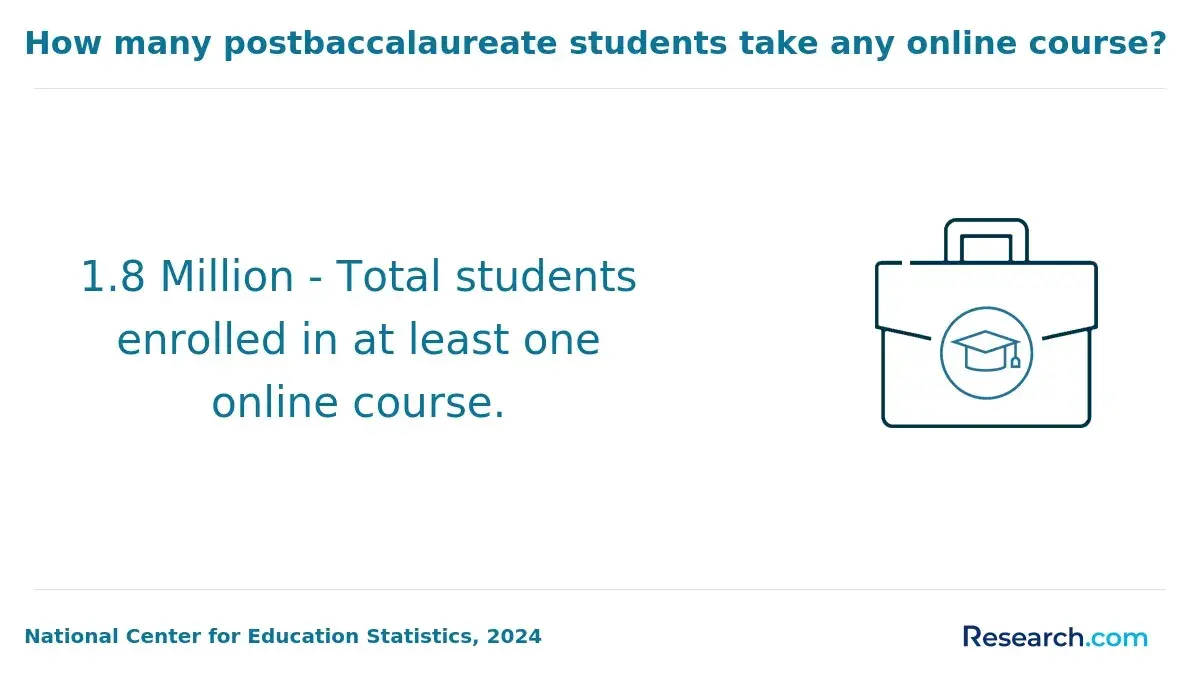
Choosing the right path to become a secondary education English teacher often involves navigating complex decisions about program flexibility, curriculum relevance, and career readiness. With online education growing 15% annually according to the National Center for Education Statistics in 2024, prospective students face increasing options but also challenges in weighing quality against accessibility. Understanding whether grand canyon university's online BA in English for secondary education aligns with one's professional goals and life circumstances is crucial, especially given varied employer expectations and certification requirements. This article examines cost, curriculum, admissions, and career outcomes to help clarify if this program suits your academic and career objectives.
Key Points About Grand Canyon University's BA in English for Secondary Education Program
- The 60% acceptance rate in Grand Canyon University's online BA in English for Secondary Education reflects moderate selectivity, requiring applicants to demonstrate readiness, which can affect timely program completion.
- The program's regional accreditation supports graduate recognition in education networks, influencing employability but requiring graduates to actively build classroom experience for competitive job markets.
- With a total tuition cost of $37,212, prospective students must weigh financial investment against expected career advancement, especially given variation in public school salary scales and job stability.
What can students expect from Grand Canyon University's online BA in English for Secondary Education curriculum?
The curriculum of the Grand Canyon University online BA in English for Secondary Education is structured to meet the practical demands of preparing educators who can thrive in diverse middle and high school environments. Unlike purely academic English degrees, this curriculum balances rigorous literary study with essential pedagogical skills, a necessity for candidates entering classrooms that demand both subject mastery and effective instructional strategies.
For example, a student completing this degree will be expected not only to analyze complex texts but also to manage classroom behavior and adapt lesson plans to varied learner needs-critical competencies valued by secondary education employers.
The program aligns closely with US standards, incorporating key content areas while embedding applied education theory. The comprehensive course structure in Arizona for English secondary education includes core components such as literature, linguistics, and teaching methods.
Key elements of the curriculum include:
- Literature and Composition: Coursework focuses on American and British literary traditions, requiring students to develop analytical skills and strong writing proficiency that underpin effective instruction and curriculum design.
- Educational Psychology: Covering adolescent development and learning theories, this prepares students to understand diverse cognitive and emotional student profiles, which informs differentiated teaching practices in real classrooms.
- Field Experience and Student Teaching: Practical placements in schools provide vital hands-on training, helping candidates apply theoretical knowledge, refine classroom management, and receive mentorship from licensed educators.
Students should recognize that this curriculum's integration of English scholarship with applied pedagogy is essential to navigating the complex realities of secondary education careers. While similar programs nationwide emphasize these dual aspects, the explicit inclusion of real-world teaching practicums enhances readiness and marketability.
Those evaluating if this program fits their goals should also consider additional factors like licensure pathways and regional relevance. For students interested in exploring accelerated credential options linked to sound outcomes, resources like quickest online degrees provide broader context on program efficiency relative to workforce demands.
What are Grand Canyon University's admission requirements for online BA in English for Secondary Education program?
Admission to Grand Canyon University's online BA in English for Secondary Education requires more than basic credential verification; it reflects the program's moderate selectivity and intent to prepare students for secondary education challenges. For instance, a student coming from a nontraditional background must be prepared to demonstrate readiness beyond just a diploma, signaling that the university values academic foundation alongside language proficiency.
Below are key admission factors applicants should consider:
- Educational Background: Applicants must have completed high school or hold a GED certificate. Submission of a secondary school transcript is required to verify academic history, while providing a secondary school rank is recommended but not mandatory, helping to contextualize the applicant's academic standing.
- English Proficiency: Non-native English speakers must submit TOEFL scores, which assess ability to engage with an English-language curriculum effectively. This requirement guards against language barriers that could impede success in an English-focused teaching degree.
- Standardized Testing: There are no explicit SAT or ACT score requirements, and GMAT is not required. However, the university suggests optional tests like Wonderlic and WISC-III as potential supplements, implying flexibility but an opportunity to strengthen applications.
- Supplementary Materials: Letters of recommendation, competency demonstrations, and portfolios or resumes are encouraged though not compulsory. These materials can provide a qualitative edge, especially for candidates lacking traditional academic markers or those shifting careers.
- Transfer Credits: Transfer students must supply transcripts from prior institutions for credit evaluation. The university accepts AP and life experience credits but does not accept dual credit, reflecting an institutional approach that both values prior learning and protects program integrity.
Is it difficult to get admitted to Grand Canyon University's online BA in English for Secondary Education program?
Admission to most BA in English for Secondary Education programs tends to be moderately competitive, balancing between selectivity and accessibility to ensure that candidates possess fundamental verbal and critical thinking skills essential for secondary teaching roles. This equilibrium prioritizes applicants with adequate academic preparation without overly restricting entry, reflecting broader workforce needs for qualified educators.
Grand Canyon University's online BA in English for Secondary Education aligns with this moderate level of selectivity, admitting about 60% of its applicant pool, which translates to roughly 28,960 admits from nearly 48,000 applicants annually. The acceptance rate signals a competitive yet attainable threshold that filters for academic readiness while accommodating a significant portion of applicants.
Standardized test scores typically expected include SAT verbal scores between 540 and 620 and math scores of 518 to 555, or ACT scores ranging from 19 to 20, forming a baseline that correlates with preparedness for the program's specific academic demands.
For many applicants, this means that while admission is not guaranteed, candidates demonstrating consistent academic performance and meeting benchmark test scores have a reasonable chance. The program's admissions process reflects the reality of many education-focused degrees where selectivity exists to uphold instructional quality but is not so restrictive as to constrict entry unduly.
What is the cost of attending an online BA in English for Secondary Education program at Grand Canyon University?
Tuition for the online BA in English for Secondary Education at Grand Canyon University is set at a flat rate of $17,450 annually for base tuition and fees, with total annual costs-including books and living expenses-reaching approximately $37,212. This pricing structure avoids additional technology fees for online learners and does not differentiate rates by residency, which can simplify budgeting for prospective students. However, these costs should be considered in light of total financial commitments such as books and supplies, which add roughly $1,100 annually.
When evaluating the Grand Canyon University online BA in English for secondary education tuition cost, it is important to compare it with other institutions. Public universities often offer lower in-state tuition but significantly higher out-of-state rates, while many private institutions maintain flat rates similar to GCU's.
The federal cost of attendance for in-state students on campus is reported at a lower $31,493 by the Federal Scorecard, highlighting possible differences in how living expenses and fees are calculated, impacting student financial planning.
Choosing this program means balancing a competitive tuition rate against the practical realities of program outcomes and employability in secondary education. The reliable flat tuition rate may appeal to students prioritizing cost predictability as they complete their degree, though it may not necessarily reflect variations in financial aid availability or the specific costs of additional certification requirements.
For those seeking accelerated credentials in education or related fields, it's worth exploring options like the fast track associates degree online programs that might offer quicker entry into the workforce at a lower cost.
Ultimately, assessing the cost of attending Grand Canyon University online English for secondary education program requires weighing both direct expenses and indirect impacts on career trajectories. The fixed tuition model can mitigate some financial uncertainty, but prospective students should carefully analyze total cost relative to anticipated teaching credentials and local job market expectations.
Are there financial aid options for online BA in English for Secondary Education students at Grand Canyon University?
Access to financial aid significantly shapes the feasibility of pursuing an online BA in English for Secondary Education at Grand Canyon University, particularly for students balancing work or family commitments. While the program's tuition remains a critical factor, students often rely on a combination of institutional and federal support to manage costs effectively. For example, a working adult pursuing this degree may leverage employer tuition reimbursement to reduce out-of-pocket expenses, provided their workplace participates in such programs.
Understanding the specific aid types and their eligibility criteria is essential for maximizing funding opportunities.
Below are key financial aid options commonly available to students in this program:
- Institutional Scholarships: Awarded based on academic achievement, financial need, or program-specific criteria, these scholarships help defray tuition costs. Eligibility often requires maintaining a minimum GPA and enrollment status.
- Federal Pell Grants: Targeted at low- to moderate-income undergraduates, these grants do not require repayment and can substantially offset tuition. Students must complete the FAFSA and meet income thresholds to qualify.
- Veteran Benefits: GI Bill and military education assistance programs support veterans and their families, covering tuition and related expenses. Qualification depends on service status and benefit eligibility.
- Employer Tuition Reimbursement: Available to employees whose organizations offer educational support, this option reimburses partial or full tuition costs. Approval often requires course relevance to the job and proof of satisfactory completion.
- Federal Student Loans: Accessible through FAFSA with income-based repayment plans, these loans provide flexible funding but increase long-term debt obligations.
What learning resources are available to online BA in English for Secondary Education students at Grand Canyon University?
The availability and quality of learning resources significantly shape the ability of students in an online BA in English for Secondary Education program to develop the practical skills and professional readiness necessary for secondary teaching roles. Without effective support systems, remote learners risk falling behind in areas such as research competence, pedagogical strategies, and networking within school communities.
At Grand Canyon University, these learning resources are structured to address the operational challenges faced by online students, including self-directed time management and simulating real-world educational environments.
Below is an outline of critical resources that contribute to academic progression and professional integration for students in this program.
- Technical Support: A dedicated team ensures continuous access to learning platforms and course materials, minimizing downtime that could disrupt lesson planning and coursework. This reliability is crucial when managing synchronous sessions and assignment deadlines remotely.
- Academic Advising: Personalized guidance helps students navigate curricular requirements and elective choices aligned with licensure goals, enhancing the strategic selection of courses that reflect evolving educational standards.
- Tutoring Services: Targeted assistance in writing and research supports the mastery of language skills and critical analysis, essential for teaching English effectively and producing scholarly work required in the program.
- Online Library Resources: Access to extensive databases and e-books enables comprehensive research without geographical limitations, aiding lesson development and exposure to diverse literary theories and educational methodologies.
- Career and Placement Support: Partnerships with local school districts facilitate essential practicum experiences, allowing students to apply theory in real classroom settings. Additionally, career services provide tools for job search, resume development, and professional networking, which are indispensable for employment in secondary education.
Does Grand Canyon University's online BA in English for Secondary Education program have in-person clinicals or practicums?
In secondary education teacher preparation, in-person clinicals and practicums remain a non-negotiable element recognized by most employers to ensure candidates can transition theory into effective classroom practice. Many online BA programs claim flexibility but ultimately require hands-on experience to meet certification and state licensing standards. Grand Canyon University's approach aligns with these norms, meaning its online BA in English for Secondary Education is not purely virtual and mandates direct fieldwork in local schools.
The clinical requirements at Grand Canyon University secondary education practicum details reveal that students must complete a set minimum number of supervised hours within K-12 settings, typically scheduled during the final semesters.
These in-person practicums emphasize critical skills such as classroom management, lesson planning, and student assessment, mirroring the industry expectations for new secondary educators. Without this component, students would risk graduating without essential practical exposure valued by school districts and hiring managers.
This balance between online coursework and necessary in-person fieldwork creates a tradeoff for prospective students who might desire fully remote study for convenience. While the curriculum affords the flexibility common in various 6 week courses online, it demands substantial commitment to fulfill hands-on practicum hours.
Prospective candidates should carefully weigh this practical necessity against their personal circumstances and career goals before enrolling.
What careers can graduates of online BA in English for Secondary Education at Grand Canyon University secure?
The practical value of a BA in English for Secondary Education from Grand Canyon University is best assessed by its capacity to prepare graduates for defined roles within secondary education. Graduates find that their degree translates into a range of specialized careers, with a primary focus on classroom instruction and curriculum development.
However, aspiring teachers should weigh the requirement of state licensure and the competitive dynamics of local schools when deciding if this path aligns with their professional goals.
Beyond traditional teaching, the program equips students with skills applicable to advisory and leadership roles. Below are examples of relevant career paths graduates frequently pursue.
- Secondary Education Teacher: Graduates primarily secure teaching roles in middle and high schools, delivering English language arts curriculum, designing lessons, and assessing student learning. Teachers also often serve as mentors and advisors, with salaries varying widely by district and state licensure status.
- Curriculum Specialist: This role involves developing instructional materials and aligning them with educational standards. Specialists contribute to improving teaching effectiveness but may require additional experience or certifications beyond the initial degree.
- Literacy Coach: Literacy coaches work directly with school faculties to enhance reading and writing programs. These positions typically demand strong pedagogical expertise and can serve as a stepping stone toward educational administration.
- Educational Administrator: With further qualifications, graduates may transition into administrative roles involving school management and policy implementation, though this often requires advanced degrees or credentials.
Students evaluating this degree should consider how these Professional marketability outcomes compare to the broader range of online self paced college courses. The balance between immediate classroom employment and long-term career flexibility often dictates the true return on investment in this program.
What is the salary outlook for online BA in English for Secondary Education graduates?
Compensation for graduates with an online BA in English for Secondary Education from Grand Canyon University reflects the structural realities of teaching professions, where salaries typically fall below many other bachelor's degree fields. For example, the median alumni salary for teaching-focused programs ranges from about $32,529 in "Teacher Education and Professional Development, Specific Subject Areas" to $35,016 in "Special Education and Teaching." These figures illustrate the moderate earning potential common in secondary education, often requiring supplemental income or future credentials for financial growth.
The average earnings for graduates with a BA in English for Secondary Education from Grand Canyon University cluster in the low to mid-$30,000s, consistent with typical secondary education teacher salaries nationwide. While this is below the university's broader median alumni salary of $42,186 and sectors like Business Administration ($47,402) or Registered Nursing ($78,940), the tradeoff includes access to stable employment and opportunities for advancement through additional certification, administration, or graduate degrees.
Prospective students should weigh these salary prospects against their career goals and educational investments. For those exploring alternative or accelerated pathways to enhance earning power, resources like 6 month certificate programs may offer viable short-term options to supplement or pivot from a traditional teaching trajectory.
How do you know if Grand Canyon University's online BA in English for Secondary Education program is the right choice for you?
Choosing a BA in English for Secondary Education program requires aligning the program's design and outcomes with your personal priorities and career objectives, especially given the variety of online options available. The decision affects how effectively you develop both content mastery and applicable teaching skills under time and financial constraints.
To help weigh your fit with Grand Canyon University's offering, consider these critical factors:
- Flexibility and Scheduling: Evaluate how the program's fully online format supports your daily responsibilities, such as work or family. Flexible course pacing and asynchronous elements can help sustain consistent progress without compromising other commitments.
- Interactive Learning Opportunities: Assess the level of structured peer and instructor engagement. Programs that promote regular interaction tend to better simulate classroom collaboration, essential for mastering both subject content and pedagogical practice.
- Pedagogical Preparation Depth: Scrutinize the curriculum's emphasis on real-world teaching applications versus theoretical knowledge. Strong preparation involves applied experiences that enhance your classroom readiness and align with certification expectations.
- Values and Institutional Mission: Reflect on how the integration of Christian perspectives fits your personal worldview and teaching philosophy. This alignment can influence your motivation and cultural fit throughout the program and future work environments.
What Graduates Say About Grand Canyon University's BA in English for Secondary Education Program
- Grace: "Studying the BA in English for secondary education at Grand Canyon University gave me critical insight into curriculum design and classroom dynamics, which I found invaluable as I transitioned from student to educator. Although licensure was a longer road, the hands-on projects and reflective assignments helped me build a tangible portfolio that eventually caught the attention of school districts prioritizing experience and adaptability. The program's flexibility also allowed me to work part-time in education support roles, which facilitated a smoother career entry."
- Mckenna: "My experience at Grand Canyon University was both challenging and rewarding, especially balancing coursework with my full-time job. The BA in English for secondary education program emphasized remote instruction techniques and differentiated learning, preparing me well for the evolving hybrid teaching models many schools are adopting. However, I quickly realized that without formal licensure, advancement opportunities were limited; this prompted me to pursue additional certifications to remain competitive in the job market."
- Ruby: "The BA in English for secondary education program at Grand Canyon University pushed me to think deeply about how to engage diverse learners. What stood out was the program's practical approach-internships and lesson plan development-which made it easier to discuss real classroom scenarios during interviews. Post graduation, I found that employers valued my direct classroom experience and thoughtful portfolio even over formal credentials, which led me to secure a strong position in a district focused on innovative English instruction."
Other Things You Should Know About Degrees
The program offers asynchronous coursework, allowing students to complete assignments on their own schedule, which is beneficial for balancing work and family. However, there are mandatory deadlines and some synchronous events like live discussions or group projects that require careful time management. Prospective students should prioritize their capacity for self-discipline and time-blocking to navigate these commitments effectively without risking burnout.
While the BA in English for Secondary Education includes practicum components, the online format means these are often arranged locally rather than on campus. This can offer flexibility but also places the onus on students to secure suitable placements in schools with adequate mentorship. Those who prefer structured, campus-coordinated field experiences might find this less straightforward, so it's advisable to start placement searches early and maintain proactive communication with faculty.
Graduates benefit from a program designed to meet Arizona licensing standards, but the transferability of credentials can vary significantly by state. Some states may require additional coursework, testing, or an alternative certification pathway, which extends the timeline and cost before full licensure. Students aiming to teach outside Arizona should research state-specific requirements thoroughly and consider how additional steps might impact their career planning and finances before enrollment.
References
- Higher Education Services https://www.gce.com/
- GCU K12 Resources | Canyon PD https://www.canyonpd.com/gcu-k12-education-resources/
- GCU Dept. of Welcome Programs https://gcuwelcome.org/resources
- BIOLA UNIVERSITY https://tes.collegesource.com/publicview/TES_publicview03_group_report.aspx
- Bachelor of Arts (B.A.) Major in English (Secondary Education; Teacher Certification in English Language Arts and Reading, Grades Seven through Twelve, with Double Major in B.A. Education) https://mycatalog.txstate.edu/undergraduate/liberal-arts/english/english-secondary-tcert-double-ba/
- Academic Catalog https://academic-catalog.uscupstate.edu/coehph/education/secondary-education-english-baed/
- Grand Canyon University Reviews https://www.gradreports.com/colleges/grand-canyon-university
- BA in English—Secondary Education https://www.hartford.edu/academics/schools-colleges/arts-sciences/academics/departments-and-centers/english-and-modern-languages/ba-in-english-secondary-education.aspx
- How many employees work at Grand Canyon Education? | Revelio Labs https://www.reveliolabs.com/companies/grand-canyon-education/employees/