2027 Best Online Degrees at St. Thomas University: Programs, Tuition, and Admissions

Co-Founder and Chief Data Scientist
As online education evolves, St. Thomas University stands out by serving a diverse student body, notably adult learners balancing work with study, through a strong focus on business and healthcare programs. With over 40% of its undergraduate enrollment engaged in online courses according to recent NCES data, the university emphasizes flexible scheduling and competency-based progress to accommodate varied timelines and career goals.
Choosing an online degree at St. Thomas requires weighing factors such as the breadth of fully online offerings, the adaptability of course pacing, transparent tuition structures, and admissions criteria tailored for transfer and nontraditional students.
Prospective students should also consider how well the programs align with career pathways, the availability of financial aid, and the nature of academic support services-elements crucial for success yet often underappreciated in decision making. This article will guide readers through these considerations, providing a realistic assessment grounded in data and institutional context.
Quick Facts About St. Thomas University Online Degrees
- St. Thomas University maintains an average transfer student entrance difficulty, underscoring a flexible admissions process that accepts a wide variety of prior learning credits-including ACE recommendations, CLEP general and subject exams, and DSST/Dantes tests-with transfer opportunities available in fall, spring, and summer terms. This breadth can significantly reduce time and cost to degree completion for working adults and transfer students balancing other commitments.
- The university's workforce-aligned programs emphasize fields such as nursing, business, information technology, teaching, and healthcare, many of which prepare students for licensure or industry-recognized certifications. Prospective students should weigh these concrete career advancement routes when selecting a program that supports timely entry or progression in regulated and dynamic job markets.
- With a median annual tuition cost around $61,511 for a full degree, students must consider the return on investment carefully, especially since nearly 43% of enrolled students receive some form of financial assistance. While the 99% retention rate suggests strong student support and engagement, prospective students should assess how well the cost aligns with salary outcomes in their target field and their ability to leverage transfer credits to control expenses and duration.
Is St. Thomas University a Good School for Online Degrees?
St. Thomas University presents a focused option for online learners seeking personalized attention and flexible scheduling, especially appealing to working adults and first-generation students.
With an enrollment roughly around 4,000, its private status supports close faculty interaction and programs shaped by a social justice mission, but this also means fewer online degree varieties and higher tuition compared to public institutions.
Our research shows that while STU lacks broad national prominence, online students benefit from stable faculty involvement and smaller class sizes.
The student population is diverse, with significant Hispanic and minority representation and an average online student age between 28 and 35, reflecting a mature learning environment catering to career-oriented adults.
For those evaluating online options, STU's reputation sits more moderately among small-to-mid-sized private universities, as noted in the research.com database rankings of online master's programs.
One recent graduate described balancing family and work commitments while pursuing an online degree at STU, appreciating the faculty's prompt feedback and the community feel despite the virtual setting.
They noted the program's alignment with their values gave added motivation, though they wished for more extensive alumni networking after graduation. This experience illustrates how St. Thomas University serves students who prioritize engagement and mission-driven education over extensive program breadth or large-scale institutional prestige.
What Online Degree Programs Does St. Thomas University Offer?
Prospective students considering St. Thomas University's online degrees should note that offerings focus mainly on bachelor's and graduate levels, with no fully online associate degrees available.
This positioning suggests a deliberate emphasis on building advanced skills and credentials rather than entry-level associate qualifications, meaning students seeking foundational online associates may need to look elsewhere.
Bachelor's Programs with Workforce-Relevant Majors
STU provides several online bachelor's degrees within business administration, psychology, and education, catering to diverse career paths but with a narrower selection compared to larger institutions.
For example, the Bachelor of Science in Business Administration includes practical concentrations such as Human Resource Management and Health Services Management, aligning directly with current workforce demands. This program's focus on applied business skills supports professional advancement in competitive sectors.
Graduate Degrees Emphasizing Specialization and Career Alignment
The university's online master's degrees offer considerable variety, particularly in business and education fields. The MBA program, with tracks in Finance, Marketing, and International Business, serves as a robust option for career upskilling, supported by hybrid delivery flexibility. Education professionals benefit from specialized Master of Education paths tailored to licensed educators' advancement needs.
STU's inclusion of research-oriented psychology master's degrees further broadens options for students balancing online coursework with essential practicum experiences.
Based on our research, the program's targeted concentrations reflect STU's strategy to meet workforce needs through specialized, professionally focused curricula while limiting broader interdisciplinary options at the graduate level.
Our analysis also incorporates tuition data for Business Administration, Management, and Operations at $41,622, which aligns with the program's mid-range investment level relative to similarly specialized private online degrees, emphasizing a tradeoff between focused professional preparation and cost.
How Do Online Classes Work at St. Thomas University?
Online classes at St. Thomas University mainly follow an asynchronous format, allowing students to complete coursework on their own schedules through Canvas, the platform that supports video lectures, discussion boards, and assignments accessible 24/7. This setup offers crucial flexibility for working adults and caregivers who need self-paced study without fixed meeting times.
However, some programs feature hybrid elements, requiring attendance at occasional synchronous sessions like live webinars or group discussions, which demand scheduled participation and reduce timing flexibility.
Our research shows that this hybrid model helps foster academic engagement but may challenge those with unpredictable work hours. Students should note that accelerated programs use condensed 7-8 week terms, increasing weekly workload and time-management demands compared to standard semesters.
Transfer students benefit from St. Thomas University's average transfer difficulty and acceptance of credits from multiple sources, including ACE, CLEP, and DSST exams, allowing enrollment in fall, spring, or summer terms and facilitating smoother integration into online courses designed for adaptable pacing and faculty-supported interaction.
How Long Does It Take to Complete an Online Degree at St. Thomas University, and Can Transfer Credits Speed It Up?
Time to complete an online degree at St. Thomas University varies significantly by program level and enrollment pace, with transfer credits playing a crucial role in reducing timelines. Associate degrees, typically requiring 60 credit hours, take about two years full-time but can extend to four years for part-time students.
Bachelor's degrees generally align with a four-year full-time schedule but accommodate accelerated options and transfer credits that can shorten completion by up to 25-30%. Transfer students may bring in up to 90 credits for bachelor's programs and 45 for associate degrees, allowing advanced standing and faster progression.
Master's programs range from one-year accelerated tracks to two years or more depending on part-time status and practicum requirements. Students balancing work and family often enroll part-time, extending degree durations by 50% or more.
Understanding these nuances helps prospective students plan realistically for their academic journey, especially when leveraging transfer credit policies at STU to achieve timely graduation.
For example, a recent transfer student from a community college found that by transferring 60 credits toward their bachelor's degree, they could enter with sophomore standing. They strategically used STU's multiple start dates and accelerated eight-week courses to complete their remaining credits in just over two years.
The student noted the challenge of coordinating prerequisite sequences but appreciated the flexibility. Balancing a full-time job, they described their part-time pace as demanding yet feasible, especially with advisor support.
"The ability to transfer credits significantly cut what could have been a four-year commitment," they shared, highlighting how STU's transfer policies concretely impacted their timeline and motivation throughout the program. Their experience underscores how transfer credits and thoughtful course planning can align academic goals with real-life responsibilities.
How Much Does an Online Degree at St. Thomas University Cost?
How much an online degree at St. Thomas University costs depends largely on the credit hour tuition and associated fees. Based on our research, undergraduate online tuition runs about $470 per credit hour, leading to an estimated total of $56,400 for a bachelor's degree requiring 120 credits.
Graduate programs cost approximately $585 per credit hour, resulting in roughly $21,060 for a 36-credit master's degree. These tuition costs exclude mandatory fees such as a technology fee, which adds $35 per credit hour and can increase the overall expense by over $4,000 for bachelor's students.
Additional costs include textbooks averaging $1,200 to $1,500 annually and potential program-specific fees for clinical placements or certification exams, which may add several hundred to a few thousand dollars more.
Our analysis also highlights that St. Thomas applies a uniform tuition rate regardless of residency, with limited tuition discounts for eligible students, making budgeting critical when comparing this private university with other institutions in the region.
Does St. Thomas University Offer Financial Aid for Online Students?
St. Thomas University recognizes that 99% of its online students rely on some form of financial aid, highlighting the institution's integral role in cost management for remote learners. With an average annual tuition of $23,028, affordability hinges on effectively navigating federal aid, scholarships, and employer programs.
Online students must complete the FAFSA to access Pell Grants, subsidized loans, and need-based institutional aid, which collectively ease upfront expenses and long-term debt. State residency influences eligibility for Florida's Bright Futures and other grants, though out-of-state learners may face restrictions, requiring careful planning with the financial aid office.
Scholarships target diverse groups including transfer students, adults, and veterans, offering critical tuition offsets. Additionally, employer tuition reimbursement and military benefits like the GI Bill provide alternative funding streams.
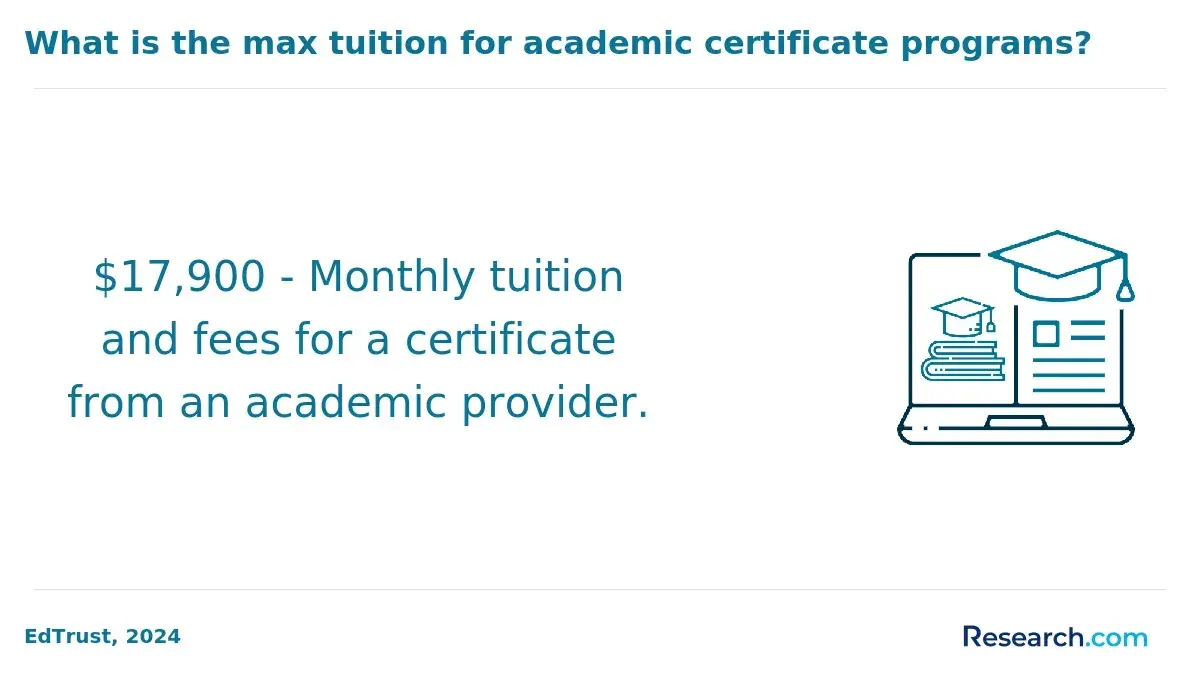
Our research suggests that while multiple aid layers exist, coordinating deadlines and eligibility criteria across these options remains a practical challenge for online students seeking to minimize financial barriers to degree completion. Those exploring further relief may also consider certificate programs as complementary or bridging credentials relevant to their career goals.
One St. Thomas University online graduate shared that juggling a full-time job with studies made employer tuition reimbursement vital; she noted, "Having the university provide official course outlines simplified my HR paperwork, and completing FAFSA was essential before I could even apply for scholarships. It wasn't just about finding aid but timing applications to avoid gaps in funding."
This real-world coordination underlined how financial aid processes, while extensive, demand proactive management from students balancing work and academics.
What Are the Admissions Requirements for St. Thomas University Online Programs?
What are the admissions requirements for St. Thomas University online programs primarily reflect a balance between accessibility and academic readiness tailored for diverse adult and transfer learners.
The university maintains a moderately selective approach, evidenced by an overall undergraduate acceptance rate near 64%, which likely extends to online applicants given the institution's scale of over 11,000 students across all modalities.
Prospective undergraduates generally need a minimum high school GPA around 2.5, ensuring foundational competence while allowing access to applicants with varied academic backgrounds.
St. Thomas has adopted a test-optional policy for undergraduates, prioritizing GPA, coursework rigor, and holistic evaluation over standardized tests.
Graduate applicants face more stringent criteria, with typical minimum GPA requirements of 3.0 and, often, additional materials such as professional experience or interviews to measure readiness for advanced study.
Transfer students benefit from a receptive credit evaluation process requiring a minimum grade of C for accepted credits, facilitating degree progression without excessive repetition. The university's rolling admissions and multiple enrollment cycles reduce timing barriers for working adults, making application timing more flexible without compromising academic standards.
Is St. Thomas University Accredited and Respected by Employers?
St. Thomas University's regional accreditation by the Southern Association of Colleges and Schools Commission on Colleges confirms baseline academic quality and institutional oversight, a critical factor for employer recognition and graduate school acceptance.
Additionally, programmatic accreditation strengthens credentials in key fields: nursing programs hold Commission on Collegiate Nursing Education (CCNE) accreditation, enabling graduates to pursue registered nursing licensure nationwide, while education degrees meet Council for the Accreditation of Educator Preparation (CAEP) standards required for teacher licensure in multiple states.
Although business programs lack AACSB accreditation, alignment with industry standards supports employer confidence within relevant sectors. Employer acceptance of STU's online degrees is reinforced by evolving attitudes favoring accredited online credentials, especially in health sciences and education.
According to data from our proprietary research.com database, STU maintains stable regional rankings reflecting its focused teaching mission, which can enhance local employment prospects but requires supplementary credentials for elite graduate programs.
What Support Services Does St. Thomas University Offer Online Students?
St. Thomas University's approach to online student support demonstrates an integrated system designed to reduce barriers common in remote education, such as isolation and scheduling conflicts.
Its comprehensive academic advising provides personalized guidance from enrollment through graduation, with early-alert monitoring and transfer-credit evaluations helping students maintain clear degree pathways.
Tutoring services focus on high-demand subjects like math and writing, balancing live sessions with flexible asynchronous options to accommodate working adults and caregiving responsibilities, which supports self-directed learning and academic confidence.
Career services are tailored for remote learners, offering customized coaching and virtual networking opportunities that align with diverse professional goals. Technical support is notably available 24/7 through multiple channels, ensuring that technology issues minimally interrupt academic progress.
Additionally, robust digital library resources and virtual librarian consultations help online students access essential research tools on par with campus peers. STU's mental health and wellness programs, delivered via secure online platforms, address stress and resilience, recognizing the unique challenges facing its student body.
This holistic approach to online student support services at St. Thomas University reflects a commitment to student persistence and success through flexible, equitable resources.
Based on our research, these coordinated efforts contribute to a scalable support model that benefits not only first-generation and transfer students but also career changers managing competing responsibilities. For those evaluating the most useful masters degrees, such comprehensive services are a crucial factor in sustaining momentum and achieving timely graduation in an online format.
One recent graduate recalled how STU's early-alert advising system made a difference when balancing full-time work and coursework. "My advisor noticed I was falling behind in a core class and reached out before I felt overwhelmed," she explained.
This proactive support led to tailored tutoring sessions and career coaching that helped her regain confidence and stay on track. She valued the mental health resources as her schedule tightened, noting, "Having access to counseling by video felt like a crucial lifeline during stressful weeks."
Her experience illustrates how STU's coordinated support network addresses both academic and personal hurdles unique to online learners.
Is an Online Degree From St. Thomas University Worth It?
Is an online degree from St. Thomas University worth it? Our research shows that graduates typically see moderate salary growth, reaching median earnings near $54,272 about ten years post-enrollment, which is aligned with regional mid-tier institutions.
However, with an average student debt around $19,125 and an earnings-to-debt ratio of approximately 2.84, the financial payoff is manageable but modest compared to more competitive programs.
Students should weigh these outcomes carefully, especially those targeting fields with slower wage growth such as education or psychology, to assess long-term benefit versus initial borrowing.
For working adults considering transfer credits or career changers evaluating workforce relevance, this analysis of the value of online degrees at St. Thomas University offers practical insight into realistic career advancement expectations. For broader comparisons of accelerated programs for adults, see accelerated online degree programs.
What Graduates of St. Thomas University Online Programs Say
- Owen: "Balancing full-time work and family commitments meant I had very limited time to dedicate to studying, so I chose St. Thomas University's online program for its flexible schedule. While the coursework equipped me with solid practical skills, I quickly realized in job interviews that employers in my field were more interested in portfolios and hands-on experience than just the degree. This motivated me to pursue freelance projects alongside studying, which eventually led to a remote job opportunity."
- Esteban: "After deciding to switch careers, cost was a major factor in choosing an online degree from St. Thomas University, since traditional programs were out of reach financially. The curriculum was thorough and helped me build foundational knowledge, but I found that many employers prioritized licensure or specific certifications over just holding a degree. Although my salary growth has been slower compared to peers with licenses, I appreciate the quicker entry into the workforce and plan to pursue certification next."
- Mateo: "I wanted to advance in my existing career but found it difficult to juggle work demands while completing my degree online at St. Thomas University. The experience was intense but rewarding; however, I noticed that even after graduating, advancement within my company hinged more on internal experience and projects than the degree alone. Still, the program helped me enhance my skills and position myself well enough to secure a three-month internship that proved instrumental for future opportunities."
Other Things You Should Know About St. Thomas University Degrees
St. Thomas University offers flexible application timelines and extended admission windows, which can benefit students juggling work, family, or other obligations. However, this flexibility requires students to be proactive in managing overlapping deadlines and course pacing. While the admission process is accommodating, the actual coursework still demands consistent engagement, so applicants should prioritize time management skills to make the most of these scheduling options.
Online degree programs at St. Thomas University expect students to handle significant independent study alongside their other commitments. This can create real tension for those working full-time or with unpredictable hours. The lack of fixed class times increases flexibility but also demands a high level of self-discipline. Prospective students should realistically assess their daily availability to avoid falling behind, as the cumulative workload is comparable to traditional formats despite the asynchronous delivery.
While St. Thomas University's online degrees carry the same accreditation as their on-campus counterparts, employers in competitive fields may scrutinize online credentials more closely. This means graduates should be prepared to demonstrate skills and experiences beyond the diploma, such as internships or project work. For roles requiring high interpersonal or hands-on skills, pairing the online degree with relevant practical experience is advisable to offset any employer hesitation about the delivery format.
In 2027, St. Thomas University's online programs are distinguished by their adaptable learning paths, allowing students to tailor their schedules. The variety of specialized degrees caters to both newcomers and experienced professionals, providing in-depth knowledge and practical skills relevant to current industry standards.
References
- New Pathways to a College Degree: How Transfer Credits Save Time https://www.uagrantham.edu/blog/transfer-college-credits-online-pathways-degree/
- Financial Aid https://catalog.stthom.edu/financial-aid-0
- St. Thomas University (STU) https://www.princetonreview.com/college/st-thomas-university-1022732
- 5 Fascinating Facts About the University of St. Thomas Houston - UST Sites & Blogs - Be Bold https://blogs.stthom.edu/BeBoldBlog/college-life/facts-about-ust/
- Student Support - Online Education at UST https://teachonline.stthom.edu/virtual-student-union/student-support/
- Online Programs - Thomas University https://www.thomasu.edu/majors/online-programs/
- Home - Online Programs | University of St. Thomas, Houston, Texas https://ustonlineprograms.com/
- Top Online Schools That Accept Transfer Credits https://www.edvisorly.com/student-guides/online-schools-that-accept-transfer-credits