2027 AI Bachelor's vs Mathematics Degree: Which Path Fits You?

Co-Founder and Chief Data Scientist
Deciding between a 2027 AI bachelor's degree and a mathematics degree presents a common dilemma for professionals aiming to transition into the AI industry. The choice affects career flexibility, specialization, and the relevance of skills to emerging technologies. Many learners struggle to assess which degree offers the most practical benefits for AI roles and long-term growth.
Understanding the differences in curriculum, industry demand, and application areas is essential for making an informed decision. This article explores the core contrasts between these degrees and guides readers in selecting the best educational path to support their pivot into the Artificial Intelligence field.
Key Things You Should Know
- AI bachelor's degrees emphasize machine learning, data science, and programming, reflecting a 35% job growth rate projected through 2031 in AI-specific roles.
- Mathematics degrees foster strong analytical and theoretical skills, essential for algorithm development and critical in AI research and advanced quantitative roles.
- Salary data from 2025 shows AI graduates earn a median starting salary of $85K, slightly higher than $75K for math graduates entering AI-adjacent careers.
What is the core difference between an AI bachelor's degree and a mathematics degree in terms of curriculum focus and career application?
The core curriculum differences between AI bachelor's and mathematics degree programs primarily involve their focus areas. An AI bachelor's degree emphasizes computer science, machine learning, data structures, algorithms, and programming skills essential for designing intelligent systems.
Students engage with neural networks, natural language processing, and robotics, gaining practical experience in applied AI engineering. In contrast, mathematics degrees revolve around theoretical areas such as calculus, abstract algebra, statistics, and proof-based reasoning, providing a strong quantitative foundation without obligatory coding or software development components.
Career opportunities for AI graduates versus mathematics majors reflect these curricular distinctions. AI graduates are typically prepared for roles like machine learning engineers, data scientists, and computer and information research scientists.
According to the U.S. Bureau of Labor Statistics, jobs for computer and information research scientists are projected to grow by 21% through 2032, illustrating robust demand in AI-related fields. Meanwhile, mathematicians often pursue careers in research, education, or applied mathematical modeling with a slower 3% projected growth rate.
Those interested in software engineering, AI product development, or data-driven innovation should consider the AI bachelor's path. For a deeper focus on theory, statistics, or advanced applied mathematics, a mathematics degree may be more appropriate. For students exploring options, understanding these distinctions is crucial, as is consulting resources such as What is applied AI engineering.
What are the typical job titles, industries, and salary ranges for graduates with AI degrees compared to mathematics degrees?
Graduates with AI degrees often secure roles such as machine learning engineer, data scientist, AI researcher, and robotics engineer. These positions are found in industries like technology, healthcare, finance, autonomous vehicles, and e-commerce. In contrast, mathematics degree holders typically work as quantitative analysts, statisticians, operations researchers, or academic researchers in sectors such as finance, insurance, government agencies, and education.
According to the 2024 Robert Half Salary Guide, AI specialists earn median salaries between $130,000 and $180,000 annually, about 35-45% higher than pure mathematicians whose median earnings range from $90,000 to $130,000. This difference stems from strong demand for AI skills in neural networks, natural language processing, and computer vision across emerging technology sectors.
Mathematics graduates often pursue theoretical or analytical roles emphasizing problem-solving and statistical modeling. Careers like actuarial analyst or cryptographer usually have lower starting salaries but may lead to stable positions within government or academia.
On the other hand, AI graduates work in fast-growing fields requiring proficiency in programming, algorithm design, and large-scale data analysis, which offers greater financial upside but demands continuous skill development due to rapidly evolving technologies.
Students examining AI graduate job titles and industry salary comparisons should also consider tools and skills favored by each discipline. AI roles emphasize applied expertise in Python and TensorFlow, while math positions prioritize rigorous logical reasoning and statistical theory.
For those interested in exploring affordable education options, the data science undergraduate rankings provide valuable insights into accessible programs.
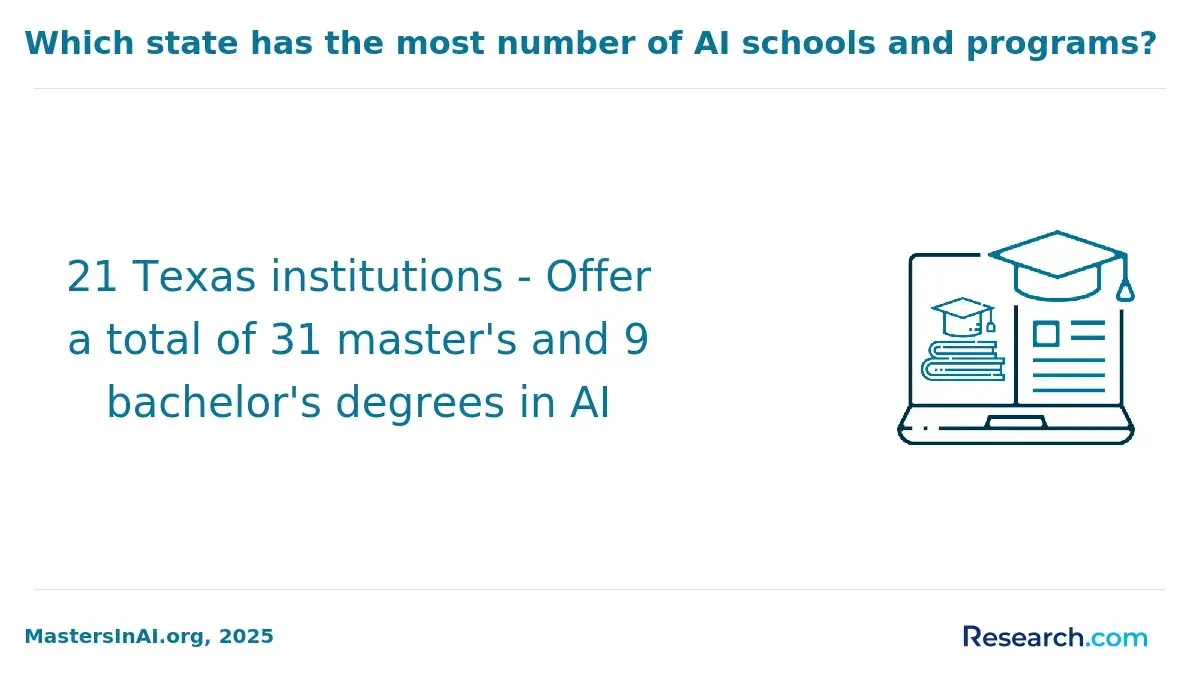
Which accredited universities offer AI bachelor's degrees, and how do their programs compare in structure and specialization options?
More than 250 accredited universities worldwide now offer dedicated AI bachelor's degrees, representing a 500% rise in program availability. In the United States, institutions like Carnegie Mellon University, the University of California, San Diego, and Northeastern University stand out for their comprehensive AI undergraduate programs. These programs combine foundational theory with applied technologies.
Students exploring which accredited universities offer AI bachelor's degrees in the US will find programs emphasizing core topics such as machine learning, computer vision, natural language processing, and robotics. Specializations vary, with Carnegie Mellon focusing on human-centered AI and autonomous systems, UC San Diego offering interdisciplinary tracks involving cognitive science and data science.
Typically spanning four years, AI bachelor's programs integrate mathematics, programming, ethics, and domain-specific courses. Admission tends to be competitive, requiring strong calculus and programming skills. For those comparing AI bachelor's programs by specialization and curriculum, options with modular specializations or minors pairing AI with fields like business or healthcare analytics offer additional flexibility.
Students weighing AI degrees against mathematics degrees should note AI programs provide hands-on experience with emerging technologies and focused AI applications, whereas mathematics degrees delve deeper into theory. Prospective students may also consider online degrees in ai, which provide flexible access to quality education across diverse institutions. For more information on affordable options, see online degrees in AI.
What are the admission requirements, prerequisite coursework, and GPA expectations for competitive AI bachelor's programs?
Admission requirements for competitive AI bachelor's programs in the US emphasize strong academic performance in STEM subjects. Applicants typically need proficiency in mathematics, especially calculus and linear algebra, which underpin machine learning and data modeling. Prerequisite coursework often includes advanced mathematics (calculus I and II, linear algebra), introductory computer science, and sometimes statistics or probability.
Experience with programming languages such as Python or Java is highly recommended to manage coding-intensive coursework early on. High GPA standards are common, with top-tier AI degrees generally admitting students with GPAs ranging from 3.7 to 3.9 and median SAT scores between 1480 and 1550.
This contrasts with mathematics programs, which tend to have slightly lower GPA expectations of 3.5 to 3.7 and SAT ranges between 1420 and 1480. These differences illustrate the competitive nature of admission requirements for AI bachelor's programs in the US due to the interdisciplinary and high-demand aspects of the field.
Applicants are advised to prepare by excelling in STEM subjects, obtaining practical coding experience, and showcasing research projects or internships related to AI. High scores in Advanced Placement (AP) math and computer science courses can also boost applications.
Each university's prerequisites may vary, so examining individual program standards is essential. Prospective students exploring advanced education options might also consider the cheapest online PhD in cybersecurity as a complementary path.
How do online AI bachelor's degrees differ from campus-based programs in terms of curriculum rigor, hands-on experience, and employer recognition?
Online AI bachelor's programs align closely with campus-based curricula in rigor, covering essential topics like machine learning, data structures, and neural networks. The main difference lies in delivery, as campus programs often include synchronous elements such as live labs and in-person group projects that enhance real-time collaboration and feedback. Online students, meanwhile, depend on virtual labs, simulations, and remote teamwork to gain practical experience.
Campus students benefit from direct access to physical labs, research centers, and internships, fostering deeper hands-on learning and mentorship. Leading online programs address this by emphasizing portfolio development through industry partnerships and requiring capstone projects that showcase applied skills.
According to LinkedIn's 2024 Workforce Report, 68% of employers now view online AI degrees as equally credible as campus degrees when paired with substantial project portfolios, up from 42% in 2022. Employer preference can still favor campus degrees in traditional sectors where face-to-face networking and brand reputation matter most.
However, many tech employers prioritize demonstrated competencies regardless of degree modality. Online AI education with recognized certifications and verifiable project outcomes has gained solid ground across the job market. Prospective students should carefully assess each program's offerings related to internships, portfolio projects, and alumni networks to align with their career goals.
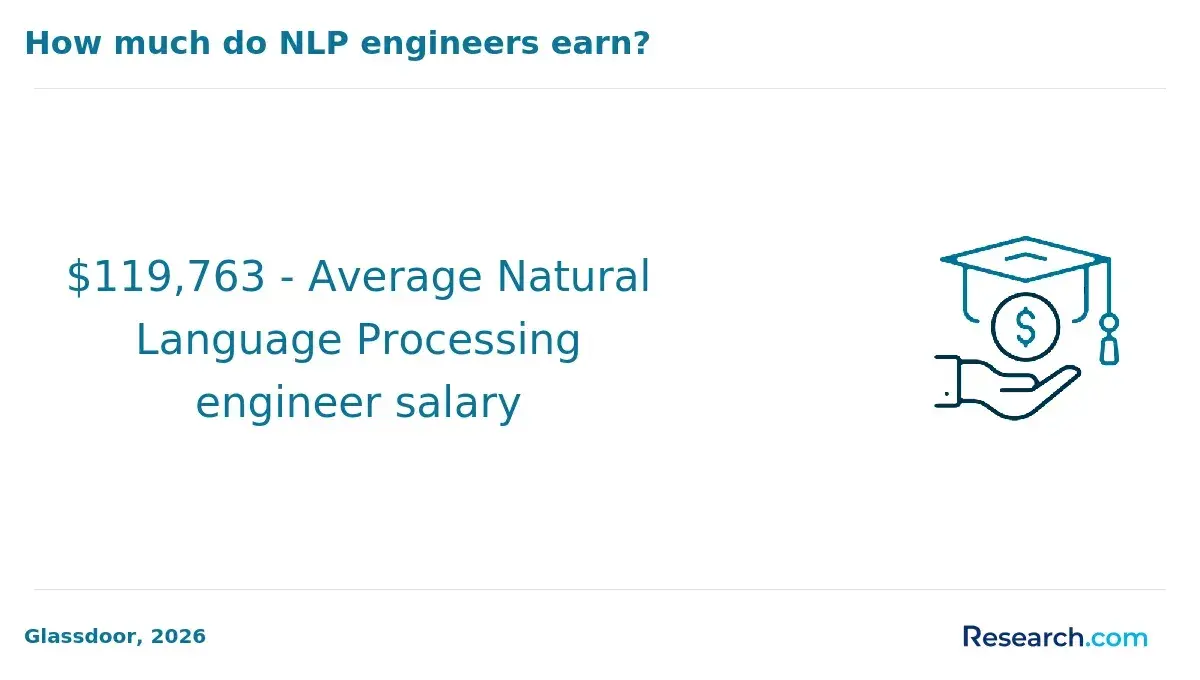
What specific technical skills, programming languages, and mathematics competencies are required in an AI degree versus a pure mathematics degree?
AI degree programs require mastery of a broader and more diverse set of technical skills compared to pure mathematics degrees. According to the 2024 AI Jobs Report, students in AI typically learn 4 to 5 programming languages, including Python, R, Java, C++, and SQL. These languages support roles such as data manipulation, machine learning development, and systems integration.
By contrast, pure mathematics students usually focus on 1 to 2 languages, like MATLAB or Python, mostly for numerical analysis and algorithmic problem solving. Mathematics knowledge in AI degrees centers on applied subjects like linear algebra, probability theory, calculus, and discrete mathematics, which form the foundation for machine learning algorithms, neural networks, and optimization methods.
Additionally, AI students study statistical inference and algorithm complexity to tackle scalable challenges. Conversely, mathematics degrees emphasize abstract reasoning in areas such as real analysis, topology, number theory, and rigorous proof techniques, focusing on theoretical depth rather than application.
AI students engage deeply in hands-on coding projects combining mathematics with computer science, while mathematics students focus more heavily on theory and proofs. Given the wider programming demands in AI education, adaptability and time management are essential. Unlike mathematics degrees where programming is often supplementary, AI curricula systematically integrate software engineering and mathematical proficiency.
What is the job market outlook and hiring demand for AI graduates compared to mathematics degree holders over the next 5-10 years?
Job market demand for Artificial Intelligence graduates is growing significantly faster than that for mathematics degree holders. LinkedIn's 2024 Jobs on the Rise report shows a 74% year-over-year surge in AI-related hiring, compared to just 8% growth in mathematics-specific roles, making Artificial Intelligence the fastest-growing STEM field today.
Employers in technology, healthcare, and finance prioritize skills in machine learning, natural language processing, and data-driven decision-making. These sectors seek AI specialists to develop automation and predictive analytics, fueling an increase in mid- to senior-level job openings. Mathematics graduates generally find steadier but slower growth in areas like data analysis, actuarial science, or academic research.
The rapid hiring pace for AI professionals reflects how Artificial Intelligence technologies are becoming integral across many industries. AI graduates with strong programming and algorithm design skills often secure faster job placements and higher starting salaries. Meanwhile, mathematics degrees provide deep analytical foundations essential for careers requiring theoretical expertise or interdisciplinary work.
Prospective students should consider the fast expansion and corporate demand in AI against the broad analytical training offered by mathematics. Those aiming for quick entry into high-growth sectors may prefer Artificial Intelligence, while others focused on research or teaching might find mathematics more aligned with their goals.
How long does it take to complete an AI bachelor's degree, what is the average total cost, and what financial aid options are available?
An AI bachelor's degree usually takes four years of full-time study, similar to other undergraduate programs in the U.S. According to the College Board's data, the total cost at private universities ranges from $120,000 to $200,000. This amount includes tuition, fees, room, and board, but can vary based on the school and living situation.
Financial aid significantly reduces this burden, with about 85% of students receiving assistance averaging $15,000 per year. Aid sources include federal grants like the Pell Grant, state scholarships, institutional aid, and federal student loans. Many universities also offer merit-based scholarships specifically for STEM students pursuing AI.
Work-study programs and research assistantships in AI labs offer both financial support and practical experience, often including tuition remission or stipends. Online and hybrid AI bachelor's programs may provide accelerated paths or cost savings, sometimes shortening degree completion time and lowering expenses.
Careful research using each college's net price calculator and early FAFSA applications can maximize aid opportunities. Prospective students should also seek scholarships targeting AI or computer science to better manage costs and maintain affordability.
Are there professional certifications or industry credentials that complement an AI or mathematics degree and improve employability?
Professional certifications and industry credentials substantially boost the employability of artificial intelligence and mathematics degree holders. Certifications like Google Cloud AI Engineer, AWS Certified Machine Learning Specialty, and Microsoft Certified: Azure AI Engineer Associate validate practical skills that complement academic learning. They show proficiency in deploying, managing, and scaling AI systems in real-world scenarios.
Mathematics graduates especially benefit from certifications in data science, statistical analysis, and machine learning frameworks. AI degree holders gain from credentials focusing on cloud AI services and engineering, bridging theory and operational use. A recent Coursera report highlights that AI graduates with certifications earn 22% higher starting salaries and secure jobs 3.5 months faster than those without these credentials.
Besides cloud provider certifications, candidates should explore specialized certifications in areas such as natural language processing, computer vision, or ethical AI. Organizations like the IEEE offer certifications that enhance credibility and commitment to industry standards.
Employers value hybrid qualifications combining solid theoretical knowledge with certified hands-on expertise. Pursuing certifications aligned with personal career goals can shorten job searches and strengthen salary negotiations.
How should prospective students choose between an AI degree and a mathematics degree based on their career goals, learning style, and industry interests?
Choosing between a bachelor's degree in artificial intelligence and mathematics depends on your career goals, learning preferences, and industry interests. Those aiming for careers in machine learning, natural language processing, or data-driven development often benefit from an AI degree, which offers practical, application-focused skills in high demand.
According to a 2024 survey by the National Association for College Admission Counseling, 64% of students prefer AI programs, reflecting their strong market appeal and salary potential. In contrast, students interested in abstract problem-solving, theoretical work, or research roles in academia or cryptography may find mathematics more fitting.
AI programs emphasize hands-on projects, programming, and interdisciplinary collaboration, ideal for those who learn best by doing and using technological tools. Mathematics curricula focus on proofs, logical reasoning, and foundational concepts, suited for students who enjoy rigorous theoretical study.
Matching your study habits with these approaches can enhance learning success. Industry demand also influences the choice. AI graduates enter fields like robotics, healthcare analytics, and autonomous systems, where interdisciplinary skills are valued.
Mathematics graduates often pursue careers in finance, data science, academia, or government, sectors that emphasize quantitative analysis but less direct AI application. With 73% of STEM students prioritizing job market demand, choosing a degree aligned with growing industries is critical.
Other Things You Should Know About Artificial Intelligence
Look for accreditation from the national quality agency in your country and, for engineering-style AI programs, recognition by bodies such as ABET in the United States or EUR-ACE in Europe. Accredited programs usually require 120–180 credit hours and make graduate study and employer verification easier.
An AI bachelor's degree typically focuses on machine learning, data analysis, and programming, while a Mathematics degree emphasizes theoretical concepts, calculus, and algebra. Understanding these distinctions can help you choose based on your interests and career goals for 2027.
Practical experience, such as internships, research projects, and hands-on labs, significantly enhances employability for AI graduates. It provides real-world skills in coding, model training, and data handling that employers highly value. Practical exposure also helps build a portfolio demonstrating the ability to solve complex AI problems, making candidates more competitive in the job market.
A Mathematics degree often opens doors in fields such as finance, academia, and data analysis, where analytical and theoretical skills are highly valued. For professionals interested in AI policy, transitioning from mathematics could involve pursuing an artificial intelligence policy master’s degree to align more closely with technology governance roles.
References
- Top College Degrees That Will Land You the Highest-Paying AI Jobs in 2026 https://www.investopedia.com/top-college-degrees-that-will-land-you-the-highest-paying-ai-careers-in-2026-11923863
- The challenge of choosing a university major in the age of AI https://www.chem-bio.info/the-challenge-of-choosing-a-university-major-in-the-age-of-ai57d86ff3
- Top AI Certifications for 2026: A Guide to Advancing Your Tech Career | DataCamp https://www.datacamp.com/blog/top-ai-certifications
- Artificial Intelligence Course Eligibility: Requirements & Prerequisites https://www.mygreatlearning.com/artificial-intelligence/courses/eligibility
- IT Exam Questions & Answers – Test-Inside.com https://www.test-inside.com/blog/professional-ai-credentials-that-will-accelerate-your-career-development-in-the-modern-digital-landscape/
- How AI may reshape career pathways to better jobs | Brookings https://www.brookings.edu/articles/how-ai-may-reshape-career-pathways-to-better-jobs/
- AI Degrees: All Schools with Artificial Intelligence Bachelor’s Degrees - MastersInAI.org https://www.mastersinai.org/degrees/artificial-intelligence-degrees/
- Colleges are racing to create AI courses in order to keep up with widespread job market demands https://hechingerreport.org/to-employers-ai-skills-arent-just-for-tech-majors-anymore/
- What is the Best Degree for an AI Career? | SNHU https://www.snhu.edu/about-us/newsroom/stem/best-degree-for-an-artificial-intelligence-career