2027 Where Demand for AI Degree Graduates Is Growing Fastest

Co-Founder and Chief Data Scientist
Many professionals with non-technical backgrounds face challenges when seeking to enter the artificial intelligence field. The rapid growth of AI demands specialized skills that traditional degrees may not cover, creating uncertainty about where to focus education and training efforts. Without clear guidance, prospective students risk investing time and resources in areas with limited job prospects.
This article identifies regions and industries where demand for AI degree graduates is soaring. It aims to help readers target their education paths effectively, aligning career pivots with the fastest-growing opportunities in the AI job market.
Key Things You Should Know
- Demand for artificial intelligence degree graduates is fastest growing in healthcare, finance, and autonomous vehicle industries, with a 28% increase in job openings projected by 2026.
- Data from 2024 shows that U.S. tech hubs like Silicon Valley and Boston lead employer growth, driven by AI research commercialization and startup expansion.
- Employers prioritize skills in machine learning, ethical AI development, and interdisciplinary problem-solving, reflecting evolving industry needs and ensuring graduate competitiveness.
Where is demand growing fastest for AI degree graduates in the U.S.?
Washington, D.C. leads U.S. metropolitan areas in demand growth for artificial intelligence degree graduates. According to Lightcast (2025), the city has the highest location quotient for AI job postings, reflecting a much greater concentration of AI roles compared to its labor force. This is largely due to its position as a center for government agencies, defense contractors, and policy organizations increasingly dependent on AI technologies.
Other regions with rapidly expanding AI job markets include California's Silicon Valley and tech hubs like Austin, Texas. While these areas show fast-growing demand, their location quotients are lower than D.C.'s, indicating a wider labor market rather than a focused AI concentration.
Fastest growing job markets for AI degree holders across the United States often differ by sector and job type. Students and graduates should note:
- Washington, D.C. offers roles involving AI applications in federal agencies, cybersecurity, and public policy, often requiring security clearances.
- Tech hubs focus on AI product development, machine learning engineering, and research within private companies.
- Austin and similar emerging tech centers provide growth opportunities paired with lower living costs compared to traditional tech locations.
Aligning education and internships with these demands can boost career prospects. Specializing in AI security protocols can enhance eligibility for government-related roles in Washington, D.C., while expertise in AI software development suits Silicon Valley's private sector. Prospective students may also consider pursuing an accelerated cs degree to enter these markets faster.
Data from Lightcast supports targeting locations with high AI job concentration for quicker entry and growth opportunities.
What jobs can you get with an AI degree, and what do they do?
An AI degree leads to a wide array of jobs in AI degree careers in the United States, especially within technology and data-driven companies. Many graduates become software developers, creating applications that incorporate AI techniques. The U.S. Bureau of Labor Statistics notes that "Software Developers" held about 1.5 million jobs nationally, showing strong demand for AI professionals in development and engineering roles that embed AI solutions in software products.
Typical roles also include data scientists, who mine large datasets using machine learning to identify trends and inform decisions, and machine learning engineers focused on building scalable AI algorithms. AI research scientists contribute by advancing methodologies in fields like natural language processing, computer vision, and robotics.
Roles and responsibilities of AI graduates in US technology firms extend to AI ethics specialists, who evaluate societal impacts and compliance, and AI product managers, leading teams to deliver AI innovations. Industries such as healthcare, finance, and manufacturing employ AI experts to develop diagnostic, fraud detection, and predictive maintenance tools.
Employers often look for skills including programming languages like Python and Java, proficiency with AI frameworks such as TensorFlow and PyTorch, strong mathematical knowledge, and experience with cloud platforms. Graduates also collaborate across disciplines to translate AI expertise into real-world applications.
For students considering related fields, exploring a mechanical engineering degree may provide additional career options aligned with AI applications.
What salaries can AI degree graduates expect across roles and industries?
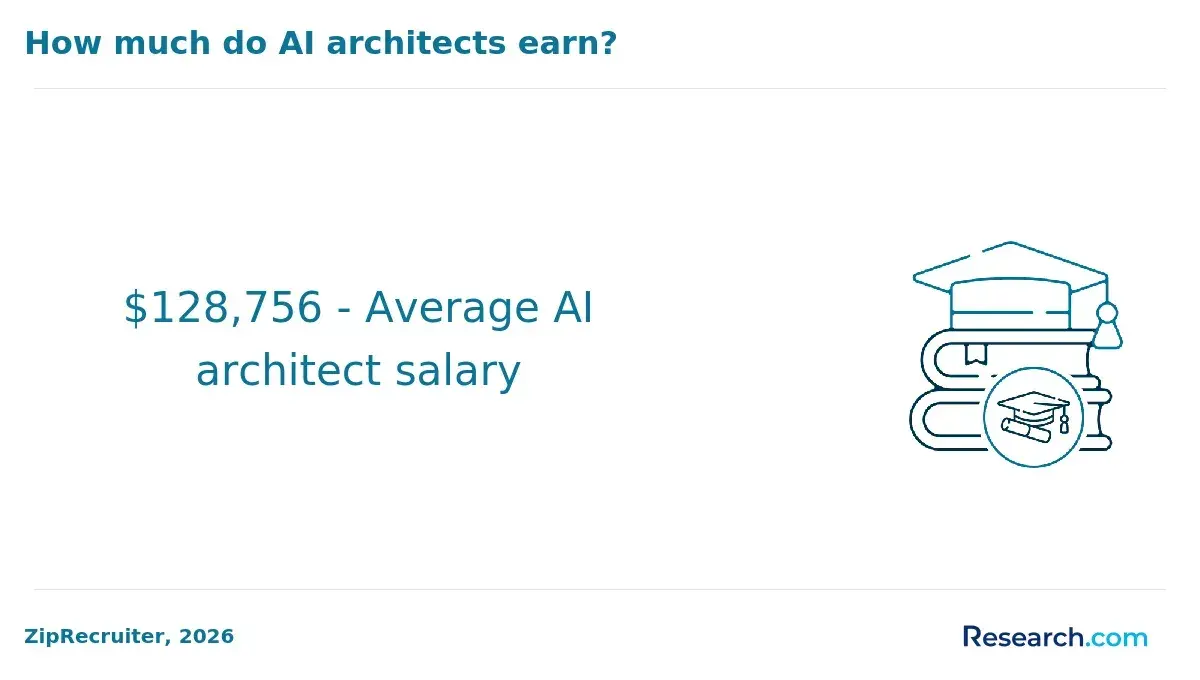
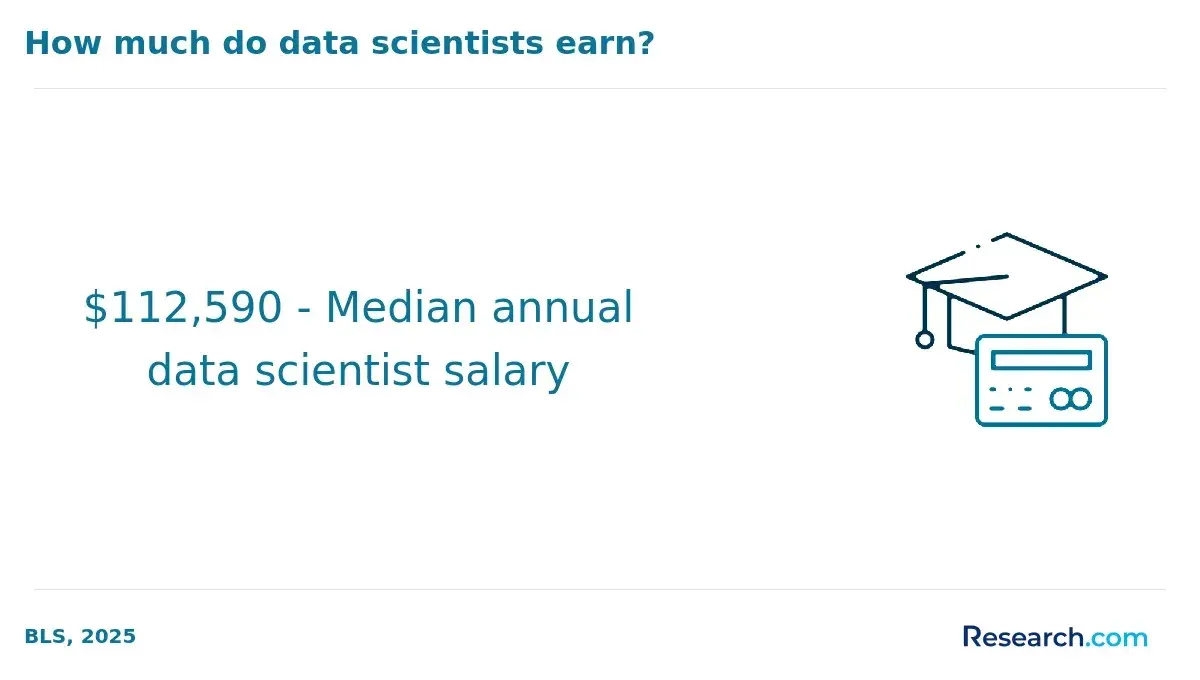
Graduates with an AI degree can expect competitive salaries that vary by role, industry, and location. For instance, the median annual pay for Computer and Information Research Scientists-key figures in AI research-was $145,080, according to the U.S. Bureau of Labor Statistics. Salary levels reflect experience and sector, with entry-level AI engineers in technology earning between $90,000 and $120,000, mid-level machine learning engineers making $120,000 to $160,000, and senior specialists exceeding $180,000 in top firms.
Regional salary trends for AI degree holders show variation depending on the size of the company and geographic location. Industries such as finance, healthcare, and automotive often offer salaries matching or surpassing those in tech due to critical AI applications. Data scientists focused on AI usually earn between $95,000 and $140,000, while AI product managers and strategists, whose roles emphasize guiding product development, make roughly $110,000 to $150,000.
Government and academic positions tend to offer lower starting salaries, typically $70,000 to $110,000, but provide stability and research opportunities. Industry growth and AI adoption push salaries upward, making advanced degrees and certifications valuable for increasing prospects.
For prospective students considering an educational path to enter these fields, resources like the best online ai degree programs provide accessible training options.
Understanding ai degree graduate salaries by role and industry is essential for maximizing career opportunities and compensation.
What degree levels are available in AI, and which fits your goals?
Degree levels in artificial intelligence programs in North America range from undergraduate to doctoral, each designed to align with specific career goals. A bachelor's degree in computer science with AI electives is ideal for entry-level roles like AI software developers or data analysts, emphasizing foundational skills in programming, mathematics, and basic machine learning.
Master's degrees delve into advanced AI concepts, research methods, and specializations such as natural language processing or robotics. According to the U.S. Bureau of Labor Statistics, "Computer and Information Research Scientists" usually require a master's degree for entry, highlighting its importance for research-driven and technical leadership positions. Those interested in affordable master's options might explore data science degrees that often include AI components.
Doctoral programs are tailored for careers in academia, high-level research, or highly specialized AI development, where candidates conduct original research and collaborate with industry or government labs.
Professional certificates and bootcamps provide accelerated paths focusing on practical AI skills, suitable for working professionals seeking to reskill or add AI expertise without pursuing a full degree.
Careful selection of degree level based on career aspirations is crucial:
- If aiming for research or data scientist roles, a master's or doctoral program is essential.
- Software engineering roles with AI components generally require a bachelor's degree with relevant coursework.
- Rapid skill acquisition is possible through certifications or specialized workshops.
Choosing the right program helps maximize educational investments and supports targeted career growth in artificial intelligence within the US job market.
How do you verify AI program accreditation and school legitimacy?
To ensure an AI program and school are legitimate and properly accredited, consult the Database of Accredited Postsecondary Institutions and Programs (DAPIP), maintained by the U.S. Department of Education. DAPIP is the authoritative federal resource for verifying recognized institutional and programmatic accreditors, ensuring programs meet federal quality standards.
Follow these key steps to confirm accreditation:
- Visit the official DAPIP website and search for the institution or program to verify federal recognition.
- Confirm that the accreditor is recognized by the U.S. Department of Education, since some private bodies claim accreditation without federal approval.
- Look for regional accreditation, considered the gold standard for U.S. degrees, or programmatic accreditation specific to AI or computer science.
- Contact the school's admissions office to request official documentation confirming their accreditation status matches DAPIP records.
Beware of programs lacking accreditation, as they may not qualify for federal financial aid and might not be recognized by employers. For online AI degrees, verify both the institution's overall accreditation and the specific AI program's accreditation, since some schools hold institutional accreditation without specialized AI program approval. This could affect the program's quality and industry recognition.
Additionally, research whether the school has state authorization to operate legally and grant degrees in your state, especially if studying online from a different location. Using DAPIP and understanding accreditation types protects students from diploma mills and aligns education with current AI industry standards.
What prerequisites and admissions requirements do AI programs commonly require?
Applicants to AI graduate programs typically need a solid foundation in quantitative and technical fields such as computer science, mathematics, statistics, or engineering. Completion of undergraduate coursework in calculus, linear algebra, probability, and programming languages like Python or Java is usually required, alongside a bachelor's degree in a related STEM field.
Many institutions now place strong emphasis on practical experience and technical skills. Prospective students may be asked to submit portfolios showcasing programming projects, research, or relevant internships, helping admissions committees gauge preparedness for advanced AI study.
Standardized test requirements have evolved, with a notable increase in programs making GRE scores optional or not requiring them at all, as reported by the ETS GRE Program. However, some competitive schools continue to recommend or mandate GRE submissions, particularly for international candidates.
Other admissions components often include letters of recommendation from professors or employers familiar with an applicant's analytic and programming capabilities, plus personal statements that articulate motivation, AI knowledge, and career objectives. Interviews or coding assessments may also be part of the process.
Applicants without a formal computer science background may face prerequisite coursework or conditional admission pathways that cover foundational gaps before full enrollment.
What courses and skills are typically taught in AI degree programs?
AI degree programs cover core subjects essential for building both theoretical understanding and practical skills. These include machine learning algorithms, neural networks, natural language processing, computer vision, and robotics. Foundational mathematics such as linear algebra, probability, statistics, and optimization are integral to mastering algorithm development and data analysis.
Proficiency in programming, especially Python due to its extensive libraries like TensorFlow, PyTorch, and scikit-learn, is heavily emphasized. This aligns with labor market demands where Python ranks as a top requested skill in AI-related job postings, according to Lightcast. Additionally, students learn software engineering, data structures, and database management to create scalable AI solutions.
Interdisciplinary topics often include ethics in AI, human-computer interaction, and policy considerations. Electives may address cloud computing and big data technologies to prepare learners for handling large datasets and deploying AI models in real-world environments.
Practical experience through projects, internships, and research is vital for applying knowledge to sectors like healthcare, finance, and autonomous systems. Graduates are expected to design, develop, and assess AI models while understanding their social implications.
Choosing programs that balance foundational theory, hands-on programming, and evolving AI trends is key to meeting employer expectations effectively.
How do online AI degrees compare to on-campus programs for outcomes?
Online ai degrees have gained acceptance alongside traditional on-campus programs, delivering similar outcomes in job placement and skill development. Data from the National Center for Education Statistics / Integrated Postsecondary Education Data System (IPEDS) highlights that most U.S. postsecondary students now participate in at least one distance-education course. Employers increasingly trust accredited online degrees, especially those featuring hands-on projects and access to industry tools.
Key distinctions between online and on-campus ai programs include:
- Flexibility: Online options enable working professionals to manage their careers while studying, reducing opportunity costs.
- Networking: On-campus students enjoy face-to-face collaboration and direct faculty access, valued for building teamwork abilities.
- Hands-on experience: Both formats now offer virtual labs and remote platform access, though on-campus programs may provide more direct hardware interaction.
Graduates from reputable online ai degrees typically earn comparable starting salaries and secure similar employment rates as on-campus peers when programs maintain strong industry connections and updated curricula. Prospective students must ensure their chosen online programs are accredited and emphasize experiential learning, a significant factor in career readiness.
Noteworthy fully online master's degrees incorporate synchronous sessions, collaborative projects, and internships. These formats blend flexibility with practical exposure, helping students integrate quickly into the workforce. Success depends more on program quality and student engagement than delivery method alone.
How long do AI degrees take, and what do they typically cost?
AI degrees usually require about four years of full-time study at the bachelor's level. These programs cover essential subjects such as computer science, mathematics, and specialized ai courses. Shorter options like associate degrees or certificates take one to two years but offer less depth and fewer career paths. Master's programs in ai typically last 1 to 2 years beyond the bachelor's degree, focusing on advanced training and research opportunities.
Tuition costs vary widely depending on the institution and residency. Public universities average $11,260 per year for in-state students and $29,150 for out-of-state attendees. Private universities often charge between $30,000 and $60,000 annually. Online programs may be more affordable on a per-credit basis, usually ranging from $400 to $1,200 per credit hour.
- Additional expenses include technology fees, books, and living costs.
- Financial aid and scholarships can help offset tuition.
- Employer tuition assistance and part-time study options suit working professionals.
Choosing the right ai program involves weighing duration, cost, and educational depth to meet career goals. Full bachelor's degrees provide comprehensive preparation, while certificates and accelerated programs offer faster entry into the field. Balancing these factors helps prospective students plan effectively for successful careers in ai.
Which certifications complement an AI degree for specific career paths?
Certifications aligned with an AI degree vary based on career goals in tech. For data scientists and machine learning engineers, credentials like the Microsoft Certified: Azure AI Engineer Associate and Google Professional Machine Learning Engineer demonstrate expertise in deploying AI models and managing cloud environments. These are vital since many AI systems run on cloud platforms.
Developers focusing on AI applications often pursue certifications in languages and frameworks, including the TensorFlow Developer Certificate and Python programming credentials. These validate practical skills that employers highly value.
AI research scientists benefit from the Certified Data Scientist credential by the Data Science Council of America (DASCA), which covers advanced statistical techniques and foundational AI theory.
For AI project managers and business analysts, certifications like the Certified ScrumMaster (CSM) and AI for Business Certification link project management with AI literacy, improving collaboration between technical and non-technical teams.
Microsoft reported that more than 60 million Microsoft Certifications have been earned, reflecting their strong industry recognition and the rising importance of combining AI degrees with certifications to enhance employability and salary prospects.
Prospective students should focus on certifications that offer hands-on experience and validate skills in cloud-based AI technologies. The integration of AI with cloud and data platforms makes this a critical consideration for career readiness.
Other Things You Should Know About Artificial Intelligence
Technology, healthcare, finance, and automotive sectors are among the top industries investing significantly in artificial intelligence research and development. These industries use AI to improve products, automate processes, and analyze large data sets for better decision-making. Investment in AI is also growing in retail, manufacturing, and telecommunications, reflecting the technology's broad applicability.
Artificial intelligence is used to personalize learning experiences, automate grading, and identify students' strengths and weaknesses. AI-driven platforms help tailor content to individual learners, increasing engagement and retention. Additionally, AI supports educators by providing actionable insights and enabling adaptive learning environments.
Strong problem-solving abilities, critical thinking, and effective communication are essential skills for AI professionals. Understanding business context and ethical implications also enhances their impact. Collaboration skills and adaptability help individuals work well on interdisciplinary teams and stay current with evolving AI technologies.
In 2027, countries like the United States, India, and China are experiencing rapid growth in demand for AI degree graduates. Their robust tech industries and increasing investment in AI research create numerous opportunities. Aspiring students can explore programs like AI master’s for non-engineers to enter this booming field.
References
- Artificial Intelligence Course Eligibility: Requirements & Prerequisites https://www.mygreatlearning.com/artificial-intelligence/courses/eligibility
- The Prerequisites for Artificial Intelligence- IABAC - IABAC https://iabac.org/blog/what-are-the-prerequisites-for-artificial-intelligence-a-modern-approach
- AI Careers: Roles, Salaries, and Certifications to Get You Hired - ONLC https://www.onlc.com/blog/ai-careers-roles-salaries-certifications/
- What to study to work in AI: new careers and key skills https://www.bbva.com/en/innovation/what-to-study-to-work-in-ai-new-careers-and-key-skills/
- AI Paygrades https://aipaygrad.es/
- EduChecker - AI Document Verification | Detect Fraudulent Educational Documents https://educhecker.io/
- The AI Generation: How young professionals are navigating the new reality of the job market - Talenti https://talenti.pl/en/materials/the-ai-generation-how-young-professionals-are-navigating-the-new-reality-of-the-job-market/
- What Are the Career Paths After a Bachelor of Science in AI https://tetr.com/blog/what-are-the-career-paths-after-a-bachelor-of-science-in-ai
- Is the Entry-Level Job Dying? https://www.dw.com/en/is-the-entry-level-job-dying/video-76457061
- Despite AI Cutting Entry-Level Roles, These Graduate Careers Remain in High Demand https://www.investopedia.com/despite-ai-cutting-entry-level-roles-these-graduate-careers-remain-in-high-demand-11913594