2027 The Rise of AI Master's Degrees in America

Co-Founder and Chief Data Scientist
Many individuals with undergraduate degrees in unrelated fields face challenges entering the rapidly expanding ai industry due to a lack of specialized skills. Traditional master's programs often demand extensive prerequisites or rigid schedules, limiting access for working professionals. This gap hinders career growth and delays transitions into roles that require advanced technical knowledge. The rise of flexible, accredited ai master's degrees offers new pathways to overcome these barriers. This article explores the evolving landscape of ai graduate programs in America and provides guidance for prospective students seeking accessible, credible options to pivot into this dynamic sector efficiently and successfully.
Key Things You Should Know
- In 2025, over 150 U.S. universities launched or expanded AI master's programs, reflecting a 40% growth since 2023, driven by rising industry demand for specialized skills.
- Employment projections indicate a 35% increase in AI-related jobs by 2030, pushing more working professionals to pursue advanced degrees for career advancement.
- Top programs emphasize interdisciplinary curricula, combining AI with ethics, data science, and business to address real-world challenges and broaden career opportunities.
What is an AI master's degree and how does it differ from computer science programs?
An AI master's degree programs in the United States focus specifically on advanced artificial intelligence concepts, unlike general computer science graduate degrees that cover a wider range of computing topics such as algorithms, software engineering, and systems design. These specialized programs emphasize machine learning, natural language processing, robotics, and data analytics, equipping students with targeted skills to create and optimize intelligent systems.
The curriculum typically includes in-depth studies of neural networks, reinforcement learning, and ethical AI concerns, which are either optional or briefly covered in broader computer science programs. While a computer science master's might include one or two AI-related courses, an AI master's requires multiple courses dedicated to AI methodologies coupled with hands-on projects.
The growth in demand for AI expertise has caused a surge in dedicated programs, increasing from 116 to 310 in just four years, marking a 167% rise according to the MastersinAI 2025 AI Degree Report. This trend reflects the value placed on focused AI training over a general computer science background for careers in data science, autonomous systems, and AI research.
Students aiming for roles like AI engineer, machine learning specialist, or AI product manager benefit from the curriculum's depth and practical orientation. Those seeking broader technology knowledge may prefer a computer science master's with AI electives. For those exploring educational options, consulting the data science ranking can be helpful in finding affordable and reputable programs.
Are AI master's degrees worth it for advancing a tech or data career?
Master's degrees in artificial intelligence in America have become essential for advancing tech and data careers with AI master's programs. Demand for AI skills is soaring-online job postings requiring generative AI knowledge jumped 323% between 2022 and 2026, highlighting the urgent need for advanced expertise.
Programs delivering in-depth knowledge of machine learning, natural language processing, and data engineering prepare graduates for roles such as AI research scientist, machine learning engineer, or data strategist. These positions often come with significant salary boosts and leadership paths.
For working professionals, AI master's programs offer a chance to accelerate career growth, pivot into specialized areas like AI ethics or automation, and gain valuable hands-on project and internship experience. Choosing between online, hybrid, or on-campus formats depends on priorities like flexibility or networking opportunities.
Employers increasingly seek graduates from university programs focused on generative AI and real-world applications. The right degree targets in-demand skills, provides practical projects, and builds industry connections, making it a strategic investment. Prospective students can explore online AI degree programs that balance affordability with quality, further opening doors in this competitive job market.
How do I choose a reputable, accredited AI master's program in the U.S.?
Selecting the best accredited artificial intelligence master's programs in the U.S. requires verifying regional accreditation by agencies like the Middle States Commission on Higher Education or the Western Association of Schools and Colleges. Accreditation ensures your degree is respected by employers and meets academic standards.
Top-ranked AI master's degrees in America typically offer comprehensive curricula covering machine learning, neural networks, natural language processing, and ethical AI. These programs balance theoretical knowledge with practical applications and emerging technologies.
Faculty expertise and research opportunities play a critical role. Programs led by professors engaged in current AI research or industry projects provide valuable mentorship and insights.
Flexible delivery formats, including online or hybrid schedules, accommodate working professionals without compromising program rigor. Career support services such as internships, job placement assistance, and alumni networks also enhance graduates' employment prospects.
Demand for qualified AI experts far exceeds supply. While millions express interest in learning AI skills, only a small fraction pursue formal education, with approximately 7,000 enrolled in credit-bearing AI programs. This gap emphasizes the need to choose programs that stand out for quality and outcomes.
Consider program length, cost, and financial aid options carefully. For students exploring related fields, programs like online cyber security degrees may provide alternative pathways in technology and security sectors.
What are the main differences between online and campus-based AI master's programs?
Online AI master's programs in the United States differ from campus-based ones mainly in flexibility, interaction, and resource access. Online degrees often provide asynchronous coursework, allowing students to balance studies with full-time jobs or personal commitments. Campus programs require fixed schedules and in-person attendance, which supports immediate collaboration, networking, and hands-on lab experiences. For instance, campus students typically have access to specialized AI hardware like GPUs for deep learning projects, which is less common in online formats.
Regarding curriculum, many online programs offer AI tracks embedded within broader computer science or data science degrees. In contrast, a significant portion of campus programs provide standalone AI master's degrees. According to the MastersinAI 2025 AI Degree Report, 53% of U.S. AI degrees are standalone AI majors, while 47% are tracks or concentrations within other disciplines. This distribution means students seeking the main differences between online and campus-based artificial intelligence master's degrees in America should expect more interdisciplinary content online and more specialized AI coursework on campus.
Interaction style also affects outcomes. Campus programs emphasize face-to-face mentoring, direct professor feedback, and career services access. Online programs mainly use discussion boards and virtual office hours, which may delay exchanges. Financially, online options can reduce relocation and campus fees but might offer fewer scholarships available to on-campus students. Employers increasingly recognize both formats, though some industries still prefer graduates with traditional campus experience, especially where hands-on skills are critical. Prospective students interested in related fields may also explore cyber security courses online.
Considering the benefits of online versus traditional artificial intelligence master's programs in the United States involves balancing convenience, depth of specialization, and preferred learning style to match career goals.
What courses and specializations are typically offered in AI master's curricula?
AI master's programs blend core theory with practical application, often starting with mathematics fundamentals like linear algebra, probability, and statistics. Students then explore machine learning, natural language processing, computer vision, robotics, and data mining. Advanced topics frequently cover reinforcement learning, deep learning, explainable AI, and AI ethics.
Many students choose to specialize in areas that reflect industry needs. Common focus areas include:
- Healthcare AI, addressing medical imaging and diagnostics
- Autonomous systems, including robotics and self-driving cars
- Natural language understanding and conversational agents
- AI applications in cybersecurity and fraud detection
- Data science integration with a focus on big data analytics
Capstone projects and research tie theory to real-world experience, often involving collaboration with tech companies or research labs. Cities like Pittsburgh, Philadelphia, and Boston are notable hubs with strong academic-industry connections, providing students access to cutting-edge resources and internships. These areas held the highest concentrations of AI master's graduates according to Data USA.
Evaluating programs should involve considering curriculum breadth, specialization options, and hands-on learning opportunities. Programs balancing theoretical foundations and practical experience prepare graduates to tackle challenges such as model bias, interpretability, and scalable AI solutions.
What admission requirements and prerequisites do AI master's programs usually have?
Admission to master's programs in artificial intelligence generally requires a bachelor's degree in computer science, engineering, mathematics, or a related field. Strong quantitative skills supported by coursework in linear algebra, calculus, probability, and statistics are essential. Many programs set a minimum GPA, often around 3.0 on a 4.0 scale, to demonstrate academic preparedness.
Standardized tests like the GRE may be required or recommended, although many schools have relaxed this in recent years. Relevant professional experience or projects in programming, data science, or machine learning enhance applications, particularly for those without a traditional technical background.
Applicants must usually provide letters of recommendation from academic or professional supervisors who can vouch for their abilities and graduate potential. A statement of purpose outlining research interests or career goals in artificial intelligence is also critical.
Some programs offer prerequisite courses or conditional admission when foundational skills in algorithms or programming are lacking, enabling candidates from non-technical disciplines to bridge gaps.
By 2023, master's degrees had become the most common credential awarded in artificial intelligence in the U.S., exceeding bachelor's and doctoral degrees, reflecting the growing importance of advanced training for AI careers (Data USA - Artificial Intelligence profile).
How long do AI master's degrees take, and what do they cost to complete?
Completing a master's degree in artificial intelligence typically requires 1.5 to 2 years of full-time study. Some programs offer accelerated or part-time options, which can extend the duration to 3 years or more, accommodating working professionals. Most programs demand 30 to 45 credit hours, including core AI courses, electives, and a capstone project or thesis.
Tuition costs vary significantly. Public universities usually charge between USD 20,000 and USD 40,000 in total tuition for in-state students, while private institutions can range from USD 40,000 to USD 80,000 or higher. Online programs may offer slightly reduced fees, but other expenses-like books, software licenses, and living costs-add to the total investment.
Considering return on investment is crucial. According to the Leapscholar digest on US AI degree programs, starting salaries for AI-related roles in marketing, product, and business management typically range from USD 110,000 to USD 140,000. This strong earning potential can justify the tuition and time commitment.
Students should prioritize programs with robust industry connections and practical experience to improve job prospects. Those opting for part-time study should look for employer support or financial aid to manage costs effectively.
What AI-related careers can graduates pursue, and in which industries?
Graduates with master's degrees focused on artificial intelligence can access diverse roles across industries such as technology, finance, healthcare, automotive, and manufacturing. Common positions include machine learning engineers, data scientists, AI research scientists, and natural language processing specialists. These jobs require expertise in algorithm development, statistical modeling, and AI-specific software engineering.
Tech firms integrate AI to improve recommendation engines, cybersecurity, and cloud services. Finance uses AI for fraud detection, risk management, and automated trading, while healthcare applies it in diagnostics, medical imaging, and personalized treatments. Manufacturing leverages AI for quality control, predictive maintenance, and robotics, whereas the automotive sector advances autonomous vehicles and smart mobility.
Other sectors like retail use AI to optimize supply chains and consumer insights, and government agencies incorporate AI for national security and efficient public services. Demand for AI talent is accelerating; Stanford HAI AI Index data shows artificial intelligence-relevant master's degrees nearly doubled from 2022 to 2023, contrasting with stagnant computer science master's output since 2018. This trend reflects employer preference for specialized AI skills over general CS knowledge.
Students benefit from aligning education with career goals and gaining practical experience in AI tools such as deep learning frameworks, cloud platforms, and domain-specific datasets. Internships and industry projects significantly enhance employability and job readiness.
What salary ranges and earning potential can AI master's graduates expect?
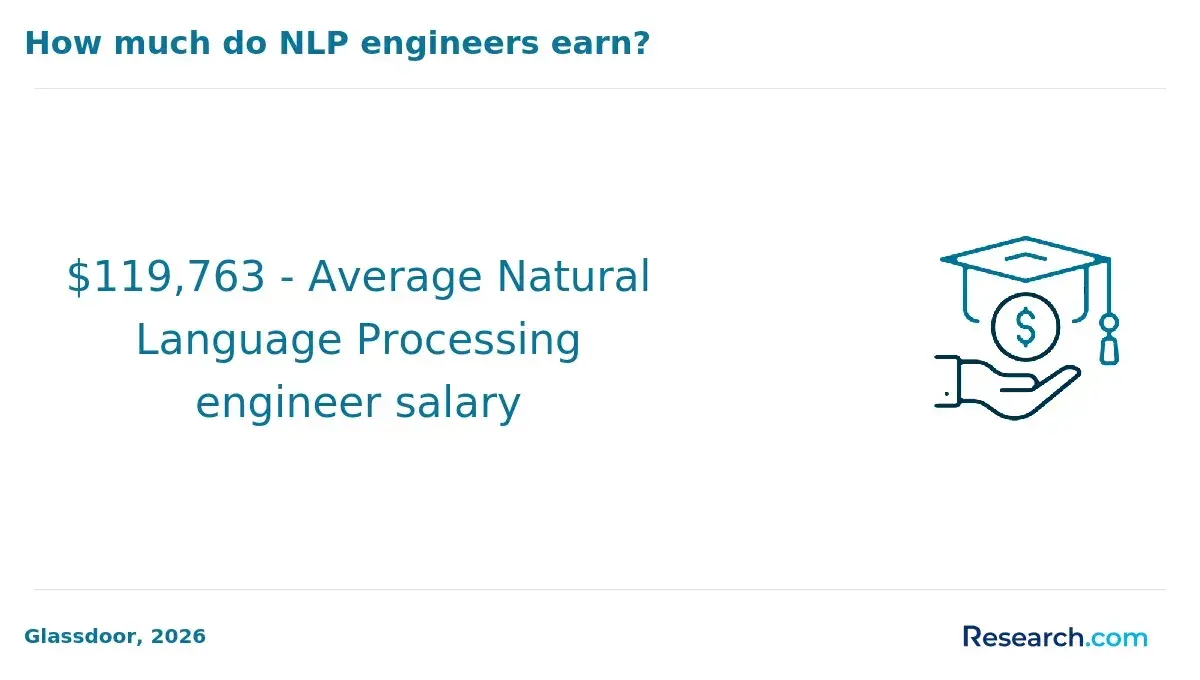
Graduates holding a master's degree in artificial intelligence typically start with salaries ranging from $90,000 to $130,000 annually. Mid-career professionals often earn between $130,000 and $180,000, depending on their role and industry. Senior-level positions, particularly in tech hubs such as Silicon Valley and New York, may offer total compensation exceeding $200,000, including bonuses and stock options. Common job titles associated with these salary ranges include machine learning engineer, AI researcher, and data scientist.
Salary varies significantly by sector and location. For instance, AI graduates working in finance or defense usually command higher salaries compared to those in academia or smaller startups. Metropolitan areas with a robust tech presence typically provide better financial rewards. Additionally, certifications or experience in AI subfields like natural language processing or computer vision can boost earning potential.
Currently, only about 1% of U.S. higher-education institutions offer a dedicated AI master's program, although 304 institutions provide some form of AI-related degree. This scarcity heightens competition and often results in better compensation and faster career advancement for graduates of specialized programs. Prospective students should prioritize programs that focus on practical skills, research opportunities, and strong industry partnerships to maximize their future salary prospects.
Staying updated with emerging AI technologies through internships and project work remains essential for career growth and earning potential.
What is the job outlook for AI professionals and how is employer demand changing?
Demand for AI professionals continues to rise rapidly across industries such as finance, healthcare, technology, automotive, and retail. Companies seek experts skilled in AI-driven innovation, predictive analytics, autonomous systems, and operational optimization to stay competitive. Hybrid skill sets combining AI expertise with domain knowledge are especially valued, boosting opportunities in roles like AI strategy, product management, and operations analytics.
From 2022 to 2026, MBA programs offering AI specializations in the U.S. grew by about 1,260%, with business schools leading AI integration, according to Leapscholar digest on US AI degree boom. This trend highlights the importance of blending AI with business acumen to meet employer needs.
Students and professionals should explore specialized AI master's degrees focused on areas such as data science, machine learning engineering, natural language processing, and AI ethics. Practical experience, including internships or projects with real-world AI applications, is essential for enhancing employability.
AI specialists often enjoy salaries 20-40% higher than traditional software roles, reflecting the high market value of AI skills. Staying current with evolving AI tools, frameworks, and ethical standards is critical. Success depends on combining rigorous AI training with practical, cross-disciplinary knowledge and adaptability to shifting market demands.
Other Things You Should Know About Artificial Intelligence
Many AI master's programs welcome applicants from diverse academic backgrounds, but typically require foundational knowledge in programming, mathematics, and statistics. Some programs offer preparatory or bridge courses to help students without a computer science degree catch up. Prospective students should review specific program prerequisites and consider gaining basic coding skills before applying.
Yes, most AI master's programs incorporate practical projects, labs, or research components to provide real-world experience. Hands-on learning often involves working with machine learning models, natural language processing, or robotics. Engaging in research can also prepare students for doctoral studies or roles in AI innovation and development.
Ethics is an increasingly important part of AI education, addressing issues like bias in algorithms, data privacy, and the societal impact of AI technologies. Programs often include dedicated courses or modules on responsible AI development and deployment to ensure graduates understand these challenges. This prepares students to create AI solutions that are fair, transparent, and accountable.
Given the rapid evolution of the AI field, many U.S. master's programs regularly update curricula to include the latest advancements and tools. Faculty often incorporate emerging topics such as deep learning, reinforcement learning, and AI ethics into courses. Staying current helps students gain relevant skills that meet industry demands.
References
- 16 Artificial Intelligence Career Paths https://www.calmu.edu/news/artificial-intelligence-career-paths
- Top 25 Online Master’s In AI Programs for 2026 - Programs.com https://programs.com/programs/online-masters-in-ai/
- How AI Will Impact the Job Market: Top Growing & Declining Roles | Cornerstone https://www.cornerstoneondemand.com/resources/article/how-ai-impacts-job-market/
- Masters’ in artificial intelligence vs computer science | edX https://www.edx.org/resources/should-you-get-a-masters-in-artificial-intelligence-or-computer-science
- Best AI Career Options After Graduation in India https://vikrantuniversity.ac.in/blog/top-ai-careers-after-graduation/
- What Are the Career Paths After a Bachelor of Science in AI https://tetr.com/blog/what-are-the-career-paths-after-a-bachelor-of-science-in-ai
- Master’s in AI Online: Today’s Best Programs https://www.onlinemastersdegrees.org/best-programs/computer-science/artificial-intelligence-ai/
- Artificial intelligence and society https://psl.eu/en/education/master-s-degree-artificial-intelligence-and-society
- How Can a Master's Degree in AI and Data Science Help You Stand Out? https://sscs.somaiya.edu/en/blog/how-can-a-masters-degree-in-ai-and-data-science-help-you-stand-out
- Why I got a Master's Degree for AI / ML https://accessibleai.dev/post/why-i-got-a-data-analytics-masters/