2027 AI Associate Degrees for Students Interested in IT Automation

Co-Founder and Chief Data Scientist
Many professionals with unrelated undergraduate degrees face challenges entering the IT automation field due to rapidly evolving technology and skill demands. They seek flexible, accredited programs that provide foundational knowledge without requiring starting from scratch. The growing integration of artificial intelligence in IT systems makes specialized education essential for career pivots and advancement.
This article outlines accessible associate degree options designed to equip students with relevant skills in AI automation, emphasizing flexibility and accreditation. It aims to guide readers toward informed choices that align with their career transition goals and evolving industry standards.
Key Things You Should Know
- Associate degrees in AI for IT automation emphasize practical skills in machine learning, robotics, and data analytics, aligning curricula with growing job market demands projected to grow 23% by 2031.
- Programs increasingly integrate cloud computing and cybersecurity to prepare students for complex automation tasks in diverse IT environments, reflecting industry trends noted in 2024-2025 studies.
- Cost-effective, two-year degree paths offer accelerated entry into AI-driven IT roles, with many graduates earning median starting salaries around $60,000, making these degrees a strategic investment.
What is an AI associate degree focused on IT automation?
An AI associate degree focused on IT automation is a two-year program that prepares students with the technical skills to develop, deploy, and manage AI-driven systems automating IT processes. These associate degree programs for IT automation with AI combine foundational knowledge in artificial intelligence with training in automation tools, programming languages like Python, and IT infrastructure management. Students gain hands-on experience creating algorithms that enhance network security, automate data analysis, and streamline IT workflows.
Core subjects often include machine learning fundamentals, robotic process automation (RPA), data management, and cloud computing. For example, students might design automated systems for routine IT tasks such as system monitoring, incident response, or software deployment, boosting efficiency and reliability.
This degree prepares graduates for roles such as automation technician, AI system operator, or IT automation analyst. With 34% of 1.7 million U.S. job postings requiring AI skills being in IT and computer occupations, this program directly aligns with current labor market demands (Lightcast). Students with previous IT experience can especially benefit by specializing in AI, increasing their competitiveness in industries like cybersecurity, cloud services, and enterprise IT.
Additionally, the degree provides a strong foundation for further study or advancement toward leadership positions in IT automation. For those interested in exploring career opportunities, an artificial intelligence degree offers valuable insights and pathways.
Which AI associate degree accreditation matters for employers and transfer credits?
Regionally accredited associate degrees in AI and IT automation are highly valued by employers and facilitate transfer credits for AI associate degrees in IT automation programs. Regional accreditation sets the standard for academic quality, ensuring coursework is recognized by employers and four-year universities. Over three-quarters of U.S. undergraduates attend regionally accredited schools, highlighting its acceptance. Degrees from nationally accredited or non-accredited institutions often face doubts and limited credit transfer opportunities.
Six regional accrediting bodies, including the Higher Learning Commission (HLC) and the Southern Association of Colleges and Schools Commission on Colleges (SACSCOC), oversee institutions with widely accepted programs. For students looking to advance to bachelor's degrees, credits from regionally accredited colleges generally transfer more smoothly.
Some associate degrees may also hold programmatic accreditation like ABET, which focuses on computing programs. While less common at this level, ABET accreditation can boost credibility and appeal to employers in specialized IT automation roles.
Prospective students should verify accreditation through the U.S. Department of Education's Database of Accredited Postsecondary Institutions and Programs (DAPIP). Reviewing articulation agreements between community colleges and universities clarifies how credits may transfer. Choosing a degree through a recognized institution enhances employer recognition and career progression.
For those exploring affordable options in related fields, consider an online degree in mechanical engineering as a complementary pathway.
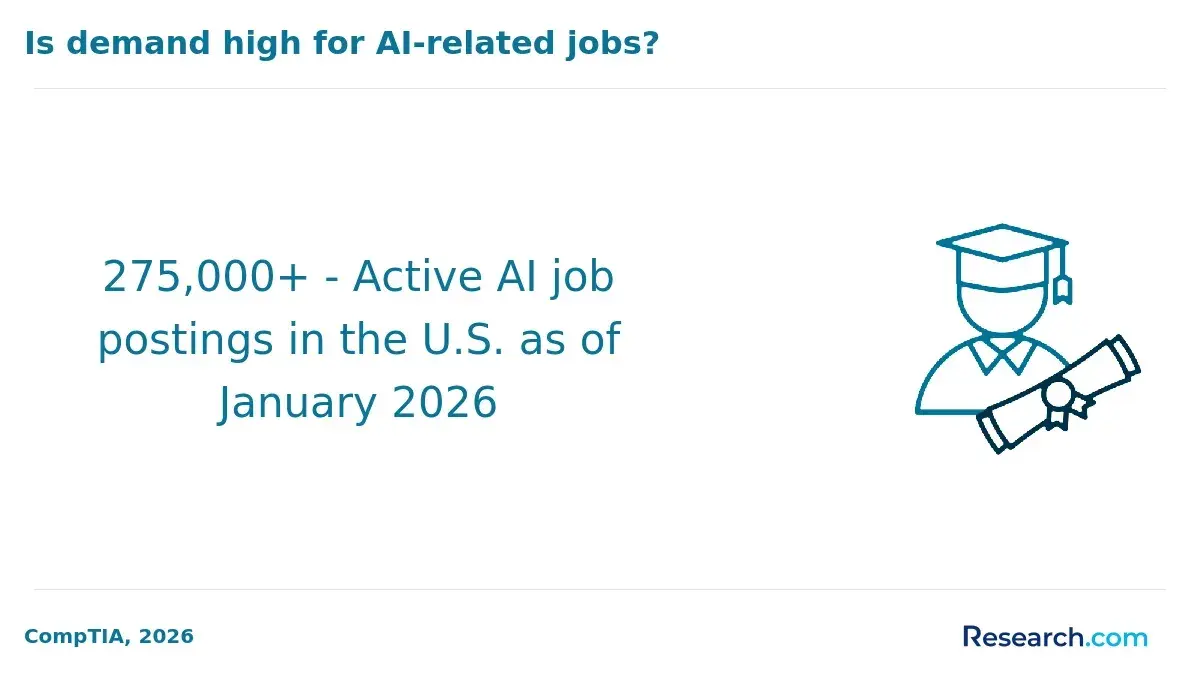
What jobs can you get with an AI associate degree in IT automation?
An AI associate degree jobs in IT automation typically lead to vital positions focused on developing and maintaining automated IT systems. Graduates qualify for roles such as automation technician, IT support specialist, and junior automation engineer. These jobs involve deploying AI-driven solutions for tasks like network management, software deployment, and routine maintenance, which are crucial as organizations aim to minimize manual workloads.
Careers with an associate degree in AI and IT automation can include:
- Automation technician - implementing and troubleshooting automation scripts and tools.
- IT support specialist - managing AI-powered help desks and diagnostic software.
- Junior automation engineer - assisting in designing automated workflows and process improvements.
- Data technician - supporting data cleaning and preparation for AI modeling.
- Systems analyst assistant - monitoring system performance and recommending automation upgrades.
Employers have reported a significant workforce gap in AI and automation skills, mainly within IT roles. IT specialists remain the most frequently cited group lacking needed expertise, reflecting the growing need for associates skilled in automated system administration, cybersecurity monitoring, and cloud integration.
Graduates reduce downtime, increase process efficiency, and support AI applications requiring real technical skills. Entry-level positions often provide experience with scripting languages like Python and PowerShell, automation tools such as Ansible or Jenkins, and core AI concepts embedded in IT operations.
Hands-on knowledge in AI applications and system infrastructure offers a clear advancement path into AI system design or IT architecture with a focus on automation. Many interested students consider further education, such as an AI masters degree, to enhance their expertise and career prospects.
How do online AI associate programs compare with on-campus options?
Online AI associate degrees vs on-campus programs offer distinct advantages depending on students' needs. More than half of U.S. undergraduates have taken at least one distance-education course, reflecting a strong preference for flexible learning, especially in fields like IT automation.
A comparison of IT automation associate degrees online and campus reveals key differences in interaction, hands-on experience, and networking. On-campus students benefit from immediate instructor feedback and direct peer collaboration, while online learners rely on virtual forums and scheduled video sessions. Despite challenges, many online programs now provide cloud-based labs and remote software access to support practical projects.
- Interaction: On-campus programs offer real-time engagement; online programs foster communication through digital platforms.
- Hands-on experience: Both formats emphasize project-based learning, with online options using advanced remote tools.
- Networking: Campus programs connect students to local industry events, while online programs build virtual career services.
Accessibility is a significant factor-online programs often suit working professionals or rural students by eliminating commuting and reducing costs. Prospective students should verify program accreditation and rigor to ensure quality education.
For those interested in furthering their education beyond associate degrees, exploring the best online data science masters programs can provide valuable career advancement opportunities.
What courses and skills are taught in AI automation associate programs?
AI automation associate degree programs equip students with essential skills for designing, implementing, and maintaining automated IT systems. Key programming languages such as Python and SQL are emphasized due to their importance in data manipulation, scripting automation tasks, and managing databases. According to Lightcast, these languages rank among the most requested technical skills in AI job postings.
Typical coursework includes:
- Python programming, focusing on syntax, libraries, and automation scripting
- Database fundamentals and SQL for querying and integrating datasets
- Machine learning basics and AI algorithms to support automated decision-making
- Systems administration and cloud computing for deploying AI workflows
- Data analysis and visualization for interpreting automated processes
- Networking principles and cybersecurity to protect IT infrastructure
- Hands-on projects using TensorFlow or automation frameworks simulating real-world scenarios
Graduates develop critical skills to automate routine IT tasks, optimize workflows, and troubleshoot systems. Completing practical lab exercises and case studies ensures readiness to support AI-driven automation in various industries, reflecting a comprehensive approach to education in this expanding field.
What admission requirements and prerequisites do AI associate programs typically have?
AI associate degree programs in the U.S. generally require a high school diploma or equivalent and the submission of official transcripts for admission. Unlike four-year institutions, most do not require SAT or ACT scores; in fact, 80% of colleges enrolling first-time undergraduates for fall admissions did not consider standardized test results (National Center for Education Statistics, 2024 admissions characteristics). This approach increases access for a broader range of students.
Core prerequisites often include foundational skills in mathematics and English. Applicants may be required to pass placement tests or submit proof of proficiency through previous coursework in algebra, statistics, or computer literacy. Some schools mandate developmental courses for students who lack these skills.
Technical requirements typically focus on introductory programming in languages like Python, Java, or C++. Knowledge of data structures, logic, problem-solving, and analytical reasoning is frequently recommended or required. For professionals and nontraditional students, alternative admission routes like portfolio reviews, interviews, or bridge programs confirm readiness for AI-focused coursework.
Residency and enrollment criteria may vary, with some programs delivered online or in hybrid formats. Prospective students should consult admissions counselors to ensure they meet specific prerequisites for AI associate degrees tailored to IT automation careers.
How long do AI associate degrees take and what do they cost?
AI associate degree programs generally require about two years of full-time study at community colleges or technical schools. Part-time students may take three to four years, depending on their course load and scheduling. These programs combine foundational IT knowledge with specialized subjects such as machine learning, automation scripting, and data analytics. Some institutions offer accelerated tracks that reduce completion time to 18 months, although these require a heavier workload per semester.
Tuition costs vary widely based on the institution, residency, and program type. Average annual tuition and fees at U.S. public two-year in-district colleges hover around $4,050, according to the College Board's Trends in College Pricing 2024 report. This means total tuition could reach approximately $8,100 for a typical two-year AI associate degree at public in-district colleges. Private and out-of-district colleges often charge significantly higher rates, sometimes double the amount.
Additional expenses include textbooks, software licenses, and hardware needs, adding several hundred dollars yearly. Online AI associate degrees may reduce certain costs like commuting but generally have similar tuition fees. Financial aid, scholarships, and employer tuition reimbursement programs can help offset these expenses.
Which industry certifications pair best with an AI automation associate degree?
Certifications enhance the value of an AI automation associate degree by strengthening technical skills and verifying expertise, which can boost employability. The Certified Automation Professional (CAP) credential from the International Society of Automation is a key industry certification, showcasing proficiency in control systems, process automation, and robotics-core areas vital for IT automation specialists.
For those targeting cloud-based AI environments, the Microsoft Certified: Azure AI Fundamentals and Azure AI Engineer Associate certifications validate knowledge in AI concepts, machine learning, and cognitive services integration, especially within enterprises using Microsoft Azure's AI capabilities.
Networking and security are critical to AI automation roles, where the CompTIA Network+ and Security+ credentials offer foundational expertise to maintain secure and reliable AI-driven infrastructure. These certifications are often prerequisites for managing automated IT systems effectively.
Vendor-neutral certifications such as Google Cloud Certified - Professional Data Engineer prepare professionals for data pipeline construction and AI model deployment, skills essential in data-intensive AI automation jobs.
Holding active certifications significantly impacts earning potential. Median U.S. salaries for certified workers average around $57,000 annually, compared to $47,000 for those without certifications (U.S. Bureau of Labor Statistics, 2024 CPS certification and licensing data).
What salary can AI automation technician and AI support roles earn?
AI automation technicians and AI support roles offer competitive salaries that vary by expertise and experience. The U.S. Bureau of Labor Statistics reports computer user support specialists earn a median annual wage of $60,810, while network and computer systems administrators make around $90,520. These serve as benchmarks for entry to mid-level positions in IT automation with AI.
Entry-level AI automation technicians usually start between $55,000 and $65,000 annually, influenced by location and employer. These roles focus on setting up, maintaining, and troubleshooting AI-powered automated systems, requiring solid programming and systems knowledge.
Experienced AI support professionals managing complex network environments or AI-driven infrastructure can earn $90,000 or more. Specialists who integrate AI tools for system optimization or cybersecurity often exceed median wages due to advanced skills.
Certifications in cloud computing, AI system administration, or cybersecurity boost earning potential. Sectors like finance, healthcare, and manufacturing offer higher pay for technicians proficient in large-scale AI automation.
Education level matters: candidates with associate degrees plus relevant credentials are more competitive. Continuous skill development remains vital for career and salary growth in AI support and IT automation fields.
What is the job outlook for AI automation and related IT roles?
Employment for information security analysts, who safeguard organizations from cyber threats, is expected to grow by 33% from 2023 to 2033, according to the U.S. Bureau of Labor Statistics. This rapid increase highlights the expanding need for specialists in AI automation who focus on enhancing cybersecurity, system efficiency, and data management.
Common roles within AI automation include IT automation engineers, AI support specialists, machine learning technicians, and cybersecurity analysts. These careers demand skills in programming, network setup, and data analysis, offering promising opportunities for those with associate degrees in AI or IT automation.
Several factors drive this demand: increased use of AI-driven tools in businesses, growth of cloud infrastructure, and escalating cyber threats. Automation helps companies cut operational costs and improve response times to security challenges, further stimulating the job market.
Students aiming for AI automation careers should develop proficiency in programming languages like Python and R, become familiar with AI frameworks, and gain experience in cybersecurity protocols. Entry-level positions provide competitive salaries and potential growth into advanced or management roles within a few years.
The need for skilled professionals in AI automation and related IT fields will keep growing as technology becomes more integrated across industries, reinforcing the critical role these experts play in protecting digital assets.
Other Things You Should Know About Artificial Intelligence
It should be accredited by a recognized regional accreditor, such as the Higher Learning Commission, Southern Association of Colleges and Schools Commission on Colleges, or WASC. For technical programs, ABET accreditation is a strong extra signal that credits, transfer options, and employer recognition will be stronger.
To enroll in a 2027 AI associate degree program for IT automation, you typically need a high school diploma or GED, basic math skills, and proficiency in computer basics. Some programs may also require prior coursework in programming or related fields.
In 2027, AI associate degrees for IT automation typically include programming languages such as Python, Java, and JavaScript. These languages are fundamental for developing automated systems and machine learning models, equipping students with essential coding skills for IT automation roles.
References
- Traincape Technology | IT Services & IT Training https://www.traincapetech.in/certifications/ai-data-emerging-tech/ai-automation-associate-aiaa
- Top Artificial Intelligence Courses: Fees and Duration https://collegevidya.com/blog/artificial-intelligence-course-fees-structure-duration/
- Best AI Automation Courses 2026 | WBS CODING SCHOOL https://www.wbscodingschool.com/blog/best-ai-automation-course/
- How to Understand Online vs. On-Campus Student Preferences https://www.userintuition.ai/reference-guides/online-vs-on-campus-student-preference/
- Entry-Level AI Engineer Salary Calculator https://tripleten.com/tools/entry-level-ai-engineer-salary/
- From Automation to Career Advancement – Top Job Opportunities in AI | Learning People https://www.learningpeople.com/uk/resources/blog/from-automation-to-advancement-exploring-the-exciting-job-opportunities-in-ai/
- Top AI Job Roles You Can Land with an AI Certification https://www.h2kinfosys.com/blog/top-ai-job-roles-you-can-land-with-an-ai-certification/
- Top 10 Highest Paying Artificial Intelligence (AI) Jobs 2025 | Nexford University https://www.nexford.edu/insights/highest-paying-ai-jobs
- AI Certification Programs: Which Ones Matter for Your Career https://www.businessplusai.com/blog/ai-certification-programs-which-ones-matter-for-your-career
- Visible https://www.datacamp.com/certification/ai-engineer-for-developers-associate