
2027 Best Degrees for Remote Work

Co-Founder and Chief Data Scientist
Choosing a degree for remote work is really a career strategy decision: you are not just picking a major, you are choosing the skills, tools, portfolio, and credentials that can help you compete for location-flexible jobs. Remote work remains a major part of the labor market. In 2024, 28% of employees globally worked from home, compared with 13% in 2020, and remote-friendly hiring is strongest in fields where work can be delivered digitally, measured clearly, and coordinated across online teams.
This guide is for students, career changers, working adults, and professionals who want a degree that supports remote or hybrid work without sacrificing job quality. You will learn which degrees are best aligned with remote roles, what they cost, how long they take, what skills employers expect, how to compare programs, and how to avoid expensive mistakes when choosing an online or remote-friendly degree.
Quick Answer: What Are the Best Degrees for Remote Work?
The best degrees for remote work are typically in technology, data, design, business, communication, and digital media. Strong options include information technology, web design and development, software engineering, data science, communications, marketing, journalism, music production, game design, and graphic design. These fields fit remote work because many job tasks can be completed through cloud platforms, collaboration software, digital portfolios, secure networks, and project-based workflows.
- Best for high technical demand: Software engineering, data science, information technology, and web development.
- Best for creative remote careers: Graphic design, game design, journalism, music, and digital media-related programs.
- Best for business-facing roles: Marketing, communications, project coordination, and analytics-focused degrees.
- Best for flexibility while studying: Online programs with asynchronous courses, transfer-credit policies, career services, and portfolio-based assignments.
What Are the Main Benefits of Earning a Degree for Remote Work?
- You build skills that match remote hiring needs. Remote-friendly degrees often emphasize technology, written communication, data use, project delivery, digital collaboration, and independent problem-solving.
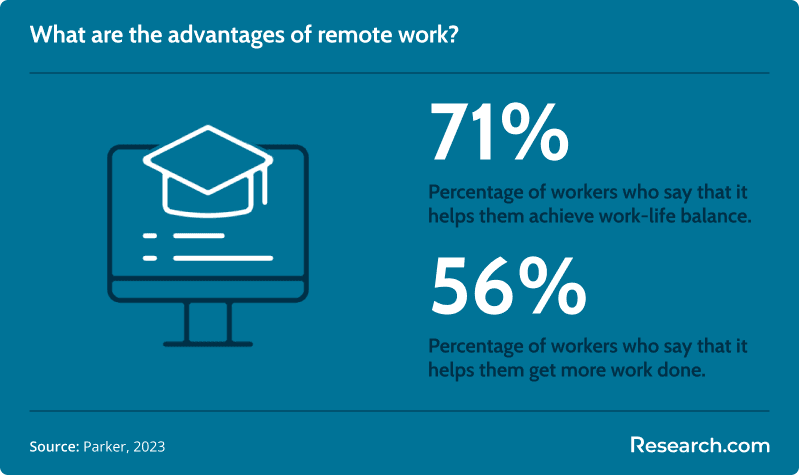
- Online study can prepare you for online work. Completing an online degree requires many of the same habits remote employers value: time management, comfort with digital platforms, self-direction, and clear communication.
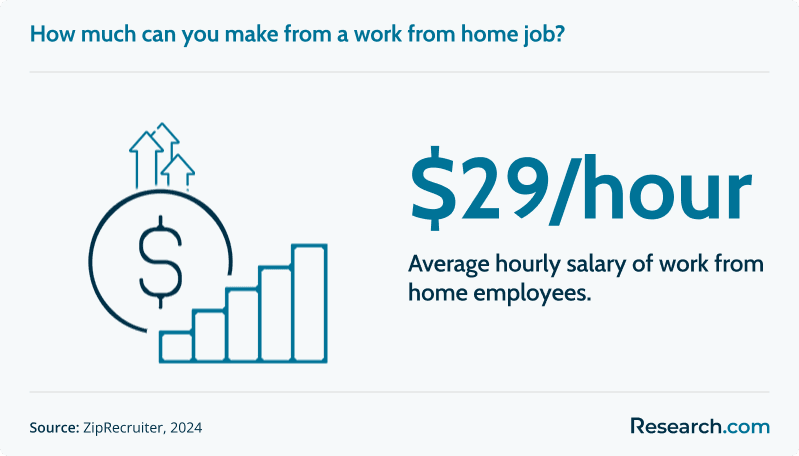
- Remote jobs can offer solid earning potential. ZipRecruiter reported an average work-from-home salary of $61,178 per year in 2024, although pay varies widely by role, industry, experience, and technical specialization.
- Best degrees for remote work in 2026
- In-demand skills for remote jobs in 2026
- How long remote-friendly degrees take
- Average cost of degrees for remote work
- Financial aid options
- Admissions requirements and prerequisites
- Common courses in remote-friendly degree programs
- Alternative credentials, bootcamps, and certificates
- How to evaluate return on investment
- How a master’s degree can improve remote career options
- Accelerated advanced degree pathways
- How to choose the right degree for remote work
- Career support and student resources
- How programs are responding to industry trends
- Internships, projects, and portfolio building
- What makes an online degree easier to finish
- Remote-friendly degrees versus traditional campus degrees
- Online tools to learn with your degree
- Remote career paths for graduates
- Accreditation and employer recognition
- Supplementary certifications
- Remote job market outlook
- References
What Should You Expect From a Degree for Remote Work?
A degree for remote work is not usually a separate major called “remote work.” Instead, it is a degree in a field where the work can be performed digitally, such as IT, software development, data analysis, marketing, design, communications, finance, or media. The strongest programs combine career-specific training with the practical skills needed to succeed without daily in-person supervision.
Typical programs include technical coursework, writing and presentation assignments, collaborative projects, and software-based tasks. Depending on the major, students may study programming, systems administration, digital marketing, analytics, visual design, business communication, cybersecurity, or project management. Many programs also require group projects, capstones, or portfolios that help students show employers what they can actually do.
Costs vary by institution and degree level. Tuition commonly ranges from $300 to $1,000 per credit hour, while many bachelor’s programs take four years of full-time study and associate degrees generally take about two years. Some schools offer accelerated calendars, transfer-credit options, competency-based formats, or certificates that can shorten the time to completion.
Where Can You Work With a Remote-Friendly Degree?
Remote-friendly degrees can lead to jobs in technology, professional services, finance, marketing, media, education, customer operations, healthcare administration, and creative services. Common roles include software developer, data analyst, graphic designer, web developer, digital marketer, financial advisor, IT support specialist, HR specialist, virtual assistant, content writer, and project coordinator.
Data published in 2024 identified professional services, finance, and information technology as the industries with the largest number of remote roles. The industries with the highest share of workers who worked fully remotely in 2024 were:
- Professional and technical services (35.1%)
- Finance and insurance (35%)
- Information (27.6%)
- Real estate, rental, and leasing (18.3%)
- Management, administrative, and waste services (12.4%)
How Much Can You Earn With a Degree for Remote Work?
Remote-work earnings depend more on occupation, experience, portfolio quality, industry, and technical skill level than on remote status alone. ZipRecruiter reported that the average salary for remote jobs was $61,178 per year in 2024. Technology and data roles often pay more than entry-level administrative or general support roles, while creative and communication jobs can vary widely depending on specialization and client base.
For example, software developers and data analysts may earn between $80,000 and $120,000 yearly, while digital marketers and graphic designers often earn between $50,000 and $70,000. Entry-level remote roles may start around $40,000, but specialized skills, strong portfolios, management responsibility, and industry experience can improve earning potential. No degree guarantees a remote job or a specific salary, so students should compare costs against realistic career outcomes before enrolling.
| Degree Area | Best Fit For | Remote Work Strength | Watch Out For |
| Software engineering | Students who like coding, systems, and problem-solving | Strong demand for digital product and application work | Requires continuous skill updates and a strong project portfolio |
| Data science | Analytical students comfortable with statistics and tools | Companies need data interpretation across many remote teams | Math, programming, and business context are all important |
| Information technology | Students interested in systems, support, cloud tools, and security | Many organizations need distributed IT operations | Some roles may require on-call hours or hybrid support duties |
| Marketing and communications | Students who enjoy strategy, writing, campaigns, and audience research | Digital campaigns, content, and analytics can be managed remotely | Competition is high; measurable results matter |
| Graphic design and web design | Creative students who can build visual and digital assets | Portfolio-based freelance and full-time remote work is common | A degree alone is not enough; employers review work samples closely |
Best Degrees for Remote Work in 2026
Information Technology
An information technology degree can prepare students to support networks, manage systems, troubleshoot hardware and software issues, and protect digital infrastructure. Students who ask whether information technology is an easy degree should understand that the coursework can be demanding, especially in networking, security, programming basics, and systems analysis. The payoff is that IT skills transfer well to remote and hybrid environments because many organizations rely on distributed systems, cloud tools, and virtual support.
Graduates may pursue roles such as IT specialist, network administrator, help desk analyst, systems support specialist, or cybersecurity analyst. This degree is a strong fit for students who like practical troubleshooting, structured problem-solving, and technology operations.
- Median Annual Salary: $104,420
- Projected Job Growth from 2023 to 2033: 12%
- Estimated Openings Annually: 356,700
Web Design/Development
A web design or web development degree teaches students how websites and digital interfaces are planned, built, tested, and maintained. Coursework often includes HTML, CSS, JavaScript, responsive design, accessibility, user experience, content management systems, and visual design principles. This path works well for remote careers because websites, apps, landing pages, and client projects can often be completed through cloud-based tools and version-control platforms.
Possible job titles include web developer, front-end developer, UX/UI designer, web content specialist, and interface designer. Students should prioritize programs that require a portfolio, since employers and clients usually want to see completed projects.
- Median Annual Salary: $92,750
- Projected Job Growth from 2023 to 2033: 8%
- Estimated Openings Annually: 16,500
Software Engineering
A software engineering degree focuses on designing, building, testing, and improving software systems. Students study programming languages, algorithms, databases, software architecture, quality assurance, security basics, and development workflows. Because software work is usually project-based and digital, many employers offer remote or hybrid roles for developers who can collaborate effectively online.
Graduates may work as software engineers, application developers, mobile developers, systems architects, or quality assurance engineers. This path can be highly rewarding, but it requires persistence, regular practice, and ongoing learning as tools and frameworks change.
- Median Annual Salary: $130,160
- Projected Job Growth from 2023 to 2033: 17%
- Estimated Openings Annually: 140,100
Data Science
A data science degree trains students to collect, clean, analyze, visualize, and interpret data. Programs commonly include statistics, programming, machine learning, databases, data visualization, research methods, and business analytics. Remote opportunities exist because organizations in technology, finance, healthcare, professional services, and e-commerce need professionals who can turn data into decisions from anywhere.
Career options include data scientist, data analyst, business intelligence analyst, analytics consultant, and machine learning specialist. Students should look for programs with applied projects, since employers often want proof that candidates can work with messy, real-world data rather than only textbook examples.
- Median Annual Salary: $108,020
- Projected Job Growth from 2023 to 2033: 36%
- Estimated Openings Annually: 20,800
Communications
A communications degree develops skills in writing, messaging, media strategy, public relations, internal communication, presentation, and digital content. It can support remote careers because many communication tasks involve planning campaigns, drafting content, coordinating stakeholders, managing social media, and measuring audience engagement through digital platforms.
Graduates may pursue roles in public relations, corporate communications, media relations, content strategy, employee communications, and digital outreach. This path is best for students who write clearly, think strategically, and can adapt messages for different audiences.
- Median Annual Salary: $60,000
- Projected Job Growth from 2023 to 2033: 3%
- Estimated Openings Annually: 109,500
Marketing
A marketing degree teaches students how organizations understand customers, position brands, run campaigns, analyze performance, and communicate value. Programs may cover consumer behavior, market research, advertising, search marketing, social media, analytics, branding, and content strategy. Marketing is a strong remote-work option because campaigns, reporting, content calendars, and digital advertising can often be managed online.
Graduates may become marketing managers, digital marketing specialists, brand strategists, SEO coordinators, content marketers, or campaign analysts. Students should choose programs that include analytics tools and project-based assignments, not only theory.
- Median Annual Salary: $156,580
- Projected Job Growth from 2023 to 2033: 8%
- Estimated Openings Annually: 36,600
Journalism
A journalism degree builds reporting, interviewing, fact-checking, writing, editing, media law, and multimedia storytelling skills. Remote opportunities are strongest in digital publishing, freelance reporting, newsletter production, podcast research, content editing, and online media operations. However, journalism can be competitive, and some reporting roles still require fieldwork or local presence.
Students should focus on programs that require published clips, multimedia projects, and ethical reporting practice. A portfolio of work is often more persuasive than coursework alone.
- Median Annual Salary: $57,500
- Projected Job Growth from 2023 to 2033: -3%
- Estimated Openings Annually: 4,500
Music
A music degree can support remote-friendly work in composition, production, sound design, music education, podcast production, digital performance, and media scoring. Students may study theory, performance, recording technology, composition, audio editing, and music business. Remote potential is strongest for graduates who combine artistic ability with digital production tools and client-management skills.
Career outcomes vary widely, so students should evaluate whether a program helps them build a portfolio, learn production software, understand licensing, and develop entrepreneurial skills.
- Median Annual Salary: Varies (e.g. $62,590 for music directors and composers, $82,510 for producers and directors)
- Projected Job Growth from 2023 to 2033: 2%
- Estimated Openings Annually: 20,400
Game Design
A game design degree prepares students to create interactive experiences through storytelling, design systems, programming, animation, level design, 3D modeling, and user testing. Many game studios use distributed teams, making remote work possible for designers, developers, artists, and producers with strong collaboration habits and production-ready portfolios.
This degree is best for students who are comfortable with iterative feedback, technical tools, creative constraints, and team-based production. Employers often review prototypes, game jams, demos, and shipped projects closely.
- Median Annual Salary: $87,645
- Projected Job Growth from 2023 to 2033: 4%
- Estimated Openings Annually: 6,700
Graphic Design
A graphic design degree teaches students to create visual communication for digital and print environments. Coursework typically covers typography, layout, branding, illustration, image editing, motion basics, user-centered design, and design software. If you are asking what degree you need for graphic design, the practical answer is that employers usually look for both formal training and a strong portfolio of finished work.
Remote roles may include graphic designer, brand designer, production designer, visual content creator, web designer, or freelance creative consultant. This path is strongest for students who can accept critique, meet deadlines, and communicate design decisions clearly with clients or teams.
- Median Annual Salary: $58,910
- Projected Job Growth from 2023 to 2033: 2%
- Estimated Openings Annually: 21,100
How to Compare Remote-Friendly Degrees
| Question to Ask | Why It Matters | Stronger Choice |
| Does the program lead to jobs that are commonly remote or hybrid? | Some degrees are online but lead to jobs that still require in-person work. | Choose programs tied to digital, analytical, technical, creative, or business operations roles. |
| Will I graduate with a portfolio, capstone, or applied project? | Remote employers often need proof that you can deliver work independently. | Prioritize programs with real-world assignments and visible work samples. |
| Is the school accredited and recognized? | Accreditation affects transfer credit, financial aid eligibility, and employer trust. | Verify institutional accreditation before applying. |
| Are career services built for online students? | Remote learners need access to advising, networking, resume support, and job-search coaching. | Look for virtual career coaching, employer events, alumni networks, and internship support. |
| Can I manage the schedule? | Flexibility varies. Some online programs still require live sessions or strict deadlines. | Compare asynchronous, synchronous, part-time, full-time, and accelerated formats. |
What Graduates Often Value in Remote-Friendly Degrees
-
: "
“The biggest benefit of studying online was learning how to manage projects, communicate clearly, and stay accountable without someone checking in every hour. Those habits helped me transition into remote project work.” – Jenna
"
-
: "
“My IT program gave me technical skills, but it also taught me how to support people through tickets, chat, video calls, and documentation. That made remote support work feel natural.” – Gerry
"
-
: "
“Digital marketing became realistic for me once I had campaign projects and analytics examples to show employers. The degree helped, but the portfolio made the difference.” – Lilith
"
Key Findings
- Most full-time bachelor’s degrees suited to remote careers take 3 to 4 years, while part-time students may need longer.
- Program costs commonly range from $300 to $600 per credit hour, depending on the school, degree level, and field.
- Graduates pursuing remote work earn an average of $61,178 annually, while some technical roles can exceed $100,000 per year.
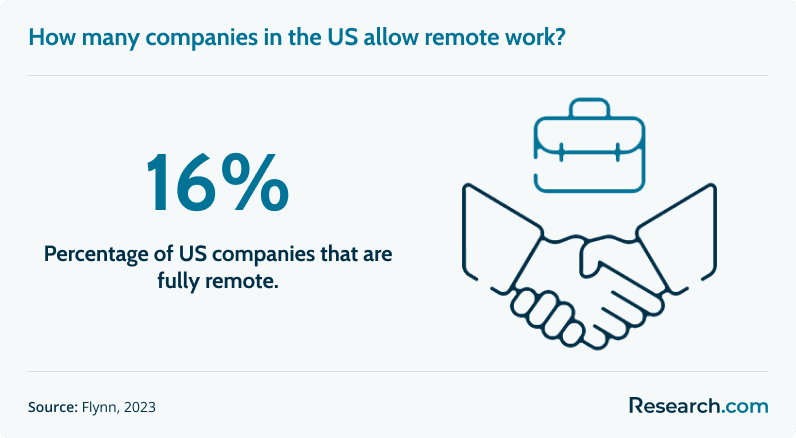
- Remote work is projected to stabilize at around 20-25% of the workforce, which suggests remote jobs will remain a significant part of the labor market.
- Many bachelor’s programs require 120 to 130 credits, although certificates, associate degrees, and accelerated formats may take less time.
- Professional services (35.1%), finance (35%), and tech-related information roles (27.6%) are among the leading sectors for remote work.
Which Skills Are in Demand for Remote Jobs in 2026?
Remote employers want people who can produce quality work without constant supervision. Technical ability matters, but remote success also depends on communication, reliability, security awareness, and the ability to collaborate across tools and time zones.
- Technical proficiency: Coding, data analysis, spreadsheet modeling, cloud platforms, design software, and digital collaboration tools can improve remote employability. Familiarity with Slack, Trello, Microsoft Teams, and similar platforms is often expected.
- Time management: Remote workers must prioritize tasks, manage deadlines, and keep work visible without relying on in-person reminders.
- Written and verbal communication: Clear messages, concise updates, useful documentation, and effective video-call participation are essential in virtual workplaces.
- Problem-solving: Remote employees need to troubleshoot issues, ask precise questions, and propose solutions before work stalls.
- Adaptability: Tools, workflows, and employer expectations change quickly, so remote professionals need to learn new systems without losing productivity.
- Virtual collaboration: Many remote teams work across departments, countries, and time zones. Research, interviewing, and digital communication skills can also support remote-friendly paths for researchers and writers, including some of the career options related to a history master’s degree.
- Self-motivation: Strong remote workers can make steady progress even when they are not physically surrounded by classmates, managers, or coworkers.
How Long Does It Take to Complete a Degree for Remote Work?
The timeline depends on the degree level, course load, transfer credits, and program format. Full-time bachelor’s students often finish in about four years, while part-time students may need 5-6 years. Associate degrees and career-focused certificates can take 2 years or less, depending on the program requirements.
Accelerated programs can shorten the path by using shorter terms, year-round enrollment, prior learning credit, or heavier course loads. Some students also explore options such as a 6 month associate degree online when they want a faster credential connected to entry-level work or a later transfer pathway. Before choosing a fast program, confirm that the pace is realistic for your schedule and that the credential is recognized by employers or transfer institutions.
| Credential Type | Typical Timeline | Best For | Main Limitation |
| Certificate | 2 years or less | Targeted skills, career changes, or adding a tool-specific credential | May not replace a degree for roles requiring a bachelor’s |
| Associate degree | About two years | Entry-level work or transfer into a bachelor’s program | Some professional roles prefer a bachelor’s degree |
| Bachelor’s degree | About four years full-time | Most professional remote career paths | Higher total cost and longer time commitment |
| Master’s degree | Varies by program | Specialization, leadership, analytics, technology, or management advancement | Best ROI usually depends on prior experience and career goals |
What Is the Average Cost of Degrees for Remote Work?
The cost of a remote-friendly degree depends on whether the school is public or private, whether you study online or on campus, how many credits you need, and whether you qualify for in-state tuition, transfer credits, scholarships, or employer reimbursement. According to online bachelor’s degree tuition data, public universities range from $9,000 to $30,000 per year, while private universities often charge between $30,000 and $60,000 annually. Shorter associate degrees or certifications may cost less, with some programs as affordable as $2,500 per year.
Do not compare tuition alone. Online students may also pay technology fees, course materials, proctoring fees, software subscriptions, graduation fees, and equipment costs. Some programs charge different rates for out-of-state students, while others use one online tuition rate regardless of residency.
Online study can reduce commuting, housing, and campus meal-plan expenses, but that does not automatically make every online program inexpensive. The best value comes from a program that is affordable, accredited, flexible enough to finish, and connected to realistic career outcomes.
The chart below illustrates average undergraduate tuition costs in the US, as published by the NCES in 2024.
What Financial Aid Options Are Available for Remote-Friendly Degrees?
Students in accredited online and campus programs may qualify for several forms of financial aid. The best approach is usually to maximize grants and scholarships first, use employer benefits when available, and borrow cautiously only after comparing total program cost against likely career outcomes.
- Scholarships: Scholarships do not require repayment and may be awarded for academic achievement, financial need, career goals, community service, military affiliation, field of study, or online enrollment.
- Grants: Grants also do not require repayment and are often need-based. Eligible students may consider federal, state, institutional, and private grant opportunities.
- Federal student loans: Federal loans may offer borrower protections and repayment options that private loans do not. Students should still borrow only what they need.
- Employer tuition assistance: Some employers help workers pay for degrees, certificates, or job-related training. In technology and security roles, employers may also support targeted programs such as cybersecurity certifications online.
- Work-study programs: Eligible students may earn money through part-time work connected to their financial aid package.
- Private loans: Private loans may fill funding gaps, but they can have higher interest rates and fewer repayment protections than federal loans.
What Are the Prerequisites for Enrolling in Degrees for Remote Work?
Admission requirements vary by school and degree level. Most bachelor’s programs require a high school diploma or GED. Some schools may request a minimum GPA, transcripts, essays, recommendation letters, or standardized test scores such as the SAT or ACT, although many online programs use flexible or test-optional admissions policies.
Students also need basic digital readiness. You should be comfortable using a computer, uploading files, participating in discussion boards, writing documents, using spreadsheets, joining video meetings, and troubleshooting basic technology issues.
Reliable equipment matters. At minimum, expect to need a computer, updated software, and stable internet access. Technology, design, music, data, or game programs may require higher-performance hardware or paid software, so review technical requirements before enrolling.
Personal readiness is just as important as admissions eligibility. Remote learning rewards students who can plan ahead, meet deadlines, communicate when they need help, and stay organized without a traditional classroom routine.
What Courses Are Typically Included in a Degree for Remote Work?
Coursework depends on the major, but the strongest remote-friendly degrees combine field expertise with digital workplace skills. A software engineering student will take different technical courses than a communications major, but both should learn how to deliver work clearly, securely, and collaboratively in online environments.
- Digital communication: Students learn how to write professional messages, present ideas online, document decisions, and use email, chat, video, and collaboration tools appropriately.
- Remote collaboration: These courses or assignments teach students how to contribute to distributed teams, manage virtual meetings, and coordinate group projects.
- Time and task management: Students practice planning work, prioritizing assignments, using calendars, tracking progress, and meeting deadlines independently.
- Industry-specific technical courses: Examples include coding, database management, digital marketing, financial analysis, UX design, data visualization, audio production, or cybersecurity.
- Ethics and cybersecurity: Remote work often involves sensitive data, so students need to understand privacy, responsible technology use, secure access, and ethical decision-making.
- Leadership in virtual settings: Students interested in management learn how to lead distributed teams, evaluate performance, maintain engagement, and resolve conflict online.
Can Alternative Credentials Complement or Replace a Traditional Degree for Remote Work?
Alternative credentials can be useful, especially in technical, creative, and tool-specific fields. Certificates, bootcamps, micro-credentials, and vendor credentials may help students learn job-ready skills faster than a full degree. They can also strengthen a degree by showing current knowledge in coding languages, cloud platforms, analytics tools, cybersecurity practices, design software, or project management methods.
Whether an alternative credential can replace a degree depends on the role and employer. Some technology, design, marketing, and freelance roles may prioritize skills and portfolios, while many corporate, management, government, or advanced professional positions still list a bachelor’s degree as a preferred or required qualification. Students who need flexibility and affordability may also compare nontraditional options with institutions that support specific populations, such as online colleges for military students.
How Can You Evaluate the Return on Investment of a Degree for Remote Work?
To evaluate ROI, compare the total cost of attendance with the realistic value of the credential in your target career. Include tuition, fees, software, books, equipment, lost work time, loan interest, and the time required to graduate. Then compare those costs with expected job options, salary ranges, promotion potential, employer demand, and whether the program helps you build a portfolio or qualify for internships.
Accelerated options can improve ROI if they reduce time and cost without weakening academic quality. For example, some working professionals compare standard graduate formats with one year masters programs when they want to move faster into higher-level roles. The key is to verify accreditation, workload, admissions fit, and career relevance before enrolling.
How Can a Master’s Degree Boost a Remote Work Career?
A master’s degree can help remote professionals move into specialized, senior, analytical, or leadership roles. It may be useful in fields such as data science, cybersecurity, software engineering, business analytics, project management, instructional design, finance, communications leadership, or digital strategy. Graduate study can also help students build advanced research, management, and decision-making skills for complex distributed teams.
A master’s degree is not automatically worth the cost for every remote worker. It makes the most sense when it directly supports a target role, improves promotion eligibility, builds scarce technical expertise, or helps transition into management. Students comparing options can review masters degrees that pay well to understand which graduate paths may offer stronger earning potential.
Are There Accelerated Pathways to Earning an Advanced Remote Work Degree?
Yes. Some graduate programs use accelerated calendars, condensed courses, stackable certificates, transfer credit, or year-round study to help students finish faster. These formats can work well for disciplined professionals who already know their career goal and can handle a heavier workload.
Speed should not be the only selection factor. Before choosing a fast-track program, review accreditation, faculty support, course sequencing, weekly time expectations, capstone requirements, and whether the curriculum includes practical remote-work projects. Students comparing short completion timelines can explore the quickest masters degree online options while still checking quality and fit.
How to Choose the Best Degree for Remote Work
The right degree depends on what kind of work you want to do remotely. A strong choice should match your interests, abilities, target job market, budget, schedule, and long-term career plan.
- Start with roles, not majors. Identify job titles you would actually want: software developer, data analyst, digital marketer, graphic designer, project manager, IT support specialist, writer, or UX designer. Then work backward to the degree and skills those jobs require.
- Match the degree to your strengths. Technical degrees may require math, coding, systems thinking, or troubleshooting. Creative degrees require feedback tolerance and portfolio development. Business and communication degrees require writing, analysis, and stakeholder management.
- Check remote hiring patterns. Fields such as professional services, finance, and technology had high shares of remote workers in 2024. A degree aligned with those fields may offer more remote opportunities than a degree tied mainly to in-person services.
- Compare flexibility honestly. Online does not always mean self-paced. Confirm whether classes are asynchronous, synchronous, hybrid, cohort-based, or deadline-driven.
- Review cost and completion time together. A cheaper program is not a bargain if credits do not transfer, support is weak, or completion rates are poor. A faster program is not helpful if the workload is unrealistic.
- Look for proof of career preparation. Strong programs include portfolios, capstones, internships, simulations, employer projects, career coaching, and access to relevant software.
The chart below illustrates the percentage of employees worldwide who work from home, as published in Statista in 2024.
Do Remote Work Degree Programs Provide Adequate Career Support and Student Resources?
Career support can make a major difference, especially for online students who may not have easy access to campus networking. Before enrolling, ask whether remote learners receive the same advising, tutoring, library access, technical support, internship guidance, resume review, interview preparation, and job-search support as campus students.
Strong online programs provide virtual career coaching, employer events, alumni networking, portfolio reviews, LinkedIn support, and help finding remote or hybrid internships. Students looking for affordability and aid eligibility can also compare online schools that accept FAFSA.
How Are Remote Work Degree Programs Adapting to Emerging Industry Trends?
Remote-friendly programs are increasingly shaped by employer expectations around artificial intelligence, cloud computing, cybersecurity, analytics, automation, and virtual collaboration. Programs in technology, business, marketing, and design are more valuable when they teach current tools, ethical technology use, secure workflows, and project-based collaboration rather than outdated software or purely theoretical content.
Students should look for programs that update curricula regularly, include applied projects, use industry-standard platforms, and teach students how to work in distributed teams. Working adults who need flexible formats can compare options through resources on the best online schools for adults.
How Can Internships and Practical Projects Enhance Remote Work Credentials?
Internships, co-ops, simulations, capstones, and client-style projects help turn coursework into evidence. This is especially important for remote jobs, where employers may not meet candidates in person and need proof that they can communicate, manage time, solve problems, and deliver work independently.
A strong project portfolio might include code repositories, dashboards, writing samples, design case studies, campaign reports, usability tests, technical documentation, edited videos, or research briefs. Students comparing bachelor’s-level options can also review guidance on accessible bachelor’s degree pathways, but they should not choose only based on perceived ease. Career relevance and completion support matter more.
What Factors Make an Online Remote Work Degree Easier to Complete?
An online degree is easier to complete when the structure matches your life. Key factors include asynchronous access, clear weekly deadlines, responsive instructors, strong academic advising, tutoring, mobile-friendly platforms, transparent grading, predictable course sequencing, and reasonable technology requirements.
Students should also ask whether courses are offered every term, whether transfer credits are accepted, whether part-time enrollment is available, and whether support is available outside standard business hours. If you want to compare more manageable online study formats, review online degree options that are often considered easier to complete, then verify that the program still supports your career goals.
Are Remote Work Degrees More Flexible and Cost-Effective Than Traditional Degrees?
Remote-friendly online degrees can be more flexible than campus programs because students may avoid commuting, relocate less often, and complete coursework around work or family responsibilities. They may also reduce housing and transportation costs. However, online programs are not automatically cheaper, and some still include technology fees, software costs, or premium tuition rates.
Campus programs may offer stronger in-person networking, labs, studios, or local employer relationships. Online programs may be better for working adults, caregivers, military students, rural students, or career changers who need location flexibility. Advanced students considering highly compressed doctoral study can also compare short term PhD programs, while carefully checking academic expectations and career relevance.
| Format | Advantages | Trade-Offs | Best For |
| Fully online | Maximum location flexibility; often easier to combine with work | Requires self-discipline and reliable technology | Working adults, career changers, remote learners |
| Hybrid | Combines online convenience with some in-person access | May require travel or local residency | Students who want flexibility but still value campus contact |
| Campus-based | Direct access to facilities, faculty, peers, and local networks | Less flexible and often includes commuting or housing costs | Students who benefit from structured in-person learning |
What Online Tools Should You Learn Alongside Your Degree for Remote Work?
A degree can teach the field, but tools help you perform the work. Employers often expect remote candidates to communicate clearly, manage projects, protect data, and collaborate in shared digital spaces from day one.
- Communication tools: Learn platforms such as Zoom, Microsoft Teams, Slack, and email systems. Focus not only on using them, but on knowing when to send a message, schedule a meeting, document a decision, or escalate a problem.
- Project management platforms: Tools such as Asana, Trello, and Monday.com help remote teams track assignments, deadlines, dependencies, and progress. A project management degree can provide deeper training in planning, scope, risk, and team coordination.
- Cloud storage and collaboration: Google Workspace, Dropbox, and shared document platforms allow teams to edit, comment, version, and organize files across locations.
- Time management tools: Toggl, Google Calendar, Outlook Calendar, task lists, and scheduling tools help remote workers protect focus time and meet deadlines.
- Industry-specific tools: Digital marketers may use Hootsuite and Canva. Developers may use GitHub and cloud services such as AWS. Customer service teams may use Zendesk or HubSpot. Designers may use Adobe or interface design tools depending on the role.
- Cybersecurity tools: Password managers such as LastPass or 1Password and VPN use can help protect accounts and data. Remote workers should also understand phishing risks, device security, and safe file sharing.
What Career Paths Are Available for Graduates of Degrees for Remote Work?
Remote-friendly degrees can lead to many career paths. The best role for you depends on your degree, experience, portfolio, technical ability, and communication strengths.
- Virtual assistant: Virtual assistants handle scheduling, inbox management, customer communication, research, data entry, and administrative support for businesses or entrepreneurs.
- Remote IT support specialist: IT support specialists solve technical problems through tickets, chat, phone, screen sharing, and documentation.
- Remote project manager: Project managers coordinate tasks, deadlines, budgets, stakeholders, and distributed teams. Professionals seeking advanced leadership roles may compare career options linked to an MS in project management.
- Social media manager: Social media managers plan content, monitor engagement, schedule posts, analyze performance, and coordinate brand voice across platforms.
- Online educator or tutor: Educators with subject expertise can teach, tutor, design lessons, grade assignments, or support students through digital learning platforms.
- Content writer or editor: Writers and editors create, revise, fact-check, and optimize written material for websites, newsletters, publications, and companies. A creative writing degree online can help students strengthen writing craft and build samples.
- Remote sales representative: Sales professionals manage leads, customer relationships, product demos, proposals, and CRM records through digital tools.
- Data analyst: Data analysts collect, clean, analyze, and present data so organizations can make better decisions.
Is Your Degree for Remote Work Accredited and Recognized?
Accreditation should be one of your first checks. Institutional accreditation can affect financial aid eligibility, credit transfer, graduate school admission, employer recognition, and overall credential value. If a program claims to be accredited, verify that status through the accreditor or official school information rather than relying only on advertising language.
Some fields may also have programmatic accreditation, professional standards, licensure requirements, or industry-recognized certifications. Business students comparing faster options, for example, can review a fastest online business degree resource while still confirming accreditation, transfer policies, and employer relevance.
Can Supplementary Certifications Enhance Your Remote Work Career?
Yes. A degree can provide broad academic preparation, while certifications can validate specific tools or competencies. This can be especially helpful in cybersecurity, cloud computing, data analytics, agile project management, digital marketing, UX design, software development, and IT support.
Certifications are most valuable when they match job postings in your target field and help you demonstrate current skills. They are less useful when they duplicate what you already know or distract from building a portfolio. Students looking for practical, career-focused academic paths can compare quick degrees that pay well while also checking whether programs include certification preparation.
Common Mistakes to Avoid When Choosing a Degree for Remote Work
| Mistake | Why It Can Hurt You | Better Approach |
| Choosing a program because it is online, not because it leads to remote-friendly work | An online degree can still lead to jobs that require in-person presence. | Research target job titles before choosing a major. |
| Ignoring accreditation | Unrecognized credentials can limit financial aid, transfer options, and employer trust. | Verify accreditation before applying. |
| Comparing only tuition | Fees, software, books, equipment, and completion time can change the real cost. | Calculate total cost of attendance and likely debt. |
| Assuming remote jobs are easier | Remote work often requires stronger communication, documentation, and self-management. | Build remote work habits while studying. |
| Graduating without a portfolio | Employers may want proof of skills, especially for technical and creative roles. | Complete projects, internships, case studies, and work samples. |
| Relying only on rankings | A highly ranked program may not fit your schedule, budget, or career target. | Use rankings as one input, not the final decision. |
What Is the Job Market for Graduates With a Degree for Remote Work?
The remote job market is no longer defined only by emergency pandemic policies. It is now a lasting part of how many organizations recruit and operate. Forecasts indicate that about 25% of the workforce will consist of remote workers as companies continue to balance flexibility, productivity, cost, and talent access.
Demand is strongest for workers who can produce measurable results in digital environments. Technology, marketing, finance, professional services, customer operations, data, and online education continue to offer remote opportunities, although competition can be high. Students who want to move faster into the labor market may compare an accelerated college degree with traditional timelines, provided the program is accredited and manageable.
Questions to Ask Before Enrolling
- Is the institution accredited, and is the program recognized in my target industry?
- What remote-friendly job titles do graduates pursue?
- Does the program include internships, capstones, portfolios, labs, or employer projects?
- Are online students eligible for the same career services as campus students?
- What software, equipment, and internet requirements will I need?
- How many credits can I transfer, and how will that affect cost and time to completion?
- Are courses asynchronous, synchronous, hybrid, or self-paced?
- What is the total cost, including fees, materials, and loan interest?
- Does the degree prepare me for certifications that employers actually request?
- What support is available if I struggle academically, technically, or professionally?
Key Insights
- The best degrees for remote work are not generic; they prepare students for jobs that can be performed, measured, and managed through digital tools.
- Technology and data degrees often offer the strongest remote salary potential, while design, marketing, communications, journalism, and media degrees can work well when students graduate with strong portfolios.
- Remote work requires more than a laptop. Employers value writing, self-management, collaboration, cybersecurity awareness, time management, and tool fluency.
- Cost and ROI should be evaluated carefully. Include tuition, fees, software, equipment, time to completion, transfer credits, and realistic salary expectations.
- Accreditation, career services, applied projects, and employer relevance matter more than whether a program simply advertises itself as flexible.
- Alternative credentials and certifications can strengthen a degree, especially in fast-changing technical fields, but they should align with specific job requirements.
- The smartest degree choice starts with a target career path, not a vague desire to “work from home.” Pick the role first, then choose the credential that builds the right skills.
References
- Bureau of Labor Statistics (BLS). (2024). The rise in remote work since the pandemic and its impact on productivity. Beyond the Numbers. BLS.
- Flynn, J. (2023). 25 Trending Remote Work Statistics [2023]: Facts, Trends, and Projections. Zippia.
- National Center for Education Statistics (NCES). (2024). Average undergraduate tuition, fees, room, and board charges for full-time students in degree-granting postsecondary institutions, by control and level of institution and state: Academic years 2021-22 and 2022-23. Digest of Education Statistics. NCES.
- Parker, K. (2023). About a third of U.S. workers who can work from home now do so all the time. Short Reads. Pew Research Center.
- Sherif, A. (2024). Percentage of employees who work from home all or most of the time worldwide from 2015 to 2023. Technology & Telecommunications. Statista.
- Sitter, G. M. (2024). The Growth of Remote Work 2019-2024. LinkedIn.
- Statista. (2024). Share of workers in the United States who worked remotely in 2024, by telework status and industry. Economy. Statista.
- US Career Institute. (2024). 50 Eye-Opening Remote Work Statistics for 2024. Career Advice. US Career Institute.
- ZipRecruiter. (2024). Work From Home Salary. ZipRecruiter.
Other Things You Should Know About Degrees for Remote Work
Yes. Most employer tuition reimbursement programs require a degree from a regionally accredited institution, and many set a minimum grade of C or 2.0 GPA. For business, computer science, and healthcare programs, accreditation is usually checked through the U.S. Department of Education or CHEA listings.
For remote work success in 2027, degree programs should emphasize skills such as digital literacy, virtual collaboration, self-discipline, and communication technologies mastery. Programs may include specific courses in project management, cybersecurity, and data analysis to cater to remote work demands effectively.


