
2027 How to Become a Graphic Designer

Co-Founder and Chief Data Scientist
Graphic design is the work of turning ideas, information, and brand messages into visuals people can understand quickly. It shapes websites, packaging, apps, advertisements, books, presentations, social media campaigns, product interfaces, and nearly every other place where organizations need attention and clarity.
If you are considering this career in 2026, the decision is not only about whether you are creative. You also need to know whether the field matches your strengths, what employers expect, whether a degree is worth the cost, how to build a portfolio, and how technology—including AI-assisted design tools—is changing the work. This guide explains what graphic designers do, how to prepare for the field, what skills and tools matter, where jobs are available, and how to make smarter education and career choices.
Quick answer: Is graphic design a good career path?
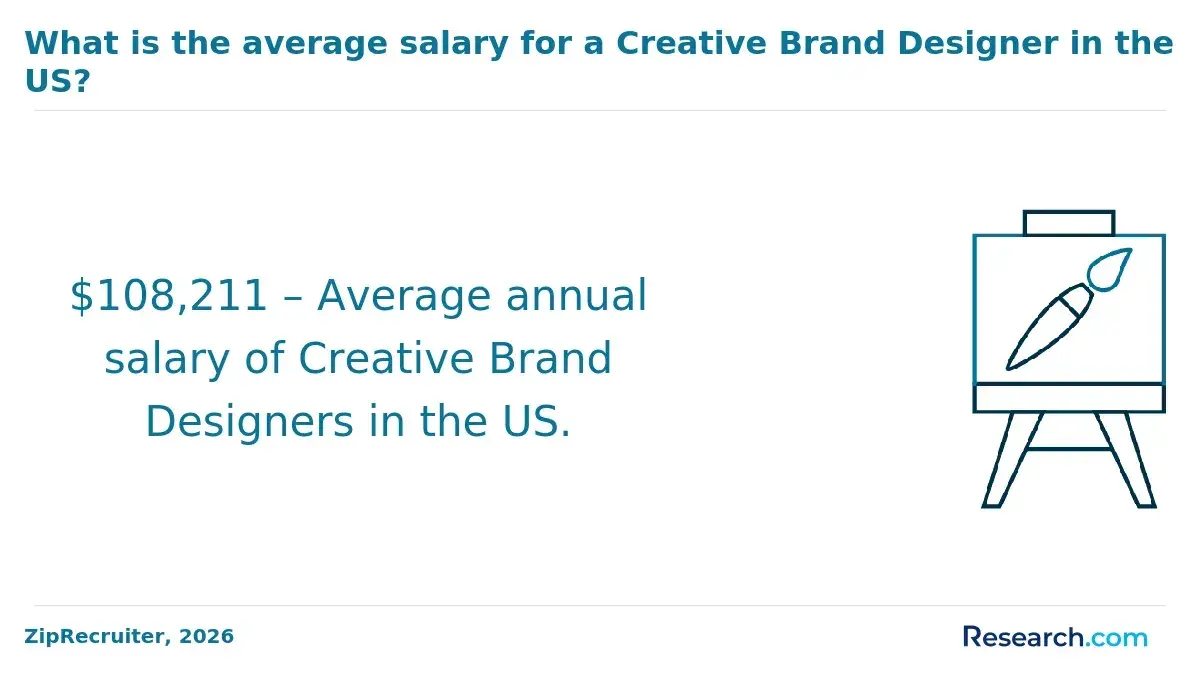
Graphic design can be a strong career choice for people who enjoy visual problem-solving, communication, technology, and project-based work. It can lead to roles in branding, marketing, publishing, product design, UI/UX, motion graphics, and creative direction. Across the United States (US), graphic designers had a 2023 median annual wage of $58,910 [US Bureau of Labor Statistics (BLS), 2024].
The field is competitive, and employment growth is slower than many technology careers, so a strong portfolio, current software skills, and the ability to explain design decisions are essential. A degree can help, but it is not the only route; employers often evaluate candidates by the quality and relevance of their work.
What are the benefits of becoming a graphic designer?
- Transferable creative skills. Graphic design experience can support movement into related roles such as art director, fine artist, desktop publisher, drafter, and industrial designer.
- Moderate earning potential with room to specialize. Across the United States (US), graphic designers had a 2023 median annual wage of $58,910 [US Bureau of Labor Statistics (BLS), 2024]. Designers who build expertise in areas such as UI/UX, motion, product visuals, or brand systems may pursue higher-value projects and more advanced roles.
- Flexible work settings. Designers may work in agencies, corporate marketing teams, publishing, nonprofits, startups, studios, or freelance businesses. Many design tasks can also be completed remotely when teams have clear workflows and collaboration tools.
- What does a graphic designer do?
- Do you need a degree to become a graphic designer?
- What skills do graphic designers need?
- What tools should graphic designers learn?
- What career paths can graphic designers pursue?
- Can graphic designers work remotely?
- How much do graphic designers earn?
- What trends are changing graphic design?
- How do you build a graphic design portfolio?
- What mistakes should beginner designers avoid?
- Which graphic design certifications are useful?
- How can graphic designers collaborate with other creatives?
- Is there demand for graphic designers?
- How can advanced education affect a design career?
- Should you freelance or work in-house?
- How do you build a personal brand as a designer?
- How can internships help new designers?
- How can mentorship support your growth?
- How can an online accelerated bachelor's degree help?
- What is the long-term ROI of affordable design education?
What are the main responsibilities of a graphic designer?
A graphic designer creates visual materials that help people recognize a brand, understand a message, navigate information, or take action. The work combines aesthetics with strategy: a good design is not just attractive; it solves a communication problem for a specific audience.
- Translate goals into visual concepts. Designers review briefs, clarify audience needs, gather references, sketch ideas, and create layouts for digital, print, packaging, branding, advertising, or product-related projects.
- Produce finished assets. Depending on the role, a designer may create logos, social media graphics, brochures, website layouts, presentation decks, infographics, email graphics, signage, publication layouts, or brand templates.
- Work with clients and teams. Designers frequently collaborate with marketers, writers, product managers, developers, photographers, printers, and executives. Clear communication is essential because visual choices must support project goals, not personal preference alone. Designers often partner with writers on campaign concepts, books, or marketing assets; students interested in the writing side of the process can review the best online creative writing master's degree options.
- Revise work based on feedback. Design rarely ends with the first draft. Professionals must know how to interpret criticism, defend choices when appropriate, and make changes without weakening the message.
- Keep pace with tools and standards. Designers need to monitor software updates, accessibility expectations, brand system practices, and emerging design trends. AI-assisted workflows, automation, and fast-moving content platforms make continuous learning especially important.
| Responsibility | What it looks like in practice | Why it matters |
| Visual concept development | Researching audiences, sketching layouts, choosing mood boards, and testing directions | Prevents design from becoming decoration without strategy |
| Layout and production | Creating final files for web, social, print, packaging, or presentation use | Ensures work is usable, correctly formatted, and ready for delivery |
| Brand consistency | Following typography, color, logo, and imagery rules across materials | Helps organizations look recognizable and professional |
| Collaboration | Working with writers, marketers, developers, clients, and vendors | Improves accuracy, reduces rework, and aligns creative work with business goals |
Do you need a degree to become a graphic designer?
You do not always need a degree to become a graphic designer, but formal education can make the path clearer. Many employers care most about portfolio quality, software fluency, design fundamentals, and communication skills. However, a degree may help if you want structured training, internship access, mentorship, career services, or roles that list a bachelor’s degree as preferred.
Because degree programs usually include typography, color theory, layout, digital imaging, branding, web design, and portfolio development, graduates may be prepared for entry-level roles that require both creative and technical skills. Entry-level graphic designers typically earn around $45,000–$55,000 annually, with the median annual wage for graphic designers reaching $62,730 according to the most recent professional salary evaluations for 2025.
Alternative paths are increasingly realistic. Certificate programs, short courses, bootcamps, self-directed study, internships, freelance projects, and apprenticeships can help aspiring designers build a portfolio without a traditional 4-year program. If flexibility and cost are major concerns, you may want to compare graphic design school online options with campus-based programs.
The best route depends on your target role. Someone who wants a corporate design job may benefit from a bachelor’s degree and internship experience. Someone pursuing freelance social media design may be able to start with short courses and a niche portfolio. Someone interested in running a studio may eventually need business knowledge; a guide to cheap online business administration degree programs can be useful for comparing management-focused education options.
If you want a low-pressure way to test the field before committing to a degree, easy graphic design courses can help you learn basic software, create first projects, and decide whether deeper training is worth it.
| Path | Best for | Main advantage | Main limitation |
| Bachelor’s degree in graphic design | Students seeking structured training, internships, and broader career preparation | Comprehensive curriculum and stronger access to academic feedback | Higher time and cost commitment |
| Online degree | Working adults, parents, transfer students, and learners who need location flexibility | Can make education more accessible while still supporting portfolio development | Requires self-discipline and careful accreditation review |
| Certificate or short course | Career changers, beginners, and designers learning a specific tool or niche | Faster and often less expensive than a full degree | May not satisfy employers that prefer a bachelor’s degree |
| Self-taught portfolio route | Highly motivated learners who can practice consistently and seek feedback | Low cost and flexible pace | Harder to know whether your work meets professional standards |
What are the essential skills every graphic designer needs?
Graphic design skill is built in layers. Software matters, but tools alone do not make someone employable. Employers and clients look for designers who can understand a brief, make smart visual decisions, explain their reasoning, and deliver usable files on time.
- Design fundamentals. Color, contrast, hierarchy, composition, balance, spacing, typography, alignment, and visual rhythm are the foundation of professional work. These principles help designers make visuals that are clear instead of crowded or confusing.
- Typography. Designers need to choose typefaces, pair fonts, manage spacing, create hierarchy, and maintain readability across print and digital formats.
- Software fluency. Common tools include Adobe Illustrator, Adobe Photoshop, Affinity Designer, Affinity Photo, and Figma. The exact mix depends on whether you focus on branding, illustration, layout, UI/UX, or digital content.
- Communication and feedback skills. Designers must ask good questions, interpret client needs, present options, accept criticism, and explain why a design choice supports the goal.
- Strategic thinking. Strong designers connect visuals to audience behavior, brand positioning, accessibility, campaign goals, and business outcomes.
- Production knowledge. Designers need to understand file types, resolution, color modes, export settings, grids, templates, and print or web specifications.
- Time management. Creative work has deadlines. Professionals must estimate project scope, manage revisions, and avoid spending too much time on details that do not improve the final result.
What are the must-have tools for graphic designers?
The right tools depend on your specialty, but most designers need reliable hardware, professional software, and organized file-management habits. Beginners should avoid buying every tool at once; start with what supports the kind of work you want to create.
Hardware
- High-performance laptop or desktop. A computer with enough memory, a strong display, and the ability to run design software smoothly is important for large files and multitasking. This is also useful for students in visually demanding programs, including online game design degree programs.
- Drawing tablet. A Wacom tablet or an iPad with Apple Pencil can help with illustration, lettering, retouching, and hand-drawn elements.
- External monitor. A larger, color-accurate display can make layout, editing, and multi-window workflows easier, especially for print or detailed digital work.
- Backup storage. External drives or cloud storage help protect project files, drafts, source assets, and portfolio pieces.
Software
- Adobe Creative Suite. Photoshop, Illustrator, and InDesign remain common tools for image editing, vector graphics, and page layout.
- Canva. Canva can be useful for quick social media posts, templates, and lightweight marketing graphics, especially for beginners or small-business projects.
- Figma. Figma is widely used for UI/UX design, collaborative interface work, prototypes, and design systems.
- Affinity tools. Affinity Designer and Affinity Photo can be useful alternatives for designers who want professional features outside Adobe’s subscription model.
| Tool category | Examples | Best use |
| Raster image editing | Adobe Photoshop, Affinity Photo | Photo editing, compositing, retouching, digital graphics |
| Vector design | Adobe Illustrator, Affinity Designer | Logos, icons, illustrations, scalable brand assets |
| Page layout | Adobe InDesign | Magazines, brochures, books, catalogs, reports |
| UI/UX and prototyping | Figma | Web layouts, app screens, design systems, collaborative prototypes |
| Template-based design | Canva | Fast marketing graphics, social posts, simple branded templates |
What are the different career options for graphic designers?
Graphic design can lead to several creative and technical career paths. Some roles stay close to branding and marketing, while others move toward product design, publishing, technical drawing, or creative leadership. A bachelor’s degree can support entry into many of these roles, and advanced study may help with specialized or leadership positions. Students comparing long-term options can review the best careers to pursue with a graphics design masters degree.
- Graphic designer. Graphic designers create visuals for branding, advertising, websites, social media, print, packaging, and digital campaigns. In 2024, approximately 272,310 graphic designers were working in the US.
- Art director. Art directors guide the overall visual direction of campaigns, publications, films, brands, or creative departments. They may supervise designers, photographers, illustrators, and writers. In 2024, approximately 132,100 art directors were employed in the US.
- Fine artist. Designers with a strong personal art practice may create paintings, illustrations, sculptures, or other original works for galleries, commissions, licensing, or independent sales. In 2024, there were approximately 27,200 fine artists, including painters, sculptors, and illustrators, employed in the United States.
- Desktop publisher. Desktop publishers prepare books, catalogs, magazines, reports, e-books, and other documents for print or digital distribution.
- Drafter. Drafters create technical drawings and schematics for architecture, engineering, construction, and manufacturing settings.
- Industrial designer. Industrial designers shape the appearance, usability, and function of products such as furniture, appliances, tools, and consumer electronics. They often work with engineers, product teams, and manufacturers.
Some designers eventually move into creative fields that combine art with human services. For example, a designer interested in therapeutic work may want to explore art therapy masters programs.
| Career option | Typical focus | Good fit if you enjoy |
| Graphic designer | Branding, marketing visuals, layouts, digital and print assets | Visual communication, variety, brand problem-solving |
| Art director | Creative leadership and visual direction | Managing teams, presenting ideas, shaping campaigns |
| Desktop publisher | Document layout and publication production | Precision, formatting, print and digital publishing |
| Drafter | Technical drawings and plans | Accuracy, systems, architecture or engineering support |
| Industrial designer | Product appearance and usability | Objects, user needs, manufacturing, form and function |
Are there opportunities for remote graphic design jobs?
Yes. Many graphic design tasks can be done remotely, especially digital advertising, brand asset creation, social media design, web graphics, presentation design, UI layouts, and freelance projects. Remote work is common when teams use shared files, clear briefs, video meetings, project management systems, and cloud-based design tools.
Remote design work is not automatically easier than office work. It requires strong communication, clean file organization, reliable deadlines, and the ability to ask clarifying questions before spending hours in the wrong direction. Designers who work remotely must also be comfortable presenting work, documenting decisions, and handling revisions asynchronously.
| Remote design option | Advantages | Challenges |
| Remote employee | Steady role, team structure, possible benefits, ongoing brand familiarity | Less control over projects and schedules than freelancing |
| Freelance designer | Client choice, flexible schedule, niche specialization, location independence | Income variability, client acquisition, contracts, taxes, and scope control |
| Contract designer | Project-based work with agencies or companies | May have gaps between assignments and fewer long-term benefits |
How much do graphic designers earn on average?
Graphic design salaries vary by role, industry, location, portfolio quality, software skills, and experience. Specialists in product design, UI/UX, 3D, motion, or creative leadership may follow different salary paths than generalist designers.
Professions related to graphic design offer varied earning potential based on specialization, experience, and industry. Below are the 2026 median annual wages of these professions in the US:
- Desktop Publishers: $51,290
- Graphic Designers: $58,910
- Fine Artists: $59,300
- Drafters: $62,530
- Industrial Designers: $76,250
- Art Directors: $106,500
Designers who want to improve their earning potential should focus on portfolio outcomes, not only credentials. Useful strategies include building niche skills, showing before-and-after case studies, learning UI/UX fundamentals, improving presentation skills, and developing a network of clients or hiring managers. Learners interested in interface and experience design can compare affordable pathways such as a UX design degree online.
What emerging trends are shaping the future of graphic design?
Graphic design is being reshaped by faster content cycles, AI-assisted tools, interactive media, accessibility expectations, and the growing overlap between design, marketing, and product experience. Designers who can combine taste with strategy are likely to remain more competitive than those who only produce isolated visuals.
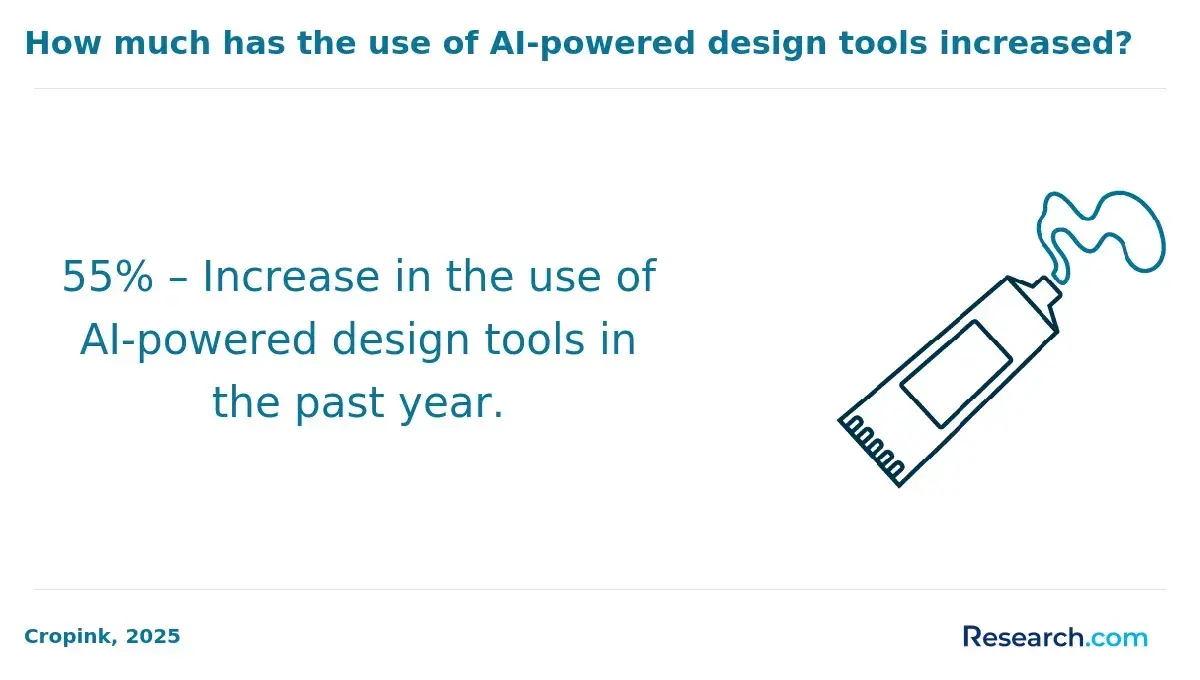
- AI-assisted workflows. AI tools can help with ideation, image generation, background removal, resizing, copy variations, and mockups. Designers still need judgment, originality, ethics, and brand control.
- Motion and short-form content. Brands increasingly need animated social assets, video thumbnails, motion graphics, and dynamic campaign visuals.
- UI/UX overlap. Many employers expect designers to understand digital interfaces, responsive layouts, usability, and design systems.
- Immersive and interactive visuals. Augmented reality, virtual reality, and advanced motion graphics continue to expand how brands and users experience visual content.
- Accessibility and inclusive design. Color contrast, readable typography, alternative text practices, and user-friendly layouts are becoming more important in digital work.
Continuous learning is now part of the profession. Designers may use professional workshops, short courses, industry publications, and flexible academic options such as the easiest online degree guide to explore education routes that fit their schedule.
How can I build an impressive graphic design portfolio?
A portfolio is the strongest proof that you can do the work. It should not be a random gallery of attractive images. It should show how you think, what problems you solve, what tools you use, and how your design decisions connect to a goal.
- Lead with your strongest work. Hiring managers and clients may decide quickly whether to keep looking. Put your best projects first.
- Show variety, but stay focused. Include different project types—such as branding, layout, digital ads, UI screens, or packaging—while making sure the collection supports the kind of work you want.
- Explain the brief and outcome. For each case study, describe the problem, audience, constraints, tools, process, and final solution.
- Use quality over quantity. A few polished projects with clear reasoning are stronger than many unfinished or repetitive samples.
- Make it easy to access. Use a clean website, PDF, or portfolio platform that loads quickly and works on mobile.
- Update it regularly. Remove old student exercises or weak work as your skills improve.
If you need foundational education before creating a competitive portfolio, online associates degrees may provide a more accessible starting point than a full bachelor’s program.
| Portfolio element | What to include | What to avoid |
| Project overview | Client or fictional brief, audience, goal, and constraints | Posting only final images with no context |
| Process | Sketches, mood boards, iterations, and design reasoning | Showing messy drafts without explaining decisions |
| Final work | Mockups, production files, campaign examples, or live links when available | Overusing unrealistic mockups that hide the actual design quality |
| Role clarity | What you personally designed, especially in team projects | Implying you handled work completed by others |
What are some common mistakes beginners make in graphic design?
New designers often struggle because they focus on making work look impressive before making it clear. The best way to improve is to practice fundamentals, seek critique, and learn how professional projects move from brief to final delivery.
- Making designs too busy. Beginners may add extra fonts, colors, icons, textures, and effects until the message becomes hard to read. Clear hierarchy is usually stronger than visual clutter.
- Treating typography as an afterthought. Poor font pairing, weak spacing, inconsistent alignment, or unreadable text can make even a strong concept look amateur.
- Ignoring feedback. Design is collaborative. Refusing critique slows growth and can damage client relationships.
- Copying trends without understanding purpose. Trend-driven work can age quickly if it is not connected to the audience, brand, or message.
- Skipping file organization. Missing links, poor naming conventions, wrong file types, and unprepared export settings can create problems for clients, printers, and developers.
- Choosing education without checking fit. Students should review accreditation, curriculum, portfolio support, transfer policies, costs, and career services before enrolling.
| Common mistake | Better approach |
| Choosing a program based only on tuition | Compare total cost, accreditation, portfolio requirements, software access, faculty experience, and career support |
| Assuming a certificate guarantees employment | Use certificates to build skills, then prove those skills through projects and case studies |
| Relying only on templates | Study layout, type, color, and hierarchy so you can customize work intentionally |
| Applying with a generic portfolio | Tailor portfolio projects to the role, industry, or client type you want |
Which graphic design certifications should I pursue to advance my career?
Certifications can help when they validate a tool or specialization that employers recognize, but they should support—not replace—a strong portfolio. The most useful credentials are usually tied to software proficiency, UI/UX methods, accessibility, motion graphics, or digital marketing workflows.
Credentials such as the Adobe Certified Expert (ACE) and specialized certificates in UI/UX design may demonstrate technical ability and focused training. They can be especially useful for career changers, freelancers who need credibility, or professionals moving into a new design niche. If you are comparing lower-barrier education options, you can also review online colleges free application.
| Certification type | When it may help | What to check first |
| Adobe software certification | You want to prove proficiency in widely used creative tools | Whether the jobs you want mention Adobe tools specifically |
| UI/UX certificate | You want to move toward product, web, app, or interaction design | Whether the program includes real projects, research methods, and portfolio reviews |
| Motion or animation certificate | You want to create animated ads, explainers, or social content | Whether you will build finished portfolio pieces, not just watch tutorials |
| Marketing or branding certificate | You want to connect design work to campaigns and business goals | Whether the training covers strategy, analytics, and audience targeting |
What are some effective ways to collaborate with other creative professionals?
Graphic designers rarely work in isolation. The best projects often involve writers, photographers, videographers, developers, marketers, printers, illustrators, product teams, and clients. Good collaboration expands your skills and can lead to referrals, portfolio pieces, and paid work.
- Join creative communities. Online groups, local meetups, portfolio reviews, and design communities can connect you with artists, photographers, writers, and developers. Designers often collaborate with authors and content creators; being an author is one of the best jobs a creative writing master can get, and writers may need designers for covers, campaigns, websites, and promotional materials.
- Use social platforms professionally. LinkedIn, Instagram, Behance, and portfolio sites can help you share work, comment thoughtfully on others’ projects, and attract collaborators.
- Attend events and workshops. Conferences, critique sessions, webinars, and local business events can help you meet potential clients and creative partners.
- Create clear collaboration rules. Define the scope, timeline, file ownership, payment terms, revision limits, and credit before starting a project.
Is there demand for graphic designers in the current job market?
There is still demand for graphic designers, but the market is competitive. Businesses continue to need branding, marketing materials, web graphics, UI/UX assets, social content, packaging, and visual communication. At the same time, some routine design tasks are being simplified by templates, automation, and AI-assisted tools.
In the US, employment for graphic designers is projected to increase by 2% through 2034, which is below the average growth rate for all occupations. This means new designers should not rely on job growth alone. They need a strong portfolio, practical experience, relevant software skills, and a clear specialty or industry focus.
Opportunities may be stronger for designers who can work across digital channels, understand brand systems, collaborate with marketing or product teams, and present design decisions in business terms. General design ability is useful; strategic design ability is more defensible.
Here’s what professionals have to say about graphic design careers
- “As a graphic designer, I get to turn ideas into visuals that inspire and connect with people. Every project challenges me creatively, and seeing my designs come to life—whether on a website or a billboard—is incredibly fulfilling. It’s a career where passion truly meets purpose.” —Cindy
- “Graphic design has given me the freedom to work from anywhere and the chance to constantly evolve. The tools and trends are always changing, keeping the job exciting. Plus, freelancing allows me to balance work and life while pursuing projects I genuinely care about.” —Russell
- “What I love most about graphic design is collaborating with teams to create designs that solve problems and tell stories. Whether designing for a small nonprofit or a global brand, I feel like my work has a tangible impact on how people interact with the world.” —Sandra
How can advanced education impact my graphic design career?
Advanced education can help experienced designers move into leadership, teaching, research, brand strategy, UX leadership, or specialized creative roles. It may also be useful for designers who want structured critique, a stronger professional network, or a credential that supports advancement in organizations that value graduate education.
However, graduate study is not automatically necessary. Before enrolling, compare the cost with the career outcome you want. If you need a faster route to higher-level credentials, options such as fast masters programs may be worth reviewing, especially if the curriculum includes portfolio development, leadership, emerging tools, and industry-relevant projects.
What are the key differences between freelance and in-house graphic design careers?
Freelance and in-house design can both be rewarding, but they require different work styles. Freelancers run a business as much as they design. In-house designers usually have more organizational structure but less control over project selection.
| Factor | Freelance graphic design | In-house graphic design |
| Schedule | More control, but deadlines can be irregular | More predictable work hours in many roles |
| Income | Can vary by client pipeline, pricing, and workload | Often more stable through salary or hourly pay |
| Creative variety | May work across many industries and project types | Often focuses on one company, brand, or product line |
| Support | Responsible for contracts, billing, taxes, and client management | May have managers, teammates, benefits, and clearer processes |
| Best fit | Self-directed designers comfortable with sales and uncertainty | Designers who prefer team structure and steady brand work |
If you plan to pivot quickly or strengthen your credentials while working, fast degrees online can help you compare accelerated education options across fields.
How can I build a strong personal brand in graphic design?
A personal brand helps clients and employers understand what you do, who you serve, and why your work is distinct. It does not have to be flashy. It should be consistent, credible, and easy to recognize across your portfolio, resume, social profiles, and outreach messages.
- Define your positioning. Decide whether you want to be known for brand identity, editorial design, UI/UX, packaging, illustration, social media design, or another niche.
- Create a consistent visual identity. Use a coherent logo, color palette, typography system, and voice across your website and professional profiles.
- Publish useful work samples. Share case studies, process notes, redesigns, tutorials, or lessons learned from projects.
- Engage with the design community. Comment thoughtfully, join critiques, attend events, and build relationships before you need a job.
- Keep learning visible. Advanced credentials, specialized training, or graduate study can support your authority; designers considering graduate-level ROI can compare high paying master degrees.
How can practical experience through internships expedite my graphic design career?
Internships can shorten the distance between classroom learning and professional expectations. They expose new designers to briefs, deadlines, client revisions, brand guidelines, file handoffs, team meetings, and the pace of real creative production.
Good internships also provide portfolio-ready work and references. To get the most value, ask whether interns receive feedback, whether they work on actual projects, which tools the team uses, and whether past interns moved into paid roles. Students who want to combine work experience with a faster credential may compare options such as a fast track associates degree.
How can mentorship enhance my graphic design career?
Mentorship can help designers improve faster because it provides targeted feedback. A mentor can identify weak portfolio pieces, explain hiring expectations, review client communication, suggest pricing improvements, and help you choose a specialty.
Mentorship is especially valuable when you are self-taught, changing careers, or preparing for higher-level roles. It can also complement formal education by helping you apply classroom concepts to real projects. Designers planning advanced study can review accelerated options such as one year masters programs.
How can an online accelerated bachelor's degree support my graphic design career?
An online accelerated bachelor's degree can help students who want a formal credential but need a faster or more flexible format. For graphic design students, the strongest programs are usually project-based and include design fundamentals, digital tools, critique, portfolio development, and exposure to current industry workflows.
Before enrolling, confirm accreditation, total cost, software requirements, transfer credit policies, faculty experience, portfolio expectations, and whether the program provides career support or internship guidance. Speed matters only if the program still helps you produce competitive work.
What is the long-term ROI of investing in affordable graphic design education?
The return on investment of graphic design education depends on cost, completion time, debt, portfolio quality, internship access, employer recognition, and how well the curriculum matches your target career. A low-cost program can be a smart choice if it is accredited, practical, and strong enough to help you build job-ready work.
Do not evaluate a program by tuition alone. Include fees, software subscriptions, hardware, books, commute or relocation costs, lost work time, and the value of transfer credits. If affordability is the priority, options such as the cheapest online degree can help you compare schools that may fit a tighter budget.
Questions to ask before choosing a graphic design program
- Is the school accredited, and will credits transfer if I change programs?
- Does the curriculum teach typography, layout, branding, digital design, portfolio development, and current software?
- Will I receive critique from qualified instructors or working designers?
- Does the program include internships, capstone projects, or employer-connected portfolio reviews?
- What software and hardware will I need, and are those costs included?
- Can I see examples of student portfolios or graduate outcomes?
- Does the program support the specialty I want, such as UI/UX, motion, packaging, illustration, or publication design?
- How much debt would I take on, and what salary range would make that investment manageable?
Key Insights
- Graphic design is a communication career, not just an art career. Strong designers use visuals to solve audience, brand, and business problems.
- A degree can help, but a portfolio is often the most important hiring signal. Choose education that produces polished, relevant work samples.
- Graphic designers play a vital role in creating visually compelling content that communicates ideas effectively.
- In 2025, current industry projections estimate that approximately 270,400 graphic designers are employed in the US.
- In the same year, desktop publishers had a median annual wage of $51,290; fine artists had $59,300; drafters had $62,530; industrial designers had $76,250; and art directors had $106,500.
- In the US, employment for graphic designers is projected to increase by 2% through 2033, which is below the average growth rate for all occupations.
- Remote and freelance opportunities exist, but they require disciplined communication, file management, client handling, and reliable delivery.
- AI and templates are changing routine production work. Designers who understand strategy, typography, accessibility, UI/UX, branding, and collaboration are better positioned for long-term relevance.
References:
- National Center for Education Statistics table
- US Bureau of Labor Statistics. Art Directors. Occupational Outlook Handbook. BLS Art Directors profile
- US Bureau of Labor Statistics. Craft and Fine Artists. Occupational Outlook Handbook. BLS Craft and Fine Artists profile
- US Bureau of Labor Statistics. Desktop Publishers. Occupational Outlook Handbook. BLS Desktop Publishers profile
- US Bureau of Labor Statistics. Drafters. Occupational Outlook Handbook. BLS Drafters profile
- US Bureau of Labor Statistics. Graphic Designers. Occupational Outlook Handbook. BLS Graphic Designers profile
- US Bureau of Labor Statistics. Industrial Designers. Occupational Outlook Handbook. BLS Industrial Designers profile
Other Things You Should Know about Becoming a Graphic Designer
In 2027, essential skills for graphic designers include proficiency in design software like Adobe Creative Suite, knowledge of UX/UI design principles, and expertise in digital illustration. Familiarity with AI-driven tools, strong visual communication skills, and an understanding of emerging design trends and technologies are also crucial for success.
In 2027, essential tools for graphic designers include industry-standard software like Adobe Creative Cloud, affinity software, and CorelDRAW. High-performance laptops or desktops, drawing tablets, and access to AI-driven design tools such as Canva's AI features can significantly enhance productivity and creativity.


