
2027 Fashion Careers: Guide to Career Paths, Options & Salary

Co-Founder and Chief Data Scientist
Breaking into fashion is not only a question of creativity. It is a career decision that involves portfolio quality, technical skills, business knowledge, networking, and realistic expectations about a competitive labor market. Fashion design still attracts people who want creative independence and cultural influence, but the industry also depends on buyers, merchandisers, marketers, writers, production specialists, digital content teams, and business leaders.
This guide is for students, career changers, and early-career professionals who want to understand how fashion careers work, what education can help, which roles are available beyond design, and how to make smarter choices about degrees, online programs, certifications, and alternative paths. You will also see where fashion skills transfer if a traditional design role is not the best fit.
Fashion Careers Table of Contents
- Why choose a career in fashion?
- Fashion career outlook and job market reality
- Skills needed for fashion careers
- How to start a fashion career for 2027
- How to move up in fashion
- Best path to an online fashion degree
- How business education can strengthen a fashion career
- Alternative careers for fashion students and graduates
- How to judge online fashion degree quality
- How creative writing supports fashion careers
- Alternative degrees that can lead to fashion jobs
- How digital innovation affects fashion advancement
- How online graphic design study complements fashion
- How digital marketing credentials support fashion work
- How accelerated communications study helps fashion professionals
- How accelerated creative writing study improves fashion storytelling
Quick Answer: Is a Fashion Career Worth Pursuing?
A fashion career can be worth pursuing if you are prepared for heavy competition, portfolio-driven hiring, and a career path that may begin outside your dream role. The U.S. Bureau of Labor Statistics projects only 2% job growth for fashion designers from 2024 to 2034, which is slower than the average for all occupations. That does not mean fashion is closed off. It means students should consider both design and non-design roles, including buying, merchandising, brand communications, fashion writing, marketing, production, and business management.
The strongest candidates usually combine creative ability with technical tools, commercial awareness, internships, a polished portfolio, and professional contacts. A degree can help, but it does not replace evidence of skill. For many people, the best strategy is to build a fashion-focused skill set while also developing transferable business, communication, digital, or analytical skills.
Why pursue a career in fashion?
Fashion appeals to people who want their work to be visible, expressive, and connected to culture. Designers and fashion professionals help shape how people present themselves, how brands communicate identity, and how trends move from concept to production to retail. For creative workers, that combination of aesthetics, commerce, and cultural influence can be highly motivating.
Compensation is another reason students consider the field. The median pay in 2024 was $80,690 a year, or $38.79 per hour (BLS, 2025). Pay can vary widely by role, employer, location, experience, and level of responsibility, so students should not treat any salary figure as a guarantee. Still, fashion can lead to strong earnings for professionals who move into senior creative, buying, merchandising, or executive roles.
The more realistic reason to pursue fashion is fit. If you enjoy trend research, visual problem-solving, materials, consumer behavior, product development, and fast feedback, fashion may suit you. If you want a stable, low-competition path with predictable openings, a traditional fashion design track may feel frustrating unless you also prepare for related roles.
Fashion Career Outlook
The fashion design labor market is selective. The U.S. Bureau of Labor Statistics (2025) projects 2% growth for fashion designers from 2024 to 2034. During that period, the field is expected to have about 2,300 projected job openings each year on average. Many of those openings are expected to come from replacement needs, such as workers retiring or moving into other occupations.
This outlook should shape how students plan. A fashion degree or fashion-related training can still be useful, but relying on one narrow job title is risky. Fashion companies need people who can manage inventory, understand customers, coordinate production, communicate brand value, analyze markets, and support digital sales. Some well-known designers, including Miuccia Prada, Karl Lagerfeld, and Giorgi Armani, did not follow a conventional fashion degree path, which shows that the industry rewards skill, taste, persistence, and networks as well as formal credentials.
| Role | Salary | Demand |
| Fashion Designers | $77,450 | 3% |
| Purchasing Managers, Buyers, and Purchasing Agents | $75,451 | -6% |
| Total, all occupations | $45,760 | 5% |
Fashion Beyond Design
Fashion is broader than sketching garments or creating collections. A brand also needs product strategy, sourcing, pricing, sales planning, styling, content, market research, visual presentation, production coordination, and financial discipline. That is why fashion programs often include business, merchandising, consumer behavior, textile knowledge, and technology alongside studio work.
For students who want to work in fashion but are not sure they want to compete for design roles, the business side may offer a better match. Leadership roles in fashion increasingly require people who understand both brand identity and operational reality. A strong concept matters, but so do margins, supply chains, customer demand, digital engagement, and the ability to deliver what the brand promises.
Required Skills for Fashion
Fashion professionals need more than taste. Designers study trends, choose or evaluate fabrics, develop prototypes, work with patternmakers and production teams, revise samples, and present ideas to internal teams, retailers, or consumers. Fashion graduates may also work in footwear, jewelry, accessories, costume design, visual merchandising, marketing, or editorial roles.
The best skill mix depends on the role. A designer needs drawing, construction, materials, and CAD skills. A buyer needs trend judgment, vendor communication, pricing awareness, and commercial instincts. A merchandiser needs planning, inventory, sales analysis, and collaboration. A fashion writer or editor needs audience awareness, reporting, brand voice, and strong writing.
Essential Skills for Fashion
- Creative concept development: The ability to generate original ideas, connect references, and turn inspiration into usable products or campaigns.
- Design knowledge: Understanding design principles, technical drawing, garment construction, proportion, color, and presentation methods.
- Production and materials awareness: Familiarity with textiles, costs, manufacturing steps, quality control, and distribution requirements.
- Research ability: Gathering information from trend reports, consumer behavior, competitors, cultural signals, and credible industry sources.
- Planning and prioritization: Managing deadlines, sample cycles, revisions, approvals, and competing tasks without losing detail.
- Collaboration: Working with designers, buyers, patternmakers, marketers, suppliers, stylists, and production teams.
- Computer-aided design software: Using digital tools to create, revise, and present design concepts efficiently.
- Graphics and image-editing tools: Preparing visual assets for portfolios, product presentations, lookbooks, social content, and marketing materials.
- Writing and communication: Explaining concepts clearly in presentations, product descriptions, brand materials, reports, and client or vendor communication.
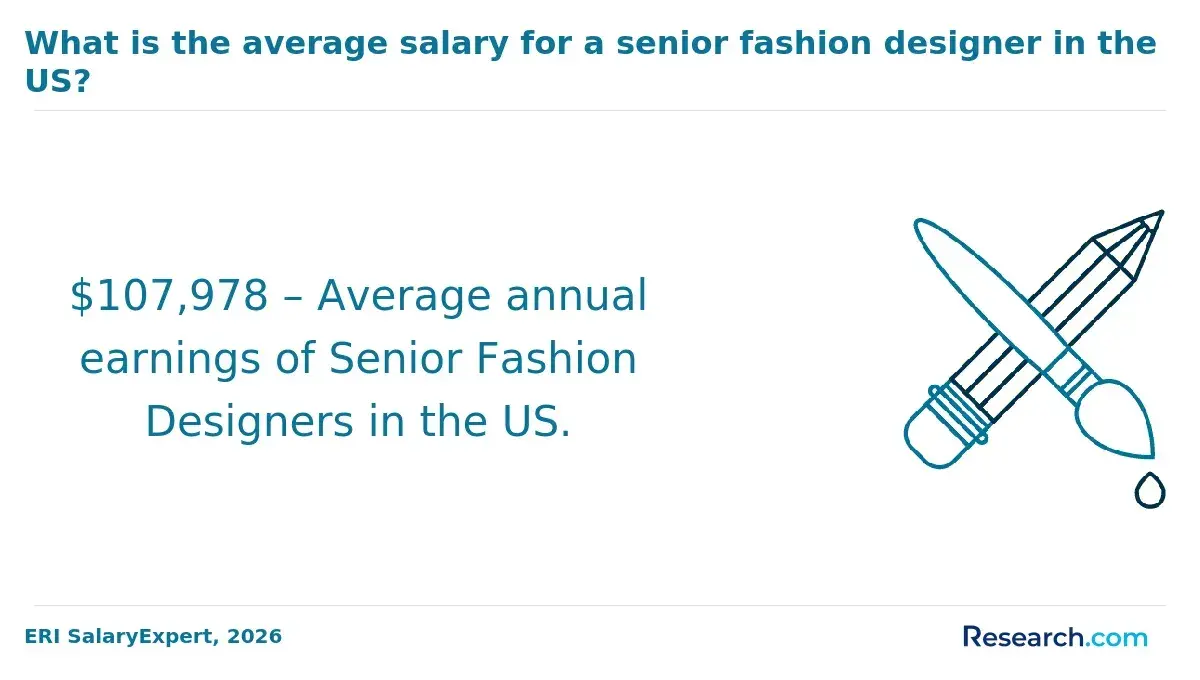
Soft skills matter because fashion work is collaborative, fast-moving, and highly visual. Professionals must accept feedback, adjust quickly, and communicate their ideas without becoming defensive. According to Zippia, 82.7% of fashion designers are women (Zippia, 2026), and senior-level roles can make the field relevant to readers comparing high-paying career options for women. However, pay and advancement depend on role, employer, geography, experience, and leadership opportunity.
General Skills for Fashion
- Attention to detail: Small choices in fit, finish, copy, styling, and presentation can change how a product is perceived.
- Innovation: Fashion rewards new ideas, but those ideas must still work for the customer and the brand.
- Initiative: Interns and junior staff often stand out by volunteering for tasks, solving problems, and learning beyond their job description.
- Adaptability: Trends, production schedules, budgets, and creative direction can change quickly.
- Independence: Many roles require judgment, self-management, and the ability to move work forward without constant supervision.
- Commercial mindset: Designers and fashion professionals often interact with clients, suppliers, vendors, managers, and sales teams.
- Interpersonal judgment: Maintaining professional relationships is essential in an industry where referrals, reputation, and repeat collaboration matter.
How to Start Your Career in Fashion for 2027
There is no single required license or certification for becoming a fashion designer. Education patterns show that formal training is common, but not universal. Recent surveys of fashion designers indicate that 77% hold a bachelor's degree, 16% hold an associate degree, and 2% hold a master's degree (Rawshot.ai, 2026). O*NET OnLine also reports that 77% of fashion designers hold a bachelor's degree (O*NET OnLine, 2026).
That means a degree can help, especially when it gives you technical training, internships, faculty feedback, and access to networks. But employers and clients still need to see evidence: strong work samples, taste level, software ability, construction knowledge, and professionalism.
Step 1: Build the right foundation
Start with skills that are directly visible in your work. Useful coursework can include computer-aided fashion design, textiles, fashion history, figure drawing, pattern making, garment construction, retail sales promotion, fashion merchandising, consumer behavior, and new product development. The goal is not simply to collect credits. It is to produce work that proves you can think, design, revise, and execute.
Step 2: Get experience before graduation
Internships, event volunteering, retail experience, studio assistance, and mentorship can help you understand how fashion work actually happens. Entry-level exposure also helps you learn vocabulary, timelines, buyer expectations, sample processes, and workplace etiquette. In a competitive field, experience can make your portfolio and interviews more credible.
Step 3: Build a portfolio that matches your target role
A portfolio should not be a random collection of class assignments. It should show the kind of work you want to be hired for. A design portfolio may include sketches, mood boards, technical drawings, fabric choices, patterns, finished garments, and process notes. A merchandising portfolio might include trend analysis, assortment planning, product positioning, and visual presentation. A fashion writing portfolio should include reported pieces, brand copy, interviews, product storytelling, and social content examples.
Step 4: Decide whether a degree is worth it for your situation
A bachelor's degree in fashion can provide structured training, portfolio development, instructor critique, and access to alumni or internship networks. It may also help employers see that you can complete a demanding long-term program. Online bachelor's programs in fashion can be useful for students who need flexibility, but they should be evaluated carefully for accreditation, hands-on requirements, portfolio support, and career services.
| Path | Best For | Main Advantage | Main Risk |
| Associate degree | Students seeking a shorter entry route into assistant-level work | Can build technical and production basics | May offer less depth, networking, or portfolio development than a bachelor’s program |
| Bachelor’s degree | Students who want structured preparation for design, merchandising, buying, or brand roles | Common among fashion designers and often includes portfolio-building opportunities | Cost and time may be difficult if the program lacks strong industry connections |
| Certificate program | Career changers or students adding a specific skill | Focused training in areas such as sewing, jewelry, costume, make-up, or design | May not carry the same weight as a degree for some employers |
| Self-directed plus experience | Highly motivated learners with access to mentorship, projects, or freelance work | Flexible and portfolio-centered | Harder to build credibility without strong proof of work and references |
What can you do with an associate’s degree in fashion?
Fashion Design Assistant
A fashion design assistant supports the early and practical stages of product development. Typical duties can include preparing sketches, testing fabrics or materials, helping fit samples on models, and coordinating with production staff to understand whether a design can be made efficiently. Because this is usually an entry-level role, it should be treated as paid training: observe how decisions are made, learn the calendar, and build stronger technical judgment.
Median salary: $40,939
What can you do with a bachelor’s degree in fashion?
Buyers Admin Assistant
A buyers admin assistant supports the buying team and helps keep the buying cycle organized. Work may include tracking samples, maintaining sample libraries, preparing trend boards, attending fit sessions, researching competitors, and helping the assistant buyer, buyer, or senior buyer stay on schedule. This role can be a practical entry point for students interested in the commercial side of fashion.
Median salary: $41,591
Junior Assistant Designer
A junior assistant designer role is often realistic for graduates who have strong school projects, internship experience, and a polished portfolio. Some candidates first spend one to two years as fashion design assistants. Duties may include trend research, fabric and trim sourcing, design support, and preparing work in tools such as Photoshop, InDesign, and Illustrator. Strong hand-drawing skills can still matter, even in digitally supported workplaces.
Median salary: $41,504
Fashion Graphic Designer
Fashion graphic designers develop prints, graphics, and placement artwork for apparel and related products. Depending on the company, they may also create visuals for marketing, social media, lookbooks, packaging, or retail campaigns. Employers typically expect strong hand-drawing ability, visual taste, and proficiency with CAD and design tools such as Illustrator and Photoshop.
Median salary: $52,104
| Career Stage | Fashion Design Path | Buying Path | Merchandising Path | Fashion Writing Path |
| Typical Focus | Creating fashion products that support the brand’s direction | Researching, selecting, and sourcing products or materials | Planning stock levels so supply aligns with demand | Producing fashion news, features, editorial content, and promotional copy |
| Entry Level Jobs | Fashion Design Assistant ($40,939/year) | Buyers Admin Assistant ($41,591/year) | Merchandise Admin Assistant ($40,818/year) | Fashion Writer ($41,423/year) |
| Junior Management Jobs | Fashion Designer ($58,736/year) | Buyer ($87,949/year) | Junior Merchandiser ($50,806/year) | Fashion Editor ($60,639/year) |
| Middle Management Jobs | Senior Fashion Designer ($61,276/year) | Buying Manager ($128,792/year) | Merchandise Manager ($57,271/year) | Managing Editor ($68,314/year) |
| Senior Management Jobs | Fashion Design Manager ($70,392/year) | Buying Director ($297,324/year) | Merchandise Director ($76,293/year) | Editor in Chief ($83,053/year) |
How can I advance my career in fashion?
Advancement in fashion usually comes from experience, reputation, portfolio quality, and the ability to connect creative work to business results. Academic credentials can help, but they are strongest when paired with measurable experience: successful product launches, strong sell-through, editorial reach, brand growth, production improvements, or leadership of teams and projects.
Graduate study can be useful for professionals moving toward management, merchandising, entrepreneurship, research, or academic work. A doctorate is a highly specialized credential; if you are asking what a doctorate degree involves, it is important to compare the time commitment with your actual career goal. Senior fashion leadership still usually requires substantial industry experience.
Graduate school also does not have to be approached only through high-cost options. Students comparing business-focused programs can review scholarships, grants, employer support, and lower-cost options such as affordable online MBA programs.
What can I do with a master’s in fashion?
Buyer
A buyer develops a product range that fits the brand, appeals to target customers, and supports profitability. Buyers collaborate with design, merchandising, finance, visual, and retail teams. They may also travel for sourcing, supplier meetings, and inspiration. Strong buyers understand trends early, but they also know which trends make sense for the customer and price point.
Median salary: $88,005
Junior Merchandiser
A junior merchandiser helps manage sales and stock for a product range. The role supports future season planning, reviews performance, and coordinates with Assistant Merchandisers and Merchandise Admin Assistants. This path is a good match for fashion professionals who like both products and numbers.
Median salary: $50,866
What can I do with a doctorate in fashion?
Merchandise Director
A merchandise director aligns merchandising strategy across product areas and helps ensure that ranges are commercially sound. The role typically works closely with senior leaders such as the Finance Director, Buying Director, and Retail Director to support profitability and brand consistency.
Median salary: $97,292
Chief Executive Officer
A fashion CEO sets and executes business strategy, guides senior leadership, makes major hiring decisions, and looks for ways to strengthen profitability and brand position. This role usually requires more than 15 years of industry experience and at least five years in leadership roles. A graduate credential may support credibility, but it does not replace executive experience.
Median salary: $407,102
Which certification is best for fashion?
The best certification depends on the role you want. Fashion is not one occupation; it includes design, sewing, production, costume, jewelry, beauty, merchandising, styling, digital marketing, and business operations. Certificate programs can be valuable when they teach a specific missing skill, such as sewing machine operation, fashion design, costume design, jewelry design, or fashion make-up. Community colleges and universities may offer accessible options that help students build targeted skills before or alongside a degree.
What is the best path to an online degree for a career in fashion?
The best online fashion degree path starts with your target role. A student who wants to design apparel should look for studio feedback, portfolio development, CAD training, textiles, construction, and opportunities to produce physical work. A student who wants fashion marketing or merchandising should prioritize consumer behavior, analytics, retail strategy, brand communication, and e-commerce-related coursework.
Accreditation should be checked before cost, convenience, or speed. An accredited online bachelor degree program may provide flexibility for students who are working, parenting, or changing careers, but online delivery does not automatically make a program strong. Ask how students receive critique, whether internships are supported, how portfolios are reviewed, and what career services are available.
Online programs can also help students build networks through virtual events, alumni groups, guest lectures, and collaborative projects. Because fashion hiring is relationship-driven, students should use these opportunities intentionally rather than treating online study as a solitary experience.
| Question to Ask | Why It Matters |
| Is the institution properly accredited? | Accreditation affects transfer credit, financial aid eligibility, employer recognition, and graduate school options. |
| Does the curriculum match my goal? | Design, merchandising, marketing, and fashion business programs may prepare students for different jobs. |
| How are hands-on projects handled online? | Fashion employers often want to see physical work, technical skill, and a finished portfolio. |
| Are internships or industry projects available? | Experience is one of the most important ways to become employable in fashion. |
| What career support is offered? | Resume reviews, portfolio critiques, alumni contacts, and employer connections can affect outcomes. |
| What is the full cost? | Students should compare tuition, fees, supplies, software, equipment, and travel for any required in-person components. |
How a Business Degree Can Enhance a Fashion Career
Fashion is creative, but it is also a business built on pricing, positioning, inventory, customer behavior, supplier relationships, marketing, and financial risk. A business degree can help fashion professionals understand how a strong idea becomes a viable product, campaign, or company.
Business training is especially useful for roles such as fashion marketing manager, merchandise planner, buyer, brand manager, retail strategist, or fashion entrepreneur. These roles require judgment about demand, margins, consumer segments, product mix, and competitive positioning. A designer who understands business can also communicate more effectively with buyers, executives, and investors.
Students who want a faster or more flexible business foundation can compare business degree options that may be easier to complete. The right choice depends on whether the student needs broad management knowledge, marketing skills, accounting basics, entrepreneurship training, or analytics.
Alternative Career Options for Fashion
A traditional fashion design job is not the only outcome for fashion students. In fact, because design roles are competitive, students should prepare for adjacent jobs where fashion knowledge still has value. These can include merchandising, retail management, product development, styling, costume work, fashion content, social media, visual merchandising, sourcing, fashion operations, and brand administration.
Students can also add complementary training. For example, online accounting courses may help someone understand finance, budgeting, or back-office roles within a fashion business. The best alternative path is not a fallback; it is a way to stay connected to the industry while building practical career capital.
Fashion Careers: A Competitive Landscape
The fashion job market rewards preparation. Students who only want a high-profile design role may face a difficult search, especially when the projected growth rate for fashion designers is 2% from 2024 to 2034. A stronger strategy is to build multiple points of entry: design portfolio, retail or internship experience, digital skills, business knowledge, and professional relationships.
Fashion employers also need people who can manage projects, analyze sales, communicate with customers, negotiate with vendors, and understand brand positioning. Some of these skills can be developed in fashion programs, business programs, communications courses, or short-format study options. Students planning to launch a brand may also benefit from online business administration programs that cover management, marketing, and operations.
The key is to be honest about the market. Fashion can be rewarding, but it is not an easy shortcut to glamour. You may need to start in retail, administration, internships, assistant roles, or freelance projects before reaching the work you imagined. A realistic plan will give you more staying power.
Exploring Culinary Arts as a Creative Alternative
Some fashion-minded students discover that they are drawn less to clothing specifically and more to creative production, aesthetics, luxury experiences, and entrepreneurship. Culinary arts can be one alternative for people who enjoy craft, presentation, sensory detail, and building a brand around taste and experience.
The connection is not direct, but there can be overlap in event work, lifestyle branding, hospitality, content creation, and entrepreneurship. A fashion professional who understands food, events, or luxury experiences may find broader creative opportunities. Students considering this pivot should first understand how much culinary school costs and what the training requires.
How do you evaluate the quality of online fashion degree programs?
Start with accreditation, then review the curriculum, faculty background, student work, internship access, technology requirements, and career services. A strong online fashion program should explain how students receive critique, how portfolios are developed, and how hands-on learning is assessed. It should also be transparent about costs, including supplies and software.
Do not choose a program only because it is flexible or inexpensive. Affordability matters, but weak career support or limited portfolio development can make a low-cost option less valuable. Students comparing creative graduate programs can also review affordable online MFA options to understand how cost, rigor, and creative training differ across programs.
How can creative writing skills contribute to a fashion career?
Fashion brands depend on language as much as images. Product descriptions, campaign concepts, editorial features, designer statements, social captions, newsletters, lookbook copy, and press materials all shape how customers understand a collection. Creative writing skills help fashion professionals communicate mood, identity, value, and story without sounding generic.
Writing is especially valuable for fashion editors, content marketers, brand strategists, public relations specialists, e-commerce teams, and entrepreneurs. Students who want to strengthen this side of their profile can compare affordable bachelor's degrees in creative writing and consider how writing training could support fashion communication, marketing, or editorial work.
Are there alternative degrees that can lead to a career in fashion?
Yes. Fashion employers hire people with backgrounds beyond fashion design. Business, marketing, communications, graphic design, journalism, textiles, data, and education can all connect to fashion depending on the role. For example, education degrees may support careers in teaching fashion design, merchandising, or related creative subjects.
The best alternative degree is the one that fills a real industry function. Marketing can support brand and campaign work. Communications can support public relations and storytelling. Business can support buying, operations, or entrepreneurship. Graphic design can support visual identity, print development, and digital assets. Students should choose based on the job function they want, not just the word “fashion” in the program title.
What role do digital innovations play in fashion career advancement?
Digital tools now affect how fashion professionals design, present, sell, and promote their work. Online portfolios, e-commerce, social media, analytics, digital merchandising, and content platforms can expand visibility and help professionals understand customer behavior. For job seekers, digital presentation is often the first impression.
Students and professionals should build comfort with online branding, digital content, analytics-informed marketing, and fashion technology used in their target role. A bachelor degree in fashion business can be a useful option for learners who want a program that connects fashion, business strategy, and digital market realities.
How can a graphic design degree online complement a fashion career?
Graphic design training can strengthen a fashion career by improving visual communication. Fashion professionals use design skills in prints, packaging, brand identity, lookbooks, social media, e-commerce visuals, presentations, and marketing campaigns. The ability to create clear, polished visuals can make a portfolio more competitive.
An online graphic design degree can be especially useful for students interested in fashion graphics, brand design, visual merchandising, content creation, or digital marketing. The strongest combination is fashion awareness plus technical skill in layout, typography, composition, and image editing.
How can specialized digital marketing certifications boost a fashion career?
Digital marketing credentials can help fashion professionals show skill in online branding, audience development, content strategy, analytics, and platform-specific campaigns. These skills are useful because many fashion brands compete for attention through social media, e-commerce, influencer partnerships, newsletters, and digital advertising.
Programs such as the fastest online master degree social media marketing options may support professionals who want to move into digital content, e-commerce optimization, social media strategy, or consumer engagement. The credential is most valuable when paired with a portfolio of campaigns, analytics, and measurable work.
How can an accelerated online communications degree support a thriving fashion career?
Fashion professionals often need to persuade, brief, pitch, negotiate, and manage brand messages across teams and audiences. Communications training can improve public relations, internal coordination, campaign planning, crisis response, media writing, and stakeholder management.
Accelerated online communications degree programs may be useful for working adults who want to strengthen strategic messaging without stepping away from employment. This path can support roles in fashion PR, brand communications, editorial strategy, social content, and marketing leadership.
How can an accelerated creative writing degree boost fashion brand storytelling?
Fashion storytelling is not just decorative copy. It helps customers understand why a collection matters, what a brand stands for, and how a product fits a lifestyle or identity. Strong writing can improve product pages, campaign concepts, social media series, designer profiles, email marketing, and editorial content.
An accelerated creative writing degree online accredited program can help fashion professionals sharpen voice, structure, description, and narrative strategy. This can be especially valuable for entrepreneurs, content creators, editors, public relations professionals, and brand strategists.
Common Mistakes to Avoid When Planning a Fashion Career
- Assuming fashion design is the only valid career path: Buying, merchandising, marketing, writing, operations, visual communication, and business roles can also lead to strong fashion careers.
- Choosing a school without checking accreditation: Accreditation can affect financial aid, transfer credits, employer recognition, and future education options.
- Focusing only on tuition: Fashion students may also need supplies, software, equipment, travel, portfolio materials, and unpaid or low-paid experience.
- Building a portfolio with no clear direction: Employers should be able to see what role you are targeting and why your work fits it.
- Ignoring internships and networking: Fashion hiring often depends on relationships, referrals, and proof that you understand the workplace.
- Expecting salary outcomes to be guaranteed: Published pay figures are useful benchmarks, but actual earnings depend on role, employer, location, experience, and performance.
- Relying only on creativity: Creative talent matters, but so do communication, deadlines, software, production knowledge, business judgment, and resilience.
Key Insights
- Fashion is competitive, especially in design. The U.S. Bureau of Labor Statistics projects 2% growth for fashion designers from 2024 to 2034, so students should prepare for a selective job market.
- A fashion career does not have to mean becoming a designer. Buying, merchandising, fashion writing, marketing, communications, graphics, business operations, and digital strategy can all provide routes into the industry.
- Education helps most when it builds proof of ability. A degree or certificate is stronger when it produces a portfolio, internship experience, technical skills, and industry connections.
- Business skills can improve career mobility. Fashion brands need professionals who understand customers, pricing, inventory, product strategy, marketing, and profitability.
- Digital skills are now part of fashion advancement. Online portfolios, e-commerce, social media, analytics, and digital storytelling influence hiring and brand growth.
- Online programs should be evaluated carefully. Check accreditation, portfolio support, faculty experience, internship access, career services, costs, and hands-on learning requirements.
- Experience remains one of the strongest career accelerators. Internships, assistant roles, freelance work, retail exposure, and mentorship can help students turn training into employability.
- Transferable skills protect your options. Writing, graphic design, communications, accounting, business administration, and marketing can help fashion-focused students stay employable even if a design role takes time to secure.
References:
- Bureau of Labor Statistics. (2025). Fashion designers. In Occupational Outlook Handbook. U.S. Department of Labor. Retrieved February 5, 2026, from BLS Occupational Outlook Handbook: Fashion Designers
- Bureau of Labor Statistics. (2025). The Employment Situation - December 2025. BLS Employment Situation report
- National Center for ONET Development. (2025). 27-1022.00 — Fashion designers. ONET OnLine. Retrieved February 5, 2026, from O*NET OnLine: Fashion Designers
- Zippia. (2026). Fashion designer jobs demographics and statistics in the U.S. Zippia fashion designer demographics
- ZipRecruiter. (2026). Fashion Designer Salary Trends. ZipRecruiter fashion designer salary trends
- Additional BLS reference page: Fashion designers occupational profile
Other Things You Should Know About Fashion Careers
Employers expect fashion professionals to use Adobe Illustrator, Photoshop, and Excel, plus 3D design tools such as CLO 3D or Browzwear. Many merchandising and buying roles also require basic ERP or PLM system knowledge, and these skills often strengthen entry-level job prospects.
Essential skills for a career in fashion include creativity, knowledge of design principles, understanding of production processes, proficiency in CAD software, strong communication abilities, attention to detail, innovation, and interpersonal skills.
Gaining experience in the fashion industry can be achieved through internships, volunteer work, and entry-level positions. Building a strong portfolio, seeking mentorship, and networking within the industry are also crucial steps for career advancement.
An associate's degree in fashion can provide foundational knowledge and skills for entry-level roles in 2027. It can lead to opportunities as fashion assistants, retail managers, or stylists, allowing individuals to gain experience and potentially further their education in the fashion field.
A bachelor’s degree in fashion provides comprehensive training in design, business, and marketing aspects of the industry. It opens up opportunities for roles such as junior assistant designer, fashion graphic designer, and buyers admin assistant, which offer competitive salaries and career growth potential.
AI is transforming fashion careers in 2027 by automating design processes and personalizing customer experiences. Professionals skilled in AI-driven tools and data analysis are in high demand, reshaping traditional roles and creating new opportunities within the industry for technology-savvy individuals.
Some of the highest-paying jobs in the fashion industry include roles such as creative director, fashion design manager, buying director, merchandise director, and chief executive officer. These positions require extensive experience and advanced skills.
Beneficial certifications for a career in fashion include those in fashion design, costume design, jewelry design, and fashion make-up. These certifications help develop specific skills and increase employability in specialized areas of the industry.


