2027 Online Medical Billing & Coding Degree Programs for Veterans: GI Bill Benefits, Costs & Top Considerations

Co-Founder and Chief Data Scientist
Choosing an online medical billing and coding program as a veteran is not just a question of convenience. The bigger decision is whether the program is approved for VA education benefits, priced responsibly, recognized by employers, and flexible enough to fit work, family, recovery, relocation, or ongoing service obligations.
Many veterans use GI Bill benefits to enter healthcare administration because medical billing and coding can lead to civilian roles that value accuracy, confidentiality, compliance, and disciplined documentation. Approximately 45% of veterans pursuing online medical billing & coding use their GI Bill benefits, but benefit rules, program approval, transfer-credit policies, and housing allowance limits can affect the real cost of attendance.
This guide explains who qualifies, how military training may count for credit, how online programs usually work, what accreditation means, what costs to expect, which GI Bill benefits may apply, and what jobs and salaries veterans can reasonably evaluate before enrolling.
Key Benefits of Online Medical Billing & Coding Degree Programs for Veterans
- Veterans can use GI Bill benefits to cover tuition for many accredited online medical billing & coding programs, with some schools offering additional financial aid maximizing total funding.
- Online medical billing & coding degrees provide flexible scheduling, allowing veterans to balance studies with work or family commitments while accessing coursework remotely.
- Military-connected students often receive dedicated career services and job placement support, with post-graduation employment rates for veterans in medical billing roles exceeding 80% nationally.
Who Qualifies as a Veteran for Online Medical Billing & Coding Degree Programs?
For online medical billing and coding programs, “veteran” status usually matters because it can affect admission support, transfer-credit review, tuition assistance, and GI Bill eligibility. Over 1.6 million veterans used education benefits in the academic year, which makes it important to confirm eligibility before choosing a school or submitting an enrollment deposit.
In general, schools and the Department of Veterans Affairs look at service history, discharge status, benefit entitlement, and whether the program itself is approved for VA funding. A student may be considered a veteran by a college but still need to meet separate VA rules to use education benefits.
- Active duty service: Veterans who completed qualifying active duty service and received an honorable discharge or another discharge that is not disqualifying may be eligible for GI Bill education benefits. A general discharge under honorable conditions does not typically prevent access to many forms of assistance, but students should verify their exact benefit status with the VA.
- Reservists and National Guard members: Members of the Selected Reserve or National Guard may qualify based on service obligations, drill participation, activation history, or other VA-recognized criteria. Eligibility can vary significantly, so documentation matters.
- Discharge classifications: Discharge status is one of the first issues to clarify. Honorable discharges and some general under honorable conditions discharges may support eligibility, while dishonorable discharges typically do not qualify for GI Bill benefits.
- Dependents and survivors: Spouses and children may be able to use transferred GI Bill benefits or survivor and dependent education programs administered by the VA. These benefits can apply to approved online programs when the student and program both meet requirements.
Veterans should request a Certificate of Eligibility, ask the school’s veterans office whether the billing and coding program is VA-approved, and confirm whether the credential is a certificate, diploma, associate degree, or another format. That distinction can affect benefits, transfer options, and employer expectations. Veterans comparing healthcare education paths may also review related options such as pharmacy degree programs, especially if their long-term goal is broader work in health services administration.
Do Online Medical Billing & Coding Degree Programs Accept Military Training for College Credit?
Many online medical billing and coding programs review military learning for possible college credit, but acceptance is not automatic. Transfer policies vary by institution, credential level, accreditation status, and curriculum design. Nearly 70% of colleges accept Joint Services Transcripts (JST) as a primary means to evaluate military coursework, which can help veterans reduce duplicated coursework and preserve GI Bill entitlement.
The key is to ask not only whether a school accepts military credit, but how that credit applies. Credit that counts only as a general elective may not shorten a tightly sequenced billing and coding certificate, while credit applied to required courses can reduce both time and cost.
- Joint Services Transcripts (JST): Schools use the JST to review documented military training, occupations, and completed coursework. Veterans should submit it early because evaluations can take time and may affect the first-term course plan.
- ACE credit recommendations: The American Council on Education (ACE) recommends college credit equivalencies for many types of military training. Colleges may use these recommendations, but each school decides what it will accept and how the credit will be applied.
- Competency-based assessments: Some institutions allow challenge exams, portfolio reviews, or prior learning assessments. These may help veterans show competency in areas such as medical terminology, documentation, compliance, information systems, or administrative processes.
- Credit transfer limits: Programs often cap the number of credits that can be transferred. Limits protect academic standards, but they can also affect how much a veteran can shorten the program.
Before enrolling, veterans should request a written transfer-credit estimate, ask whether accepted credits reduce tuition, and confirm whether a lower course load could affect housing allowance or enrollment status. Students still comparing credential options can review medical billing and coding classes alongside degree or certificate programs to understand price, format, and completion differences. Veterans should also prioritize online medical billing and coding schools that clearly explain military credit, financial aid, and accreditation.
How Do Online Medical Billing & Coding Degree Programs Work for Veterans?
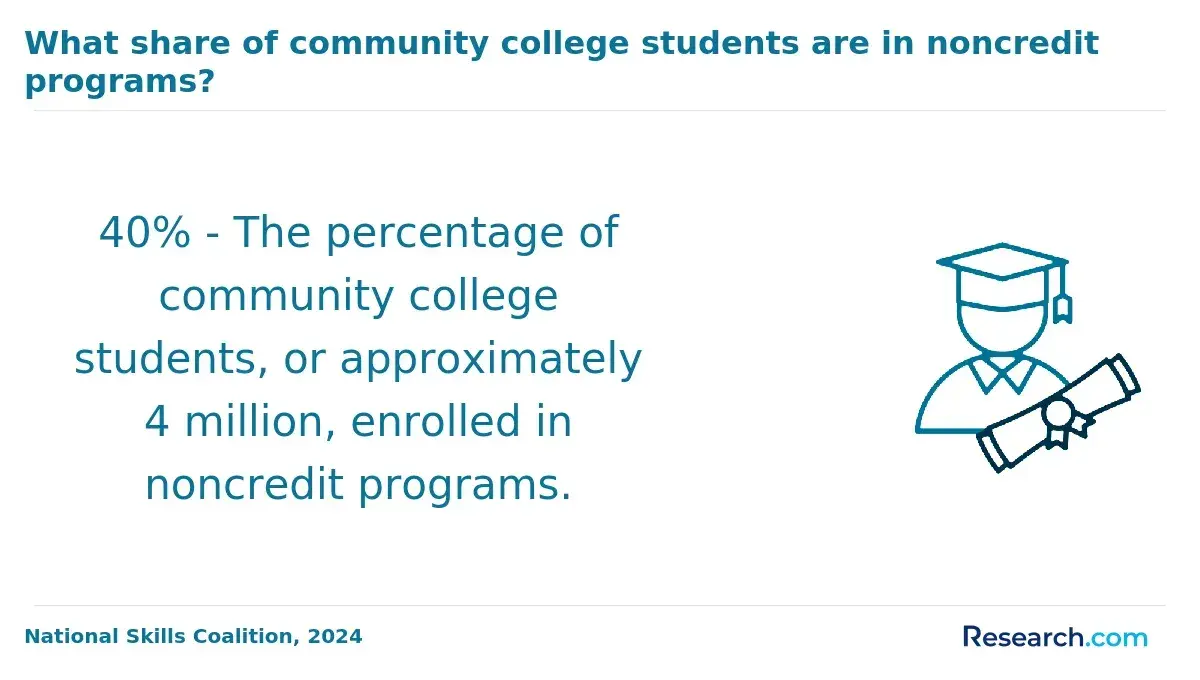
Online medical billing and coding programs are usually built around flexible coursework in medical terminology, diagnostic and procedural coding, health records, insurance claims, reimbursement, compliance, and healthcare privacy. For veterans, the strongest programs combine flexibility with structure: clear deadlines, responsive advising, certification preparation, and knowledgeable VA benefits support.
- Course delivery: Many programs use asynchronous classes, allowing students to watch lectures, complete readings, and submit assignments on a weekly schedule rather than attending at a fixed time. This is useful for veterans balancing employment, caregiving, appointments, or relocation.
- Pacing options: Some programs are self-paced, while others use cohort calendars with set start and end dates. Self-paced formats offer flexibility but require strong time management. Cohort formats provide more structure and peer accountability.
- Academic support: Tutoring, writing support, technology help, and veteran-specific advising can make a significant difference, especially for students returning to school after years away from formal education.
- GI Bill utilization: Eligible programs may allow veterans to use GI Bill benefits for tuition, mandatory fees, books, supplies, and, when applicable, housing allowance. Students should confirm approval through the VA and the school before assuming coverage.
- Veteran-specific resources: Strong online programs often provide veterans centers, benefits counselors, career coaching, peer networks, and staff who understand military transcripts and transition challenges.
A veteran enrolled in an online medical billing and coding degree described the transition this way: “I appreciated being able to log in whenever it fit my schedule.” The flexibility helped him balance coursework with family responsibilities and occasional service obligations, while still keeping steady academic progress.
He also emphasized the value of veteran-focused advisors. They helped him understand financial aid, GI Bill timing, documentation requirements, and how to avoid enrolling in courses that did not apply to his credential. His experience highlights an important point: online learning can work well for veterans, but only when the program provides clear communication and practical support.
15
Yes, many online medical billing and coding programs available to veterans are accredited, but accreditation must be verified carefully. Accreditation affects financial aid, VA benefit eligibility, credit transfer, employer confidence, and preparation for certification exams. A low-cost program that lacks appropriate recognition can create problems later, even if it appears convenient at enrollment.
Veterans should distinguish between institutional accreditation and program-level recognition. Institutional accreditation means the college or school has been reviewed by a recognized accrediting agency. This is often essential for federal financial aid and VA education benefits. Program-level recognition may involve alignment with healthcare coding standards, certification preparation, or accreditation connected to health information education.
- Institutional accreditation: This is the first item to verify. Veterans using GI Bill benefits must attend programs institutionally accredited by recognized regional or national agencies to qualify for funding.
- Programmatic relevance: Programs may align their curriculum with certification expectations from organizations such as AAPC or with health information education standards associated with CAHIIM. Veterans should ask which certification exams the program prepares students to take.
- Employer recognition: Institutional and program credibility can influence hiring decisions, especially for hospitals, insurers, government agencies, and large healthcare systems.
- Transfer and advancement: Credits from non-accredited or weakly recognized programs may not transfer into an associate or bachelor’s degree later, limiting long-term career mobility.
The VA reports that over 90% of healthcare employers prefer graduates from accredited medical billing & coding programs, which underscores why accreditation should be checked before cost, speed, or convenience. Veterans should ask the school for its accreditor name, VA approval status, certification exam outcomes when available, and whether graduates have been hired into billing, coding, or health information roles.
Online medical billing and coding programs for veterans can vary widely in price depending on credential type, school, credit requirements, fees, books, certification exam preparation, and whether GI Bill benefits cover the full cost. On average, tuition rates typically range between $150 and $400 per credit, and most programs cost between $3,000 and $7,000 in total.
The advertised tuition is only part of the decision. Veterans should calculate the full cost of attendance and compare it with available benefits before enrolling.
- Tuition per credit: Average tuition for online medical billing and coding programs falls between $150 and $400 per credit. A short certificate may cost less overall than a degree, but it may also offer fewer transferable credits.
- Total program cost: Most programs cost between $3,000 and $7,000 in total. Veterans should ask whether this estimate includes all required courses, books, coding manuals, software, exam fees, and graduation fees.
- Mandatory fees: Technology, registration, assessment, transcript, and course-material fees can add several hundred dollars. These charges may or may not be covered fully by benefits.
- Housing allowance limitations: Online-only enrollment can affect the Monthly Housing Allowance. Many online learners do not qualify for the same housing support as students attending in person, and online students commonly receive reduced housing benefits.
- Out-of-pocket expenses: Even after applying military education benefits, veterans may face 15-20% of tuition costs in uncovered fees or charges exceeding GI Bill caps. Students should request a school-issued benefits estimate before committing.
A practical cost comparison should include the credential earned, program length, accreditation, certification preparation, transfer-credit policy, and job placement support. Veterans comparing healthcare training across fields may also review resources such as the easiest nursing schools to get into when deciding whether billing and coding is the right first step or part of a longer healthcare education plan.
GI Bill benefits can often be used for online medical billing and coding programs, but only when the student is eligible and the program is approved for VA education benefits. Since over 1.5 million veterans have accessed education benefits under the GI Bill since 2009, students should understand the rules before selecting a program.
The most important step is verification. A program listed on a school website as “online” or “career-focused” is not automatically approved for VA funding. Veterans should confirm approval through the VA and the school’s veterans certifying official.
- Post-9/11 GI Bill coverage: This benefit typically covers up to 100% of in-state tuition and fees at approved public institutions. Private or out-of-state schools may have different caps, so veterans should confirm the amount before enrolling.
- Tuition and fees: The GI Bill can pay approved tuition and mandatory fees directly to the school. This can reduce upfront cost, but timing matters because payments may not arrive immediately at the start of a term.
- Housing allowance: Online students usually receive a reduced Monthly Housing Allowance (MHA), generally half the national average, because benefit calculations differ for distance education and in-person attendance.
- Book and supply stipend: Eligible veterans can receive up to $1,000 annually for textbooks, coding manuals, software access, and other required supplies.
- Eligibility considerations: Service duration, discharge status, remaining entitlement, enrollment rate, and program approval all affect benefit use. Some certificate programs may not qualify, so checking with the VA before enrolling is critical.
One veteran who used GI Bill benefits for an online medical billing and coding degree described the process as confusing at first: “It was confusing figuring out which parts of the benefits applied to my program since I completed it completely online.” Her experience reflects a common challenge for distance learners: tuition, books, and housing support may each follow different rules.
Once her paperwork was complete, the benefits changed her ability to focus. “Knowing I didn't have to worry about tuition upfront allowed me to focus more on learning and less on finances,” she said. Veterans can improve their experience by applying early, saving copies of all VA and school communications, and confirming each term that the correct enrollment status has been certified.
Breakdown of All 2-Year Online Title IV Institutions

Strong online medical billing and coding programs do more than provide recorded lectures. For veterans, support services can affect persistence, benefit use, career preparation, and the transition from military systems to civilian healthcare workplaces. Access to these services correlates with a retention rate nearly 20% higher for veterans engaged in them compared to those who are not.
Veterans should ask about support before enrolling, not after problems arise. The best question is specific: “Who will help me with GI Bill certification, transfer credit, academic planning, and job placement?”
- Academic advising: Advisors familiar with military backgrounds can help veterans choose the correct course sequence, avoid unnecessary classes, and align the program with certification or degree goals.
- Benefits counseling: Veterans certifying officials or benefits counselors help students understand GI Bill payments, tuition billing, enrollment status, housing allowance, and documentation deadlines.
- Mental health resources: Counseling, stress-management support, and referrals can be important for veterans managing PTSD, anxiety, depression, disability accommodations, or the general strain of returning to school.
- Career services: Resume reviews, interview preparation, job boards, employer connections, and guidance on translating military experience can help veterans compete for billing, coding, and health information roles.
- Peer support: Veteran groups, online communities, mentoring, and student networks can reduce isolation and provide accountability during remote study.
Veterans should also look for disability services, tutoring in medical terminology and coding systems, technology support outside normal business hours, and clear procedures for leaves of absence or schedule changes. These details matter for students balancing school with medical appointments, family responsibilities, or employment.
The time required to complete an online medical billing and coding program as a veteran depends on the credential, course load, transfer credit, term structure, and whether the student studies full time or part time. The typical duration ranges from several months to two years.
Veterans should connect completion time with GI Bill planning. A faster program may use fewer months of entitlement, but an overly compressed schedule can be difficult for students who are working, caregiving, managing health needs, or adjusting to civilian academic routines.
- Enrollment status: Full-time students typically complete their programs in less than two years. Part-time learners may take longer, but the lighter course load can be more sustainable and may reduce the risk of withdrawal.
- Credit transfers: Military training, prior college coursework, or healthcare experience may reduce the number of required credits. Veterans should request an official evaluation before finalizing an academic plan.
- Program flexibility: Flexible scheduling can help veterans keep moving even when work, family, or service-related obligations change. However, flexibility should still include clear deadlines and instructor access.
- Accelerated paths: Some programs offer expedited tracks designed for students who want to finish quickly. These can reduce the overall length to several months, but they may require a heavier weekly workload.
- Program length variations: Certificate and diploma programs may be shorter, while associate degree pathways can take longer and may include general education courses. The right choice depends on whether the veteran wants fast entry, transferable credit, or long-term advancement.
Veterans should compare calendars, start dates, course intensity, and benefit impact before enrolling. Those considering broader healthcare education options may also examine online nursing programs if they want a clinical pathway rather than an administrative or revenue-cycle role.
The best timeline is not always the shortest one. A realistic plan should allow the veteran to complete coursework consistently, maintain benefit eligibility, prepare for certification, and enter the job market without unnecessary debt or burnout.
An online medical billing and coding degree or certificate can prepare veterans for administrative healthcare roles focused on patient records, insurance claims, coding accuracy, reimbursement, and compliance. Employment for medical records and health information technicians is projected to grow 9% through 2032, making this a practical field for veterans seeking civilian work in healthcare without direct patient-care duties.
Common job options include:
- Medical billing specialist: Billing specialists prepare, submit, and follow up on insurance claims. Veterans’ attention to detail, documentation habits, and ability to follow procedures can support accurate claim processing.
- Coding technician: Coding technicians translate diagnoses, services, and procedures into standardized codes used for reimbursement, reporting, and compliance. This work requires accuracy, concentration, and familiarity with changing rules.
- Health information technician: These professionals organize and maintain patient data in hospitals, outpatient centers, physician practices, and other healthcare settings. Veterans with experience handling confidential information may adapt well to this environment.
- Medical records analyst: Medical records analysts review records for completeness, accuracy, and compliance. The role may involve quality checks, audits, reporting, and coordination with billing or clinical staff.
Veterans may find opportunities in hospitals, insurance companies, outpatient clinics, physician groups, billing companies, government agencies, and remote healthcare administration teams. Military strengths such as discipline, confidentiality, compliance awareness, and process improvement can be valuable, but employers may still expect coding knowledge, software familiarity, and relevant certification preparation.
Veterans planning a longer healthcare career may use billing and coding as an entry point and later pursue additional education. For example, some students compare administrative pathways with advanced clinical education options such as the cheapest BSN to DNP programs when mapping long-term goals.
Salary potential is an important part of deciding whether to use GI Bill benefits for an online medical billing and coding program. In 2023, the median annual salary for medical records and health information specialists was around $47,000, with experienced professionals earning beyond $72,000.
Veterans should treat these figures as labor-market reference points, not guarantees. Actual pay depends on employer type, location, credentials, experience, productivity expectations, and whether the role is entry-level, specialized, remote, or supervisory.
- Industry sector: Hospitals, physician practices, insurance companies, government agencies, and outsourced billing firms may offer different pay structures and advancement paths.
- Job role: Medical coder, billing specialist, health information technician, records analyst, and reimbursement-focused roles can carry different salary ranges based on complexity and responsibility.
- Geographic location: Wages often reflect local demand and cost of living. Remote roles may broaden the job search, but they can also be competitive and may require experience.
- Experience level: Entry-level graduates may start below the median, while experienced professionals with strong coding accuracy, certification, or specialty knowledge may earn more.
- Military skills: Attention to detail, discipline, medical terminology exposure, security awareness, and experience following regulated procedures can strengthen a veteran’s candidacy and support career progression.
To evaluate return on investment, veterans should compare expected starting pay with total program cost, remaining GI Bill entitlement, certification exam expenses, and the likelihood of local or remote employment. A program with strong career services and employer recognition may be more valuable than a cheaper option with limited support.
What Graduates Say About Their Online Medical Billing & Coding Degree for Veterans
- : "Pursuing an online medical billing & coding degree after my military service was a strategic move to ease my transition into civilian life. The flexibility of the program allowed me to study while managing family commitments, making the average cost of attendance worthwhile. Now, I'm thriving in a meaningful career with confidence and purpose. —Malia"
- : "After years in the service, choosing an online medical billing & coding degree felt like a practical choice to adjust to civilian routines. The supportive structure of the course and its affordability made it manageable while rebuilding a new professional identity. Completing the program opened doors for me in healthcare administration that I hadn't imagined before. —Paul"
- : "The disciplined approach I developed in the military proved invaluable when I enrolled in an online medical billing & coding degree program. Knowing the average costs upfront helped me plan effectively for my education. This program has not only enhanced my resume but also provided me with the credentials to advance steadily in my healthcare career. —Lucas"
Other Things You Should Know About Medical Billing & Coding Degrees
Veterans enrolling in online medical billing & coding programs in 2027 can use the Post-9/11 GI Bill or Montgomery GI Bill benefits. These benefits may cover tuition, provide a housing allowance, and offer a stipend for books and supplies, depending on the veteran’s service history and eligibility.
No. Under the Post-9/11 GI Bill, fully online students receive a monthly housing allowance equal to half the national average for an enrolled E-5 with dependents. Veterans must be enrolled at least half time, and the school must certify the program to the VA.
- Online Medical Billing & Coding School | Penn Foster https://www.pennfoster.edu/programs/healthcare/medical-billing-and-coding-career-diploma
- Medical Billing & Coding https://www.columbiasouthern.edu/military/military-spouses/mycaa-scholarship/mycaa-programs/medical-billing-coding/
- Professional Certificate in Medical Coding | National University https://www.nu.edu/degrees/certificate-programs/programs/online-medical-coding-program/
- GI Bill Eligible Coding Bootcamps - Veteran.com https://veteran.com/va-approved-gi-bill-bootcamps/
- Military-Affiliated Students | U.S. Department of Veterans Affairs https://imbc.edu/admissions/military/
- #1 Online Medical Billing and Coding Program | BCI https://blackstone.edu/online-medical-billing-and-coding-program/
- HIM-215 - Coding & Classification Systems Course https://www.snhu.edu/online-degrees/classes/coding-and-classification-systems
- Medical Billing and Coding https://www.utc.edu/academic-affairs/center-for-professional-education/professional-development/medical-career-academies/medical-billing-coding
- Medical Coding & Billing Tuition & Financing - Online Career Program https://www.uscareerinstitute.edu/online-medical-coding-and-billing-school/tuition-financing
- Military Benefits At MedCerts https://medcerts.com/tuition/gi-bill-benefits