
2027 Medical Billing & Coding Degree vs. Certificate: Which Should You Choose?

Co-Founder and Chief Data Scientist
Choosing between a medical billing and coding degree and a certificate is mostly a question of speed, cost, and long-term flexibility. A certificate can help you build job-ready coding and billing skills quickly, while a degree usually takes longer because it includes broader healthcare, technology, and general education coursework.
This decision matters because medical billing and coding sits at the center of healthcare reimbursement, documentation, insurance claims, and compliance. The field is expected to grow by 8% over the next decade, but employers may weigh education, certification, experience, and program quality differently depending on the role.
This guide compares degree and certificate programs by completion time, online availability, admissions, credits, tuition, transfer options, accreditation, jobs, and starting salary. Use it to decide whether you need the fastest route into entry-level work or a broader credential that may support advancement later.
Key Points About Medical Billing & Coding Degree vs. Certificate Programs
- A degree program offers broader medical knowledge and longer study time, enhancing career flexibility and potential for higher salaries compared to certificate holders.
- Certificate programs are shorter and more affordable, ideal for fast entry into the job market with focused skill development in billing and coding.
- Degree graduates often qualify for advanced positions and management roles, while certificate holders may need further education for significant professional growth.
What Are the Differences Between Medical Billing & Coding Degree and Certificate Programs?
The main difference is scope. A medical billing and coding certificate is usually a focused workforce program designed to teach coding systems, billing procedures, claims processing, medical terminology, and exam preparation. A degree covers many of those same skills but adds a broader academic foundation, often including anatomy, healthcare law, health information systems, communication, and general education.
Neither option is automatically “better.” The stronger choice depends on whether you need to start working quickly, keep costs low, qualify for a wider range of roles, or build toward future education.
| Factor | Certificate Program | Degree Program |
| Primary purpose | Fast, job-focused preparation for entry-level billing and coding roles | Broader preparation for healthcare administration, health information, and advancement-oriented roles |
| Depth of training | Concentrates on core billing, coding, terminology, reimbursement, and certification exam topics | Includes coding and billing plus broader healthcare, technology, compliance, and general education coursework |
| Time commitment | Usually shorter and easier to fit around work or family obligations | Longer because the curriculum includes additional academic requirements |
| Cost profile | Often lower overall tuition because there are fewer courses | Usually higher total cost, especially at private institutions or universities |
| Best fit | Career changers, working adults, and students who want a faster route to entry-level work | Students who want a fuller academic credential, possible transfer options, or more room for advancement |
A certificate may be enough if your immediate goal is to become a medical billing specialist, coding specialist, claims processor, or medical records technician. A degree may be more useful if you want to move later into auditing, supervision, compliance, office management, or health information roles.
One common mistake is choosing based only on program length. A short program can be a good investment if it prepares you for recognized certification exams and has employer credibility. A longer program can be worthwhile if it is accredited, affordable, and aligned with your career goals. Before enrolling, compare curriculum, certification preparation, tuition, transfer policy, and student support—not just the credential name.
How Long Does It Take to Complete a Medical Billing & Coding Degree vs. a Certificate Program?
A certificate is usually the faster option. Most certificate or diploma programs take about 8 to 12 months full-time, and some accelerated options can be completed in under 8 months. A medical billing and coding degree usually takes 18 months to 2 years because it includes general education and broader healthcare coursework.
- Certificate timeline: Certificates are built for quicker workforce entry. They usually focus on medical terminology, coding systems, billing procedures, reimbursement, records, and exam preparation rather than general education.
- Degree timeline: Degree programs take longer because students complete both career-specific courses and additional academic requirements. This can make the program more comprehensive but less immediate.
- Part-time study: Both options may be available part-time. However, part-time enrollment can extend a degree program to up to three years or more.
- Accelerated formats: Some certificate programs allow students to move quickly through online modules. Degree programs may offer accelerated terms, but the total credit load still tends to be higher.
- Transfer credits: Prior college coursework can sometimes shorten a degree timeline. Certificate programs are often more standardized and may offer fewer opportunities to apply transfer credit.
If your priority is to qualify for entry-level work as soon as possible, a certificate is usually the more practical route. If you want broader healthcare training and can commit more time, a degree may offer more long-term flexibility. Students comparing faster academic formats beyond this field can also review accelerated bachelor’s programs to understand how compressed degree timelines typically work.
Can You Complete a Medical Billing & Coding Degree or Certificate Entirely Online?
Yes. Many medical billing and coding certificates and some degree programs can be completed entirely online. This field is well suited to online learning because much of the work involves documentation, coding systems, insurance rules, electronic records, and claims processes rather than direct patient care.
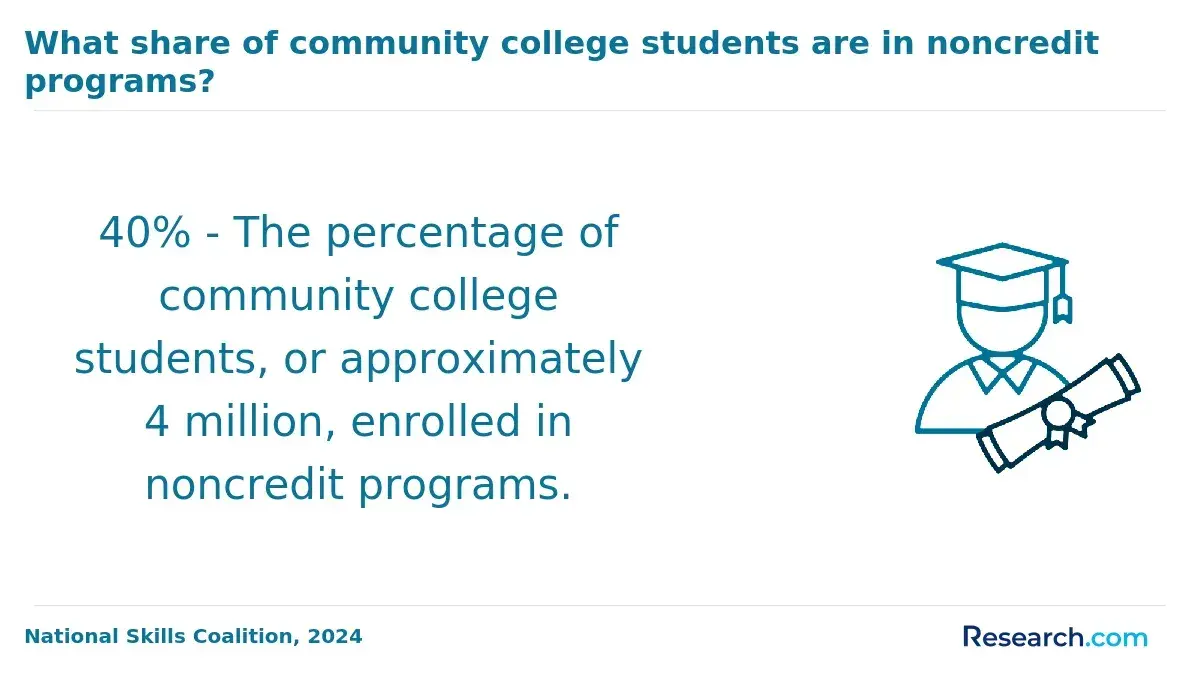
Certificate programs are especially common in fully online formats. Institutions such as National University and San Francisco State University offer 100% online certificate programs designed for flexibility, including options that allow students to start at different times and progress at their own pace.
Online degree programs are also available, including associate degrees. However, degree programs may be more likely to include hybrid expectations, campus-based general education requirements, proctored exams, or structured schedules. Always confirm the delivery format before enrolling rather than assuming “online” means no campus visits.
What to Check Before Choosing an Online Program
- Format: Confirm whether the program is fully online, hybrid, self-paced, or cohort-based.
- Externship options: Some programs include or offer optional externships. For example, the San Francisco State University certificate program offers optional externships that can help students apply classroom knowledge in workplace settings.
- Certification preparation: Look for alignment with national credentials such as CBCS, CPC, or CCS-P. These certification exams focus mainly on knowledge and exam performance and do not require in-person clinical hours.
- Student support: Online students should ask about tutoring, instructor access, coding practice tools, career services, and exam-prep resources.
- Technology requirements: Make sure you understand software, browser, proctoring, and textbook requirements before paying tuition.
A fully online certificate is often best for students who need maximum flexibility. A hybrid or more structured degree may be better for students who want stronger academic support, a broader credential, or more interaction with faculty and peers.
Breakdown of Public Fully Online Title IV Institutions

What Are the Admission Requirements for a Medical Billing & Coding Degree vs. a Certificate Program?
Admission requirements are usually more extensive for degree programs than for certificate programs. Both commonly require a high school diploma or GED, but degrees may ask for transcripts, placement testing, prerequisite coursework, or minimum academic standards. Certificates tend to have fewer barriers because they are designed for faster workforce training.
Admission Requirements for Medical Billing & Coding Degree Programs
- Educational background: A high school diploma or GED is typically required for associate degree admission.
- Prerequisite courses: Some programs expect or recommend introductory coursework in biology, anatomy, computer literacy, or related subjects before students begin core coding classes.
- Minimum GPA: Some schools require a minimum cumulative GPA, often around 2.0 or higher.
- Application materials: Applicants may need to submit a formal application, transcripts, standardized test scores, and, in some cases, a personal statement or interview.
- Background check: Programs with externships or clinical-site experiences may require a criminal background check or fingerprint clearance.
- Age requirement: Students are generally required to be at least 18 years old.
Admission Requirements for Medical Billing & Coding Certificate Programs
- Educational background: Most certificate programs require a high school diploma or GED.
- Age requirement: Applicants usually must be at least 18 years old.
- Orientation or readiness step: Some schools require an orientation, skills review, or readiness assessment before enrollment.
- Background check: Certificate programs with externships may require background clearance, particularly when students may access patient information.
- Fewer prerequisites: Certificate programs usually have fewer academic prerequisites than degree programs, which can make them more accessible to adult learners and career changers.
Before applying, ask whether the program has selective admission, required placement tests, minimum grades, or separate requirements for externships. Also confirm whether admission to the school automatically means admission to the billing and coding program; at some institutions, those are separate steps.
If you plan to continue your education later, choose a program with clear advising and documented transfer policies. Students thinking about future graduate-level healthcare or administration pathways can compare broader online options such as fast online master’s programs after completing the appropriate undergraduate preparation.
How Many Credits Do You Need to Complete a Medical Billing & Coding Degree vs. a Certificate?
Credit requirements vary by school, but degree programs usually require substantially more coursework than certificate programs. This is one reason degrees take longer and cost more overall.
- Degree program: A medical billing and coding degree usually requires around 60 credit hours. These credits typically combine coding, billing, anatomy, healthcare systems, technology, compliance, and general education courses.
- Certificate program: A for-credit certificate typically requires about 31 to 35 credit hours, with most coursework concentrated in billing, coding, medical terminology, insurance, and documentation.
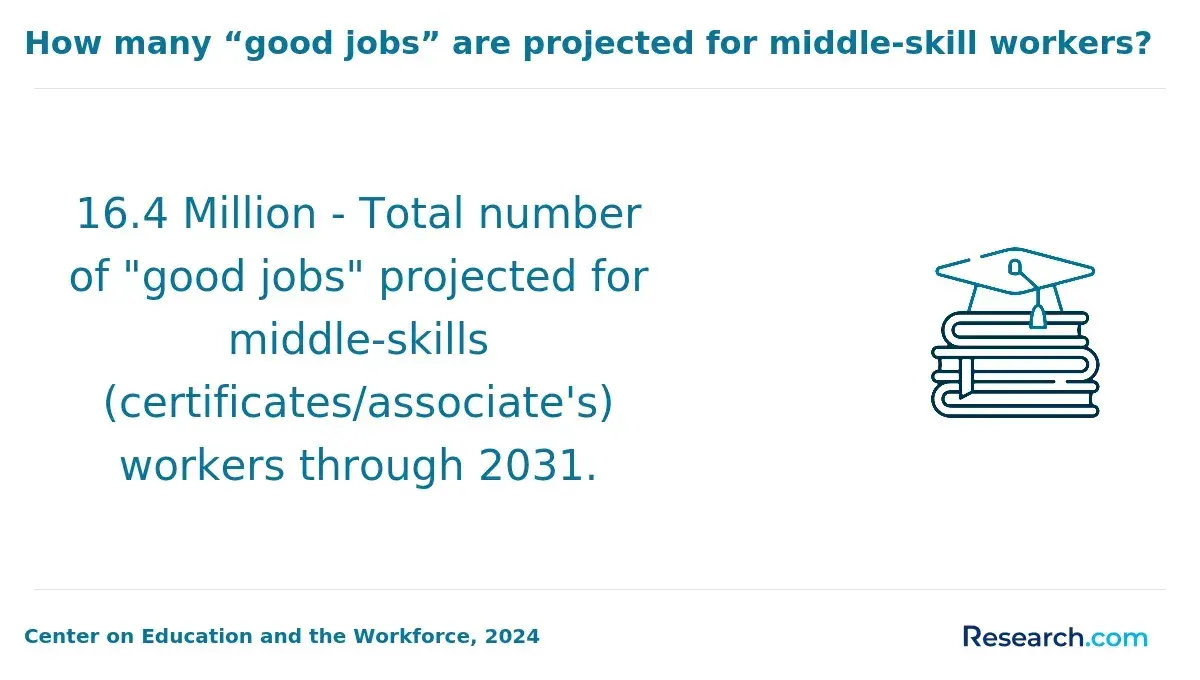
- Non-credit certificate course: Some career-training certificates are measured in contact hours instead of academic credits. For example, some programs require approximately 197.5 contact hours across several focused courses.
The difference between credits and contact hours matters. Academic credits are more likely to appear on a college transcript and may be easier to evaluate for transfer. Contact-hour programs can still provide useful training, but they may not carry college credit unless the school specifically states that they do.
When comparing programs, do not rely only on the total number of credits. Review the course list. A 31-credit certificate that prepares students for a recognized certification exam may be stronger for immediate employment than a longer program with weak coding practice. A 60-credit degree may be worth the additional time if it includes relevant health information, compliance, and management coursework that supports advancement.
What Is the Average Tuition for a Medical Billing & Coding Degree vs. a Certificate?
Certificate programs generally cost less than degree programs because they are shorter and require fewer courses. However, tuition varies widely by school type, delivery format, residency status, fees, and whether certification exam preparation is included.
Average Tuition for Medical Billing & Coding Degree Programs
- Tuition range: Associate degree programs generally cost between $6,000 and $15,000 at community colleges. Private institutions or universities can charge from $10,000 up to $40,000, depending on location and school type.
- Program length: Degree programs usually require 1.5 to 2 years, which increases total tuition compared with shorter certificate options.
- Institution type: Public colleges are typically less expensive for in-state students. Private schools and out-of-state tuition can be significantly higher.
- Additional costs: Students may also pay for textbooks, technology fees, lab materials, exam prep resources, supplies, and, for campus programs, transportation or housing.
- Value consideration: A degree may cost more, but it can provide broader training that supports transfer, advancement, or related healthcare administration roles.
Average Tuition for Medical Billing & Coding Certificate Programs
- Tuition range: Certificate programs usually cost between $1,000 and $4,000 at community colleges and online schools. Some programs range from $3,000 to $7,000 depending on format and provider.
- Program length: Most certificates are completed in 4 to 12 months, making them a faster and often more affordable option for entry-level preparation.
- Delivery format: Online certificate programs are often less expensive than campus-based options, and some reputable programs offer tuition as low as $1,869 if paid in full.
- Institution type: Public colleges and online-only providers often have lower tuition, while private schools may charge more.
- Focused curriculum: Certificate programs typically concentrate on job-specific billing and coding skills and preparation for certification exams.
When calculating total cost, include more than tuition. Ask whether the program price covers textbooks, coding manuals, software access, background checks, certification exam vouchers, externship fees, and graduation fees. Students comparing certificate options should also review medical coding certification cost so they understand how training expenses and credentialing expenses may differ.
Financial aid eligibility also varies. Degree programs at accredited colleges may have more access to federal student aid, while short-term certificate programs may or may not qualify. If affordability is your main concern, compare accredited options carefully and review affordable online colleges that accept FAFSA before committing to a program.
Can You Transfer Certificate Credits Toward a Medical Billing & Coding Degree Later On?
Yes, certificate credits can sometimes transfer toward a medical billing and coding degree, but transfer is never guaranteed. The outcome depends on the institution, accreditation, course level, grades earned, curriculum match, and whether the certificate was offered for academic credit.
Transfer is most likely when the certificate and degree are offered by the same college or when two schools have a formal articulation agreement. Credits from regionally accredited institutions are often easier to evaluate, especially when courses match degree requirements such as medical terminology, anatomy, billing, coding, or health information systems.
Questions to Ask Before Enrolling in a Certificate
- Is the certificate for credit or non-credit? Non-credit training may not transfer into a degree.
- Is the school accredited? Accreditation can affect transfer options, financial aid, and employer recognition.
- What grade is required? Many colleges require a grade of “C” or above for transfer credit.
- How many credits can transfer? Schools often limit the number of outside credits they will accept.
- Will credits apply to the major or only as electives? Credits that transfer as electives may not shorten the degree as much as expected.
- Is the policy in writing? Verbal assurances are not enough. Ask for a transfer evaluation or documented pathway.
If you already know you may pursue a degree later, choose a certificate housed within an accredited college and speak with an academic advisor before enrolling. This can prevent the common problem of completing a low-cost certificate only to learn later that none of the coursework applies to a degree.
Are Certificate Programs Accredited the Same Way as Medical Billing & Coding Degrees?
Not always. Medical billing and coding certificates and degrees are commonly tied to institutional accreditation, but they may not have the same accreditation profile or academic standing. Degree programs are often offered by colleges or universities with regional accreditation, while certificate programs may be offered by community colleges, universities, career schools, or online training providers with varying forms of institutional approval.
Recognized regional or national agencies may accredit the institution, including agencies such as the Middle States Association, SACS, or WASC. Regional accreditation is generally regarded as the top standard in the U.S. for colleges and universities. However, medical billing and coding does not yet have a dedicated programmatic accreditor in the same way some healthcare fields do.
Related fields may have additional quality markers. For example, health information management programs may be accredited by organizations such as CAHIIM. Professional organizations such as AHIMA or AAPC may also approve, recommend, or align curricula with industry certification expectations, including preparation for credentials such as the Certified Professional Coder (CPC) or Certified Coding Specialist (CCS).
How to Evaluate Accreditation and Credibility
- Verify institutional accreditation: Confirm the school’s accreditation status through the accrediting agency, not only the school’s website.
- Check certification alignment: Make sure the curriculum prepares students for recognized exams relevant to your career goals.
- Ask employers what they recognize: Local hospitals, clinics, insurers, and physician offices may have preferences for certain credentials or schools.
- Review transfer policies: Accreditation affects whether credits may transfer into a degree later.
- Confirm financial aid eligibility: Federal financial aid eligibility depends on institutional and program factors.
Accreditation is not just a technical detail. It can influence educational quality, financial aid, credit transfer, and employer confidence. Before enrolling, verify both the school’s accreditation and the program’s connection to recognized billing and coding certification pathways.
What Jobs Can You Get with a Medical Billing & Coding Degree vs. a Certificate?
Both credentials can lead to healthcare revenue cycle and health information roles. The difference is usually not that certificate graduates can only do one type of job and degree graduates can only do another. Instead, degree graduates may be more competitive for roles that require broader administrative knowledge, supervisory responsibility, compliance work, or advancement potential.
Jobs You Can Get with a Medical Billing & Coding Degree
- Coding compliance auditor: Reviews medical records, claims, and codes for accuracy, documentation quality, and compliance with payer or regulatory requirements.
- Health information technician: Organizes, protects, and maintains patient health data in hospitals, clinics, and other healthcare settings.
- Medical office manager: Oversees administrative operations, billing workflows, staff coordination, scheduling, and revenue cycle processes in healthcare offices.
- Coding supervisor or team lead: Supports coding teams, reviews quality, trains staff, and helps maintain consistency in coding practices.
Jobs You Can Get with a Medical Billing & Coding Certificate
- Medical billing specialist: Prepares, submits, and follows up on insurance claims; resolves billing questions; and supports reimbursement processes.
- Medical coding specialist: Converts diagnoses, procedures, and services into standardized codes used for billing, records, and reporting.
- Medical records technician: Maintains patient records, supports documentation accuracy, and helps ensure confidentiality and compliance.
- Medical claims processor: Reviews claims for accuracy, verifies information, and processes reimbursements for insurers or healthcare providers.
For entry-level work, employers may focus heavily on coding accuracy, familiarity with coding systems, certification readiness, and practical experience. For advancement, employers may also consider leadership ability, compliance knowledge, electronic health record experience, and a broader understanding of healthcare operations.
If you are choosing a program for a specific job, review actual job postings in your area before enrolling. Note whether employers ask for a certificate, associate degree, national certification, experience, or a combination of these. That research can prevent overpaying for a credential that does not match your target role.
What Is the Average Starting Salary for a Certificate vs. Medical Billing & Coding Degree Graduates?
Starting salary can differ by credential, but education is only one factor. Certification, experience, location, employer type, coding specialty, and accuracy all affect pay. A degree may improve competitiveness for some roles, but it does not guarantee a specific salary.
- Certificate graduate starting range: The average starting salary for medical billing and coding certificate holders typically ranges from $30,000 to $40,000 per year. Entry-level professionals without prior healthcare experience or additional certifications may start toward the lower end.
- Degree graduate starting range: Graduates with an associate degree in medical billing and coding or a related field often see starting salaries closer to $37,000-$45,000 annually, with some reaching nearly $48,000 when combined with recognized certifications.
- Certification impact: Credentials such as CPC or CBCS can affect hiring and pay, especially when paired with strong coding skills and relevant experience.
- Location and employer type: Pay can be higher in states like California and New York and may differ between large hospitals, smaller clinics, insurers, and billing companies.
- Advancement potential: Degree holders may have an advantage when pursuing supervisory, auditing, compliance, or health information roles, especially after gaining experience.
For many students, the better question is not simply “Which credential pays more?” but “How long will it take me to recover the cost of the program, and will this credential qualify me for the roles I want?” A lower-cost certificate may produce a faster return if it leads quickly to entry-level work. A degree may offer stronger long-term value if it supports advancement and transfer opportunities.
Working adults who need to balance tuition, schedule, and income can compare affordable online schools for working students when evaluating program costs against expected early-career earnings.
Here's What Graduates of Medical Billing & Coding Programs Say About Their Degree or Certificate
- : "“Pursuing the medical billing and coding certificate program was a smart choice for me because it was affordable and helped me learn essential skills quickly. The program focused on practical applications, which helped me look for work sooner, although the pace was intensive. When deciding between a certificate and a degree, consider your budget and how quickly you want to start working.” — Louis"
- : "“Choosing the medical billing and coding degree program made sense because I wanted a comprehensive education and long-term career growth. The longer format gave me more time to study anatomy, healthcare laws, and coding complexity, but it required a larger financial investment. I recommend weighing how much time and money you can commit against the depth of training you want.” — Zain"
- : "“After completing both a certificate and a degree in medical billing and coding, I saw the value of each path. The certificate gave me quick, targeted skills for entering the workforce, while the degree expanded my knowledge and helped me pursue higher-paying roles. The right choice depends on your timeline, budget, and career goals.” — Myles"
Other Things You Should Know About Medical Billing & Coding Degrees
Yes. Many community colleges and technical schools offer medical billing and coding certificates as postsecondary awards, usually separate from associate degrees. These programs often require a high school diploma or GED for admission and may include about 20 to 40 credit hours, depending on the school.
In 2027, a medical billing and coding degree typically requires around 60 credit hours, while a certificate program usually requires about 18-30 credit hours. This difference reflects the more comprehensive curriculum needed for the degree compared to the certificate.
References
- Should I Get a Medical Billing and Coding Diploma or Degree? - Gwinnett Colleges and Institute https://www.gwinnettcollege.edu/should-i-get-a-medical-billing-and-coding-diploma-or-degree/
- Medical Billing & Coding Certifications: What You Need to Know https://www.chcp.edu/blog/medical-billing-and-coding-certificate-what-you-need-to-know/
- Medical Coding Salary - Medical Billing And Coding Salary 2025 - AAPC https://www.aapc.com/resources/medical-coding-salary-survey
- Medical Billing And Coding Salary Guide | NurseJournal.org https://nursejournal.org/healthcare/medical-billing-and-coding/salary/
- Top Medical Billing and Coding Programs by State https://nurse.org/healthcare/medical-billing-coding-programs-state/
- Do I Need a Course or Coding Certification? https://www.medicalbillingandcoding.org/qnas/course-or-certification/
- AHIMA Certification https://www.ahima.org/certification-careers/certifications-overview/


