
2027 How to Become an Urban Planner in Connecticut

Co-Founder and Chief Data Scientist
Connecticut’s infrastructure, housing, transportation, climate resilience, and redevelopment needs create real work for trained urban planners. The state received a cumulative grade of "C" in the 2025 Infrastructure Report Card for the "mediocre" conditions of its local infrastructure (American Society of Civil Engineers, 2025), including concerns tied to roads, bridges, drinking water systems, and other public assets. For students and career changers, that means urban planning is not just an academic field; it is a practical career path connected to how Connecticut communities grow, recover, and prepare for the future.
This guide explains how to become an urban planner in Connecticut, including the degrees employers usually expect, whether state licensure is required, how long the path can take, what planners earn, which specializations fit Connecticut’s needs, and how to build experience through internships, professional organizations, and interdisciplinary skills.
Quick Answer: How Do You Become an Urban Planner in Connecticut?
Most urban planners in Connecticut start with a bachelor’s degree in urban studies, geography, environmental science, public policy, or a related field, then pursue a master’s degree in urban or regional planning for stronger job prospects. Connecticut does not require a state urban planning license, but many employers value American Institute of Certified Planners (AICP) certification and relevant planning experience. A typical path takes 6 to 8 years when a bachelor’s degree, graduate study, internships, and certification preparation are included.
Key Things to Know About Becoming an Urban Planner in Connecticut
- Employment for urban and regional planners in the US was projected to increase by 4% through 2033.
- Urban and regional planners across the US had a median annual wage of $91,921 in 2025, which is equivalent to $44.19 per hour. Meanwhile, urban and regional planners in Connecticut had a median hourly wage of $49.26 during the same period.
- Connecticut planning work can involve transportation improvements, climate resilience, affordable housing, downtown revitalization, historic preservation, environmental review, and public engagement.
- The University of Connecticut, which is accredited by the New England Commission of Higher Education (NECHE), offers a Master of Urban and Regional Planning (MURP) program. NECHE-accredited Central Connecticut State University also offers an MURP program.
- Education requirements for Connecticut urban planners
- Urban planning specializations in Connecticut
- Licensing and certification requirements
- Timeline to become an urban planner
- Urban planner salary in Connecticut
- Career paths for urban planners
- Common urban planning responsibilities
- Scholarships and funding options
- Public health and urban planning
- Technology trends in planning practice
- Interdisciplinary study and planning careers
- Internships and practical experience
- Professional organizations for Connecticut planners
- Public-private partnerships in planning
- Economic analysis and accounting skills
- Business skills for planners
- Healthcare collaboration and inclusive design
- Financial management in planning projects
- Social services and community planning
- Legal and regulatory knowledge
- Cultural competence in Connecticut planning
What are the education requirements for urban planners in Connecticut?
Urban planning is a technical and public-facing profession. Connecticut planners may analyze land use, write zoning recommendations, evaluate infrastructure needs, prepare public reports, manage community meetings, and coordinate with engineers, architects, developers, elected officials, and residents. Because the work combines research, law, design, policy, and public communication, employers usually look for formal education plus applied experience.
| Education step | What it usually involves | Why it matters for Connecticut planning jobs |
| Bachelor’s degree | Common majors include geography, urban studies, environmental science, public policy, political science, economics, or related social science and design fields. | Builds the foundation for entry-level planning assistant roles, GIS work, policy research, and graduate school admission. |
| Relevant undergraduate preparation | Students should look for courses in land use, statistics, research methods, environmental policy, housing, transportation, public administration, and GIS. | Connecticut employers often need planners who can interpret data, understand local regulations, and communicate with communities. |
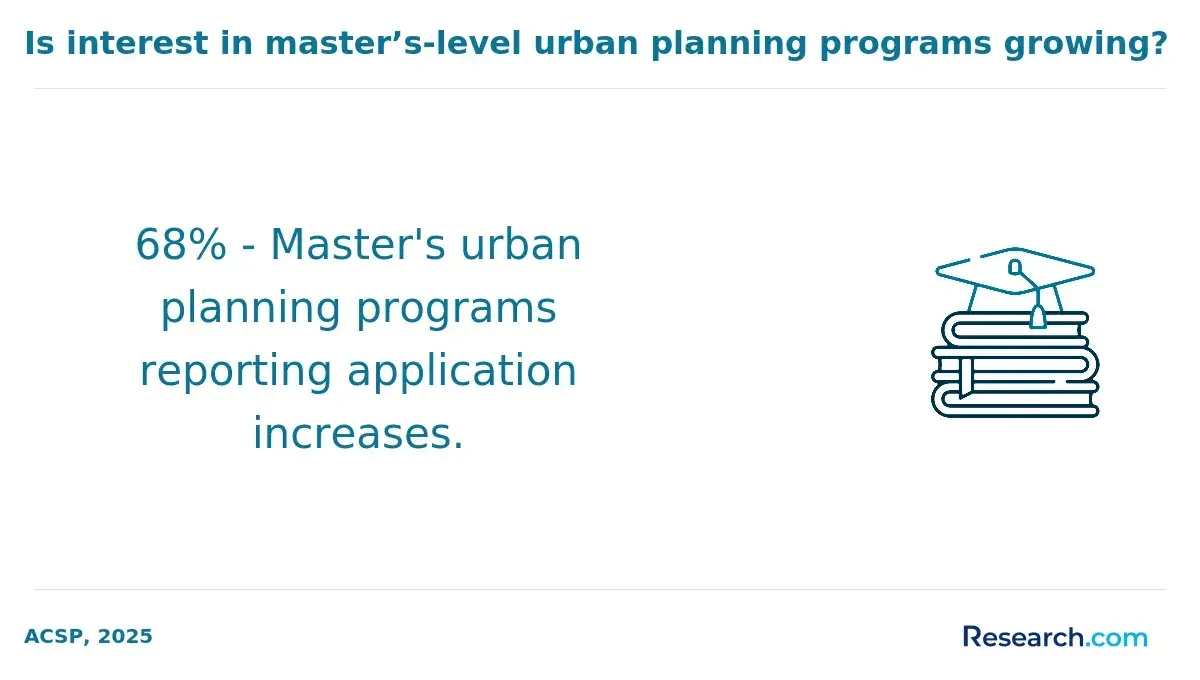
| Master’s degree | Many planners pursue a Master of Urban and Regional Planning (MURP) or a related graduate degree. | A graduate degree can strengthen eligibility for professional planning roles, advancement, and AICP certification pathways. |
| Field experience | Internships, studio projects, municipal planning work, nonprofit housing work, or research assistantships. | Planning is highly applied; employers want evidence that candidates can work with real plans, maps, ordinances, meetings, and stakeholder feedback. |
- Undergraduate degree: A bachelor’s degree is the usual starting point. Central Connecticut State University offers a Geography program that can support preparation for planning-related graduate study or entry-level planning work.
- Graduate education: Many Connecticut planners improve their qualifications with a master’s degree in urban planning, regional planning, or a closely connected field. The University of Connecticut and Central Connecticut State University provide a Master of Urban and Regional Planning (MURP). Trinity College also offers a Master of Arts (MA) in Urban Planning program.
- Core coursework: Strong programs usually include planning theory, urban research, public policy, data analysis, land use law, community engagement, environmental planning, transportation planning, and studio or practicum work.
- Practical experience: Internships with municipalities, councils of governments, state agencies, consulting firms, nonprofit housing groups, or environmental organizations can help students turn classroom knowledge into job-ready skills.
What urban planning specializations are available in Connecticut?
Connecticut’s mix of historic cities, shoreline communities, suburban towns, transportation corridors, and rural areas creates demand for multiple planning specialties. The best specialization depends on the problems you want to solve and the employers you want to work for.
| Specialization | Best fit for students interested in | Common Connecticut applications |
| Transportation planning | Transit, traffic systems, pedestrian safety, bike networks, regional mobility, infrastructure funding | Improving travel options in areas such as Hartford and Stamford, coordinating road and transit projects, and supporting safer mobility plans. |
| Environmental planning | Climate resilience, conservation, wetlands, flood risk, environmental review, sustainability | Balancing development with natural resource protection, especially in shoreline, riverfront, and environmentally sensitive areas. |
| Community development | Housing, neighborhood revitalization, equity, local economic development, public engagement | Supporting affordable housing strategies, downtown renewal, community reinvestment, and inclusive redevelopment. |
| Urban design | Public spaces, streetscapes, walkability, placemaking, built environment quality | Helping municipalities shape attractive, functional downtowns and guide new development so it fits local character and community goals. |
- Transportation Planning: Transportation planners study mobility patterns, evaluate road and transit systems, and recommend improvements that support access, safety, and environmental goals. This path is relevant in Connecticut communities facing congestion, commuter rail needs, bus service questions, and pedestrian safety concerns.
- Environmental Planning: Environmental planners examine how development affects ecosystems, natural resources, floodplains, and climate resilience. This specialty is especially important for planners working near shoreline communities, watersheds, and areas with conservation priorities.
- Community Development: Community development planners work on housing, neighborhood investment, redevelopment, and equitable access to public services. In Connecticut, this work often requires strong public engagement skills and an ability to understand local economic and social conditions.
- Urban Design: Urban designers focus on how public spaces, buildings, streets, and civic areas function and feel. Their work can support downtown revitalization, pedestrian-friendly streets, historic preservation, and high-quality public realm improvements.
Are there licensing requirements for urban planners in Connecticut?
Connecticut does not have a separate state license or registration requirement for urban planners. However, employers may still set their own hiring standards, especially for municipal, regional, consulting, or senior planning roles. Candidates should review each job posting carefully and confirm whether a master’s degree, GIS skills, public-sector experience, or professional certification is preferred.
The most recognized professional credential in the field is certification through the American Institute of Certified Planners (AICP). AICP certification is not the same as a state license, but it can signal professional competence and commitment to planning standards.
- Candidates must register with the AICP.
- Complete the certification maintenance program.
- Pass the AICP exam.
- Provide documentation of their relevant planning experience.
Additional credentials may be useful depending on the type of planning work you want to do. They are not required for every planning job, but they can help you demonstrate specialized expertise.
| Credential | Best for | How it can help a Connecticut planner |
| Certified Floodplain Manager (CFM) | Flood mitigation, resilience planning, coastal and riverine risk work | Useful for planners working on flood-prone development, hazard mitigation, and climate adaptation. |
| LEED Accreditation | Sustainable building, green infrastructure, environmentally responsible development | Helpful for planners involved in sustainability, redevelopment, and green building coordination. |
| Certified Economic Development (CEcD) | Economic development, business attraction, redevelopment finance | Relevant for planners working on downtown revitalization, tax base strategy, and community investment. |
If cost is a major concern while preparing for this field, comparing the cheapest urban development degree programs online can help you identify lower-cost options before committing to a program.
How long does it take to become an urban planner in Connecticut?
The full pathway to a professional urban planning career in Connecticut often takes 6 to 8 years. The exact timeline depends on whether you pursue graduate school immediately, study part time, gain experience before a master’s program, or prepare for AICP certification later in your career.
| Stage | Typical time | What to focus on |
| Bachelor’s degree | About 4 years | Choose a related major, build GIS and research skills, complete planning-related projects, and seek local internships. |
| Master’s degree | About 2 years | Complete studio work, specialize in a planning area, develop a portfolio, and build relationships with faculty and employers. |
| Internship or applied experience | Three months to a year | Work with a municipality, state agency, regional planning organization, nonprofit, or consulting firm. |
| AICP preparation | Several months | Review exam content, document qualifying experience, and plan around certification deadlines. |
Students who already have a related bachelor’s degree may move more quickly into graduate planning study. Career changers may need extra coursework in GIS, public policy, statistics, environmental issues, or land use before they are competitive for planning roles.
How much do urban planners in Connecticut earn?
Urban planner pay in Connecticut depends on education, experience, employer type, specialization, technical skills, and location. Municipal government, state agencies, regional planning entities, consulting firms, transportation organizations, and environmental employers may all structure compensation differently.
Urban and regional planners across the US had a median annual wage of $96,078 in 2025, which is equivalent to $46.19 per hour. Meanwhile, urban and regional planners in Connecticut had a median hourly wage of $51.01 during the same period.
Salary should not be evaluated in isolation. When comparing offers or career paths, consider health benefits, retirement benefits, union coverage if applicable, hybrid work options, commute costs, cost of living, advancement opportunities, and whether the role builds experience toward long-term planning credentials.
What careers are available to urban planners in Connecticut?
Urban planning training can lead to jobs in government, consulting, transportation, housing, sustainability, economic development, environmental review, and community engagement. Some roles use the title “urban planner,” while others use titles such as planner, land use planner, transportation analyst, community development specialist, sustainability coordinator, or regional planner.
- Transportation Planners: These professionals evaluate transit networks, roadway needs, bicycle and pedestrian systems, and regional mobility strategies. Agencies such as the Connecticut Department of Transportation may need planners who understand both infrastructure and public access.
- Community Development Planners: These planners work on housing, neighborhood improvement, grant-funded programs, and redevelopment. They may collaborate with local governments, nonprofits, and organizations such as the Connecticut Housing Finance Authority to address housing and community investment needs.
- Environmental Planners: Environmental planners assess how proposed projects affect land, water, habitats, climate resilience, and regulatory compliance. State agencies such as the Department of Energy and Environmental Protection can be relevant employers for planners focused on conservation and environmental review.
- Urban Design Planners: These planners help shape the physical form of streets, public spaces, downtown districts, and development projects. They may work with planning departments, design firms, developers, or community groups to improve livability and public space quality.
Students drawn to sustainability, conservation, and environmental planning may also benefit from reviewing accredited online sustainability programs as a possible academic foundation or complementary credential.
What are the typical responsibilities of urban planners in Connecticut?
Urban planners in Connecticut work at the intersection of public policy, land use, infrastructure, community needs, and long-term development. Daily responsibilities vary by employer, but most planners need to be comfortable with data, maps, regulations, public meetings, and written recommendations.
| Responsibility | What it looks like in practice | Skills required |
| Research and data analysis | Studying population trends, housing needs, land use patterns, traffic conditions, and development activity. | Statistics, GIS, policy analysis, research design, data visualization. |
| Plan development | Drafting comprehensive plans, neighborhood plans, zoning updates, transportation plans, or resilience strategies. | Writing, land use knowledge, public policy, scenario analysis. |
| Development review | Evaluating proposals for consistency with zoning, community goals, environmental rules, and infrastructure capacity. | Regulatory interpretation, site plan review, communication, attention to detail. |
| Public engagement | Organizing meetings, gathering community feedback, explaining trade-offs, and documenting public input. | Facilitation, listening, conflict management, plain-language communication. |
| Interagency coordination | Working with engineers, public works staff, elected officials, housing agencies, environmental regulators, and consultants. | Project management, collaboration, negotiation, professionalism. |
- Researching demographic shifts, land use patterns, housing conditions, and infrastructure needs.
- Using data to identify planning problems and evaluate whether current policies are working.
- Preparing plans that guide zoning, land development, public investment, transportation, and environmental protection.
- Working with municipal staff, elected officials, residents, developers, community organizations, and regional agencies.
- Reviewing development proposals for consistency with zoning rules, community plans, and regulatory expectations.
- Leading or supporting public meetings so residents can understand proposals and provide input.
- Applying Geographic Information Systems (GIS) to map conditions, compare scenarios, and communicate spatial data clearly.
- Following state and federal rules that affect land use, environmental review, infrastructure funding, and public decision-making.
-
: "
A Connecticut planner described a neighborhood revitalization project where early community opposition changed the planning process: “Residents were worried that the project would overlook what made their neighborhood feel like home. We had to slow down, listen carefully, and revise the proposal so their concerns were visible in the final plan.”
"
That type of experience shows why planning is not only technical. A planner may understand zoning and infrastructure, but a project can fail if the community feels ignored. Strong planners know how to translate public concerns into practical design, policy, and implementation choices.
Are there available scholarships for urban planners in Connecticut?
Students preparing for urban planning careers should look for funding from universities, professional associations, foundations, public-service fellowships, and related fields such as architecture, environmental studies, public administration, geography, and sustainability. Not every scholarship will use the phrase “urban planning,” so search broadly.
- University of Connecticut Bastow and Binnie Award in Urban Studies: The University of Connecticut offers scholarships for qualified students of urban and community studies through the Bastow and Binnie Award in Urban Studies.
- Connecticut Architecture Foundation Scholarships: This foundation provides multiple scholarships for students enrolled in NAAB-accredited architecture programs. The total amount awarded annually can reach thousands of dollars, supporting both undergraduate and graduate students.
- Sustainable CT Fellowship Program: This initiative places fellows in Connecticut's Councils of Governments, focusing on sustainability projects. While it primarily offers practical experience, it also provides a stipend that can help cover living expenses during the fellowship.
Before applying, confirm eligibility rules, degree requirements, deadlines, residency expectations, and whether the funding is a scholarship, stipend, fellowship, assistantship, or reimbursement. Students considering environmentally focused planning may also compare adjacent programs such as affordable forestry degree universities.
How Does Public Health Influence Urban Planning in Connecticut?
Public health is increasingly part of planning decisions because neighborhoods shape daily behavior. Sidewalks, parks, transit access, safe streets, grocery access, housing quality, and environmental exposure all affect how residents live. In Connecticut, planners who understand health-related design can support walkable neighborhoods, safer mobility, accessible public spaces, and more resilient communities.
Urban planners do not need to become healthcare providers, but they should understand how health professionals evaluate community needs. For example, learning about how to become a nutritionist in Connecticut can help planners think more clearly about food access, health education, and the relationship between the built environment and daily choices.
What emerging technologies are transforming urban planning practices in Connecticut?
Technology is changing how planners collect evidence, explain trade-offs, and monitor community conditions. GIS remains one of the most important tools, but planners also increasingly use dashboards, remote sensing, public engagement platforms, scenario modeling, sensor data, and real-time transportation information. These tools can make planning more transparent when they are used responsibly and explained in plain language.
Technology should support judgment, not replace it. A model can show traffic patterns or flood exposure, but planners still need community context, legal awareness, ethical reasoning, and careful interpretation. Professionals who want to combine technical work with budgeting, leadership, and strategy may find value in business-focused training such as a 12-month MBA online.
Can Interdisciplinary Studies Propel Your Urban Planning Career in Connecticut?
Urban planning rewards people who can connect ideas across fields. A planner working on redevelopment may need to understand housing finance, environmental contamination, public safety, transportation, public health, and community history within the same project. Interdisciplinary study can make you more adaptable, especially if you want to work on complex sites or cross-agency initiatives.
Some adjacent fields can sharpen specific planning skills. For example, students interested in evidence collection, site conditions, risk assessment, or investigative methods may explore a forensic science degree in Connecticut to understand how analytical methods can support careful documentation and decision-making.
What urban planning internships or practical experiences can I pursue in Connecticut?
Internships are one of the most important ways to become employable in urban planning. They help students learn how planning offices operate, how public meetings are prepared, how maps and staff reports are created, and how local political and community realities influence decisions.
- Connecticut Department of Transportation: Students interested in transportation planning may look for opportunities connected to traffic operations, transit systems, infrastructure planning, pedestrian and bicycle safety, and mobility analysis.
- Connecticut Office of Policy and Management: Internships or applied policy experiences connected to this agency can expose students to statewide planning, fiscal analysis, policy research, and intergovernmental coordination.
- Regional Planning Organizations: Regional entities, including the Capitol Region Council of Governments, can offer experience with land use, transportation, sustainability, environmental review, and multi-town collaboration.
| Where to gain experience | What you may learn | Best for students interested in |
| Municipal planning department | Zoning review, public hearings, staff reports, local plans, development applications | Local government planning and land use regulation |
| Regional council or planning organization | Transportation studies, regional policy, sustainability projects, intermunicipal coordination | Regional planning and multi-town projects |
| State agency | Infrastructure programs, environmental policy, statewide planning, data analysis | Public-sector planning and policy work |
| Consulting firm | Client reports, technical studies, public engagement materials, project management | Private-sector planning and specialized analysis |
| Nonprofit or housing organization | Community engagement, housing needs, grant programs, neighborhood revitalization | Equity-focused planning and community development |
Students building a broad public-service career may also consider how healthcare, housing, and social services connect to community planning. For example, quick medical assistant courses can offer context on front-line healthcare access, though they are not a substitute for planning education.
What professional organizations in Connecticut should I join to advance my career as an urban planner?
Professional organizations can help new planners find mentors, learn about job openings, understand state policy issues, and stay current on best practices. Membership is especially useful for students who need exposure beyond the classroom.
- Connecticut Chapter of the American Planning Association (CCAPA): CCAPA connects planners across the state through events, professional resources, policy discussions, and networking opportunities.
- Regional Planning Organizations (RPOs): These organizations support regional coordination among municipalities and can help planners understand shared land use, transportation, environmental, and infrastructure challenges.
- Regional Councils of Governments (COGs): COGs bring local governments together to address regional priorities, giving planners insight into collaborative decision-making and long-range planning.
Planners focused on sustainability, conservation, or resilience may also explore broader environmental career opportunities to understand where urban planning overlaps with environmental policy and resource management.
-
: "
One Connecticut planner said joining a professional association changed the early years of her career: “I had technical training, but I did not yet understand how to navigate the profession. The workshops, mentors, and peer conversations helped me build confidence and avoid mistakes on my first major projects.”
"
Networking should not be treated as a one-time job search tactic. The strongest professional relationships are built by attending events, volunteering, asking thoughtful questions, and contributing to shared planning work over time.
How Do Public-Private Partnerships Advance Urban Planning Initiatives in Connecticut?
Public-private partnerships can help Connecticut communities deliver infrastructure, redevelopment, housing, and public-space projects when public resources alone are limited. These partnerships can bring private investment and technical capacity into projects, but they also require careful oversight to protect public goals.
Urban planners may help define project objectives, evaluate community benefits, coordinate public engagement, review land use impacts, and ensure that agreements align with long-term plans. Because these projects often involve financing, risk-sharing, contracts, and performance expectations, planners can benefit from understanding the kinds of roles connected to business administration degree jobs.
What Urban Planners in Connecticut Have to Say About Their Careers
- "Planning work in Connecticut lets me see the results of public decisions in everyday places: streets, parks, housing, and transit stops. I value the chance to help communities become more sustainable and more connected." - Erica
- "What keeps me engaged is the balance between preservation and change. Connecticut communities have deep histories, and good planning respects that while still making room for future needs." - Jimmy
- "No two projects feel the same. One month may involve downtown revitalization, and the next may focus on transportation access or public engagement. The variety makes the work challenging, but also meaningful." - Lawrence
How Can Economic Analysis and Accounting Expertise Enhance Urban Planning Strategies in Connecticut?
Planning recommendations are stronger when they are supported by sound economic analysis. A redevelopment plan, housing strategy, infrastructure improvement, or transportation project must be financially realistic as well as publicly beneficial. Planners who understand cost estimates, fiscal impacts, revenue assumptions, and budget reporting can communicate more effectively with elected officials and the public.
Accounting knowledge can also help planners evaluate whether a project’s funding plan is transparent and sustainable. Students who want to deepen these skills can review the best accounting schools in Connecticut as a way to compare formal accounting education options.
How Can Business Acumen Elevate Your Urban Planning Career in Connecticut?
Business knowledge can help urban planners evaluate market demand, project feasibility, operating costs, development incentives, and public-private negotiations. This is especially useful for planners working in economic development, downtown revitalization, housing, or consulting.
Planning is not the same as real estate development or corporate strategy, but the fields often intersect. Understanding finance, management, and organizational decision-making can help planners communicate with developers, employers, and public agencies. Students comparing business-related preparation can explore the best business schools in Connecticut.
How Can Collaboration with Healthcare Professionals Drive Inclusive Urban Design in Connecticut?
Inclusive urban design considers how different residents move through and use public space. Healthcare professionals can help planners understand barriers experienced by older adults, children, people with disabilities, and residents with communication, mobility, or sensory needs.
For example, professionals familiar with speech pathologist requirements in Connecticut may offer insight into communication accessibility, wayfinding, school environments, and public spaces that better support residents with diverse needs. Collaboration with health experts can make planning decisions more practical and humane.
How Can Integrated Financial Management Optimize Urban Planning Outcomes in Connecticut?
Urban planning projects often fail when budgets are unrealistic, funding sources are uncertain, or long-term maintenance costs are ignored. Strong financial management helps planners compare alternatives, identify fiscal risks, explain trade-offs, and support projects that communities can sustain.
Planners do not need to become accountants to manage projects well, but they should understand budgeting, cost analysis, grants, procurement, and financial reporting. Those who want a deeper grounding in this area can learn more about how to become an accountant in Connecticut.
How Can Integrating Social Services Enhance Urban Planning in Connecticut?
Urban planning decisions affect housing stability, transportation access, food access, public safety, and proximity to services. Social service professionals can help planners understand resident needs that may not appear clearly in zoning maps or demographic tables.
Collaboration with social workers and community organizations can improve outreach, reduce unintended harm, and make planning recommendations more responsive to residents’ lived experiences. Reviewing social worker education requirements in Connecticut can help planners understand the training behind community-based support work.
How Can Navigating Legal and Regulatory Challenges Impact Urban Planning in Connecticut?
Urban planners must work within legal frameworks that govern zoning, land use, environmental review, public meetings, housing, transportation, procurement, and local ordinances. A strong plan can still be delayed or challenged if the legal process is mishandled.
Planners who understand regulatory procedures can help projects move more efficiently while protecting public accountability. Legal literacy also improves communication with municipal attorneys, developers, boards, commissions, and residents. Students interested in legal support skills may find useful context in how to become a paralegal in Connecticut.
How Can Cultural Competence Enhance Inclusive Urban Planning in Connecticut?
Cultural competence helps planners avoid one-size-fits-all recommendations. Connecticut communities differ in history, language, income, race, age, immigration patterns, housing conditions, and local identity. Planners who understand these differences can design engagement processes that reach more residents and produce plans that better reflect community priorities.
This skill is especially important when planning affects neighborhoods that have experienced disinvestment, displacement pressure, or limited access to public decision-making. Training connected to social worker degree requirements in Connecticut can offer helpful perspective on equity, community systems, and culturally responsive practice.
Other Things to Know About Becoming an Urban Planner in Connecticut
Can you become an urban planner in Connecticut without a bachelor’s degree?
It is difficult to build a traditional urban planning career in Connecticut without a bachelor’s degree. While a person may gain related experience through community organizing, public works, real estate, nonprofit work, or local government administration, most professional planning jobs prefer or require formal education because the work involves research, land use policy, regulation, public communication, and technical analysis.
If you do not yet have a degree, look for entry points such as planning assistant roles, GIS certificates, public administration coursework, community development experience, or transfer-friendly bachelor’s programs in geography, urban studies, public policy, or environmental studies.
Are urban planners in demand in Connecticut?
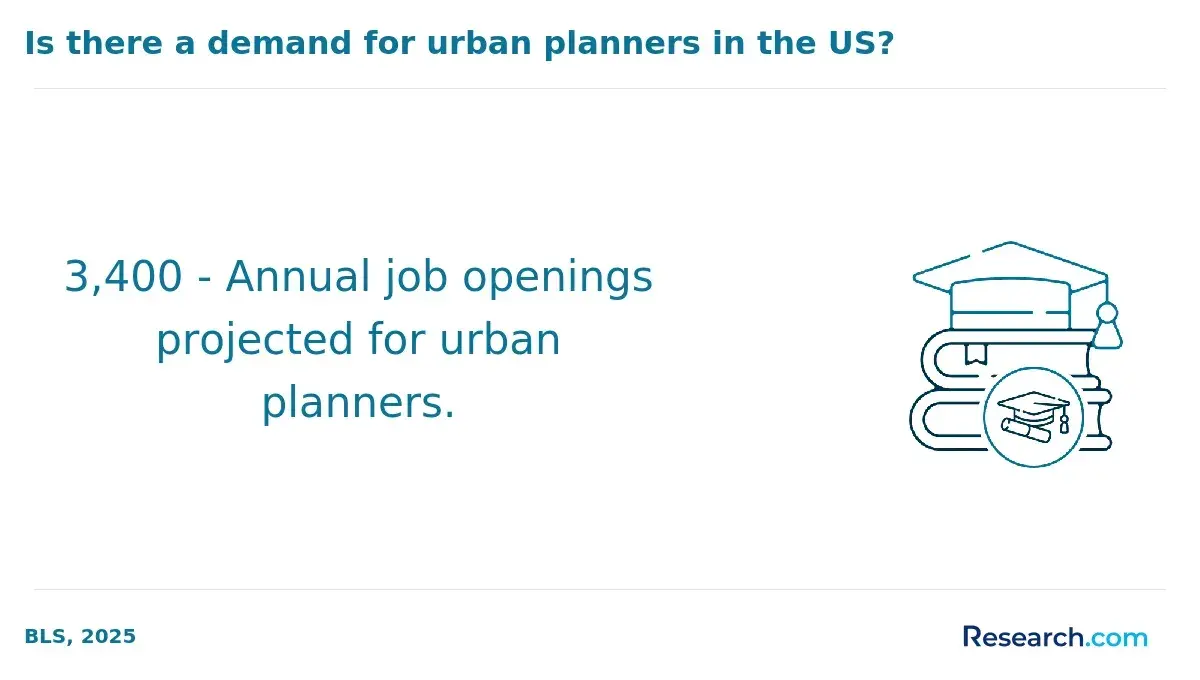
Urban planners are needed in Connecticut because communities must address infrastructure maintenance, housing needs, sustainability, transportation, redevelopment, and climate resilience. Demand can vary by region and budget cycle, so students should build flexible skills in GIS, data analysis, public engagement, grant writing, and policy communication.
Where is the best place to study urban planning in Connecticut?
Connecticut offers several options for studying urban planning, including the University of Connecticut, Central Connecticut State University, and Trinity College. All three are accredited by the New England Commission of Higher Education (NECHE).
Is it worth it to pursue urban planning in Connecticut?
Urban planning can be worth pursuing in Connecticut if you want a career that combines public service, data analysis, policy, community engagement, and long-term problem-solving. It is a better fit for people who are comfortable with complex trade-offs than for those who want quick, purely technical answers.
- Connecticut’s cities and towns offer opportunities to work on redevelopment, housing, transportation, historic preservation, and community reinvestment.
- The state’s environmental and shoreline concerns make sustainability, resilience, and natural resource protection important parts of planning work.
- Connecticut’s location near New York City and Boston gives planners exposure to regional transportation, housing, economic, and environmental issues that extend beyond municipal borders.
How should you choose an urban planning program?
Do not choose a program based only on name recognition. Compare the curriculum, faculty expertise, studio projects, internship support, accreditation status, cost, assistantships, alumni outcomes, GIS training, and whether the program’s strengths match your preferred specialization.
| Question to ask | Why it matters |
| Is the institution properly accredited? | Accreditation affects transfer credit, graduate admission, financial aid eligibility, and employer confidence. |
| Does the curriculum include GIS, planning law, methods, and studio work? | These are core skills for many planning jobs. |
| Are internships built into the program or strongly supported? | Applied experience is often what separates competitive applicants from classroom-only candidates. |
| What types of employers hire graduates? | Outcomes can show whether the program connects to municipal, regional, state, nonprofit, or consulting work. |
| How much will the degree cost after grants, assistantships, and living expenses? | Total cost matters more than tuition alone when evaluating return on investment. |
Common mistakes to avoid
- Choosing a program without checking accreditation: Always confirm institutional accreditation and, when relevant, planning program recognition.
- Focusing only on tuition: Include fees, housing, transportation, lost wages, books, software, and internship costs in your budget.
- Ignoring GIS and data skills: Many planning jobs expect candidates to work with maps, spatial data, and evidence-based reports.
- Waiting too long to gain experience: Internships, volunteer planning board exposure, and applied studio projects can make your resume much stronger.
- Assuming certification is automatic: AICP certification has specific education, experience, exam, and maintenance requirements.
- Relying only on rankings: The best program is the one that fits your goals, finances, schedule, and preferred planning specialty.
- Underestimating public engagement: Planning is not only technical. You must be able to listen, explain, revise, and build trust.
Key Insights
- Connecticut does not require a state urban planning license, but AICP certification and specialized credentials can improve professional credibility.
- A typical route into the field includes a bachelor’s degree, a planning-related master’s degree, internships, and several months of certification preparation, totaling about 6 to 8 years.
- Connecticut planners work on practical issues such as infrastructure, transportation, housing, environmental resilience, downtown revitalization, and community development.
- The strongest candidates combine planning education with GIS, policy analysis, writing, public engagement, budgeting, and interdisciplinary awareness.
- Before enrolling in a program, compare accreditation, cost, internships, faculty strengths, technical training, and graduate outcomes rather than relying on reputation alone.
- Urban planning is a good fit if you want to help communities make better long-term decisions and are prepared to balance data, law, politics, design, finance, and public input.
Related Articles for Nearby States
- 2027 How to Become an Urban Planner in New York
- 2027 How to Become an Urban Planner in Rhode Island
- 2027 How to Become an Urban Planner in Massachusetts
- 2027 How to Become an Urban Planner in New Jersey
- 2027 How to Become an Urban Planner in Pennsylvania
- 2027 How to Become an Urban Planner in Vermont
- 2027 How to Become an Urban Planner in New Hampshire
- 2027 How to Become an Urban Planner in Delaware
- 2027 How to Become an Urban Planner in Maryland
- 2027 How to Become an Urban Planner in Maine
References:
- American Planning Association Connecticut Chapter. (n.d.). APA Connecticut: Professional planning resources. https://ct.planning.org/
- American Planning Association. (n.d.). One path to AICP certification. https://www.planning.org/certification/
- Appalachian Planning Accreditation Board. (n.d.). Accredited planning degree programs. https://planning.org/education/accredited/
- Connecticut Department of Labor. (2026). Connecticut career paths: Career planning and training resources. https://www1.ctdol.state.ct.us/lmi/pubs/Connecticut%20Career%20Paths%202025.pdf
- City of Hartford, CT. (2025). Urban planner job requirements (GovernmentJobs.com). https://www.governmentjobs.com/careers/hartfordct/jobs/newprint/5096707
- ONET OnLine. (2025). Summary for 19‑3051.00 Urban and regional planners. National Center for ONET Development. https://www.onetonline.org/link/summary/19-3051.00
- Zippia. (2026). Urban planner demographics and statistics in the United States. https://www.zippia.com/urban-planner-jobs/demographics/
Other Things to Know About Becoming an Urban Planner in Connecticut
To become an urban planner in Connecticut in 2027, you typically need at least a bachelor's degree in urban planning, geography, or a related field. Some positions may require a master's degree in urban planning or urban design, and certification through the American Institute of Certified Planners (AICP) can enhance job prospects.
The Connecticut Office of Policy and Management helps guide statewide planning, while local planning and zoning commissions control most municipal land-use approvals. Regional planning organizations also review projects in many areas, especially under Connecticut’s Plan of Conservation and Development process.


