2027 How to Become an Urban Planner in West Virginia

Co-Founder and Chief Data Scientist
Becoming an urban planner in West Virginia is a practical career choice for people who want to improve transportation, housing, land use, flood resilience, downtown revitalization, and community development across small cities, rural areas, and Appalachian regions. The need is visible: in 2025, West Virginia earned a D+ on the American Society of Civil Engineers Infrastructure Report Card, up from a D six years earlier but still below the national C average. The report noted that 19% of the state’s 7,348 bridges were in poor condition and 26% of roads were in poor or fair condition.
Federal support through the Infrastructure Investment and Jobs Act has helped move some projects forward, including road improvements that raised the state’s roads grade to C-. Still, West Virginia’s geography, aging infrastructure, economic transitions, flood risks, and small-community planning needs create ongoing demand for professionals who can turn long-range plans into workable projects.
This guide explains how to become an urban planner in West Virginia, including education options, certification, career timelines, salaries, job settings, internships, scholarships, and professional organizations. It also explains how to decide whether this path fits your goals and what steps can make you more competitive in the state’s planning workforce.
Quick Answer: How do you become an urban planner in West Virginia?
Most urban planners in West Virginia start with a bachelor’s degree in planning or a related field such as geography, environmental science, sustainability, land use, GIS, public administration, or landscape architecture. Many employers prefer or require a master’s degree for more advanced planning roles. West Virginia does not require a state urban planning license, but the American Institute of Certified Planners credential can strengthen your qualifications after you gain the required professional planning experience and pass the AICP exam.
| Step | What to do | Why it matters |
| 1. Earn a relevant bachelor’s degree | Study planning, geography, sustainability, environmental science, GIS, public policy, land management, or a related area. | Most entry-level planning jobs expect formal training in land use, data analysis, policy, and community development. |
| 2. Build technical skills | Learn GIS, zoning analysis, demographic research, public engagement, environmental review, and transportation planning basics. | West Virginia planning roles often require both field knowledge and practical analysis skills. |
| 3. Gain hands-on experience | Complete internships with local governments, regional councils, transportation agencies, nonprofits, or consulting firms. | Experience helps you understand public meetings, local ordinances, funding constraints, and real project timelines. |
| 4. Consider graduate study | Pursue a master’s degree if you want stronger advancement prospects or specialized planning roles. | Many planners use graduate education to move into policy, management, transportation, sustainability, or regional planning. |
| 5. Pursue AICP certification when eligible | Register with AICP, document professional experience, pass the exam, and complete certification maintenance requirements. | AICP is optional in West Virginia, but it can improve credibility and career mobility. |
Key Things to Know About Becoming an Urban Planner in West Virginia
- West Virginia is projected to have around 10 annual openings for urban planners by 2032, so networking, internships, and specialized skills can matter in a smaller labor market.
- Urban planners in the state earn a median wage of about $58,240, while experienced professionals can earn around $75,000 or more depending on role, location, employer, and specialization.
- This career can be especially meaningful for people interested in infrastructure renewal, flood resilience, public engagement, sustainable land use, historic preservation, and revitalization in smaller communities.
- West Virginia University and Marshall University offer related academic pathways that can prepare students for planning-adjacent and urban planning careers, even though West Virginia currently does not have Planning Accreditation Board-accredited urban planning programs.
- Education requirements for West Virginia urban planners
- Urban planning specializations in West Virginia
- Licensing and certification requirements
- How long the career path usually takes
- Urban planner salaries in West Virginia
- Career options for urban planners
- Typical job duties and responsibilities
- Using planning to support sustainable economic growth
- Connecting planning, nutrition, and public health
- Using business management skills in planning careers
- Technology and interdisciplinary education in planning
- Soft skills urban planners need
- Interdisciplinary insights for better planning practice
- Financial expertise and planning outcomes
- Collaboration between planners and social workers
- How West Virginia compares with other states
- Legal and regulatory issues in urban planning
- Continuing education for urban planners
- Scholarships and financial aid options
- Internships and practical experience
- Professional organizations for urban planners
What are the education requirements for urban planners in West Virginia?
Urban planning work depends on research, law, design, public policy, communication, and data analysis. In West Virginia, that combination is especially important because planners may work on small-town revitalization, transportation access, flood mitigation, brownfield redevelopment, land conservation, housing, and economic development in communities with limited budgets.
The most common academic route is a bachelor’s degree followed by relevant experience, and often a master’s degree for advancement. Because West Virginia currently has limited dedicated urban planning degree options, students often choose closely related programs that build planning-relevant skills.
- Bachelor’s degree: A four-year degree is the usual starting point for entry-level urban planning positions. Related majors can include geography, environmental science, sustainability, land management, landscape architecture, public administration, GIS, or community development. West Virginia University offers relevant options in Sustainable Design and Development, Forest Resources and Conservation, Landscape Architecture, and Environmental, Energy and Land Management.
- Graduate education: Many urban planners pursue a master’s degree to deepen their understanding of planning theory, public policy, data analysis, transportation systems, and community engagement. Marshall University offers master’s programs in Environmetal, Safety and Health and Geography that can support planning-related career goals.
- Applied experience: Internships, part-time government work, consulting experience, nonprofit projects, and GIS-based research can be just as important as coursework. Employers want candidates who understand how public hearings, zoning ordinances, grant funding, transportation plans, and community priorities interact.
| Educational option | Best fit | Planning skills it can build |
| Bachelor’s degree in a related field | Students seeking entry-level planning, GIS, environmental, or community development roles | Research, mapping, policy reading, environmental analysis, land use basics, public communication |
| Master’s degree | Students who want stronger prospects for planner, senior analyst, transportation, sustainability, or management roles | Advanced planning methods, project leadership, public policy, data interpretation, stakeholder engagement |
| Internships and field experience | Students or career changers who need practical exposure before applying for full-time roles | Public meeting support, plan review, GIS work, community outreach, transportation or zoning research |
| Certificates or specialized training | Professionals who want to add a skill without completing another full degree | GIS, floodplain management, sustainability, grant writing, environmental review, public engagement |
When comparing programs, look beyond the degree title. Review the courses, faculty expertise, internship partnerships, GIS access, capstone projects, and whether graduates work in local government, regional planning, transportation, environmental consulting, or nonprofit development.
What urban planning specializations are available in West Virginia?
Urban planning is not a single job function. In West Virginia, planners often specialize in areas connected to the state’s physical landscape, transportation constraints, economic redevelopment needs, environmental risks, and historic communities. Choosing a specialization can help you target internships, graduate coursework, and certifications.
- Transportation planning: West Virginia’s mountainous terrain and reliance on highways and rail systems make transportation planning a major need. Planners may study traffic patterns, road safety, freight movement, public transit access, pedestrian infrastructure, and connections between rural communities and larger job centers.
- Historic preservation: Planners in this area help communities protect historic buildings, downtown districts, coal mining heritage sites, and culturally significant places. Preservation work can also support tourism, local identity, adaptive reuse, and downtown redevelopment.
- Economic development planning: This specialization focuses on business attraction, infrastructure investments, workforce access, land readiness, tourism, agriculture, energy-related development, and strategies for communities facing long-term economic transition.
- Land use planning: Land use planners help decide how property should be used, zoned, conserved, redeveloped, or connected to infrastructure. In West Virginia, this work often requires balancing growth, natural resource protection, steep terrain, flood risk, housing needs, and community character.
| Specialization | Common West Virginia projects | Helpful skills |
| Transportation planning | Road safety studies, mobility plans, transit access, freight corridors, rural connectivity | GIS, traffic data analysis, public engagement, transportation policy |
| Historic preservation | Downtown revitalization, adaptive reuse, heritage tourism, preservation ordinances | Architectural history, community outreach, zoning, grant writing |
| Economic development planning | Site readiness, infrastructure planning, small-business district support, tourism development | Market research, budgeting, stakeholder coordination, public-private partnership planning |
| Land use planning | Zoning updates, comprehensive plans, conservation planning, housing and infrastructure coordination | Plan review, environmental analysis, mapping, ordinance interpretation |
The best specialization depends on the problems you want to solve. If you enjoy maps and mobility systems, transportation or GIS-heavy roles may fit. If you care about Appalachian heritage and downtown renewal, preservation and redevelopment may be stronger options. If you want to connect planning with jobs and investment, economic development can be a practical path.
Are there licensing requirements for urban planners in West Virginia?
West Virginia does not currently require a state license or registration credential for urban planners. You can work in planning roles without a state-issued planning license, provided you meet the employer’s education, experience, and skill requirements.
The main professional credential to consider is certification through the American Institute of Certified Planners. AICP certification is voluntary, but it can signal professional competence, especially for planners seeking advancement, regional mobility, leadership roles, or consulting opportunities. The process includes registering with AICP, passing the AICP exam, documenting professional planning experience, and completing continuing professional development through the Certification Maintenance Program.
Because West Virginia faces planning issues tied to floods, infrastructure, sustainability, land use, and spatial analysis, specialty credentials can also be useful:
- Certified Floodplain Manager (CFM): This credential is relevant for planners working on flood-prone communities, hazard mitigation, floodplain regulations, and resilient development.
- LEED Accreditation: This can help planners understand sustainable building practices, energy-conscious development, and environmentally responsible design.
- Geographic Information Systems (GIS) Professional: GIS training supports mapping, land analysis, infrastructure planning, demographic analysis, and spatial decision-making.
If you need a flexible academic pathway before pursuing planning work, compare curriculum, accreditation, transfer policies, and cost carefully when reviewing affordable online urban planning and development degree programs.
| Credential | Required in West Virginia? | When it may help |
| AICP certification | No | Useful for advancement, credibility, consulting, and senior planning roles |
| Certified Floodplain Manager | No | Helpful for flood mitigation, resilience planning, and hazard-prone areas |
| LEED Accreditation | No | Useful for sustainability, green infrastructure, and environmentally focused development |
| GIS Professional or GIS training | No | Valuable for mapping, spatial analysis, land use review, and transportation planning |
How long does it take to become an urban planner in West Virginia?
The full path to becoming a competitive urban planner in West Virginia commonly takes six to eight years if you complete a bachelor’s degree, gain experience, pursue graduate study, and later prepare for certification. The timeline can be shorter for entry-level support roles and longer for people who study part time, change careers, or pursue AICP certification after building professional experience.
- Bachelor’s degree: A four-year undergraduate degree is the usual first step. Glenville State University and Marshall University offer undergraduate programs in areas such as environmental science, forest technology, land surveying and mapping, geology, and wildlife management. Students can also consider Planning Accreditation Board-accredited programs in Pennsylvania, Ohio, and Virginia.
- Master’s degree: Many students add a two-year master’s program to qualify for more specialized or advanced roles. WVU offers master’s programs in forestry, GIS and spatial analysis, and geography. PAB-accredited out-of-state options include West Chester University, Ohio State University, University of Virginia, and Morgan State University.
- Internships and professional experience: Practical experience may last from three months to three years, depending on the role and whether it is part of a degree program, summer placement, part-time job, or full-time early career position.
- AICP preparation: Exam preparation can take several months. Depending on your academic background, you generally need at least two to three years of professional planning experience before qualifying for the examination.
| Stage | Typical time | What to focus on |
| Undergraduate education | Four years | Planning-related coursework, GIS, environmental policy, writing, statistics, public administration, internships |
| Graduate education | Two years | Specialization, capstone projects, applied research, transportation, land use, sustainability, or regional planning |
| Internship or early work experience | Three months to three years | Plan review, mapping, public meetings, grant support, zoning, transportation or community development work |
| AICP preparation and eligibility | Several months of study after required experience | Planning law, ethics, methods, history, engagement, implementation, and exam readiness |
If your goal is to enter the workforce quickly, target internships and assistant planner roles after your bachelor’s degree. If your goal is to lead complex projects or compete for higher-level positions, graduate study and certification can be worth the additional time.
How much do urban planners in West Virginia earn?
Urban planner pay in West Virginia varies by employer, region, specialization, education, experience, and whether the role is in local government, state government, consulting, transportation, nonprofit development, or a nearby metropolitan market. Reported annual pay in the state ranges from $44,000 to $91,000.
Entry-level roles are near the 10th percentile at $43,840 per year. Mid-career planners are closer to the median annual wage of $58,240. More experienced professionals may earn near the 75th or 90th percentile, between $72,840 and $90,750.
Geography matters. Charleston urban planners earn an average of $57,290 annually, while planners in the Washington-Arlington-Alexandria area can earn around $99,270. West Virginia’s pay is generally below the national average of $83,720 for urban planners, but the state’s cost of living is lower at 88.3 compared with the national baseline of 100.
| Career stage or location | Annual earnings figure stated | How to interpret it |
| Entry-level urban planners | $43,840 | Approximate 10th percentile; typical for newer planners or support roles |
| Median wage in West Virginia | $58,240 | A reasonable benchmark for mid-career planning roles in the state |
| Experienced urban planners | $72,840 to $90,750 | More likely for senior, specialized, management, or higher-responsibility roles |
| Charleston urban planners | $57,290 | Local average that may vary by employer and specialization |
| Washington-Arlington-Alexandria area | $99,270 | Nearby metropolitan market with higher average pay |
| National average for urban planners | $83,720 | Useful comparison point, but not a guarantee for West Virginia roles |
To improve long-term earning potential, focus on skills that employers can use immediately: GIS, transportation analysis, zoning and ordinance review, grant writing, floodplain planning, sustainability, public meeting facilitation, and project management. Students interested in environmental and community-focused planning can also review online sustainability management programs as one possible preparation route.
This chart highlights states that offer high salaries for urban planners. Urban planners in West Virginia can use nearby metropolitan areas, remote or hybrid consulting work, and specialized credentials to explore broader compensation opportunities.
What careers are available to urban planners in West Virginia?
Urban planners in West Virginia can work in public agencies, regional organizations, nonprofits, transportation planning, economic development, environmental planning, engineering firms, architecture firms, and private consulting. The state’s mix of small cities, rural counties, historic downtowns, natural resource areas, and transportation corridors creates a wide range of planning needs.
- Government roles: Local and state agencies, including the West Virginia Division of Highways, employ planners to support land use policy, transportation projects, infrastructure planning, zoning, public engagement, and environmental coordination.
- Nonprofit and community development roles: Organizations such as the West Virginia Community Development Hub work on revitalization, community capacity building, sustainable development, and support for economically distressed areas.
- Private consulting roles: Engineering, architecture, and planning firms, including the Thrasher Group, may hire planners for urban design, environmental assessments, site planning, transportation studies, and community development projects.
The West Virginia Department of Transportation has identified goals for 2050 that include improving mobility and accessibility and supporting livable, healthy communities. Urban planners can contribute to those goals by helping design transportation networks, coordinate land use and infrastructure, involve residents in decision-making, and align short-term projects with long-term community needs.
| Career setting | Possible work | Best for candidates who want to... |
| Local or state government | Zoning, comprehensive plans, transportation coordination, public hearings, infrastructure projects | Work directly on public policy and community implementation |
| Regional or metropolitan planning organizations | Transportation planning, mobility studies, regional coordination, grant-supported projects | Analyze regional systems and coordinate across jurisdictions |
| Nonprofits | Community revitalization, housing support, economic resilience, public engagement | Work closely with residents and mission-driven organizations |
| Private consulting firms | Site analysis, environmental review, urban design, planning studies, client projects | Work across multiple clients, deadlines, and project types |
If you are comparing planning with other hands-on or infrastructure-related careers, reviewing high-paying trade school jobs can help you understand alternative routes into transportation, construction, utilities, and public works careers.
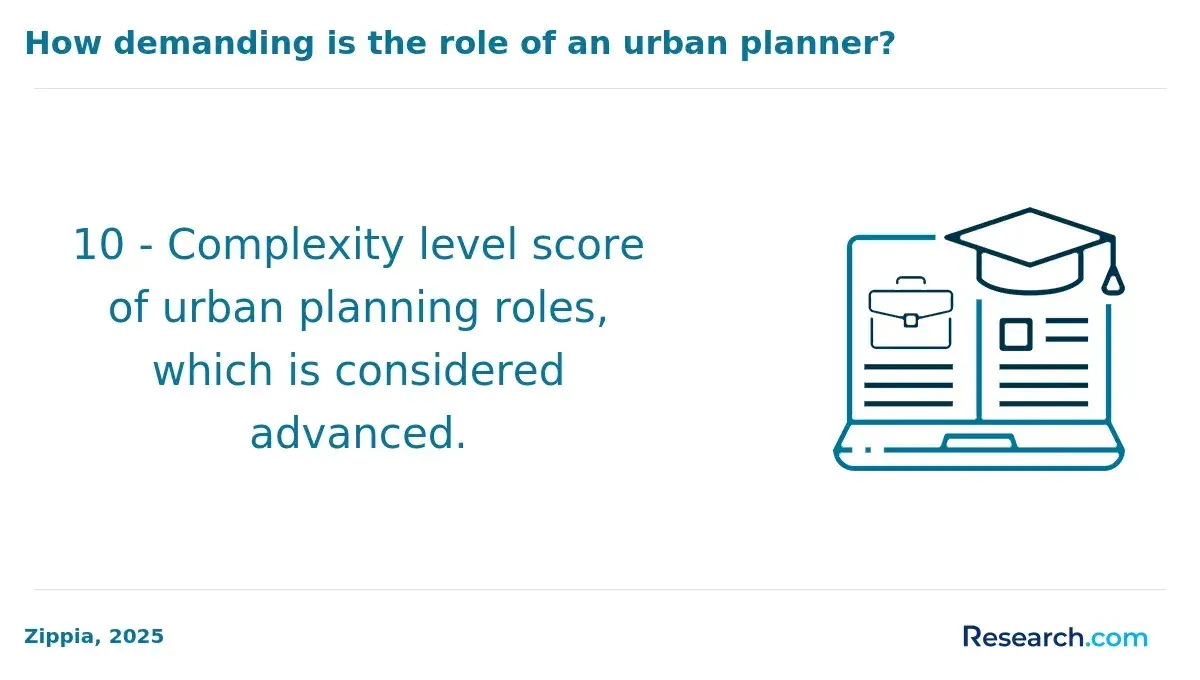
What are the typical responsibilities of urban planners in West Virginia?
Urban planners in West Virginia translate community goals into policies, maps, ordinances, project recommendations, and implementation plans. Their responsibilities vary by employer, but most roles combine research, public engagement, technical analysis, writing, coordination, and regulatory review.
- Review land use proposals, zoning rules, and development applications for consistency with local and state requirements.
- Meet with residents, elected officials, business owners, engineers, developers, nonprofit leaders, and agency staff to gather input and explain planning options.
- Prepare comprehensive plans, transportation plans, housing strategies, sustainability recommendations, and redevelopment concepts for urban and rural communities.
- Analyze demographic, economic, land use, transportation, and environmental data to identify trends and planning priorities.
- Support downtown revitalization, brownfield reuse, infrastructure upgrades, community facilities, public spaces, and rural development initiatives.
- Organize public meetings, workshops, surveys, and presentations that help residents understand and influence planning decisions.
- Consider environmental regulations, flood risk, natural hazards, land constraints, and ecological impacts when reviewing projects.
| Responsibility | What it looks like in practice | Skill needed |
| Data analysis | Using demographic, transportation, economic, and GIS data to support recommendations | Research, GIS, statistics, critical thinking |
| Community engagement | Leading meetings, listening to concerns, and explaining trade-offs in plain language | Communication, facilitation, patience, conflict resolution |
| Regulatory review | Checking plans against zoning, land use, environmental, and local policy requirements | Legal reading, attention to detail, policy interpretation |
| Plan writing | Preparing reports, maps, recommendations, implementation schedules, and presentations | Writing, visual communication, organization |
| Project coordination | Working with agencies, consultants, elected officials, and community partners | Project management, budgeting awareness, collaboration |
The hardest part of the work is often not the technical analysis. It is helping people agree on priorities when funding is limited, land is constrained, and residents have different views about growth, preservation, transportation, and public investment.
How can urban planning strategies drive sustainable economic growth in West Virginia?
Urban planning can support economic growth in West Virginia when it connects land use, infrastructure, workforce access, transportation, housing, and community identity. A downtown plan, for example, is stronger when it includes realistic financing, business support, pedestrian access, adaptive reuse, and maintenance planning rather than only design concepts.
Public-private partnerships can be especially useful in communities that need to stretch limited resources. Planners who understand business decision-making can better evaluate site readiness, infrastructure gaps, market conditions, and long-term maintenance costs. Students who want to strengthen this side of planning can compare programs at the best business schools in West Virginia to build budgeting, management, and economic analysis skills.
How can urban planners integrate nutrition and public health for healthier communities in West Virginia?
Planning affects health because it shapes where people live, how they travel, whether they can reach grocery stores, how safe streets are for walking, and whether communities have access to parks and public facilities. In West Virginia, planners can support healthier communities by considering food access, sidewalks, transit, community gardens, local agriculture, recreation spaces, and land use decisions that reduce isolation.
Public health and nutrition professionals can help planners identify gaps in food access and design practical interventions. Readers interested in the health side of community development can review how to become a nutritionist in West Virginia to understand how nutrition expertise can complement planning work.
How can advanced business management skills enhance my urban planning career in West Virginia?
Urban planners often manage projects that involve public budgets, grant timelines, consultants, elected officials, contractors, and community partners. Business management skills can help planners prepare stronger proposals, manage scope changes, negotiate priorities, communicate costs, and lead teams.
An online graduate business program may be useful for planners who want to move into leadership, economic development, consulting, or public administration. If that fits your goals, compare curriculum, cost, schedule flexibility, and employer relevance before choosing an affordable online MBA degree.
How can technology integration and interdisciplinary education transform urban planning in West Virginia?
Technology is changing planning work through GIS, remote sensing, data dashboards, scenario modeling, public engagement platforms, and digital mapping. In West Virginia, these tools can help planners evaluate flood risk, infrastructure conditions, land suitability, transportation access, environmental constraints, and redevelopment opportunities.
Interdisciplinary education can also improve risk assessment and evidence-based decision-making. While forensic science is not a standard planning pathway, learning how other fields evaluate evidence, document conditions, and analyze risk can broaden a planner’s approach. Readers exploring adjacent analytical fields can review forensic science degree options in West Virginia.
What soft skills are crucial for success as an urban planner in West Virginia?
Technical skill gets a planner into the conversation. Soft skills often determine whether a project moves forward. West Virginia planners may work in close-knit communities where trust, transparency, and respectful listening are essential.
- Clear communication: Planners must explain zoning, infrastructure, funding, and trade-offs in language residents can understand.
- Conflict resolution: Development proposals can create tension among property owners, residents, agencies, and elected officials.
- Adaptability: Projects can change because of funding shifts, environmental constraints, public opposition, or agency requirements.
- Facilitation: Productive public meetings require structure, neutrality, and the ability to draw out useful feedback.
- Strategic thinking: Good planners connect immediate projects with long-term community goals.
Planners who want formal training in leadership, operations, and organizational decision-making may also consider a business management degree as a way to complement technical planning education.
How can interdisciplinary insights enhance urban planning practices in West Virginia?
Good planning draws from public health, social services, education, environmental science, economics, law, communications, transportation, and design. In West Virginia, interdisciplinary thinking can help planners create recommendations that are realistic for both the built environment and the people who use it.
Communication-focused fields can be especially useful because planners spend so much time explaining complex choices to residents and decision-makers. For example, reviewing speech pathologist requirements in West Virginia can give readers a sense of how communication, accessibility, and service delivery intersect with community planning.
How can financial expertise enhance urban planning outcomes in West Virginia?
Planning ideas only become real when funding, budgets, maintenance, and implementation plans are workable. Financial knowledge helps planners compare project costs, evaluate grant opportunities, communicate fiscal trade-offs, and design plans that local governments can actually sustain.
Collaboration with accountants and finance professionals can be valuable for capital improvement planning, grant compliance, bond-funded projects, infrastructure maintenance, and redevelopment finance. Readers who want to understand the financial profession in the state can review how to become an accountant in West Virginia.
How can collaboration with social workers benefit urban planning in West Virginia?
Urban planning and social work overlap when communities address housing insecurity, transportation barriers, public safety, food access, accessibility, aging services, and equitable access to resources. Social workers can help planners understand how policy and infrastructure decisions affect vulnerable residents.
Collaboration can improve public engagement, needs assessments, housing strategies, community facility planning, and outreach to residents who may not attend traditional public meetings. For readers comparing the two fields, social worker education requirements in West Virginia can clarify the training behind that perspective.
How does the urban planning career landscape in West Virginia compare to other states?
West Virginia’s planning market differs from larger states because many communities are smaller, budgets can be tighter, and planners may handle a broader range of responsibilities. Instead of specializing narrowly, a planner may work across zoning, transportation, grants, public meetings, environmental review, and economic development.
Compared with larger metropolitan markets, West Virginia may offer fewer annual openings but more opportunities to see the direct results of your work in local communities. Planners who combine technical planning with budgeting and financial analysis may be especially useful for resource-constrained projects. Students who want to strengthen that skill set can explore the best accounting schools in West Virginia.
How do legal and regulatory factors influence urban planning in West Virginia?
Urban planners must work within local ordinances, zoning rules, land use policies, environmental regulations, public participation requirements, transportation rules, and state and federal funding conditions. A plan that ignores legal constraints can stall, face public opposition, or create costly implementation problems.
Planners do not need to be attorneys, but they must be comfortable reading regulations, documenting decisions, and coordinating with legal staff. Readers interested in the legal support side of planning can review how to become a paralegal in West Virginia.
How can continuing education enhance urban planning competencies in West Virginia?
Urban planning changes as technology, environmental risks, funding rules, transportation needs, and community expectations evolve. Continuing education helps planners stay current in GIS, floodplain management, public engagement, grant writing, infrastructure planning, environmental review, smart city tools, and equity-focused planning.
Short courses, certifications, workshops, conferences, and graduate certificates can be useful for working professionals who need targeted skills without pausing their careers. Interdisciplinary learning can also help planners collaborate more effectively with health, social service, and housing professionals. For example, reviewing social worker degree requirements in West Virginia can help planners understand training pathways in a closely related community-focused field.
Common mistakes to avoid when preparing for an urban planning career in West Virginia
Because West Virginia’s planning labor market is smaller and many roles are broad, avoid decisions that limit your flexibility too early. The strongest candidates usually combine education, technical skill, local experience, and community communication ability.
| Mistake | Why it can hurt you | Better approach |
| Choosing a program based only on the degree title | A related degree may or may not include GIS, policy, planning law, public engagement, or applied projects. | Compare courses, faculty, internship links, capstones, and graduate outcomes. |
| Ignoring practical experience | Planning employers often value public meeting, zoning, GIS, and project experience. | Seek internships, volunteer planning board exposure, research assistantships, or agency work. |
| Assuming AICP is required | West Virginia does not require a planning license, and AICP is voluntary. | Use AICP strategically after you gain the experience needed and know your career direction. |
| Focusing only on salary | Public service roles may pay less than consulting or metropolitan jobs but offer direct community impact. | Compare salary, benefits, cost of living, commute, advancement, and project type. |
| Skipping GIS and data skills | Many planning roles depend on spatial analysis and evidence-based recommendations. | Build GIS, mapping, spreadsheet, demographic analysis, and visualization skills early. |
| Relying only on rankings | A highly ranked program may not match your location, budget, schedule, or specialization. | Ask whether the program supports West Virginia-relevant planning work and internships. |
Are there available scholarships for urban planners in West Virginia?
Students preparing for urban planning or related fields in West Virginia can reduce education costs through state aid, institutional scholarships, and program-specific awards. Because many planning pathways are in related fields such as geography, environmental science, sustainability, GIS, public administration, and land management, students should search broadly rather than only looking for scholarships labeled “urban planning.”
- West Virginia Promise Scholarship: This scholarship provides $5,000 annually to eligible residents enrolled in an accredited in-state college or university.
- West Virginia Higher Education Grant: This grant supports students with strong financial need and may provide up to $6,000.
- University scholarships: Colleges and universities may offer awards based on academic achievement, financial need, service, major, transfer status, or enrollment term.
Before choosing a program, calculate total cost rather than tuition alone. Include fees, books, technology, commuting or housing, internship travel, and the opportunity cost of full-time versus part-time study. Students who need flexibility can also compare online majors with flexible formats, but should still confirm that the coursework supports their planning goals.
What urban planning internships or practical experiences can I pursue in West Virginia?
Internships are one of the best ways to test whether urban planning is the right career for you. They also help you build a portfolio, learn local government processes, work with GIS or transportation data, observe public meetings, and meet professionals who may later become references or employers.
- WVU's Resilient Communities Internship Program (RCI): This program emphasizes community-based research and social change in Appalachia. Interns may work with community partners on environmental conservation, health equity, and urban development projects.
- West Virginia Department of Transportation: The agency offers a Summer Employment Program with field or clerical experience. Students may support project planning, data analysis, and community engagement.
- West Virginia Governor's Internship Program: This program places students in internships aligned with their academic interests. Internships generally last nine to 13 weeks during the summer and pay at least minimum wage.
| Experience type | What you may learn | How it helps your career |
| Local government internship | Zoning, permitting, public meetings, comprehensive planning | Builds direct experience with planning departments and elected officials |
| Transportation agency work | Road projects, mobility data, safety planning, public infrastructure | Supports transportation planning and infrastructure careers |
| Nonprofit community development work | Resident engagement, grant projects, revitalization, equity-focused planning | Shows commitment to community outcomes and public service |
| GIS or research assistantship | Mapping, spatial analysis, data cleaning, visualization | Develops technical skills that many employers need |
When weighing college options, consider the long-term value of the degree, internship access, employer connections, and affordability. Research on colleges that pay off financially can help students think more carefully about return on investment, although individual outcomes depend on program choice, debt, location, and career path.
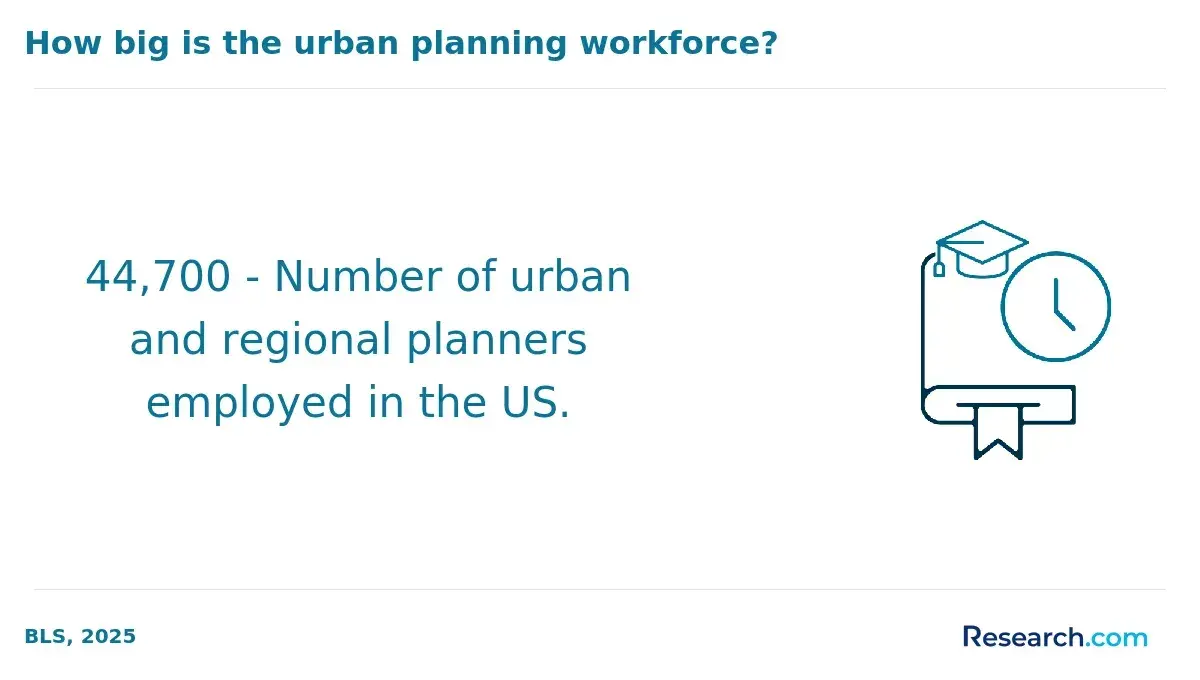
What professional organizations in West Virginia should I join to advance my career as an urban planner?
Professional organizations can help students and early-career planners find mentors, learn about job openings, attend workshops, prepare for certification, and stay current on planning issues. In a smaller state labor market, these networks can be especially valuable.
- American Planning Association (APA) West Virginia Chapter: This chapter supports professional and community planners and promotes responsible planning across the state. Members can access networking, professional development, conferences, and planning resources.
- West Virginia Association of Metropolitan Planning Organizations (WVAMPO): This organization brings metropolitan planning organizations together around transportation planning and regional decision-making. It can be useful for planners interested in mobility, infrastructure, and transportation funding.
- Association of Collegiate Schools of Planning (ACSP): ACSP’s Student Network provides resources for planning students, including communication tools, conference information, workshops, and professional development opportunities.
Joining an organization is most useful when you participate actively. Attend events, ask questions, volunteer for committees, look for mentors, and use conferences to learn how experienced planners address real problems in West Virginia communities.
| Organization | Best for | How to use membership well |
| APA West Virginia Chapter | Students, planners, local government staff, and community planners | Attend workshops, follow state planning issues, seek mentors, and prepare for AICP goals |
| WVAMPO | Transportation-focused planners and regional planning professionals | Learn about mobility planning, transportation coordination, and regional infrastructure priorities |
| ACSP Student Network | Planning students and early-career professionals | Use conferences, student resources, and academic networks to explore planning research and career paths |
What urban planners in West Virginia say about their careers
- Lara: Lara describes the work as meaningful because transportation projects can improve daily travel while also supporting local economic activity.
- Colin: Colin values urban planning because it allows him to address large-scale issues such as affordable housing and transportation in ways that directly affect communities.
- Kenneth: Kenneth sees West Virginia planning as challenging but purposeful, especially because the field involves economic development, environmental sustainability, innovation, and long-term public benefit.
Other Things to Know About Becoming an Urban Planner in West Virginia
Can you become an urban planner in West Virginia without a bachelor’s degree?
It is difficult to become an urban planner in West Virginia without at least a bachelor’s degree. Some planning support, administrative, community outreach, or technical assistant roles may be possible without a planning degree, but most professional planner positions prefer formal education because the work involves land use law, policy analysis, public engagement, environmental review, mapping, and technical writing.
If you do not yet have a degree, consider starting with community college coursework, GIS training, public administration, environmental science, geography, or volunteer experience with local boards or community development organizations. These steps can help you build a foundation before moving into a bachelor’s program.
Are urban planners in demand in West Virginia?
According to ONET OnLine, employment for urban and regional planners in West Virginia is projected to grow by 8% by 2032, with around 10 new job openings each year. That is a modest number of openings, so students should build a competitive profile through internships, GIS skills, local government exposure, writing ability, and professional networking.
Even with a smaller labor market, the work remains important because West Virginia continues to address infrastructure renewal, transportation access, flood resilience, downtown revitalization, housing needs, environmental concerns, and long-term community development.
Where is the best place to study urban planning in West Virginia?
West Virginia currently does not have Planning Accreditation Board-accredited urban planning programs. However, students can prepare for planning careers through related programs that develop skills in GIS, geography, environmental science, land use, sustainability, conservation, and spatial analysis.
- West Virginia University’s M.S. in Geographic Information Systems (GIS) and Spatial Analysis: This fully online program is the first of its kind in West Virginia. It includes coursework and a professional project in areas such as geo-visualization, spatial analysis, data science, remote sensing, machine learning, and applications in environmental and health sciences.
- Marshall University’s B.S. in Environmental Science: This program prepares students for careers or graduate study related to managing, conserving, and restoring natural resources. Students also study laws and regulations connected to conservation and resource management.
Students who specifically want a PAB-accredited planning program can also consider out-of-state bachelor’s and master’s programs in Pennsylvania, Ohio, Kentucky, Virginia, and Maryland.
Is it worth it to pursue urban planning in West Virginia?
Urban planning can be worth pursuing in West Virginia if you want a career focused on public problem-solving, community improvement, infrastructure, sustainability, and place-based development. It may be less ideal if your top priority is a large number of job openings, the highest possible salary, or a narrowly specialized role available only in large metropolitan planning markets.
- Choose this path if: You want to work on community revitalization, transportation, flood resilience, public engagement, land use, historic preservation, or sustainable development.
- Consider another path if: You prefer purely private-sector work, do not enjoy public meetings, dislike policy and regulations, or want a career with a much larger number of annual openings in the state.
- Improve your odds if: You build GIS ability, complete internships, learn grant writing, understand zoning, develop strong communication skills, and join professional planning networks early.
Questions to ask before choosing a planning-related program
- Does the curriculum include GIS, land use, transportation, environmental policy, statistics, public administration, or community engagement?
- Are internships available with local governments, regional planning organizations, transportation agencies, nonprofits, or consulting firms?
- Can I complete a capstone or research project related to West Virginia communities?
- What are the total program costs after tuition, fees, books, technology, housing, and travel?
- Are courses available online, in person, full time, or part time?
- Will the program help me qualify for entry-level planning roles or graduate study?
- Do graduates work in planning, GIS, public policy, transportation, sustainability, environmental consulting, or community development?
Key Insights
- West Virginia does not require a state urban planning license, but AICP certification can strengthen your professional standing after you meet the experience and exam requirements.
- A bachelor’s degree is the usual entry point, and a master’s degree can improve prospects for specialized, senior, or leadership roles.
- Because the state has no PAB-accredited urban planning programs, related degrees in GIS, geography, environmental science, sustainability, landscape architecture, land management, and public policy can be practical alternatives.
- Urban planner salaries in West Virginia range from $44,000 to $91,000 annually, with a median wage of about $58,240 and higher figures possible for experienced professionals or those working in nearby metropolitan markets.
- The best career preparation combines classroom learning with internships, GIS skills, zoning knowledge, public engagement experience, and a clear specialization such as transportation, land use, floodplain planning, preservation, or economic development.
- This career is strongest for people who want visible community impact and are comfortable balancing technical analysis, public input, limited budgets, and long-term planning trade-offs.
Related Articles for Nearby States
- 2027 How to Become an Urban Planner in Virginia
- 2027 How to Become an Urban Planner in Ohio
- 2027 How to Become an Urban Planner in Kentucky
- 2027 How to Become an Urban Planner in Pennsylvania
- 2027 How to Become an Urban Planner in Maryland
- 2027 How to Become an Urban Planner in North Carolina
- 2027 How to Become an Urban Planner in Tennessee
- 2027 How to Become an Urban Planner in Indiana
- 2027 How to Become an Urban Planner in South Carolina
- 2027 How to Become an Urban Planner in Georgia
References:
- American Planning Association. (n.d.). One Path to AICP. Retrieved February 2026, from https://www.planning.org/certification
- American Society of Civil Engineers. (2025). 2025 Report Card for West Virginia’s Infrastructure. https://infrastructurereportcard.org/state-item/west-virginia
- ONET Online. (2025, December 16). West Virginia Employment Trends 19-3051.00 - Urban and Regional Planners. Retrieved February 2026, from https://www.onetonline.org/link/localtrends/19-3051.00?st=WV
- U.S. Bureau of Labor Statistics. (2024). Occupational Employment and Wage Statistics - May 2204, West Virginia. Retrieved February 2026, from https://www.bls.gov/ooh/life-physical-and-social-science/urban-and-regional-planners.htm
- U.S. Bureau of Labor Statistics. (2025, August 27). Urban and regional planners: Occupational outlook handbook. https://www.bls.gov/ooh/life-physical-and-social-science/urban-and-regional-planners.htm
- U.S. Bureau of Transportation Statistics. (n.d.). State Transportation by the Numbers: [Interactive data]. Retrieved February 2026, from https://www.bts.gov/browse-statistical-products-and-data/state-transportation-statistics/state-transportation-numbers
- World Population Review. (2026). Cost of Living Index. Retrieved February 2026, from https://worldpopulationreview.com/state-rankings/cost-of-living-index-by-state
- Zippia. (2025). Urban planner jobs and career data. https://www.zippia.com/urban-planner-jobs
Other Things to Know About Becoming an Urban Planner in West Virginia
In West Virginia, aspiring urban planners typically need at least a bachelor’s degree in urban planning or a related field. While it is technically possible to enter the field without a degree, most employers prefer candidates with formal education due to the complexity of planning tasks. To enhance employability, individuals can pursue programs that focus on urban studies, geography, or environmental science. Engaging in internships or volunteer opportunities with local planning agencies can also provide valuable experience and networking connections.
To start a career as an urban planner in West Virginia, you should earn a bachelor’s degree in urban planning or a related field, gain experience through internships, and pursue certification from the American Institute of Certified Planners (AICP) for career advancement.
To become an urban planner in West Virginia in 2027, typically a bachelor's degree in urban planning or a related field like geography or environmental design is required. Some positions may prefer candidates with a master's degree, and professional certification can enhance job prospects.