
2027 What Can You Do With A Business Management Degree?

Co-Founder and Chief Data Scientist
A business management degree is for students and working professionals who want to lead people, improve operations, and understand how organizations make decisions. It is one of the most flexible business credentials because it connects core areas such as finance, marketing, human resources, operations, project planning, and organizational behavior.
The value of this degree has become clearer as employers deal with retention problems, rapid technology change, hybrid work, economic uncertainty, and pressure to operate more efficiently. Around 40 million employees quit their jobs voluntarily, which has made leadership, communication, and employee engagement more important business priorities. At the same time, business remains the most common undergraduate field: 375,400 business bachelor’s degrees are conferred in a year.
This guide explains what a business management degree covers, what it costs, which jobs it can lead to, how to compare programs, and when a different business major may be a better fit. If you are exploring a career in business management, use this article as a decision tool—not just a definition of the degree.
Quick Answer: Is a Business Management Degree Worth It?
A business management degree can be worth it if you want a broad business education that prepares you for supervisory, operations, project, sales, marketing, human resources, consulting, or general management roles. It is especially useful for students who want career flexibility rather than training for one narrow business function.
The degree is not the best choice for everyone. If you already know that you want a highly specialized path, such as accounting, finance, supply chain analytics, or information systems, a more targeted major may provide stronger technical preparation. The best choice depends on your career goal, program accreditation, cost, work experience, internship access, and whether the curriculum includes practical business tools such as data analysis, project management, and business communication.
Business Management Degree Table of Contents
- What is a Business Management Degree?
- Cost of Business Management Degree
- Business Management Degree Jobs
- Types of Degrees in Business Management for 2027
- Business Management Degree Requirements
- What to Look for in a Business Management Program
- How Can an Advanced Degree Elevate Your Business Management Career?
- How Do Industry Partnerships Enhance Business Management Education?
- Can an MBA Complement a Business Management Degree?
- What Are the Emerging Trends in Business Management Education?
- What Are the Key Advantages of an Online Accelerated MBA Program?
- Majors Related to Business Management
- Why take up a Business Management Degree?
- What challenges do business management students commonly encounter?
- How can you choose the right business management program?
- What are the advantages of pursuing an accelerated business management degree?
- Can an Online Accelerated MBA Degree Boost My Career Prospects?
- What is the ROI of a Business Management Degree?
What is a Business Management Degree?
A business management degree teaches students how organizations plan, coordinate, lead, and measure work. Unlike a major that focuses mostly on one function, business management looks at how people, processes, money, technology, and strategy work together inside a company or nonprofit organization.
Typical coursework includes business communication, accounting fundamentals, management theory, organizational behavior, human resources, logistics, information systems, marketing, operations, and management accounting. Students learn how to interpret business problems, coordinate teams, allocate resources, and support decisions that help an organization meet its goals.
Business management is closely related to business administration, but the emphasis is slightly different. Business administration often focuses on managing business functions and systems, while business management usually gives more attention to leadership, team coordination, conflict resolution, and organizational decision-making. Students comparing this path with best online finance degree programs or broader finance degrees should consider whether they prefer people-and-process leadership or deeper quantitative finance training.
Communication, collaboration, and problem-solving are central to the field. Rios et al. found that the most frequently requested 21st-century skills across roughly 142,000 job advertisements were oral and written communication, collaboration, and problem-solving. Their study, published in Educational Research, noted that these skills have been important to colleges and employers long before they were labeled as 21st-century competencies.
What You Learn in a Business Management Program
| Learning Area | What It Helps You Do | Examples of Courses or Skills |
| Leadership and organizational behavior | Manage teams, resolve workplace issues, and understand motivation | Organizational behavior, leadership, conflict management |
| Operations and project coordination | Improve workflow, timelines, productivity, and service delivery | Operations management, project planning, logistics |
| Finance and accounting basics | Read budgets, understand financial reports, and support resource decisions | Financial accounting, management accounting, budgeting |
| Marketing and customer strategy | Understand markets, customers, pricing, and competitive positioning | Marketing principles, market research, consumer behavior |
| Business technology | Use digital tools, data systems, and software to improve decision-making | Information systems, analytics, business software applications |
What Can You Do With a Business Management Degree?
A business management degree can prepare graduates for roles in operations, project coordination, sales, marketing, human resources, fundraising, market research, consulting, and general administration. Because the degree is broad, outcomes depend heavily on internships, work experience, specialization, networking, and the industries a student targets.
Graduates may pursue roles such as fundraiser, human resources specialist, market research analyst, financial analyst, human resources manager, sales manager, marketing manager, project coordinator, or management analyst. Some graduates also move into fields that overlap with degrees in supply chain management, healthcare management, nonprofit leadership, and investment-related business roles.
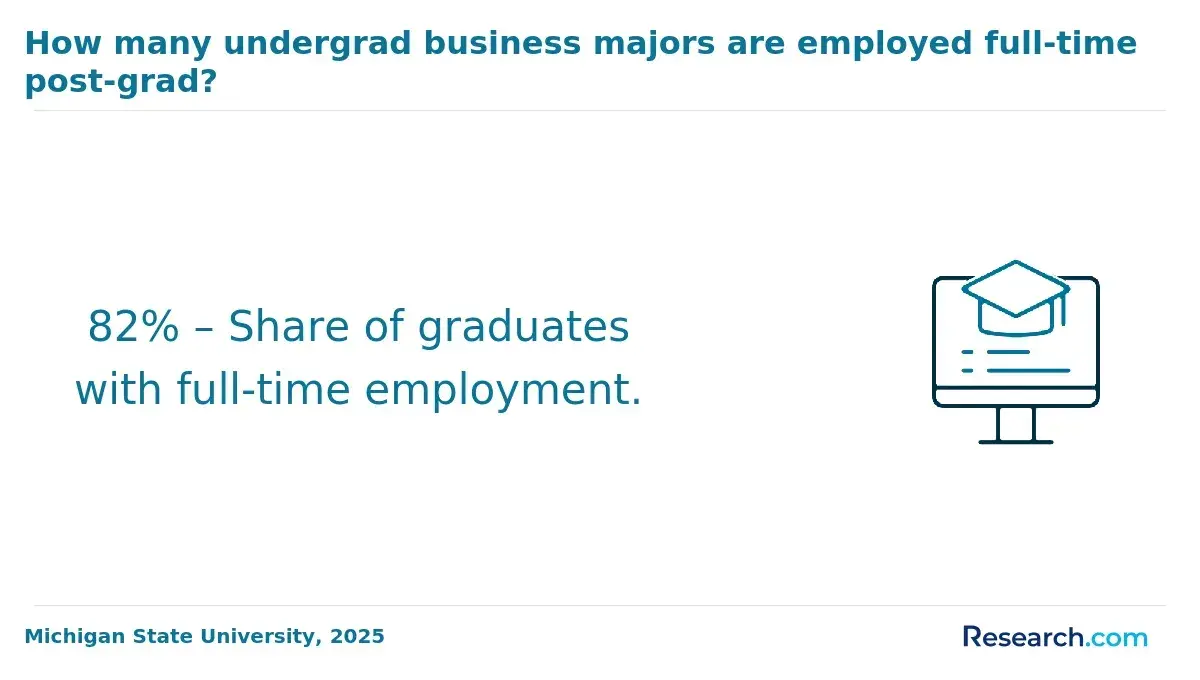
Employers in 2024 consistently identified strategic thinking as one of the top traits they value in business school graduates. A strong business management program should therefore do more than teach terminology; it should give students practice analyzing situations, weighing trade-offs, and communicating decisions clearly.
Cost of Business Management Degree
The cost of a business management degree varies by degree level, school type, residency status, delivery format, and whether students receive transfer credit or financial aid. Public in-state programs usually cost less than public out-of-state or private programs, but tuition alone does not show the full cost. Students should also compare fees, books, technology costs, transportation, housing, lost work time, and the length of the program.
How Much Does a Business Management Degree Cost?
Degree level has a major effect on total cost. A two-year associate degree is usually less expensive than a four-year bachelor’s degree, while graduate and doctoral programs require additional investment. Students comparing business management with a related option can also review the cost of a business administration degree online.
The table below summarizes average tuition costs for business management degree programs by institution type.
| Public In-State | Public Out-of-State | Private | |
| Associate Degree | $5,155 | $8,835 | $15,477 |
| Bachelor's Degree | $24,882 | $37,280 | $54,768 |
| Master's Degree | $29,150 | $41,850 | $62,100 |
| Doctoral Degree | $31,800 | $35,300 | $48,766 |
Cost Factors Students Often Miss
- Transfer credit rules: A lower tuition rate may not save money if the school accepts fewer transfer credits.
- Program length: A faster program can reduce living expenses and time away from full-time work, but it may be harder to balance with a job.
- Fees: Online course fees, graduation fees, textbooks, proctoring fees, and technology fees can add up.
- Internship access: A program with stronger employer connections may provide better practical value, even if tuition is higher.
- Financial aid eligibility: Accreditation status can affect access to federal aid, transfer options, and graduate school admission.
Is a Degree in Business Management Worth It?
A business management degree is most likely to be worth it when the program is accredited, reasonably priced, connected to employer needs, and paired with hands-on experience. The degree can be especially useful for students who want a foundation that applies across industries rather than preparation for one highly specialized role.
The Bureau of Labor Statistics forecasts growth much faster than the average for all occupations through 2034 for business management occupations. That does not guarantee a job or a specific salary, but it does show that management and business skills remain relevant across many sectors. The return on investment improves when students graduate with limited debt, choose marketable electives, complete internships, and build evidence of leadership through projects or work experience.
Business Management Degree Jobs
Business management graduates can work in companies, nonprofits, healthcare organizations, government agencies, startups, consulting firms, financial services, retail, manufacturing, and technology-enabled businesses. The degree is not tied to a single industry because every organization needs people who can coordinate work, manage resources, communicate across teams, and improve performance.
Students should think of the degree as a platform. It can open doors, but job outcomes depend on how the student uses the program. A graduate who completes internships, learns analytics tools, and develops industry knowledge will usually be more competitive than someone who only completes general coursework. The same principle applies in other communication-heavy fields, as shown by programs that answer what is a communications major.
Organizations are still adjusting to long-term changes tied to the pandemic, supply-chain disruption, remote work, and workforce expectations. McKinsey has discussed how businesses have been rebuilding from the impact of the COVID-19 pandemic, and business management graduates can contribute by improving planning, coordination, and employee experience.
Is Business Management in High Demand?
Business management remains a practical field because organizations in every sector need leaders, analysts, coordinators, and managers. Demand is not limited to one job title. It appears in roles involving project execution, workforce planning, operations improvement, customer strategy, fundraising, financial analysis, and organizational change.
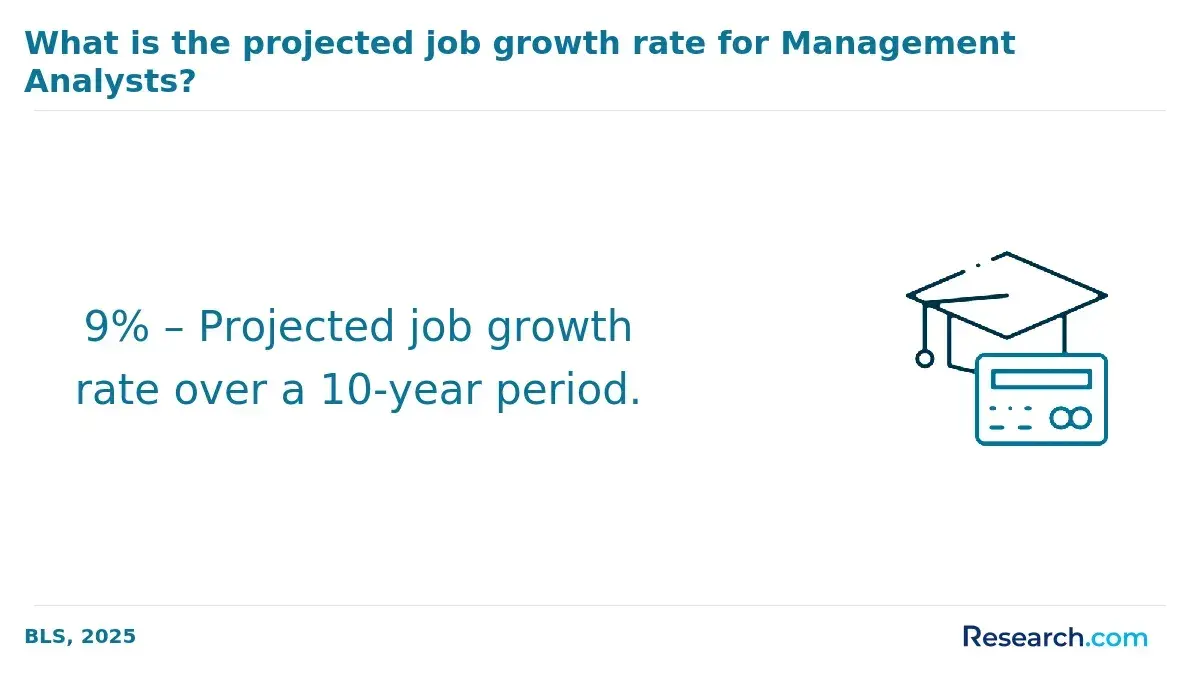
Based on BLS data, the median annual wage for business management degree graduates is $80,920. Through 2034, about 942,500 new business management jobs will be created. These figures make the degree attractive for students who want broad career options, but they should not be treated as guaranteed outcomes for every graduate.
Leadership also matters for sustainability and long-term performance. Raut et al., writing in the Journal of Cleaner Production, analyzed sustainable business performance and found that management and leadership style, along with state and central-government policy, were key predictors of big data analytics and sustainability practices. For students, the practical lesson is clear: modern managers need to understand people, data, operations, and responsible business practices at the same time.
Common Jobs for Business Management Graduates
| Role | What the Role Usually Involves | Best Fit for Students Who Like |
| Project Management Specialist | Plans schedules, coordinates tasks, tracks progress, communicates with stakeholders, and helps teams meet deadlines | Organizing details, solving workflow problems, and working with cross-functional teams |
| Fundraiser | Plans campaigns, identifies donors, manages events, and communicates the value of a cause or organization | Relationship-building, persuasive communication, and nonprofit or mission-driven work |
| Management Analyst | Studies business operations, identifies inefficiencies, and recommends ways to improve performance or profitability | Consulting, problem-solving, data interpretation, and process improvement |
| Market Research Analyst | Studies market conditions, customer preferences, pricing, competitors, and demand for products or services | Consumer behavior, analytics, marketing strategy, and research |
| Human Resources Specialist | Supports recruiting, employee relations, benefits, onboarding, compliance, and workforce planning | People operations, communication, employee support, and organizational culture |
What Kind of Salary Can I Earn With a Business Management Degree?
Salary depends on role, location, industry, experience, employer size, and graduate credentials. Students asking whether a business degree is worth it should compare likely earnings against total program cost and debt, not just look at headline salaries.
Based on BLS data, the median annual wage for business management degree graduates is $80,920. Business operations specialists have an average annual median salary of $89,130. Management analysts earn an average of $101,190 annually, while project management specialists have an average median annual salary of $100,750. These figures can help with planning, but individual results vary.
Types of Degrees in Business Management
Students can study business management at several levels, from short certificates to doctoral programs. Of the two million bachelor’s degrees conferred in a year, around 19% are business degrees. If you are comparing timelines, it is useful to review how long a business degree takes and how each credential connects to your target job.
Business management degree options include associate, bachelor’s, master’s, and doctoral programs. Certificates are also available for students or professionals who want targeted training in areas such as project management, analytics, supply chain, leadership, or human resources. Students who want a more specialized operations pathway may also compare business management with a supply chain management degree online.
What Kinds of Business Management Degrees Are There for 2027?
| Credential | Average Time to Complete | Best For | Possible Roles |
| Certificate in Business Management | 3 months | Professionals who want a short, focused overview of business functions | Certified supply chain professional, certified project manager, certified business administrator |
| Associate Degree in Business Management | 2 years | Students seeking entry-level business roles or transfer to a bachelor’s program | Sales associate, customer service representative, administrative assistant |
| Bachelor’s Degree in Business Management | 4 years | Students who want broad preparation for business, management, or leadership-track roles | Product manager, actuary, market research analyst |
| Master’s Degree in Business Management | 1 year | Professionals who want advanced management training or a focused specialization | Marketing manager, senior account manager, finance manager |
| Doctoral Degree in Business Management | 6-8 years | Students pursuing research, academic, executive consulting, or senior strategy roles | Administrative services director, chief financial officer, chief sales officer |
Associate Degree in Business Management
Average time to complete: 2 years
An associate degree in business management introduces the fundamentals of business, accounting, leadership, management, business law, customer service, and human resource management. It is often used as a lower-cost starting point for students who want entry-level work or plan to transfer into a bachelor’s program later.
Graduates may qualify for roles such as administrative assistant, customer service representative, sales associate, or office support specialist. Programs may be available online, on campus, or in hybrid formats.
Entry-level jobs: sales associate, customer service representative, administrative assistant
Bachelor’s Degree in Business Management
Average time to complete: 4 years
A bachelor’s degree in business management is the standard undergraduate credential for many business and management-track roles. Students study leadership, business ethics, financial accounting, organizational change, operations, marketing, and decision-making.
A Bachelor of Science program may include more technical, quantitative, or analytical coursework, while a Bachelor of Arts program may place more emphasis on communication, leadership, and social science perspectives. Students comparing business disciplines can also review finance degree online programs to understand the difference between management-focused and finance-focused training.
Entry-level jobs: product manager, actuary, market research analyst
Master’s Degree in Business Management
Average time to complete: 1 year
A master’s degree in business management is often designed for professionals who already have work experience and want deeper leadership or functional expertise. Programs may include concentrations in finance, marketing, analytics, operations, or strategy.
Compared with an MBA, a master’s in management may focus more heavily on a specific management area or process discipline. An MBA usually provides a broader executive business curriculum across core business functions.
High-level positions: marketing manager, senior account manager, finance manager
Doctoral Degree in Business Management
Average time to complete: 6-8 years
A doctoral degree in business management is research-intensive and typically serves students aiming for academic roles, advanced consulting, executive thought leadership, or specialized research careers. Students may focus on finance, human resources management, operations, marketing, information technology, or organizational strategy.
Coursework often includes ethics and social responsibility, qualitative research, cross-cultural management, and advanced business management. Doctoral programs may be offered online, on campus, or in hybrid formats, depending on the institution.
High-level positions: administrative services director, chief financial officer, chief sales officer
Certificate in Business Management
Time to complete: 3 months
A business management certificate gives students a shorter introduction to core business concepts. It can be useful for professionals who do not need a full degree, entrepreneurs who want business basics, or students testing whether business is the right field before enrolling in a longer program.
Courses may cover finance and accounting principles, managing organizations, global business, strategic forecasting, and business planning. Certificates can also support movement into related areas, such as human resources degrees.
Entry-level jobs: certified supply chain professional, certified project manager, certified business administrator
Business Management Degree Requirements
Admission requirements vary by school, degree level, and program format. Associate and bachelor’s programs generally focus on high school completion, transcripts, placement readiness, and sometimes standardized test scores. Graduate programs usually require a bachelor’s degree, transcripts, professional materials, and sometimes work experience.
Admission Requirements
- Proof of Graduation. Applicants usually need a high school diploma, official GED transcript, or another approved completion record. Some schools may require a proficiency exam.
- Transcript. Associate and bachelor’s applicants typically submit high school transcripts. Graduate applicants submit undergraduate transcripts. Some institutions require minimum GPAs for admission, and business programs commonly expect a minimum of 2.5 GPA.
- Coursework. The associate degree in Business Management program requires 90 credits to complete while the bachelor’s program requires 120 credit hours. Associate coursework may include human resource management, business analysis and intelligence, principles of finance, and customer service. Bachelor’s coursework may add financial and risk management, organizational behavior analysis, and accounting for business managers.
- SAT or ACT score. Institutions have typically looked for an SAT score between 11101360 or an ACT score of 2129. Since the pandemic, many colleges have waived this requirement. For many associate and bachelor’s applicants, SAT or ACT submission is no longer required but may still be encouraged.
- Other Requirements. Some schools ask for recommendation letters, essays, interviews, resumes, or math proficiency results, especially for applicants to more quantitative BS programs.
Skill Requirements
- Communication Skills. Managers spend much of their time explaining priorities, negotiating, resolving conflict, and aligning teams. Business leaders also continue to navigate both workforce and financial pressures, including the issues described by Accenture in its discussion of how organizations must navigate both the human and economic impact of the pandemic.
- Basic Math Skills. Business management is not purely mathematical, but students should be comfortable with budgets, schedules, performance metrics, cost comparisons, and basic accounting concepts.
- Computer Literacy. Managers increasingly use software for collaboration, analytics, scheduling, finance, customer management, and workflow automation. Students should expect to work with digital tools throughout the program.
- Problem-Solving Skills. Managers are expected to diagnose problems, use available resources, and make practical decisions. EY reported a trust gap: 77% of employers believed employees felt trusted and empowered by leaders, while only 57% of employees reported actually experiencing that trust. Business management students should learn to solve operational problems without overlooking employee experience.
What to Look for in a Business Management Program
The best business management program is not always the one with the most recognizable name or the lowest tuition. The right program should match your career goal, budget, schedule, learning style, and need for practical experience. Before enrolling, compare accreditation, curriculum, faculty experience, internship options, student support, transfer policies, and career services.
Program Selection Checklist
| Factor | Why It Matters | Questions to Ask |
| Accreditation | Affects quality assurance, financial aid, transfer credit, graduate study, and employer confidence | Is the institution accredited? Does the business program hold AACSB, ACBSP, or IACBE accreditation? |
| Curriculum | Determines whether the program teaches the skills your target jobs require | Does the degree include analytics, project management, leadership, finance, and operations? |
| Specializations | Helps you tailor a broad degree toward a more specific career path | Can I focus on marketing, finance, HR, data analytics, international business, or operations? |
| Format | Impacts your ability to balance school with work, family, and location constraints | Is the program online, hybrid, or campus-based? Are classes synchronous or asynchronous? |
| Career support | Internships, employer connections, and coaching can strongly affect job outcomes | What internship support, job placement help, alumni networks, and employer partnerships are available? |
| Total cost | Tuition is only one part of affordability | What is the full cost after fees, books, transfer credits, scholarships, and financial aid? |
Available Specializations
Business management programs may offer broad business coursework or allow students to specialize. Common areas include accounting, marketing, operations, finance, human resources management, business strategy, international business, analytics, risk management, and entrepreneurship.
Choose a specialization based on the job you want after graduation. For example, students interested in employee relations should look for HR coursework, while students interested in process improvement should look for operations, analytics, and project management courses.
Accreditation
Accreditation is one of the most important quality checks. Institutional accreditation helps confirm that a college or university meets recognized academic standards. Programmatic accreditation can add another layer of assurance for business programs.
Business-related accrediting organizations include the International Accreditation Council for Business Education (IACBE), the Association to Advance Collegiate Schools of Business (AACSB), and the Accreditation Council for Business Schools and Programs (ACBSP). Accreditation does not guarantee employment, but it can affect financial aid eligibility, transferability, graduate school options, and employer perception.
Student:Teacher Ratio
A lower student-to-teacher ratio can make it easier to receive feedback, participate in discussion, and build relationships with faculty. This matters in business management because students often benefit from case discussions, team projects, presentations, and applied feedback rather than lecture-only instruction.
Financial Aid Options
Do not compare programs by tuition alone. Ask each school about scholarships, grants, employer tuition assistance, military benefits, payment plans, and transfer scholarships. Students should also complete the Free Application for Federal Student Aid (FAFSA) if they may qualify for federal, state, institutional, or private aid.
Through June 27, 2025, the high school class of 2025 completed 17.5% more FAFSA applications than the class of the previous year. This increase shows why students should apply early and monitor deadlines, especially when aid is limited or awarded on a first-come basis.
How Can an Advanced Degree Elevate Your Business Management Career?
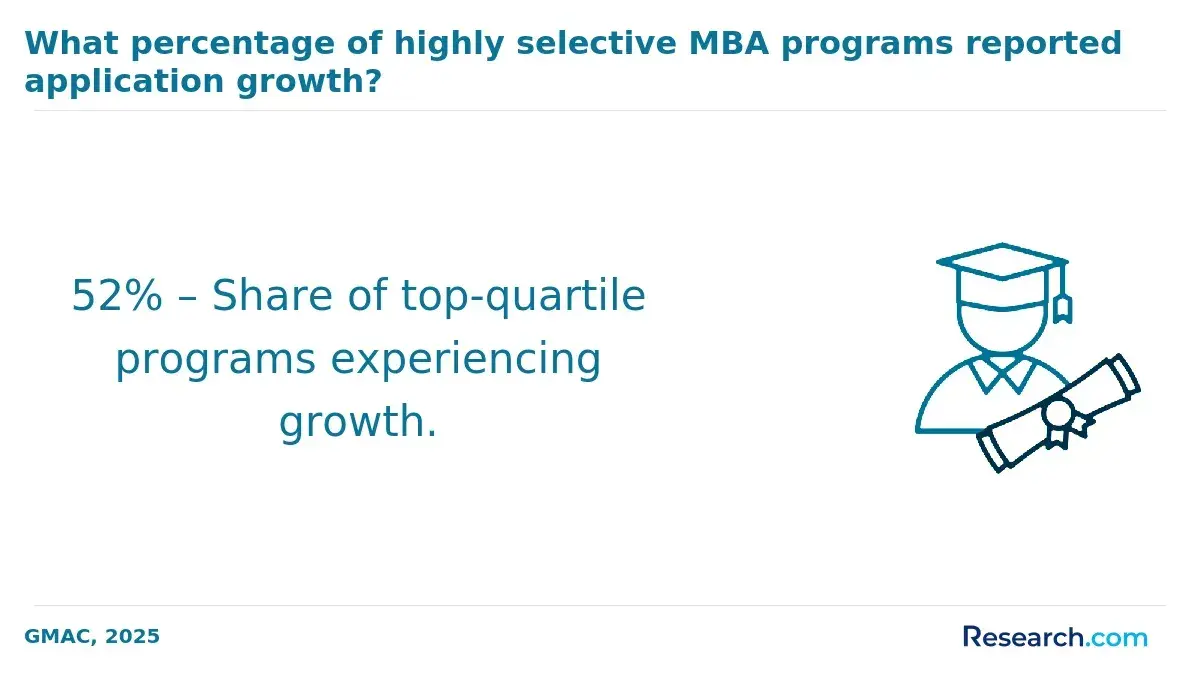
An advanced business degree can help professionals move from general supervision into strategy, senior leadership, consulting, research, or specialized management roles. Graduate programs typically deepen skills in analytics, organizational decision-making, finance, leadership, and applied research.
A doctorate may be useful for professionals who want to teach, consult at a high level, lead research-driven business initiatives, or study complex organizational problems. Students comparing doctoral options can explore an online DBA if they need a flexible format focused on advanced business practice.
How Do Industry Partnerships Enhance Business Management Education?
Business management is easier to learn when students apply concepts to real organizational problems. Programs with employer partnerships may offer internships, mentorship, live consulting projects, case competitions, guest speakers, or capstone work with companies and nonprofits.
These experiences help students connect theory with practice and build professional networks before graduation. Students seeking affordability and applied learning may compare cheap online business administration degree programs alongside business management programs, especially if they want a broad business curriculum with flexible delivery.
What Are the Emerging Trends in Business Management Education?
Business management education is changing because managers now work in environments shaped by data, automation, remote collaboration, cybersecurity risks, sustainability goals, and faster market disruption. Strong programs are adding more coursework and projects in digital transformation, analytics, technology management, remote leadership, and responsible business practices.
Students should look for programs that teach practical tools, not just traditional management theory. Useful signs include data-driven case studies, virtual simulations, collaborative online projects, exposure to business software, and assignments that require students to make recommendations from evidence. Students who need flexibility can also review whether can I get a business degree online options fit their goals and schedule.
Can an MBA Complement a Business Management Degree?
Yes. A business management degree can provide the undergraduate foundation, while an MBA can strengthen executive-level strategy, finance, operations, leadership, and networking. This combination may be useful for professionals who have several years of experience and want to move into higher-level management or leadership roles.
An MBA is not automatically necessary after a business management degree. It is most valuable when it aligns with a clear career objective, such as promotion to senior management, a career change, entrepreneurship, consulting, or leadership in a specialized industry. Cost matters, so students should compare flexible and affordable options such as the most affordable MBA programs.
What Are the Key Advantages of an Online Accelerated MBA Program?
An online accelerated MBA can help experienced professionals complete graduate business training faster while continuing to work. These programs typically condense coursework into a shorter schedule and emphasize leadership, strategy, decision-making, case analysis, and collaboration.
The main advantages are speed, flexibility, and immediate application at work. However, accelerated programs can be demanding. Students should confirm that they have enough time for intensive reading, group work, projects, and exams. Programs such as the 12 months MBA online may be a good fit for focused professionals who can manage a compressed graduate workload.
Majors Related to Business Management
Business management is not the only path into organizational leadership. Students should compare related majors if they already know the type of organization or function they want to work in.
Why Take Up a Business Management Degree?
A business management degree is a practical choice for students who want broad business knowledge, career flexibility, and preparation for leadership-track roles. It can support entry into many business functions and can later be paired with certifications, graduate study, or industry experience.
The degree may be especially useful if you want to manage teams, coordinate projects, improve operations, build client relationships, or understand how different departments work together. Certifications such as PMP for project management or SHRM-CP for human resources can further strengthen a graduate’s profile when aligned with a specific career goal.
Graduate education can also help professionals specialize. For example, those interested in management roles in sports organizations may compare options such as the cheapest online master’s degree sports management programs. The broader lesson is that business management often works best as a foundation that students customize over time.
What Challenges Do Business Management Students Commonly Encounter?
Business management students often have to connect abstract concepts with messy real-world situations. It is one thing to study leadership models; it is another to resolve disagreement on a team project, analyze an incomplete data set, or explain a financial recommendation to non-finance stakeholders.
Common challenges include heavy reading, group work, presentations, quantitative assignments, time management, and adapting to new software tools. Students who want to work in project-based industries may benefit from programs that include applied learning, such as accelerated construction management online degree programs, where management concepts are tied to concrete deliverables and timelines.
Common Mistakes to Avoid
| Mistake | Why It Can Hurt You | Better Approach |
| Choosing a program without checking accreditation | It may affect financial aid, transfer credits, graduate admission, or employer confidence | Verify institutional accreditation and, when relevant, business program accreditation |
| Looking only at tuition | Fees, books, time to graduate, and lost income may change the true cost | Compare total cost of attendance and estimated debt after aid |
| Assuming all business degrees lead to the same jobs | Management, finance, accounting, marketing, and supply chain programs build different strengths | Match the curriculum to your target roles before enrolling |
| Skipping internships or applied projects | A broad degree without experience may be less competitive | Prioritize internships, capstones, case competitions, and part-time business experience |
| Relying only on rankings | A ranked program may still be too expensive, too theoretical, or poorly matched to your schedule | Use rankings as one input, then evaluate fit, cost, outcomes, and support |
| Assuming salary outcomes are guaranteed | Pay depends on role, location, industry, experience, and performance | Research roles in your region and build skills employers request |
How Can You Choose the Right Business Management Program?
Start with your career target. A student who wants to become a marketing manager should choose different electives and internships than a student aiming for operations, HR, entrepreneurship, or consulting. Once you know your direction, compare programs by curriculum, accreditation, cost, flexibility, and career support.
Program format also matters. Online programs can work well for adults, transfer students, military learners, parents, and working professionals. Campus programs may offer more face-to-face networking, student organizations, and local recruiting. Hybrid programs can provide a balance. Students considering future graduate study can also compare cost-conscious options such as the cheapest AACSB accredited online MBA USA.
Questions to Ask Before Enrolling
- Is the institution accredited, and is the business program accredited by AACSB, ACBSP, or IACBE?
- What percentage of credits can I transfer into the program?
- Does the curriculum include analytics, project management, leadership, finance, and communication?
- Are internships required, optional, or supported through career services?
- What software, data tools, or business platforms will I learn?
- What is the total cost after tuition, fees, books, and financial aid?
- Can I complete the program while working full time?
- What career services are available to online and campus students?
- Do graduates work in the roles, companies, or industries I am targeting?
What Are the Advantages of Pursuing an Accelerated Business Management Degree?
An accelerated business management degree is designed for students who want to finish faster than a traditional schedule allows. These programs compress coursework into a more intensive calendar, and some allow students to graduate in as little as 12 to 18 months.
The main advantage is time. Finishing sooner may reduce overall costs, shorten the period before a career move, and help working adults earn a credential without pausing their professional lives for several years. Many accelerated options are online, which can make them more accessible for students balancing work and family responsibilities.
The trade-off is workload. Accelerated programs move quickly and require strong time management. Before enrolling, students should ask how many hours per week the program requires and whether courses are asynchronous, synchronous, or delivered in short sessions. Students comparing fast options can review accelerated business degree programs.
Can an Online Accelerated MBA Degree Boost My Career Prospects?
An online accelerated MBA can support career advancement when the student already has work experience and a clear reason for earning the degree. It may help professionals strengthen leadership, strategy, finance, data-informed decision-making, and cross-functional management skills while staying employed.
The degree is not a shortcut by itself. Employers still evaluate experience, performance, industry knowledge, and demonstrated leadership. The best results usually come when students apply MBA projects directly to workplace problems and use the program to build a stronger professional network. Professionals comparing fast graduate options can explore the best online accelerated MBA programs.
What is the ROI of a Business Management Degree?
The ROI of a business management degree depends on total cost, debt, time to graduation, prior experience, job market conditions, and the graduate’s ability to translate coursework into employable skills. The degree can offer strong long-term value when it leads to better roles, promotions, leadership opportunities, or entry into business careers that were previously inaccessible.
Students should calculate ROI before enrolling. Compare the full cost of attendance with realistic salary expectations for target roles in your region. Then consider non-salary returns such as management skills, professional networks, internships, promotion eligibility, and confidence working across departments. For professionals seeking faster advancement, an advanced credential such as an MBA online 1 year may increase value if it is affordable and aligned with a specific career move.
Business Management Degree vs. Other Business Paths
Business management is a strong generalist option, but it is not always the most efficient route. Students who want a specialized technical career should compare it with other business majors before committing.
| Path | Best For | When Business Management May Be Better |
| Business Management | Students who want leadership, operations, team coordination, and broad business preparation | When you want flexibility across industries and are not fixed on one technical function |
| Finance | Students interested in investments, corporate finance, banking, financial analysis, or risk | When you prefer managing people and processes over deep financial modeling |
| Marketing | Students interested in branding, consumer behavior, campaigns, and market research | When you want broader management roles rather than marketing-specific work |
| Human Resources | Students focused on hiring, employee relations, benefits, compliance, and workforce planning | When you want HR knowledge plus broader operations and leadership preparation |
| Supply Chain Management | Students interested in logistics, procurement, inventory, and operations networks | When you want general management skills instead of a specialized operations pipeline |
Choose Versatility With a Business Management Degree
A business management degree can be a strong choice for students who want to understand how organizations work and how people, processes, money, technology, and strategy connect. It is especially useful in a labor market where organizations must retain talent, manage change, and respond quickly to disruption. McKinsey has reported that employers do not fully understand why employees are leaving, which underscores the need for managers who understand both performance and workplace relationships.
The right program should give you more than business vocabulary. It should help you practice leadership, analyze data, communicate clearly, work in teams, and solve operational problems. If you prefer remote study, an online business management degree program may be worth comparing with campus and hybrid options.
Before enrolling, define your target role, compare costs carefully, verify accreditation, and look for applied learning. A business management degree is most powerful when it is paired with experience, specialization, and a clear career plan.
Key Insights
- Business management is broad by design. It prepares students to understand leadership, operations, communication, finance basics, marketing, HR, and organizational decision-making.
- The degree is best for flexibility. It can support careers in project management, HR, market research, sales, marketing, operations, fundraising, consulting, and general management.
- Cost and accreditation matter. Students should compare total cost, transfer credits, aid, and accreditation status before choosing a program.
- Experience improves outcomes. Internships, capstones, employer projects, software skills, and work experience can make a broad degree more marketable.
- Salary is role-dependent. BLS-based figures show strong potential in several business roles, but earnings vary by location, industry, experience, and job title.
- Specialization can strengthen the degree. Concentrations in analytics, finance, HR, marketing, operations, or project management can align the program with a clearer career path.
- An MBA or advanced degree can help later. Graduate study is most valuable when connected to a specific goal, such as promotion, career change, consulting, or executive leadership.
References:
- Bankrate (2025). FAFSA statistics 2025: Average financial aid for college https://www.bankrate.com/loans/student-loans/fafsa-statistics/
- Bureau of Labor Statistics (2025). Business and Financial Occupations. https://www.bls.gov/ooh/business-and-financial/
- Bureau of Labor Statistics (2025). Financial Managers. https://www.bls.gov/ooh/management/financial-managers.htm
- Bureau of Labor Statistics (2025). Project Management Specialists. https://www.bls.gov/ooh/business-and-financial/project-management-specialists.htm
- EY (n.d.). Leadership and culture services. https://www.ey.com/en_us/services/workforce/culture-talent-leadership
- GMAC (2024). In Rapid Rise of AI, Employers Turn to Business School Graduates for Human Skills. https://www.gmac.com/why-gmac/gmac-news/gmac-press-releases/gmac-2024-annual-corporate-recruiters-survey
- Indeed (2026). Chief sales officer salary in United States. https://www.indeed.com/career/chief-sales-officer/salaries
- National Center for Education Statistics (2024). Undergraduate Degree Fields. https://nces.ed.gov/programs/coe/indicator/cta/undergrad-degree-fields
- National College Attainment Network (2025). FAFSA Completions Bounce Back with Class of 2025, Return to Pre-Pandemic Rates. https://www.ncan.org/news/705304/FAFSA-Completions-Bounce-Back-with-Class-of-2025-Return-to-Pre-Pandemic-Rates.htm
- World Economic Forum. (2025). The Future of Jobs Report 2025. https://www.weforum.org/publications/the-future-of-jobs-report-2025/
- Rios et al. Identifying Critical 21st-Century Skills for Workplace Success: A Content Analysis of Job Advertisements. https://doi.org/10.3102/0013189X19890600
Other Things You Should Know About Business Management Degrees
In 2027, emerging job roles for business management graduates include sustainability manager, digital transformation consultant, and remote team manager. These roles reflect the growing importance of environmental responsibility and remote work dynamics, alongside the increasing integration of technology in business processes.
In 2027, online business management degree programs are widely available, offering flexibility for students worldwide. These programs provide the same comprehensive curriculum as traditional options, covering topics like marketing, finance, and strategic leadership. Accredited institutions often offer these programs, ensuring a quality education from a distance.
Graduates can pursue roles such as project management specialists, fundraisers, management analysts, market research analysts, human resources specialists, financial analysts, sales managers, and marketing managers. The degree offers flexibility to work in various industries.
Yes, a business management degree is worth it due to the strong demand for management professionals, diverse career opportunities, and high earning potential. The skills gained from this degree are applicable across multiple sectors, ensuring career stability and growth.
In 2027, business management degrees include associate's, bachelor's, master's, and doctoral levels. Areas of focus might include finance, marketing, entrepreneurship, and human resources. Specialized programs may also emerge to address current industry needs, offering more targeted skillsets for students.
Essential skills include communication, basic math, computer literacy, problem-solving, and leadership. These skills are crucial for managing people and processes effectively within an organization.
Financial aid options include federal aid through FAFSA, scholarships, grants, and loans. Many institutions also offer specific financial aid packages for business management students to help cover tuition and other expenses.


