
2027 Best Business Schools in Utah – Accredited Colleges & Programs

Co-Founder and Chief Data Scientist
Choosing a business school in Utah is not just about finding a recognizable name. It is a decision about cost, schedule, career direction, employer access, and whether the program teaches the skills Utah companies are hiring for now. The state’s economy has been expanding quickly, with GDP increasing by 4.5% in 2024, and business graduates can find opportunities in management, finance, analytics, marketing, operations, accounting, entrepreneurship, and technology-driven roles.
This guide is for students comparing undergraduate business programs, working professionals considering an MBA, transfer students looking for affordable pathways, and career changers who want a practical credential with broad labor-market value. You will learn what business programs in Utah typically include, how online and campus formats differ, what costs to expect, which schools stand out, and how to choose a program based on outcomes rather than marketing claims.
Quick answer: Is a business degree in Utah worth considering?
A business degree can be a strong option in Utah if you want a flexible credential that applies across industries. The U.S. Bureau of Labor Statistics reports 45,910 general and operations manager jobs in Utah, among the highest employment levels in the state for business-related roles. Business graduates may also qualify for positions in marketing, human resources, operations, financial analysis, consulting, accounting, and project coordination. The degree is most valuable when you choose an accredited school, complete internships or applied projects, select a concentration tied to your career goal, and compare total cost against likely earnings.
What are the benefits of getting a business degree?
- A business degree teaches the core functions organizations rely on, including accounting, finance, marketing, management, operations, and strategy.
- Graduates from the best business schools in Utah can apply their skills in many sectors, including technology, healthcare, finance, government, nonprofit work, retail, manufacturing, and startups.
- Many business and finance careers pay above minimum wage, although actual earnings depend on role, employer, experience, credentials, and location.
What can I expect from a business degree program?
Business programs in Utah usually begin with a broad foundation in how organizations operate. Undergraduate students often study accounting, economics, business communication, finance, marketing, management, statistics, and business law before moving into electives or concentrations. Graduate business programs, including MBAs and specialized master’s degrees, usually focus more heavily on leadership, analytics, strategy, organizational decision-making, and applied problem-solving.
The best programs do more than assign textbook readings. They help students interpret financial information, evaluate markets, manage teams, use data, communicate recommendations, and solve ambiguous business problems. Many Utah schools also offer concentrations so students can align coursework with a career path such as accounting, finance, entrepreneurship, business analytics, supply chain management, human resources, or marketing.
| Program level | Best fit | Typical focus | Career direction |
| Certificate or associate pathway | Students seeking a lower-cost start, transfer credits, or entry-level business training | Business basics, accounting, office systems, management, marketing, and general education | Administrative, sales, small business, bookkeeping support, or transfer to a bachelor’s program |
| Bachelor’s degree | Students preparing for professional entry-level roles or future graduate study | Core business disciplines plus electives or concentrations | Marketing specialist, HR specialist, operations coordinator, analyst, account manager, or entrepreneur |
| MBA | Professionals who want broader leadership preparation or career advancement | Strategy, leadership, finance, operations, analytics, and management decision-making | Manager, consultant, operations leader, business development professional, or executive-track role |
| Specialized master’s degree | Students targeting a specific technical business field | Accounting, data analytics, finance, taxation, HR, or information systems | Accounting, analytics, finance, tax, HR, or systems-focused roles |
Where can I work with a business degree in Utah?
A business degree is useful because nearly every organization needs people who understand budgets, customers, operations, people, data, and strategy. In Utah, graduates may work for established companies, startups, accounting firms, banks, healthcare systems, government agencies, nonprofits, logistics companies, consumer brands, consulting firms, or technology employers.
Career options depend on the degree level and specialization. A marketing-focused student may pursue brand, digital marketing, or market research roles. A finance student may move toward corporate finance, financial planning, investment-related work, or banking. A management or operations graduate may seek supervisor, operations analyst, project coordinator, or general management roles. Students who combine business with data, information systems, or cybersecurity may qualify for more technical business positions.
How much can I make with a business degree in Utah?
Business salaries in Utah vary widely by occupation, industry, employer, location, credentials, and experience. A degree can help you qualify for opportunities, but it does not guarantee a specific wage or promotion.
At the undergraduate level, graduates may pursue roles such as marketing specialist or HR specialist, which report average Utah wages of $65,440 and $71,160. Graduate-level business study can support movement into roles such as management analyst and business operations specialist, which report Utah wages of $86,780 and $83,950, according to the BLS.
| Role | Typical degree fit | Reported Utah average wage | What to consider |
| Marketing specialist | Bachelor’s degree with marketing, analytics, or communications coursework | $65,440 | Portfolio, internships, analytics tools, and digital marketing experience can matter as much as the major name. |
| HR specialist | Bachelor’s degree in business, HR, management, or related field | $71,160 | Employment law, employee relations, HR systems, and communication skills are important. |
| Business operations specialist | Bachelor’s degree or graduate business study, depending on employer | $83,950 | Process improvement, project coordination, data reporting, and cross-functional work are common. |
| Management analyst | Often strengthened by an MBA, analytics training, or consulting experience | $86,780 | Employers often look for problem-solving, presentation, financial analysis, and industry knowledge. |
- 2027 ranking of Utah business programs
- How long business degrees take in Utah
- Online vs. on-campus business programs
- Average business school costs in Utah
- Financial aid options for business students
- Business program admission requirements
- Common business courses
- Business concentrations and specializations
- How to compare Utah business schools
- Career paths for Utah business graduates
- Utah job market for business graduates
- Business education and nutrition-related transitions
- Career services and alumni networks
- Psychology and interdisciplinary business learning
- Accounting career preparation
- Leadership development opportunities
- Professional certifications for business graduates
- Business education and legal career transitions
- Business skills and forensic science-related careers
- Business education and regulated healthcare fields
- Technology in Utah business programs
- Global business preparation
- Business skills for urban planning pathways
- Business education and social impact work
- Business education, community service, and social work
- Internships and hands-on learning
2027 List of the Best Business Programs
How do we rank schools?
Research.com reviewed Utah business programs using factors that matter to students comparing schools: curriculum breadth, cost, accreditation, program reputation, and available academic data. The school selection draws from the IPEDS database, Peterson’s database, the Distance Learning Licensed Data Set from the College Scorecard database, and the National Center for Education Statistics. To understand the broader process used to evaluate schools, review our ranking methodology.
| School | Notable business options | Published cost information | Accreditation listed |
| Utah Tech University | Accounting, Finance, Marketing, Enterprise Management, MAcc | $263 per credit hour; $243 per credit hour | AACSB |
| Utah Valley University | Accounting, Business and Analytics, Finance, MBA, MAcc, Financial Planning and Analytics | $359 per credit hour; $705 per credit hour | AACSB |
| Utah State University | Data Analytics, Management, International Management, MAcc, MDATA, MHR | $378 per credit; $1,000 per credit hour | AACSB |
| University of Utah | Full-time MBA, Professional MBA, MBA Online, Executive MBA, Executive Education | $1,450 per credit hour | AACSB |
| Southern Utah University | Accounting, Business Education, Finance, Marketing, MAcc, MS in Business Analytics | $532 per credit hour; $485 per credit hour | AACSB |
| Brigham Young University | Accounting, Entrepreneurship, Finance, Supply Chain, HR, Information Systems, Marketing, MBA, MAcc, MISM, MPA | $6,496 to $112,128, depending on level and status | AACSB |
| Weber State University | Accounting, Business Administration, Economics, Finance, HR, MIS, Marketing, Supply Chain, MBA, MAcc, Taxation | $631 per credit; $952 per credit | AACSB |
| Western Governors University | Business Administration, IT Management, Healthcare Administration, Accounting, HR, Marketing, Finance, Supply Chain, MBA | $3,775 to $4,955 per six-month term | AACSB |
| Westminster University | Accounting, Business Administration, Economics, Entrepreneurship, Finance, International Business, Marketing, Sports Management, MBA | $1,792 per credit hour; $1,168 to $1,630 per credit hour | AACSB |
| Salt Lake Community College | Accounting, Business Administration, Business Management, Financial Services, Marketing Management, Small Business Management | $387 per credit | NWCCU |
1. Utah Tech University
Formerly known as Dixie State University, Utah Tech University offers business programs designed to build practical management and analytical skills. Its management-focused curriculum introduces students to core business areas and helps them evaluate trends, data, organizational challenges, and market conditions. Coursework may include financial accounting, business ethics and professional writing, macroeconomics, and strategy.
- Program Length: Four years (undergraduate), Two years (graduate)
- Tracks/concentrations: BS in Accounting, Finance, BS/BA in Marketing, BAS in Enterprise Management, MAcc
- Estimated Cost: $263 per credit hour (undergraduate resident rate), $243 per credit hour (graduate resident rate)
- Required Credits to Graduate: Varies based on program
- Accreditation: Association to Advance Collegiate Schools of Business (AACSB)
2. Utah Valley University
Utah Valley University offers business programs that combine business fundamentals with applied learning through projects, internships, and career-focused coursework. Students can study subjects such as principles of finance, international management, and organizational behavior while building the strategic and analytical skills employers often expect from business graduates.
- Program Length: Four years (undergraduate), Two years (graduate)
- Tracks/concentrations: BS in Accounting, Business and Analytics, Finance, MBA, MAcc, Master of Financial Planning and Analytics
- Estimated Cost: $359 per credit hour (undergraduate resident rate), $705 per credit hour (graduate resident rate)
- Required Credits to Graduate: Varies based on program
- Accreditation: Association to Advance Collegiate Schools of Business (AACSB)
3. Utah State University
Utah State University provides flexible MBA options along with several undergraduate and graduate business pathways. Its MBA includes opportunities to study Leadership and Shingo Operational Experience, giving students exposure to operations strategy, leadership development, sales management, value creation, and global strategic thinking.
- Program Length: Four years (undergraduate), Two years (graduate)
- Tracks/concentrations: BS in Data Analytics, Management, International Management, MAcc, MDATA, MHR
- Estimated Cost: $378 per credit (undergraduate resident rate), $1,000 per credit hour (graduate rate)
- Required Credits to Graduate: Varies based on program
- Accreditation: Association to Advance Collegiate Schools of Business (AACSB)
4. University of Utah
The University of Utah offers MBA formats for different career stages, including full-time, professional, online, and executive options. Core MBA topics include information systems, business communication, data analysis, and decision-making. The school also offers dual-degree and certificate options for students who want to broaden or specialize their graduate business education.
- Program Length: Two years
- Tracks/concentrations: Full-time MBA, Professional MBA, MBA Online, Executive MBA, Executive Education
- Estimated Cost: $1,450 per credit hour
- Required Credits to Graduate: Varies based on program
- Accreditation: Association to Advance Collegiate Schools of Business (AACSB)
5. Southern Utah University
Southern Utah University offers business degrees for undergraduate and graduate learners, including an MBA with options in areas such as business analytics, finance, and healthcare administration. Graduate coursework may cover advanced managerial accounting, strategy, and managerial economics, helping students connect financial and operational decisions to organizational goals.
- Program Length: Four years (undergraduate), Two years (graduate)
- Tracks/concentrations: BS/BA in Accounting, Business Education, Finance, Marketing MAcc, MS in Business Analytics
- Estimated Cost: $532 tuition and fees per credit hour (undergraduate rate), $485 tuition per credit hour (graduate rate)
- Required Credits to Graduate: Varies based on program
- Accreditation: Association to Advance Collegiate Schools of Business (AACSB)
6. Brigham Young University
The Marriott School of Business at Brigham Young University offers a broad business portfolio at the undergraduate and graduate levels. Undergraduate students build foundations in business disciplines, while MBA and Executive MBA students focus more heavily on leadership, ethics, decision-making, and career advancement. BYU’s business school is also known for its professional network and emphasis on values-based leadership.
- Program Length: Four years (undergraduate), Two years (graduate)
- Tracks/concentrations: Accounting, Entrepreneurship, Experience Design, Finance, Global Supply Chain, Human Resources, Information Systems, Marketing, Strategy, MAcc, MBA, Executive MBA, MISM, MPA, Executive MPA
- Estimated Cost: $6,496 for two semesters (undergraduate Latter-day Saint rate), $12,992 for two semesters (undergraduate non-Latter-day Saint rate), $81,976 total cost of attendance (graduate Latter-day Saint rate), $112,128 total cost of attendance (graduate non-Latter-day Saint rate)
- Required Credits to Graduate: Varies based on program
- Accreditation: Association to Advance Collegiate Schools of Business (AACSB)
7. Weber State University
Weber State University offers business programs through the Goddard School, where students can pursue undergraduate majors as well as graduate options for working professionals. The school emphasizes AACSB-accredited coursework, faculty interaction, and connections with employers, giving students pathways into accounting, economics, finance, information systems, marketing, supply chain, management, and related fields.
- Program Length: Four years (undergraduate), Two years (graduate)
- Tracks/concentrations: Accounting; Business Administration; Economics, Business; Economics & Legal Studies; Economics; Economics, International Business; Economics, International; Economics, Quantitative; Finance; Human Resource Management; Management Information Systems; Marketing; Supply Chain Management; MAcc; MBA; Master of Taxation
- Estimated Cost: $631 per credit (undergraduate resident rate), $952 per credit (graduate resident rate)
- Required Credits to Graduate: Varies based on program
- Accreditation: Association to Advance Collegiate Schools of Business (AACSB)
8. Western Governors University
Western Governors University uses a competency-based model that lets students progress by demonstrating mastery of required material. Its business programs were developed with input from industry organizations such as Google and the American Marketing Association. WGU may be especially appealing to self-directed students who want an online structure and career-aligned programs in areas such as business administration, IT management, healthcare administration, accounting, marketing, finance, HR, and supply chain.
- Program Length: Four years (undergraduate), Two years (graduate)
- Tracks/concentrations: Business Administration, IT Management, Healthcare Administration, Accounting, Human Resource Management, Marketing, Finance, Supply Chain and Operations Management, MBA
- Estimated Cost: $3,775 to $3,955 per six-month term (undergraduate rate), $4,730 to $4,955 per six-month term (graduate rate)
- Required Credits to Graduate: Varies based on program
- Accreditation: Association to Advance Collegiate Schools of Business (AACSB)
9. Westminster College Utah
The Bill and Vieve Gore School of Business at Westminster University blends business education with a liberal arts approach. Students work on communication, technology, ethical reasoning, collaboration, and critical thinking while studying business topics. Its portfolio includes undergraduate majors, graduate business degrees, and MBA formats such as technology commercialization and project-based study.
- Program Length: Four years (undergraduate), Two years (graduate)
- Tracks/concentrations: Accounting, Business Administration, Economics, Entrepreneurship, Finance, International Business, Management, Marketing, Sports Management, MAcc, MBA, MBA in Technology Commercialization, Project-Based MBA
- Estimated Cost: $1,792 per credit hour (undergraduate rate), $1,168 to $1,630 per credit hour (graduate rate)
- Required Credits to Graduate: Varies based on program
- Accreditation: Association to Advance Collegiate Schools of Business (AACSB)
10. Salt Lake Community College
Salt Lake Community College offers business associate degrees and certificates that can support transfer or direct workforce entry. AA and AS business pathways generally combine business fundamentals with general education that may apply toward a bachelor’s degree. The AAS in Business Administration is more career-oriented and emphasizes practical skills in accounting, finance, marketing, and management.
- Program Length: Four years (undergraduate), Two years (graduate)
- Tracks/concentrations: Accounting, Business Administration, Business Management, Financial Services, Marketing Management, Small Business Management
- Estimated Cost: $387 per credit
- Required Credits to Graduate: Varies based on program
- Accreditation: Northwest Commission on Colleges and Universities (NWCCU)
What online business graduates often value
Online business students commonly point to schedule control as the biggest advantage. A working parent may need classes that fit around childcare and employment. A career changer may want to build business skills without leaving a current job. An aspiring founder may prefer coursework that can be completed while testing a business idea. These benefits are real, but online study also requires discipline, consistent time management, and comfort communicating through digital platforms.
Early takeaways before you compare schools
- A bachelor’s plus a master’s in business can often be completed within six years, although part-time study, transfer issues, or personal obligations can lengthen the timeline.
- Published undergraduate business costs among listed Utah schools range from about $260 to $1,800 per credit.
- Common specialization choices include finance, marketing, entrepreneurship, accounting, analytics, management, information systems, and supply chain.
- Grant aid can substantially reduce net cost; some students may bring annual payments down to about $2,730 depending on aid eligibility and school pricing.
- Utah’s business and finance labor market is expected to grow faster than average in several roles, but students should still evaluate local employer demand by specialization.
How long does it take to complete a business program in Utah?
Business remains one of the most popular fields of study in the United States, with 375,400 bachelor’s degrees and approximately 190,000 graduate degrees awarded in an academic year. In Utah, completing a bachelor’s degree and then a master’s degree in business can take about five to six years for many full-time students. Students studying part time, changing majors, repeating courses, or balancing work and family may need seven or eight years.
The timeline depends on your starting point. Transfer credits, summer enrollment, accelerated terms, competency-based formats, and course availability can shorten or lengthen the path. Because business programs often involve quantitative courses, writing assignments, team projects, presentations, and exams, students should plan a realistic weekly study schedule before enrolling.
| Student path | Likely timeline | What can affect completion |
| Full-time bachelor’s student | Four years | Major changes, prerequisites, transfer credit acceptance, and course sequencing |
| Associate-to-bachelor’s transfer student | Varies based on transfer credits | Articulation agreements, general education completion, and accepted business prerequisites |
| MBA student | Two years | Part-time enrollment, work schedule, cohort format, and required foundation courses |
| Bachelor’s plus master’s pathway | Five to six years | Accelerated options, undergraduate preparation, admission timing, and course load |
How does an online business program compare to an on-campus program?
Online and campus-based business programs can lead to similar credentials, but the student experience differs. On-campus programs offer a structured schedule, in-person access to professors, face-to-face group work, student organizations, campus events, libraries, and career offices. This format can be helpful for students who learn best through direct interaction and want frequent networking opportunities.
Online programs are built for flexibility. Students can often complete lectures, discussions, and assignments around work or family responsibilities. This can be especially useful for working professionals comparing MBAs, accounting programs, or options such as the most affordable online master’s in accounting programs. The trade-off is that online learners must be proactive about networking, asking questions, joining virtual events, and building relationships with classmates and faculty.
| Factor | Online business program | On-campus business program |
| Schedule | Often more flexible for working adults and caregivers | Usually follows set class times and campus requirements |
| Networking | Requires intentional participation in virtual events, group projects, and alumni outreach | Provides more spontaneous in-person networking and student organization access |
| Learning style | Best for self-directed students who can manage deadlines independently | Best for students who prefer classroom structure and immediate interaction |
| Career support | May be available virtually, but students should confirm access before enrolling | Often easier to access through campus career centers, employer visits, and fairs |
| Best fit | Working professionals, parents, rural students, and self-paced learners | Traditional-age students, career networkers, and students seeking campus immersion |
What is the average cost of a business program in Utah?
Business degree costs in Utah depend on the school, level, residency status, format, fees, credit requirements, transfer credits, and whether the institution is public or private. According to the Utah System of Higher Education, public four-year institutions in Utah charged in-state students an average of $6,962 in tuition and fees for the 2024-2025 academic year, while out-of-state students paid $21,192. Private four-year institutions were around $6,186. Individual business programs may be higher or lower once program fees, books, technology costs, parking, housing, and living expenses are included.
Based on the programs reviewed here, in-state undergraduate business tuition commonly ranges from $260 to $1,800 per credit. MBA programs often cost more, with per-credit tuition from $485 to $1,800. Students comparing specialized graduate pathways, including the most affordable executive MBA programs, should calculate total program cost rather than relying only on a per-credit figure.
| Cost factor | Why it matters | Question to ask |
| Tuition per credit | It is the most visible price but not the full cost. | How many credits are required, and are business courses priced differently? |
| Fees | Program, technology, student, and course fees can add significantly to the bill. | What mandatory fees apply each semester or term? |
| Residency | Public universities often charge different rates for in-state and out-of-state students. | How does the school classify my residency status? |
| Transfer credits | Accepted credits can reduce time and tuition. | Which credits will transfer directly into the business major? |
| Format | Online, executive, professional, and full-time programs may price tuition differently. | Is the online or professional format cheaper, equal, or more expensive? |
| Opportunity cost | Full-time study may reduce income while enrolled. | Can I keep working while completing the program? |
What are the financial aid options for students enrolling in a business program in Utah?
Financial aid can change the real price of a business degree, so students should compare net cost instead of sticker price. Possible aid sources include federal aid, state aid, institutional scholarships, grants, employer tuition assistance, military education benefits, private scholarships, and business-specific awards. Some organizations also support students in specialized areas such as fraud examination, accounting, finance, entrepreneurship, or human resources leadership.
College Board data shows a large difference between published and net costs for full-time, first-year students in the 2025-2026 academic year: $11,950 after grants at public universities and $45,000 at private, non-profit schools. Your own aid package may differ, so request school-specific financial aid estimates before committing.
- Submit the FAFSA as early as possible if you plan to use federal or need-based aid.
- Ask each school for the total cost of attendance, not only tuition.
- Search for scholarships tied to your concentration, such as accounting, analytics, finance, marketing, or entrepreneurship.
- If you work, ask your employer about tuition reimbursement or professional development funding.
- Compare loan amounts carefully and estimate monthly repayment before borrowing.
What are the prerequisites for enrolling in a business program?
Admission requirements vary by institution, program level, major, and applicant background. Undergraduate business students generally need to meet university admission standards and may also need to complete prerequisite courses before entering upper-division business coursework. Graduate applicants usually submit additional materials that demonstrate academic readiness, professional experience, or quantitative preparation.
- General education courses. Many schools require coursework in English, mathematics, science, social sciences, humanities, and other general education areas.
- Math preparation. Because business programs use quantitative reasoning, students may need algebra, statistics, calculus, or related math courses.
- Business foundation courses. Some majors require introductory accounting, economics, business communication, or management courses before advanced study.
- Standardized tests. Some graduate programs request GMAT or GRE scores, although requirements may vary by school and program format.
- Minimum GPA. A business school may set a GPA threshold for admission into the major or graduate program in addition to university-wide requirements.
What courses are typically in a business program?
Business curricula usually combine quantitative, communication, legal, financial, and managerial subjects. Undergraduate programs introduce broad business concepts, while graduate programs often build on prior coursework or work experience with more advanced strategy, analytics, leadership, and decision-making content.
- Accounting Principles
- Business Statistics
- Micro and Macroeconomics
- Business Law
- Business Communications
- Finance
- Marketing Principles
- Management Principles
Graduate students may move into more specialized study, including analytics-focused pathways similar to the most affordable online master’s in data analytics programs, depending on career goals and program design.
What types of specializations are available in business programs?
Your concentration should match the work you want to do after graduation. Finance may lead toward corporate finance, financial planning, banking, or investment-related roles. Marketing can support careers in digital strategy, product marketing, brand management, market research, and communications. Students who want communication-heavy business roles may also compare options such as an affordable online master’s in communication.
Common business specializations include:
- Finance
- Marketing
- Business Management
- Accounting
- Entrepreneurship
- Business Analytics
- Information Systems
- Supply Chain Management
- International Business
| Specialization | Consider it if you like... | Possible career direction |
| Accounting | Rules, financial records, tax, auditing, and accuracy | Accounting, audit, tax, controllership, or CPA preparation |
| Finance | Markets, budgets, valuation, risk, and investment decisions | Corporate finance, financial planning, banking, or analysis |
| Marketing | Customer behavior, campaigns, branding, analytics, and communication | Marketing specialist, digital marketing, brand, product marketing, or research |
| Business analytics | Data, dashboards, forecasting, and evidence-based decisions | Analyst, operations research, business intelligence, or data-driven strategy |
| Management | People, operations, leadership, and organizational improvement | Supervisor, operations manager, general management, or consulting |
| Supply chain | Logistics, procurement, production, and process efficiency | Supply chain analyst, logistics coordinator, operations, or procurement |
Labor-market data can help you choose a concentration. The BLS shows many business and finance professionals work in leadership and management-related roles, which is why a management or operations focus may appeal to students seeking supervisory responsibility. The chart below provides more context on leading employment areas for business graduates.
How to choose the best business school in Utah?
The best Utah business school for you is the one that fits your career goal, budget, schedule, learning style, and preferred network. Rankings and accreditation are useful starting points, but they should not be the only criteria. A highly ranked program that is too expensive, too far away, or weak in your target concentration may be a poor fit.
- Accreditation. Confirm institutional accreditation and, when relevant, business-specific accreditation. Accreditation affects transfer credits, financial aid eligibility, graduate admission, and employer confidence.
- Graduate outcomes. Ask for employment rates, common employers, job titles, salary information, internship placement, and graduate school outcomes for your specific program.
- Company partnerships. Schools with strong employer relationships may offer better access to internships, consulting projects, guest speakers, career fairs, and industry workshops.
- Career services. A National Association of Colleges and Employers survey found that 69% of graduating college students used their school’s career services. Ask what support is available to both online and campus students.
- Program format. Choose a format that matches your life. A full-time campus program can work well for immersive learning, while online or professional programs may suit working adults.
- Total net cost. Compare tuition, fees, aid, transfer credits, commuting, housing, and lost income.
| Question to ask before enrolling | Why it matters |
| Is the institution accredited, and is the business school separately accredited? | Accreditation can affect credit transfer, financial aid, employer recognition, and graduate study. |
| What percentage of students complete internships or applied projects? | Hands-on experience can improve job readiness and networking. |
| Which employers recruit from this program? | Employer access can vary significantly by school and location. |
| Are career services available to online students? | Online learners need the same access to coaching, job boards, networking, and recruiting events. |
| How many of my credits will transfer? | Transfer policy can change both completion time and total cost. |
| What are the outcomes for my intended concentration? | School-wide outcomes may not reflect accounting, analytics, finance, marketing, or MBA results. |
What career paths are available for graduates of the best business schools in Utah?
Business graduates can pursue careers across Utah and beyond because the degree develops transferable skills: financial reasoning, communication, planning, analytics, leadership, market understanding, and operational problem-solving. Employers in technology, healthcare, finance, retail, manufacturing, government, education, consulting, and nonprofit organizations all need these capabilities.
Some students deepen their business degree with technical study. For example, a student interested in risk, information systems, or technology management might compare business programs with options such as the most affordable online cybersecurity degrees. Combining business knowledge with a technical specialty can improve alignment with roles in analytics, operations, security, compliance, and technology strategy.
| Career area | Useful business focus | Entry or advancement roles |
| Accounting and finance | Accounting, finance, analytics, taxation | Staff accountant, financial analyst, budget analyst, auditor, finance manager |
| Marketing and sales | Marketing, communication, analytics, consumer behavior | Marketing specialist, sales manager, market research analyst, brand coordinator |
| Operations and supply chain | Operations, supply chain, analytics, project management | Operations coordinator, supply chain analyst, logistics specialist, operations manager |
| Human resources | Management, HR, organizational behavior, employment law | HR specialist, recruiter, compensation analyst, HR manager |
| Entrepreneurship | Entrepreneurship, finance, marketing, strategy | Founder, small business manager, business development associate, startup operator |
| Consulting and analysis | Strategy, analytics, finance, operations | Management analyst, business analyst, consultant, process improvement specialist |
What is the job market for graduates with a business degree in Utah?
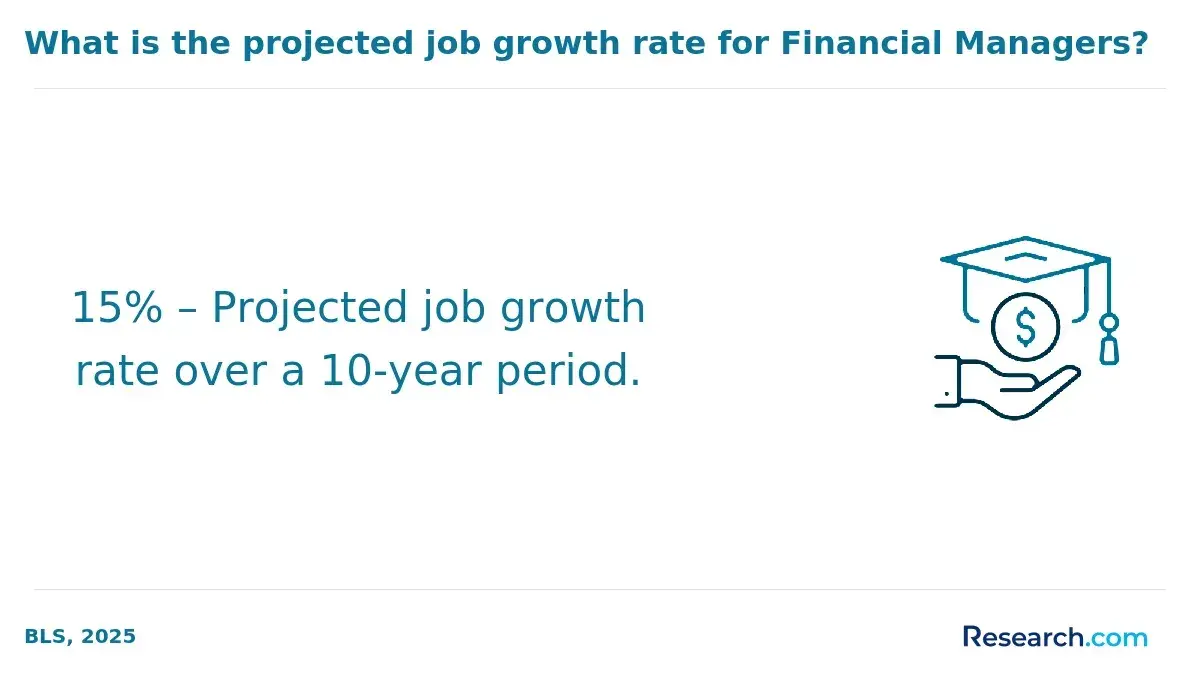
Utah’s business job market is attractive for students who build relevant skills and professional experience while enrolled. The BLS projects a national average job growth rate of 3% between 2024 and 2034, while Utah’s business and finance fields are projected to grow faster in several roles. Demand for market research analysts and marketing specialists is expected to rise by nearly 7% during the same period, and operations research analysts are projected to see 21% growth. Students interested in operations, scheduling, budgets, and cross-functional work may also compare business programs with an affordable online project management degree.
How do business programs support non-traditional career transitions such as nutrition?
Business education can support students entering wellness, food entrepreneurship, healthcare administration, or nutrition-adjacent roles by teaching budgeting, market research, operations, consumer behavior, and strategic planning. However, becoming a licensed or credentialed nutrition professional may require separate science coursework, supervised experience, or state-specific qualifications. Students exploring that path should review how to become a nutritionist in Utah before assuming a business degree alone is enough.
What career support and alumni networking opportunities are available at Utah business schools?
Career support can be one of the biggest differences between business schools. Strong programs typically offer resume reviews, interview preparation, internship assistance, employer events, job boards, mentorship, alumni panels, and career coaching. For students interested in specialized industries, alumni connections can be especially useful. A graduate targeting hospitals, insurers, clinics, or healthcare operations, for example, may want to explore MBA jobs in healthcare while asking schools which healthcare employers recruit from their programs.
How can interdisciplinary studies, including psychology, enhance business education in Utah?
Business decisions are rarely based on numbers alone. Psychology can strengthen business education by helping students understand motivation, leadership, negotiation, team dynamics, consumer behavior, persuasion, and workplace communication. Students interested in human behavior, organizational leadership, marketing, or management may benefit from electives or collaborations with programs like those highlighted among the best colleges for psychology in Utah.
How do Utah business schools prepare students for accounting careers?
Accounting is one of the most structured business career paths because many roles require technical knowledge of financial reporting, tax rules, auditing, accounting systems, and professional standards. Utah business schools that offer accounting degrees often build curricula around financial accounting, managerial accounting, taxation, auditing, business law, and data or software tools used in practice.
Students who want CPA eligibility should verify whether the program aligns with state education requirements and whether additional graduate coursework, such as a MAcc, may be needed. Schools may also offer CPA exam resources, accounting clubs, employer networking, and internship connections with public accounting firms, corporate finance departments, government agencies, and nonprofit organizations.
Internships are especially important in accounting because employers often use them as extended interviews. Students should ask which firms recruit on campus, how many accounting students complete internships, and whether the program offers help with CPA planning. For a focused pathway, review how to become a CPA in Utah.
What are the leadership development opportunities available in Utah business schools?
Leadership development is a major reason students choose business degrees, especially MBAs. Utah business schools may build leadership training into coursework, team projects, case competitions, consulting assignments, internships, student organizations, mentoring, and executive-style coaching.
Leadership courses and workshops
Leadership coursework often covers communication, ethical decision-making, organizational behavior, conflict management, team performance, and strategic thinking. Workshops may focus on practical topics such as giving feedback, leading meetings, managing change, and presenting to executives.
Executive coaching and mentorship
Some programs connect students with faculty coaches, alumni mentors, or industry professionals who can provide feedback on leadership style, career goals, and professional communication. These relationships can also help students understand which skills employers value in management-track roles.
Competitions and leadership initiatives
Business plan competitions, case competitions, entrepreneurship events, and leadership forums allow students to test ideas, manage teams, solve business problems, and present recommendations under pressure. These experiences can strengthen confidence and help students build examples for interviews.
Internships and consulting projects
Applied work gives students a chance to lead meetings, gather data, manage deliverables, work with clients, and make decisions with real consequences. These experiences are often more persuasive to employers than classroom performance alone.
What professional certifications can boost career success in Utah?
Certifications can help business graduates signal specialized skills, but they work best when paired with relevant experience and a clear career goal. Common areas include accounting, project management, digital marketing, data analytics, supply chain, human resources, and finance. Accounting students should pay special attention to CPA requirements and state rules; students comparing that route can start with how to become a CPA in Utah.
| Certification area | Best for students targeting... | Important caution |
| Accounting | Public accounting, audit, tax, corporate accounting, or controllership | Licensure requirements can include education, exams, and experience beyond the degree. |
| Project management | Operations, technology, construction, healthcare, and business transformation roles | Some credentials require documented experience. |
| Digital marketing | Marketing, social media, analytics, advertising, and e-commerce | Employers often want a portfolio and measurable campaign results. |
| Supply chain | Logistics, procurement, manufacturing, inventory, and operations | Industry experience can be important for advancement. |
| Analytics | Business intelligence, operations research, reporting, and strategy roles | Software skills and project examples may matter more than certificates alone. |
How can business education support legal career transitions?
Business coursework can help students move toward legal-adjacent roles such as compliance analyst, contract administrator, risk specialist, legal operations coordinator, or paralegal support. Useful subjects include business law, corporate governance, ethics, regulatory compliance, research, accounting, and communication. Students who want a paralegal role should check credential expectations separately by reviewing how to become a paralegal in Utah.
How do Utah business schools prepare students for forensic science careers?
A business degree is not a substitute for forensic science training, but it can be useful in fraud examination, financial investigations, risk management, compliance, data integrity, and corporate controls. Students interested in forensic work should distinguish between forensic accounting, which is business-related, and laboratory-based forensic science, which usually requires science-specific education. For science-focused requirements, see forensic scientist education requirements in Utah.
How can business education assist with licensing in regulated healthcare fields?
Business training can support healthcare administration, operations, finance, compliance, and leadership roles, especially in regulated environments. Courses in healthcare finance, policy, compliance, risk management, and data analysis may help students understand how healthcare organizations operate. However, clinical or licensed roles have separate education and licensing rules. Students considering pharmacy-related careers should review pharmacist licensure requirements in Utah before choosing a business-only pathway.
How do Utah's business schools integrate technology into their programs?
Technology now shapes nearly every business function, from marketing analytics and financial modeling to supply chain systems, human resources platforms, cybersecurity risk, and AI-supported decision-making. Utah business programs increasingly expose students to digital tools, data analytics, online collaboration, business simulations, and technology-focused projects so graduates can work in modern organizations.
Students who need flexibility may compare online MBA formats, including an online MBA no GMAT, while checking whether the curriculum includes data analytics, digital marketing, information systems, or technology strategy. The format matters less than whether the program gives students practical experience using tools employers recognize.
- Digital learning platforms: Programs may use online systems for simulations, analytics exercises, virtual collaboration, and discussion-based learning.
- Technology company connections: Schools located near Utah’s business and technology corridors may offer employer events, internships, projects, or mentorship opportunities.
- Data-driven decision-making: Many programs include statistics, analytics, dashboards, forecasting, and evidence-based strategy.
- Technology-focused capstones: Students may work on digital transformation, platform strategy, systems improvement, or analytics projects.
- Entrepreneurial technology work: Startup-focused students may use business school resources to test technology-enabled products, services, or ventures.
How do Utah business schools cultivate global business perspectives?
Global business preparation can include international case studies, cross-cultural communication, global supply chain topics, international finance, study abroad, global consulting projects, and partnerships with institutions or companies outside the United States. Students pursuing an international business career should look for language options, global internships, international alumni, and coursework that addresses trade, regulation, culture, and multinational strategy.
What career paths are available to graduates who want to pursue a career outside of the traditional business realm, such as urban planning?
Business training can support nontraditional fields that require budgeting, project coordination, economic analysis, stakeholder communication, and strategic planning. Urban planning is one example. A business graduate may work in real estate development, municipal budgeting, transportation project administration, community development finance, or planning operations. However, becoming an urban planner often requires specialized planning education or credentials, so students should review urban planning schools in Utah before assuming a business degree meets all requirements.
Can business education pave the way to social impact careers such as substance abuse counseling?
Business graduates can contribute to social impact organizations through nonprofit management, grant budgeting, program evaluation, operations, fundraising, marketing, and community partnerships. These skills are useful in organizations addressing behavioral health and substance abuse. Direct counseling roles, however, have separate education, supervision, and licensure requirements. Students interested in clinical or counseling work should review how to become a licensed substance abuse counselor in Utah.
How can business education pave the way to community service and social work careers?
Business skills can help public agencies and nonprofits manage budgets, improve operations, evaluate programs, write grants, and coordinate services. Students interested in community leadership may benefit from coursework in nonprofit management, public policy, analytics, communication, and organizational leadership. Social work practice is regulated separately, so students who want direct service or licensed roles should consult how to become a social worker in Utah.
What are the internship and hands-on learning opportunities at business schools in Utah?
Internships, consulting projects, capstones, student-run organizations, competitions, and employer-sponsored assignments can turn a business degree into a stronger career launchpad. They are also useful for students asking, Can I get an MBA without a business degree? Applied experience can help non-business majors show readiness for graduate business study and post-MBA roles.
- Internship programs: Utah business schools may connect students with employers in technology, healthcare, finance, accounting, operations, marketing, and startups.
- Experiential projects: Students may work with companies to solve real problems involving growth, data, operations, customer research, or process improvement.
- Startup collaborations: Utah’s startup activity gives entrepreneurship-minded students opportunities to test ideas, support founders, or work on early-stage business problems.
- Consulting projects: Some programs assign students to consulting-style teams that research issues, analyze data, and present recommendations to organizations.
- Career fairs and networking events: Employer events help students find internships, learn hiring expectations, and make professional contacts.
- Global internships and study abroad: Some schools offer international experiences that expose students to global markets, operations, and cross-cultural business practice.
Common mistakes to avoid when choosing a Utah business school
| Mistake | Why it can hurt you | Better approach |
| Choosing only by ranking | A highly ranked school may not fit your budget, schedule, concentration, or career goal. | Use rankings as one input, then compare outcomes, cost, accreditation, and employer access. |
| Looking only at tuition | Fees, books, housing, transportation, and lost income can change affordability. | Compare total cost of attendance and net price after aid. |
| Ignoring accreditation | Unaccredited or poorly recognized programs can affect financial aid, transfer credits, and employer confidence. | Verify institutional accreditation and business-specific accreditation when relevant. |
| Assuming online means easier | Online courses often require strong self-management and consistent participation. | Ask about workload, live sessions, group projects, support services, and faculty access. |
| Choosing a concentration without a career plan | A vague specialization can make job searching harder. | Match electives to target roles, internships, tools, and certifications. |
| Waiting too long to use career services | Students who delay networking may graduate with fewer employer contacts. | Meet career advisors early, attend events, and pursue internships before senior year or MBA completion. |
Related Articles for Nearby States
- 2027 Best Business Schools in Nevada – Accredited Colleges & Programs
- 2027 Best Business Schools in Arizona – Accredited Colleges & Programs
- 2027 Best Business Schools in Idaho – Accredited Colleges & Programs
- 2027 Best Business Schools in Wyoming – Accredited Colleges & Programs
- 2027 Best Business Schools in Colorado – Accredited Colleges & Programs
- 2027 Best Business Schools in New Mexico – Accredited Colleges & Programs
- 2027 Best Business Schools in California – Accredited Colleges & Programs
- 2027 Best Business Schools in Montana – Accredited Colleges & Programs
- 2027 Best Business Schools in Oregon – Accredited Colleges & Programs
- 2027 Best Business Schools in Washington – Accredited Colleges & Programs
References:
- Bureau of Economic Analysis (2025, March 28). Gross Domestic Product by State and Personal Income by State 4th Quarter 2024 and Preliminary 2024. https://www.bea.gov/sites/default/files/2025-03/stgdppi4q24-a2024.pdf
- CollegeBoard (2025). Trends in College Pricing and Student Aid 2025. https://research.collegeboard.org/media/pdf/Trends-in-College-Pricing-and-Student-Aid-2025-final_1.pdf
- IBISWorld. (n.d.). Utah Economic Trends, Stats & Rankings. IBISWorld. https://www.ibisworld.com/united-states/economic-profiles/utah
- National Center for Education Statistics. (2024, January). Average undergraduate tuition, fees, room, and board charges for full-time students in degree-granting postsecondary institutions, by control and level of institution and state https://nces.ed.gov/programs/digest/d23/tables/dt23_330.20.asp
- National Center for Education Statistics. (2024, May). Undergraduate Degree Fields. https://nces.ed.gov/programs/coe/indicator/cta
- Payscale. (2026, January 7). Master of Business Administration (MBA), Entrepreneurship Salary | PayScale. Payscale. https://www.payscale.com/research/US/Degree=Master_of_Business_Administration_(MBA)%2C_Entrepreneurship/Salary
- Payscale. (2025, November 7). Master of Business Administration (MBA), Marketing Salary | PayScale. Payscale. https://www.payscale.com/research/US/Degree=Master_of_Business_Administration_(MBA)%2C_Marketing/Salary
- Payscale. (2025, October 26). Master of Business Administration (MBA), Finance Salary | PayScale. Payscale. https://www.payscale.com/research/US/Degree=Master_of_Business_Administration_(MBA)%2C_Finance/Salary
- Projections Central. (n.d.). Long-Term Occupational Projections. https://projectionscentral.org/Projections/LongTerm?AreaName=utah&Name=analyst&items_per_page=1000
- U.S. Bureau of Labor Statistics. (2025, August 28). Market Research Analysts. https://www.bls.gov/ooh/business-and-financial/market-research-analysts.htm
- U.S. Bureau of Labor Statistics. (2024, April 3). Occupational Employment and Wage Statistics. Area: Utah. https://data.bls.gov/oes/#/area/4900000
- U.S. Bureau of Labor Statistics. (2025, August 28). Operations Research Analysts. https://www.bls.gov/ooh/math/operations-research-analysts.htm
- Utah State of Higher Education (2025). Tuition and Fees. https://ushe.edu/wp-content/uploads/pdf/databook/2025/Tuition_Fees_2025.pdf
Key Insights
- Utah is a strong place to study business if you choose a program that connects coursework to internships, employer networks, analytics, communication, and practical projects.
- The right school depends on fit, not just reputation. Compare accreditation, total net cost, concentration strength, transfer policy, career services, and graduate outcomes.
- Online business programs can be just as practical for disciplined students, but they require intentional networking and careful review of career support access.
- Costs vary widely. Published Utah business program pricing ranges from about $260 to $1,800 per credit at the undergraduate level, while MBA pricing can range from $485 to $1,800 per credit.
- Business specializations matter. Accounting, finance, analytics, marketing, management, information systems, and supply chain can lead to different skill sets and job markets.
- Do not assume a business degree automatically qualifies you for licensed fields such as healthcare, counseling, pharmacy, social work, or some legal roles. Use business education as a complement and verify separate licensing requirements.
- The highest-value business degree is usually the one that combines accredited coursework, manageable debt, applied experience, a clear career target, and measurable employer access before graduation.
Other Things You Should Know About the Best Business Schools in Utah
In 2027, the top-ranked business schools in Utah include the University of Utah's David Eccles School of Business, Brigham Young University's Marriott School of Business, and Utah State University's Jon M. Huntsman School of Business. These institutions are recognized for their rigorous programs and strong industry connections.
In 2027, business schools in Utah, such as the University of Utah's Eccles School of Business, offer robust resources through entrepreneurship centers, incubators, and competitions. These provide aspiring entrepreneurs with funding, mentorship, and networking opportunities to develop and launch their startups successfully.


