2027 Best Business Schools in Wyoming – Accredited Colleges & Programs

Co-Founder and Chief Data Scientist
Choosing a business school in Wyoming is a practical decision about cost, transfer options, career access, and fit—not just a search for the biggest name. Wyoming students often weigh public university programs, community college pathways, online study, and career-focused credentials while planning for work in management, accounting, finance, marketing, entrepreneurship, energy, tourism, agriculture, government, healthcare, and small business operations.
This guide explains how to compare the best business schools in Wyoming, what degree levels are available, how long programs usually take, what costs to expect, and which factors matter most before enrolling. It is designed for first-time college students, transfer students, working adults, military-affiliated learners, and professionals considering a business degree or MBA. A business career can prepare you for management, operations, finance, marketing, and administrative roles, but the best path depends on your goals, budget, schedule, and whether you plan to stay in Wyoming after graduation.
Best Business Schools in Wyoming Table of Contents
- Quick answer: Are Wyoming business schools worth considering?
- How long do business programs in Wyoming take?
- What do business programs in Wyoming cost?
- Best Business Schools in Wyoming for 2027
- How to choose the right Wyoming business school
- Admission requirements for business schools in Wyoming
- How to gain real-world business experience in Wyoming
- Business careers available to Wyoming graduates
- Business opportunities in healthcare and nutrition
- When an accelerated online MBA makes sense
- Why psychology can strengthen business leadership
- How online business programs fit Wyoming learners
- Using interdisciplinary certifications to expand options
- Networking opportunities for business students in Wyoming
- How legal knowledge supports business careers
- Specializations and certifications that may improve employability
- Business strategy in pharmacy and healthcare operations
- Career prospects for accounting and finance majors
- Forensic science skills in business risk management
- How social work perspectives can inform business strategy
Quick Answer: Are Wyoming Business Schools Worth Considering?
Wyoming can be a strong option for business students who want smaller learning environments, public university access, community college affordability, and ties to industries such as energy, tourism, agriculture, finance, government, healthcare, and entrepreneurship. The University of Wyoming offers the state’s most visible four-year business pathway, while community colleges can provide lower-cost entry points and transfer preparation.
The best choice depends on your intended credential. Students seeking a bachelor’s degree, MBA, or specialized graduate business education should compare accreditation, transfer policies, total cost, career services, internship access, online options, and whether the curriculum matches their target field. Students who want a lower-cost start may begin with an associate degree and transfer, while working professionals may prefer online, hybrid, part-time, or accelerated formats.
Is Wyoming a Good Place for Business Majors?
Wyoming is a good fit for some business majors, especially students who value close faculty access, smaller professional networks, outdoor quality of life, and business opportunities tied to regional industries. It may be less ideal for students who want a large metropolitan job market on campus or extensive corporate recruiting in industries concentrated outside the state.
The state’s economic and lifestyle profile is part of the appeal. Wyoming’s median household income was about $75,500 in 2024, and the state is often associated with a lower-density environment, strong community ties, and industries where business knowledge can be applied directly. Nationally, the U.S. Bureau of Labor Statistics’ 2025 occupational outlook projected employment in business and financial occupations to grow about 7.2% by 2031, producing approximately 715,100 new job opportunities across the United States over the decade. That national demand does not guarantee a specific outcome for any graduate, but it does show that business and finance skills remain relevant across many sectors.
| Reason Wyoming may appeal to business majors | What it means for students | Best fit |
| Low population density | Wyoming’s estimated population density was about 6 people per square mile in 2025, which can create smaller academic and professional communities. | Students who prefer less crowded campuses and more direct networking. |
| Regional industry access | Energy, tourism, agriculture, government, healthcare, finance, and small business can all need management, accounting, operations, marketing, and analytics support. | Students who want to apply business skills in Wyoming’s core industries. |
| Entrepreneurial environment | Smaller markets can make it easier to meet local owners, civic leaders, and mentors, though startup scale may differ from larger states. | Aspiring entrepreneurs and small business operators. |
| Quality of life | Outdoor recreation, open space, and community-based living can be important for students choosing where to study and work. | Learners who value lifestyle alongside academic fit. |
| University and college pathways | Wyoming includes four-year and community college options that can support direct enrollment, transfer, and career preparation. | Students comparing affordability, flexibility, and transfer routes. |
Wyoming also participates in broader research and innovation activity, including alliances with top research universities in the Northern and Rocky Mountain West region. For business students, that can matter if they are interested in innovation, technology commercialization, entrepreneurship, or industry partnerships.
Business Program Length in Wyoming
Business program length in Wyoming depends on degree level, enrollment status, transfer credits, course availability, and whether the program is campus-based, online, hybrid, full-time, part-time, or accelerated. Students comparing campus programs with the best online bachelor business degree programs should check whether online flexibility changes the pace, required course sequence, internship expectations, or transfer process.
Undergraduate Business Degrees
| Credential | Typical length | Common purpose | Who should consider it |
| Associate degree in business: AS, AAS, AA, or ABA | Around 2 years of full-time study | Builds a foundation in accounting, economics, management, communication, and business technology. | Students seeking a lower-cost starting point, career entry, or transfer preparation. |
| Bachelor’s degree: BBA or BS in Business Administration | Around 4 years of full-time study | Combines general education, business core courses, electives, and sometimes concentrations. | Students targeting management-track roles, graduate school, accounting, finance, marketing, or entrepreneurship. |
Graduate Business Degrees
| Graduate option | Typical length | Best for | Key decision point |
| Master of Business Administration | Usually about 2 years | Professionals seeking broader leadership, management, strategy, finance, and operations preparation. | Compare full-time, part-time, online, and accelerated formats before applying. |
| Specialized master’s degree in finance, marketing, accounting, or a related field | Often around 1 to 2 years of full-time study | Students who want deeper preparation in one business function. | Choose this route when specialization matters more than broad MBA training. |
Tuition and Costs of Business Programs in Wyoming
The right way to compare business schools is to look beyond listed tuition. Total cost can include mandatory fees, books, technology, transportation, housing, food, online course fees, relocation, lost work hours, and the cost of extending your time in school. A lower tuition rate may not be the best value if credits do not transfer, courses are unavailable when needed, or the program does not support your career goal.
Students evaluating return on investment can compare the total cost to complete a degree with expected earnings over time. For a broader salary context, review the average salary of a business management degree graduate, but remember that individual earnings vary by role, experience, location, employer, and industry.
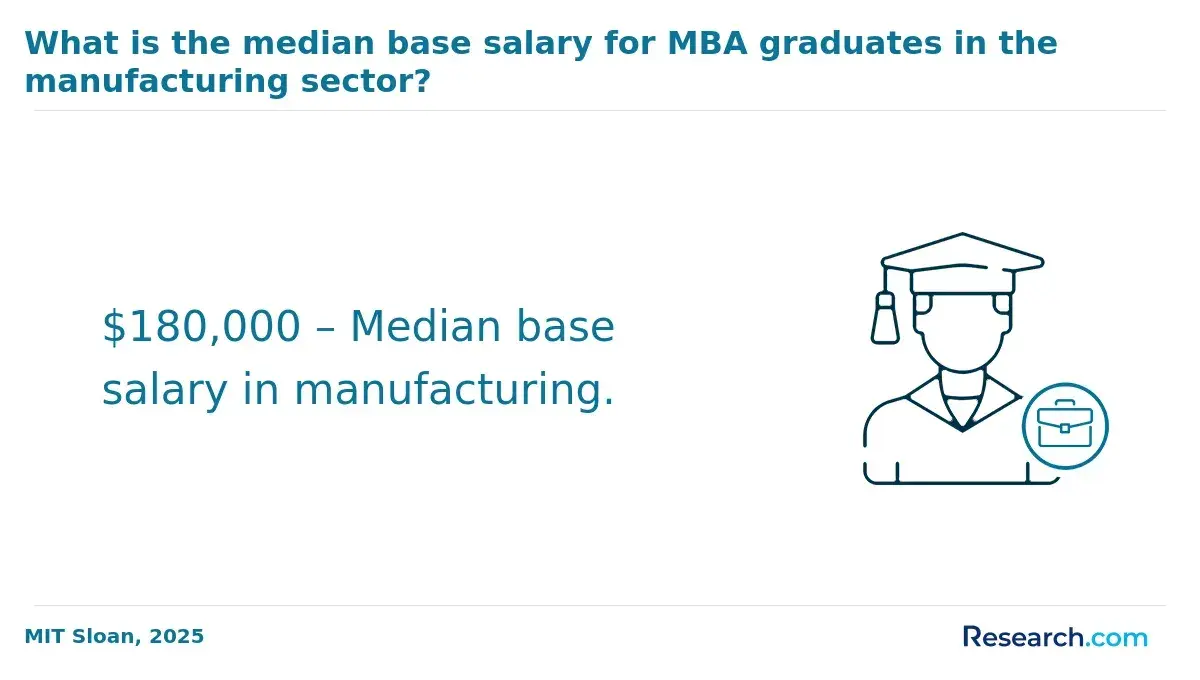
For additional context, 2025 salary data continued to show strong earning potential for some business master’s graduates. In the United States, MBA graduates often reported competitive starting salaries, with median base compensation near $115,000 for recent graduates entering the job market and higher figures in certain industries and top programs. Specialized master’s degrees in finance, accounting, marketing, and related business fields also reported average starting salaries in the $60,000–$110,000 range depending on specialization and region. These figures should be treated as broad market context, not as guaranteed outcomes from a Wyoming program.
Cost Examples to Use as Benchmarks
| Institution type or example | Cost information stated | How to interpret it |
| University of Wyoming undergraduate, in-state | Tuition and fees could be around $5,000 to $6,000 per semester. | Useful as a public university benchmark for resident students. |
| University of Wyoming undergraduate, out-of-state | Tuition and fees might range from $16,000 to $17,000 per semester. | Nonresident students should compare this with residency rules, scholarships, and online options. |
| University of Wyoming graduate programs | In-state graduate tuition could be around $5,000 to $6,000 per semester, while out-of-state graduate tuition could be around $9,000 to $10,000 per semester. | MBA and specialized graduate programs may have different pricing, so verify the program page. |
| Private institutions | Private universities in Wyoming, if available, might use different tuition structures and tend to cost more than in-state public options. | Compare net price after aid, not sticker price alone. |
| Community colleges | Community college tuition for in-state students could be around $1,000 to $2,000 per semester. | A practical route for associate degrees or transfer preparation if credits apply to the next program. |
Questions to Ask Before You Enroll
- What is the total estimated cost to graduate? Ask for tuition, fees, books, required software, housing, transportation, and any online course costs.
- Will my credits transfer? If you plan to move from a community college to a bachelor’s program, confirm transferability in writing.
- Are scholarships renewable? Some aid applies only to the first year or requires a minimum GPA.
- Can I work while enrolled? Program format, course scheduling, and internship requirements can affect employment.
- What career support is included? Ask about internships, employer connections, resume help, interview preparation, and alumni networking.
Best Business Schools in Wyoming for 2027
The schools below represent prominent Wyoming options for business education. Use the list as a starting point, then verify current tuition, program availability, transfer rules, and admissions requirements directly with each institution.
| School | Business program strengths | Estimated cost information | Credits | Accreditation stated |
| University of Wyoming | The College of Business emphasizes ethical leadership, accounting and finance, economics, sustainable business practices, and centers connected to leadership, ethics, and blockchain excellence. It also holds AACSB accreditation. | $2,490 in-state; $10,380 out-of-state per semester | 120 | The Higher Learning Commission |
| Casper College | The Business Administration program focuses on the role of business in society and prepares students for further study in areas such as advertising, finance, management, and marketing. Online course options add flexibility. | $4,410 in-state, $10,710 out-of-state per semester | 60 credits | The Higher Learning Commission |
| Laramie County Community College | The Business & Accounting Pathway develops accounting, finance, management, and business fundamentals. Applied Management and Business-Entrepreneurship options add training in financial planning, communication, human resources, and entrepreneurship. | $153.75 in-state, $363.75 out-of-state per credit | 60 credits | The Higher Learning Commission |
| Northwest College | The Business Program prepares students for entry-level business roles and transfer by combining general education with business coursework, communication, problem-solving, and internship opportunities. | $105 in-state, $315 out-of-state per credit | 120 | The Northwest Commission on Colleges and Universities |
| Sheridan College | Business programs combine applied learning, classroom theory, flexible learning options, career-relevant coursework, and recognition of prior business, military, or educational experience. | $4,830 in-state, $11,130 out-of-state annual | 120 | The Higher Learning Commission |
What to Look for in the Best Business Schools in Wyoming
The best business school is the one that fits your career target, academic background, budget, and schedule. Reputation matters, but it should not outweigh accreditation, transfer fit, career outcomes, and the actual courses you will take.
| Selection factor | Why it matters | What to verify |
| Institutional and business accreditation | Accreditation supports academic quality, transferability, graduate school eligibility, and access to some forms of financial aid. | Confirm recognition by bodies such as The Higher Learning Commission and, when applicable, The Association to Advance Collegiate Schools of Business. |
| Program fit | A general business degree is not the same as accounting, finance, marketing, entrepreneurship, or management preparation. | Review the required courses, electives, concentrations, prerequisites, and capstone or internship requirements. |
| Faculty and advising | Experienced faculty and accessible advisors can help students choose courses, internships, transfer plans, and career paths. | Ask who teaches core business courses and how often advisors meet with students. |
| Transfer pathway | Community college students need credits to apply cleanly toward a bachelor’s degree. | Request an official degree plan showing how each course transfers. |
| Career services | Internships, career fairs, resume coaching, mock interviews, and employer relationships can affect post-graduation momentum. | Ask which employers recruit students and how internship placement is supported. |
| Format and scheduling | Working adults may need online, evening, hybrid, part-time, or accelerated options. | Check whether required courses are offered in the format and term you need. |
| Net cost | Sticker price can mislead students if aid, transfer credits, fees, or time to completion differ. | Compare total cost to graduate, not just tuition per credit or per semester. |
Who Should Choose a Wyoming Business Program?
- Students who want smaller academic communities and more direct contact with instructors, advisors, and local employers.
- Wyoming residents who can benefit from in-state tuition or community college pathways.
- Students interested in business roles connected to energy, agriculture, tourism, healthcare, finance, government, or entrepreneurship.
- Working adults who need flexible formats and want to remain close to home.
Who May Want to Compare Out-of-State or Fully Online Options?
- Students targeting industries with heavier recruiting in large metropolitan markets.
- Learners seeking a specialized concentration not offered by Wyoming institutions.
- Professionals who need a highly flexible online MBA, accelerated graduate option, or employer-sponsored national program.
- Students whose transfer credits do not align well with a Wyoming degree plan.
Admission Requirements for Business Schools in Wyoming
Admissions requirements vary by school, degree level, and applicant type. First-year students, transfer students, adult learners, and MBA applicants are usually evaluated differently, so do not rely on general admission pages alone. Review the specific business program page and speak with an admissions advisor before submitting your application.
Common Undergraduate Admission Requirements
- High school or transfer transcripts: Schools typically review academic history to confirm readiness and placement.
- Application form: Applicants complete the institution’s application and may need to select a major or pathway.
- Placement or prerequisite requirements: Some math, writing, or business courses may require placement scores or prior coursework.
- Transfer credit evaluation: Transfer students should request an official review before assuming prior credits will count.
Common MBA and Graduate Business Admission Requirements
- Bachelor’s degree: MBA applicants usually need an accredited undergraduate degree. A business major may help, but it is not always required.
- Academic records: Graduate programs typically require transcripts from previous colleges.
- Standardized tests: Some programs request GMAT or GRE scores, while others offer online MBA no GMAT required options for applicants who meet alternative criteria.
- Professional experience: MBA programs may prefer or require work history because peer discussion often depends on applied experience.
- Recommendation letters: Strong letters usually come from supervisors, faculty, or professionals who can speak to your leadership, analytical ability, and readiness.
- Resume and personal statement: These materials should connect your background, career goals, and reason for choosing the program.
- Interview: Some programs use an interview to assess communication skills, fit, and motivation.
Application Timeline Tips
- Check whether the program admits students once per year, by semester, or on a rolling basis.
- Request transcripts early, especially if you attended multiple colleges.
- Ask about scholarship deadlines separately from admission deadlines.
- For graduate programs, confirm whether prerequisite business courses are required before enrollment.
How Can I Gain Real-World Experience While Studying Business in Wyoming?
Business students should look for applied learning from the first year, not only near graduation. Experience helps clarify which business function you enjoy, gives you interview examples, and can turn local contacts into internships or job leads.
- Internships: Look for placements with employers in energy, tourism, agriculture, finance, healthcare, government, nonprofits, and small businesses. Ask whether internships are optional, required, paid, or credit-bearing.
- Course-based consulting projects: Some classes use local business problems to teach market research, budgeting, operations, analytics, or strategy.
- Business plan and pitch competitions: These experiences help students practice entrepreneurship, financial modeling, public speaking, and feedback-based revision.
- Student organizations: Business clubs can provide leadership experience, event planning, peer networking, and exposure to employers.
- Part-time work related to your major: Office administration, bookkeeping support, sales, customer service, marketing assistance, and operations roles can build useful experience while you study.
- Faculty-led research or innovation projects: Students interested in data, entrepreneurship, or technology commercialization should ask about research centers, labs, or community partnerships.
What Other Career Paths Are Available to Business Graduates in Wyoming?
Business graduates in Wyoming can pursue roles in management, accounting, finance, marketing, human resources, operations, sales, logistics, entrepreneurship, government administration, nonprofit management, healthcare administration, and small business leadership. Some students may also combine business with planning, public policy, or community development; for example, students interested in the built environment can compare business preparation with pathways related to urban planning schools in Wyoming.
| Career direction | Useful business skills | Potential Wyoming context |
| Accounting and finance | Financial reporting, budgeting, analysis, compliance, tax fundamentals, auditing concepts. | Public accounting, corporate finance, government, nonprofits, energy, and small business. |
| Marketing and sales | Consumer research, digital marketing, communication, pricing, brand strategy, customer relationship management. | Tourism, local business, outdoor recreation, healthcare, and regional services. |
| Management and operations | Leadership, process improvement, staffing, project management, logistics, decision-making. | Energy operations, agriculture, retail, hospitality, public agencies, and healthcare organizations. |
| Entrepreneurship | Business planning, finance, market validation, negotiation, sales, risk management. | Small businesses, startups, family businesses, consulting, and community-based ventures. |
| Human resources | Hiring, training, employment law awareness, compensation, employee relations, organizational behavior. | Employers that need workforce planning across dispersed communities and regional industries. |
How Can Business Expertise Drive Success in Wyoming's Healthcare and Nutrition Industries?
Healthcare and wellness organizations need more than clinical expertise. They also need budgeting, operations management, service design, marketing, staffing, compliance awareness, and community outreach. Business students interested in health-related work can use their training to support clinics, wellness programs, nutrition services, health startups, or community health initiatives.
Students who want to combine business knowledge with nutrition-focused service can explore what it takes to become a credentialed professional, including pathways on how to become a nutritionist in Wyoming. The strongest route depends on whether your goal is business management, direct client service, public health programming, or entrepreneurship.
Is an Accelerated Online MBA a Smart Move for Your Career?
An accelerated online MBA can be a smart move if you already have professional experience, can handle a compressed workload, and need a graduate credential without stepping away from work for a traditional full-time program. It is not the right fit if you need a slower pace, extensive in-person networking, or more time to build foundational business knowledge.
Before enrolling, compare curriculum intensity, faculty access, cohort model, accreditation, employer recognition, tuition, and the number of hours you can realistically study each week. Students exploring shorter graduate timelines can review accelerated online MBA programs to compare duration, structure, and career alignment.
How Can Psychology Enhance Business Leadership?
Psychology can strengthen business leadership by helping managers understand motivation, communication, conflict, bias, group behavior, and decision-making. These skills matter in supervision, negotiation, sales, organizational change, employee engagement, and customer experience.
Business students who want a stronger people-management foundation may benefit from psychology electives, organizational behavior coursework, or a related minor. Students comparing complementary academic options can explore the best colleges for psychology in Wyoming to see how behavioral science might support leadership goals.
How Can Online Business Programs Complement Traditional Education in Wyoming?
Online business programs can help Wyoming students overcome distance, work schedules, family obligations, and limited local course availability. They may also provide access to broader elective options, digital collaboration tools, and flexible pacing. However, online study requires strong time management and careful verification of accreditation, transfer acceptance, and career support.
Students comparing in-person and online pathways should look at total cost, faculty interaction, internship access, networking, exam requirements, and whether courses are asynchronous or scheduled live. Working professionals considering graduate study can compare the cheapest online MBA programs while also checking quality indicators and employer relevance.
Can Interdisciplinary Certifications Broaden Career Prospects in Wyoming?
Interdisciplinary credentials can make a business graduate more adaptable when they support a clear career plan. The key is alignment. A certification should strengthen your target role, not simply add another line to a resume.
For example, business skills can be useful in behavioral health organizations, community agencies, workforce programs, and nonprofit operations. Students interested in that intersection can review how to become a licensed substance abuse counselor in Wyoming to understand how counseling credentials differ from business training and where the two fields may overlap in administration, program management, or community services.
What Are the Key Networking Opportunities for Business Students in Wyoming?
Networking can be especially important in Wyoming because smaller professional communities may make relationships more visible. Students should build contacts through faculty, alumni, employers, professional associations, local entrepreneurs, internship supervisors, and classmates. For students asking whether can you get into a MBA program without a buisness major, networking can also help identify prerequisite gaps, employer expectations, and ways to prepare for graduate business study.
- Career fairs: Ask which employers attend, what roles they recruit for, and whether first-year students can participate.
- Alumni networks: Graduates can provide career advice, internship leads, industry introductions, and insight into specific employers.
- Industry events: Energy, tourism, agriculture, finance, healthcare, and entrepreneurship events can connect students with working professionals.
- Local business partnerships: Employer-sponsored projects, site visits, and internships can help students move from classroom learning to applied work.
- Student clubs: Finance, marketing, entrepreneurship, accounting, or management organizations can offer leadership roles and peer connections.
- Faculty contacts: Professors often know local employers, internship supervisors, and graduate school pathways.
How Can Legal Expertise Boost Your Business Career?
Legal knowledge can improve business decisions in contracts, compliance, employment practices, risk management, procurement, real estate, healthcare administration, and regulated industries. Business students do not need to become attorneys to benefit from understanding legal concepts, but they should know when a licensed legal professional is required.
Students interested in legal operations, compliance support, or law-adjacent business roles can review how to become a paralegal in Wyoming as one possible way to combine legal training with business administration skills.
What Specializations and Certifications Can Boost Your Career?
Specializations are most useful when they match the job market you want to enter. Business students should choose electives, minors, and certifications that build a coherent profile rather than collecting unrelated credentials.
| Specialization or credential area | Best for students interested in | Skills it can signal |
| Accounting | Public accounting, business accounting, auditing, tax, government finance. | Financial reporting, compliance, detail orientation, ethics, analysis. |
| Finance | Corporate finance, banking, budgeting, investment analysis, financial planning support. | Forecasting, modeling, risk analysis, capital planning. |
| Marketing | Tourism, small business, digital campaigns, sales support, brand management. | Communication, market research, analytics, customer strategy. |
| Project management | Operations, construction support, technology projects, healthcare administration, consulting. | Planning, scheduling, risk tracking, cross-functional coordination. |
| Human resources | Recruiting, workforce planning, training, employee relations. | People operations, communication, policy awareness, organizational behavior. |
| Data analytics | Finance, marketing, operations, supply chain, management reporting. | Spreadsheet modeling, dashboards, evidence-based decision-making. |
Accounting students should pay special attention to CPA-related planning. Program coursework, credit totals, exam preparation, and state rules can affect the path. Students comparing accounting programs can use resources on how to become a CPA in Wyoming to connect degree choices with professional requirements.
How Can Business Strategies Boost Pharmacy Operations and Healthcare Services in Wyoming?
Pharmacy and healthcare organizations rely on business strategy to manage inventory, staffing, patient communication, billing workflows, compliance processes, vendor relationships, and service expansion. Business graduates who understand healthcare operations can support better planning and more efficient service delivery.
Students interested in pharmacy-related leadership should distinguish between business roles and clinical licensure. Clinical practice has separate requirements, so reviewing pharmacist licensure requirements in Wyoming can help clarify where business training fits and where professional healthcare credentials are required.
Finding the Right Fit for Your Career Choice
Many students ask, What jobs can a business administration degree get? The better question is: which business function, industry, and credential level fit your goals? A business administration degree can be broad, so students need to shape it through electives, internships, projects, certifications, and work experience.
When comparing Wyoming business schools, prioritize fit over prestige. A program with the right transfer pathway, affordable net cost, strong advising, relevant courses, and local employer access may serve you better than a program that looks stronger on paper but does not match your schedule or career target.
What Are the Career Prospects for Accounting and Finance Majors in Wyoming?
Accounting and finance majors can apply their skills across energy, tourism, agriculture, public agencies, nonprofits, healthcare, banking, small business, and corporate operations. Employers typically value accuracy, analytical ability, ethical judgment, software skills, and the ability to explain financial information to nonfinancial decision-makers.
Students aiming for accounting careers should plan early because credential requirements can shape course selection and timing. A detailed resource on how to become a CPA in Wyoming can help students understand how education, exams, and professional expectations connect.
Can Forensic Science Expertise Bolster Business Risk Management?
Forensic science and business risk management overlap in areas such as fraud prevention, internal controls, evidence review, investigations, compliance, cybersecurity-adjacent processes, and financial irregularity detection. Business students interested in auditing, compliance, insurance, banking, or corporate investigations may benefit from understanding investigative thinking.
Students considering this interdisciplinary direction can review forensic scientist education requirements in Wyoming to see how forensic training differs from business coursework and where analytical skills may complement each other.
How Can Integrating Social Work Perspectives Enhance Business Strategies?
Social work perspectives can make business strategy more attentive to ethics, community impact, stakeholder trust, employee well-being, and service access. This can be especially relevant for nonprofits, healthcare organizations, public agencies, community development initiatives, and businesses that serve vulnerable populations.
Business students who want to work in mission-driven organizations may find value in learning how social systems, advocacy, and service delivery operate. A starting point is understanding how to become a social worker in Wyoming, especially if your long-term goal involves direct service, program administration, or nonprofit leadership.
Current Trends Affecting Business Students in Wyoming
- AI and analytics are changing entry-level work: Employers increasingly expect comfort with spreadsheets, dashboards, automation tools, and data-informed decision-making. Business students should build technical fluency alongside communication and judgment.
- Flexible learning is now a major selection factor: Online, hybrid, evening, and accelerated options can help working adults, but students must verify accreditation, course availability, and support services.
- Employers want experience, not only credits: Internships, projects, student leadership, part-time work, and certifications can help graduates demonstrate applied skills.
- Interdisciplinary business roles are expanding: Healthcare, legal operations, community services, technology, risk management, and public-sector work often need people who understand both business and another field.
- Cost scrutiny is rising: Students are paying closer attention to transfer credits, time to completion, financial aid, and whether the degree supports a realistic career plan.
Common Mistakes to Avoid When Choosing a Wyoming Business School
| Mistake | Why it can hurt you | Better approach |
| Choosing only by school name | A recognizable institution may not offer the format, concentration, cost, or support you need. | Compare curriculum, accreditation, career services, net cost, and graduation requirements. |
| Ignoring accreditation | Accreditation can affect transfer, graduate admission, employer perception, and financial aid eligibility. | Verify institutional accreditation and any program-specific business accreditation before enrolling. |
| Assuming credits will transfer | Lost credits can extend your time in school and increase total cost. | Get an official transfer plan before starting or changing programs. |
| Looking only at tuition | Fees, housing, transportation, books, software, and delayed graduation can change the real price. | Calculate total cost to complete the degree. |
| Waiting too long to build experience | Graduating without applied experience can make the job search harder. | Pursue internships, projects, clubs, and relevant part-time work early. |
| Choosing a concentration without a career target | Random electives may not help you compete for specific roles. | Match courses and certifications to your intended job function. |
| Assuming salary outcomes are guaranteed | Pay depends on role, employer, industry, location, experience, and performance. | Use salary data as context and evaluate realistic career pathways. |
Key Insights
- Wyoming business schools are strongest for students who value fit, affordability, and regional access. The state can work well for learners interested in energy, tourism, agriculture, finance, government, healthcare, small business, and entrepreneurship.
- Degree level should drive your school choice. Community colleges may be a lower-cost route for associate or transfer students, while the University of Wyoming is a central option for four-year and advanced business study.
- Accreditation and transfer planning are nonnegotiable. Confirm institutional accreditation, business accreditation where relevant, and transfer credit rules before committing.
- Cost comparisons should focus on total cost to graduate. Tuition is only one part of the calculation; fees, course availability, housing, books, technology, work schedule, and lost credits can change the real price.
- Career outcomes depend on experience and specialization. Internships, projects, student leadership, part-time work, and targeted certifications can make a business degree more useful.
- Flexible and online options can help Wyoming learners, but quality checks matter. Verify accreditation, faculty access, career services, course format, and employer relevance before enrolling.
- Business education is increasingly interdisciplinary. Students can strengthen career options by combining business with accounting, finance, analytics, psychology, healthcare, legal knowledge, risk management, or community-focused fields.
- Economic context matters, but individual results vary. Wyoming’s median household income was cited as about $75,500 in 2024, while another cited figure referenced $68,002; students should verify the latest official data when evaluating relocation, salary expectations, and ROI.
Related Articles for Nearby States
- 2027 Best Business Schools in Montana – Accredited Colleges & Programs
- 2027 Best Business Schools in South Dakota – Accredited Colleges & Programs
- 2027 Best Business Schools in Nebraska – Accredited Colleges & Programs
- 2027 Best Business Schools in Colorado – Accredited Colleges & Programs
- 2027 Best Business Schools in Idaho – Accredited Colleges & Programs
- 2027 Best Business Schools in Utah – Accredited Colleges & Programs
- 2027 Best Business Schools in North Dakota – Accredited Colleges & Programs
- 2027 Best Business Schools in Kansas – Accredited Colleges & Programs
- 2027 Best Business Schools in Iowa – Accredited Colleges & Programs
- 2027 Best Business Schools in Nevada – Accredited Colleges & Programs
References:
- Best Value Colleges For Business Majors | Payscale. (n.d.). Payscale. https://www.payscale.com/college-roi/major/business
- Business and Financial Occupations: Occupational Outlook Handbook:: U.S. Bureau of Labor Statistics. (n.d.). https://www.bls.gov/ooh/business-and-financial/home.htm
- United States Census Bureau QuickFacts. (n.d.). U.S. Census Bureau QuickFacts: Wyoming. Census Bureau QuickFacts. https://www.census.gov/quickfacts/fact/table/WY/BZA115221
- Wyoming Population (Demographics, Maps, Graphs). (n.d.). https://worldpopulationreview.com/states/wyoming-population
- U.S. Census Bureau. (2025). QuickFacts: Wyoming — Median household income data. U.S. Census Bureau.
- World Population Review. (2025). Wyoming population 2026 (Population estimate and density). World Population Review.
- U.S. Census Bureau. (2025). QuickFacts: Wyoming (Population estimates, July 1, 2025). U.S. Census Bureau.
- National University. (2025, June 5). 71 MBA statistics and trends for 2026. National University.
- Goal ISB. (2025). Masters in Finance: Career paths and salary guide 2025. Goal ISB.
Other Things You Should Know About Business Schools in Wyoming
Yes, the University of Wyoming offers online business programs, providing flexibility for students. Their College of Business has programs designed to accommodate working professionals, featuring degrees in various fields such as business administration and management. Other schools may also offer online courses as part of their curriculum.
The length of a business degree program in Wyoming varies. An associate degree typically takes two years, a bachelor's degree around four years, and a master's degree one to two years, depending on the program and whether the student is enrolled full-time or part-time.
To choose the best business school in Wyoming for your needs, consider factors like accreditation status, program rankings, faculty expertise, specialization options, and access to networking opportunities. Additionally, visiting campuses and speaking with current students can offer valuable insights into each program's culture and possibilities.
In 2027, the University of Wyoming's College of Business stands out as a top choice, accredited by AACSB. Western Wyoming Community College also offers accredited programs that provide a solid foundation for business careers. Both institutions align quality education with the needs of the job market.