
2027 Best Online Sports Management Programs

Co-Founder and Chief Data Scientist
Choosing an online bachelor’s in sports management is not just about finding a flexible degree. It is about deciding whether a business-focused sports program can help you enter an industry shaped by media rights, sponsorships, fan data, digital platforms, live events, and analytics. A PwC report in 2024 projected that sports media rights would grow at an average rate of 4% annually over the next 3 to 5 years (PwC, 2024), while the broader sports market is expected to grow to $654.22 billion in 2030 at a CAGR of 5.8% (Research and Markets, 2026). Those figures point to real opportunity, but also to a competitive field where practical experience, business skills, and industry connections matter.
This guide explains what an online bachelor’s in sports management covers, how much it may cost, what admissions requirements to expect, which skills employers value, and how to compare programs. It also reviews online sports management programs selected by the Research.com team and explains how to evaluate accreditation, internships, career outcomes, financing options, and long-term return on investment.
Online Sports Management Programs Table of Contents
- What an online bachelor’s in sports management teaches
- Online sports management degree cost
- Skills needed for sports management careers
- Admissions requirements for online sports management programs
- Common sports management courses
- How foundational qualifications can strengthen your preparation
- How sports psychology supports sports management work
- How to check whether a program is accredited and credible
- How an MBA can support sports management advancementProgram credibility checklist
- Comparing sports management costs with other business programs
- How real-world outcomes show program quality
- Certifications and interdisciplinary study options
- Ways to pay for an online sports management degree
- What to look for before enrolling
- Career paths after a bachelor’s in sports managementProgram selection factors
- Networking and professional organizations in sports managementCareer preparation steps
Quick Answer: What Is an Online Bachelor’s in Sports Management?
An online bachelor’s in sports management is an undergraduate degree that combines business coursework with specialized study of the sports industry. Students typically learn about sports marketing, event operations, facility management, finance, sports law, ethics, analytics, communications, and leadership. Most programs take three to four years and may include internships, field experiences, or applied projects.
This degree is best for students who want business roles in sports rather than coaching-only or athlete-performance roles. Graduates may pursue entry-level positions with teams, athletic departments, event companies, recreation organizations, sports venues, media firms, marketing agencies, and governing bodies. Students interested in deeper legal or regulatory knowledge may later consider a master of business law program.
What is an online bachelor’s in sports management?
A bachelor’s degree in sports management prepares students to understand sports as a business. Instead of focusing only on athletic performance, the degree examines how teams, venues, leagues, brands, events, and media partners operate. Students study how revenue is generated, how fan communities are built, how sponsorships are managed, how facilities are run, and how legal and ethical issues affect decision-making.
Online sports management programs usually cover the same major subjects as campus-based programs. The difference is delivery format. Online students complete coursework remotely, often with asynchronous classes, digital discussions, virtual projects, and local internship options. The best programs still connect students to real-world sports organizations because experience is especially important in this field.
Sports management is closely tied to fan engagement. Brands, teams, and media companies increasingly rely on audience data, digital campaigns, streaming platforms, and personalized experiences to reach fans. That makes business knowledge, communication skills, and data literacy valuable for graduates entering the field.
How long does an online Bachelor’s in Sports Management take?
The curriculum of a bachelor’s degree in sports management online typically covers a wide range of topics related to sports business, administration, and marketing. The program typically takes three to four years. Students may study subjects such as sports marketing, sports law, sports finance, sports ethics, sports facility management, sports event planning, sports media and communications, sports psychology, and sports economics. Students who want broader business preparation can also explore online business management certificates to build focused skills in management, operations, or entrepreneurship.
Is a Bachelor’s in Sports Management worth it?
A bachelor’s in sports management can be worth it if you want a business career connected to sports and you choose a program with strong experiential learning, credible accreditation, and career support. The degree is most useful when paired with internships, volunteer work, campus athletics experience, event work, analytics projects, or networking through sports organizations.
The sports market is expected to grow to $654.22 billion in 2030 at a CAGR of 5.8% (Research and Markets, 2026). That growth can create opportunities, but a degree alone does not guarantee a sports job. Employers often look for candidates who can show practical ability in marketing, event coordination, sales, operations, communications, budgeting, or data analysis.
| Choose an online sports management degree if... | Consider another path if... |
| You want a business role in sports, recreation, events, venues, marketing, or athletics administration. | You mainly want to coach athletes and do not want business, finance, marketing, or operations coursework. |
| You can complete internships, volunteer work, or local field experiences while studying online. | You need a program with intensive in-person lab, clinical, or performance training requirements. |
| You are comfortable building a network because many sports jobs depend on relationships and experience. | You expect the degree by itself to secure a high-paying sports position immediately after graduation. |
| You want transferable business skills that may also apply outside sports. | You prefer a broader major such as general business, marketing, finance, communications, or management. |
How much does an online bachelor’s in sports management cost?
The cost of an online sports management degree depends on the school, tuition model, residency rules, transfer credits, program length, and additional fees. Online study may reduce commuting and housing expenses, but students should still compare the full cost of attendance rather than tuition alone.
In the United States, for example, the cost of a bachelor’s degree in sports management at a public university can range from around $8,000 to $30,000 per year. Private universities and colleges tend to have higher tuition fees, typically ranging from $30,000 to $60,000 or more per year.
| Cost factor | Why it matters | Question to ask |
| Tuition rate | Some schools charge by credit, term, or academic year. | Is tuition different for online, in-state, out-of-state, or part-time students? |
| Transfer credits | Accepted credits can shorten the program and reduce total cost. | How many previous credits can I transfer into the sports management major? |
| Fees | Technology, online learning, graduation, and course fees can add up. | What fees are mandatory for online students? |
| Internship expenses | Field experiences may require travel, background checks, or unpaid time. | Can I complete internship requirements near where I live? |
| Financial aid | Grants, scholarships, loans, and employer support change affordability. | Which scholarships are available to online sports management students? |
How much money can I make with a bachelor’s degree in sports management?
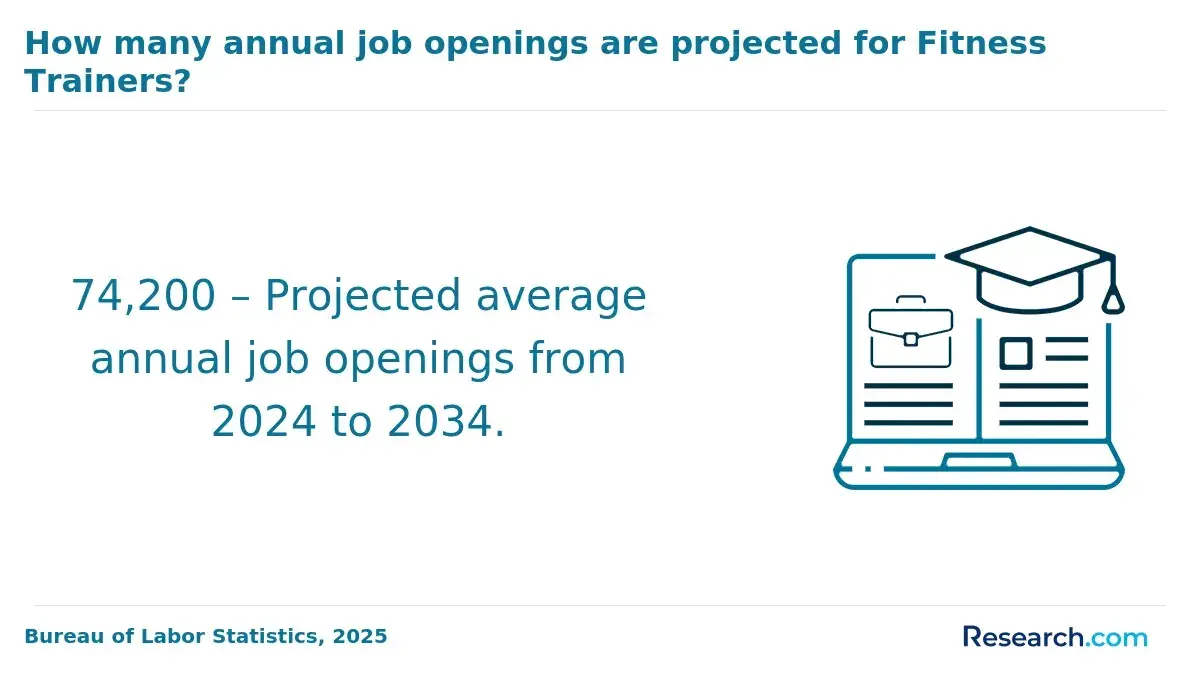
The average annual sports management degree salary is $48,396 (ZipRecruiter, 2026). This figure should be treated as a general salary indicator rather than a guaranteed outcome because pay varies by role, location, employer type, experience, performance-based compensation, and whether the position includes commissions or bonuses. The employment of entertainment and sports occupations is projected to grow faster than the average for all occupations from 2024 to 2034, according to the U.S. Bureau of Labor Statistics (BLS).
Sports management graduates can work in different parts of the industry, including professional and collegiate sports, event operations, venue management, sports media, recreation, sponsorship sales, and athlete representation. Students interested in sport science or movement-related roles may also compare this degree with the best kinesiology programs.
What are the key skills needed for a successful career in sports management?
Sports management employers usually look for candidates who combine business judgment with knowledge of the sports environment. The strongest graduates can communicate clearly, manage deadlines, work with different stakeholders, understand revenue models, and use data to improve decisions.
- Leadership and team coordination: Sports organizations involve athletes, coaches, administrators, vendors, sponsors, fans, and media contacts. Managers must organize people, set priorities, solve conflicts, and keep operations moving under pressure.
- Communication: Clear writing and speaking are essential for sponsorship proposals, event instructions, media relations, partnership updates, social content, and internal reports.
- Financial management: Budgeting, revenue tracking, fundraising, ticketing, sponsorship valuation, and cost control are important in both nonprofit and commercial sports settings.
- Marketing and public relations: Sports managers need to understand branding, fan engagement, promotions, social platforms, community relations, and sponsor visibility.
- Strategic thinking and problem solving: Events change quickly, fan behavior shifts, and operational issues occur. Strong professionals can evaluate options, make decisions, and adjust plans without losing sight of business goals.
- Data and technology literacy: Analytics now affect marketing, ticketing, performance evaluation, facility use, sponsorship measurement, and fan engagement. Students who can interpret data and communicate insights may have an advantage.
What are the requirements of an online sports management program?
Admissions requirements vary by school, but most online bachelor’s programs are designed for first-year students, transfer students, adult learners, or working professionals. Applicants should review both general university requirements and major-specific requirements before applying.
- High school diploma or equivalent: Most bachelor’s programs require proof of secondary education completion. Transfer applicants may need college transcripts instead of, or in addition to, high school records.
- Official transcripts: Schools typically request transcripts from high school and any colleges previously attended so they can evaluate academic history and transfer credit.
- Minimum GPA: Some programs set a minimum GPA for admission, while others use a broader review process.
- Letters of recommendation: Bachelor’s programs may not always require recommendations, but some programs do. Graduate options, including online master’s degrees in sports management programs, are more likely to request them.
- Personal statement or essay: A statement may ask you to explain your interest in sports management, career goals, leadership experience, or reasons for choosing online study.
- Standardized test scores: Many online programs do not require SAT or ACT scores, but policies differ by institution.
Sports management education can also support personal development by helping students build professional confidence, leadership habits, critical thinking, and industry awareness. Some schools describe this preparation as a way to prepare students for careers in the industry.

Courses to Expect in the Best Online Bachelor’s in Sports Management Programs
Sports management programs usually combine a business core with sports-specific coursework. Students should look for a curriculum that develops practical ability in marketing, finance, law, operations, analytics, event planning, and communication. Non-traditional web players and major platforms such as ESPN+, Amazon Prime Video, and DAZN have also made digital sports broadcasting and fan engagement more important parts of the industry.
- Introduction to Sports Management: This course explains how the sports industry is organized, including teams, leagues, facilities, events, recreation programs, media, and governing bodies. Students interested in operational planning may also compare related fields such as an online risk management degree.
- Sports Marketing: Students study marketing strategies and techniques used in sports, including sponsorships, branding, ticket sales, digital campaigns, promotions, and fan engagement. The sports-sponsorship market is expected to reach $105.47 billion in 2025 as sports betting, streaming giants, and other sponsors buy-in (Statista, 2025).
- Sports Finance and Economics: This course examines budgeting, revenue generation, pricing, financial reporting, and economic factors that affect sports organizations. Students who want deeper finance training may later consider a graduate certificate in finance online.
- Sports Law and Ethics: Students learn about contracts, liability, intellectual property, labor relations, compliance, athlete rights, and ethical decision-making in sports organizations.
- Sports Analytics: This course introduces data analysis for performance, business operations, marketing, and fan engagement. It may also examine the use of technology in sports analytics.
How Can Foundational Qualifications Enhance Your Online Sports Management Journey?
Some students enter a bachelor’s program directly from high school, while others begin with associate-level coursework or professional certificates. Foundational study can be helpful if you want to strengthen writing, accounting, marketing, statistics, business software, or introductory management skills before taking advanced sports business courses.
Students who are uncertain about committing to a full bachelor’s degree may compare shorter academic pathways first. For example, exploring the easiest associates degree options can help you understand how lower-division coursework may build confidence and transfer into a four-year program.
How Can Sports Psychology Enhance Sports Management Careers?
Sports psychology can give sports managers a better understanding of motivation, team culture, stress, communication, and performance environments. While sports managers are not necessarily mental health providers, they often work around athletes, coaches, and high-pressure organizations where psychology-informed leadership can be useful.
Understanding the work of a sports psychologist can help managers communicate more effectively with athlete-support staff, build healthier team environments, and design programs that consider both performance and well-being.
Is This Online Sports Management Program Accredited and Trusted by Industry Experts?
Accreditation should be one of the first things you verify before enrolling. Institutional accreditation helps confirm that a school meets recognized academic standards and that students may be eligible for certain forms of financial aid. It can also affect transfer credits, graduate school admission, and employer recognition.
Beyond accreditation, look for signs of industry relevance. Strong programs often have faculty with sports business experience, internship partnerships, employer connections, advisory boards, alumni working in the field, and transparent information about career support. If you are comparing sports management with broader business options, reviewing online business colleges can help you evaluate affordability and academic fit.
How Can an MBA Enhance Your Sports Management Career?
An MBA can be useful for sports professionals who want to move from entry-level coordination or operations roles into leadership, strategy, finance, consulting, or executive management. A bachelor’s degree can help you enter the field, while an MBA may strengthen advanced business skills such as negotiation, financial analysis, organizational leadership, and market strategy.
An MBA is not required for every sports management career. It usually makes more sense after you have work experience and a clearer career target. If cost is a major concern, compare flexible and affordable options such as the lowest-cost MBA online before committing to graduate study.
How Does the Financial Investment in an Online Sports Management Degree Compare to Other Online Business Programs?
Sports management is a specialized business degree. That specialization can be valuable if you are committed to the sports industry, but it may be narrower than a general business, marketing, finance, management, or communications degree. The best choice depends on your goals, transfer credits, cost, and willingness to build sports-specific experience while enrolled.
| Program type | Best fit | Trade-off |
| Online sports management bachelor’s | Students who want business roles connected to sports, events, venues, athletics, recreation, or sponsorships. | More targeted, but may require proactive networking to access sports jobs. |
| General online business degree | Students who want broad management, operations, entrepreneurship, or corporate career options. | More flexible, but less focused on sports industry practices. |
| Marketing or communications degree | Students interested in fan engagement, branding, media, public relations, or sponsorship activation. | Strong for promotion-focused roles, but may include less facility, event, or sports law content. |
| Graduate business study | Professionals pursuing leadership, consulting, academic, or executive-level roles. | Requires additional time and money; compare carefully with options such as online DBA cost. |
How Are Real-World Outcomes Reflected in Online Sports Management Programs?
Because sports management is experience-driven, strong programs should show how students connect coursework to real organizations. Look for internships, capstone projects, employer partnerships, student clubs, alumni mentoring, event staffing opportunities, and career services with sports industry knowledge.
Ask schools whether they track graduate employment, internship placements, alumni roles, and employer relationships. Transparent outcomes do not guarantee your result, but they help you judge whether the program has a practical pathway into the industry. Students who later want accelerated graduate business training may also compare online MBA programs one year.
How Can Complementary Certifications and Interdisciplinary Studies Enhance Your Sports Management Career?
Sports organizations increasingly need professionals who can work across business functions. Complementary study in analytics, economics, accounting, finance, communication, digital marketing, event planning, or technology can make a sports management graduate more versatile.
For example, economics coursework can help students understand market behavior, pricing, revenue models, and financial decision-making. If you want a broader business foundation alongside sports management, you may compare options such as a cheapest economics degree online.
How can you finance your online sports management education?
Paying for an online sports management degree usually requires combining several funding sources. Start with federal financial aid if eligible, then review school scholarships, transfer-credit savings, employer tuition assistance, payment plans, military benefits, and state aid programs. Private loans should be evaluated carefully because repayment terms can vary.
Do not compare programs by sticker price only. A school with higher tuition may become more affordable if it accepts more transfer credits or offers stronger aid. A cheaper program may cost more in the long run if it has limited course availability and delays graduation. To understand how accelerated and online formats can affect planning, you can review a related guide to a fast online healthcare administration degree.
Things to Look for in an Online Sports Management Program
The sports industry continues to experience significant growth globally. Sports audience studies reveal that among Gen Z, 74% get most sports content from social media platforms, 47% watch highlights and live games weekly, and 31% play games online while watching sports (DCN, 2025). These habits show why digital marketing, content strategy, analytics, and fan engagement should be part of a modern sports management education.
Use the checklist below before choosing an online bachelor’s in sports management program.
- Accreditation: Confirm that the institution is accredited by a recognized accrediting body. Accreditation affects credibility, transferability, financial aid access, and graduate school options.
- Curriculum: Review whether the program includes sports marketing, law, finance, event management, facility management, analytics, ethics, and leadership. Electives or concentrations should match your career goals.
- Faculty experience: Look for instructors with academic qualifications and practical sports industry knowledge. This matters in sports management just as it does in unrelated online fields such as an online associates degree in computer science.
- Internship and field experience options: Sports employers value proof that you can work in real environments. Ask whether internships can be completed locally and whether the school helps students find placements. Practical experience is also important in technical career paths, including jobs with coding requirements.
- Program format: Check whether classes are synchronous, asynchronous, accelerated, part-time, or cohort-based. The format should match your work schedule, learning style, and availability.
- Total cost and aid: Compare tuition, fees, books, software, internship costs, transfer policies, scholarships, and payment plans.
Common mistakes when choosing an online sports management degree
| Mistake | Why it can hurt you | Better approach |
| Choosing only by school name or ranking | A well-known school may not offer the internship access, flexibility, or cost structure you need. | Compare curriculum, outcomes, accreditation, field experience, and total cost. |
| Ignoring accreditation | Unaccredited or poorly recognized programs can create problems with transfer credits, aid, and employer trust. | Verify institutional accreditation before applying. |
| Assuming online means no hands-on work | Sports management is practical; lack of experience can weaken your resume. | Prioritize programs with internships, projects, event work, or local placements. |
| Focusing only on tuition | Fees, delayed graduation, lost transfer credits, and unpaid internships can change the real cost. | Calculate total program cost and time to completion. |
| Expecting immediate high earnings | Sports careers can be competitive, and entry-level roles may require experience-building. | Use the degree to build a portfolio, network, and practical skills early. |
What are the career prospects after completing an online bachelor’s in sports management?
Graduates of online sports management programs may pursue roles in sports marketing, event coordination, facility operations, athletics administration, sponsorship sales, media relations, recreation programming, and athlete services. Career outcomes depend heavily on experience, location, networking, and the type of organization hiring.
- Sports Marketing Manager: Develop campaigns, promotions, brand partnerships, and fan engagement strategies for teams, events, venues, or sports products.
- Sports Event Coordinator: Help plan schedules, logistics, staffing, budgets, sponsorships, and day-of-event operations.
- Sports Facility Manager: Support the daily operation, safety, scheduling, maintenance, and revenue use of arenas, stadiums, gyms, or recreation facilities.
- Sports Agent: Represent athletes in contract discussions, endorsement opportunities, and professional relationships.
- Sports Media Specialist: Manage public relations, media communication, content coordination, press coverage, and team or athlete messaging.
Students who want to advance beyond entry-level roles may later pursue graduate study. A cheapest online master's degree in sports management can be one way to deepen specialized knowledge while managing cost.
2027 Best Online Bachelor’s in Sports Management Programs
The best online sports management program for you depends on your career goals, budget, transfer credits, preferred learning format, and need for internship support. Instead of asking only whether another major is better, such as “Is MIS a good major?”, compare how each degree aligns with the work you actually want to do.
The following programs were reviewed by the Research.com team based on curriculum features and their ability to support business and sports management skill development.
1. Arkansas State University Bachelor of Science in Sport Management
The Bachelor of Science in Sport Management at Arkansas State University is built for students preparing for roles across the sports industry. The program combines business concepts with sport-specific coursework so students can learn how organizations, events, and facilities are managed.
Coursework typically includes sports marketing, sports law, event planning, facility management, finance, and leadership. Students may also have access to practical learning through internships or cooperative education opportunities. Specialized tracks or concentrations include sports analytics or sport communication.
2. Eastern Kentucky University BS in Sport Management
The Eastern Kentucky University’s online bachelor of science in sport management is designed to develop leadership and management skills for sports business environments. The program emphasizes preparation for the operational and strategic demands of the sports industry.
Eastern Kentucky University’s curriculum blends business fundamentals with sport management principles. Students study areas such as sport finance, marketing, accounting, economics, and management, giving them a foundation for different roles in the field.
3. Bellevue University BA in Sport Management
The BA in Sport Management program of Bellevue University allows students to combine required business and leadership coursework with electives that support individual interests. Bellevue University also offers a BS in Sport Management that includes applied statistics.
The curriculum connects sport management theory with practical sports industry applications. Students examine legal and risk management issues, apply business and financial accounting methods to sport settings, and develop communication skills useful in marketing, public relations, and business management.
4. Liberty University Bachelor’s in Sports Management
The sports management degree of Liberty University combines management coursework with specialization options in general sport management, conference and event management, sports communication and public relations, and sports outreach. The online format allows students to complete coursework remotely while seeking hands-on experience in their communities.
Liberty University’s program also integrates biblical principles into sports and recreation management study. Students who want a Christian university environment may find this mission-driven approach relevant to their educational goals.
5. Southern New Hampshire University BS in Sport Management
The online bachelor of science in sport management of Southern New Hampshire University combines business, liberal arts, and sports management coursework. The program emphasizes applied learning so students can connect classroom knowledge to practical sports industry challenges.
Academic advising and career services can help students explore internships and experiential learning opportunities. Southern New Hampshire University also offers an accelerated bachelor’s to master’s pathway for the sports management program.
The Role of Networking and Professional Organizations in Sports Management Careers
Networking matters in sports management because many opportunities come through internships, event work, alumni relationships, professional associations, and referrals. Students should treat networking as part of career preparation, not as something to begin after graduation.
- Industry events: Sports business conferences, career fairs, athletic department events, alumni gatherings, and local sports organization events can help students meet professionals and learn how hiring works.
- Professional organizations: Groups such as the North American Society for Sport Management (NASSM) or the Sports Business Association may offer research, job boards, webinars, conferences, and networking opportunities.
- Online platforms: LinkedIn can help students connect with alumni, faculty, recruiters, and sports professionals. Students comparing online education options can also review the best online colleges.
- Internships and volunteer work: Event staffing, youth sports administration, campus athletics, recreation programming, ticketing, and community sports work can all create experience and contacts.
- Long-term relationship building: A strong network can support job searches, mentorship, promotions, partnerships, and entrepreneurial opportunities.
How to Choose the Right Online Sports Management Program
Before applying, define your career target. A student interested in venue operations may need different coursework and internships than a student interested in sports media, sponsorships, athlete representation, or collegiate athletics. Then compare programs using practical questions.
- Clarify your goal: Decide whether you want to work in events, marketing, facilities, media, analytics, recreation, administration, or athlete services.
- Check accreditation: Confirm institutional accreditation and ask how credits transfer.
- Map the curriculum to your goal: Look for required courses and electives that match the role you want.
- Verify experiential learning: Ask whether internships are required, optional, local, remote, paid, or supported by the school.
- Compare total cost: Include tuition, fees, books, technology, transfer credits, and time to completion.
- Ask about career support: Find out whether the school offers sports-specific advising, resume help, employer contacts, alumni networking, and internship assistance.
- Review outcomes carefully: Ask for available information on graduate roles, internship placements, and alumni success without assuming your outcome is guaranteed.
Pursue a Sports Business Career Through Online Sports Management Programs
Sports management focuses on the planning, administration, marketing, financing, and operation of sports organizations, events, teams, and facilities. Professionals in this field often work behind the scenes to improve operations, support athletes and coaches, manage fan experiences, and help sports organizations meet business goals.
An online bachelor’s in sports management can be a strong fit for students who want to combine an interest in sports with business training. It can also provide transferable skills in communication, finance, leadership, event planning, and marketing. Students interested in more athlete-centered preparation may also compare sports management with the best athletic training programs.
Key Insights
- An online sports management degree is a business degree with a sports focus: Expect coursework in marketing, finance, law, ethics, analytics, event planning, facility management, and leadership.
- Experience is critical: Internships, volunteer work, event staffing, athletics department experience, and networking can matter as much as coursework in a competitive sports job market.
- Cost varies widely: Public university programs can range from around $8,000 to $30,000 per year, while private universities and colleges typically range from $30,000 to $60,000 or more per year.
- Salary outcomes are not automatic: The average annual sports management degree salary is $48,396 (ZipRecruiter, 2026), but actual pay depends on role, employer, location, experience, and compensation structure.
- Program quality depends on more than online flexibility: Check accreditation, curriculum depth, faculty expertise, internship support, transfer credit policies, career services, and total cost before enrolling.
- Analytics and digital fan engagement are increasingly important: Programs that address data, social media, sponsorship measurement, streaming, and audience behavior may better reflect current sports business needs.
References:
- Bureau of Labor Statistics. (2025). Occupational Outlook Handbook: Entertainment and Sports Occupations. https://www.bls.gov/ooh/entertainment-and-sports/
- Bureau of Labor Statistics. (2024, August 29). Occupational Outlook Handbook: Fitness Trainers and Instructors. U.S. Department of Labor. https://www.bls.gov/ooh/personal-care-and-service/fitness-trainers-and-instructors.htm
- PayScale. (2026). Sports agent salary in 2026. https://www.payscale.com/research/US/Job=Sports_Agent/SalaryBLS entertainment and sports occupations
- SkyQuest. (2025). Sports Analytics Market Growth, Opportunities, and Strategic Forecast 2026-2033. https://www.skyquestt.com/report/sports-analytics-market
- Sporthiatus. (2026). NCAA Revenue Sharing: 2025–26 Rules Explained. https://sporthiatus.com/ncaa-revenue-sharing-2025-26-rules-explained/
Other Things You Should Know About Online Sports Management Programs
In 2027, online bachelor's programs in sports management typically include courses such as Sports Marketing, Sports Law, Facility and Event Management, and Sports Finance. These courses equip students with a solid foundation in business principles tailored to the sports industry.
Online sports management programs in 2027 typically require a reliable high-speed internet connection, a computer with updated software, and access to video conferencing tools. Some programs may also need specific software for project collaboration and virtual simulations.
Many do. A common requirement is 120 total credits for the bachelor’s degree, with 3 to 6 credits tied to an internship, practicum, or field experience. Programs usually place students with athletic departments, recreation centers, or sports organizations before graduation.
An online bachelor's degree in sports management typically takes about four years to complete. However, some programs offer accelerated options that allow students to finish in as little as three years, while part-time paths can extend the duration depending on a student's commitment and schedule.
Yes, online sports management degrees are generally recognized by employers, as long as they are from accredited institutions. Accreditation ensures that the program meets certain educational standards, which employers value when considering candidates for roles in sports marketing, management, and more.


