2027 Best Computer Coding Jobs

Co-Founder and Chief Data Scientist
Coding can lead to many different careers, but the best path is no longer obvious from the word “programmer.” Employers now look for people who can build secure applications, manage cloud systems, automate workflows, analyze data, support AI tools, and maintain complex digital products. For students, career changers, and working professionals, the key decision is not simply whether to learn programming. It is which coding career matches your strengths, preferred work environment, education budget, salary expectations, and tolerance for constant technical change.
This guide compares high-value computer coding jobs by responsibilities, salary, job outlook, education expectations, and long-term fit. You will also learn how AI, cybersecurity demand, cloud computing, remote work, certifications, and interdisciplinary skills are changing coding careers. In 2025, projected net tech employment in the United States was 9.9 million, and the median tech occupation wage was 127% higher than the median national wage (CompTIA, 2025), which makes technology a major opportunity area for people building strong computer science career skills.
Use the roles below as a comparison tool, not as a promise of salary or hiring success. Pay and opportunity vary by location, employer, experience level, portfolio strength, certifications, industry, and the type of systems you can design, secure, troubleshoot, or improve.
Computer Coding Jobs Table of Contents
- Web Developer
- Network and Computer Systems Administrator
- Business Intelligence Analyst
- Computer Programmer
- Computer Systems Analyst
- UI/UX Designer
- Data Scientist
- Database Administrator
- Information Security Analyst
- Software Developer
- Game Developer
- Cloud Solution Architect
- Cyber Security Engineer
- Mobile App Developer
- Machine Learning Engineer
Quick Answer: Which Computer Coding Jobs Are Best?
The strongest coding careers typically combine programming with a specialized business need. Software developer, machine learning engineer, information security analyst, cyber security engineer, cloud solutions architect, data scientist, and mobile app developer are especially valuable because they support essential priorities such as automation, security, data analysis, infrastructure, and digital product development.
For broad career flexibility, web development and software development are common entry points. For deeper specialization, machine learning, cybersecurity, cloud architecture, and data science may offer stronger long-term positioning. If you prefer connecting technology to business operations, business intelligence analysis or computer systems analysis may be a better match.
Why Consider a Computer Coding Career?
Coding careers remain attractive because they can offer strong pay, remote or hybrid work possibilities, and mobility across sectors. The average computer coding job salary was $98,670, while top earners made more than $162,090. Among the higher-paying coding jobs covered here are machine learning engineer, mobile app developer, cloud solutions architect, software developer, and positions connected to cyber security degree pathways.
Still, high earnings are not guaranteed. Strong candidates usually show more than basic language knowledge. Employers often want professionals who can solve practical problems, write readable code, work with version control, communicate with nontechnical colleagues, understand security risks, and continue learning as tools and platforms evolve.
| Career goal | Coding roles worth comparing | Why this direction may work |
| Create websites, apps, or digital products | Web Developer, Software Developer, Mobile App Developer | These jobs center on building software for users or organizations and can serve as practical routes into product-focused technology work. |
| Use data to support decisions | Business Intelligence Analyst, Data Scientist, Database Administrator | These roles apply coding to collect, clean, analyze, visualize, manage, and protect data used by organizations. |
| Defend systems and reduce cyber risk | Information Security Analyst, Cyber Security Engineer | These careers blend programming, system knowledge, secure design, risk analysis, and threat prevention. |
| Plan and support technical infrastructure | Cloud Solutions Architect, Network and Computer Systems Administrator, Computer Systems Analyst | These jobs focus on networks, cloud platforms, systems architecture, reliability, and the technology behind business operations. |
| Work with AI, automation, or advanced computing | Machine Learning Engineer, Data Scientist, Software Developer | These paths rely on programming, mathematics, data handling, model development, and technical experimentation. |
How to Start a Career in Computer Coding
There is no single required route into coding. People enter through bachelor’s degrees, certificates, bootcamps, self-study, internships, technical support jobs, open-source projects, or a mix of these options. The best preparation depends on the role. Web development can be more portfolio-driven, while machine learning, cybersecurity engineering, cloud architecture, and data science usually require deeper technical preparation.
Among the top skills developers want to build in 2026 are machine learning/AI, cybersecurity, data science, game development, and DevOps. That pattern shows that coding work is shifting from general programming alone toward specialized problem-solving in high-demand technical areas.
Lifelong learning is part of the profession. Within the technology industry, almost 68% of developers learned to write code through technical documentation from tools or systems, 59% learned from other online resources such as standard searches, forums, and online communities, and 33% used online courses or certifications. In practice, successful coders often combine formal education with independent projects, documentation, community learning, and repeated hands-on practice.
Security knowledge is also becoming part of everyday development. DevSecOps, for instance, brings security into earlier stages of the software development process instead of leaving it for a final review. As organizations build more connected and complex systems, coders who understand secure design, testing, code review, and vulnerability prevention can stand out.
Practical Steps to Enter the Field
- Pick a target job before choosing a course. A learner preparing for mobile development, data science, or cybersecurity engineering needs a different roadmap from someone preparing for front-end web development.
- Build depth in one core language first. Python, JavaScript, Java, C++, SQL, and related languages appear across many roles, but your first language should match the job you want.
- Create proof of ability. A GitHub portfolio, deployed website, mobile app, security lab, data dashboard, or open-source contribution gives employers something concrete to review.
- Learn how systems connect. Do not stop at syntax. Study databases, APIs, cloud services, operating systems, networks, deployment, and security practices.
- Use certifications with a purpose. Credentials can help in cloud, cybersecurity, networking, and database careers, but they are most useful when supported by projects or experience.
- Practice explaining technical choices. Many coding jobs require you to justify trade-offs to managers, clients, designers, analysts, security teams, or other engineers.
Computer Coding Jobs
Coding roles differ more than many beginners expect. Some jobs focus on building applications, while others involve data analysis, database management, systems support, cybersecurity, user experience, cloud deployment, or AI development. The right role depends on how you like to solve problems: through design, logic, analysis, infrastructure, creativity, or risk reduction.
The salary and job outlook figures below come from the Bureau of Labor Statistics database and other cited sources in the original dataset. Treat job outlook as a directional signal rather than a guarantee, because hiring can vary by region, company size, industry, and economic conditions.
| Computer coding job | Annual median salary | Job outlook through 2034 | Best fit for |
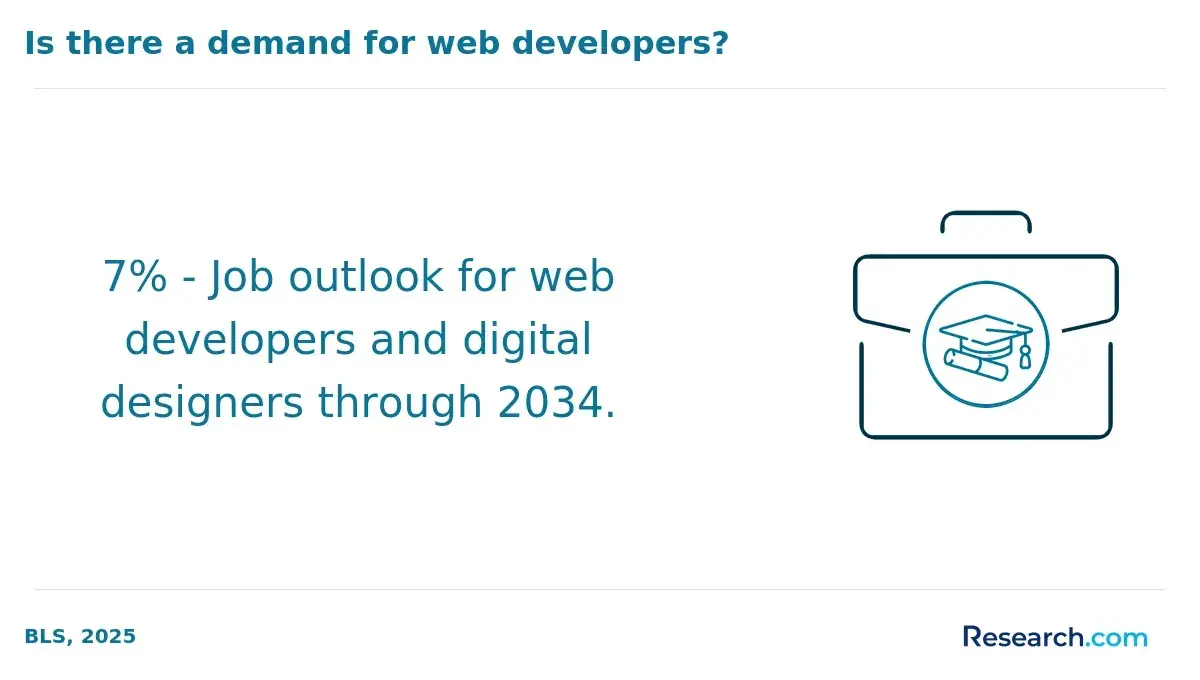
| Web Developer | $90,930 | 7.5% | Learners who want to create, maintain, and improve websites, web apps, and browser-based experiences. |
| Network and Computer Systems Administrator | $96,800 | -4.2% | People who like troubleshooting, infrastructure, uptime, networks, and system operations. |
| Business Intelligence Analyst | $88,486 | 33.5% | Professionals who want to translate raw data into reports, dashboards, and business recommendations. |
| Computer Programmer | $98,670 | -6% | People who enjoy writing, testing, debugging, maintaining, and refining code. |
| Computer Systems Analyst | $103,790 | 8.7% | People who can evaluate business workflows and recommend better technical systems. |
| UI/UX Designer | $98,090 | 7% | People who combine design judgment, user research, usability testing, and front-end awareness. |
| Data Scientist | $112,590 | 33.5% | People with strengths in statistics, programming, analysis, modeling, and communication. |
| Database Administrator | $104,620 | -0.7% | People interested in securing, optimizing, maintaining, and managing data systems. |
| Information Security Analyst | $124,910 | 28.5% | People who want to monitor threats, reduce risk, investigate incidents, and protect systems. |
| Software Developer | $133,080 | 15.8% | People who want to design, build, test, improve, and maintain software products. |
| Game Developer | $81,089 | 15.8% | Creative coders interested in game engines, mechanics, interactive media, and gameplay systems. |
| Cloud Solutions Architect | $166,963 | 8.7% | Experienced technologists who can design scalable, secure, and efficient cloud environments. |
| Cyber Security Engineer | $131,587 | 28.5% | People who want to build security controls, harden systems, and engineer defenses against attacks. |
| Mobile App Developer | $111,732 | 15.8% | People who want to create applications for smartphones, tablets, and mobile operating systems. |
| Machine Learning Engineer | $149,864 | 15.8% | People interested in AI models, predictive systems, automation, and advanced data engineering. |
1. Web Developer
Annual Median Salary: $90,930
Job Outlook Through 2034: 7.5%
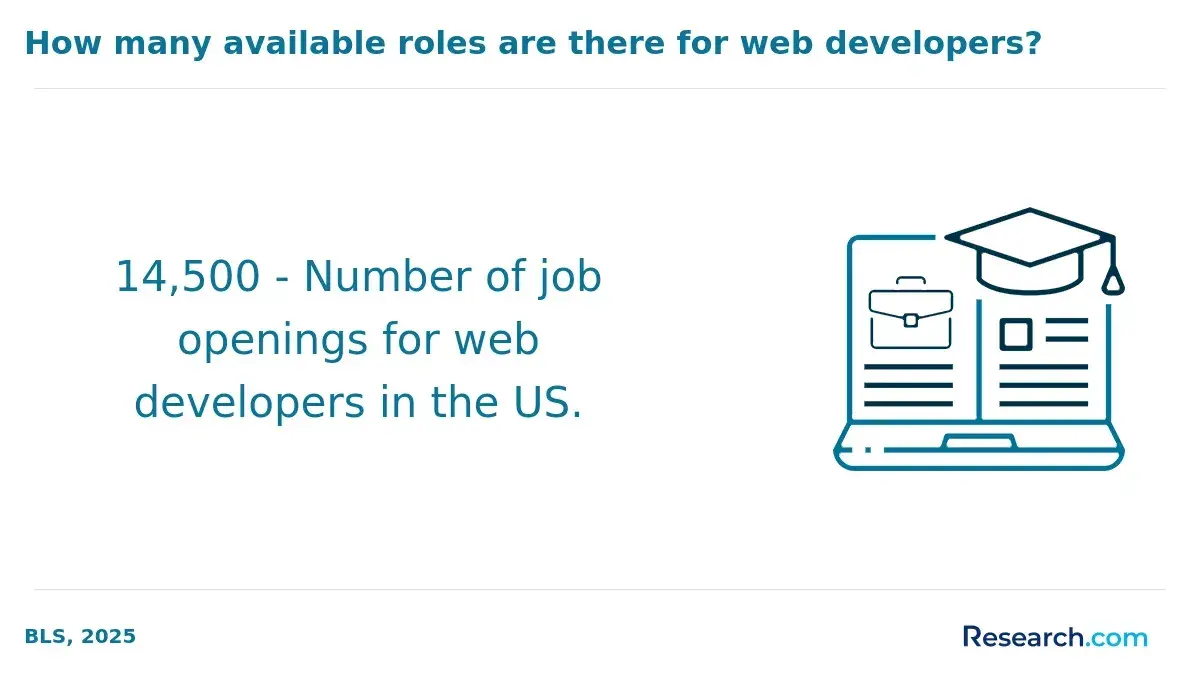
Web developers create and maintain websites and web applications. The work is often divided into front-end, back-end, and full-stack development. Front-end developers handle the parts users see and interact with in a browser. Back-end developers work on server logic, databases, hosting, performance, security connections, and application infrastructure. Full-stack developers move between both sides and often help connect the user interface with business logic and stored data.
This career can be a useful starting point because web skills can lead into software engineering, e-commerce, product development, content platforms, cloud services, or user experience roles. A bachelor’s degree in software development, computer science, cloud computing, or a related field can help, but employers also care about deployed projects, portfolio quality, debugging ability, framework experience, and evidence that you can maintain real applications.
2. Network and Computer Systems Administrator
Annual Median Salary: $96,800
Job Outlook Through 2034: -4.2%
Network and computer systems administrators support the technology environment that employees rely on every day. They may configure servers, manage access permissions, support devices, monitor system performance, install updates, respond to outages, and help maintain reliable network operations. They may also collaborate with network architects when reviewing or improving infrastructure designs.
This path fits people who prefer operations, reliability, and infrastructure over building consumer-facing software. A bachelor’s degree in information technology, computer networks, system administration, electrical engineering, or computer engineering may provide relevant preparation. Because the outlook listed here is negative, candidates should consider adding cloud administration, automation, cybersecurity fundamentals, scripting, and modern infrastructure tools to strengthen their marketability.
3. Business Intelligence Analyst
Annual Median Salary: $88,486
Job Outlook Through 2034: 33.5%
Business intelligence analysts help organizations understand what their data means. They collect data from business systems, clean and organize it, create dashboards or reports, and highlight patterns that leaders can use to make decisions. Coding is increasingly helpful because large or recurring data tasks often require automation, SQL queries, scripts, and custom analysis.
For instance, a business intelligence analyst might use Python in Power BI to automate a routine data-cleaning process. Entry-level professionals often have a bachelor’s degree in business, social science, engineering, analytics, or a related field. Some employers prefer applicants with a master’s degree in business administration when the role requires stronger business strategy knowledge.
4. Computer Programmer
Annual Median Salary: $98,670
Job Outlook Through 2034: -6%
Computer programmers write, test, modify, and maintain code that helps software run correctly. They may work on websites, mobile apps, business software, video games, SaaS platforms, or internal tools. Their responsibilities can include building reusable code, correcting defects, improving performance, and adapting programs for different platforms or operating systems.
This occupation is being reshaped by AI-assisted coding tools that can help generate, test, or improve code. A projected decline does not mean programming skills are no longer useful. It means routine coding tasks may be automated or absorbed into broader software roles. Programmers who want stronger prospects should build skills in architecture, debugging, testing, security, documentation, code review, and defining the right problem before writing code. A bachelor’s degree in computer and information technology, mathematics, or a related field is common, and some employers look for experience with specific programming languages.
5. Computer Systems Analyst
Annual Median Salary: $103,790
Job Outlook Through 2034: 8.7%
Computer systems analysts, also known in some settings as systems architects, examine how organizations use technology and identify ways to improve efficiency. They review workflows, software, hardware, data movement, and business processes, then recommend technical changes that support organizational goals.
This career suits people who enjoy both technology and business operations. Systems analysts may focus on healthcare platforms, financial systems, engineering tools, or other industry-specific technologies. A bachelor’s degree in computer and information technology, mathematics, or a related field is often expected. Coursework in business or management can also be valuable because analysts frequently translate needs between technical teams and decision-makers.
6. UI/UX Designer
Annual Median Salary: $98,090
Job Outlook Through 2034: 7%
UI/UX designers improve how people interact with digital products. UI design focuses on screens, layout, visuals, and interaction details. UX design looks more broadly at the user journey, accessibility, usability, research findings, and overall satisfaction. Although this work often overlaps with web development, it requires a distinct mix of user research, prototyping, testing, design systems, communication, and sometimes front-end development knowledge.
Graduates of computer science or computer programming degree programs may add UI and UX coursework, which universities commonly structure to take two years to complete. Effective UI/UX designers gather feedback carefully, identify user frustrations, and convert those insights into clearer, more usable digital experiences.
7. Data Scientist
Annual Median Salary: $112,590
Job Outlook Through 2034: 33.5%
Data scientists apply programming, statistics, machine learning, and subject-matter knowledge to draw meaning from large datasets. They may create predictive models, analyze historical trends, identify risk patterns, support forecasts, or design experiments. A major part of the job is explaining findings in a way that helps managers and stakeholders make informed decisions.
This field often favors advanced education. According to Zippia, 47% of data scientists have an advanced degree, including 34% with a master’s and 13% with a Ph.D. Common backgrounds include computer science, mathematics, statistics, and science-related fields. Data scientists frequently work with data mining, AI, machine learning, and statistical tools to interpret complex information.
8. Database Administrator
Annual Median Salary: $104,620
Job Outlook Through 2034: -0.7%
Database administrators oversee the systems that store, organize, protect, and retrieve organizational data. Their work helps developers, analysts, managers, and other users access accurate information when they need it. They monitor database performance, assist users, maintain backups, troubleshoot issues, and help keep data available and reliable.
Security is central to this role because databases often hold sensitive information. Database administrators manage access controls, protect private records, and reduce the likelihood of breaches, downtime, or data loss. A bachelor’s degree in computer and information technology, computer engineering, or a related area is common. Business coursework can also help because database systems usually support essential organizational processes.
9. Information Security Analyst
Annual Median Salary: $124,910
Job Outlook Through 2034: 28.5%
Information security analysts protect systems, networks, and data from misuse, unauthorized access, and cyberattacks. Their work may include monitoring alerts, investigating incidents, recommending security tools, implementing encryption, training employees, and helping organizations adopt safer digital practices. The demand for cybersecurity-related jobs through 2034 has a projected growth rate of 367% over the national growth rate for overall employment (CompTIA, 2025).
This role fits people who enjoy technical investigation, risk reduction, and defensive problem-solving. Analysts may conduct vulnerability assessments, review network activity, and participate in simulated cyberattack exercises. A bachelor’s degree in cybersecurity, cloud computing, information technology, or a related field can provide a foundation, but ongoing learning is essential because threats and attack methods continue to change.
10. Software Developer
Annual Median Salary: $133,080
Job Outlook Through 2034: 15.8%
Software developers design and build applications that solve user, client, or business problems. They interpret requirements, decide which features and structures the software needs, and collaborate with programmers, testers, designers, analysts, and other technical staff to turn an idea into a working product. In some workplaces, they also handle quality assurance and testing tasks.
Software developers may fix defects, improve speed, update interfaces, adapt programs for new hardware, and maintain applications after launch. A bachelor’s degree in computer science, engineering, mathematics, or a related field is typical. Strong applicants also understand version control, testing, documentation, security fundamentals, software development life cycles, and multiple languages or frameworks.
11. Game Developer
Annual Median Salary: $81,089
Job Outlook Through 2034: 15.8%
Game developers translate game ideas, mechanics, rules, objectives, and interactive experiences into working software. Their duties can include programming gameplay systems, supporting story elements, building character behavior, using game engines, integrating audio and graphics, defining technical requirements, and testing the game before release.
This career can be satisfying for creative programmers, but it usually requires persistence and a strong portfolio. Many game developers complete a bachelor’s degree in software engineering, computer science, or a specialized video game design degree. Completing a full game project is especially useful, and many roles value C++ proficiency along with other programming languages.
12. Cloud Solutions Architect
Annual Median Salary: $166,963
Job Outlook Through 2034: 8.7%
Cloud solutions architects design cloud systems and applications that support organizational needs. Their work may involve choosing cloud services, planning infrastructure, improving scalability, integrating applications, strengthening security, and helping organizations move from legacy systems to cloud environments.
This is generally not a first coding job. Cloud architecture usually requires experience with operating systems, networking, programming languages, security, and cloud platforms. Certifications can help demonstrate knowledge, but employers commonly expect hands-on experience designing, integrating, securing, and optimizing cloud-based solutions.
13. Cyber Security Engineer
Annual Median Salary: $131,587
Job Outlook Through 2034: 28.5%
Cyber security engineers create and implement technical protections for networks, applications, systems, and data. While information security analysts often focus on monitoring and evaluating risks, cyber security engineers are more likely to design and build the defenses themselves. Their work may involve VPNs, data loss prevention tools, web proxies, IDS/IPS systems, security audits, and infrastructure hardening.
This role overlaps with software engineering and systems engineering because it requires coding ability as well as a deep understanding of how attacks work. Cyber security engineers typically have bachelor’s degrees in computer science, systems engineering, or related fields, along with strong knowledge of cybersecurity practices, secure architecture, and programming languages.
14. Mobile App Developer
Median Annual Salary: $111,732
Job Outlook Through 2034: 15.8%
Mobile app developers create applications for smartphones and tablets. The work resembles software development but focuses on mobile operating systems, device limitations, app store requirements, smaller-screen user experience, and performance across different devices. Some developers specialize in Android or iOS, while others build cross-platform apps for both environments.
Mobile app developers may use languages and technologies such as C++, HTML, Java, Objective-C, MySQL, and PHP. They often work with engineers, designers, and computer analysts to plan, build, test, update, and improve applications. A bachelor’s degree in computer science or a related field is a common starting point.
15. Machine Learning Engineer
Median Annual Salary: $149,864
Job Outlook Through 2034: 15.8%
Machine learning engineers build systems that use algorithms and data to make predictions, automate decisions, or improve performance over time. Their work can support recommended searches, translation tools, virtual assistants, driverless cars, chatbots, and other AI-enabled products. They design machine learning systems, prepare datasets, test models, improve accuracy, and troubleshoot performance issues.
This career requires a strong blend of software engineering and data science. Machine learning engineers often understand several layers of web, software, and data technology, which is why some operate as full-stack machine learning developers. Among developers, 27% perform full-stack development (Stack Overflow, 2025). Typical preparation includes a bachelor’s degree in data science, computer science, mathematics, or a related field, plus graduate-level study in areas such as computational linguistics or data analytics and advanced proficiency in Python, Java, and R code writing.
How to Choose the Right Coding Career Path
The best coding career depends on the type of problems you want to solve and how much specialization you are willing to pursue. Salary matters, but it should not be the only factor. Some roles require advanced math, some involve urgent incident response, and others depend heavily on communication with business teams, clients, or users.
| If you prefer... | Roles to compare | What to expect |
| Visual, creative, and user-facing work | Web Developer, UI/UX Designer, Mobile App Developer, Game Developer | Portfolio reviews, usability testing, design feedback, and changing product requirements. |
| Application logic, architecture, and software construction | Software Developer, Computer Programmer, Cloud Solutions Architect | Debugging, code reviews, system design, technical documentation, and frequent framework changes. |
| Data, patterns, and business questions | Business Intelligence Analyst, Data Scientist, Database Administrator | Messy data, stakeholder communication, statistical thinking, governance requirements, and reporting deadlines. |
| Security, risk, and technical defense | Information Security Analyst, Cyber Security Engineer | High-pressure incidents, evolving threats, compliance concerns, and continuous learning. |
| Infrastructure, systems, and operational reliability | Network and Computer Systems Administrator, Computer Systems Analyst, Cloud Solutions Architect | Outages, migrations, documentation, troubleshooting, and coordination across teams. |
What Role Does Work-Life Balance Play in Coding Careers?
Work-life balance is an important consideration because coding can involve deep focus, tight deadlines, urgent fixes, and mentally demanding problem-solving. Product launches, outages, security incidents, and critical bugs may occasionally require late hours or on-call work. A sustainable path depends on choosing roles and employers that align with your boundaries, pressure tolerance, and preferred work style.
- On-call expectations and irregular schedules: Cybersecurity, infrastructure, and software operations roles may require rapid responses when systems fail or vulnerabilities appear. Ask about on-call rotations before accepting an offer.
- Remote and flexible work options: Many coders value remote work because it can reduce commuting and improve focus. An affordable online computer science degree may also help learners build technical skills without moving.
- Physical and mental health: Long screen sessions, difficult debugging, and deadline pressure can contribute to fatigue. Ergonomics, movement, breaks, and realistic planning are part of long-term performance.
- Team tools and workflow quality: Version control, project management platforms, documentation systems, and code review tools can reduce confusion and limit unnecessary overtime.
Data Analysis as a Pathway for Coding Professionals
Data analysis is a practical option for coders who want their work tied closely to business decisions. Data analysts use programming to clean, query, organize, visualize, and interpret information. Python, R, and SQL skills can help professionals automate repeated tasks, build dashboards, test assumptions, and explain trends clearly.
This direction can lead into healthcare, finance, marketing, operations, technology, and other sectors that rely on data-based planning. Coders considering analytics can review Research.com’s data analytics degree guide to compare academic routes that build relevant technical and analytical skills.
What Education Is Required for a Coding Career?
Many coding careers start with a related degree, such as an online software development degree, computer science degree, information technology degree, cybersecurity degree, data science degree, or mathematics-related program. Degree programs can provide structured training in programming, algorithms, databases, systems, software engineering, and technical communication.
Requirements differ by role. Some web development and UI/UX positions may place heavy weight on portfolios. Machine learning, data science, cybersecurity engineering, and cloud architecture often require more advanced technical preparation. Online courses, certifications, documentation-based learning, independent projects, and open-source work can strengthen your profile when they show practical results.
| Education option | When it can make sense | Potential drawback |
| Bachelor’s degree | Useful preparation for software development, cybersecurity, systems analysis, data roles, and many entry-level technology jobs. | Requires planning for time and cost; accreditation and program quality are important. |
| Master’s degree | Helpful for advanced data science, AI, cybersecurity leadership, research-oriented roles, or career advancement. | May not be necessary for every coding job, especially if you already have strong experience and a portfolio. |
| Certificates and certifications | Helpful for cloud platforms, cybersecurity, networking, databases, and specific technical tools. | Most effective when combined with projects, labs, or work experience. |
| Bootcamps and short programs | Can help career changers build focused, portfolio-ready skills in less time. | Quality and outcomes vary; verify curriculum depth, employer recognition, and career support. |
| Self-study | Flexible and lower-cost for disciplined learners who can complete real projects. | Requires strong motivation and may need additional proof of skill for employers. |
Can an Accelerated Online Computer Science Degree Speed Up Career Progression?
An accelerated online program may help motivated learners gain technical training faster if they are ready for a compressed schedule. These programs often include programming, systems concepts, projects, and career-focused assignments. A 1 year computer science degree online may be worth considering if you need a faster path to a formal credential and can manage an intensive workload.
Before enrolling, review accreditation, total cost, transfer credit rules, course sequencing, faculty access, project expectations, and alignment with your target role. A faster program is not automatically a better program if the pace leaves too little time to build a strong portfolio.
Is Cybersecurity a Strong Specialization for Coding Professionals?
Cybersecurity can be a smart direction for coders who want to work on secure applications, vulnerability prevention, threat detection, incident response, or security engineering. As cyber threats become more complex and compliance expectations increase, employers need professionals who can write safer code, recognize attack patterns, and build more resilient systems.
This specialization can open advanced technical roles, but it requires constant learning and careful attention to detail. Professionals seeking a lower-cost education route can compare options such as the cheapest online master's in cyber security, while checking whether each curriculum includes hands-on labs, secure coding, risk management, and practical security tools.
What Strategies Can Help Future-Proof a Coding Career?
Future-proofing a coding career means focusing on skills that remain useful even as specific tools change. Strong coders understand core concepts, learn new technologies quickly, and connect technical work to business value. Artificial intelligence, cloud computing, cybersecurity, data science, and DevOps are especially important because they influence how software is built, deployed, monitored, and secured.
For professionals who want deeper analytics training, options such as the cheapest online data science masters can support skill development in large-scale data and advanced analysis. Other useful strategies include contributing to real projects, practicing system design, learning secure coding, joining professional communities, and tracking employer demand in your target region or industry.
Common Mistakes to Avoid When Choosing a Coding Career
- Choosing based only on salary: Higher-paying roles may require advanced mathematics, cloud architecture experience, cybersecurity responsibility, or years of specialized practice.
- Overlooking job outlook differences: Some jobs in this guide show strong projected growth, while others show negative outlooks. Factor that into your upskilling plan.
- Trying to learn too many languages at once: Employers usually value depth, projects, and problem-solving more than a long list of tools you barely know.
- Skipping technical fundamentals: Frameworks change often, but algorithms, databases, networking, testing, security, and systems thinking remain valuable.
- Assuming every online program is a good fit: Check accreditation, curriculum, transfer policies, faculty support, career services, and how projects are evaluated.
- Depending only on rankings or marketing claims: Compare cost, outcomes, student support, course content, project quality, and employer alignment before enrolling.
- Underestimating communication: Coders often explain trade-offs, document decisions, collaborate with stakeholders, and review work with other technical professionals.
What Are the Main Challenges in a Computer Coding Career?
Coding can be rewarding, but it is not effortless work. Knowing the challenges in advance can help you prepare realistically and avoid burnout.
- Fast technology change: New tools, frameworks, platforms, and languages appear regularly. Coders need an ongoing learning routine.
- Complex problem-solving: Debugging can take hours or days, especially when the issue involves distributed systems, poor data quality, hidden dependencies, or performance bottlenecks.
- Deadline pressure: Product releases, client requirements, security fixes, and startup environments can create demanding schedules.
- Collaboration requirements: Even when programming is done independently, most projects involve designers, product managers, analysts, engineers, executives, or clients.
- High expectations in specialized roles: Professionals aiming for the highest paying computer science jobs should be ready to produce reliable, secure, well-documented work under pressure.
Is Remote Work Changing Computer Coding Careers?
Remote work has reshaped how many technology teams collaborate. Developers, analysts, security professionals, and cloud engineers may work across time zones using version control, project management tools, chat platforms, documentation systems, and virtual meetings. This flexibility can expand geographic options, but it also raises expectations for written communication, self-direction, and asynchronous collaboration.
Remote education can also support career growth. For example, an AI degree may help professionals build specialized skills while continuing to manage work or family obligations. Before choosing a remote role or online program, consider how independently you work, how much mentoring you need, and whether the position includes on-call responsibilities.
How Can Interdisciplinary Skills Expand Coding Career Options?
Coding becomes more valuable when combined with expertise in another field. A developer who understands healthcare, finance, biotechnology, engineering, education, logistics, or compliance can identify problems that a purely technical professional may miss. This combination can lead to opportunities in technical consulting, analytics, automation, product strategy, compliance technology, or specialized software development.
For example, pairing coding with biotechnology knowledge may create opportunities in data-heavy scientific and healthcare settings. Professionals considering that route can explore related career information, including the average salary for masters in biotechnology. Interdisciplinary skills are especially useful for people who want leadership roles that connect technical teams with business, research, or operational priorities.
Which Computer Coding Job Is Right for You?
According to the Bureau of Labor Statistics, employment for computer occupations is projected to grow by around 8.6% through 2034. At the same time, some traditional programming work shows a declining trend, partly because AI and machine learning can automate or accelerate certain coding tasks. The stronger opportunity may be in roles that require judgment, domain knowledge, secure design, architecture, data interpretation, and collaboration.
If you are just starting, choose a role that builds transferable technical skills. Web development, software development, data analysis, and systems support can all create pathways into more specialized work. If you already have experience, consider whether cloud computing, cybersecurity, AI, or analytics can move you toward higher-value opportunities. As the market changes, technology careers will keep evolving, and professionals who reskill deliberately are more likely to maintain long-term options.
How Can Further Education Support Career Growth?
Additional education can help coders move into architecture, management, cybersecurity leadership, analytics, strategic technology roles, or higher-level individual contributor positions. The value is highest when the program addresses a specific gap, such as advanced technical depth, business knowledge, leadership skills, or a credential expected for your target role.
For professionals who want to combine business and technology training, an online MBA Management Information Systems can connect technology management with organizational strategy. This may benefit coders who want to lead teams, manage projects, evaluate systems investments, or influence technology decisions at a higher level.
How Are Emerging Technologies Reshaping Coding Careers?
Artificial intelligence, machine learning, cloud computing, and advanced analytics are changing what employers expect from coding professionals. AI tools can assist with programming tasks, cloud platforms affect how applications are deployed, and analytics tools increase demand for people who can turn data into useful action. Coders who understand these technologies can move beyond routine implementation into strategy, automation, security, and optimization.
Professionals who want structured AI training can compare the most affordable online artificial intelligence degree programs. When evaluating an emerging-technology program, look for hands-on projects, ethical AI coverage, data management, model evaluation, and practical software integration.
Questions to Ask Before Choosing a Coding Program or Career Path
- Which career am I actually preparing for: web development, software development, data, cybersecurity, cloud, mobile, AI, systems, or design?
- Does this role usually require a degree, certification, portfolio, internship, or previous technical experience?
- Which programming languages, frameworks, and tools appear most often in job postings for my target role?
- Will the program require projects that I can show to employers?
- Is the school accredited, and can credits transfer if I continue my education later?
- What is the full cost, including fees, books, software, hardware, and certification exam expenses?
- How does the role’s job outlook fit my risk tolerance and timeline?
- Will the career support my desired salary, remote work preferences, and work-life balance?
- How could AI affect routine tasks in this role, and what higher-value skills should I build now?
References
- Bureau of Labor Statistics. (2025). Occupational projections, 2024–2034, and worker characteristics, 2024. https://www.bls.gov/emp/tables/occupational-projections-and-characteristics.htm
- Business Research Insights. (2026). Web development market size. https://www.businessresearchinsights.com/market-reports/web-development-market-109039
- CompTIA. (2025). State of the Tech Workforce 2025. https://www.comptia.org/en/resources/research/state-of-the-tech-workforce-2025
- Stack Overflow. (2025). Developer Survey 2025. https://survey.stackoverflow.co/2025
- ZipRecruiter. (2026). Cloud Solutions Architect Salary. https://www.ziprecruiter.com/Salaries/Cloud-Solutions-Architect-Salary
Key Insights
- Coding is not a single career track. Web development, software development, data science, cybersecurity, mobile development, cloud architecture, and systems analysis require different skills and lead to different work environments.
- Specialized skills can improve long-term positioning. AI, cybersecurity, cloud computing, data science, and DevOps are important areas for coders who want to stay relevant as routine programming becomes more automated.
- Salary should be considered alongside preparation requirements. The average computer coding job salary was $98,670, and top earners made more than $162,090, but higher-paying roles often require deeper experience, advanced technical skills, or specialized credentials.
- Job outlook differs sharply by occupation. Data science, information security, and software development show stronger outlooks than roles with negative projections, such as computer programmer and network and computer systems administrator.
- AI is changing coding work rather than removing the need for skilled professionals. Coders who can design systems, evaluate AI-generated code, secure applications, interpret data, and solve business problems will have stronger prospects than those focused only on routine coding.
- Education should match the role you want. A degree, bootcamp, certification, or self-study plan can all be useful, but the right choice depends on whether you need academic depth, faster skills, a portfolio, or employer-recognized credentials.
- The right coding path depends on your strengths. Choose based on whether you prefer building products, analyzing data, protecting systems, designing user experiences, managing infrastructure, or developing AI-powered tools.
Other Things You Should Know About Computer Coding Jobs
In 2027, AI and machine learning significantly impact coding jobs by automating routine tasks, allowing coders to focus on complex problem-solving. This shift emphasizes the need for proficiency in AI technologies, creating new roles while transforming existing ones, thus maintaining strong demand for skilled professionals in these areas.
To excel in coding jobs in 2027, proficiency in languages like Python, JavaScript, and SQL is essential. Familiarity with cloud computing, blockchain technology, and cybersecurity principles is increasingly important. Soft skills such as problem-solving and teamwork are also highly valued by employers.
Most employers prefer a bachelor’s degree in computer science, software engineering, or a related field. Some coding jobs accept an associate degree plus a strong portfolio, while senior roles often require 3 to 5 years of experience and proficiency in languages such as Python, Java, or JavaScript.
Promising niche fields for computer coders in 2027 include quantum computing, blockchain technology, and cybersecurity. As these areas expand rapidly, specialists in these fields are in high demand with attractive salaries and opportunities for growth.