
2027 How To Become A Game Developer

Co-Founder and Chief Data Scientist
Becoming a game developer is a career decision that requires more than a love of games. Employers usually want proof that you can build playable systems, solve technical problems, work with artists and designers, and finish projects under real production constraints. The field can be rewarding, but it is also highly competitive: extensive research from credible sources and career counselor insights indicate that only around 36% of game development graduates secure jobs within six months, largely because tools, platforms, and employer expectations change quickly.
This guide explains how to become a game developer in 2027, what education and skills matter most, how salaries vary by role and experience, and how to choose between a degree, certificate, bootcamp, portfolio-first path, or graduate study. It is written for students, career changers, self-taught programmers, artists moving into interactive media, and professionals deciding whether game development education is worth the investment.
Quick Answer: How Do You Become a Game Developer?
To become a game developer, build strong programming skills, learn at least one major game engine such as Unity or Unreal Engine, complete playable projects, and create a portfolio that shows your role, tools, code quality, design thinking, and problem-solving process. A degree in game design, computer science, software engineering, or a related field can help, but employers often weigh practical experience, internships, game jam projects, and portfolio quality heavily.
| Decision Area | What Matters Most | Practical Takeaway |
| Education | Game design, computer science, software engineering, art, animation, UX, or related training | Choose the path that matches your target role: programmer, designer, artist, producer, QA tester, or researcher. |
| Technical skills | C++, C#, Python, Unity, Unreal Engine, math, physics, AI, graphics, and debugging | Do not only watch tutorials. Build finished games and document what you solved. |
| Career outlook | The U.S. Bureau of Labor Statistics projects a 5% growth rate for software developers, including game developers, from 2021 to 2031. | Growth exists, but entry-level competition is intense, so portfolio and networking matter. |
| Salary potential | Average pay and median salaries vary by source, location, specialization, and seniority. | Entry-level roles may start around $50,000, while experienced or specialized professionals can earn upwards of $100,000. |
| Career mobility | Game development skills transfer to software, UX, simulation, AR/VR, marketing, QA, writing, and analytics roles. | Build a skill set that gives you options beyond one studio or one job title. |
- What is a game developer?
- What does a game developer do?
- How do you become a game developer?
- What are the licensing requirements for game developers?
- What are the career prospects of game developers?
- How much does a game developer make?
- What skills should a game developer have?
- What qualifications are employers looking for in game developers?
- What can I do with an associate's degree in game design?
- What can I do with a bachelor’s degree in game design?
- Can you get a game development job with just a certificate?
- What can I do with a master’s in game design and development?
- What can I do with a doctorate in game design and development?
- Which certification is best for game design and development?
- What are the trends and innovations in game development for 2027?
- What challenges do aspiring game developers face, and how can they overcome them?
- What makes a master’s in game design and development high-value?
- How can you build a standout game development portfolio?
- What is the return on investment for game development education?
- What are the accelerated pathways to game development careers?
- Can financial aid support your game development education?
- What factors should I consider when choosing a game development program?
- How do mentorship and community networks contribute to long-term success in game development?
- How can accelerated programs strengthen practical skills for faster career entry?
- Can advanced academic research support game development innovation?
- How can electrical engineering expertise enhance game development innovation?
- Can interdisciplinary insights from other fields enhance game development?
- How can you maintain work-life balance in the game development industry?
- Can affordable education options build a successful game development career?
- What legal considerations should game developers be aware of?
- How can data analytics drive innovation in game development?
- Can an accelerated doctorate program transform your game development career?
- Can cross-disciplinary insights accelerate game innovation?
- How can continuous learning propel your game development career?
- What are the opportunities for online education in game development?
What is a game developer?
A game developer is a professional who helps create interactive games for consoles, computers, mobile devices, web platforms, virtual reality systems, augmented reality products, and other digital environments. The title can refer to several functions, including gameplay programming, systems engineering, level design, technical art, animation integration, audio implementation, artificial intelligence, user interface development, tools programming, and quality assurance.
Some developers work in large AAA studios with specialized teams and formal production pipelines. Others work in small indie teams where one person may code, design levels, troubleshoot performance, and publish updates. In both settings, the work requires a mix of creativity and engineering discipline. A good game idea is not enough; developers must turn that idea into a playable, stable, engaging experience.
Game development can also overlap with adjacent industries. Someone interested in careers with a sports management degree, for example, might explore sports games, esports operations, sports simulation, or fan engagement products that use game-like systems.
What does a game developer do?
Game developers turn design concepts into functioning interactive experiences. Their exact tasks depend on the size of the team, the platform, and the production stage, but most roles involve planning, building, testing, revising, and collaborating with specialists across art, design, engineering, audio, production, and marketing.
| Area of Work | What Developers Do | Why It Matters |
| Concept development | Help define the core idea, player goals, mechanics, story direction, progression systems, and technical feasibility. | A game needs a clear experience before a team can build efficiently. |
| Design and prototyping | Create levels, interactions, rules, interfaces, and early playable versions using tools such as Unity or Unreal Engine. | Prototypes show whether an idea is fun, understandable, and technically possible. |
| Programming | Write code for gameplay, controls, physics, AI, menus, multiplayer features, tools, and performance optimization. | Programming turns creative plans into interactive systems players can use. |
| Art and animation integration | Work with artists, animators, and technical artists to bring characters, environments, effects, and movement into the engine. | Visual assets must function correctly in real gameplay, not just look good in isolation. |
| Testing and iteration | Identify bugs, analyze player feedback, improve usability, fix balance problems, and verify that features work as intended. | Games are highly iterative; quality depends on repeated testing and refinement. |
| Team collaboration | Coordinate with designers, artists, sound engineers, producers, QA teams, and sometimes marketing teams. | Most games are too complex for one discipline to complete alone. |
Students from the best online art schools may enter game development through concept art, environment art, 3D modeling, or animation. Graduates of a UI UX design degree online may contribute to menus, onboarding, accessibility, player research, and interface testing.
How to Become a Game Developer?
The most reliable path into game development is to combine structured learning with finished projects. A degree can help you build foundations, but your portfolio proves whether you can apply those foundations to actual games.
- Choose your target role. Decide whether you want to become a gameplay programmer, game designer, level designer, technical artist, QA tester, producer, 3D artist, UX designer, or researcher. Each role requires a different mix of coding, art, design, and production skills.
- Build the right educational foundation. Many developers study computer science, game design, software engineering, digital art, animation, or interactive media. Flexible online art degree programs can be useful for students targeting visual development, animation, or design-heavy roles.
- Learn the core tools. Start with one major engine, usually Unity or Unreal Engine. Add programming languages such as C++, C#, or Python depending on your target role.
- Create small playable projects. A completed simple game is more valuable than an ambitious unfinished project. Build prototypes that show mechanics, controls, UI, performance awareness, and iteration.
- Join collaborative projects. Game jams, class projects, open-source projects, internships, and freelance work help you learn version control, feedback cycles, deadlines, and team communication.
- Build a focused portfolio. Include playable links, short videos, screenshots, technical notes, source code when appropriate, and a clear explanation of your contribution.
- Network intentionally. Connect with developers, recruiters, alumni, indie teams, and local communities. Referrals and recommendations can matter in a competitive hiring market.
- Keep learning. Tools, platforms, monetization models, accessibility expectations, and AI-supported workflows change quickly, so current skills matter.
| Career Stage | Best Action | Evidence Employers Can Review |
| Beginner | Learn programming basics, design principles, and one engine. | Small prototypes, exercises, and documented learning projects |
| Portfolio builder | Finish 2–4 playable games or polished interactive demos. | Playable builds, GitHub repositories, dev logs, and gameplay videos |
| Entry-level applicant | Apply for internships, QA roles, junior developer roles, or indie collaborations. | Resume, portfolio, references, and evidence of teamwork |
| Advancing professional | Specialize in AI, tools, engine programming, multiplayer, UX, VR/AR, production, or technical art. | Shipped projects, leadership examples, technical case studies, and measurable project results |
What are the licensing requirements for game developers?
Game developers do not need a government-issued license to work in the field. Unlike nursing, teaching, architecture, or many engineering professions, game development is generally evaluated through skills, experience, portfolio quality, technical interviews, and shipped or completed projects.
Credentials can still help. Employers may prefer candidates with a relevant degree, certificate, or certification in game design, computer science, software development, digital art, project management, or a specific tool. Certifications are most useful when they validate a skill the employer can immediately use, such as Unity, Unreal Engine, Agile workflows, or project management.
Because there is no universal license, students should be especially careful about program quality. Accreditation, curriculum relevance, faculty experience, portfolio support, and employer connections matter more than a school’s marketing claims.
What are the career prospects of game developers?
Game development careers can be promising, but the labor market is uneven. Demand exists across mobile gaming, console and PC development, VR, AR, educational games, simulation, tools, esports, live services, and interactive media. At the same time, entry-level roles attract many applicants, and hiring can shift with studio budgets, platform changes, and project cycles.
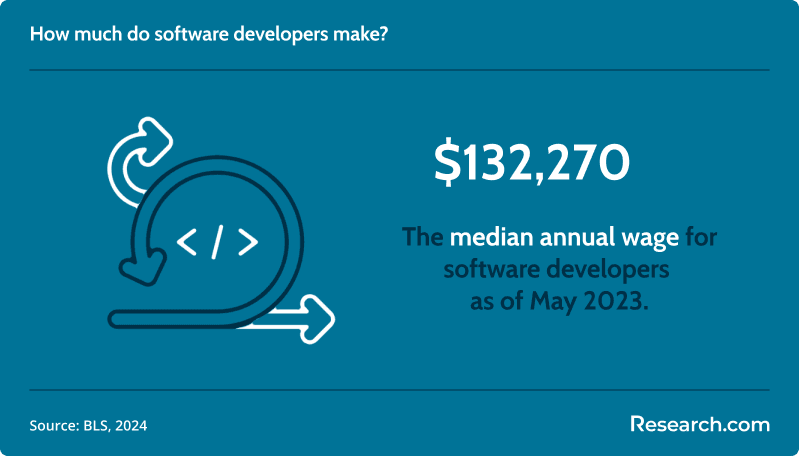
The U.S. Bureau of Labor Statistics projects a 5% growth rate for software developers, including game developers, from 2021 to 2031. This projection reflects broader software demand rather than a guarantee of game studio employment for every graduate.
| Role | Primary Focus | Good Fit For |
| Game Designer | Mechanics, rules, systems, player progression, story structure, and play balance | Creative problem-solvers who can test and revise ideas based on player experience |
| Game Programmer | Code for gameplay, AI, tools, physics, UI, performance, or multiplayer systems | Students with strong programming, math, debugging, and software design skills |
| Game Artist | Characters, environments, visual effects, animation, concept art, or technical art | Visual creators who understand game engine constraints and production pipelines |
| Quality Assurance Tester | Bug identification, test plans, gameplay verification, regression testing, and feedback reporting | Detail-oriented candidates seeking an entry point into production workflows |
| UX Designer | Menus, accessibility, usability, onboarding, player research, and interaction design | People who want to improve how players understand and navigate games |
| Producer | Scheduling, team coordination, budgets, milestone tracking, and communication | Organized leaders who can manage complexity across departments |
According to Indeed, the average salary for video game designers in the U.S. is around $75,000 per year, though pay varies widely by experience, location, employer, and role. Entry-level positions such as junior game designers or developers may earn around $50,000 annually, while more experienced professionals, especially those in leadership or specialized technical roles, can command salaries upwards of $100,000.
If you want a related technical path with broader security applications, Research.com’s guide to the cheapest online cyber security degree can help you compare another software-focused option.
How much does a game developer make?
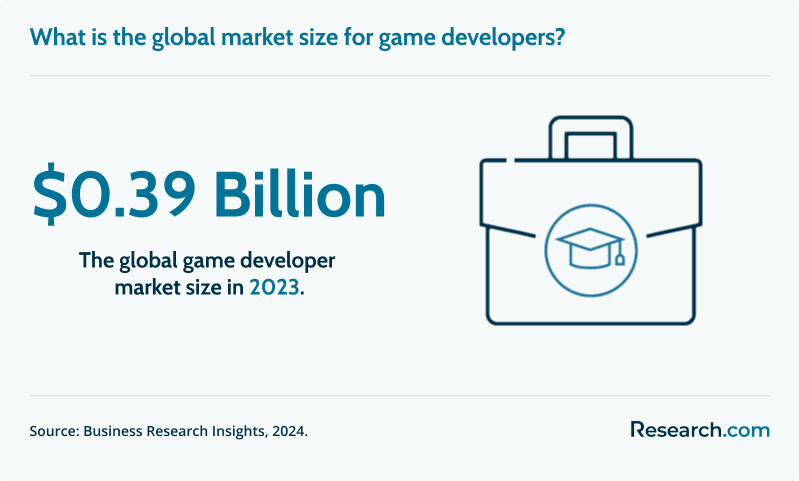
Game developer pay depends on specialization, experience, location, employer size, shipped titles, technical depth, and leadership responsibilities. As of 2027, the average salary for game developers in the United States ranges from approximately $60,000 to over $120,000 per year, depending on these variables.
| Experience Level or Factor | Salary Information | What It Usually Means |
| Entry-level positions | Around $60,000 to $70,000 annually | Junior programmers, junior designers, QA-related development roles, or early-career technical positions |
| Mid-level positions | Generally $70,000 to $90,000 | Developers with several years of experience who can own features or systems with less supervision |
| Senior and specialized roles | Salaries exceeding $120,000 | Lead designer, technical director, AI programmer, engine specialist, or other advanced roles |
| Geographic influence | Areas such as California or Washington often offer higher salaries compared to other regions. | Higher pay may also come with higher living costs and more competition. |
| Additional compensation | Companies in the gaming industry may provide bonuses, profit sharing, and other incentives. | Total compensation can differ from base salary, especially at larger studios. |
The average salary for video game designers in the U.S. is approximately $77,000 per year. Entry-level positions typically offer salaries around $50,000, while experienced professionals, particularly in specialized roles, can earn upwards of $100,000. These figures should be treated as estimates, not guaranteed outcomes.
What skills should a game developer have?
Successful game developers need both hard technical skills and collaboration skills. A developer who can code but cannot communicate with artists and designers will struggle on team projects. A designer with creative ideas but no ability to prototype or test them may also have trouble competing for entry-level roles.
| Skill Category | Examples | Why Employers Care |
| Programming | C++, C#, Python, Java, scripting, data structures, algorithms, debugging | Code quality affects gameplay, performance, stability, and production speed. |
| Game engines | Unity, Unreal Engine, editor workflows, prefabs, blueprints, assets, builds | Studios need candidates who can work in tools used by production teams. |
| Mathematics and physics | Geometry, vectors, collision, motion, probability, simulation, optimization | Many mechanics rely on spatial reasoning, realistic behavior, and efficient calculations. |
| Graphics and animation awareness | 3D modeling, texturing, rigging, animation states, rendering constraints | Developers often integrate visual assets and troubleshoot art-related performance issues. |
| Problem-solving | Debugging, performance tuning, feature trade-offs, technical documentation | Games are complex systems that break often during development. |
| Team collaboration | Communication, feedback, version control, task tracking, cross-functional coordination | Most professional games are built by teams with different specializations. |
| Creativity | Mechanic design, prototyping, systems thinking, player-centered iteration | Developers must solve technical problems without losing sight of the player experience. |
| Time management | Milestones, sprint planning, scope control, prioritization | Finishing a smaller game is better than endlessly expanding an unfinished project. |
What qualifications are employers looking for in game developers?
Employers usually evaluate game developer candidates through a combination of education, technical ability, portfolio evidence, collaboration experience, and interview performance. The exact standard depends on the job. A gameplay programmer may face coding tests, while a level designer may be asked to discuss layouts, pacing, and player decision-making.
- Relevant education: Many employers prefer a degree in computer science, game design, software engineering, digital media, animation, or a related field. Specialized programs may cover programming, graphics, mechanics, UX, project management, and production workflows.
- Technical skill: C++, C#, Java, Python, Unity, Unreal Engine, Blender, Maya, graphics programming, scripting, and version control can all be useful depending on the role.
- Portfolio quality: A strong portfolio can outweigh weak credentials. Employers want to see finished work, design decisions, technical notes, and evidence that you can solve problems independently.
- Internships and project experience: Studio internships, indie collaborations, open-source contributions, and game jam projects show that you can work under constraints and communicate with teammates.
- Soft skills: Communication, teamwork, adaptability, feedback response, documentation, and problem-solving are essential because game development is highly iterative.
- Continuous learning: Employers value candidates who keep pace with changing engines, platforms, AI tools, VR/AR workflows, accessibility standards, and production methods.
If you are comparing game development with a business operations path, you may also want to review careers in logistics to understand how different technical and coordination skills translate into another field.
What can I do with an associate's degree in game design?
An associate’s degree in game design can help you pursue entry-level roles, especially when paired with a strong portfolio, internships, and engine experience. It may not qualify you for every developer opening, but it can be a practical first step for students who want lower-cost training before transferring to a bachelor’s program or entering support roles in the industry.
| Role | What the Role Does | Median Salary |
| Game Designer | Creates mechanics, storylines, characters, and gameplay concepts while working with programmers, artists, and producers. | $55,000 |
| Game Programmer | Writes code for mechanics, graphics, tools, and interactive systems that bring gameplay ideas to life. | $60,000 |
| Quality Assurance Tester | Tests games for bugs, technical issues, gameplay problems, and user experience concerns. | $45,000. |
| Modeler/Animator | Builds and animates characters, props, and environments using specialized digital tools. | $50,000 |
| Level Designer | Creates playable spaces, challenges, pacing, layouts, and player interactions. | $53,000 |
| Game Marketing Specialist | Promotes games through campaigns, social media, community outreach, launch planning, and audience targeting. | $58,000 |
What can I do with a bachelor’s degree in game design?
A bachelor’s degree in game design can prepare students for more technical, creative, or leadership-oriented roles than many associate-level pathways. It can also provide broader foundations in programming, design theory, production, art, UX, and collaborative development.
| Role | Typical Responsibility | Median Salary |
| Lead Game Designer | Guides the design process, mentors junior designers, and keeps gameplay aligned with the project vision and production goals. | $75,000 |
| Software Engineer | Develops advanced game features, optimizes systems, and works with programming languages and tools to improve performance. | $90,000 |
| Art Director | Leads the visual direction of a game and ensures artistic consistency across characters, environments, UI, and effects. | $85,000 |
| Game Producer | Coordinates budgets, schedules, milestones, team communication, and delivery expectations. | $80,000 |
| User Experience (UX) Designer | Improves how players navigate, understand, and enjoy the game through research, testing, and interface design. | $70,000 |
If your main goal is to enter college quickly and build credits before specializing, an associate degree in 6 months online may be worth comparing with a longer game-focused program.
Can you get a game development job with just a certificate?
Yes, a certificate can help you get a game development job, especially in entry-level, tool-specific, QA, technical support, or junior production roles. However, a certificate alone is rarely enough if you cannot show finished projects, practical engine skills, and the ability to work on a team.
Certificates are most useful when they teach a specific, employer-relevant skill: Unity development, Unreal Engine workflows, C# scripting, 3D modeling, QA testing, level design, VR/AR development, or Agile production. A certificate can also support career changers who already have programming, art, UX, or project management experience.
Networking is especially important for certificate holders because referrals, community visibility, game jams, indie collaborations, and internships can help compensate for a thinner academic background. If you want a broader software credential, compare certificate training with accelerated computer science degree options before committing.
What can I do with a master’s in game design and development?
A master’s in game design and development is usually best for people who want advanced specialization, research depth, leadership preparation, or a transition into higher-level creative and technical roles. It is not automatically necessary for entry-level employment, so candidates should weigh cost against career goals.
| Role | What the Role Involves | Median Salary |
| Game Designer | Shapes the overall vision of a game, including mechanics, story, systems, and gameplay structure. | $75,000 |
| Lead Game Developer | Manages technical development, guides developers, troubleshoots issues, and improves performance. | $95,000 |
| User Experience (UX) Designer | Uses research and testing to improve interfaces, accessibility, usability, and player enjoyment. | $80,000 |
| Game Producer | Coordinates teams, timelines, budgets, deliverables, and communication with stakeholders. | $90,000 |
| Interactive Media Developer | Creates interactive products beyond traditional games, including VR and AR applications in entertainment, education, or training. | $85,000 |
What can I do with a doctorate in game design and development?
A doctorate in game design and development is usually designed for research, university teaching, advanced innovation, or senior creative leadership. It is rarely required for standard studio development roles, but it can be valuable for people focused on game studies, player behavior, AI, interactive systems, simulation, educational games, or emerging technologies.
| Role | Typical Focus | Median Salary |
| University Professor | Teaches game design and development, conducts research, advises students, and contributes to academic publications. | $95,000 |
| Research Scientist | Studies game mechanics, player behavior, interactive technology, and advanced design methods for universities, research institutions, or companies. | $90,000 |
| Game Theory Researcher | Explores theoretical models of player interaction, mechanics, strategy, and engagement. | $100,000 |
| Creative Director | Leads the creative vision for large-scale projects and coordinates narrative, art, design, and gameplay direction. | $120,000 |
Students interested in leadership outside games may also compare graduate game study with a project management degree online.
Which certification is best for Game Design and Development?
The best certification depends on your target role. A programmer may benefit from a Unity or Unreal-focused credential, while a producer may gain more from Agile or project management training. Certifications should support a portfolio, not replace one.
| Certification Type | Best For | How to Evaluate It |
| Certified Game Developer (CGD) | Candidates seeking broad validation of game development knowledge | Check whether employers in your target market recognize it and whether it includes practical assessment. |
| Unity Certified Developer | Developers building games or interactive projects in Unity | Useful when paired with playable Unity projects and C# examples. |
| Project Management Professional (PMP) | Producers, leads, and managers coordinating complex game projects | Best for candidates moving toward leadership or production roles. |
| Agile certifications | Team leads, producers, scrum participants, and developers in iterative workflows | Most valuable when the studio uses Agile or hybrid production processes. |
If you are comparing game credentials with broader online study options, Research.com’s guide to the easiest degree to get online can help you understand flexibility and workload differences across majors.
What are the trends and innovations in game development for 2027?
Game development in 2027 is being shaped by new tools, player expectations, changing business models, and more complex production demands. These trends do not eliminate the need for fundamentals; they make fundamentals more important because developers must adapt without losing technical discipline.
Artificial Intelligence in Development and Gameplay
AI is influencing non-player character behavior, procedural content generation, testing workflows, asset support, personalization, and dynamic storytelling. Developers who understand both AI capabilities and limitations can use these tools responsibly while still maintaining design control, performance standards, and player trust.
Virtual Reality and Augmented Reality
VR and AR continue to create opportunities in gaming, education, training, simulation, fitness, social interaction, and enterprise applications. Developers in these areas need strong performance optimization, interaction design, spatial audio, motion comfort, and hardware-awareness skills.
Cross-Platform Play and Cloud Gaming
Players increasingly expect access across devices. Cross-platform play and cloud gaming require developers to think about networking, input differences, user accounts, latency, quality settings, and player experience across hardware types. Services like Google Stadia, NVIDIA GeForce NOW, and Xbox Cloud Gaming are part of this broader accessibility shift.
Inclusivity, Accessibility, and Representation
More studios are paying attention to inclusive design, diverse teams, accessibility settings, and broader representation in characters, worlds, and stories. These efforts can improve player reach and make games more usable for different audiences.
Sustainable Production Practices
Sustainability is becoming a discussion point in digital distribution, studio operations, merchandise, remote work, and themes within games. Developers may encounter more pressure to consider resource use, production efficiency, and responsible business practices.
Live Services and Ongoing Player Engagement
Many games now operate as long-term services with seasonal content, updates, community feedback, balance patches, and monetization systems. Developers working on live games need strong data literacy, communication, testing, and production planning.
Educational Games and Gamification
Game mechanics are increasingly used in education, corporate training, healthcare, and professional development. Developers in this area need to balance engagement with measurable learning or behavior goals.
What challenges do aspiring game developers face, and how can they overcome them?
Many aspiring developers underestimate how competitive the first job search can be. The best strategy is to treat employability as a project: identify your target role, build evidence, reduce skill gaps, and avoid common mistakes before applying widely.
| Challenge | Why It Hurts Applicants | Better Strategy |
| High competition | Many applicants have similar coursework and tutorial projects. | Create original, finished projects and clearly explain your design and technical decisions. |
| Fast-changing tools | Old workflows can make a portfolio look dated. | Keep one main engine skill current and document updates to your projects. |
| Weak portfolio | Employers cannot evaluate ability from a resume alone. | Include playable builds, source examples, screenshots, videos, and concise project notes. |
| Too much scope | Large unfinished projects do not prove production discipline. | Build smaller games that are complete, polished, and easy to review. |
| Limited access to education | Some students lack structured training or faculty feedback. | Consider an accredited online bachelor degree if you need flexibility and a recognized credential. |
| Financial constraints | Software, hardware, tuition, and portfolio development can be expensive. | Use free or low-cost tools such as Unity and Blender when appropriate, and research scholarships, grants, and financial aid early. |
Common Mistakes to Avoid
- Choosing a program without checking accreditation. Accreditation affects transfer credits, financial aid eligibility, and employer confidence.
- Focusing only on tuition. Compare total cost, software fees, hardware needs, graduation timelines, portfolio support, and internship access.
- Assuming rankings guarantee employment. A respected school can help, but no ranking replaces portfolio quality and interview readiness.
- Building only tutorial clones. Tutorials are useful for learning, but employers want evidence that you can solve new problems.
- Ignoring teamwork. Game production is collaborative, so include projects that show communication and shared development.
- Applying too broadly without tailoring materials. A gameplay programmer portfolio should look different from a level designer portfolio.
What Makes a Master’s in Game Design and Development High-Value?
A master’s in game design and development is high-value when it helps you move toward a role you could not realistically reach with self-study or a bachelor’s degree alone. That may include technical specialization, leadership, research, advanced interactive media, AI, VR/AR, or teaching.
Students researching highest paying master’s degrees should evaluate whether a game design master’s has clear career alignment, not just an appealing subject. The strongest programs usually combine advanced coursework, substantial projects, faculty feedback, collaboration, and access to industry or research networks.
- Specialized expertise: Advanced study can support focus areas such as game programming, interactive media, artificial intelligence for gaming, VR/AR, 3D modeling, and player experience research.
- Leadership preparation: Graduate education may help candidates move toward roles such as game director, lead designer, producer, or technical lead.
- Career flexibility: A master’s can support work in studios, simulation, educational technology, eSports, AR/VR, research, and interactive media.
How can you build a standout game development portfolio?
A standout portfolio should make it easy for a recruiter or hiring manager to understand what you built, what tools you used, what problems you solved, and what your exact contribution was. Do not make reviewers guess.
- Lead with finished work. Put your strongest playable games or demos first.
- Show role-specific evidence. Programmers should include code samples and technical explanations; designers should show mechanics, layouts, iteration notes, and playtest changes; artists should show optimized assets in-engine.
- Document your process. Explain constraints, design choices, bugs fixed, performance improvements, and lessons learned.
- Include collaboration details. If a project was team-based, state what you personally did.
- Keep it current. Remove outdated or weak projects that distract from your best work.
Students who want structured portfolio support can compare game design schools online that include project reviews, capstones, and faculty feedback.
What is the return on investment for game development education?
The return on investment for game development education depends on cost, completion time, portfolio quality, internship access, job placement support, transfer credits, and the student’s target role. A lower-cost program with strong projects may produce better value than an expensive program with weak career support.
| ROI Factor | Question to Ask | Why It Matters |
| Total cost | What will I pay for tuition, fees, software, hardware, books, and living expenses? | Sticker tuition alone does not show the real investment. |
| Time to completion | How long will it take, and can I study while working? | Longer programs may increase opportunity costs. |
| Portfolio outcomes | Will I graduate with finished games, team projects, and capstone work? | Portfolio quality directly affects job competitiveness. |
| Career support | Does the program offer internships, employer connections, alumni networks, and portfolio reviews? | Support can matter in a crowded entry-level market. |
| Alternative pathways | Would a certificate, bootcamp, associate degree, or self-directed plan meet my goals? | Not every student needs the same credential. |
Prospective students comparing value across flexible programs can also review online degrees that pay well to understand how game development compares with other career-focused options.
What are the accelerated pathways to game development careers?
Accelerated pathways can help motivated students enter the field faster, but speed should not come at the cost of portfolio quality. The best accelerated option is the one that produces job-ready evidence, not just a fast credential.
- One-year programs and certificates: Options such as one year degree programs online may appeal to students who already have foundations and want focused advancement.
- Online courses: Platforms such as Coursera, Udemy, and LinkedIn Learning can help learners study C#, Unity, Unreal Engine, level design, monetization, or 3D production at their own pace.
- Game jams and hackathons: These events teach scope control, teamwork, fast prototyping, and problem-solving under deadlines.
- Internships and networking: Studio internships, community participation, online forums, and LinkedIn outreach can create visibility and referrals.
- Portfolio-first development: A disciplined self-study plan can work if it leads to finished projects and credible feedback.
Can financial aid support your game development education?
Financial aid can make game development education more realistic, especially for students choosing accredited colleges or universities. Aid may include grants, scholarships, loans, employer tuition benefits, veteran benefits, work-study, or payment plans, depending on the institution and student eligibility.
Students comparing online options should look for accredited programs and confirm whether the school participates in federal aid processes. Research.com’s guide to online schools that accept FAFSA can help you identify institutions where federal aid may be part of the affordability conversation.
What factors should I consider when choosing a game development program?
Choosing a game development program should be a career decision, not just an academic one. The right program depends on your target role, budget, schedule, current skill level, and need for structure.
| Selection Factor | What to Check | Red Flag |
| Accreditation | Confirm institutional accreditation and transfer credit policies. | The school avoids clear answers about accreditation or credit transfer. |
| Curriculum | Look for programming, engines, design, production, UX, art integration, testing, and capstone work. | Courses are mostly theory with little playable project work. |
| Faculty | Review instructor experience in games, software, art, research, or production. | Faculty bios do not show relevant expertise. |
| Portfolio support | Ask whether students receive critique, capstone guidance, and portfolio reviews. | No clear process for building job-ready work. |
| Career services | Check internships, employer relationships, alumni outcomes, and networking opportunities. | The program makes employment promises without evidence. |
| Flexibility | Compare online, hybrid, part-time, full-time, and accelerated formats. | The schedule does not match your work or family responsibilities. |
Students who want a strong programming foundation may compare game development programs with guides on how to get a degree in computer science online.
How do mentorship and community networks contribute to long-term success in game development?
Mentorship and community involvement can shorten the learning curve. Experienced developers can review portfolios, explain hiring expectations, recommend resources, introduce contacts, and help beginners avoid common mistakes. Communities also expose learners to collaboration, feedback, and current industry conversations.
Useful networks include local game developer meetups, online forums, Discord communities, professional associations, school alumni groups, game jams, conferences, and indie teams. Older learners or career changers may also explore the best degrees for older adults if they want a structured pathway into a new technical or creative field.
How can accelerated programs fortify practical skills for immediate career impact?
Accelerated programs can be effective when they are project-based, selective about scope, and aligned with current tools. A short program should still require students to build, test, revise, and present playable work. Otherwise, it may move quickly without producing employable skills.
Students seeking a fast academic credential can compare the fastest associates degree online with certificates, bootcamps, and self-paced game engine training.
Can advanced academic research propel game development innovation?
Advanced academic research can contribute to game innovation in areas such as artificial intelligence, procedural content generation, player behavior, accessibility, serious games, interactive storytelling, VR, AR, and simulation. Doctoral work is most useful for professionals who want to produce original research or lead complex innovation rather than simply qualify for a standard development job.
Professionals seeking research-focused study can review affordable online doctoral programs to compare cost-conscious options across advanced fields.
How can electrical engineering expertise enhance game development innovation?
Electrical engineering knowledge can support game development when projects involve hardware-software interaction, embedded systems, signal processing, controllers, sensors, haptics, latency reduction, custom peripherals, or performance-intensive simulations. This background is especially relevant for VR/AR devices, physical installations, robotics-based games, and experimental input systems.
Students interested in this technical overlap can compare game development with electrical engineering degree online cost information to understand training requirements in a related engineering field.
Can interdisciplinary insights from other fields enhance game development?
Strong games often draw from fields beyond programming and art. Psychology can improve motivation and feedback loops. Architecture can strengthen spatial design. Music and sound studies can shape emotion. Data science can improve live service decisions. Narrative disciplines can deepen story structure. Even fields such as biology and biotechnology can inspire simulation, systems thinking, and data-informed design.
Developers interested in scientific and technical crossover may find useful comparisons in Research.com’s guide to biotech careers.
How can you maintain work-life balance in the game development industry?
Game development can involve intense deadlines, changing scope, and periods of extended work. Candidates should research a studio’s production culture, overtime norms, remote work policies, management practices, and employee reviews before accepting an offer.
- Set boundaries early. Clarify expectations around overtime, weekends, and response times.
- Track scope creep. Uncontrolled feature expansion is a common cause of burnout.
- Use planning tools. Clear task tracking and milestone planning reduce last-minute chaos.
- Protect health habits. Sleep, exercise, and time away from screens are not optional in a long-term career.
- Upskill strategically. Specialized knowledge, including AI workflow skills from options such as the fastest online masters in artificial intelligence, may help some professionals automate repetitive work or move into higher-leverage roles.
Can affordable education options build a successful game development career?
Affordable education can absolutely support a game development career if it provides strong fundamentals, hands-on projects, credible instruction, and enough structure to build a portfolio. Cost alone does not determine quality, but students should avoid programs that are cheap because they lack support, updated tools, or meaningful feedback.
Students who want a lower-cost starting point can compare options such as a cheap associates degree online with certificates, community college transfer pathways, and self-directed engine training.
What legal considerations should game developers be aware of?
Game developers should understand basic legal issues before publishing or collaborating. Key areas include copyright, trademarks, music licensing, third-party asset licenses, open-source software terms, contracts, non-disclosure agreements, revenue sharing, employment agreements, user-generated content, privacy, and platform rules.
Legal mistakes can become expensive, especially when using art, code, fonts, audio, plugins, or characters created by someone else. Developers moving into leadership or production may benefit from broader graduate-level study, and some may compare business, management, or policy-oriented options such as the easiest masters programs.
How can data analytics drive innovation in game development?
Data analytics helps developers understand how players behave after a game launches. Teams may analyze completion rates, difficulty spikes, retention, monetization, onboarding friction, matchmaking quality, crash reports, and feature engagement. Data should not replace design judgment, but it can help teams test assumptions and improve player experience.
Professionals who want stronger analytics skills can explore Research.com’s guide to a cheap data science masters online.
Can an accelerated doctorate program transform your game development career?
An accelerated doctorate may help professionals who already know they need advanced research training for academic, executive, or innovation-focused work. It is not usually the fastest route to a first game development job. Before enrolling, candidates should confirm research fit, faculty expertise, dissertation expectations, accreditation, time commitment, and career relevance.
Professionals evaluating fast doctoral options can review 1 year online doctorate programs while carefully comparing academic rigor and career purpose.
Can cross-disciplinary insights accelerate game innovation?
Cross-disciplinary learning can help developers design richer systems and solve problems in new ways. Behavioral science can improve player motivation, healthcare can inform simulation and training games, informatics can guide data systems, and education can support learning-focused design.
For example, a healthcare informatics online degree may not be a traditional game development credential, but its data, systems, and user-centered thinking can be relevant to serious games, health simulations, and interactive training.
How can continuous learning propel your game development career?
Continuous learning is essential in game development because engines, platforms, workflows, and player expectations keep changing. Developers should regularly update technical skills, study shipped games, join communities, learn from postmortems, and revise portfolios as their abilities grow.
Good learning habits include reading documentation, building prototypes, reviewing code, watching technical talks, participating in game jams, practicing version control, and studying adjacent disciplines. If you are still choosing a long-term academic direction, Research.com’s guide to college careers can help compare majors and career outcomes.
What are the opportunities for online education in game development?
Online education can be a practical way to study game development, especially for working adults, career changers, rural students, and learners who need flexible scheduling. Online programs may cover programming, game engines, level design, animation, UX, project management, and capstone development.
Before enrolling, verify accreditation, software requirements, hardware expectations, faculty support, live interaction, portfolio reviews, transfer policies, and career services. To compare affordable options, review Research.com’s guide to game design online degrees.
Here's What Graduates Have to Say about Becoming a Game Developer
-
: "
"Working as a game developer has been a dream come true. I love the creative freedom to bring my ideas to life and the collaborative environment we foster. The satisfaction of seeing players enjoy our games is unmatched. Plus, the competitive salary and continuous growth in the industry keep me motivated to push boundaries and innovate." — Alex
"
-
: "
"Game development has transformed my career in ways I never imagined. The technical skills I've gained—especially in programming and using engines like Unreal—have opened doors for me globally. Not only do I get to work on exciting projects, but I also have the chance to learn about emerging technologies like VR and AR, which keeps my work fresh and engaging." — Jamie
"
-
: "
"Joining the game development field has given me a unique blend of creativity and analytical thinking. As a QA Lead, I ensure our games run smoothly, which is incredibly fulfilling. The collaborative nature of the industry allows me to work closely with talented designers and programmers, and the supportive community makes it a fantastic career choice. The pay is great, and the opportunities for advancement are plentiful!" — Marcus
"
References:
- Tobin, J. M. (2024, August). Video game designer career and salary outlook. ComputerScience.org. https://www.computerscience.org/careers/video-game-designer/career-outlook-and-salary/
- Indeed. (n.d.). Video game designer salary and job outlook. Retrieved September 18, 2024, from https://www.indeed.com/career-advice/finding-a-job/what-does-video-game-designer
- Indeed. (n.d.). 5 reasons to become a game developer. Retrieved September 18, 2024, from https://www.indeed.com/career-advice/finding-a-job/should-i-be-game-developer
- UNIMY. (n.d.). 10 reasons to choose a career in game development. Retrieved September 18, 2024, from https://www.unimy.edu.my/unimy/10-reasons-to-choose-a-career-in-game-development/
- Indeed. (2024, August). What does a video game designer do? (Plus skills and salary). Retrieved September 18, 2024, from https://www.indeed.com/career-advice/finding-a-job/what-does-video-game-designer-do
- Eastern College. (2021, November). Skills needed to be a game developer. Retrieved September 18, 2024 from https://wwwlive.easterncollege.ca/blog/skills-needed-to-be-a-game-developer/
- College Consensus. (n.d.). What can I do with a master's in game design and development? Retrieved September 18, 2024, from https://www.collegeconsensus.com/careers/masters-game-design-jobs/
- Study Portals. (n.d.). PhDs: Everything you need to know about studying a PhD in game design. Retrieved September 18, 2024, from https://www.phdportal.com/disciplines/280/game-design.html
Key Insights
- Game development is portfolio-driven. Degrees, certificates, and bootcamps can help, but employers need to see playable projects, clear documentation, and evidence that you can solve real development problems.
- Choose education based on your target role. Programmers need deeper coding and math; designers need systems thinking and prototyping; artists need in-engine production skills; producers need coordination and delivery experience.
- The first job is the hardest stage. With only around 36% of game development graduates securing jobs within six months, students should build experience through internships, game jams, freelance work, and team projects before graduation.
- Salary potential varies widely. The average salary for video game designers in the U.S. is approximately $77,000 per year, but entry-level roles may be around $50,000 and experienced specialized roles can exceed $100,000.
- There is no required license. Instead, employers evaluate technical skills, portfolio quality, communication, teamwork, credentials, and practical experience.
- Accreditation and ROI matter. Before enrolling, compare total cost, financial aid, transfer credit policies, curriculum quality, portfolio support, and career services.
- Emerging technologies create opportunity but raise expectations. AI, VR, AR, cloud gaming, live services, accessibility, and analytics reward developers who keep learning and can adapt without neglecting fundamentals.
- A sustainable career requires more than passion. Protect work-life balance, keep your skills current, understand legal basics, build a professional network, and create career options beyond a single studio or platform.
Other Things You Need to Know about How to Become a Game Developer
Aspiring game developers in 2027 should focus on languages like C++, C#, and Python. These are widely used in creating games for different platforms. C++ is known for its performance, C# is essential for Unity, and Python is great for scripting.
No. Many studios hire candidates with a strong portfolio instead of a degree, especially for junior roles. Common qualifications include a computer science, game development, or software engineering degree, plus 1–3 playable projects built in engines such as Unity or Unreal Engine.


