2027 How to Become a Computer and Information Research Scientist

Co-Founder and Chief Data Scientist
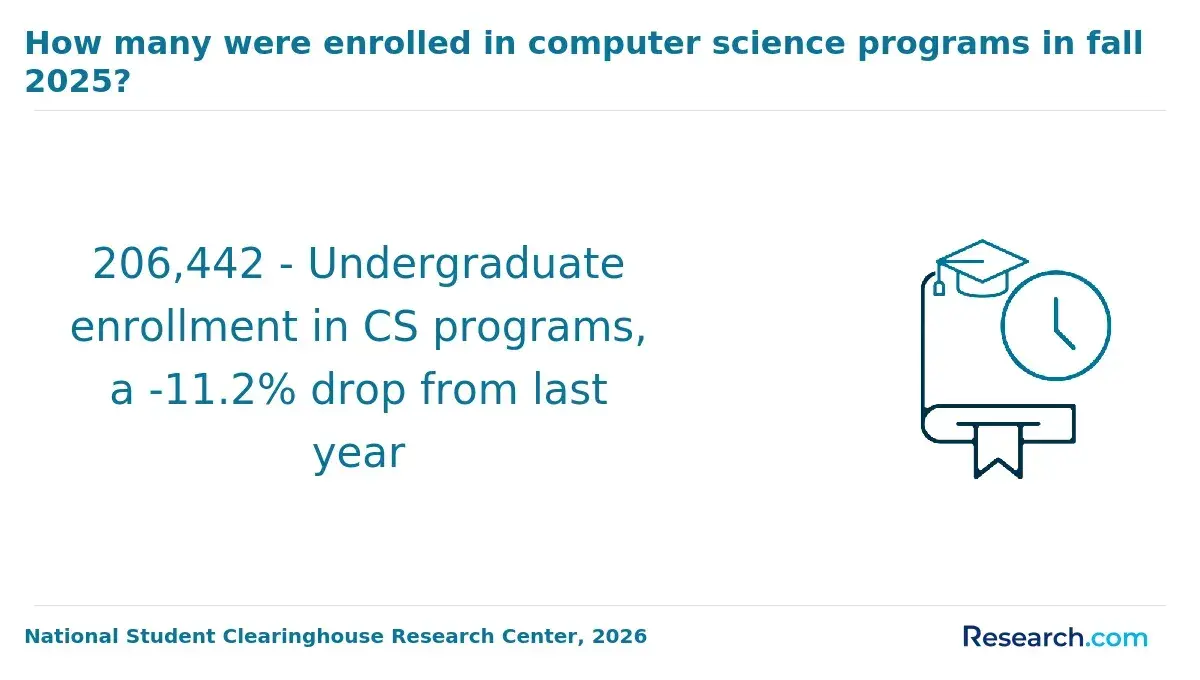
If you are considering a career as a computer and information research scientist, the real question is not just whether you like technology. It is whether you want to create new computing methods, test advanced algorithms, improve data systems, and solve problems that existing software tools cannot yet handle. This career sits at the research edge of computer science, artificial intelligence, cybersecurity, data science, networking, machine learning, computer architecture, and related fields.
The role matters more as organizations rely on complex digital systems, large-scale data, automation, and AI-driven decision-making. Employers need researchers who can move beyond routine programming and design new approaches to computation, security, analytics, and intelligent systems. Demand for computer and information research scientists is expected to grow by 20% from 2024 to 2034, making this one of the stronger long-term paths within technology research.
This guide explains how to become a computer and information research scientist, what degrees and skills matter, which roles are available at different education levels, what salaries are commonly associated with the field, and how to decide whether this path fits your goals. You will also find practical guidance on certifications, accelerated programs, financial planning, interdisciplinary opportunities, ethical responsibilities, and common mistakes to avoid.
Quick Answer: How Do You Become a Computer and Information Research Scientist?
Most computer and information research scientist roles require advanced training in computer science, computer information systems, artificial intelligence, data science, or a closely related field. A bachelor’s degree can qualify you for entry-level technical or analyst roles, while many research scientist positions require a master’s degree. Doctoral study is often useful for academic research, senior R&D leadership, specialized AI research, and roles focused on original scientific contributions.
The fastest practical route is to build a strong foundation in programming, algorithms, mathematics, data analysis, computer systems, and research methods; gain experience through projects, internships, assistantships, or publications; and then specialize in an area such as machine learning, cybersecurity, cloud computing, human-computer interaction, quantum computing, or data science.
Computer and Information Research Scientist Table of Contents
- Why this career path may be worth considering
- Career outlook, salaries, and job demand
- Skills employers and research teams expect
- How to start a career in computer and information research science
- How a bachelor’s degree supports this career path
- How accelerated degree programs can shorten the path
- Common research project areas
- How to advance into senior research roles
- Challenges in a fast-changing technology field
- Alternative careers for research-focused computer science professionals
- How AI is changing computer and information research
- Emerging trends to watch
- Financial investments to plan for
- How health informatics can support interdisciplinary research
- Ethical and legal responsibilities
- How biotechnology connects with computational research
- How health information management supports research science
- Whether advanced interdisciplinary degrees can strengthen your expertise
Why pursue a career in computer and information research science?
Computer and information research science is a strong fit for people who enjoy difficult technical questions, abstract problem-solving, experimentation, and long-term innovation. Instead of only using existing tools, researchers often design new models, improve computing methods, test prototypes, and evaluate whether new technologies can work at scale.
This career can lead to roles in universities, government laboratories, private research centers, technology companies, healthcare organizations, finance, defense, and other sectors that depend on complex computing systems. It also connects naturally to a broader career in science, technology, engineering, and mathematics, especially for people who want to work where research, software, data, and applied problem-solving overlap.
The labor-market case is also compelling. About 3,200 research scientist job openings are projected each year on average over the decade. That does not mean every graduate is guaranteed a research role, but it does show that organizations continue to need professionals who can develop advanced computing solutions rather than only maintain existing systems.
Another advantage is flexibility. Some research work can be performed remotely, especially tasks involving coding, modeling, data analysis, literature review, and technical writing. However, not every role is fully remote. Jobs tied to secure environments, laboratory hardware, classified data, specialized infrastructure, or on-site collaboration may still require regular in-person work.
Computer and Information Research Science Career Outlook
Computer and information research science can offer strong compensation because the work requires advanced technical judgment, research ability, and specialized knowledge. Pay varies by employer, education level, geographic location, field of specialization, research output, and whether the role is in academia, private industry, government, or applied product development.
When people ask, “What do computer scientists do?” the answer depends on the role. Some professionals design experiments and publish research. Others build AI models, develop algorithms, create machine learning systems, analyze complex data, or strengthen computing infrastructure. The roles below represent common career directions connected to computer and information research science.
| Role | Salary | Demand | Typical Focus |
| Computer and Information Research Scientist | $131,490 | 21% | Develop research questions, design experiments or simulations, create algorithms, analyze results, and communicate findings through publications or presentations. |
| Deep Learning Scientist | $137,642 | 21% | Build and improve neural networks and advanced machine learning methods for pattern recognition, prediction, automation, and intelligent systems. |
| AI Developer | $102,200 | 21% | Create AI applications for areas such as robotics, natural language processing, machine vision, automated reasoning, and intelligent software products. |
| Data Scientist | $141,951 | 21% | Use statistics, machine learning, data mining, and modeling to identify patterns, trends, and relationships in complex datasets. |
How to interpret salary and demand data
Salary figures are useful benchmarks, but they should not be treated as guarantees. A candidate with strong research experience, graduate training, publications, advanced AI skills, or experience in high-demand industries may qualify for different opportunities than someone entering the field with only classroom experience. Use salary data as one input in your decision, along with program cost, time to completion, employer requirements, and your preferred specialization.
Required Skills for Computer and Information Research Scientist
Computer and information research scientists need more than coding ability. The strongest candidates combine computer science theory, mathematical reasoning, experimental design, data analysis, communication, and ethical judgment. They must be able to ask researchable questions, test ideas, explain limitations, and turn technical findings into useful knowledge.
Core technical skills
- Programming fluency: Researchers commonly use languages such as Python, Java, C++, and R to build prototypes, test algorithms, process data, and run experiments. Learning multiple programming languages can make it easier to work across research areas, legacy systems, and applied engineering teams.
- Algorithm design and analysis: Research work often requires designing more efficient methods, evaluating computational complexity, and improving the performance of existing systems. This skill is central to fields such as AI, optimization, cryptography, databases, and distributed computing.
- Data analysis and modeling: Researchers must be able to clean, interpret, model, and evaluate data. Skills in statistics, data mining, machine learning, and experimental validation are especially important for AI, analytics, healthcare, cybersecurity, and scientific computing projects.
- Debugging and troubleshooting: Research rarely moves in a straight line. Experiments fail, models overfit, simulations produce unexpected results, and code behaves unpredictably. Strong troubleshooting skills help researchers identify the real source of a problem instead of guessing.
- Computer architecture and systems knowledge: Understanding hardware, operating systems, networks, distributed systems, and performance constraints helps researchers design solutions that can work beyond small test environments.
- Data security and privacy awareness: Researchers working with sensitive, proprietary, regulated, or personal data must understand encryption, access control, authentication, privacy protection, breach response, and compliance expectations.
Research and professional skills
- Mathematics and statistics: Calculus, linear algebra, probability, discrete mathematics, and statistical analysis support work across algorithms, machine learning, modeling, simulation, and many information science careers.
- Continuous learning: New frameworks, methods, and risks appear quickly in technology. Staying current with emerging technology trends is part of the job, not an optional extra.
- Collaboration and communication: Research scientists often work with engineers, product teams, clinicians, statisticians, policy specialists, faculty, or business leaders. They must explain technical work clearly to both expert and nontechnical audiences.
- Ethical reasoning: Responsible research requires attention to privacy, bias, fairness, misinformation, misuse of personal data, model transparency, and the possible social effects of new technologies.
| Skill Area | Why It Matters | How to Build It |
| Programming | Needed to implement algorithms, prototypes, simulations, and data workflows. | Complete coding projects, contribute to open-source work, and practice building reproducible experiments. |
| Algorithms | Supports original problem-solving and efficient system design. | Study data structures, computational complexity, optimization, and algorithmic proofs. |
| Mathematics and statistics | Forms the basis for modeling, machine learning, simulation, and evidence-based conclusions. | Take coursework in probability, linear algebra, calculus, and statistical inference. |
| Research methods | Helps you define hypotheses, design experiments, evaluate evidence, and document limitations. | Join faculty projects, complete capstones, write technical papers, or work as a research assistant. |
| Communication | Research must be explained, defended, published, and translated into practical decisions. | Present projects, write reports, review papers, and practice explaining technical results to varied audiences. |
How to Start Your Career in Computer and Information Research Science
Your entry point depends on your current education level and the type of work you want to do. A short certificate may help you learn a tool or specialty, but research scientist roles usually require a deeper academic and technical foundation. A bachelor’s degree can open the door to analyst, assistant, software, or data roles, while graduate study is often important for independent research positions.
| Career Stage | Salary Range | Common Responsibilities | Possible Career Paths |
| Entry Level Jobs | $60,000 to $100,000 | Support research teams, gather and analyze data, test models, document results, and assist with algorithm or software development. | Junior Researcher, Research Assistant in Computer Science, Data Analyst |
| Junior Computer and Information Research Scientist Jobs | $70,000 to $90,000 | Contribute to research design, build models, prepare findings, collaborate with technical teams, and begin developing a specialty. | Senior Research Scientist, Principal Investigator, Research Team Lead |
| Middle Computer and Information Research Scientist Jobs | $90,000 to $122,000 | Run experiments, analyze complex datasets, collaborate with senior researchers, and contribute to papers, prototypes, or applied research outputs. | Research Scientist, Software Developer, Machine Learning Engineer |
| Senior Computer and Information Research Scientist Jobs | $90,000 to $200,000 | Set research direction, mentor junior staff, oversee technical strategy, guide major projects, and contribute to high-impact research or product innovation. | Research Director, Research Professor, Chief Scientist |
Step-by-step path for beginners
- Start with foundational computer science: Learn programming, data structures, algorithms, databases, operating systems, and computer systems.
- Build mathematical depth: Prioritize linear algebra, probability, statistics, discrete math, and optimization if you plan to work in AI, data science, or algorithms.
- Choose a research area: Pick a direction such as machine learning, cybersecurity, robotics, distributed systems, data science, quantum computing, or HCI.
- Create a portfolio of evidence: Save code, reports, experiments, papers, posters, or presentations that show how you think and solve problems.
- Look for research exposure: Apply for research assistant roles, internships, lab opportunities, faculty projects, or applied R&D work.
- Decide whether graduate school is necessary: If your target jobs require independent research, a master’s or doctorate may be the more realistic path.
What can I do with an associate’s degree in computer and information research science?
Job title: Research Assistant in Computer Science
An associate degree in computer science can help you qualify for support roles tied to computer science projects. Research assistants may help faculty members, senior scientists, or technical teams by collecting data, preparing materials, testing code, organizing documentation, and supporting students or researchers. Universities may also use research assistants within computer science programs to support both faculty and students (Northwestern University, n.d.).
Average salary: $63,335
What can I do with a bachelor’s degree in computer and information research science?
Job title: Computer Data Analyst
A computer data analyst, sometimes connected to the work of a computer systems analyst, evaluates technology systems, workflows, and data processes to help organizations improve performance and information management. This work can include reviewing system integrations, data exchange methods, interfaces, compatibility issues, and opportunities to improve efficiency.
Average salary: $83,067
Can you get a computer and information research science job with just a certificate?
A certificate by itself is usually not enough for a computer and information research scientist position. Research roles commonly require a bachelor’s, master’s, or doctoral degree in computer science or a related discipline. If you need a flexible starting point, an online pathway such as a bachelor of computer science online program can provide a broader academic base than a short certificate alone.
That said, certificates can be useful when they add a targeted skill to an existing degree or work background. They can help you specialize, shift into a new technical area, or demonstrate competence in tools employers use.
- Certificate in Data Science
- Certificate in Artificial Intelligence (AI)
- Certificate in Big Data Analytics
- Certificate in Cybersecurity
- Certificate in Cloud Computing
How does a bachelor's degree support a career in computer and information research science?
A bachelor’s degree in computer science or a related field usually provides the first serious academic foundation for this career. Students learn programming, algorithms, data structures, computer architecture, systems design, databases, software engineering, and mathematical reasoning. These subjects prepare graduates for technical roles and create the base needed for later graduate research.
Many bachelor’s programs also include capstone projects, internships, faculty-led research, or applied software work. These experiences matter because employers and graduate admissions committees often want evidence that you can apply theory to real problems. If you need flexibility, comparing accredited online bachelor degree options can help you find programs that fit your schedule while still offering recognized academic preparation.
A bachelor’s degree may qualify you for data analyst, software developer, systems analyst, research assistant, and junior technical roles. For independent research scientist positions, however, it is often a stepping stone toward a master’s degree, doctoral program, or specialized research experience.
| Education Level | Best For | Limitations |
| Certificate | Adding a focused skill such as AI, cybersecurity, cloud computing, or data analytics. | Usually not enough by itself for research scientist roles. |
| Associate Degree | Building a lower-cost foundation and qualifying for support or assistant roles. | May not provide enough depth for advanced research work. |
| Bachelor’s Degree | Entering technical roles and preparing for graduate study. | May be insufficient for independent research scientist positions. |
| Master’s Degree | Qualifying for many research scientist, AI, data science, and advanced technical roles. | Requires more time and financial investment. |
| Doctorate | Academic research, senior R&D, highly specialized research, and leadership roles. | Best suited for candidates committed to original research and long-term specialization. |
The Importance of Accelerated Degree Programs in Becoming a Computer and Information Research Scientist
Accelerated degree programs can be useful for motivated students who want to complete their academic requirements more quickly. They may be especially appealing to working adults, career changers, or students who already have transfer credits and want to move into technical roles sooner.
The main benefit is time efficiency. A fastest computer science degree option may help students progress through required coursework on a shorter timeline while still building knowledge in programming, systems, algorithms, and computing theory. However, speed should not be the only factor. Research-focused careers require depth, so students should check whether an accelerated program includes rigorous coursework, qualified faculty, project work, and research opportunities.
Accelerated online programs can also provide scheduling flexibility for students balancing work, family, or location constraints. They may serve as a bridge to graduate school, technical certifications, AI development, data science, or applied research roles. The key is to confirm that the program is accredited, that credits will transfer if needed, and that the curriculum aligns with your intended specialty.
When an accelerated program makes sense
- You already have college credits that can shorten the path.
- You can handle a heavier academic workload without sacrificing learning quality.
- You need a flexible online format to balance school with other obligations.
- You plan to use the degree as a step toward graduate study or a technical career pivot.
When to be cautious
- The program does not clearly explain accreditation, faculty qualifications, or transfer policies.
- The curriculum is too broad and lacks advanced computer science depth.
- You need research mentorship but the program offers little faculty interaction.
- You are choosing speed even though you need stronger preparation in math, programming, or theory.
What types of research projects can computer and information research scientists expect to work on?
Research projects vary by employer, discipline, funding source, and specialization. Some projects are theoretical, while others are tied to applied products, public-sector needs, healthcare systems, cybersecurity threats, or large-scale data infrastructure.
- Artificial intelligence and machine learning: Researchers may design new learning algorithms, improve model accuracy, reduce bias, build natural language tools, develop computer vision systems, or study autonomous decision-making.
- Data privacy and security: Projects may focus on encryption, intrusion detection, secure software design, privacy-preserving computation, or methods to protect sensitive digital information.
- Quantum computing: Researchers in this area study computing models based on quantum mechanics, with possible applications in cryptography, simulation, optimization, and problems that are difficult for traditional computers.
- Human-computer interaction: HCI researchers study how people use technology and design systems that are more accessible, usable, intuitive, and effective. Work may include wearable devices, virtual reality, augmented reality, assistive technology, or interface design.
How can I advance my career in computer and information research?
Career advancement usually comes from a combination of deeper education, stronger research experience, specialized technical skills, leadership ability, and a record of completed work. There are about 5.19 million computer and mathematical jobs in the U.S., representing 3.19% of employment in the country. Within that broad labor market, research-focused professionals can stand out by demonstrating both theoretical depth and practical results.
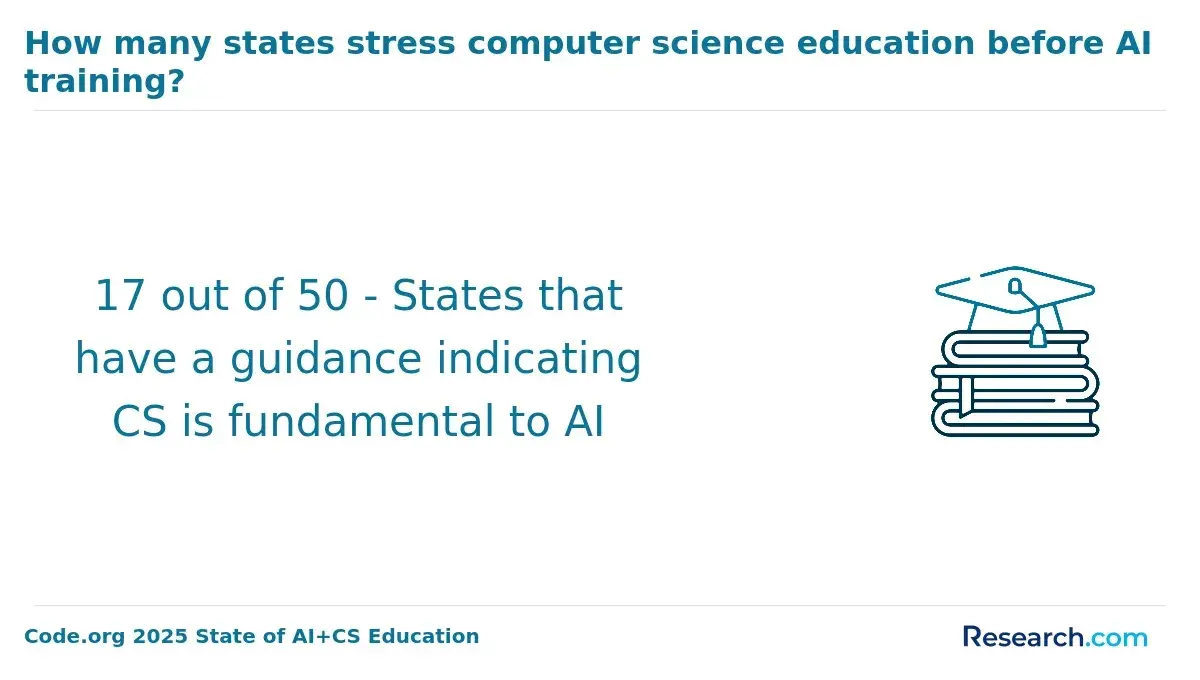
To move from entry-level support work into independent or senior research, focus on building a recognizable specialty. That may mean publishing papers, contributing to patents, leading experiments, presenting at conferences, managing R&D projects, earning a graduate degree, or becoming the person teams trust for a high-value technical domain.
What can I do with a master’s in computer and information research science?
Job title: Computer and Information Research Scientist
A master’s degree can prepare professionals for advanced research and development work in computer science and information technology. A computer and information research scientist may design algorithms, build models, evaluate systems, run experiments, and analyze large datasets. In many cases, employers look for graduate-level preparation, such as a degree in computer information systems or a related computing discipline.
Average salary: $131,490
What kind of job can I get with a doctorate in computer and information research science?
Job title: Research and Development Director
A research and development director leads research strategy inside an organization. In a computing environment, this role may involve managing teams of computer and information research scientists, setting priorities, evaluating emerging technologies, overseeing budgets and timelines, and ensuring that research work meets organizational and regulatory expectations.
Average salary: $221,908
Which certification is best for computer and information research science?
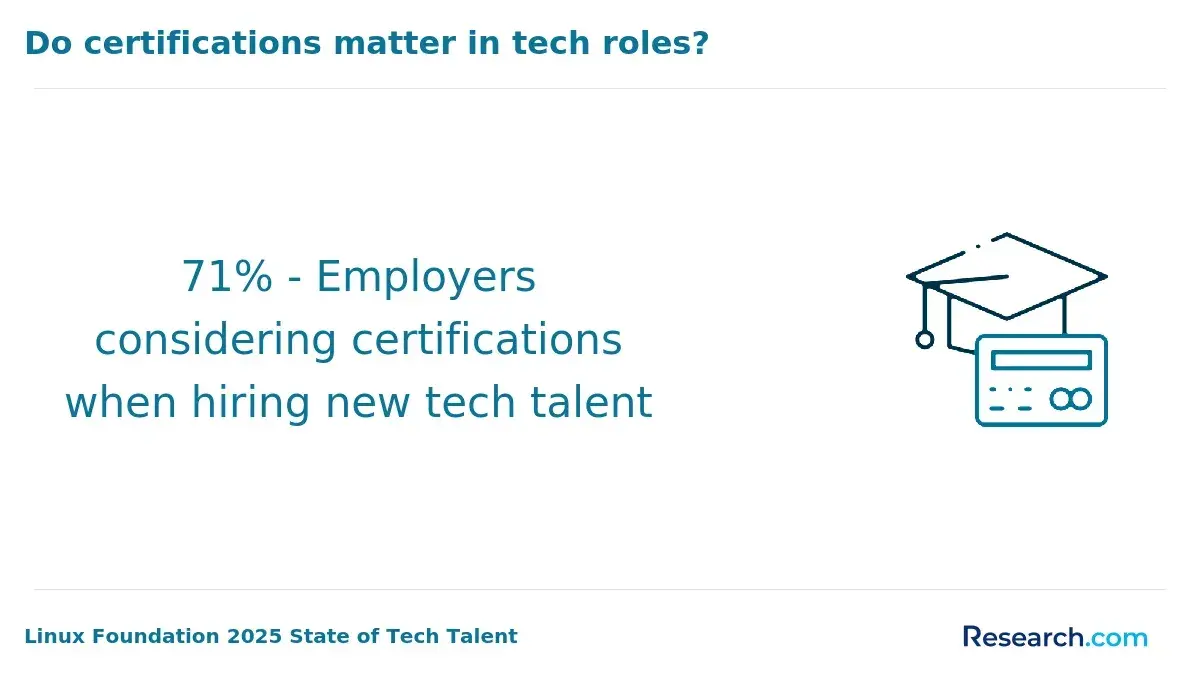
No single certification is best for every research scientist. The right credential depends on your target specialty. For example, a machine learning researcher may benefit from an AI or cloud machine learning credential, while a cybersecurity-focused researcher may prioritize secure software or security architecture training.
- Certified Computer Scientist (CCS)
- Certified Analytics Professional (CAP)
- Amazon Web Services (AWS) Certified Machine Learning
- Microsoft Certified Azure Developer Associate
- Certified Secure Software Lifecycle Professional
| Career Goal | Helpful Preparation | Why It Helps |
| AI or machine learning research | Graduate coursework, machine learning projects, AWS Certified Machine Learning, and AI-focused certificates. | Shows experience with models, data pipelines, evaluation, and applied AI tools. |
| Data science research | Statistics, data mining, CAP, Python or R projects, and applied analytics experience. | Builds credibility in quantitative analysis and data-driven experimentation. |
| Cybersecurity research | Security coursework, secure software training, and security-focused certifications. | Supports work involving privacy, threat detection, encryption, and secure system design. |
| Research leadership | Doctoral study, publications, project management, mentoring, and R&D experience. | Demonstrates the ability to guide teams and set technical direction. |
What challenges do computer and information research scientists face in a rapidly evolving tech landscape?
The biggest challenge is that the field changes faster than many traditional training paths. New AI methods, cybersecurity risks, data regulations, software tools, hardware architectures, and research standards can alter what employers expect. Researchers must keep learning while also producing reliable, ethical, and reproducible work.
Security is a major concern. Projects that use sensitive data or connected systems require careful risk management, privacy controls, and compliance practices. Professionals who want stronger security expertise may consider options such as the cheapest online master's in cyber security as part of a broader plan to work in secure systems or cybersecurity research.
Common mistakes to avoid
| Mistake | Why It Can Hurt You | Better Approach |
| Choosing a program without checking accreditation | Credits, financial aid eligibility, graduate admissions, or employer recognition may be affected. | Verify institutional accreditation before enrolling. |
| Focusing only on tuition | Fees, software, hardware, lost work time, and extra semesters can change the true cost. | Compare total cost, completion time, transfer credits, and academic support. |
| Assuming a certificate guarantees a research job | Most research scientist roles require deeper academic preparation. | Use certificates to supplement a degree, portfolio, or work experience. |
| Ignoring math and theory | Advanced research often depends on statistics, algorithms, and formal reasoning. | Strengthen mathematics alongside coding and applied tools. |
| Relying only on rankings | A highly ranked program may not fit your specialization, budget, or schedule. | Compare curriculum, faculty expertise, research opportunities, cost, and career support. |
| Assuming salary outcomes are guaranteed | Pay depends on role, employer, location, education, experience, and specialization. | Use salary data as a planning benchmark, not a promise. |
Alternative Career Options for Computer and Information Research Scientists
A research background in computer science can lead to several related careers, especially if you prefer applied development, product work, security, analytics, or system design over academic-style research.
- Machine Learning Engineer: Builds, deploys, tests, and optimizes machine learning systems that make predictions or decisions from large datasets.
- Cybersecurity Analyst: Protects systems and networks by identifying vulnerabilities, monitoring threats, implementing safeguards, and responding to incidents. A degree in cyber security can support this direction.
- User Experience (UX) Designer: Studies users, designs interfaces, improves accessibility, and creates digital experiences that are easier and more effective to use. The main responsibilities of UX designers often include research, testing, and interface design.
- Data Engineer: Designs and maintains data systems, pipelines, storage processes, and infrastructure that allow teams to collect, move, process, and analyze information reliably.
- Software Architect: Defines the structure of complex software systems, evaluates technical requirements, makes design decisions, and guides development teams toward scalable and maintainable solutions.
| Alternative Role | Best Fit If You Prefer | Research Skills That Transfer |
| Machine Learning Engineer | Building deployable AI systems rather than primarily publishing research. | Model evaluation, data analysis, programming, experimentation. |
| Cybersecurity Analyst | Protecting systems and investigating threats. | Systems thinking, pattern recognition, risk analysis, secure coding awareness. |
| UX Designer | Studying users and designing better digital experiences. | Research design, data interpretation, usability testing, communication. |
| Data Engineer | Creating reliable data infrastructure. | Database knowledge, programming, architecture, problem-solving. |
| Software Architect | Making high-level technical design decisions. | Systems knowledge, abstraction, trade-off analysis, technical leadership. |
How is artificial intelligence shaping the future of computer and information research science?
Artificial intelligence is changing both what computer and information research scientists study and how they conduct research. AI tools can help process large datasets, identify patterns, generate hypotheses, automate repetitive tasks, improve simulations, and speed up experimentation. At the same time, AI creates new research questions about fairness, reliability, interpretability, privacy, safety, and responsible deployment.
AI is especially influential in machine learning, natural language processing, computer vision, robotics, cybersecurity, data analytics, and algorithm optimization. Researchers may work on improving model performance, reducing bias, developing autonomous systems, strengthening AI security, or creating methods that make AI decisions more explainable.
Professionals who want to specialize in this area may consider advanced study, including options such as the cheapest online master’s in artificial intelligence. Before enrolling, compare the curriculum carefully. Look for courses in machine learning, deep learning, data ethics, model evaluation, mathematical foundations, and applied AI projects.
What emerging trends are shaping the future of computer and information research science?
Several trends are shaping the field: AI-driven research methods, quantum computing, cloud and edge computing, stronger cybersecurity expectations, privacy-focused data practices, and increasing attention to ethical technology. These trends are creating demand for professionals who can work across theory, implementation, governance, and applied innovation.
As technology work becomes more specialized, employers may reward candidates who combine depth in one research area with enough breadth to collaborate across teams. Roles connected to AI, security, data infrastructure, and advanced computing can overlap with some of the top paying jobs in IT, although compensation still depends on the position, employer, location, and experience.
What financial investments should I consider for a career in computer and information research science?
The main financial investment is education. Depending on your starting point and target role, you may need an associate, bachelor’s, master’s, or doctoral degree. You may also need software, hardware, exam fees, certification costs, conference travel, research materials, or reduced work hours while studying.
Students trying to control costs may begin with lower-cost pathways, transfer credits, employer tuition support, or online programs. For example, comparing the cheapest online associate degree in computer science options may help some students complete foundational coursework before moving into a bachelor’s program. The key is to verify transfer policies in advance so credits do not lose value later.
| Cost Factor | Questions to Ask Before Enrolling |
| Tuition and fees | What is the full program cost, not just the per-credit price? |
| Transfer credits | How many credits will the school accept, and will they apply to major requirements? |
| Accreditation | Is the institution accredited, and will the degree be recognized by employers or graduate schools? |
| Technology requirements | Will you need specific hardware, software, cloud credits, lab access, or security tools? |
| Time to completion | Can you study full time, or will part-time enrollment extend your costs? |
| Career support | Does the program offer internships, research opportunities, faculty mentoring, or portfolio-building projects? |
How can online health informatics programs strengthen interdisciplinary research?
Health informatics can be a valuable complement for computer and information research scientists who want to work with clinical data, digital health systems, privacy-sensitive datasets, or healthcare analytics. Online programs in this field often combine data governance, clinical workflows, health technology, analytics, and information security.
This interdisciplinary preparation can support research in areas such as patient data management, predictive analytics, healthcare AI, interoperability, and digital health policy. If you are interested in the healthcare side of computing research, compare the best online programs in health informatics and look for coursework that connects health data with analytics, ethics, privacy, and applied technology.
What ethical and legal responsibilities should computer and information research scientists consider?
Computer and information research scientists must think carefully about how their work affects people, organizations, and society. Research involving AI, personal data, surveillance, health records, financial systems, or automated decision-making can raise serious ethical and legal questions.
Important responsibilities include protecting privacy, reducing algorithmic bias, documenting model limitations, securing research data, following applicable regulations, avoiding misuse of sensitive information, and communicating uncertainty honestly. Researchers who want to deepen their security and ethics knowledge may find value in related resources such as what you can do with a masters in cybersecurity.
How can biotechnology drive interdisciplinary innovation in computer and information research science?
Biotechnology and computer science increasingly overlap through bioinformatics, computational modeling, genomic data analysis, systems biology, and data-driven medical research. Computer and information research scientists can contribute by building algorithms that analyze complex biological datasets, model biological systems, or improve research workflows.
This direction may appeal to professionals who want to apply computing to personalized medicine, life sciences, pharmaceutical research, or biological discovery. A biotechnology master online can help some learners combine technical computing skills with domain knowledge in biotechnology.
What role does health information management play in advancing interdisciplinary research science?
Health information management adds another pathway for applying computer and information research to healthcare. HIM focuses on health data quality, governance, compliance, interoperability, coding systems, privacy, and the responsible use of patient information.
For research scientists, this knowledge can improve projects involving clinical data pipelines, healthcare analytics, electronic health records, patient privacy, or regulatory requirements. Students who want a healthcare technology focus may compare affordable HIM online degree programs to see whether the curriculum supports both data management and applied healthcare technology.
Can advanced interdisciplinary degrees strengthen my research expertise?
Yes, advanced interdisciplinary degrees can strengthen your research profile when they add relevant domain expertise to your computing foundation. The best choice depends on your target research area. Healthcare, biotechnology, public health, finance, cybersecurity, and data science all require different combinations of technical and subject-matter knowledge.
For example, bioinformatics masters programs may be useful if you want to work at the intersection of computer science, biology, statistics, and medical research. The strongest interdisciplinary path is one that helps you solve specific research problems, not one chosen only because it sounds broad or marketable.
Is a career in computer and information research science worth it?
A career in computer and information research science can be worth it if you enjoy advanced problem-solving, sustained learning, and technical uncertainty. It is especially suitable for people who want to create new methods or systems rather than only operate existing technology. The field offers strong salary potential, projected job growth, and opportunities across AI, data science, cybersecurity, healthcare, software, and research-intensive industries.
It may not be the best fit if you want a short training path, dislike mathematics or theory, prefer predictable tasks, or do not want to keep up with rapid changes in technology. Many of the most rewarding roles require graduate education, research experience, and a long-term commitment to specialization.
If you are motivated by social impact, research in healthcare technology may be especially meaningful. Developments in how technology is changing healthcare show how computing can affect patient care, medical research, communication, and public health. Similar opportunities exist in transportation, cybersecurity, education, science, and communication systems.
Questions to ask before choosing this career path
- Do I enjoy open-ended problems where the answer is not already known?
- Am I willing to build strong skills in math, algorithms, programming, and research methods?
- Which specialization interests me most: AI, data science, cybersecurity, systems, HCI, quantum computing, or another area?
- Will my target jobs require a master’s degree or doctorate?
- Can I show evidence of research ability through projects, publications, prototypes, internships, or assistantships?
- Does the degree program I am considering have accreditation, qualified faculty, research opportunities, and relevant coursework?
- How will I manage education costs, time to completion, and the opportunity cost of additional study?
Key Insights
- This is a research-heavy technology career: Computer and information research scientists design new methods, test advanced systems, analyze complex data, and solve problems that go beyond routine software development.
- Demand is strong but preparation matters: Demand is expected to grow by 20% from 2024 to 2034, and about 3,200 research scientist job openings are projected each year on average over the decade.
- Graduate education is often important: A bachelor’s degree can lead to technical and analyst roles, but many independent research scientist jobs require a master’s degree, and senior academic or R&D roles may favor doctoral training.
- Salary potential varies by role: The median annual salary for a computer and information research scientist is approximately $131,490, while related roles listed in this guide include deep learning scientist, AI developer, and data scientist.
- Technical depth is non-negotiable: Programming, algorithms, data analysis, mathematics, statistics, computer architecture, systems knowledge, and data security are core skills for this field.
- AI is changing both the tools and the research agenda: Researchers increasingly use AI to accelerate analysis while also studying fairness, reliability, privacy, explainability, and responsible AI deployment.
- Choose education carefully: Before enrolling, check accreditation, transfer credit policies, curriculum depth, research opportunities, faculty expertise, total cost, and whether the program aligns with your intended specialization.
- Interdisciplinary knowledge can create an advantage: Fields such as health informatics, biotechnology, health information management, cybersecurity, and bioinformatics can help researchers apply computing expertise to high-impact real-world problems.
References:
- Bureau of Labor Statistics. (2025). Computer and Information Research Scientists. https://www.bls.gov/ooh/computer-and-information-technology/computer-and-information-research-scientists.htm
- Bureau of Labor Statistics. (2024). Occupational Employment and Wage Statistics. Industry: Cross-industry, Private, Federal, State, and Local Government. https://data.bls.gov/oes/#/industry/000000
- Northwestern University. (n.d.). Research Areas. https://www.mccormick.northwestern.edu/computer-science/research/areas
- Plural Sight. (2024). Top Software Developer Certifications. https://www.pluralsight.com/blog/software-development/best-developer-certifications
- Corporate Finance Institute. (n.d.). Data Security. https://corporatefinanceinstitute.com/resources/data-science/data-security
- University of Sunderland. (n.d.). What is Computer Architecture. https://online.sunderland.ac.uk/what-is-computer-architecture/
- CompTIA. (n.d.). Ethical Issues in Technology. https://connect.comptia.org/blog/ethical-issues-in-technology
- Bureau of Labor Statistics. Computer and Information Research Scientists. https://www.bls.gov/ooh/computer-and-information-technology/computer-and-information-research-scientists.htm
Other Things You Should Know About Becoming a Computer and Information Research Scientist
To become a computer and information research scientist in 2027, a Ph.D. in computer science, information systems, or a related field is typically required. Advanced degrees ensure in-depth knowledge and research capability necessary for tackling complex computational problems.
Most employers require a master’s degree or Ph.D. and do not set a fixed experience minimum. However, research internships, graduate assistantships, and published projects often count strongly. Federal and lab positions may prefer 1–3 years of applied research, coding, or systems experience.
Essential skills include proficiency in programming languages (such as Python, Java, C++, and R), algorithm design and analysis, data analysis, troubleshooting, computer architecture, and data security. Strong mathematical and statistical skills, adaptability, collaboration, and communication skills are also important.
In 2027, industries actively hiring computer and information research scientists include technology firms, government agencies, healthcare, finance, and academia. These sectors seek researchers for roles in artificial intelligence, cybersecurity, data science, and algorithm development, reflecting the growing reliance on technology and data-driven decision-making.